Artwork
The holy Women at the Sepulchre
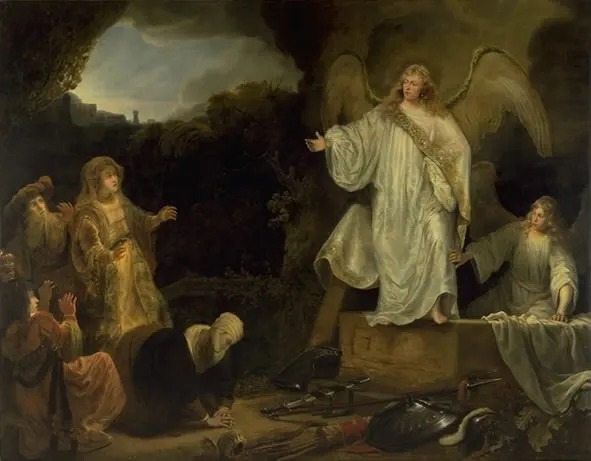
The holy Women at the Sepulchre is an oil painting by the Dutch Golden Age artist Ferdinand Bol. It dates from 1644 and is held in the collection of the Statens Museum for Kunst.
About this work
Overview
Ferdinand Bol’s 1644 oil painting *The Holy Women at the Sepulchre* portrays a biblical episode from the Dutch Golden Age. Executed in the mature style of a former Rembrandt pupil, the work is part of the Statens Museum for Kunst’s collection and reflects the period’s interest in dramatic religious narratives.
Subject & Meaning
The scene centers on the myrrhbearers—women who came to Jesus’s tomb after his burial—accompanied by a kneeling man. An illuminated angel with outstretched wings stands upon a chest, gesturing upward, suggesting the revelation of the resurrection. The women’s startled expressions convey the emotional impact of the divine announcement.
Technique & Style
Bol employs a luminous palette to highlight the angelic figure against a somber backdrop. Chiaroscuro modeling, inherited from Rembrandt, creates depth, while the handling of oil paint renders the textures of cloth, weaponry, and the surrounding forest with subtle realism.
Context
Created during a period when Dutch artists frequently explored biblical themes, the painting reflects contemporary theological interest in the role of the women at the tomb. Bol’s training under Rembrandt is evident in the emotional intensity and use of light, aligning the work with broader trends in 17th‑century Dutch religious art.
Artist & collection
Artist
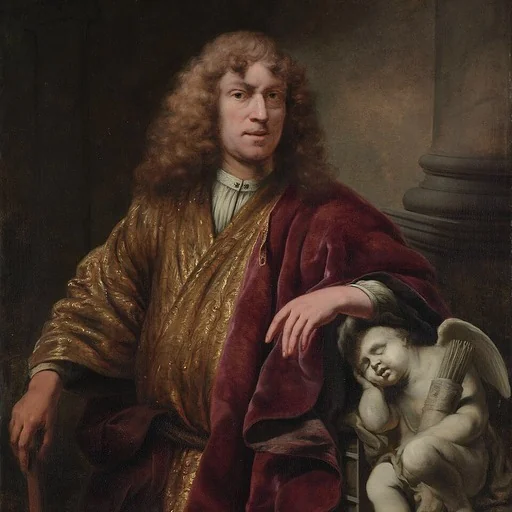
Ferdinand Bol (24 June 1616 - 24 August 1680) was a Dutch painter, etcher and draftsman.

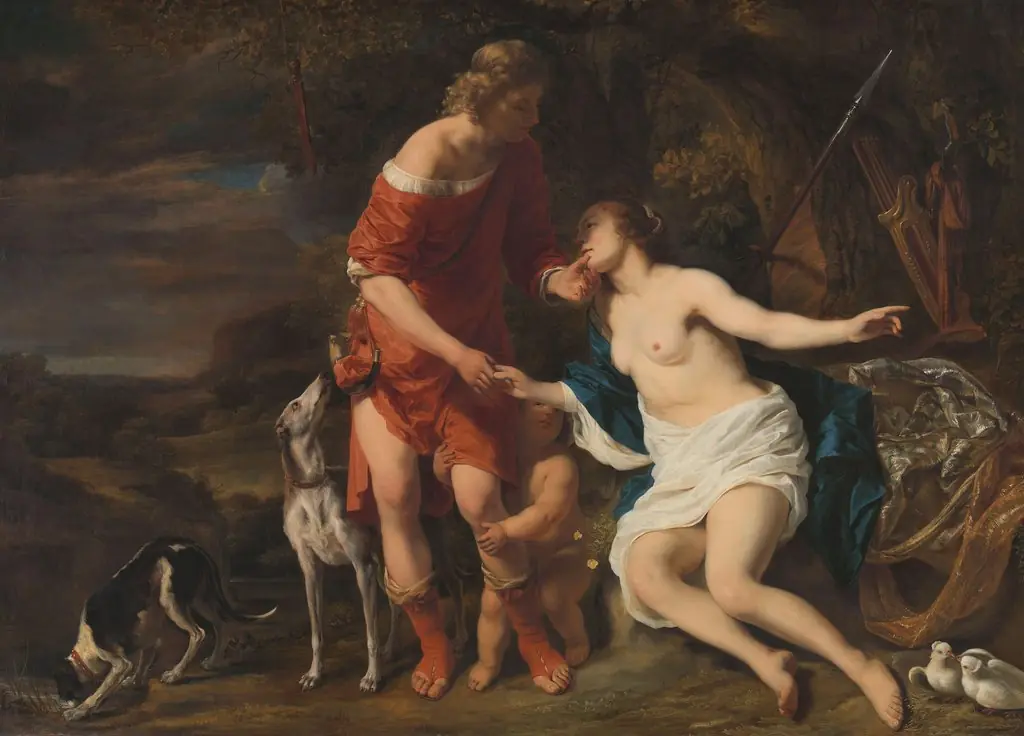 Venus and Adonis
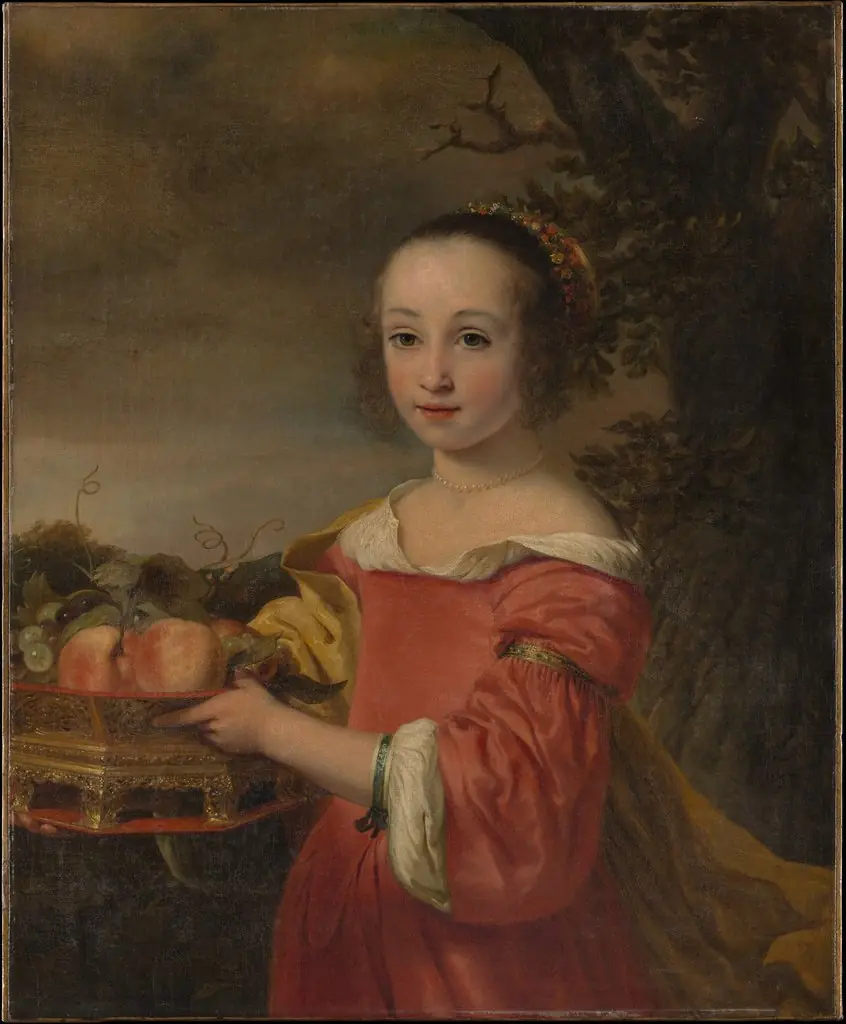 Petronella Elias (1648–1667) with a Basket of Fruit
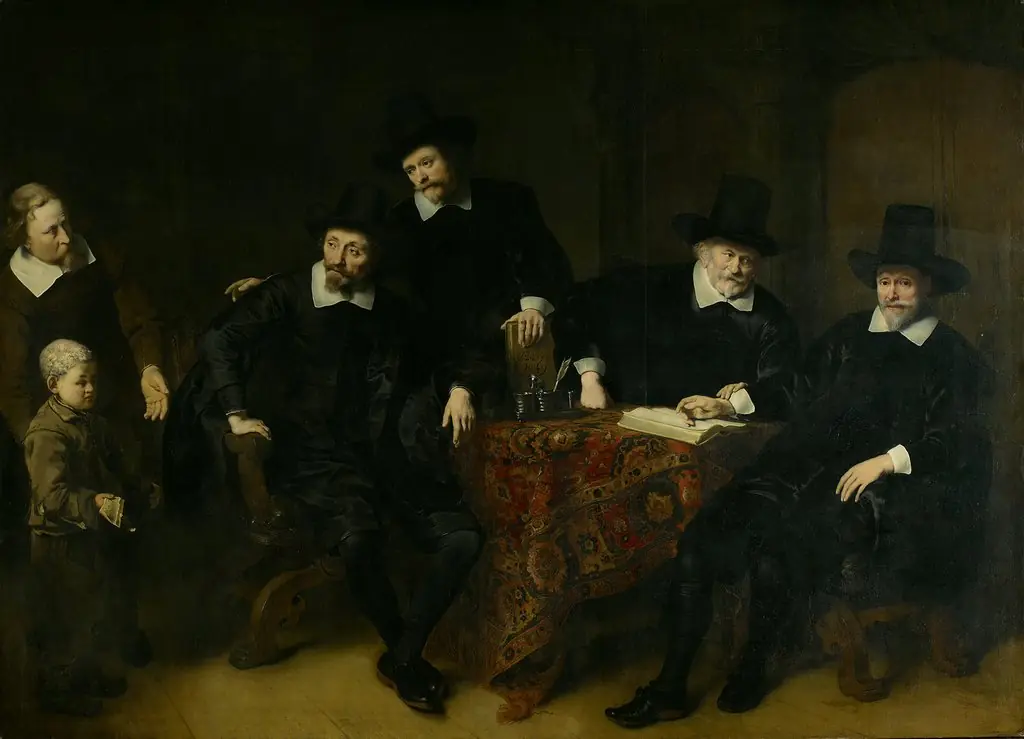 The Regents of the Leper's house in Amsterdam in 1649
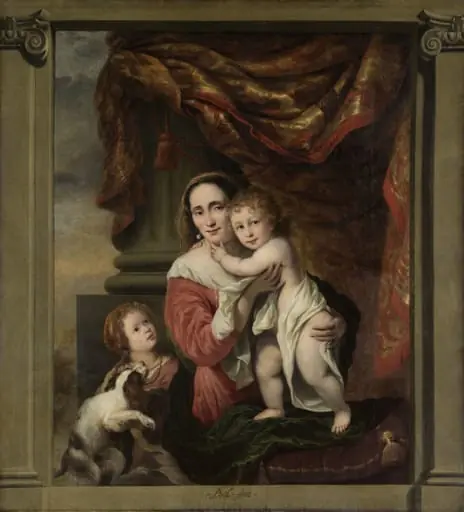 Caritas: Joanna de Geer (1629-1691) with her Children Cecilia Trip (1660-1728) and Laurens Trip (b. 1662)
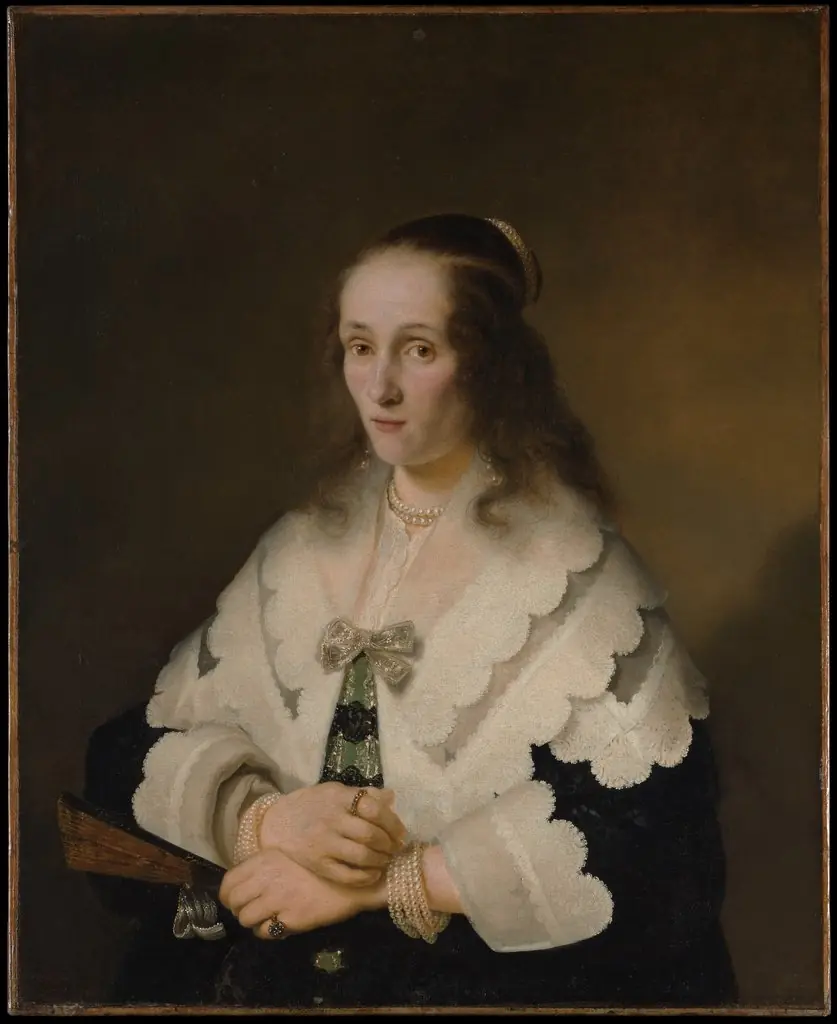 Portrait of a Woman
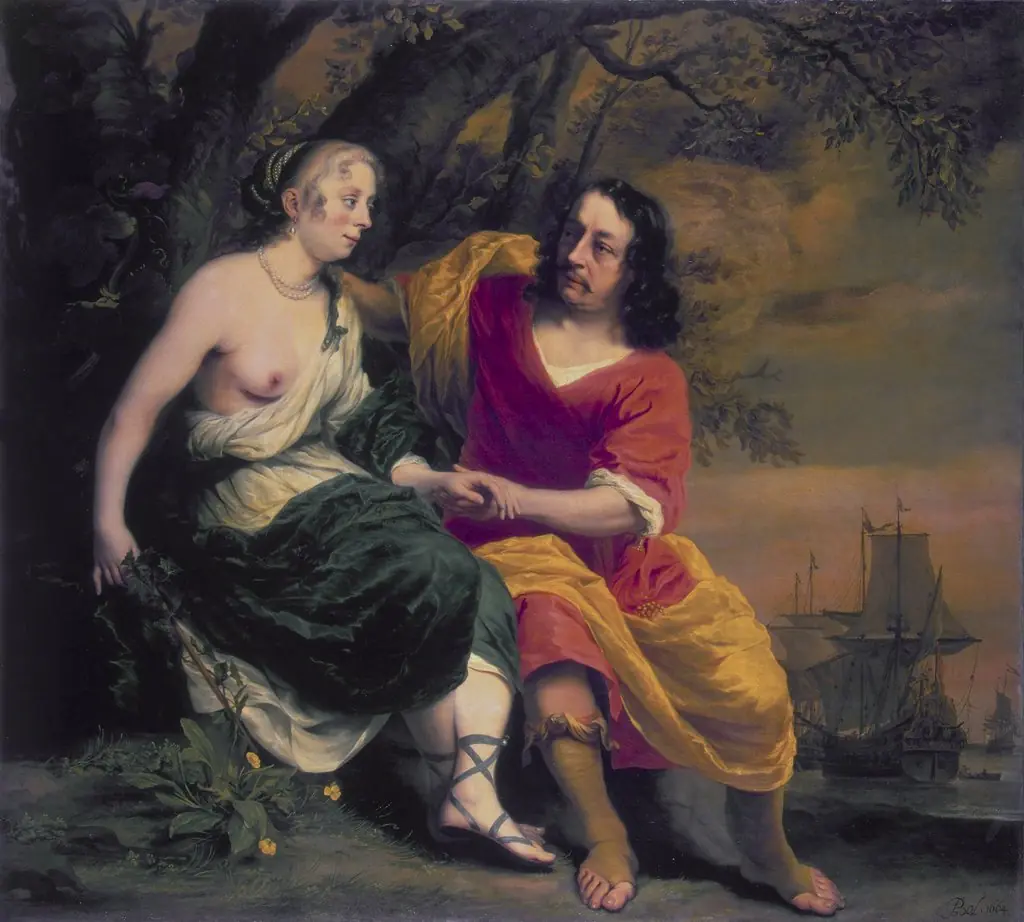 Bacchus and Ariadne
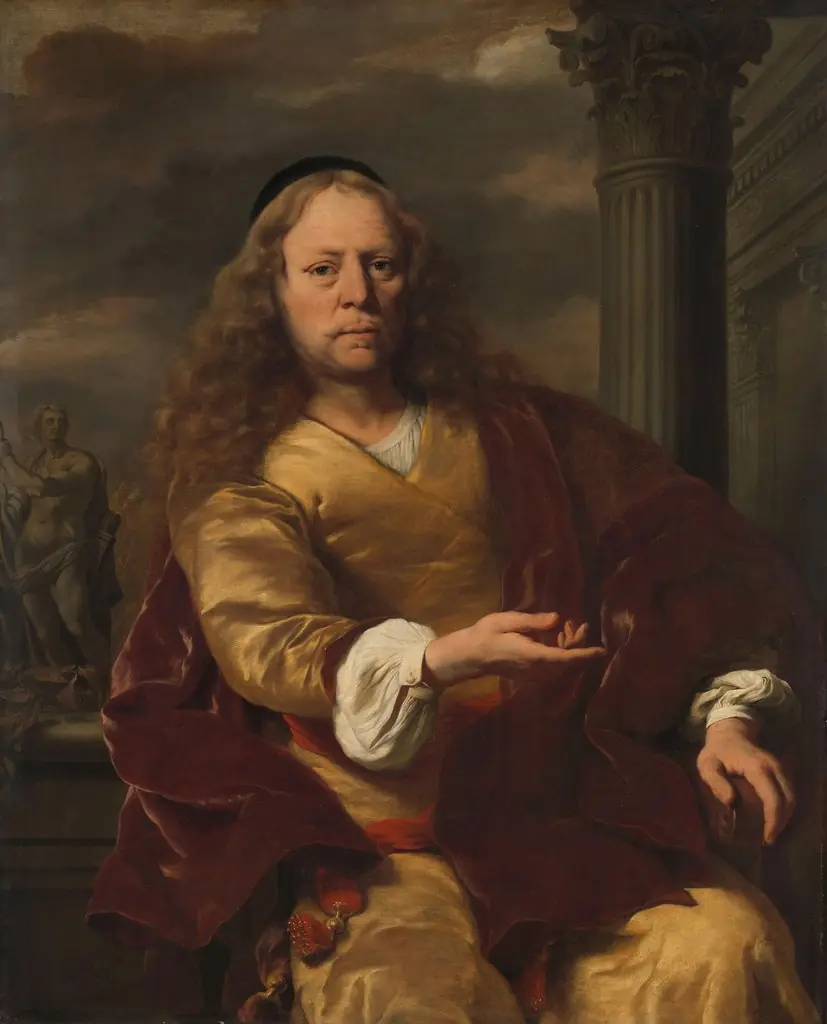 Portrait of a man
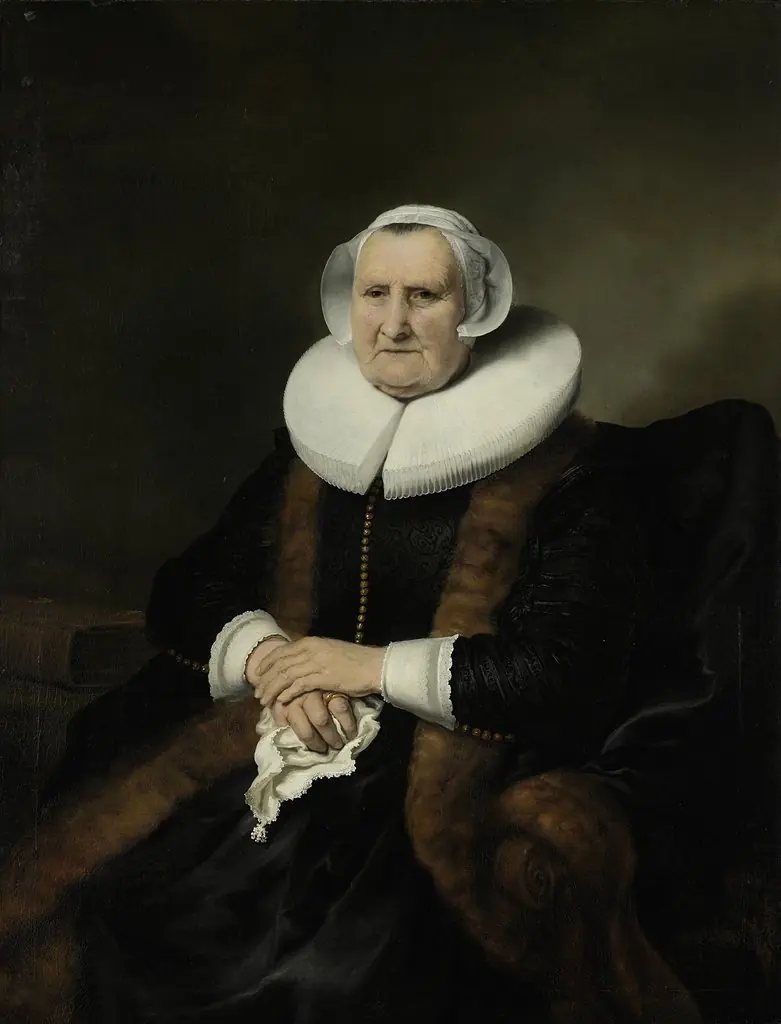 Portrait of an Old Lady, Possibly Elisabeth Bas