Artwork
Young woman with a lira da gamba
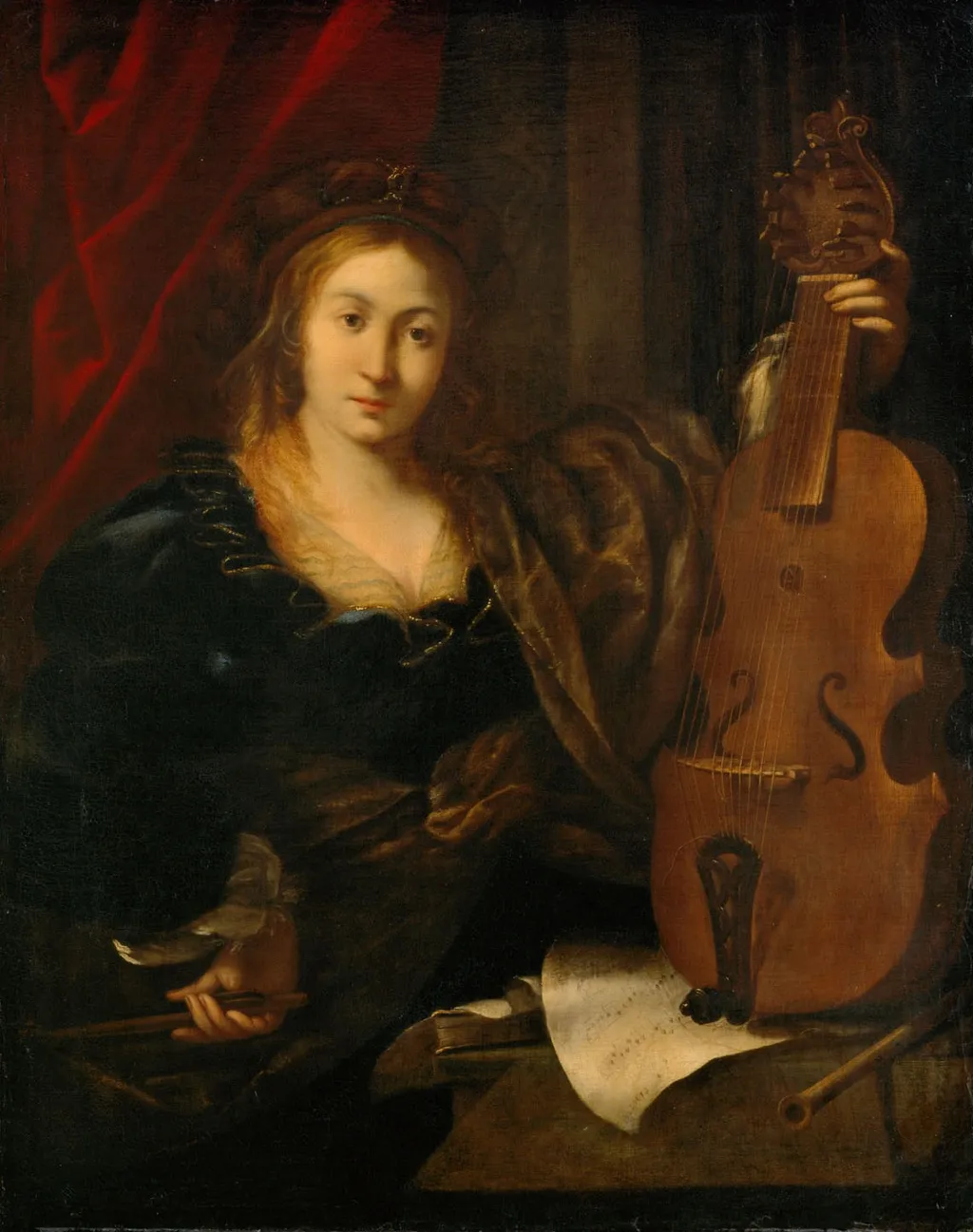
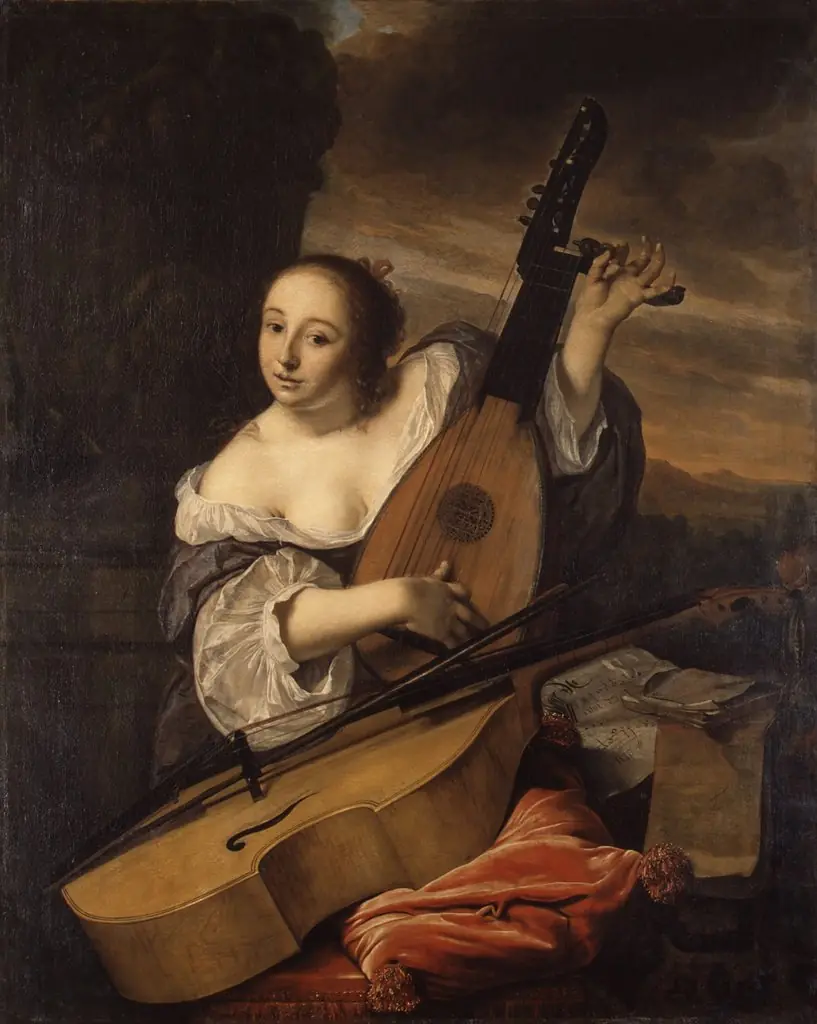
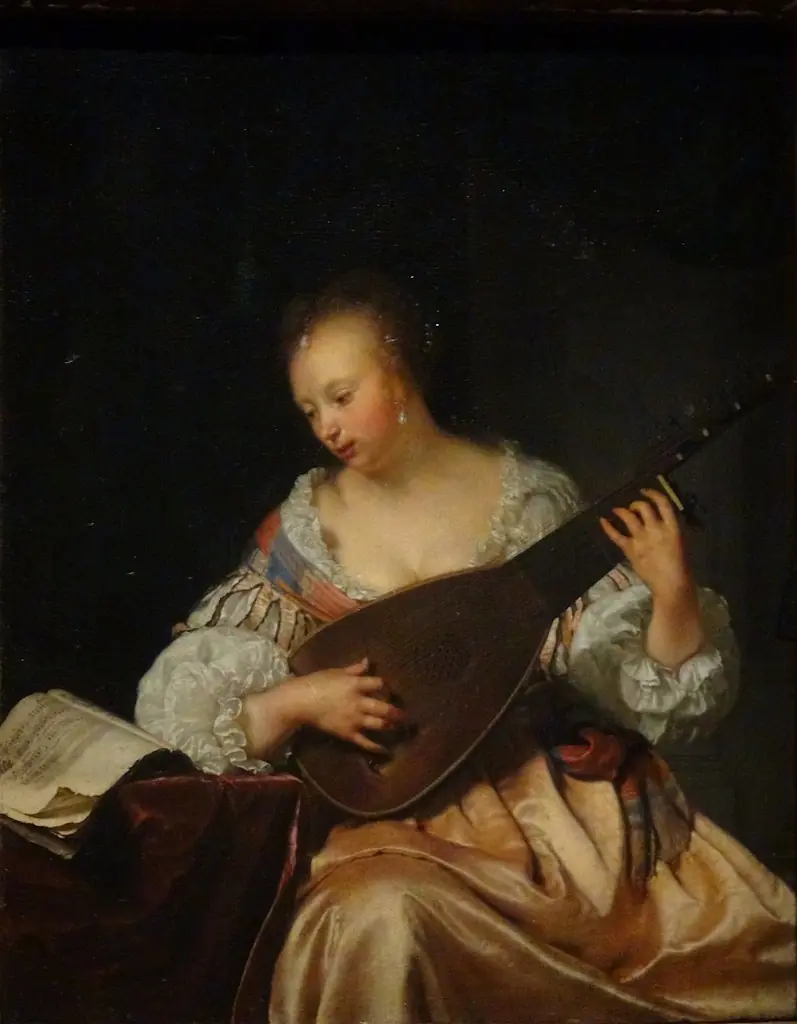
Young woman with a lira da gamba is an oil painting by the Dutch Golden Age artist Ferdinand Bol. It dates from 1653 and is held in the collection of the Kunsthistorisches Museum.
About this work
Overview
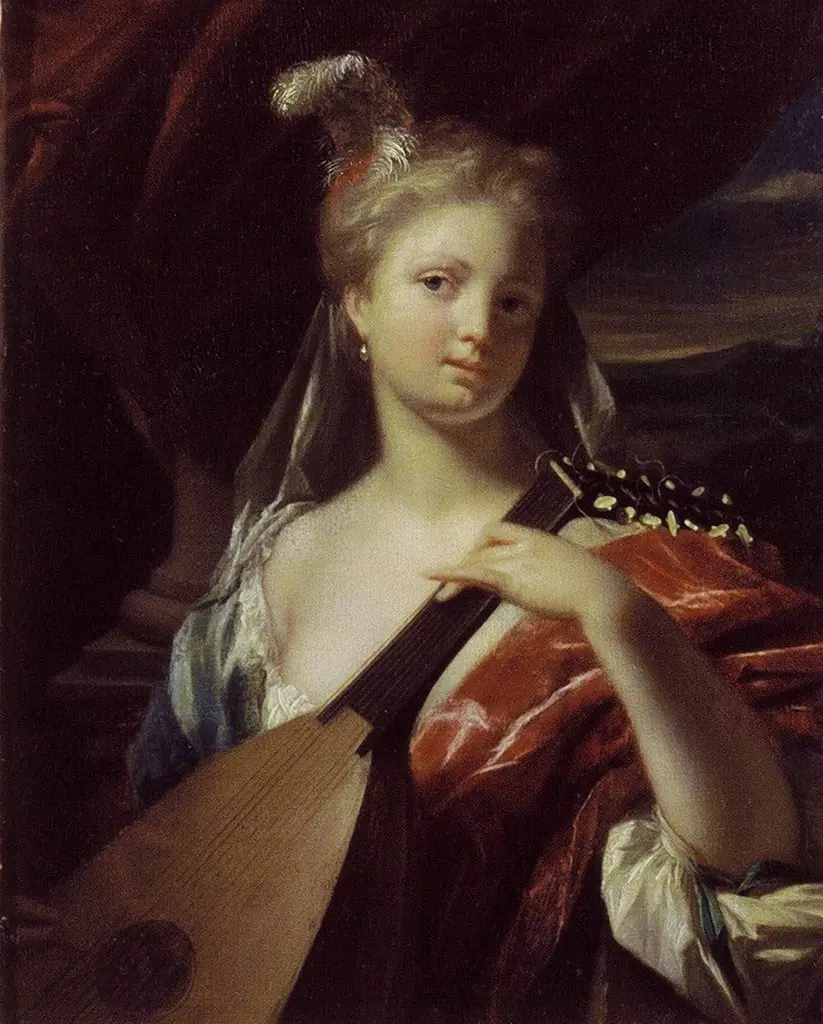
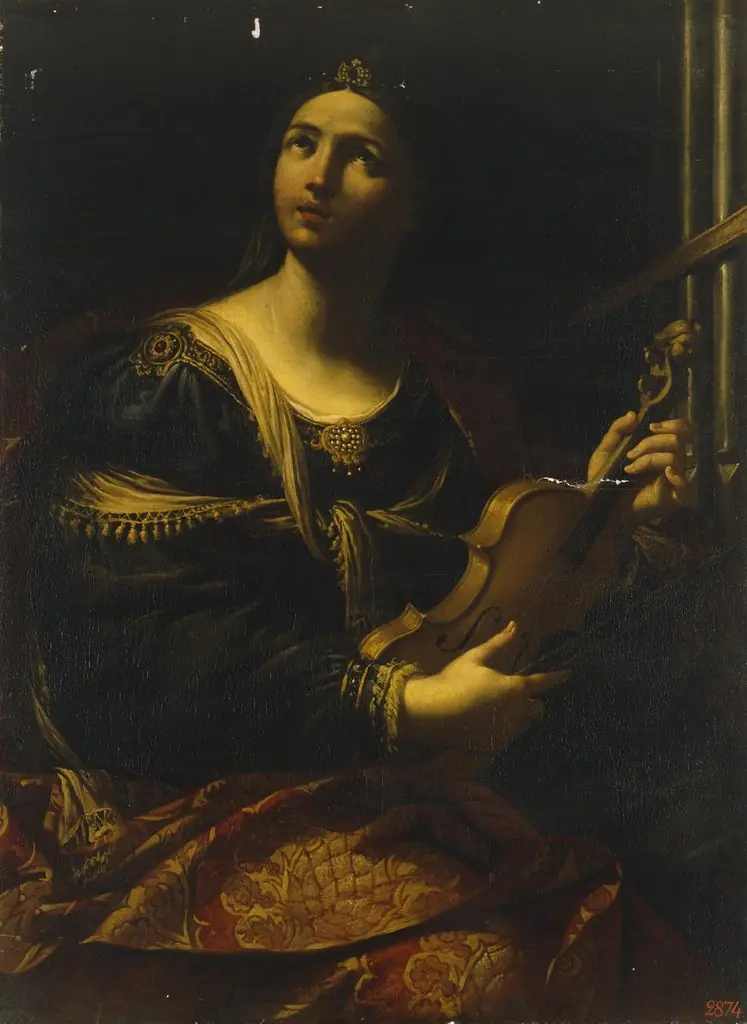
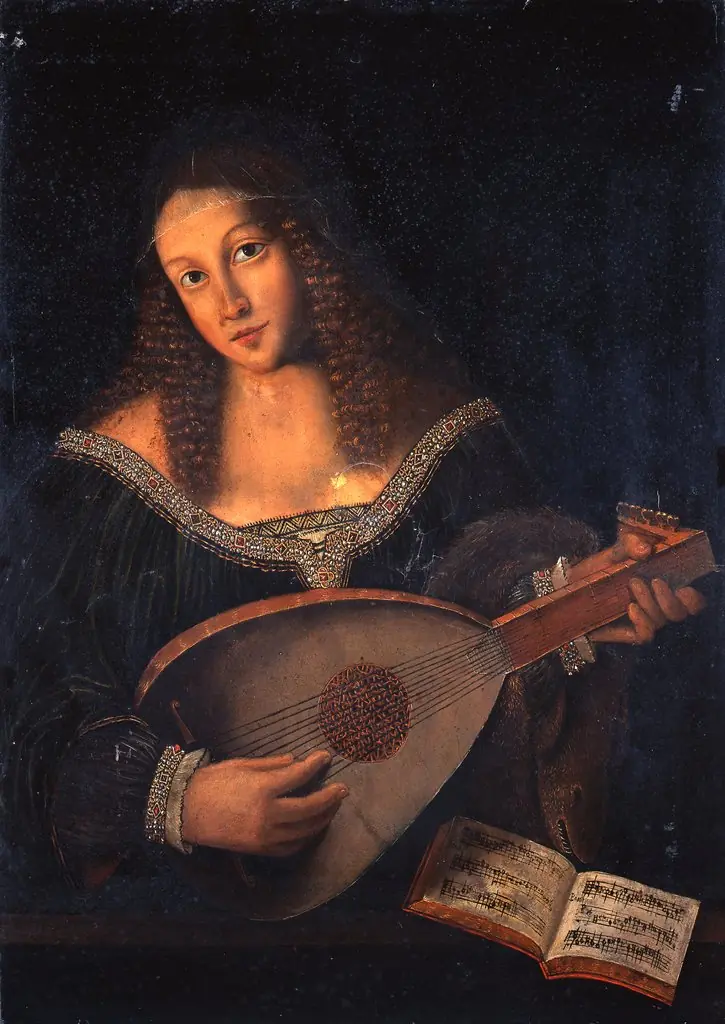
Ferdinand Bol’s 1653 oil painting, *Young Woman with a Lira da Gamba*, depicts a solitary female figure seated with a large, early‑type string instrument across her lap. The composition is set against a deep‑red drapery, and a small bird rests on the woman’s arm while a sheet of music lies before her. The work is part of the Dutch Golden Age collection at the Kunsthistorisches Museum.
Subject & Meaning
The image presents an allegorical scene in which the young woman, dressed in a light gown beneath a dark, fur‑trimmed cloak, appears engaged in music-making. The presence of the lira da gamba—a predecessor of the cello—along with the music sheet and the perched bird suggests themes of harmony, learning, or perhaps the virtues associated with the art of music in 17th‑century symbolism.
Technique & Style
The brushwork remains fine, emphasizing the intricate details of the costume and the instrument’s curves.
Bol employs a pronounced chiaroscuro, allowing the illumination to fall on the woman’s face and the polished surface of the instrument while the surrounding curtain recedes into shadow. This handling of light and texture reflects the influence of his teacher Rembrandt, especially in the rendering of fabric, fur, and the reflective qualities of wood. The brushwork remains fine, emphasizing the intricate details of the costume and the instrument’s curves.
History & Provenance
Created in 1653, the painting is one of the relatively few surviving works by Bol, whose output was limited compared to many of his contemporaries. After remaining in private hands for several centuries, the canvas entered the collection of the Kunsthistorisches Museum in Vienna, where it is displayed as part of the museum’s holdings of Dutch Golden Age art.
Context
Bol, a pupil of Rembrandt, worked during a period when Dutch artists frequently explored allegorical portraiture that combined portraiture with moral or intellectual themes. The choice of a lira da gamba—a less common instrument by the mid‑17th century—reflects a nostalgic interest in older musical forms, aligning the work with contemporary tastes for historical and cultural references.
Artist & collection
Artist
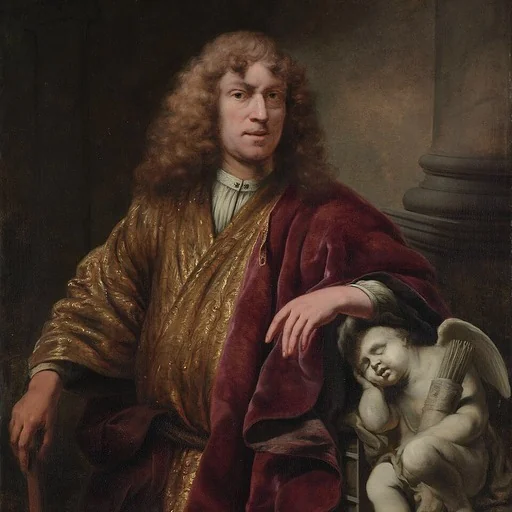
Ferdinand Bol (24 June 1616 - 24 August 1680) was a Dutch painter, etcher and draftsman.

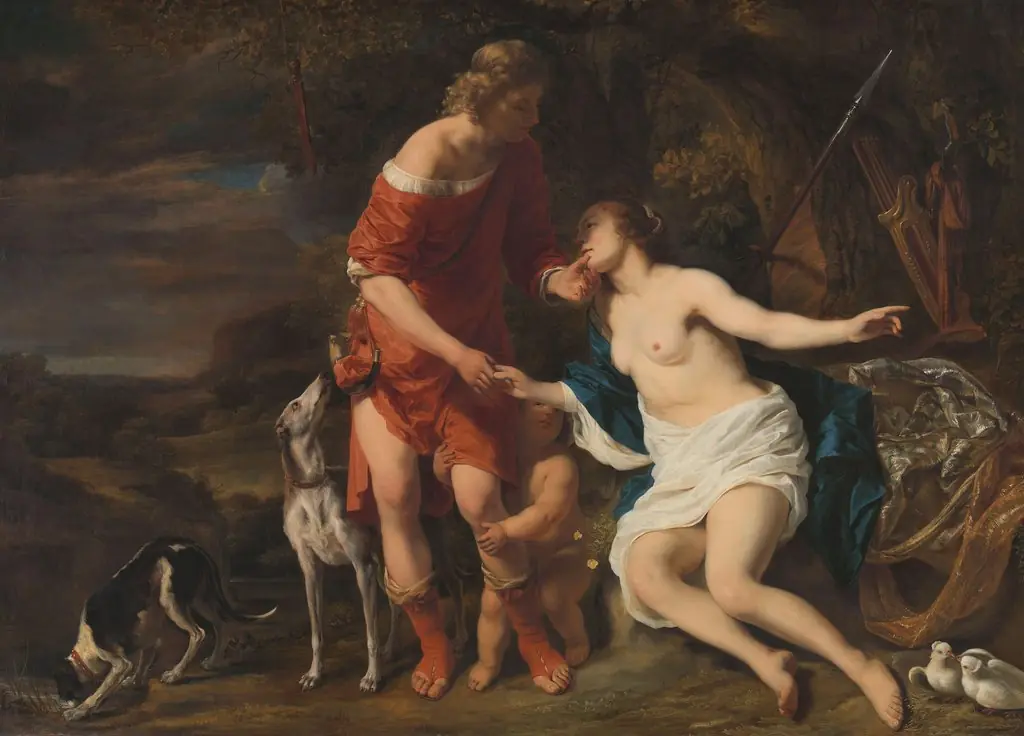 Venus and Adonis
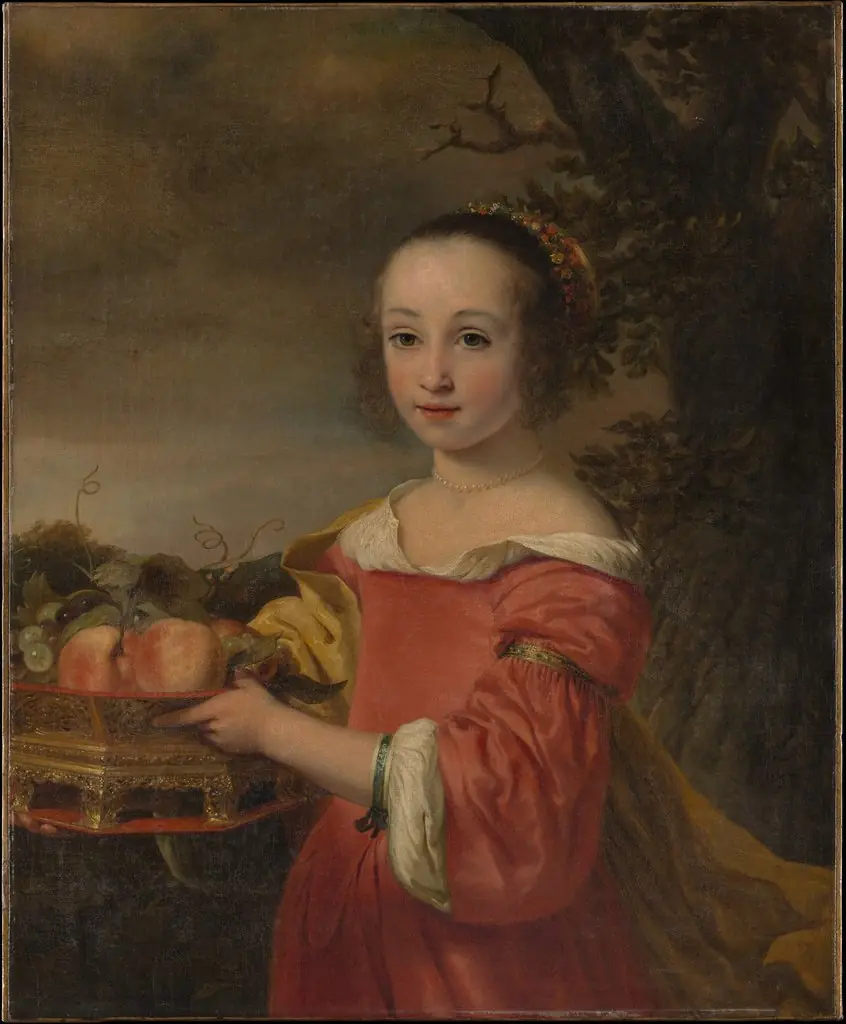 Petronella Elias (1648–1667) with a Basket of Fruit
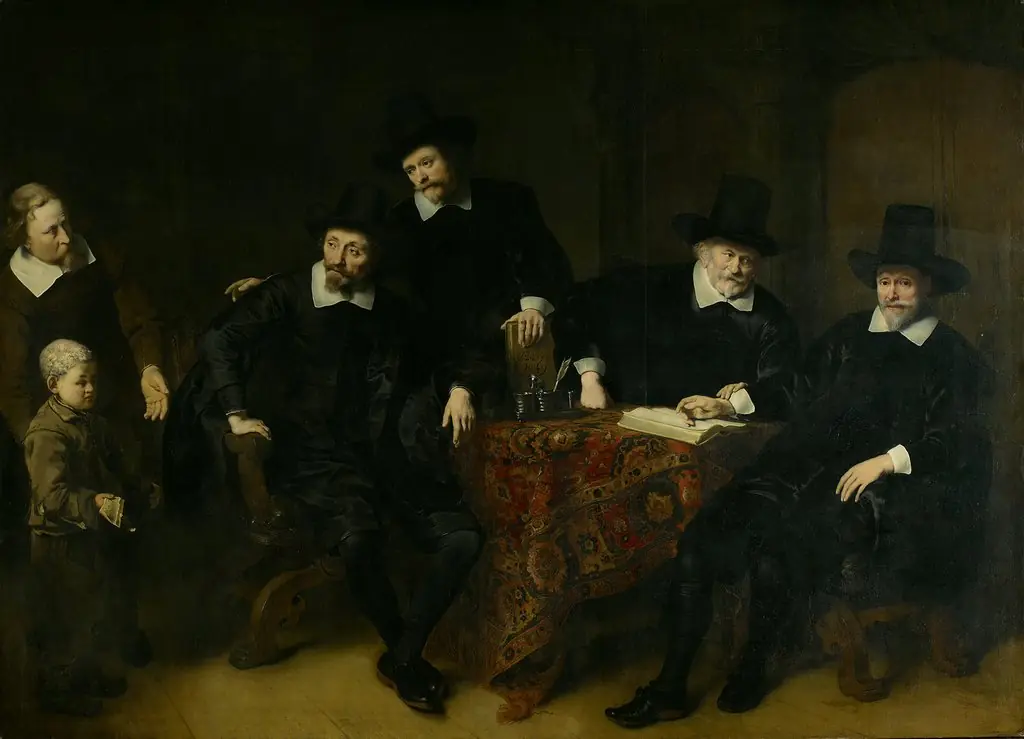 The Regents of the Leper's house in Amsterdam in 1649
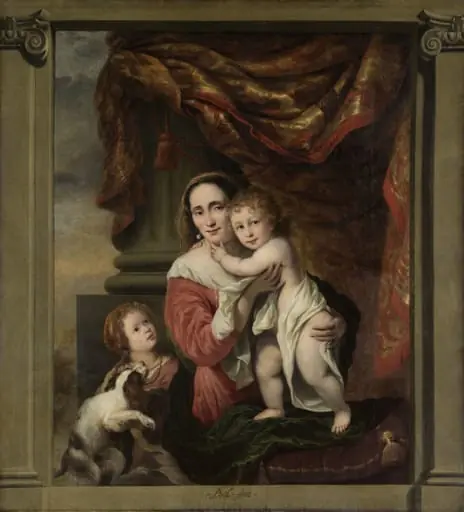 Caritas: Joanna de Geer (1629-1691) with her Children Cecilia Trip (1660-1728) and Laurens Trip (b. 1662)
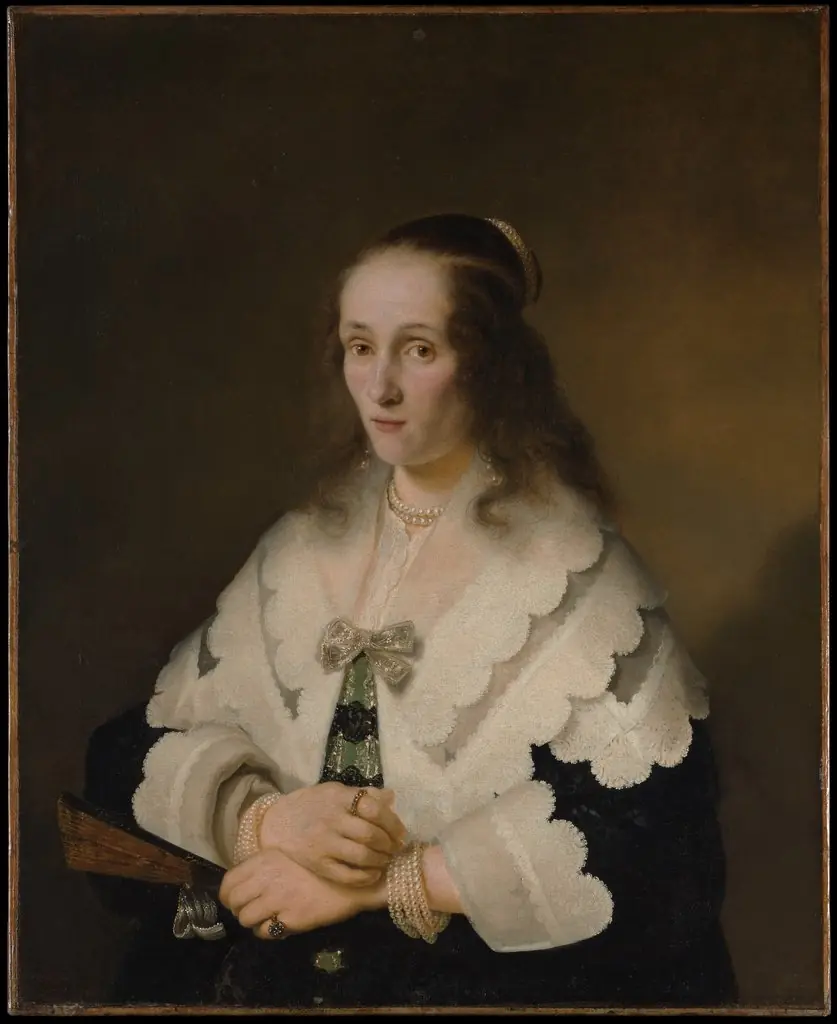 Portrait of a Woman
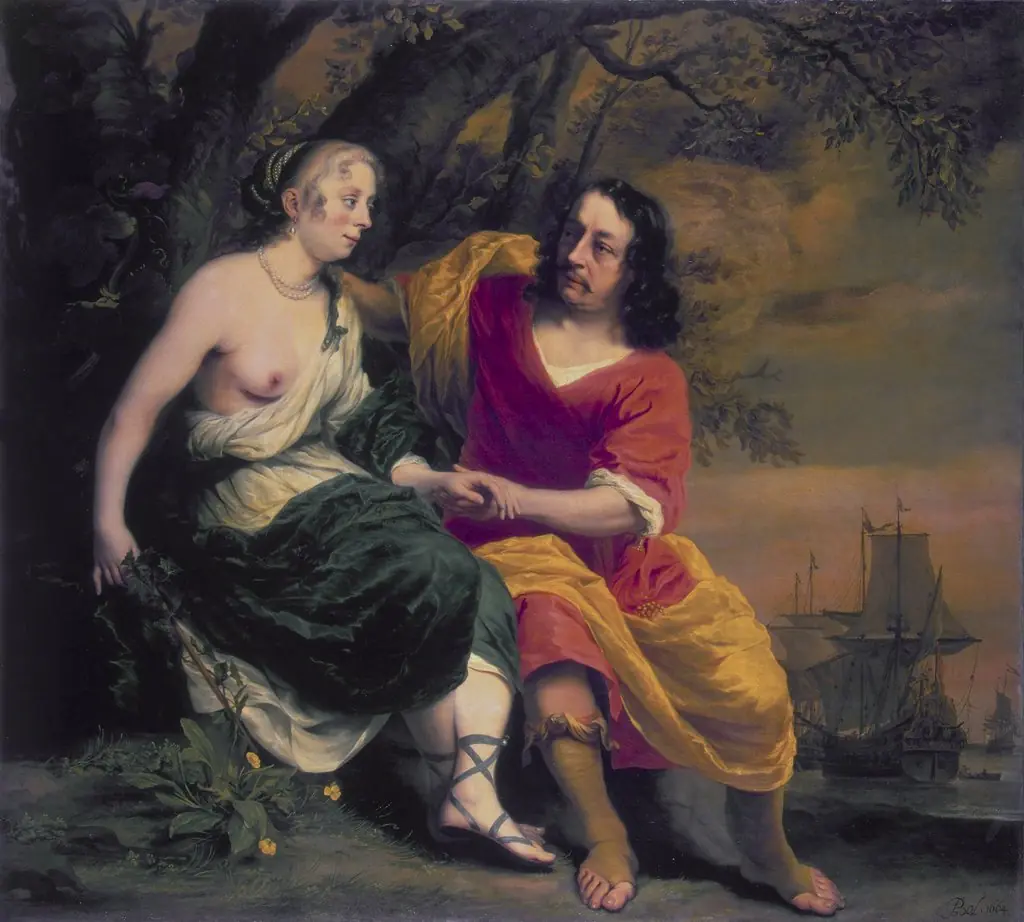 Bacchus and Ariadne
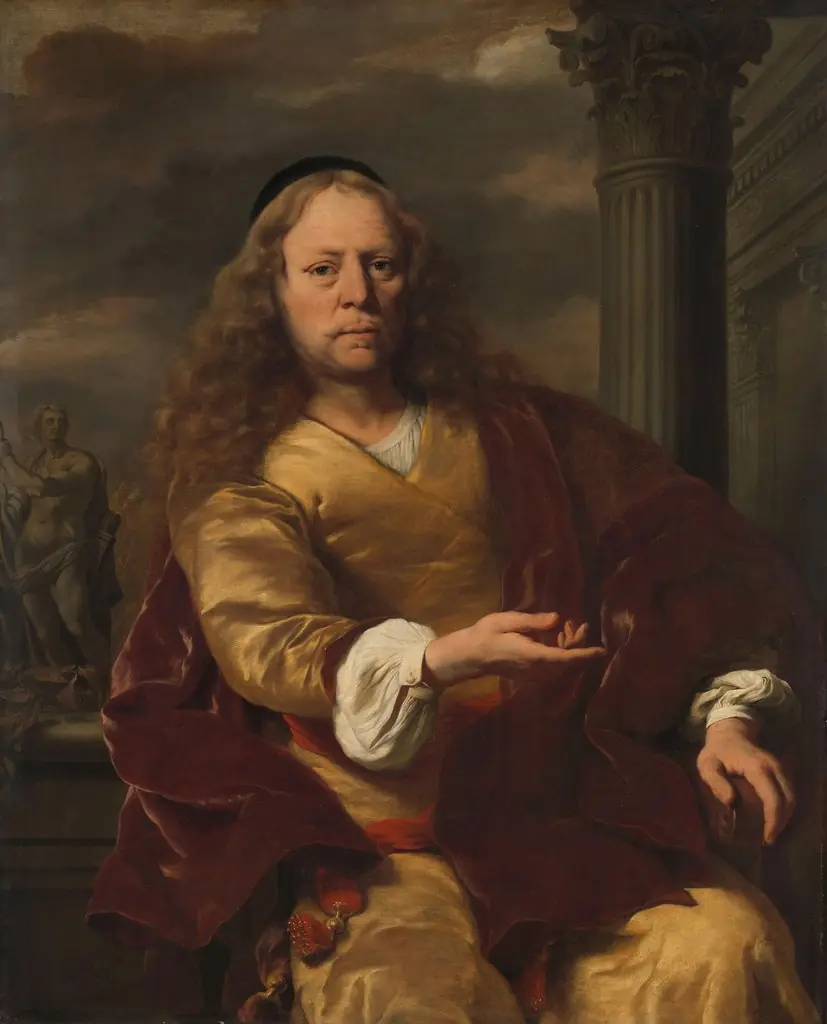 Portrait of a man
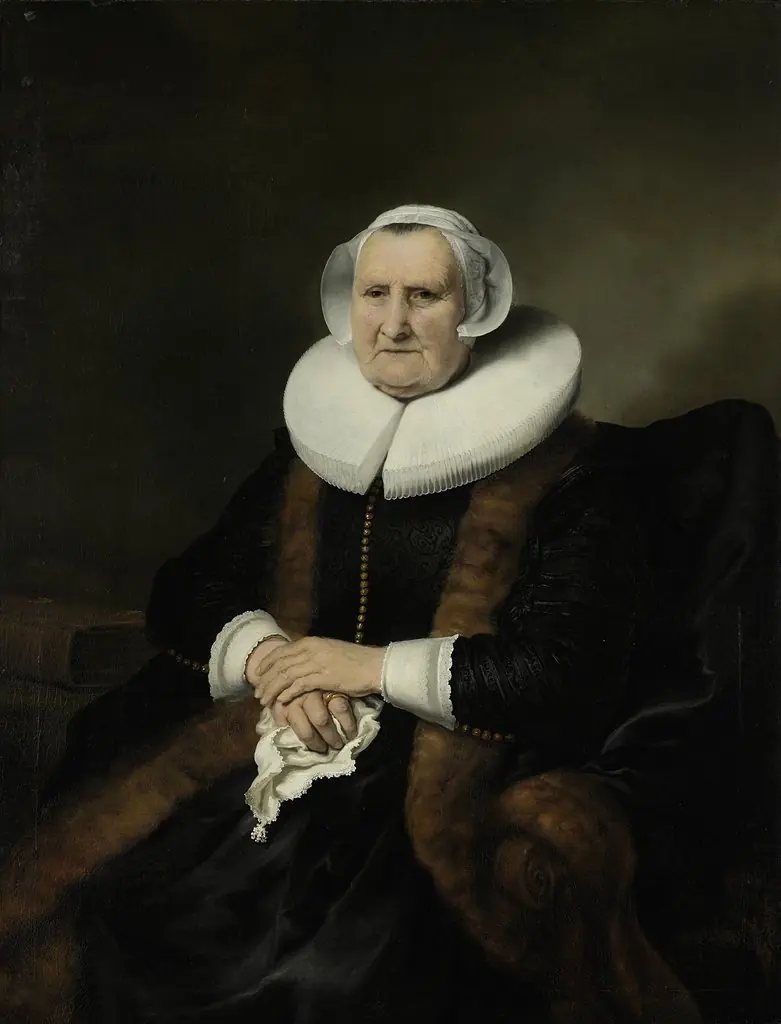 Portrait of an Old Lady, Possibly Elisabeth Bas