Artwork
Portrait of a Lady Playing a Lute
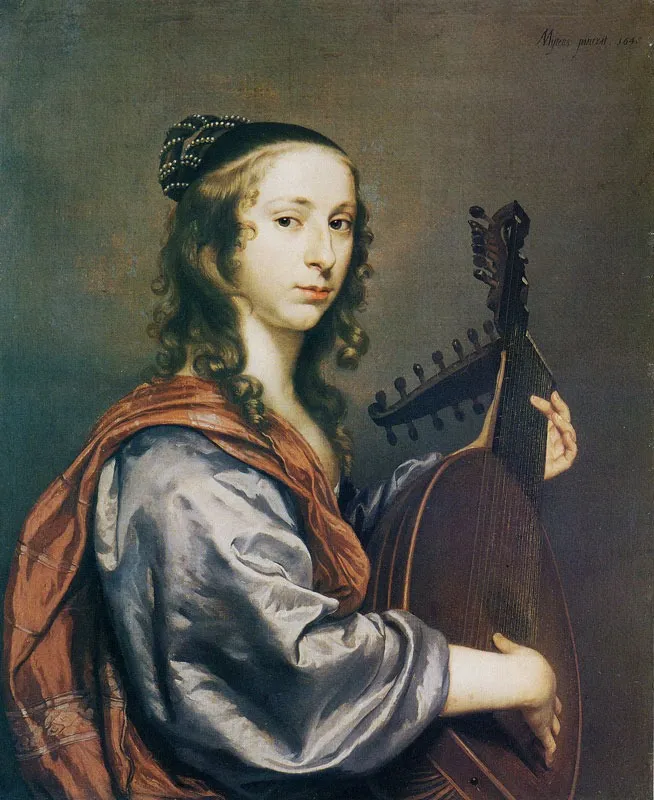
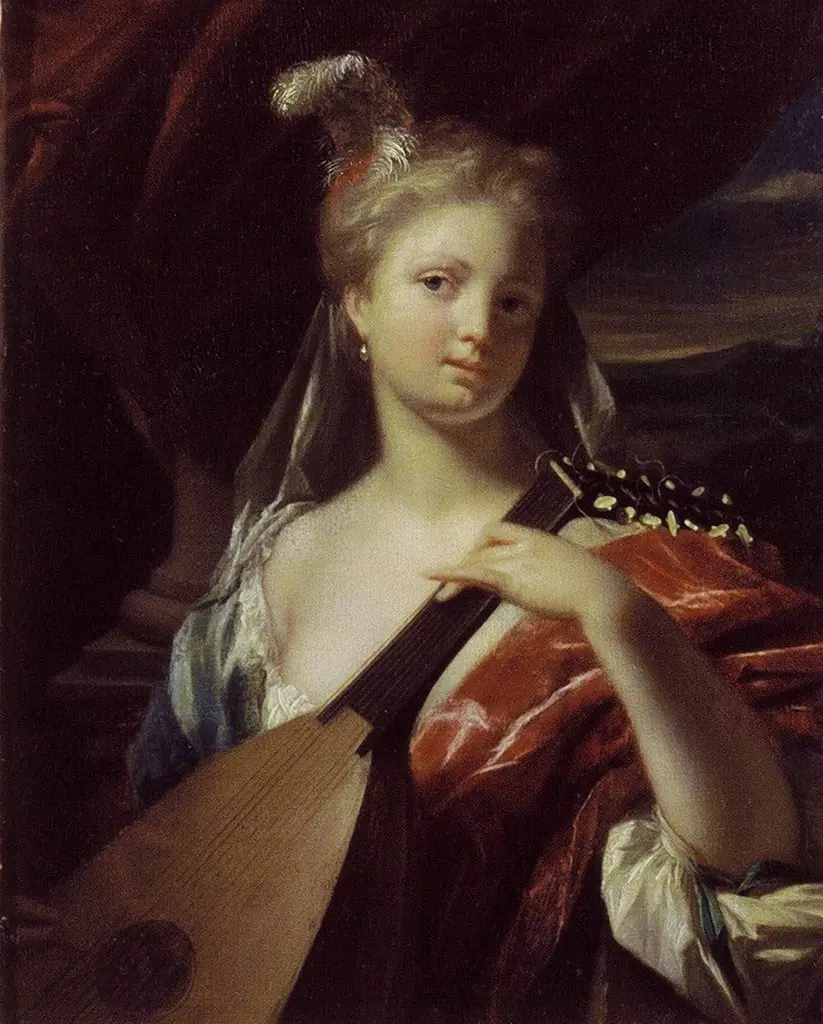
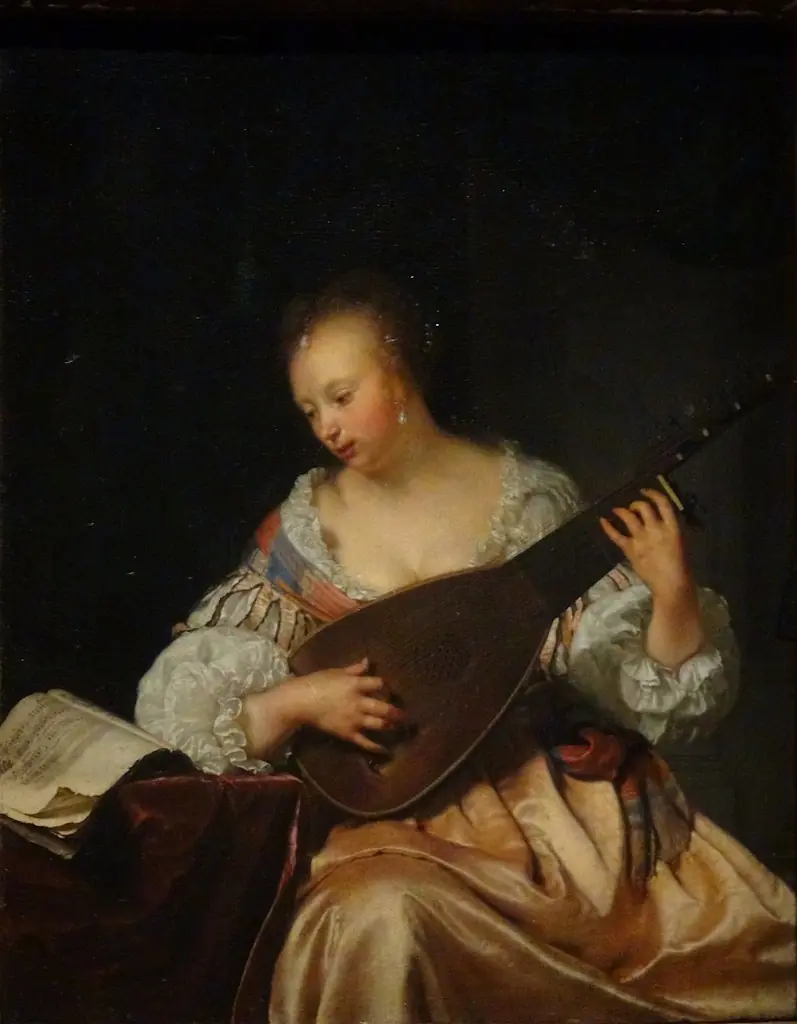
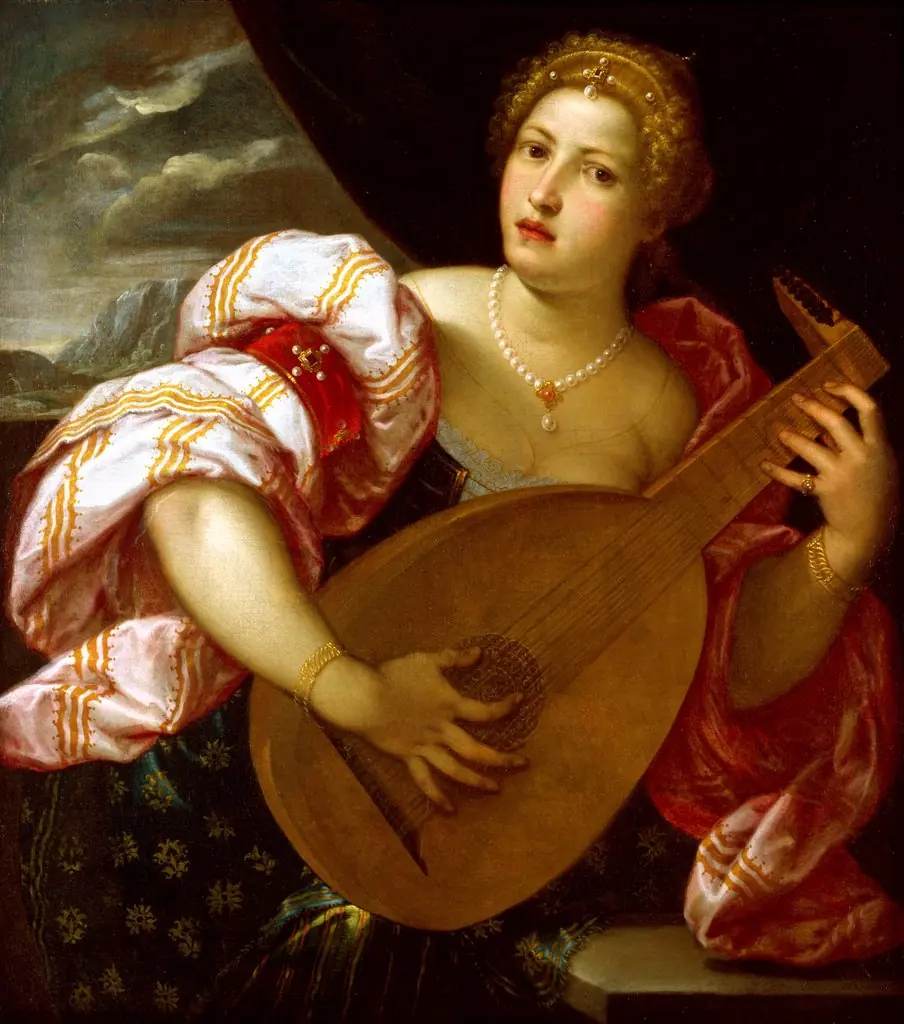
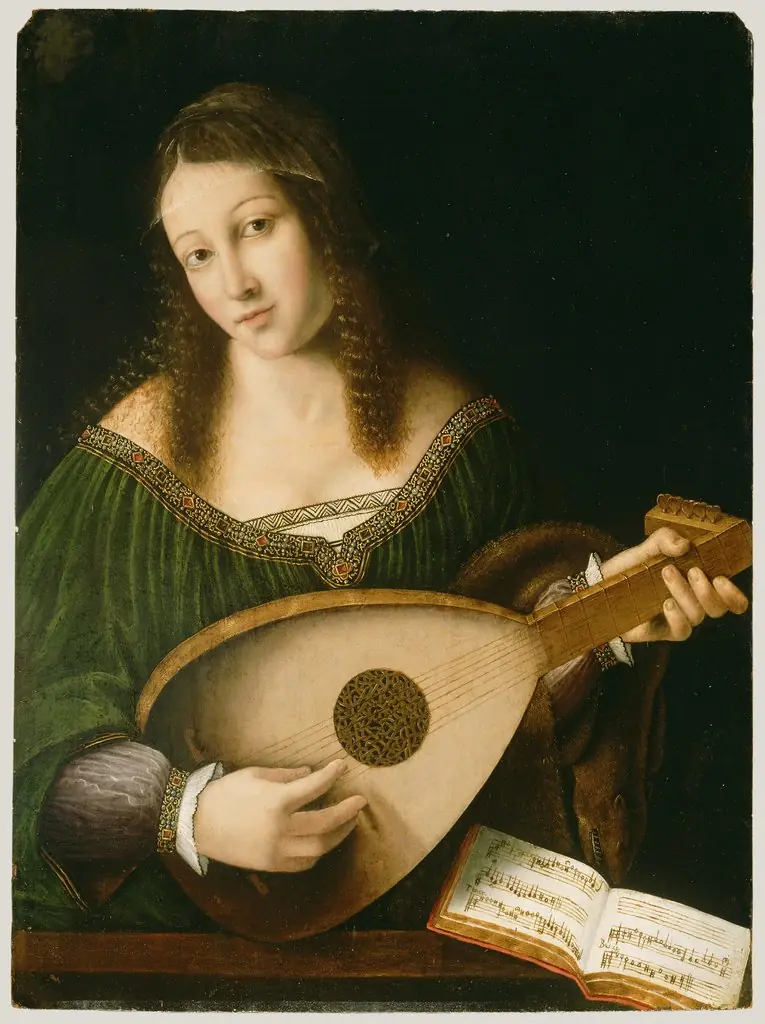
Portrait of a Lady Playing a Lute is an oil painting by the Dutch Golden Age artist Johannes Mytens. It dates from 1648 and is held in the collection of the National Gallery of Ireland.
About this work
Overview
Johannes Mytens created the oil painting *Portrait of a Lady Playing a Lute* in 1648. Executed in the Dutch Golden Age idiom, the work shows a seated woman holding a lute, rendered with careful attention to texture and light. The painting is part of the National Gallery of Ireland’s collection.
Subject & Meaning
The composition presents a young woman in a dark hat adorned with a pearl‑like brooch, a gray dress beneath a brown cloak, and loose hair. She rests her fingers on the strings of a dark, polished lute and gazes calmly at the viewer, suggesting a quiet, contemplative moment of music-making.
Technique & Style
Mytens employs chiaroscuro, using deep shadows to model the sitter’s face and hands while allowing the lute’s glossy surface to catch light. The contrast between the dark fabrics and the luminous wood of the instrument creates a three‑dimensional effect, characteristic of Dutch portraiture’s emphasis on realism and material detail.
History & Provenance
Born in The Hague around 1614, Mytens trained under Anthony van Opstal and Nicolas van der Horst and belonged to a family of painters that included his uncles Isaac and Daniël Mijtens. After remaining in private hands for centuries, the painting entered the National Gallery of Ireland, where it is displayed today.
Context
The work reflects mid‑17th‑century Dutch tastes for intimate, genre‑like portraiture that combined personal identity with musical symbolism. Lutes often signified cultured leisure and refinement, aligning the sitter with contemporary ideals of genteel femininity and artistic accomplishment.
Artist & collection
Artist
Johannes Mytens or Jan Mijtens, or "Mytens" to the English (c. 1614 – 24 December 1670) was a Dutch Golden Age painter, almost entirely as a portraitist. Mytens was born in The Hague. According to Houbraken, Johannes…

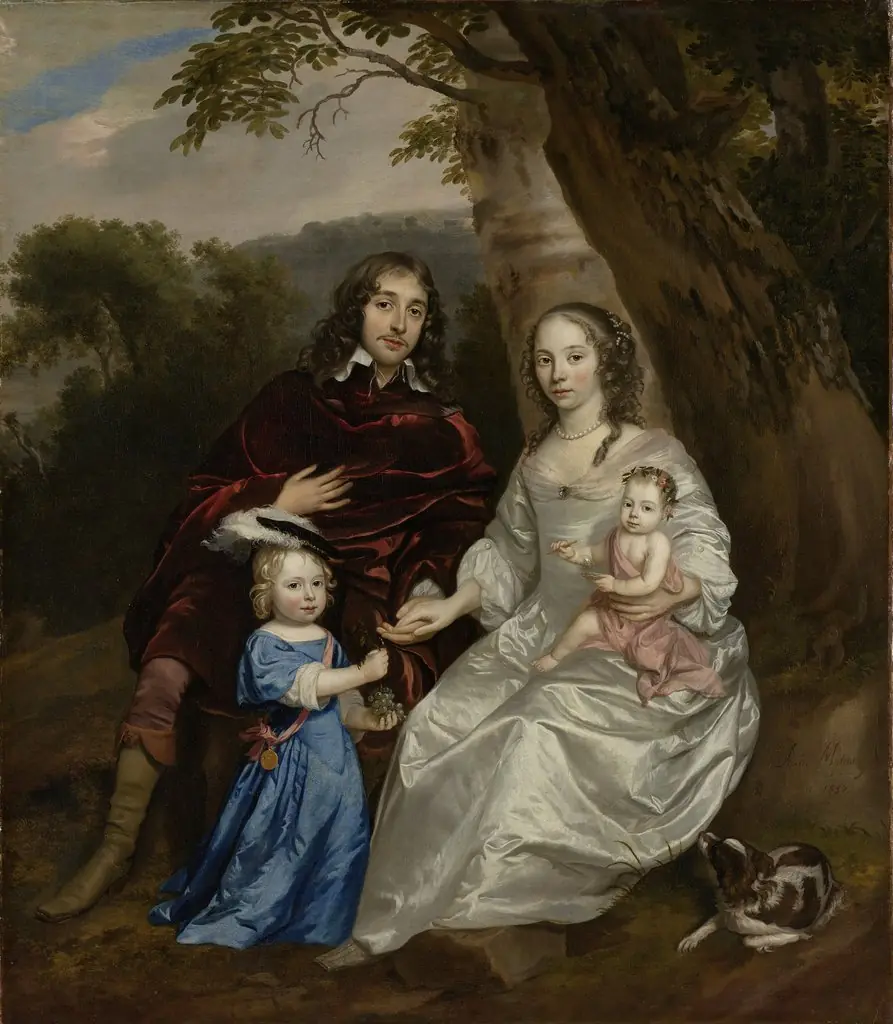 Govert van Slingelandt (1623-90), lord of Dubbeldam. With his first wife Christina van Beveren and their two sons
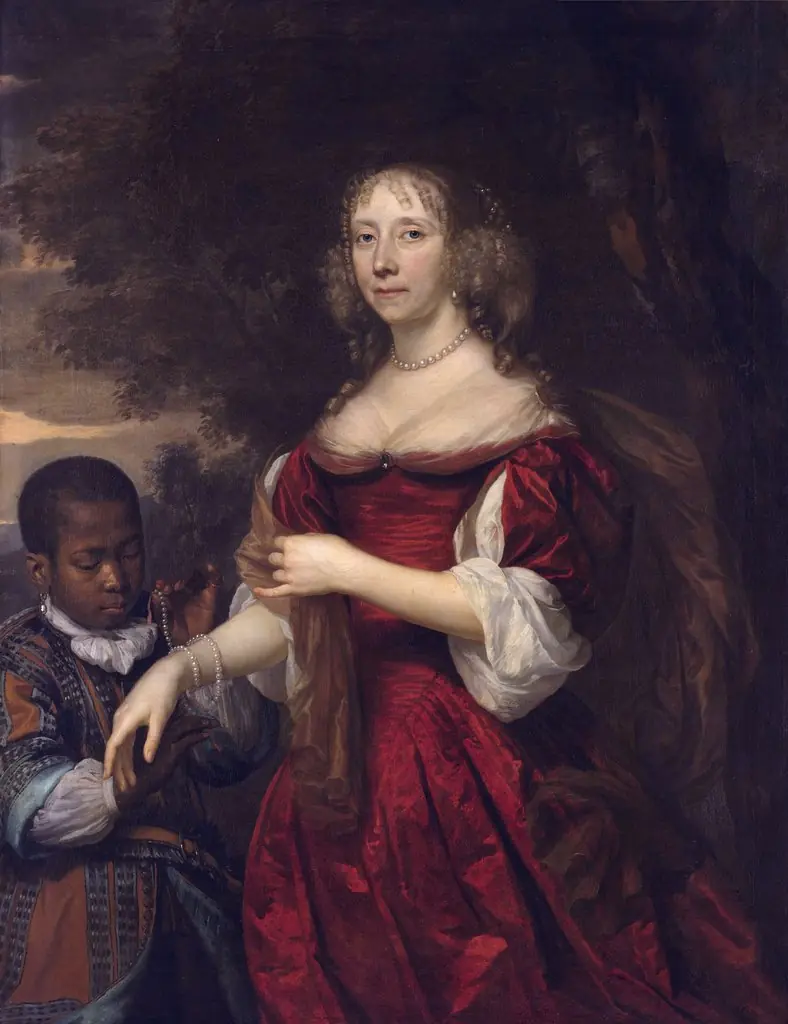 Portrait of Margaretha van Raephorst (d 1690). Wife of Cornelis Tromp
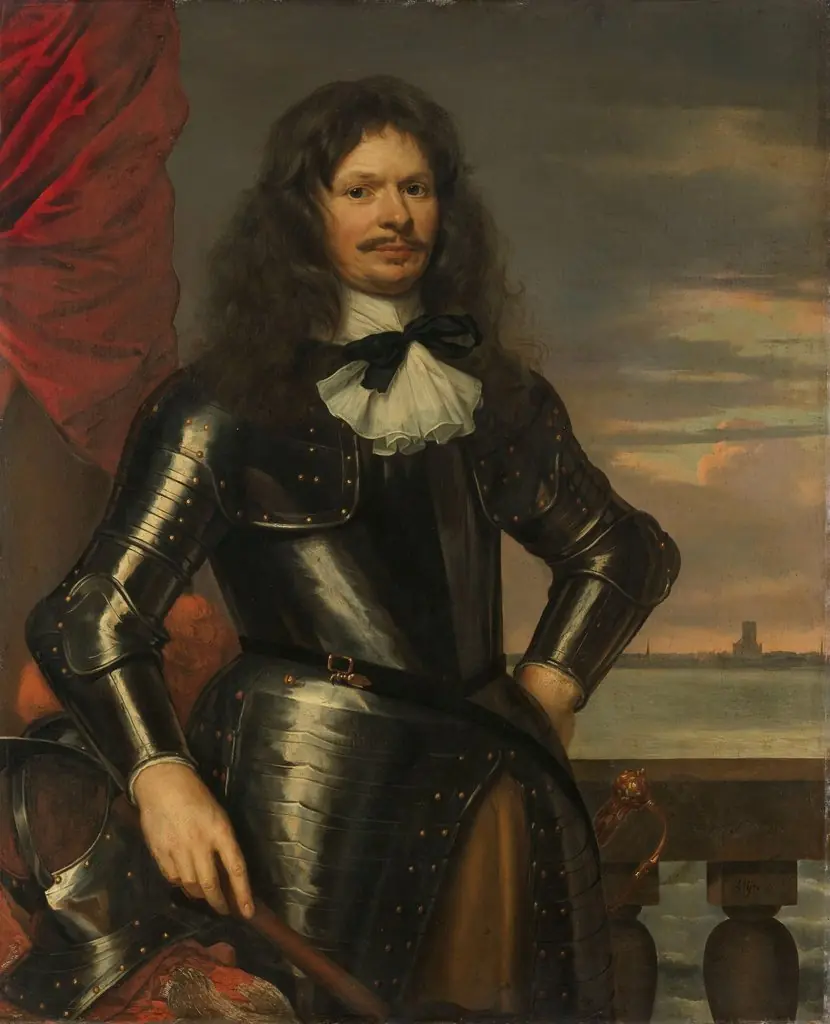 Portrait of Johan van Beaumont. Colonel in the Holland guards and commander of Den Briel
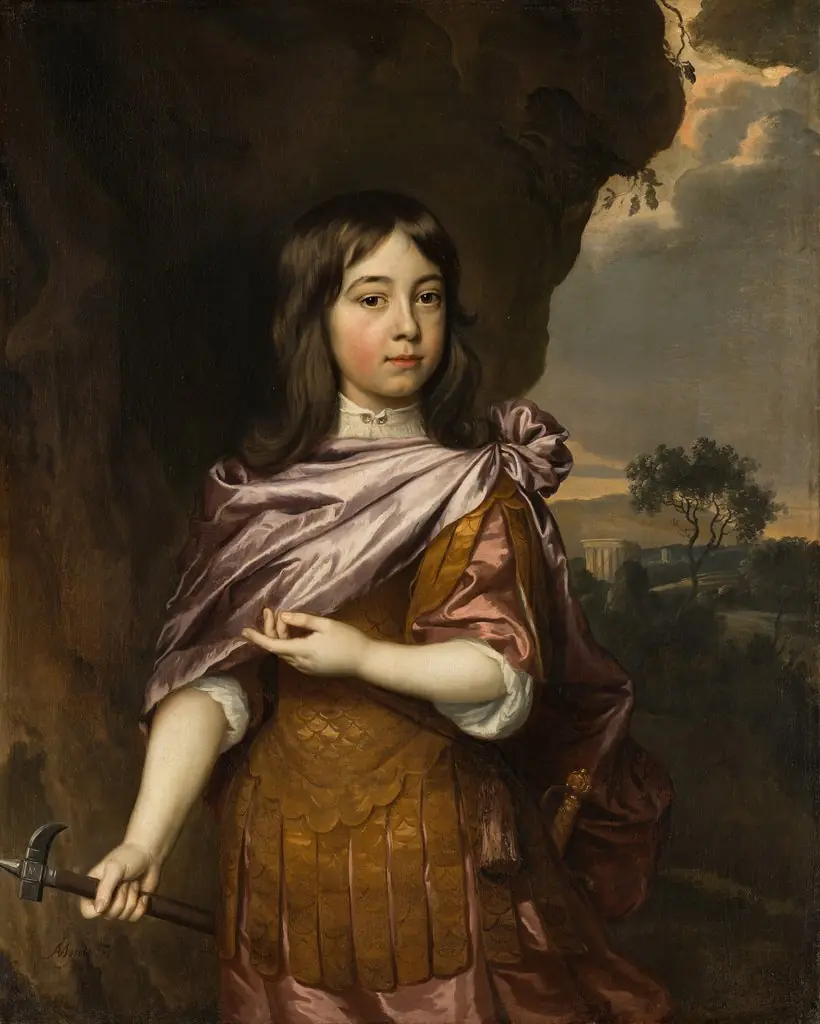 Portrait of Wolfert van Brederode
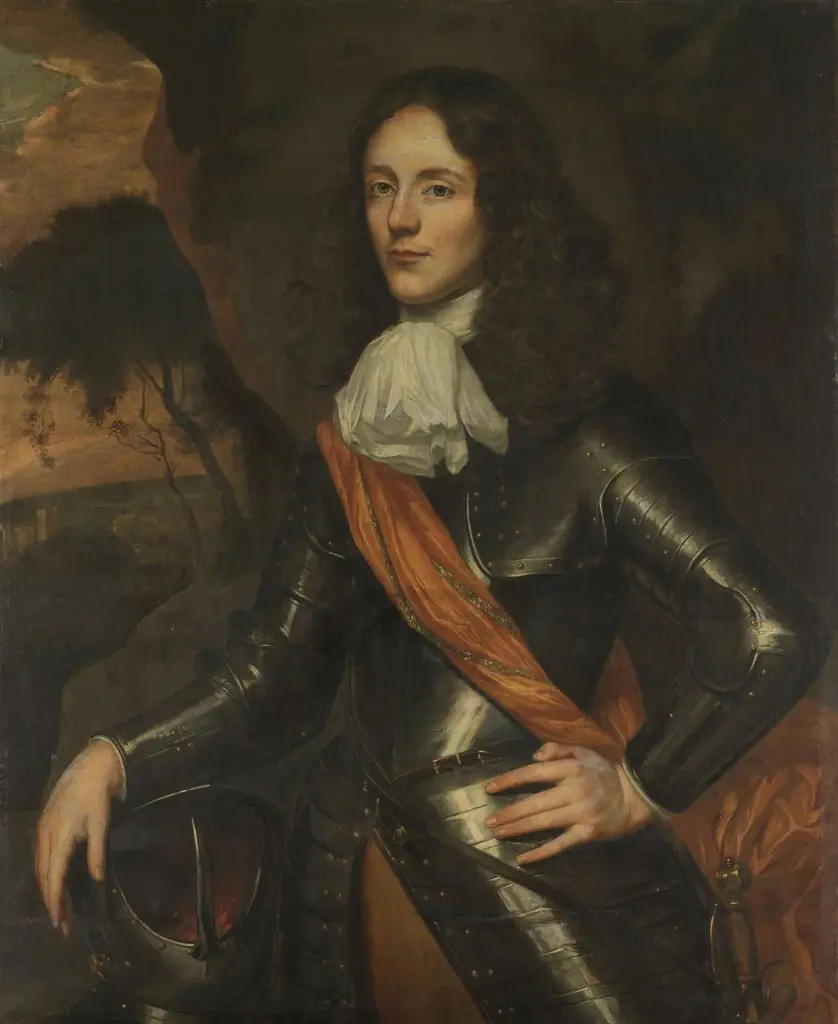 A military officer
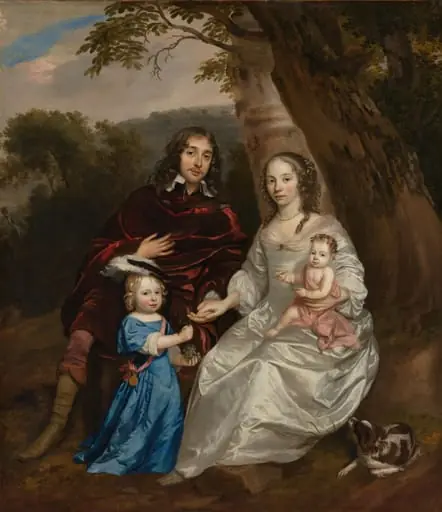 Portrait of Govert van Slingelandt (1623-1690), with his First Wife Christina van Beveren (1632-1656) and their Two Children
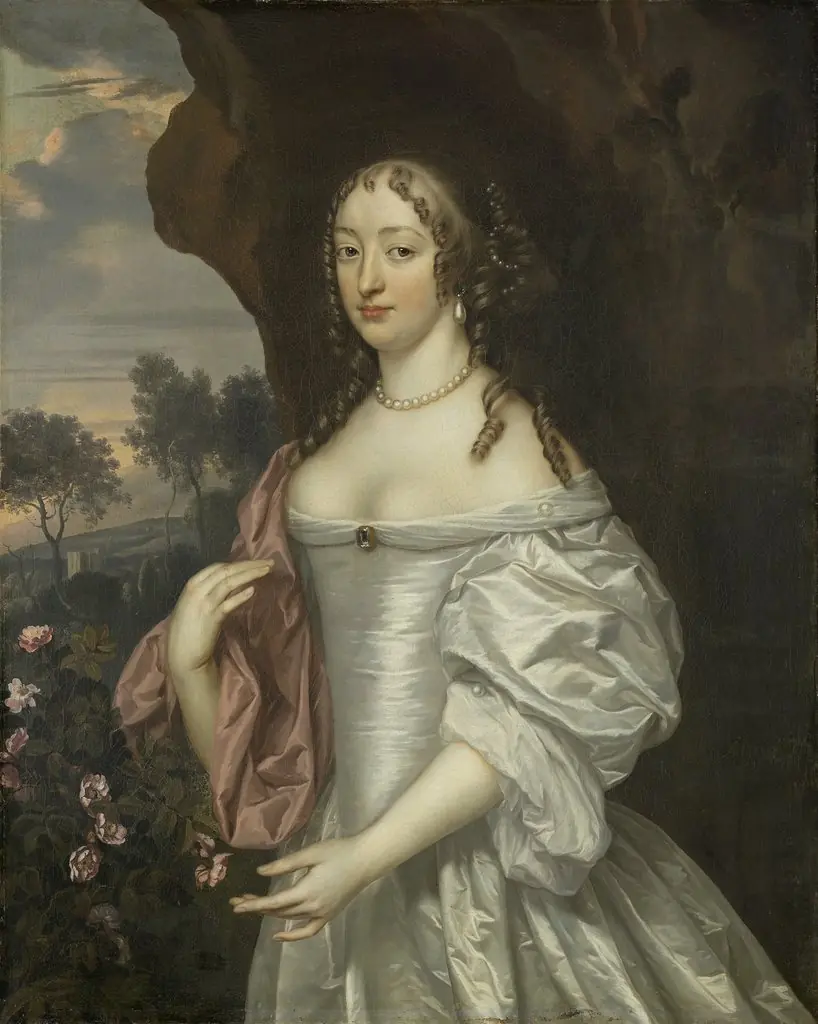 Jacoba van Orliens (1643-91). Wife of Jacob de Witte van Haamstede
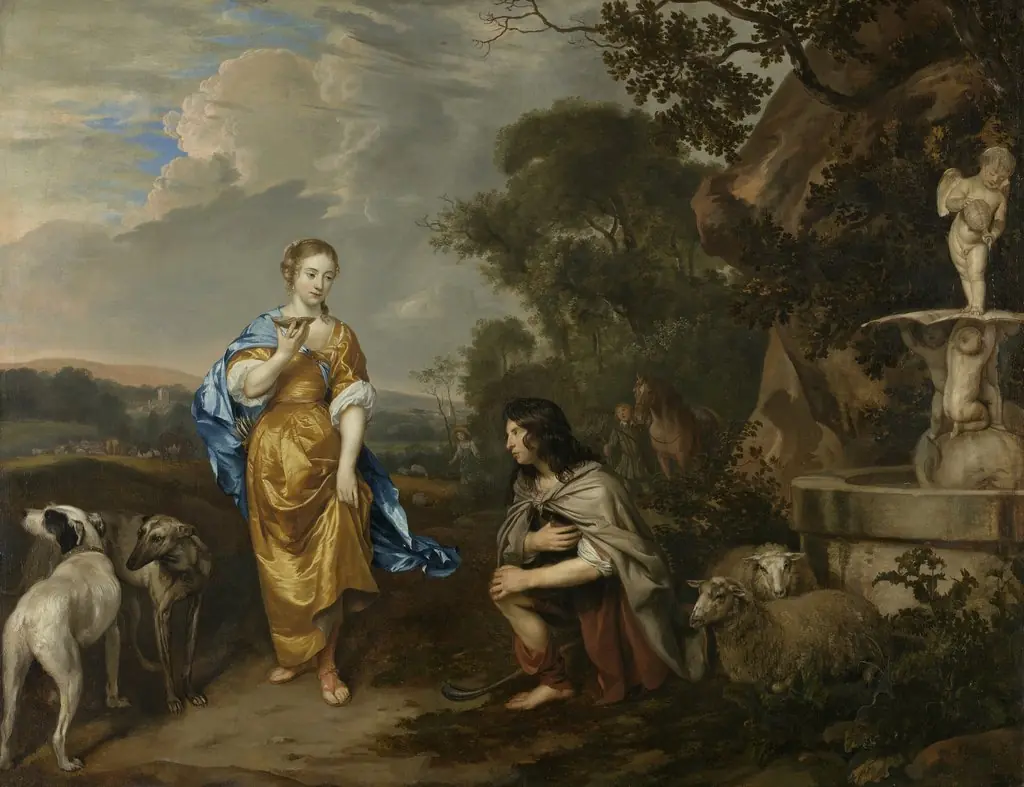 Double portrait of a young couple as Granida and Daiphilo