Artwork
The Foundling
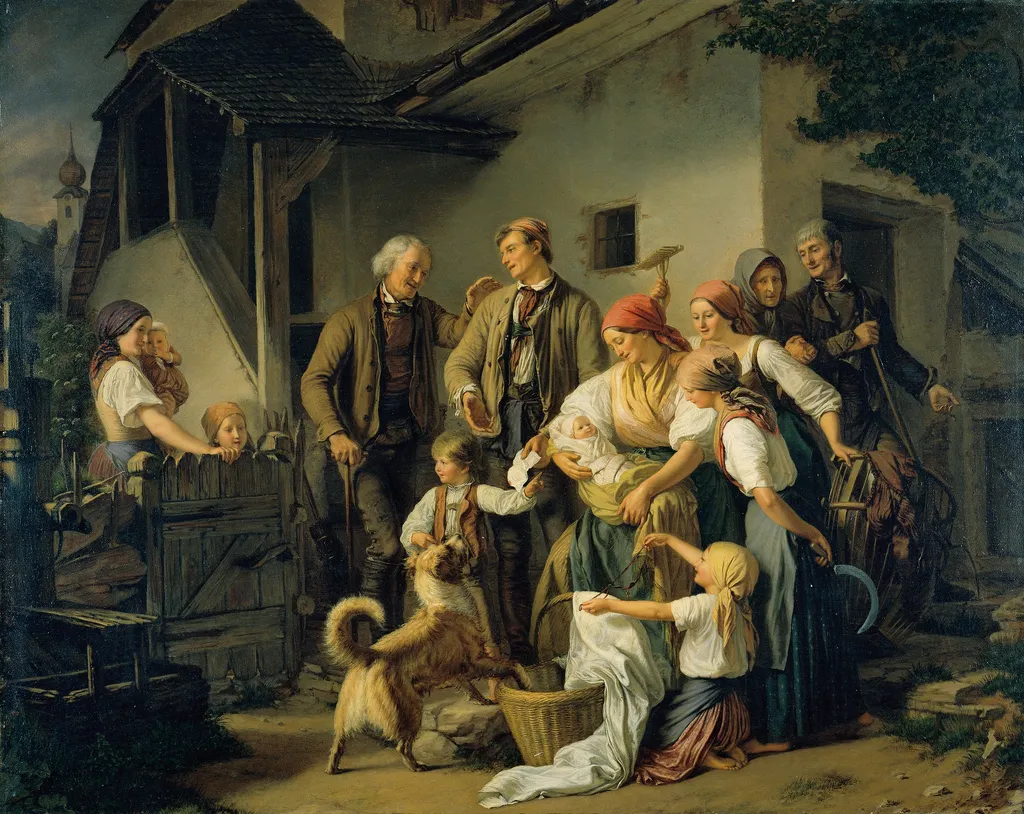
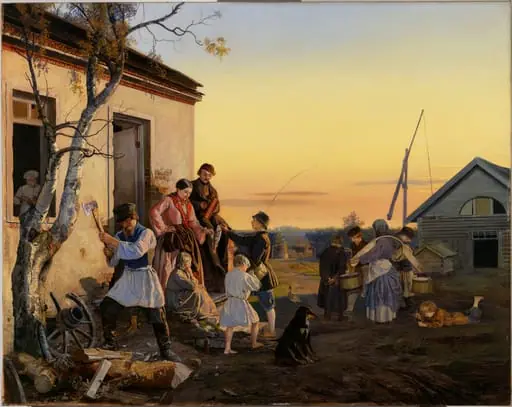
The Foundling is an oil painting by the Biedermeier artist Ferdinand Mallitsch. It dates from 1851 and is held in the collection of the Kunsthistorisches Museum.
About this work
Overview
Painted in 1851 by Ferdinand Mallitsch, The Foundling is an oil-on-canvas work depicting a quiet, intimate moment in rural life.
Painted in 1851 by Ferdinand Mallitsch, The Foundling is an oil-on-canvas work depicting a quiet, intimate moment in rural life. It is part of the permanent collection at the Kunsthistorisches Museum in Vienna. The scene captures a group of individuals gathered near a dwelling, their interactions suggesting a shared moment of care or concern, rendered with attention to naturalistic detail and subdued tones.
Subject & Meaning
The painting centers on a woman holding an infant, surrounded by onlookers who observe or assist in subtle ways. A dog, standing on its hind legs, adds a note of domestic spontaneity. The figures’ gestures and proximity imply communal responsibility, possibly reflecting the social practice of foundling care in 19th-century Austria. No overt drama is present; instead, the work conveys quiet solidarity in everyday hardship.
Technique & Style
Mallitsch employs oil paint with a restrained palette and soft modeling to evoke natural light and texture. Figures are rendered with careful attention to posture and clothing, avoiding idealization. The composition is loosely grouped, guiding the eye toward the central mother-child pair without rigid symmetry. Background elements are muted, reinforcing focus on human interaction and the immediacy of the moment.
History & Provenance
The painting was completed in 1851 and entered the collection of the Kunsthistorisches Museum in Vienna, where it remains today. Its acquisition likely occurred in the late 19th century as part of the museum’s broader effort to document Austrian genre painting. No significant changes in ownership or condition are documented, suggesting stable preservation since its creation.
Context
Created during a period of growing interest in rural life among Central European artists, The Foundling reflects broader cultural attention to social welfare and domestic realism. While not overtly political, the scene aligns with contemporary efforts to portray the lives of ordinary people, particularly women and children, with dignity and quiet observation rather than sentimentality.
Legacy
Though not widely exhibited outside Austria, the painting contributes to the understanding of 19th-century Austrian genre painting. It stands as an example of how artists captured social nuance without theatricality, offering a restrained yet resonant view of community care. Its presence in a major museum underscores its role as a document of everyday life in Habsburg-era Austria.
Own this work as a print
Artist & collection


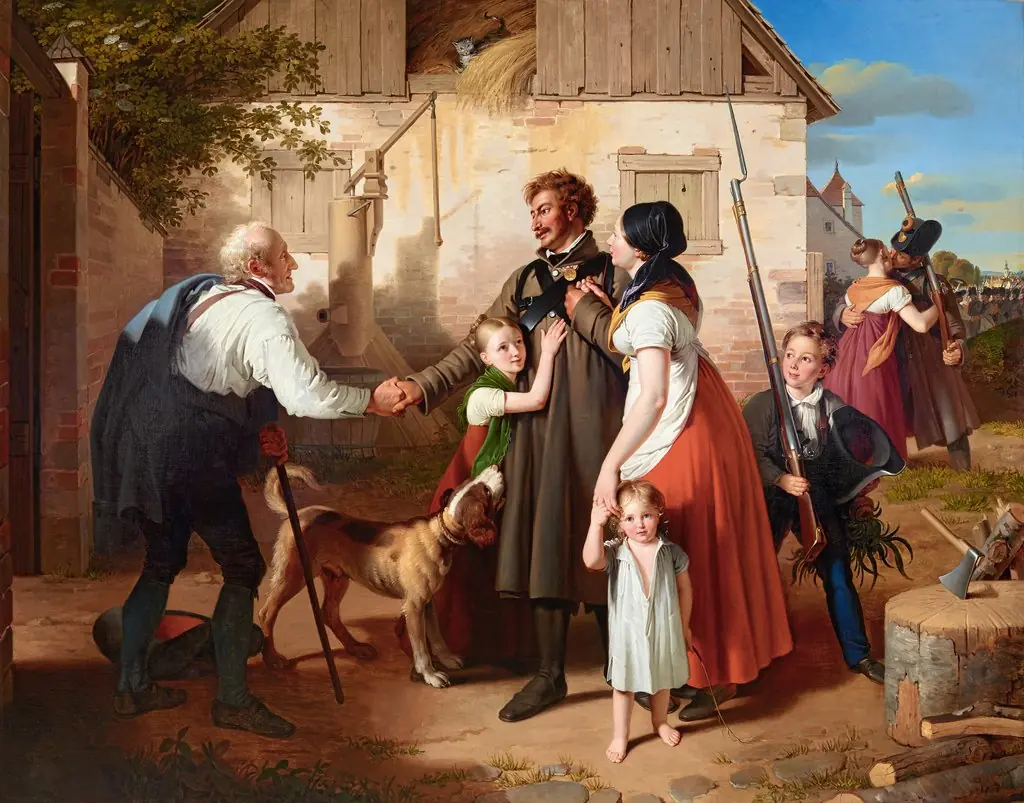 Die Heimkehr des Landwehrmannes
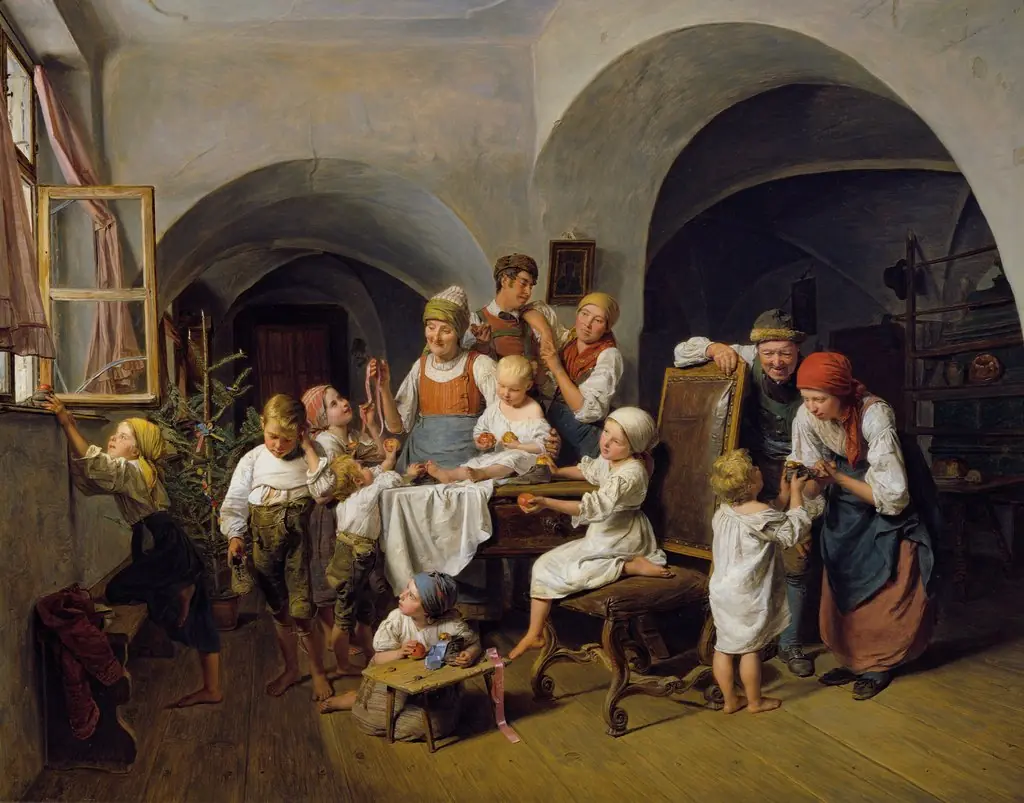 Christmas Morning
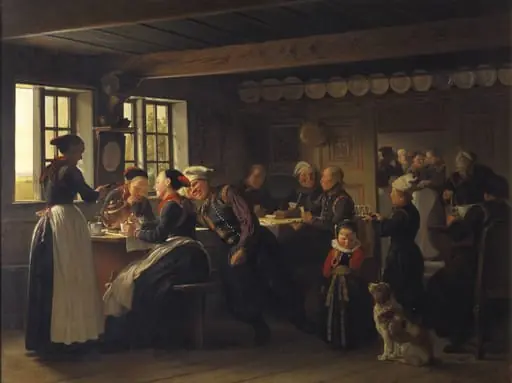 Episode af et gilde på Amager
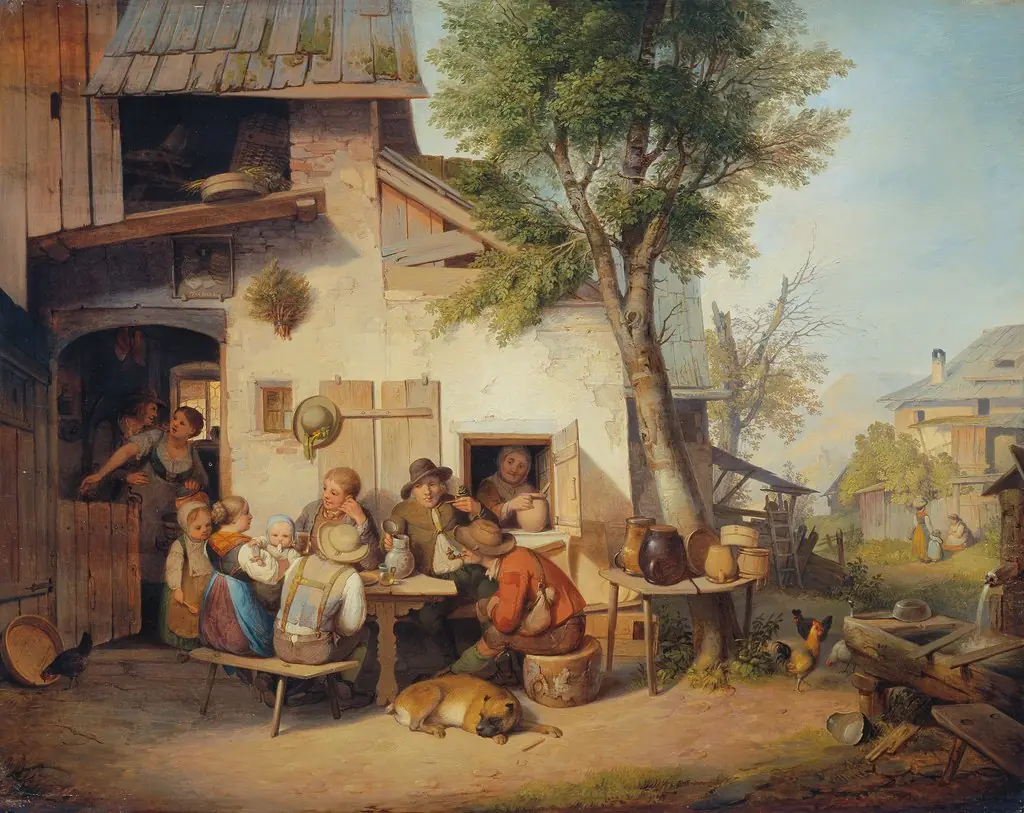 In Front of the Village Inn
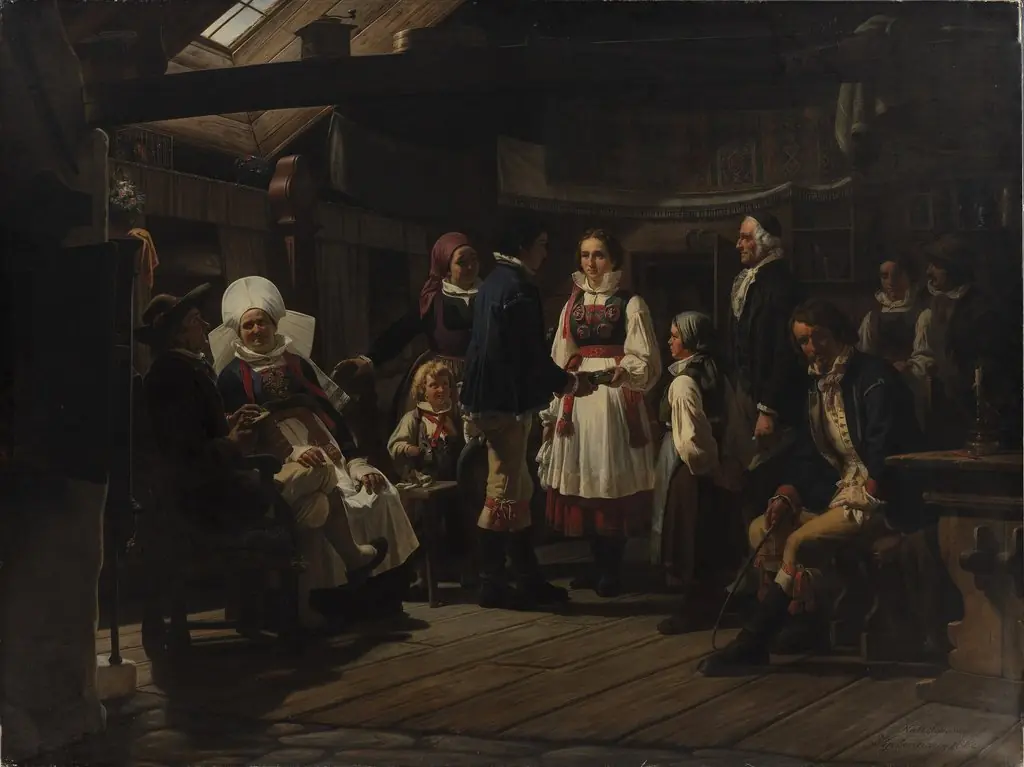 En trolovelse i Herrestad i Skåne
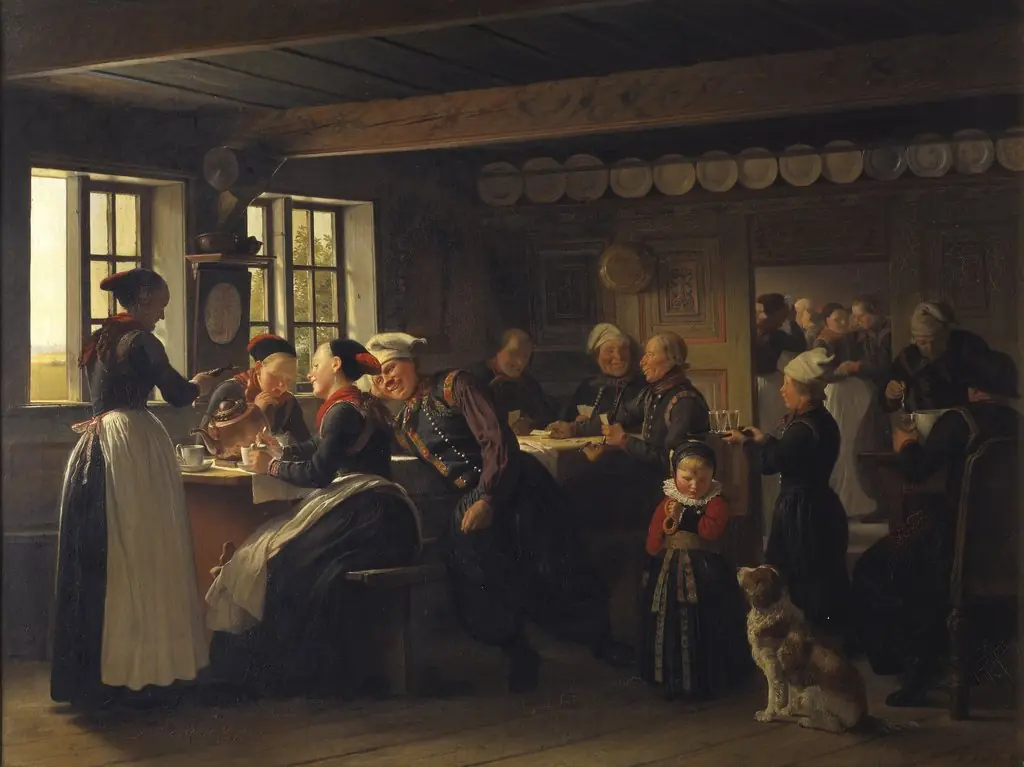 Interior with peasants from the region of Amager
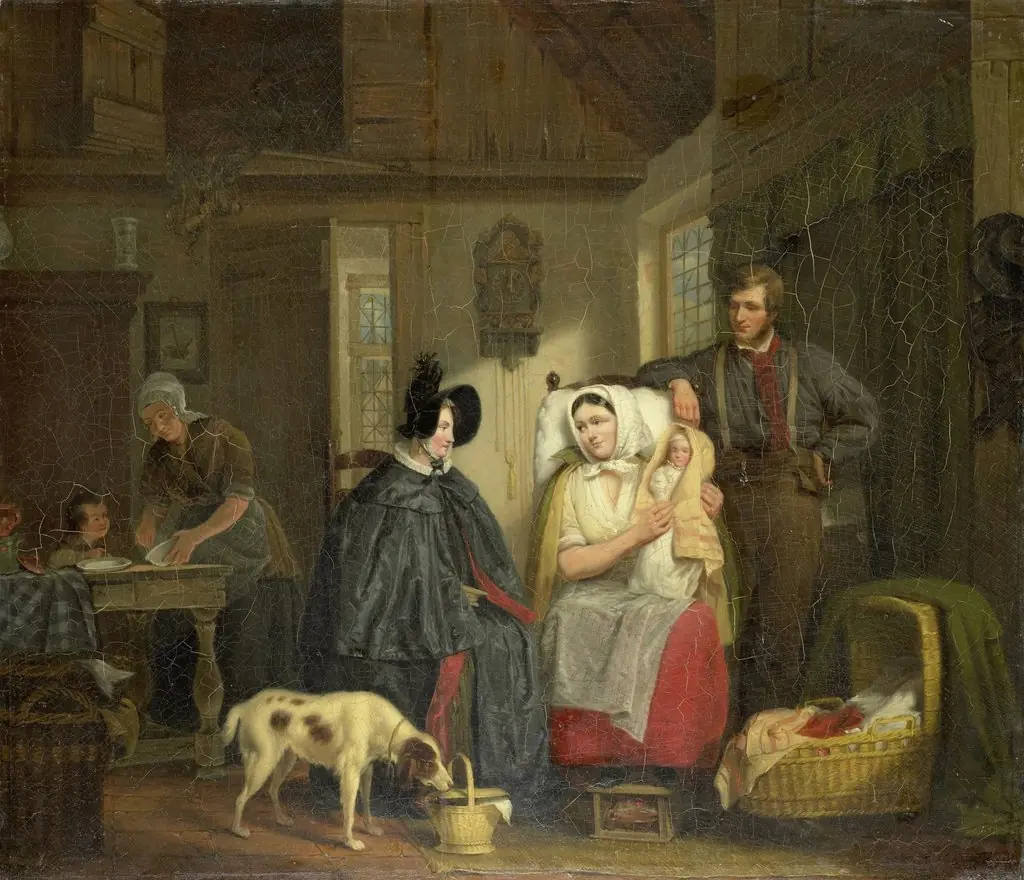 Visit to a New Mother
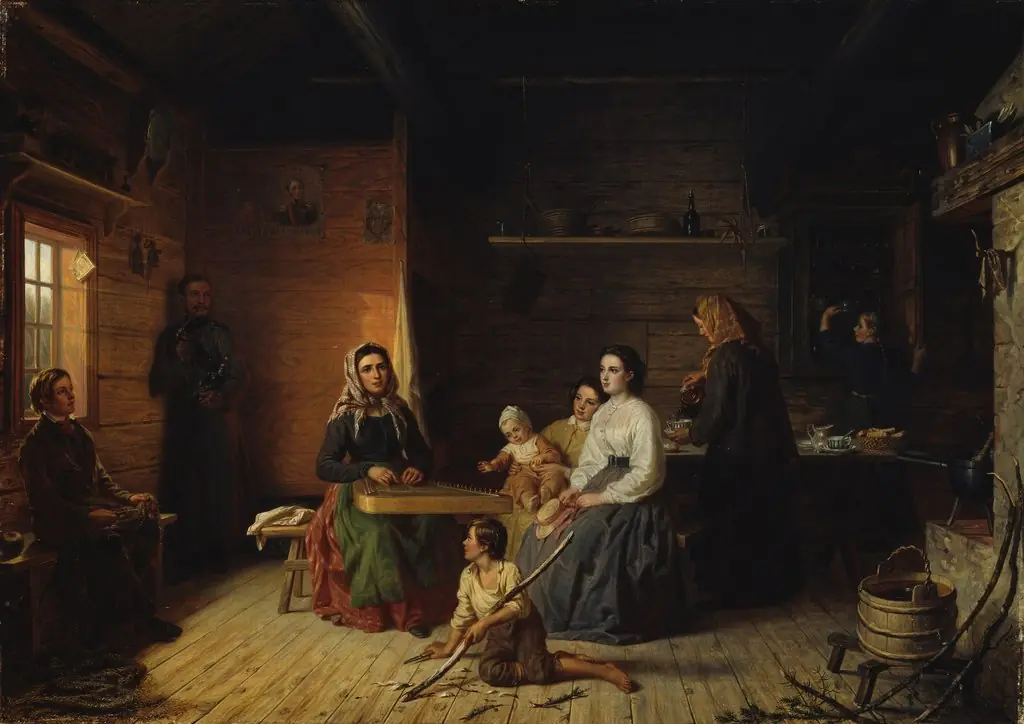 Kreeta Haapasalo Playing the Kantele in a Peasant Cottage
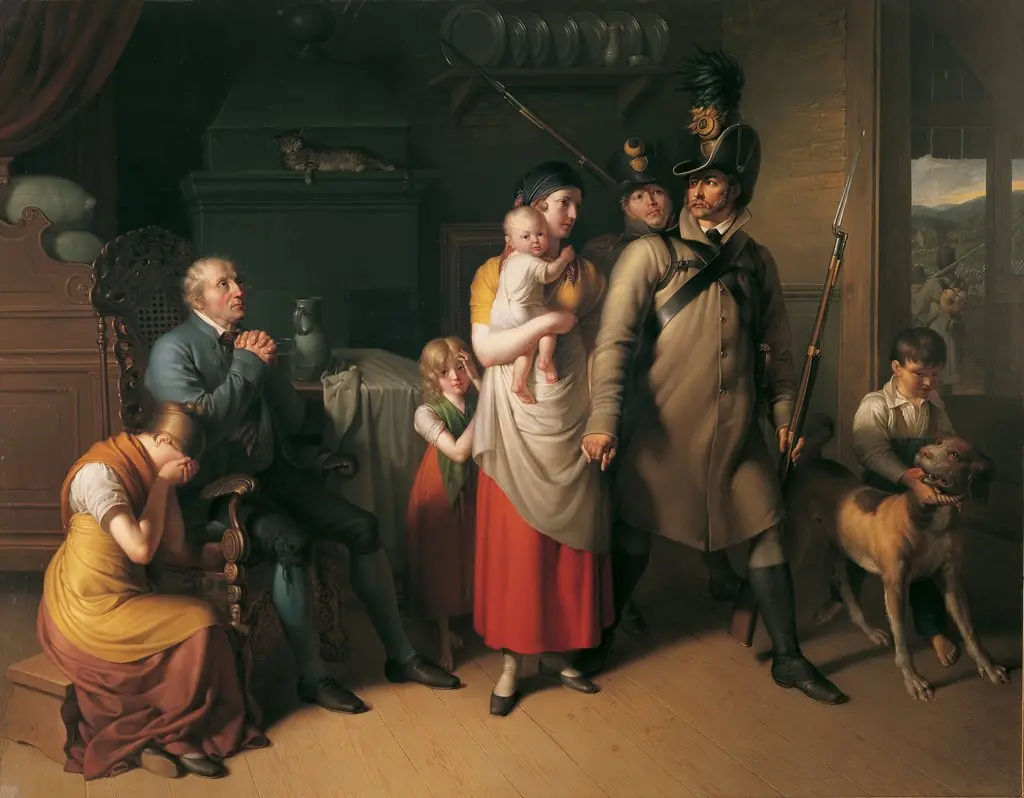 The Farewell of the Country Soldier
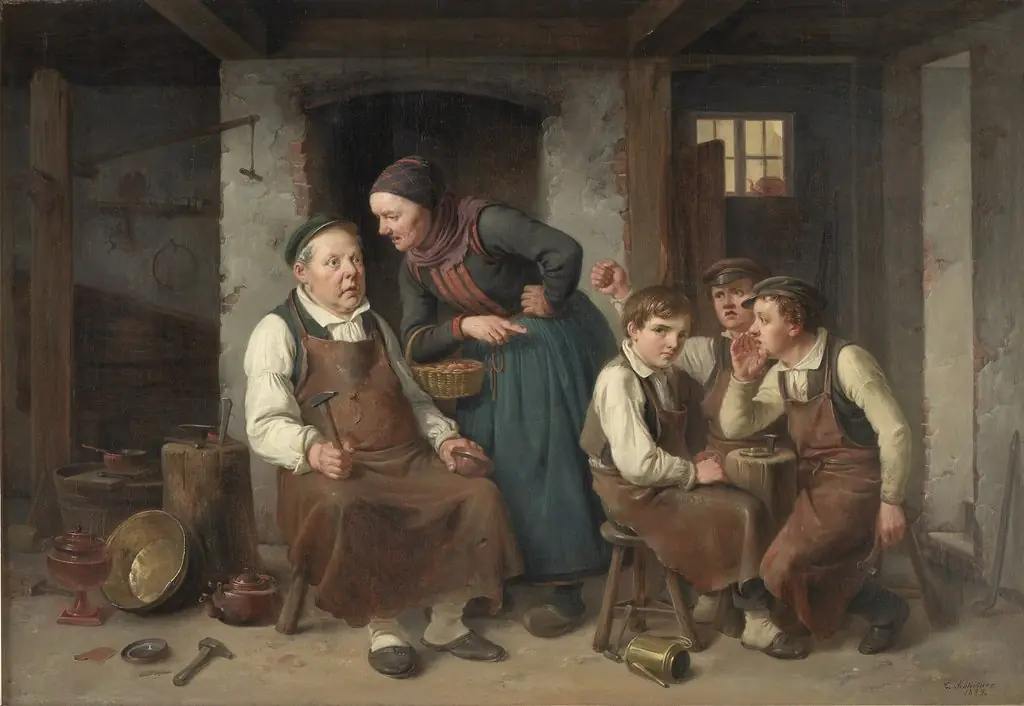 At a Coppersmith’s Workshop
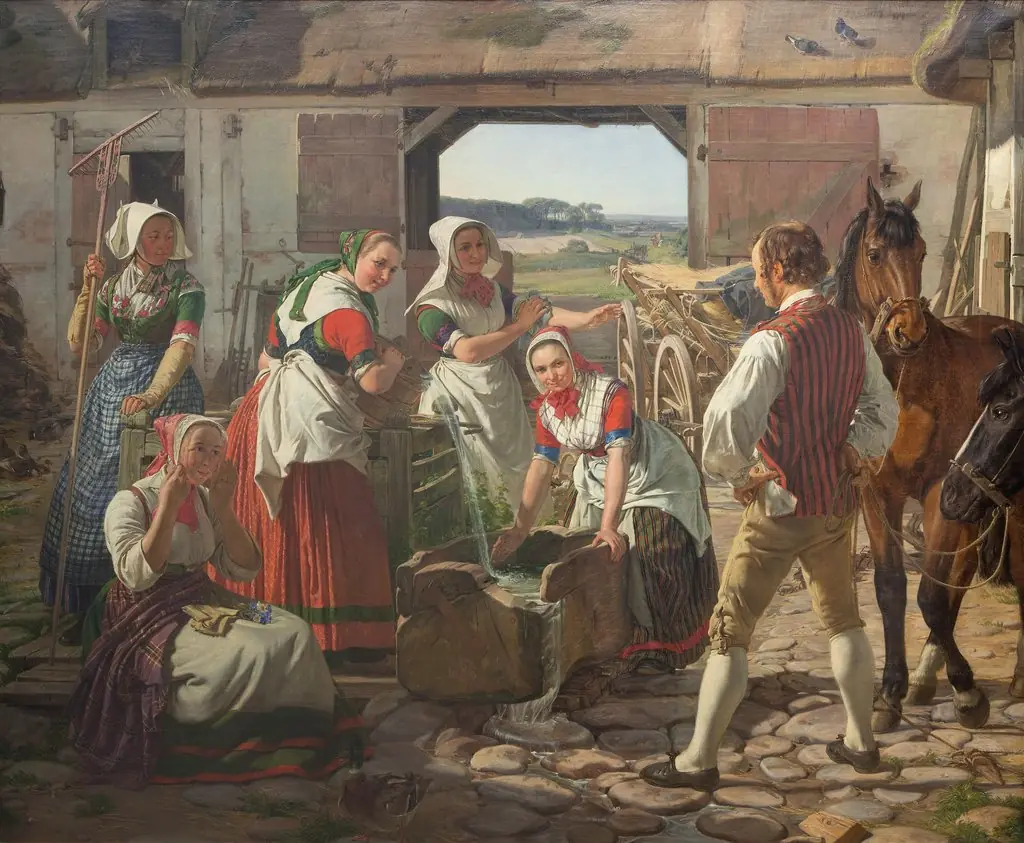 Sjællandske høstpiger ved en brønd
 Maalaistalon piha