Artwork
Ansichten aus den vier Weltteilen mit Szenen von Tieren: St. Merryn
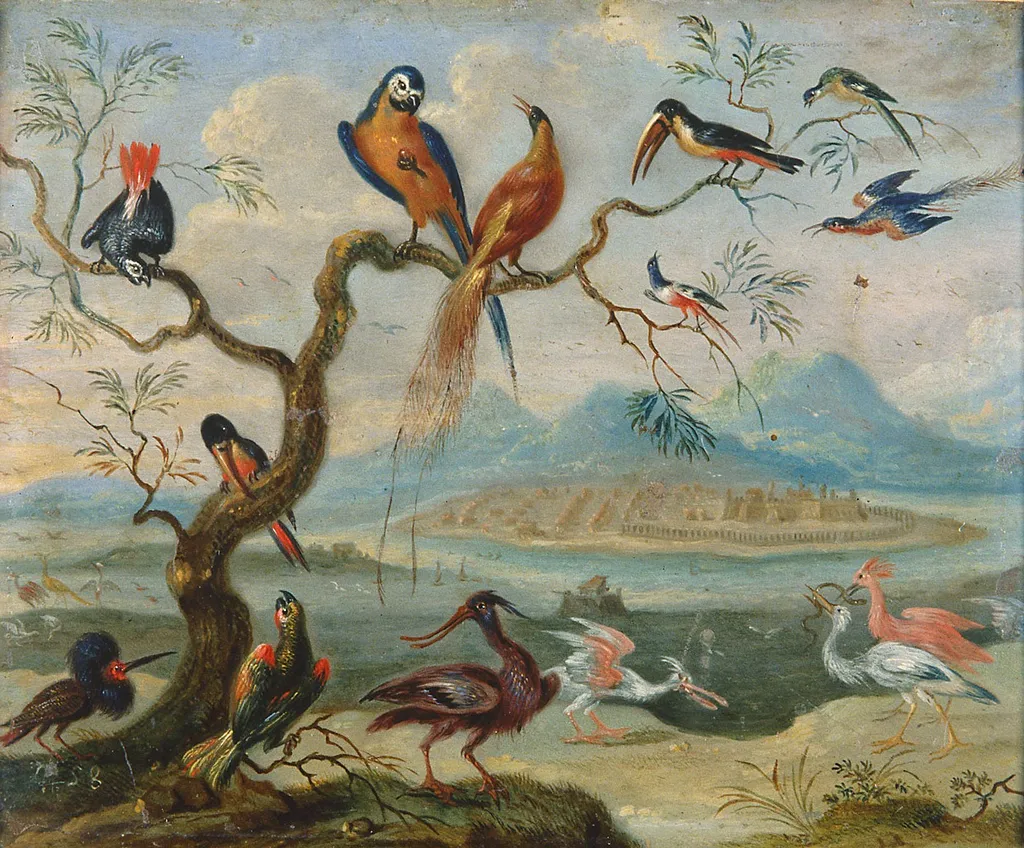
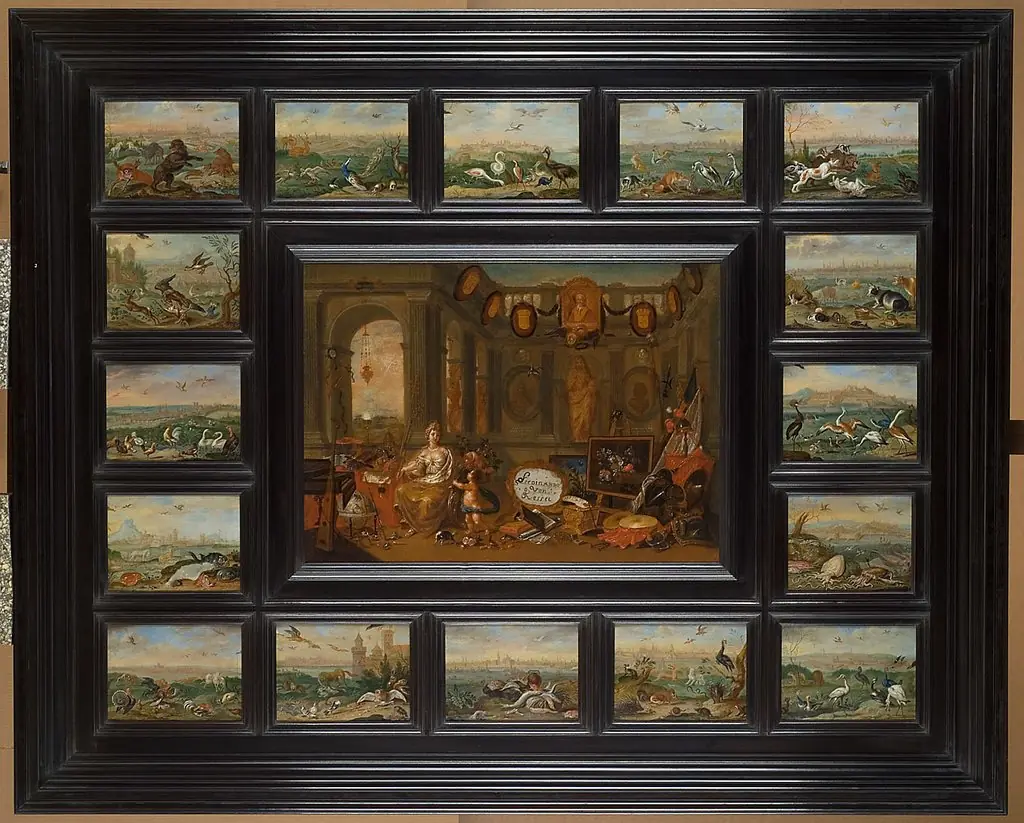
Ansichten aus den vier Weltteilen mit Szenen von Tieren: St. Merryn is an unspecified painting by Ferdinand van Kessel the Elder. It dates from 1682 and is held in the collection of the Kunsthistorisches Museum.
About this work
Overview
Ferdinand van Kessel the Elder painted *Ansichten aus den vier Weltteilen mit Szenen von Tieren: St.
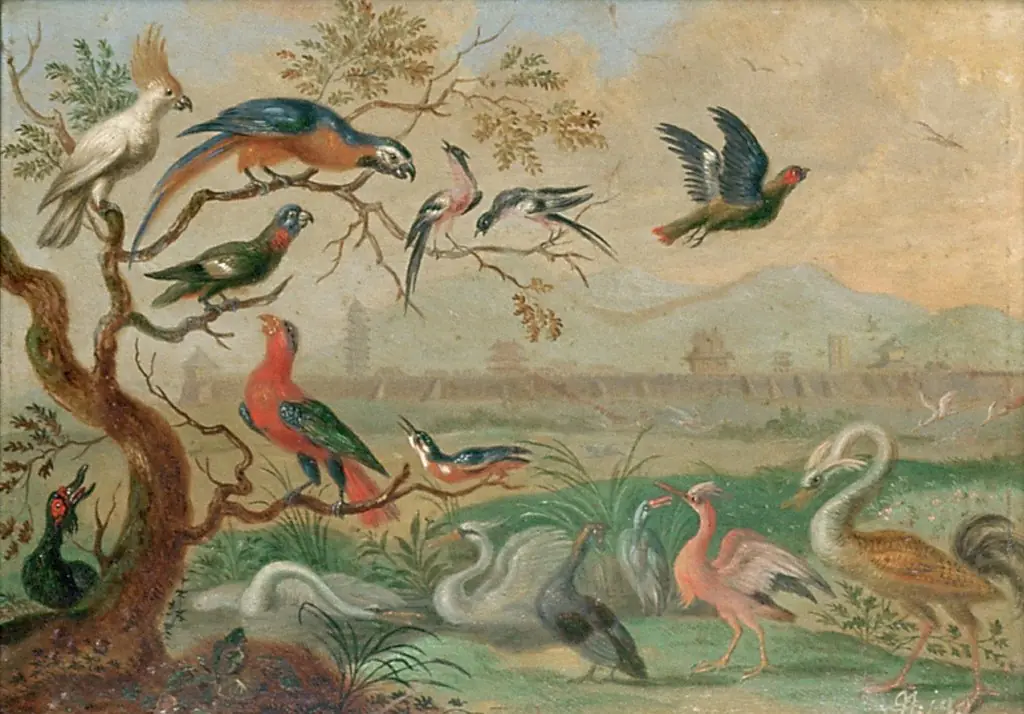
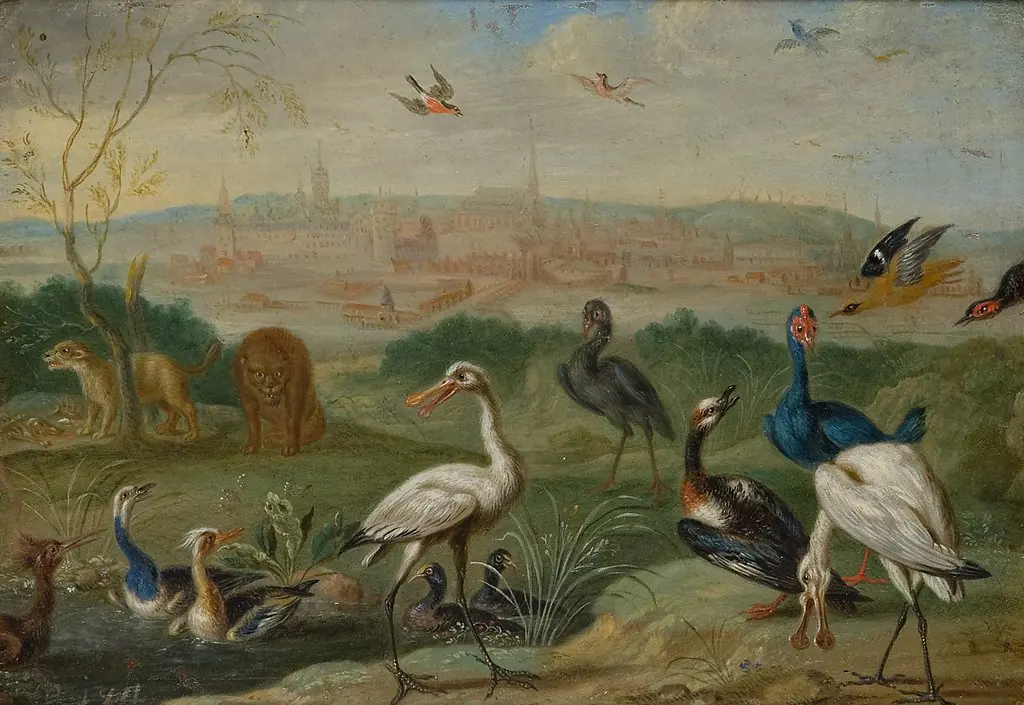
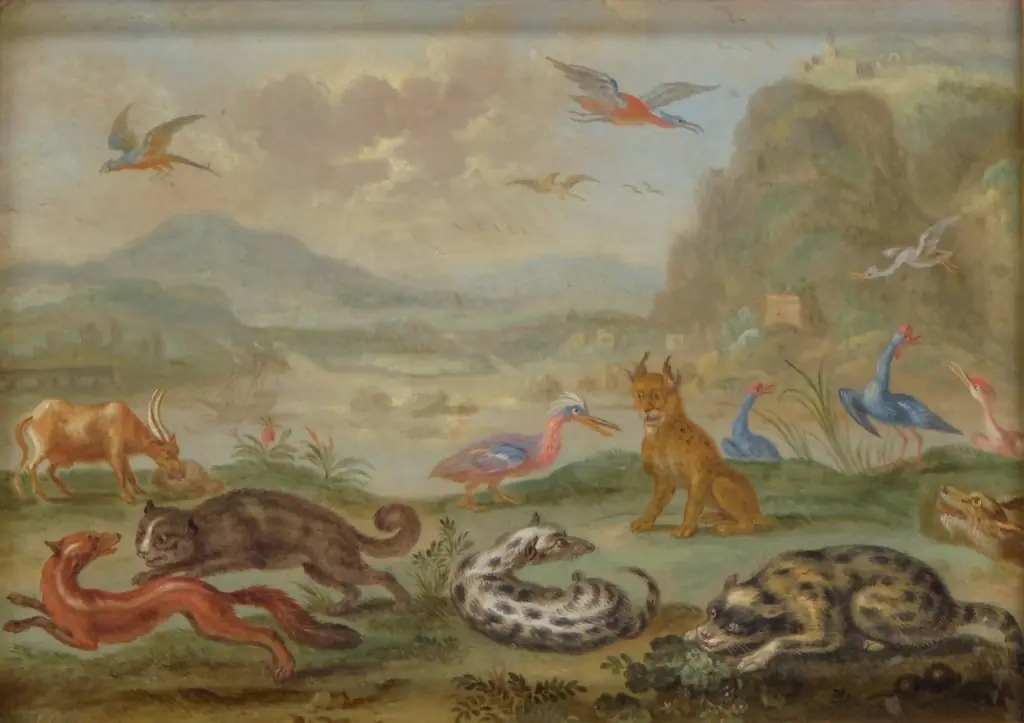
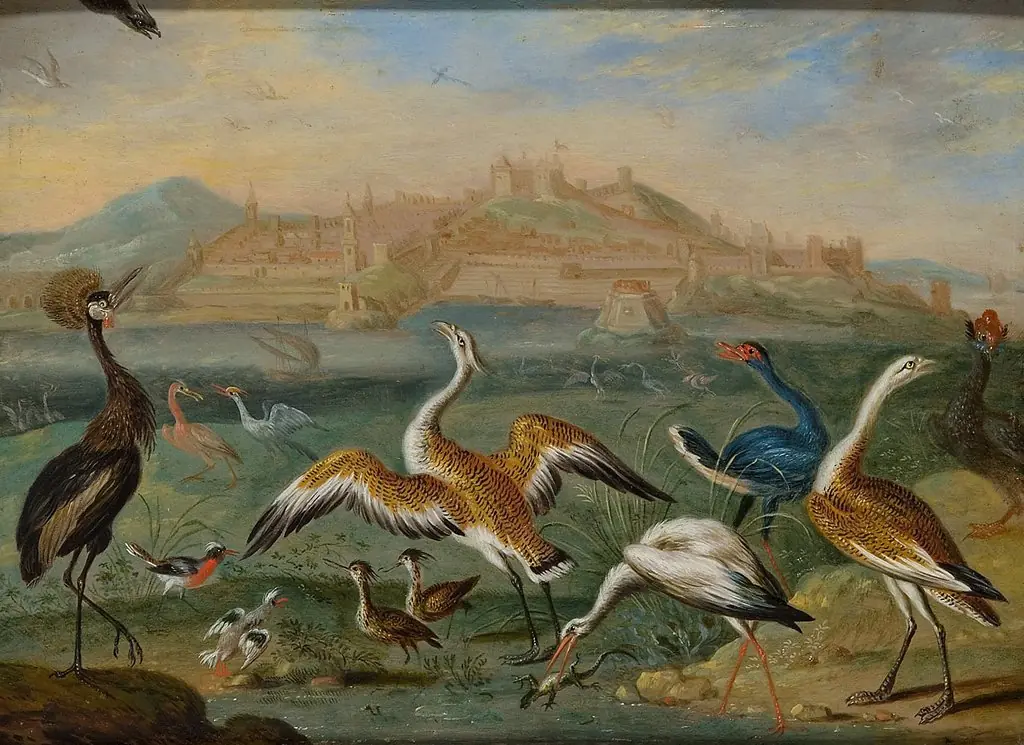
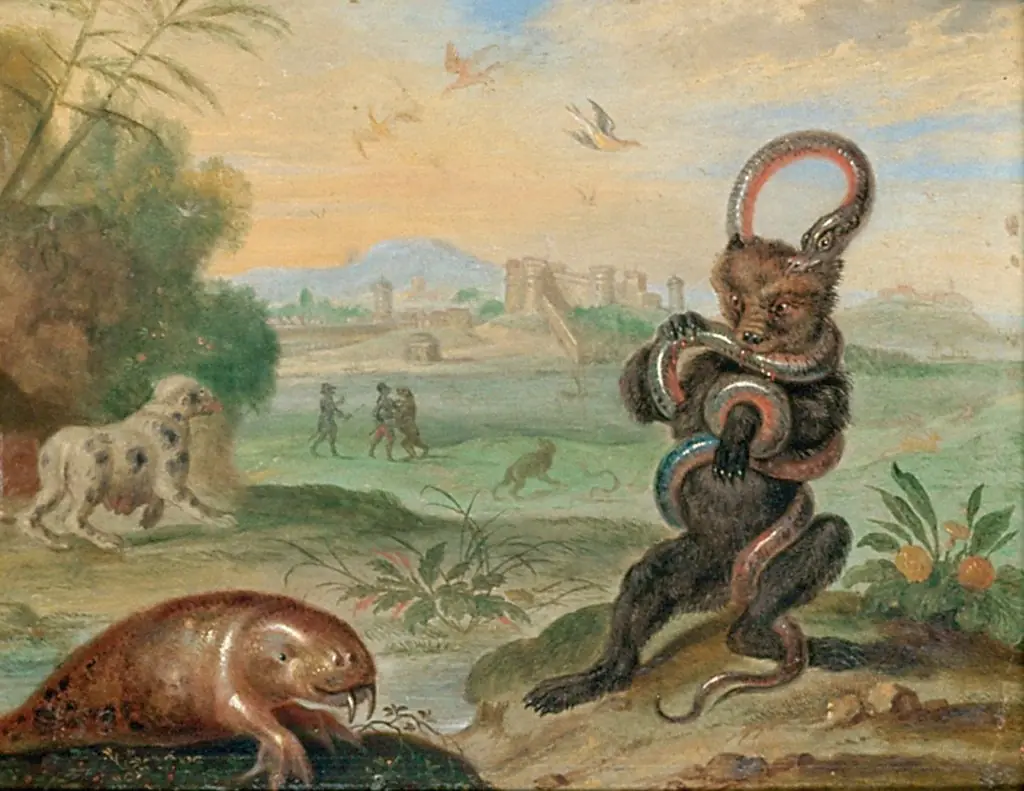
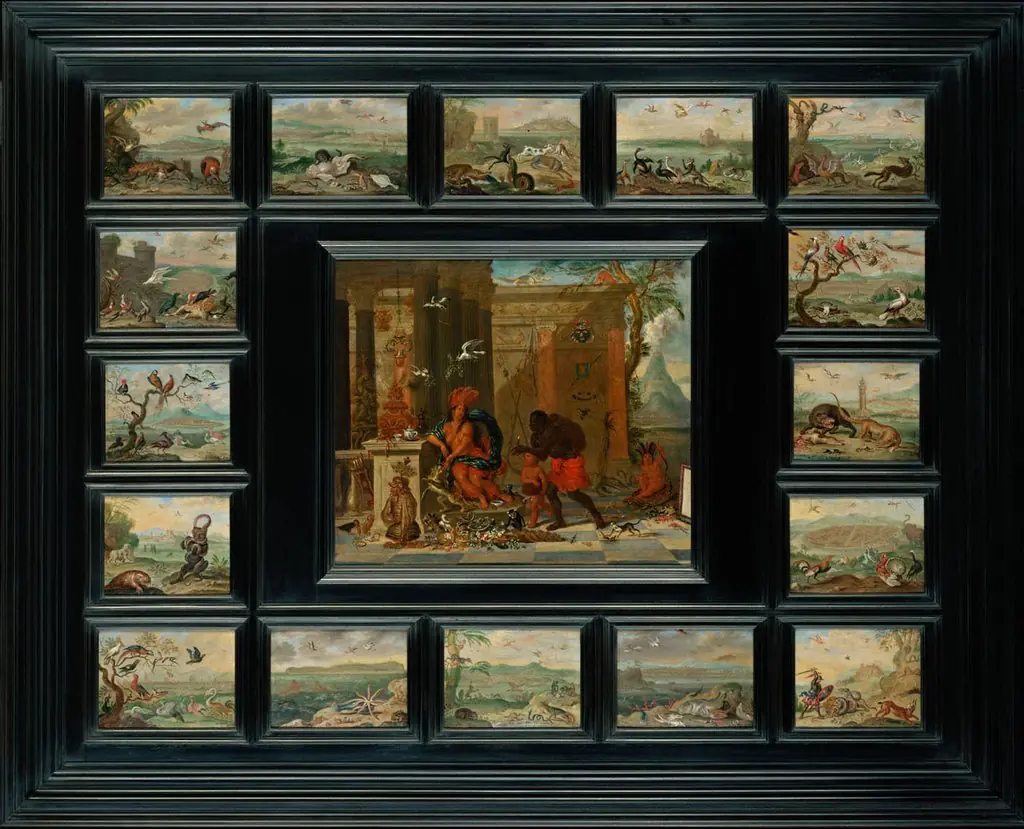
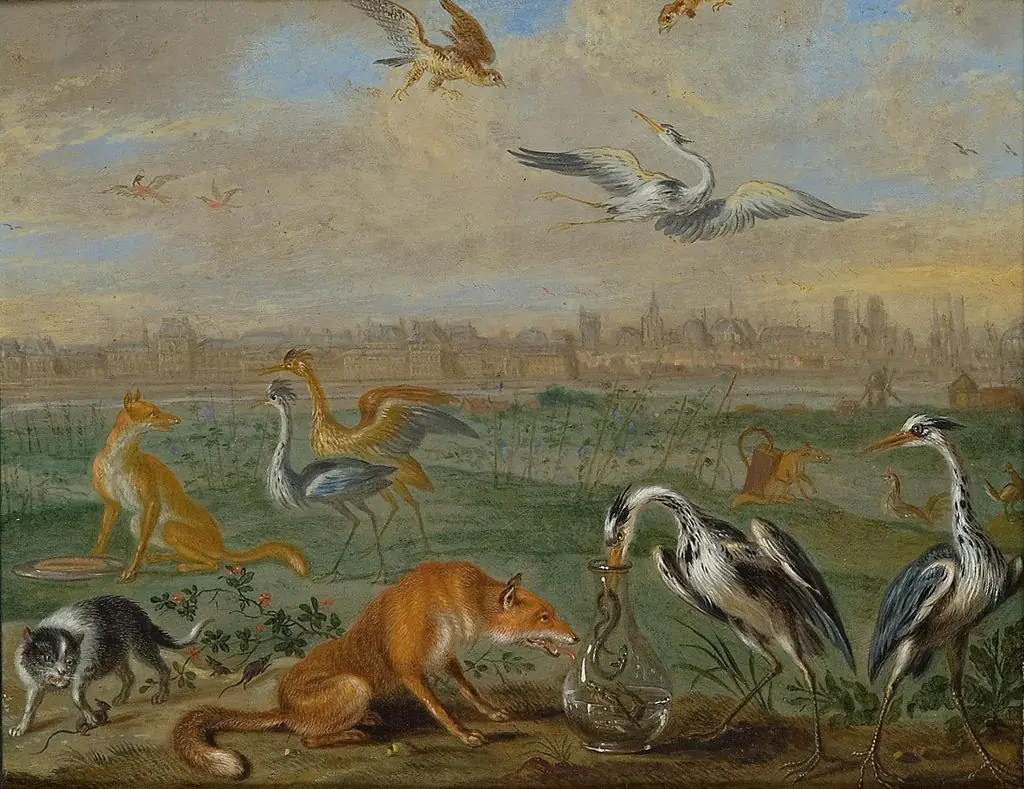
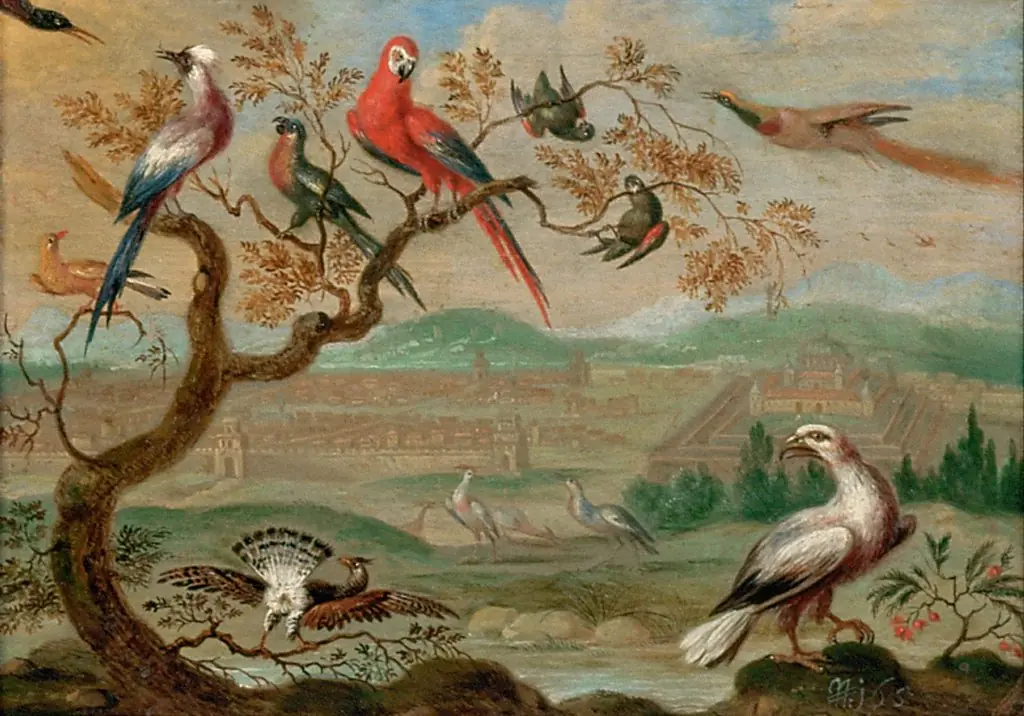
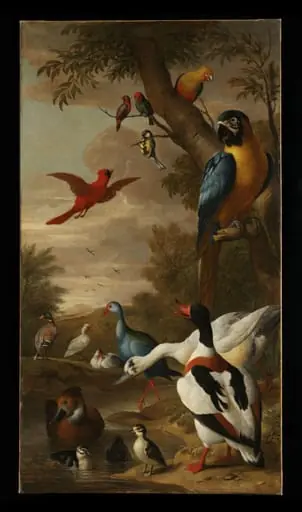
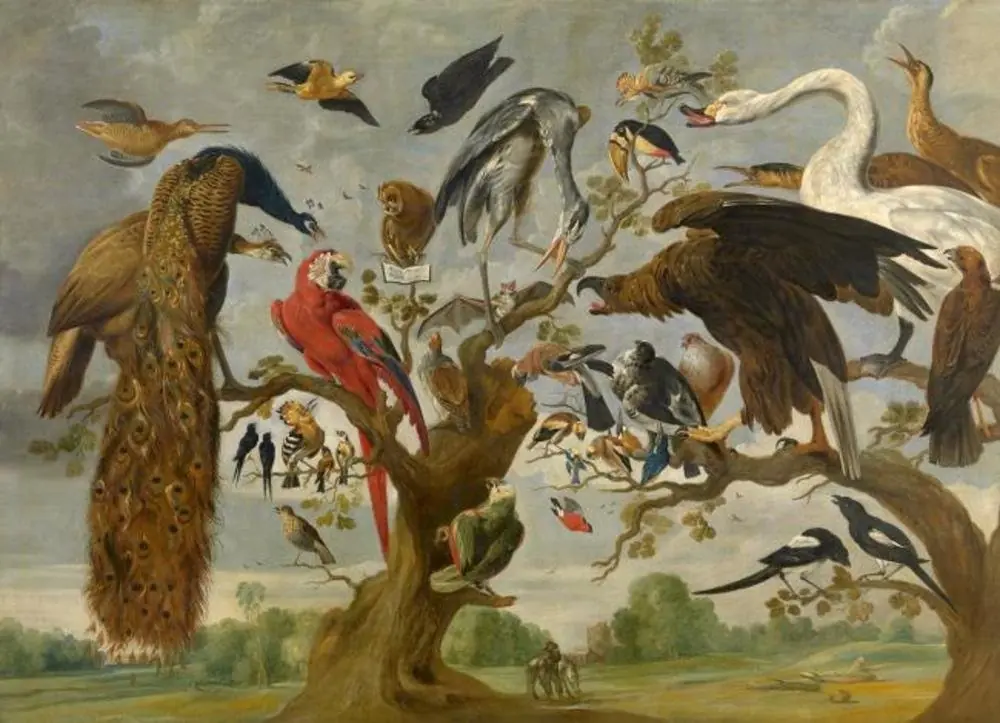
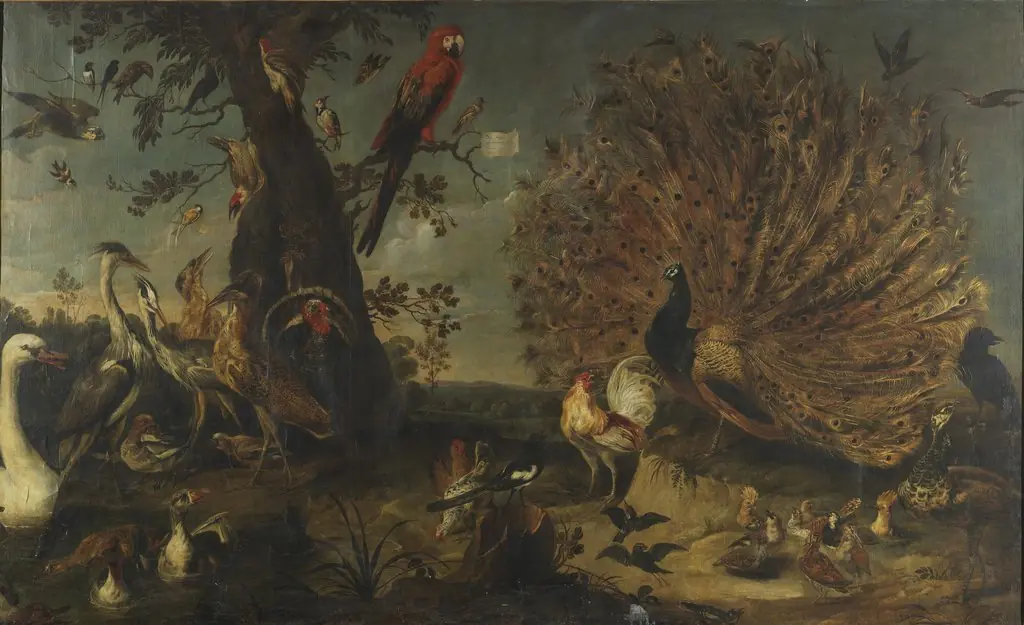
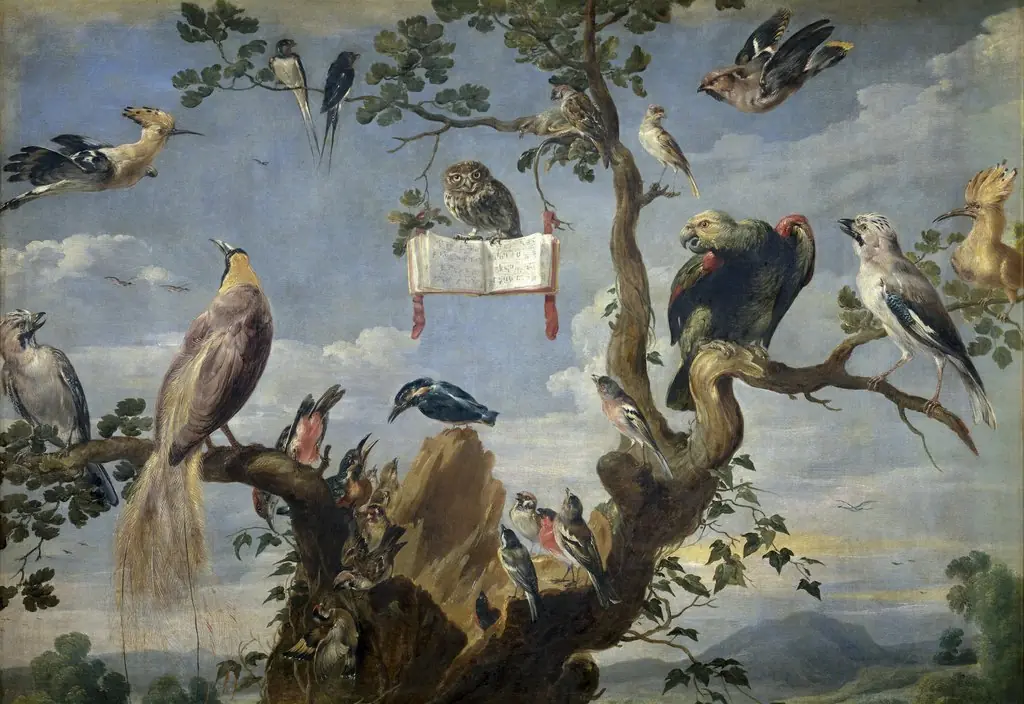
Ferdinand van Kessel the Elder painted *Ansichten aus den vier Weltteilen mit Szenen von Tieren: St. Merryn* circa 1682, as part of a series exploring fauna from different global regions. The work is held in the Kunsthistorisches Museum, Vienna. Unlike his more common monkey-themed compositions, this piece centers on avian life, rendered with careful observation and a quiet, naturalistic tone within a subdued landscape setting.
Subject & Meaning
The painting presents a variety of bird species in tranquil, everyday postures—perched, flying, or grounded—without narrative or symbolic intent. It reflects a 17th-century interest in cataloging natural forms, possibly tied to broader European curiosity about global biodiversity. The absence of human figures emphasizes nature’s autonomy, suggesting an appreciation for wildlife as subject in its own right.
Technique & Style
Van Kessel employed fine brushwork to distinguish plumage textures and subtle color gradations, capturing species-specific features with precision. The background merges soft hills and a pale sky in muted tones, creating depth without distraction. His approach is observational rather than dramatic, aligning with Flemish traditions of detailed naturalism while avoiding theatricality or allegory.
History & Provenance
The painting entered the Kunsthistorisches Museum’s collection as part of the Habsburg imperial holdings, likely acquired during the late 17th or early 18th century. Its inclusion among other works by van Kessel suggests it was valued for its technical skill and thematic coherence within the artist’s broader series on global fauna, though its specific commission or patron remains undocumented.
Context
Created during a period of expanding global exploration, the work reflects contemporary European fascination with cataloging exotic species. While van Kessel never traveled beyond Flanders, he relied on printed illustrations and specimens in private collections. This painting belongs to a genre that blended scientific curiosity with artistic representation, common among Flemish painters of the era.
Legacy
Though less known than his monkey scenes, this painting exemplifies van Kessel’s versatility and commitment to naturalistic detail. It contributes to a broader tradition of European ornithological art that preceded modern field guides. Its quiet composition and accuracy have ensured its continued presence in museum collections as a record of early natural history visualization.
Artist & collection
Artist
Ferdinand van Kessel the Elder
Ferdinand van Kessel (1648 – 1696), was a Flemish Baroque painter known for his landscapes, still lifes and genre pieces with monkeys.