Artwork
Ansichten aus den vier Weltteilen mit Szenen von Tieren: Derbent (Dagestan)
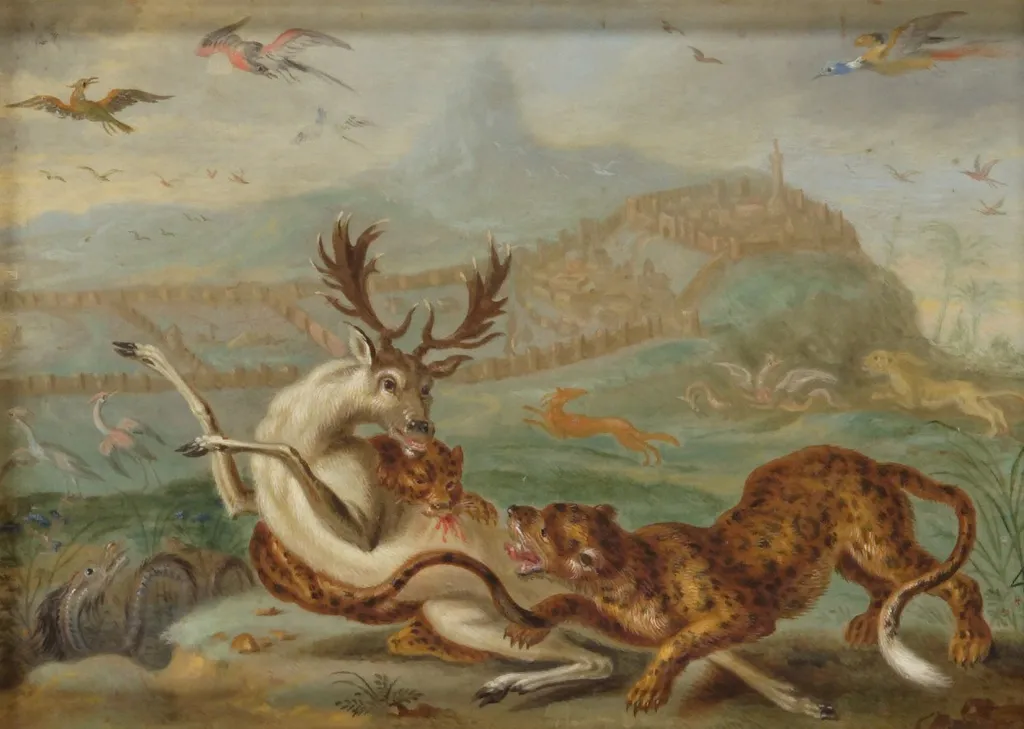
Ansichten aus den vier Weltteilen mit Szenen von Tieren: Derbent (Dagestan) is an unspecified painting by Ferdinand van Kessel the Elder. It dates from 1682 and is held in the collection of the Kunsthistorisches Museum.
About this work
Overview
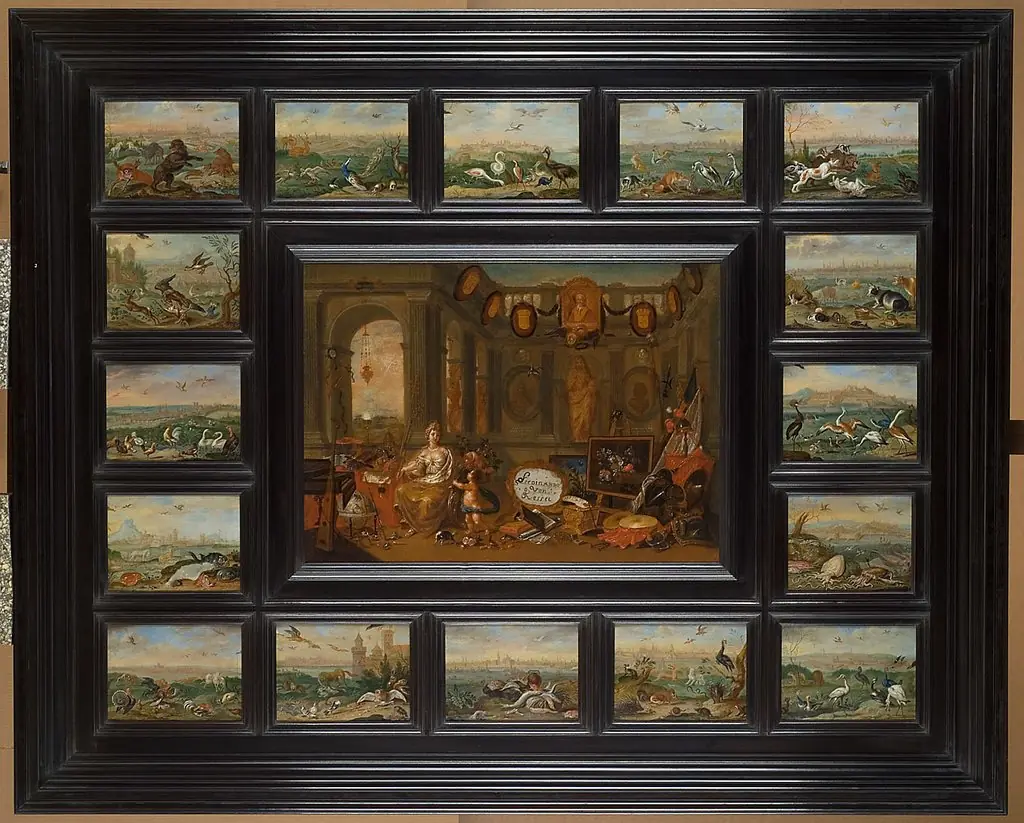
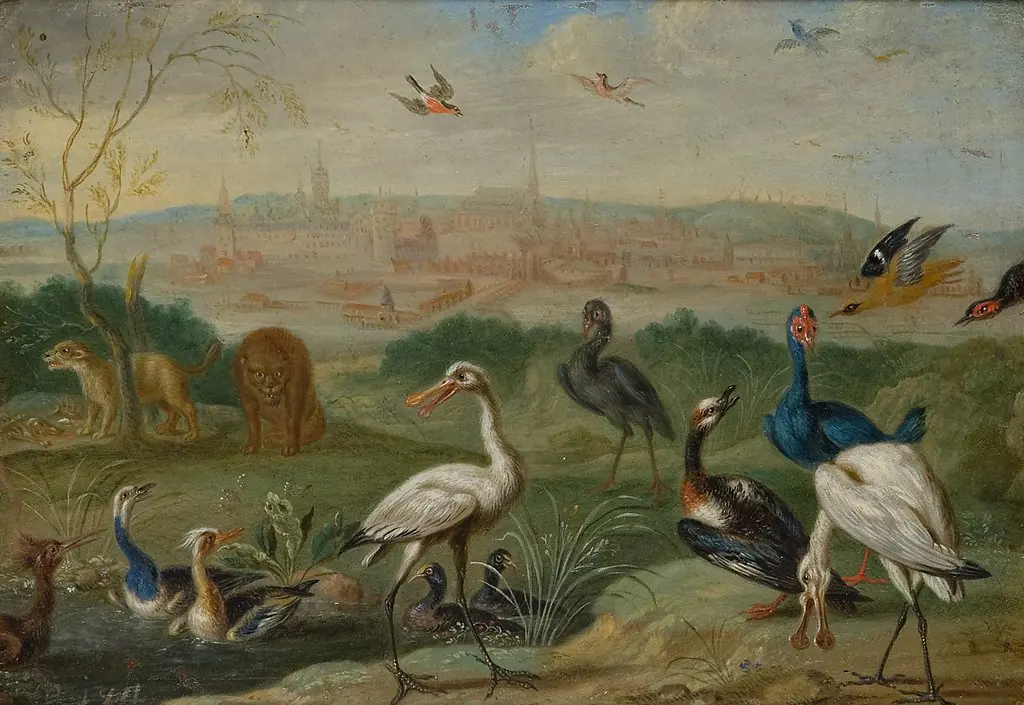
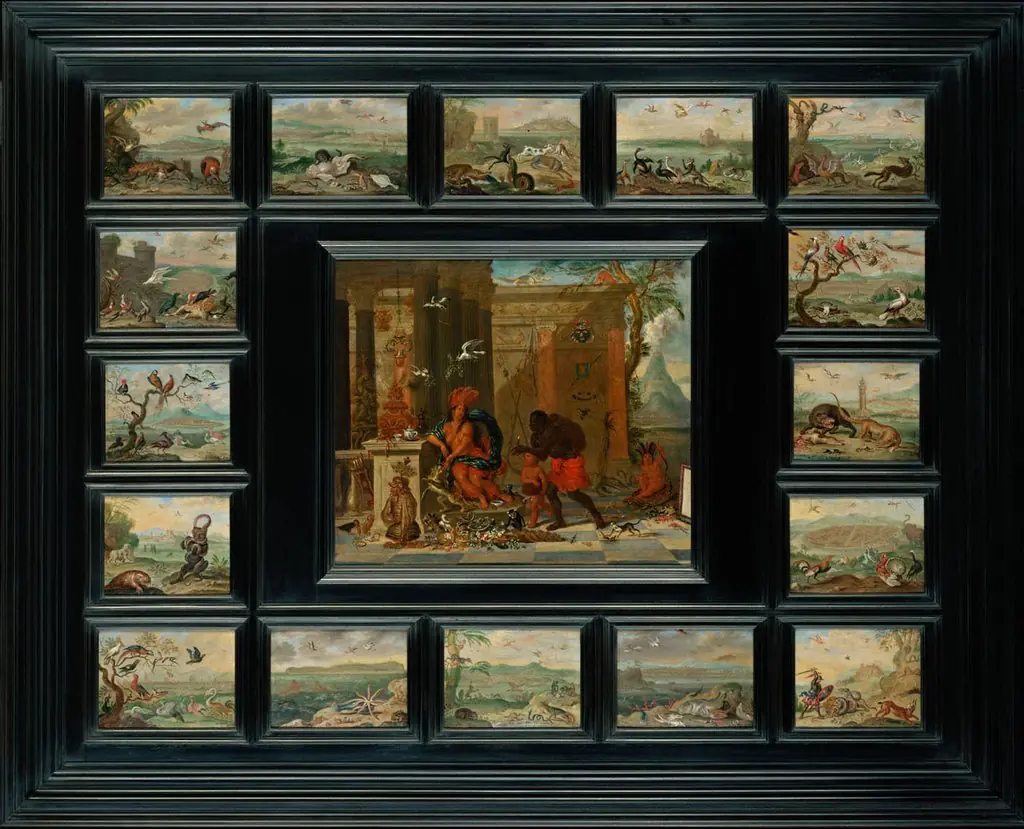
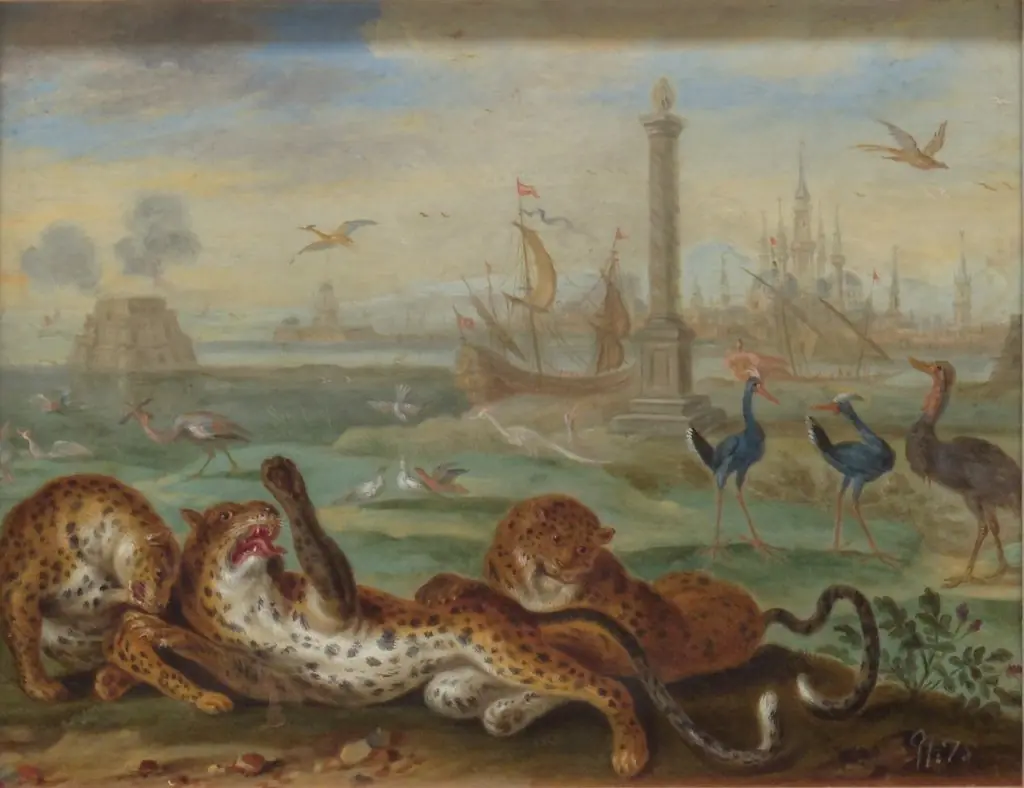
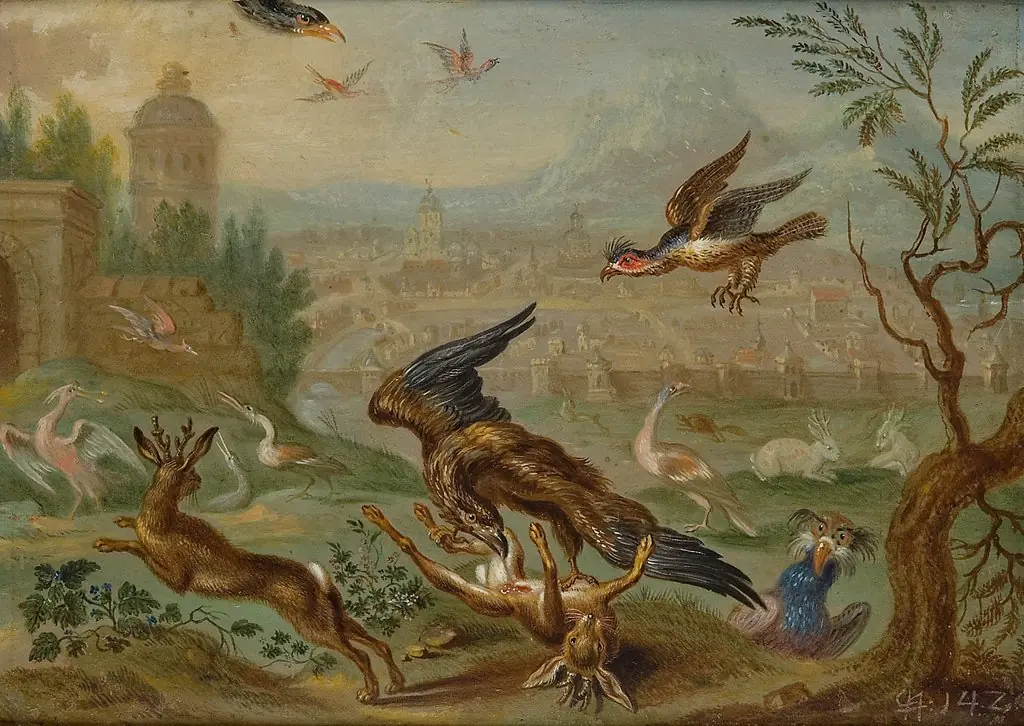
Ferdinand van Kessel the Elder, a Flemish painter active in the late 17th century, produced a work titled *Ansichten aus den vier Weltteilen mit Szenen von Tieren: Derbent (Dagestan)* around 1682. The canvas is held by the Kunsthistorisches Museum in Vienna and presents a dramatic animal tableau set in the historic city of Derbent, located in present‑day Dagestan.
Subject & Meaning
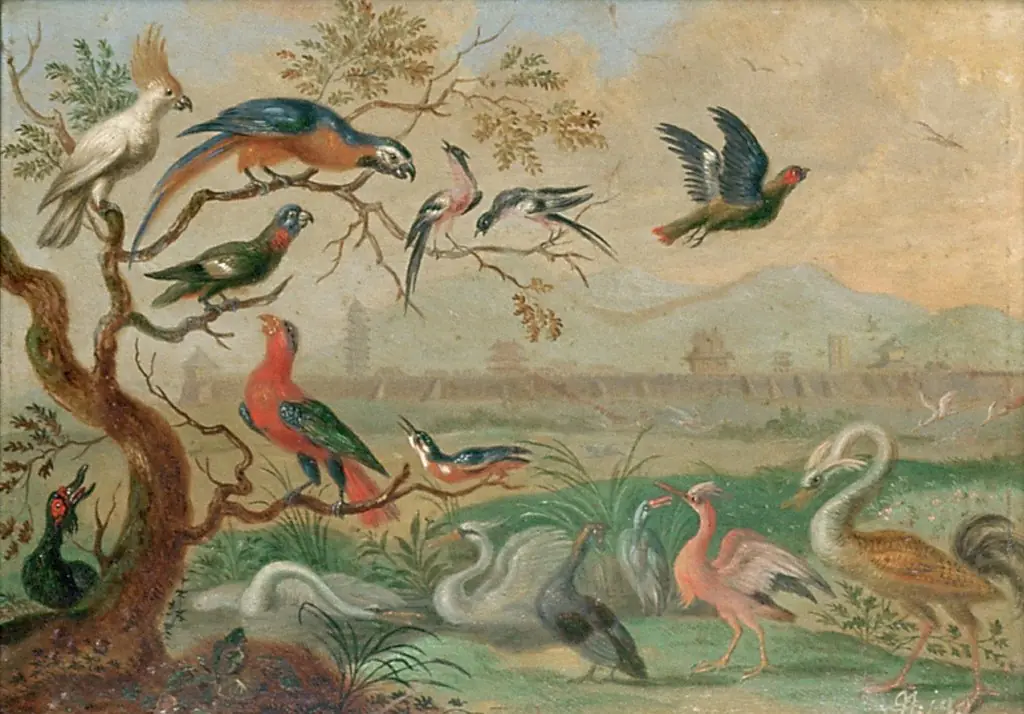
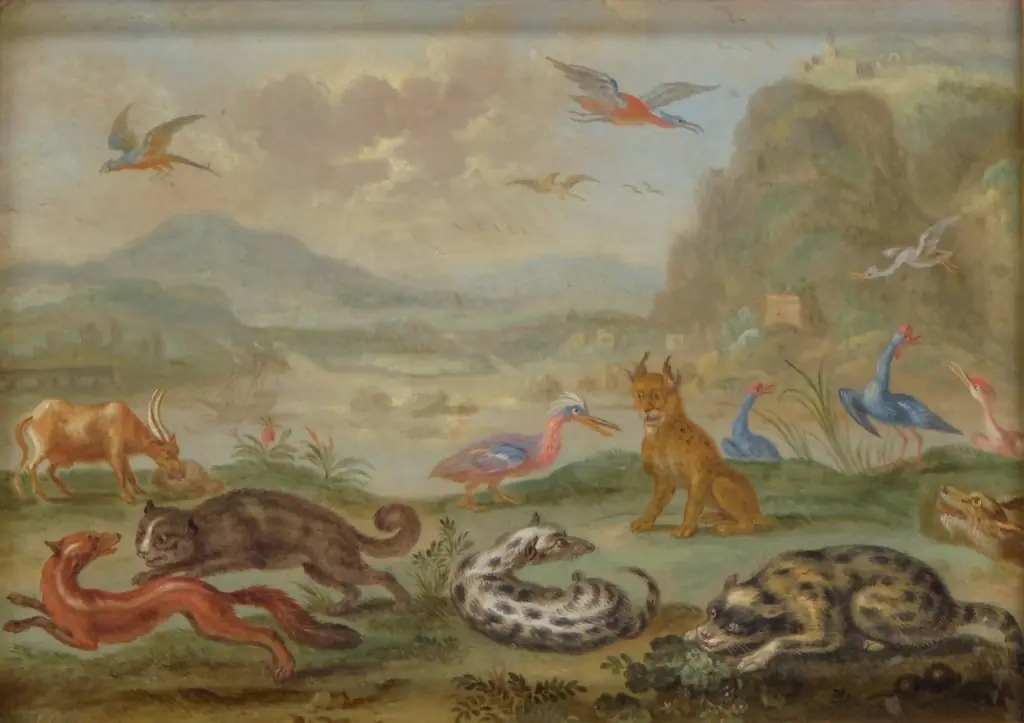
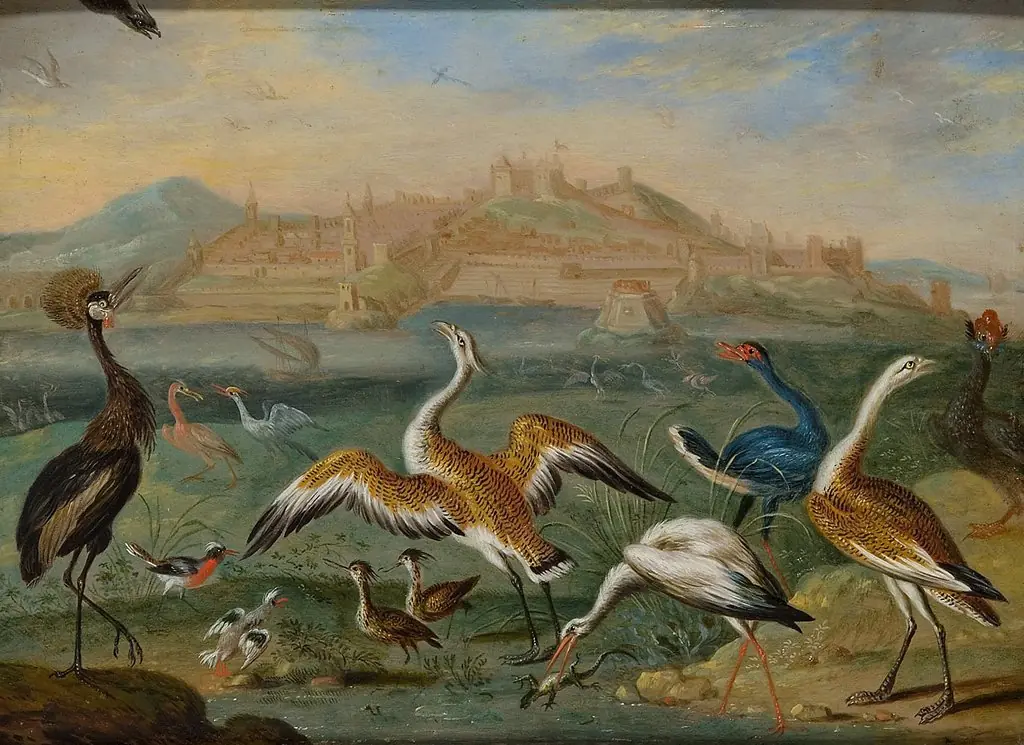
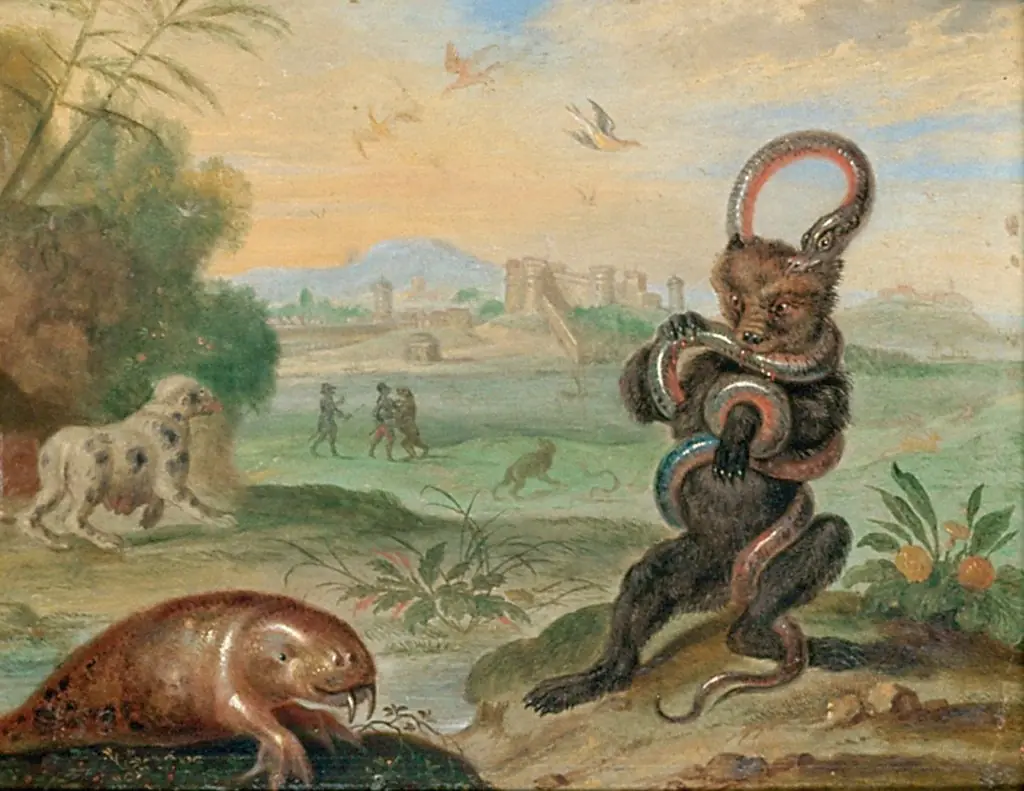
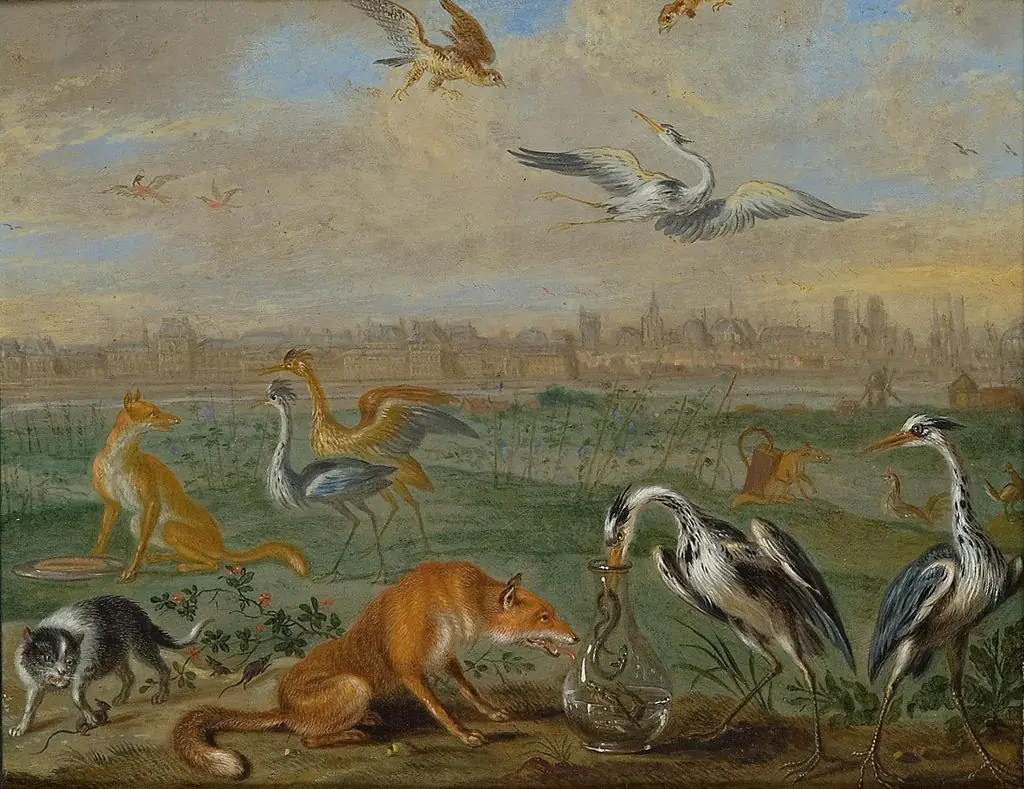
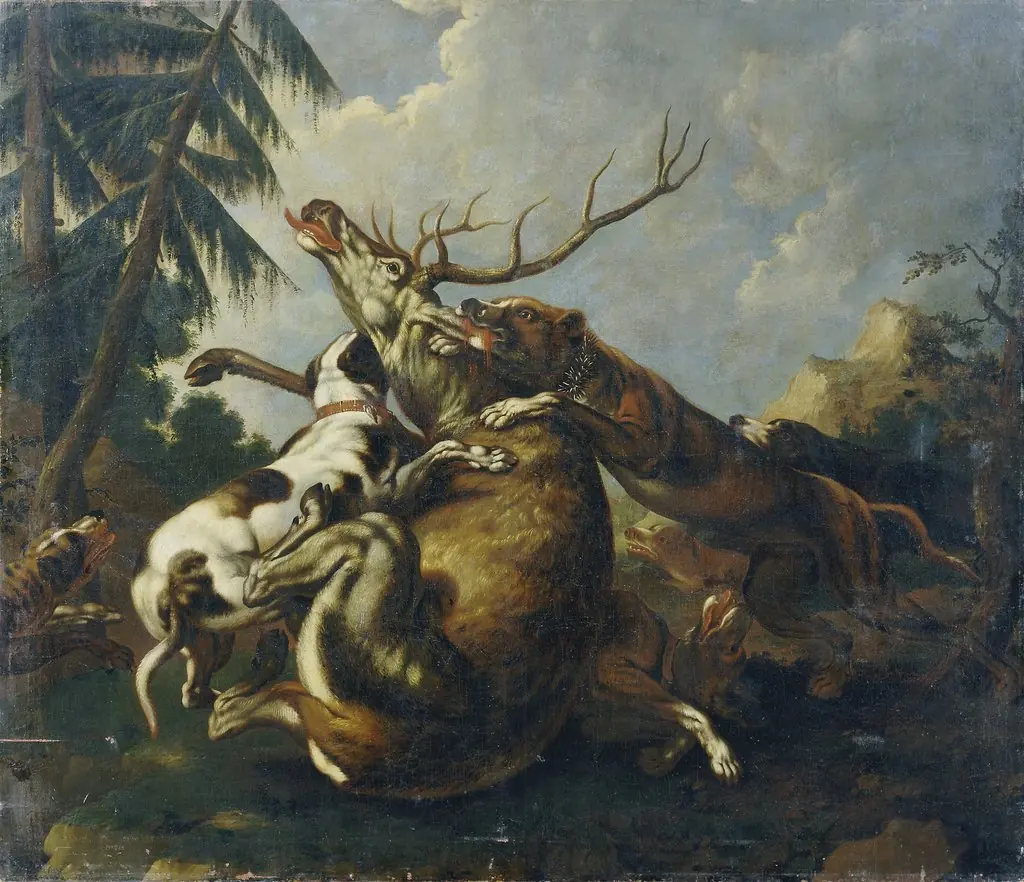
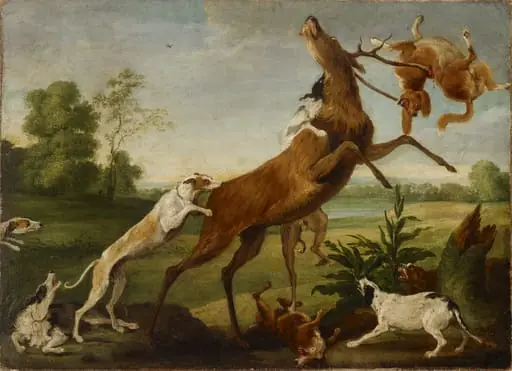
The composition centers on a white stag confronting two leopards; one attacks the animal’s flank while the other clamps onto its neck, the stag’s legs lifted in a defensive stance. Around them, a variety of birds and other fauna populate the landscape, suggesting a broader scene of wildlife conflict and the precarious balance of nature.
Technique & Style
Executed in the Baroque idiom, the painting combines vigorous brushwork with a rich palette to heighten the sense of movement. Van Kessel employs chiaroscuro to model the animals’ forms against a distant horizon that includes a hilltop castle, creating depth and emphasizing the tumultuous foreground.
History & Provenance
Created circa 1682, the canvas entered the collection of the Kunsthistorisches Museum, where it remains on display. Its provenance prior to museum acquisition is not extensively documented, but the work reflects van Kessel’s established reputation for animal subjects and exotic landscapes.
Context
The piece belongs to a broader tradition of European hunting and exotic animal scenes that flourished in the Baroque period. By situating the drama in Derbent, van Kessel links a familiar hunting motif with a geographically distant locale, catering to contemporary curiosity about far‑off regions.
Artist & collection
Artist
Ferdinand van Kessel the Elder
Ferdinand van Kessel (1648 – 1696), was a Flemish Baroque painter known for his landscapes, still lifes and genre pieces with monkeys.