Artwork
Unicorn and Other Animals
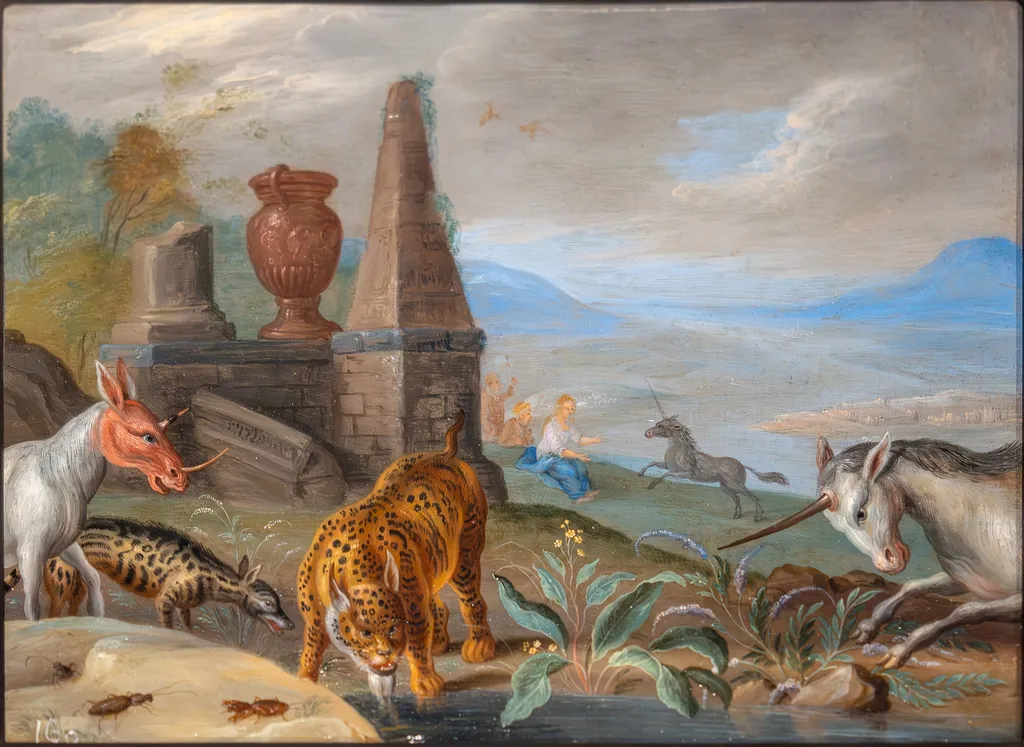
Unicorn and Other Animals is an oil painting by the Flemish Baroque painting artist Jan van Kessel the Elder. It dates from 1660 and is held in the collection of the Museo del Prado.
About this work
Overview
Painted in 1660 on copper, this work by Jan van Kessel the Elder presents a composite scene of exotic and mythical creatures within a naturalistic landscape.
Painted in 1660 on copper, this work by Jan van Kessel the Elder presents a composite scene of exotic and mythical creatures within a naturalistic landscape. Copper, favored for its smooth surface and durability, enabled precise rendering of fine details. The piece belongs to a series of animal studies that van Kessel produced during his time in Antwerp, reflecting a broader Flemish tradition of meticulous natural observation.
Subject & Meaning
The central figure is a unicorn, flanked by a leopard and other creatures including birds and a lizard, set against a backdrop of ruins and distant mountains. The unicorn, a symbol of purity and rarity in medieval and Renaissance iconography, is rendered alongside real animals, blurring the line between myth and nature. This juxtaposition suggests a fascination with the natural world’s wonders, possibly reflecting contemporary curiosity about distant lands and biological diversity.
Technique & Style
Van Kessel employed fine brushwork and layered glazes to achieve lifelike textures in fur, feathers, and scales. The copper support allowed for sharp definition and luminous color, particularly in the leopard’s spotted coat and the unicorn’s pale mane. The landscape, though detailed, remains subdued in tone, with cloudy skies and muted greens and browns, directing focus to the animals while maintaining a harmonious, quiet atmosphere.
History & Provenance
The painting entered the collection of the Museo del Prado in Madrid, where it remains today. It was likely acquired during the 18th or early 19th century as part of Spanish royal or noble collections that absorbed Flemish works. Van Kessel’s reputation as a specialist in natural subjects ensured his works were sought after by collectors interested in scientific curiosity and artistic precision.
Context
In mid-17th-century Antwerp, artists like van Kessel responded to growing interest in natural history, fueled by global exploration and the rise of cabinets of curiosities. His animal studies aligned with broader trends in Flemish painting that emphasized observation over idealization. Unlike allegorical works of the time, this painting avoids overt moralizing, instead presenting creatures as objects of visual inquiry.
Legacy
Van Kessel’s detailed animal compositions influenced later naturalist painters and contributed to the development of scientific illustration. His use of copper as a support became a hallmark of his technique and was emulated by contemporaries. Though less widely known than some of his peers, his work remains a significant example of how art and empirical observation intersected in early modern Europe.
Artist & collection
Artist
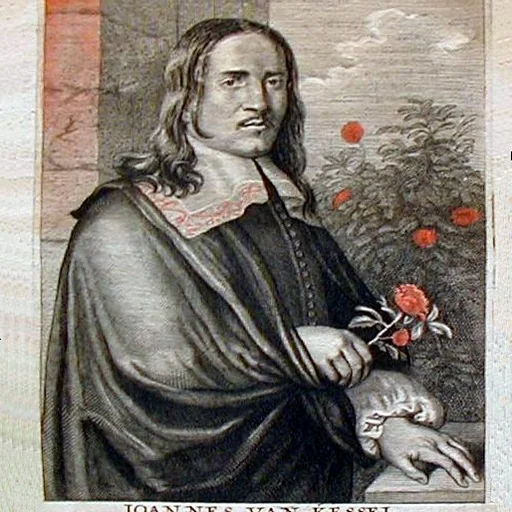
Jan van Kessel the Elder or Jan van Kessel (I) (baptized 5 April 1626, Antwerp – 17 April 1679, Antwerp) was a Flemish painter active in Antwerp in the mid-17th century.

 Berg Carmel
 Ansichten aus den vier Weltteilen mit Szenen von Tieren: Batavia
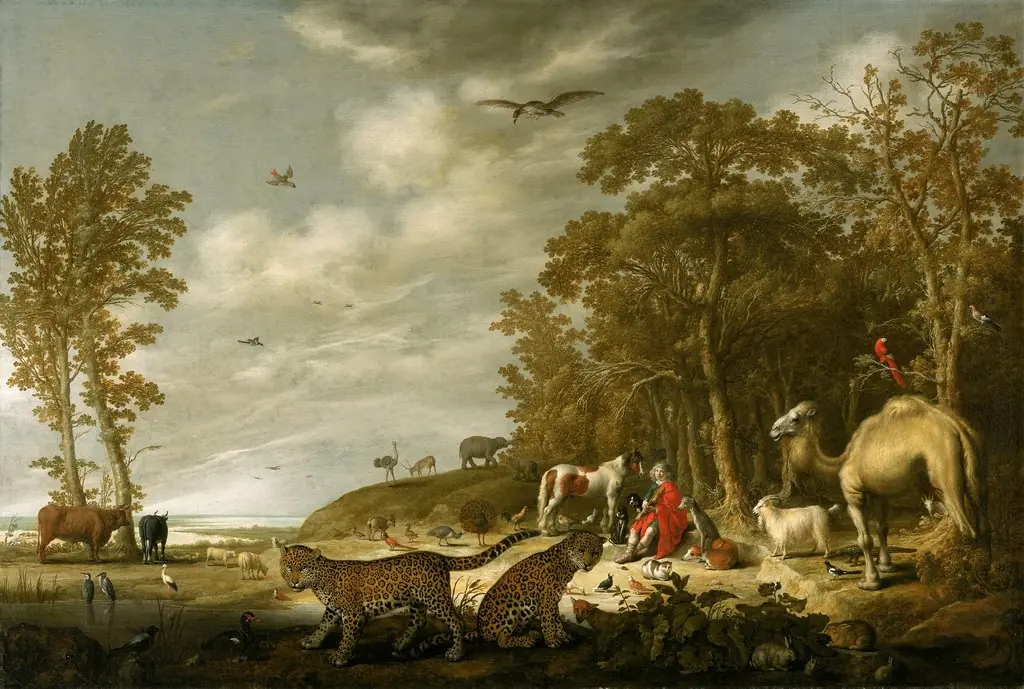 Orpheus Charming the Animals
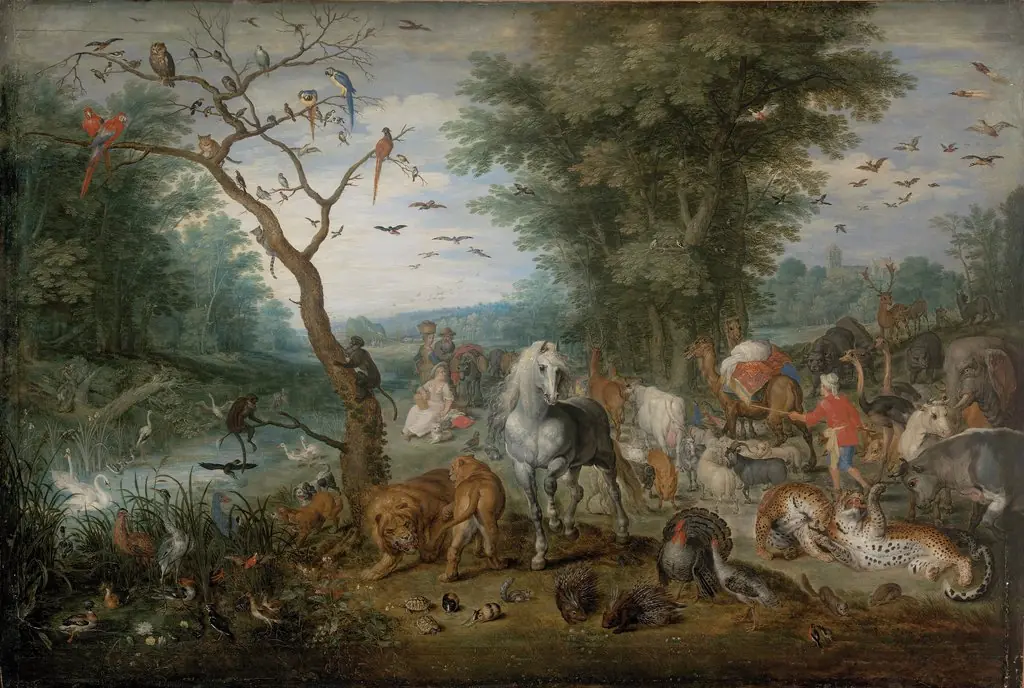 Paradise Landscape with Animals
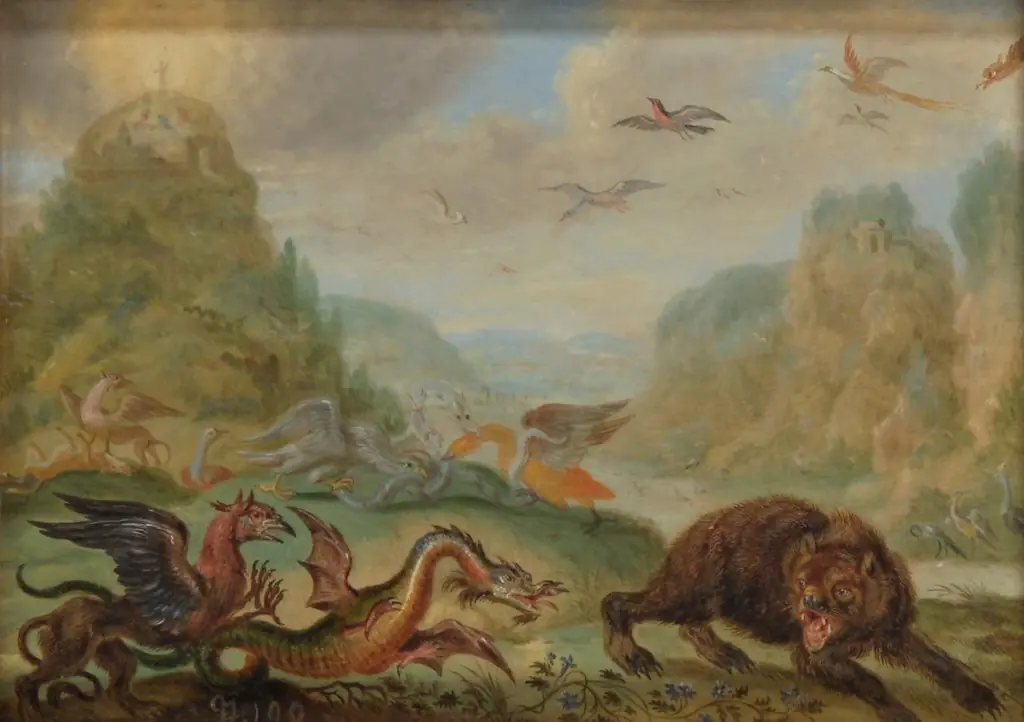 Ansichten aus den vier Weltteilen mit Szenen von Tieren: Berg Tabor
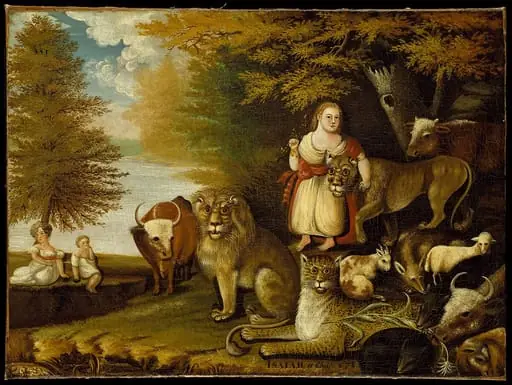 Peaceable Kingdom
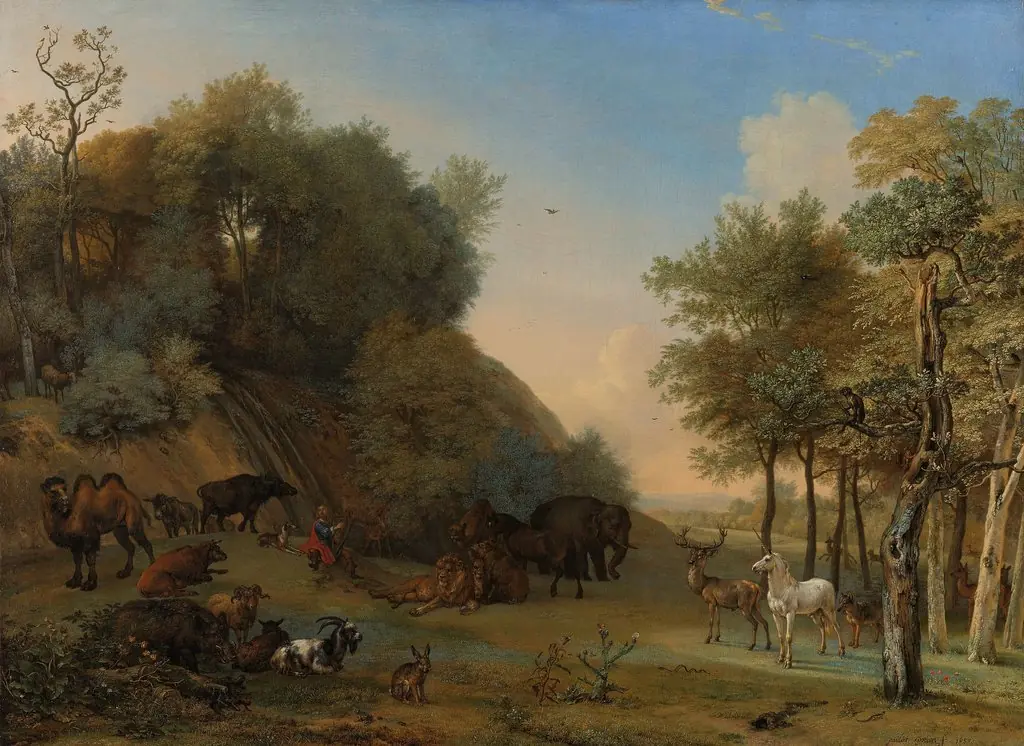 Orpheus and the Animals
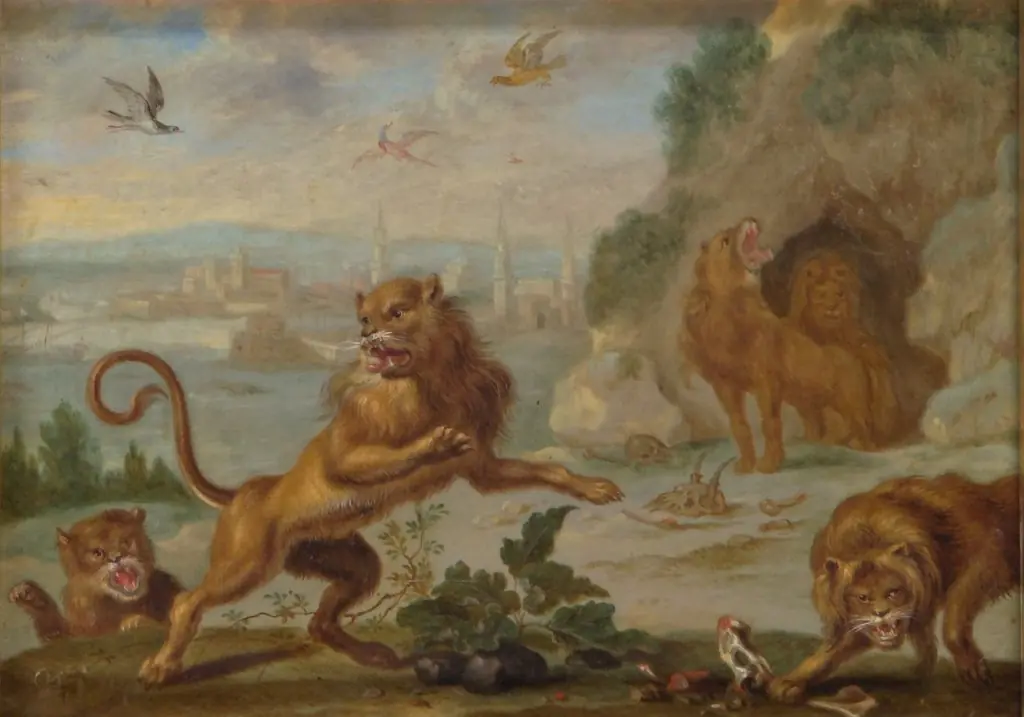 Ansichten aus den vier Weltteilen mit Szenen von Tieren: Tripolis
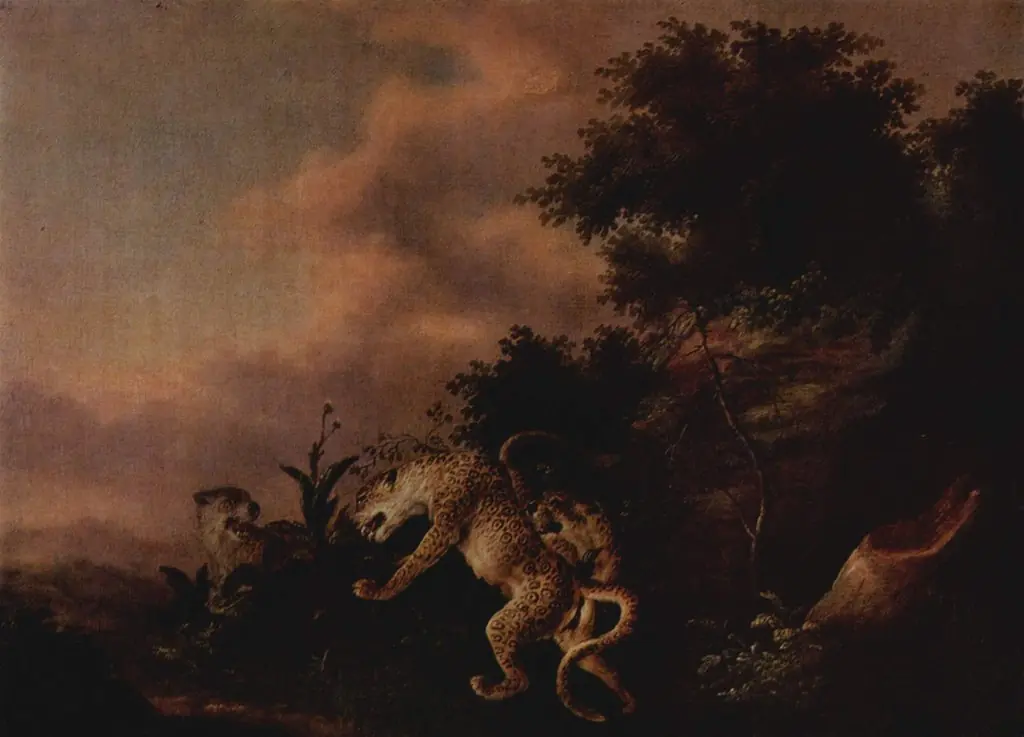 Leopards Attacking a Wild Boar
 Orpheus and the Animals
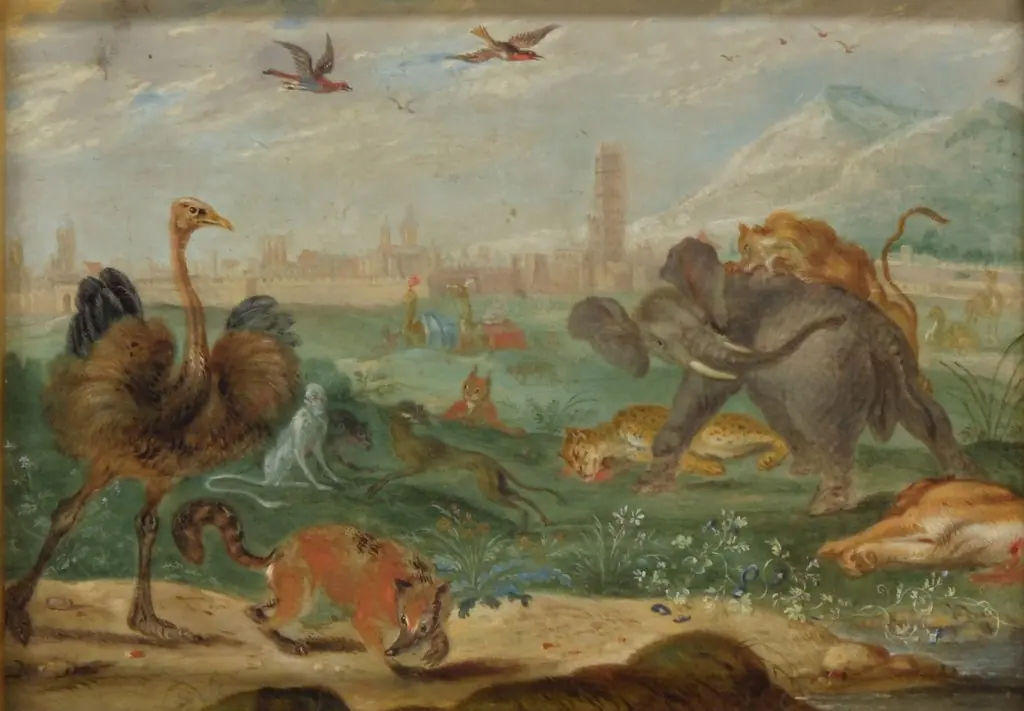 Ansichten aus den vier Weltteilen mit Szenen von Tieren: Marokko
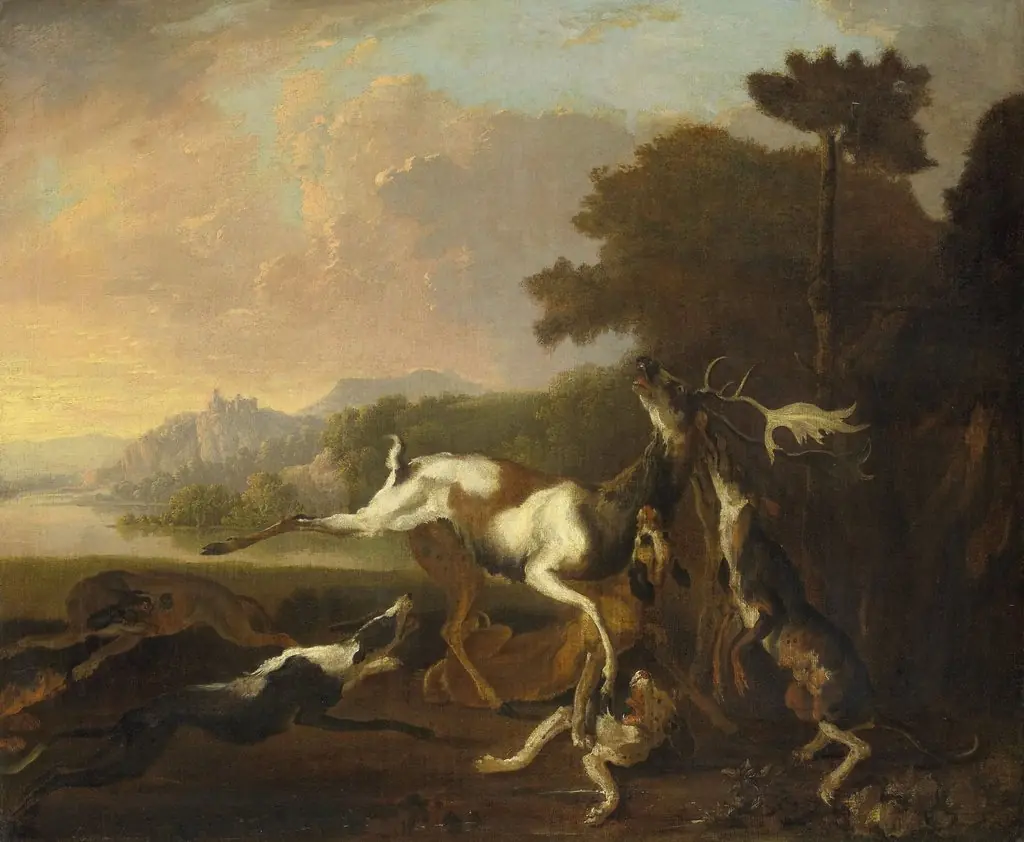 The deer hunt