Artwork
Untitled
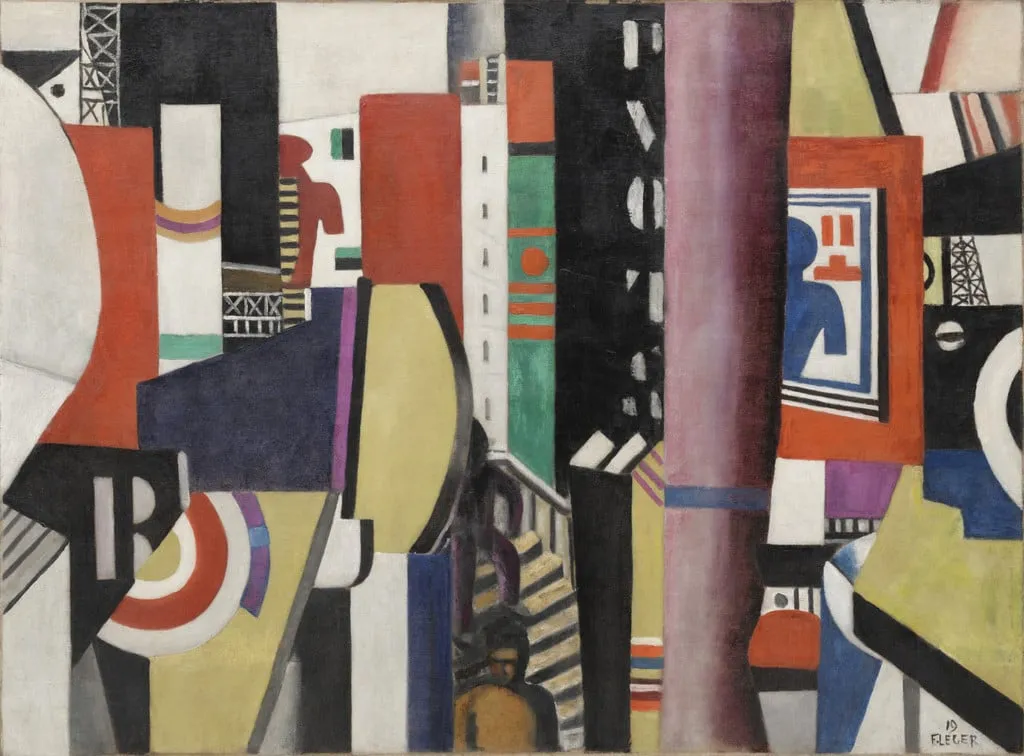
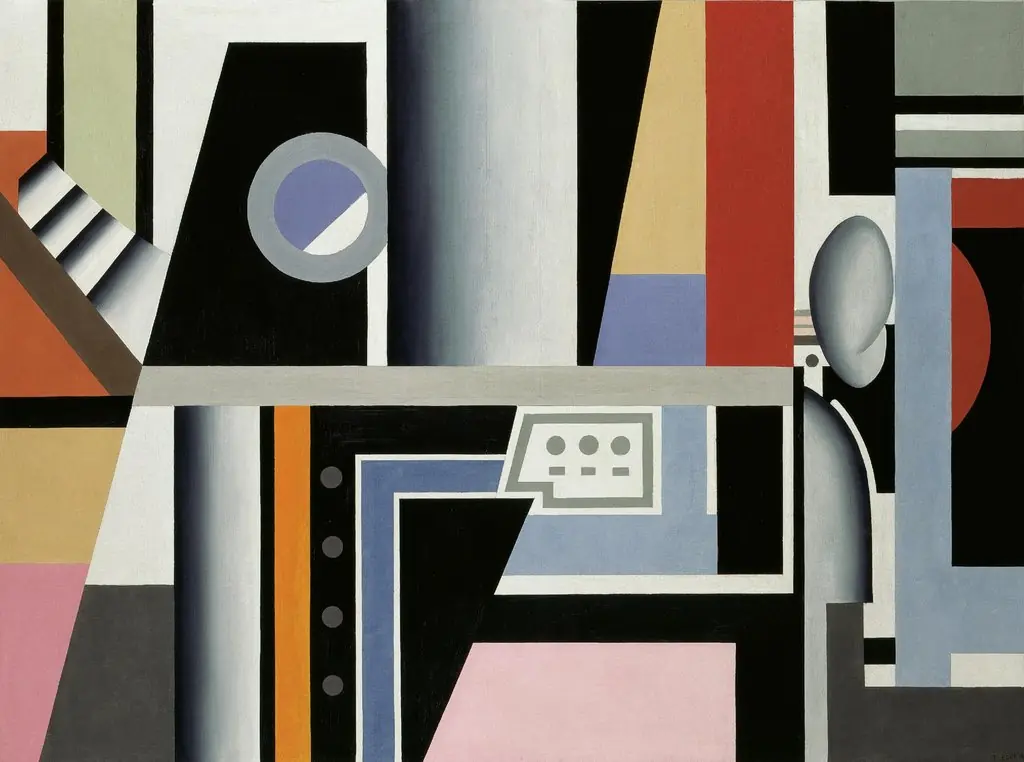
Untitled is an oil painting by Fernand Léger. It dates from 1919 and is held in the collection of the Museum of Modern Art.
About this work
Overview
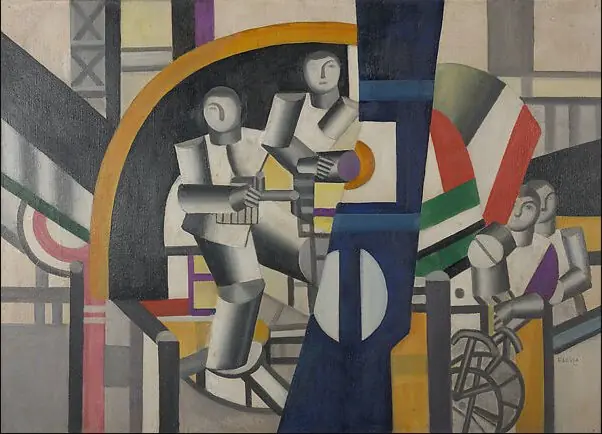
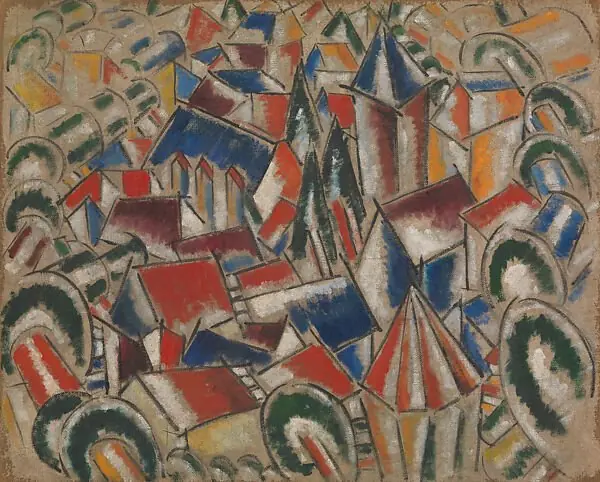
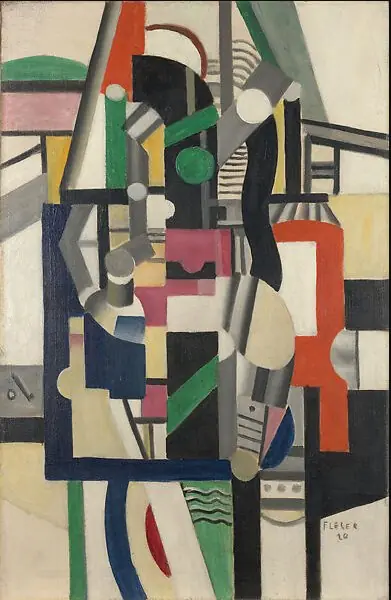
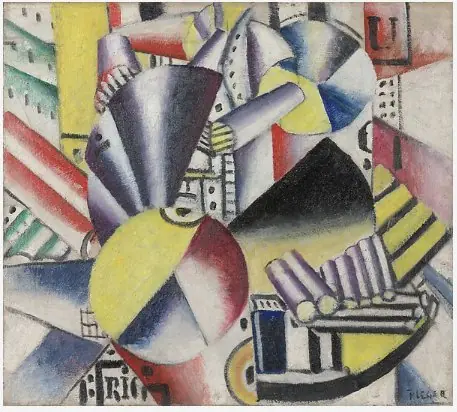
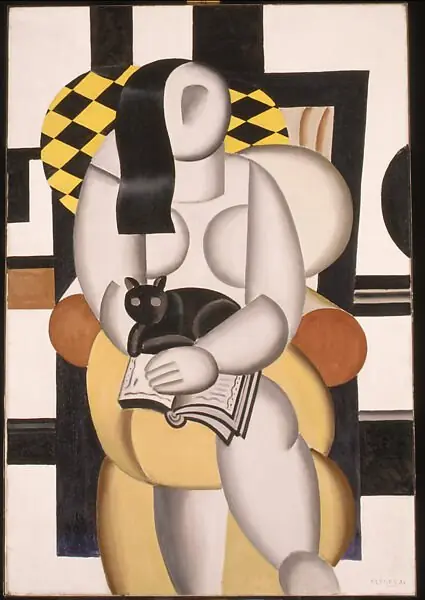
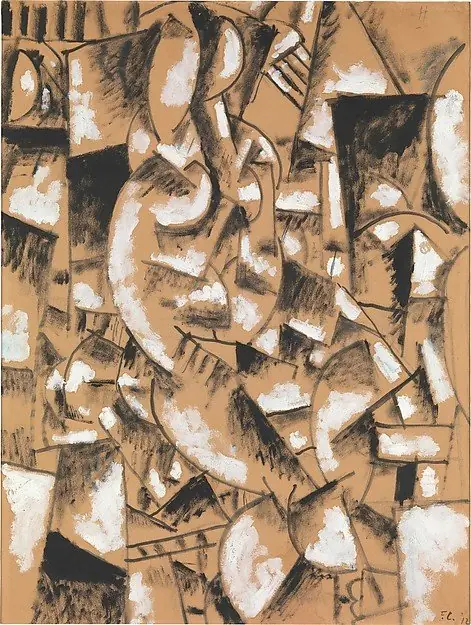
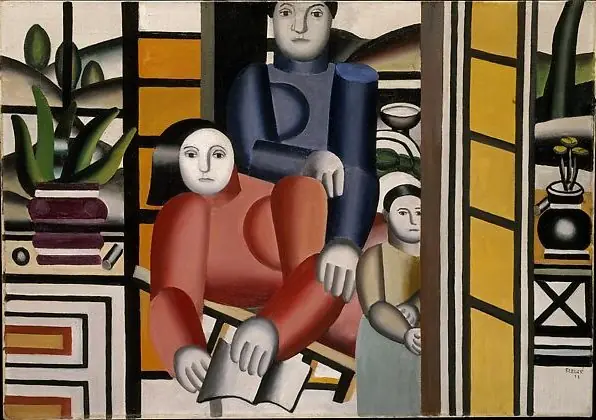
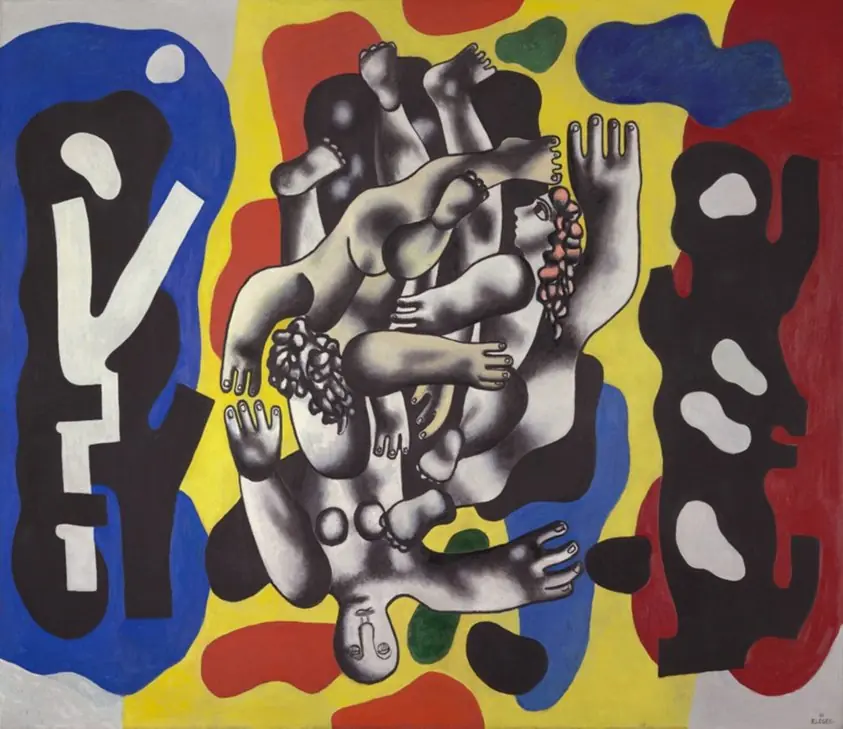
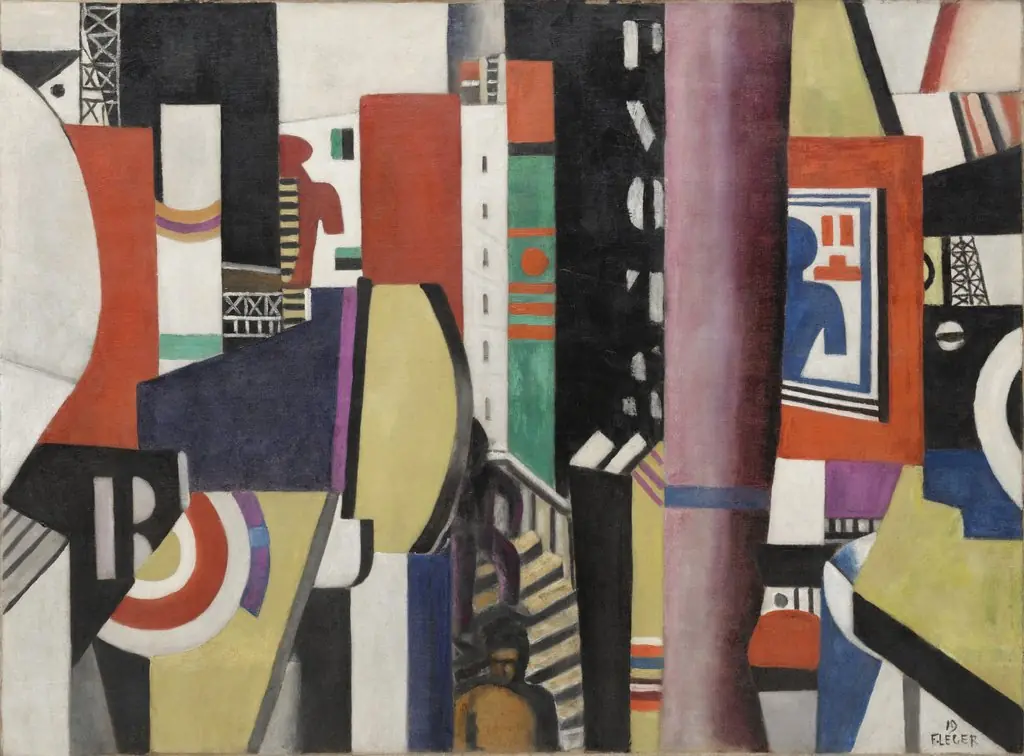
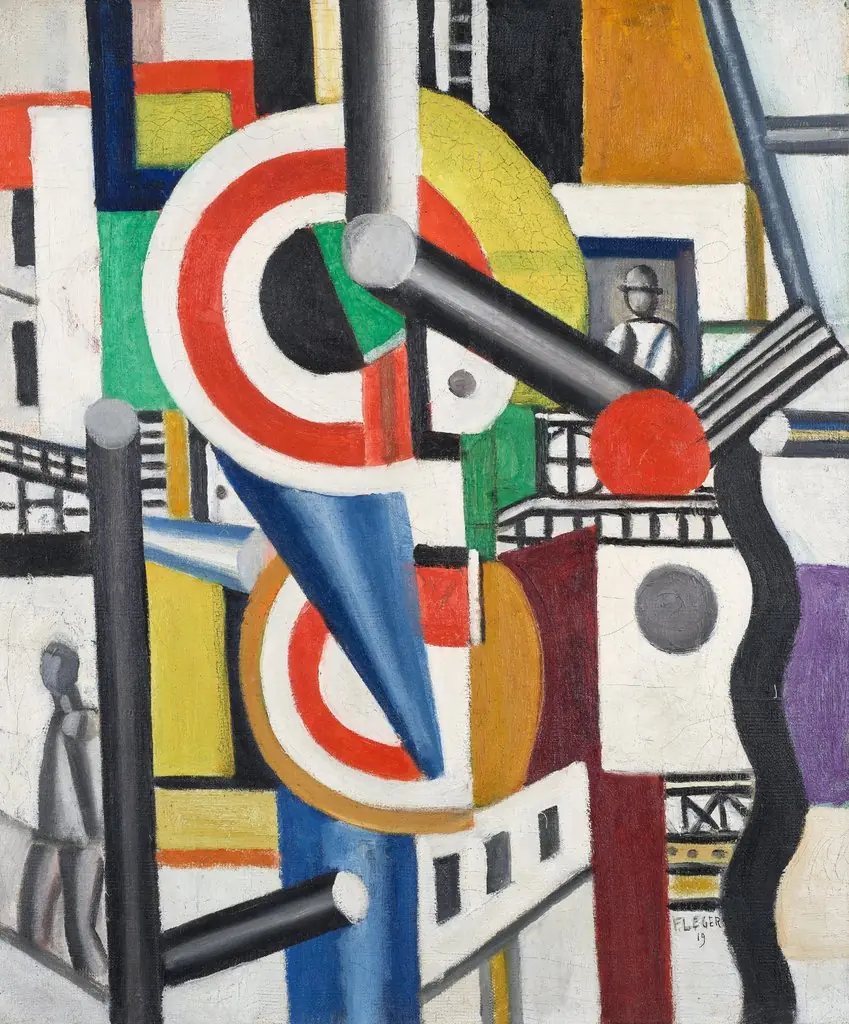
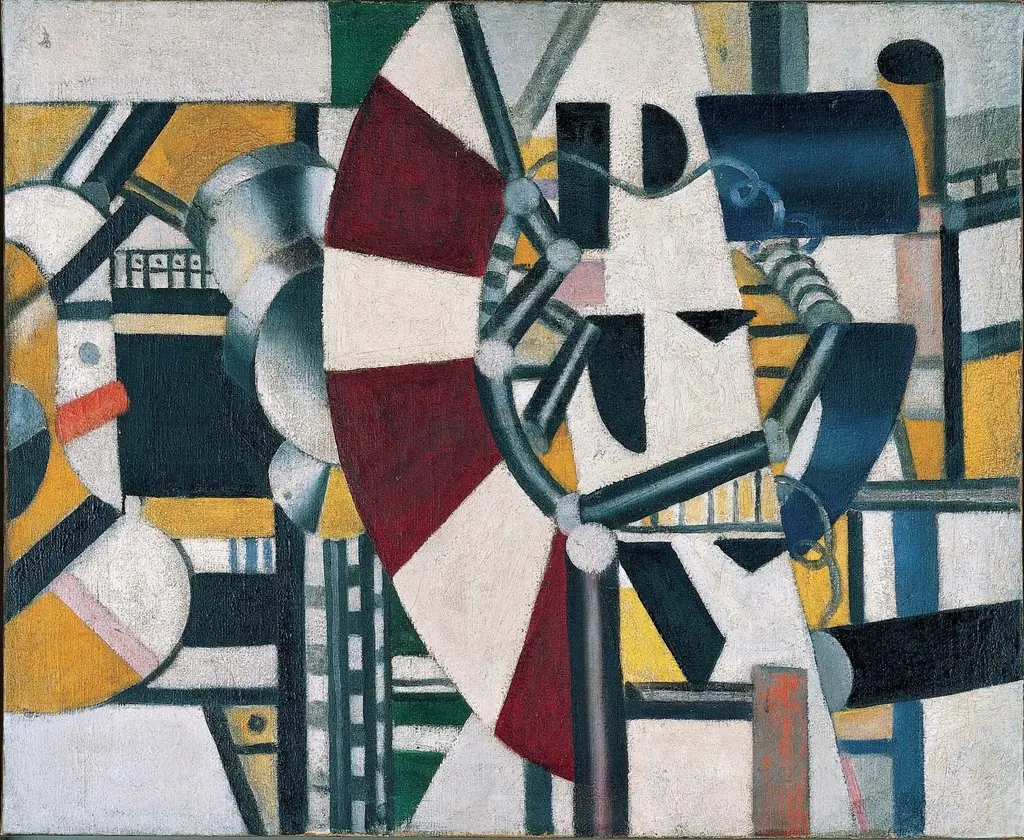
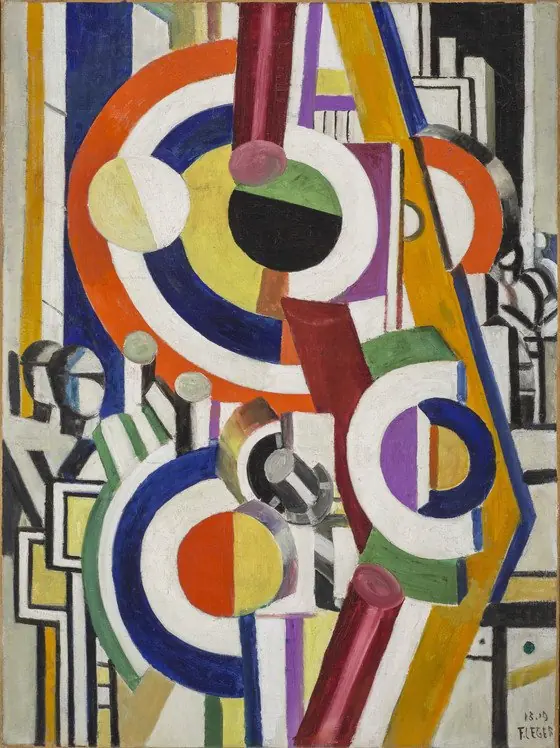
Created in 1919, this untitled work by Fernand Léger is an oil painting on canvas that belongs to the collection of the Museum of Modern Art. The composition is wholly abstract, presenting a dynamic arrangement of geometric forms and vivid hues that exemplify Léger’s post‑war exploration of mechanistic visual language.
Subject & Meaning
The canvas is populated by fragmented shapes that suggest architectural structures and human silhouettes, yet they are deliberately disassembled and recombined.
The canvas is populated by fragmented shapes that suggest architectural structures and human silhouettes, yet they are deliberately disassembled and recombined. This visual deconstruction reflects a fascination with the modern city's rhythm, where objects and figures are perceived simultaneously from multiple perspectives, inviting viewers to contemplate the instability of form in an industrial age.
Technique & Style
Léger employs flat, saturated blocks of red, blue and yellow, each bounded by stark black lines that emphasize their geometric precision. The background is interlaced with rhythmic stripes and stippled patterns, creating a sense of movement and visual density. The overall effect is a calculated flattening of space, characteristic of his machine‑aesthetic approach.
History & Provenance
After its completion in the immediate aftermath of World War I, the painting entered the market and was eventually acquired by the Museum of Modern Art, where it has been displayed as part of the institution’s holdings of early 20th‑century avant‑garde art. Its presence in the museum underscores Léger’s significance within the development of abstract modernism.
Context
The work emerges from Léger’s involvement with Cubism and his subsequent shift toward a more mechanistic visual vocabulary. In the late 1910s, he sought to translate the energy of contemporary urban life onto the canvas, merging figurative suggestion with pure abstraction. This piece exemplifies that transitional phase, bridging pre‑war Cubist experiments and the emerging Art Deco sensibility.
Artist & collection
Artist
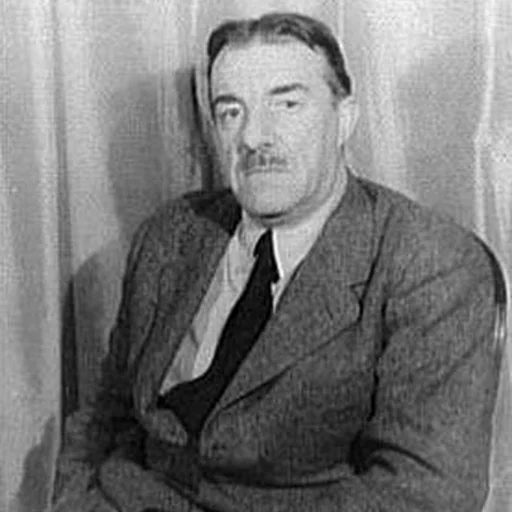
Joseph Fernand Henri Léger was a French painter, sculptor, and filmmaker. In his early works he created a personal form of cubism which he gradually modified into a more figurative, populist style. His boldly simplified…