Artwork
Portretul lui Giuliano Agostino di Negro și al fiului său Andrea
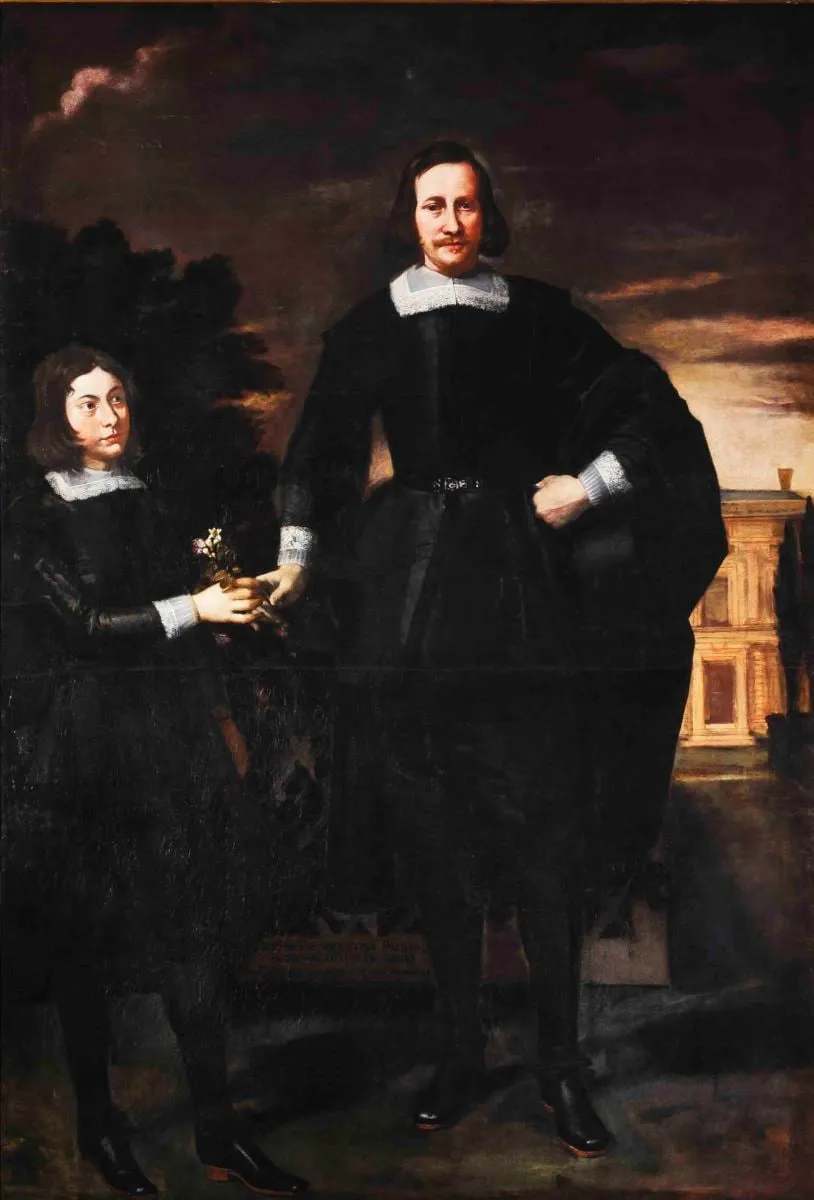
Portretul lui Giuliano Agostino di Negro și al fiului său Andrea is a print by the Baroque artist Domenico Fiasella. It dates from 1655 and is held in the collection of the National Museum of Art of Romania.
About this work
Overview
Painted in 1655 by Domenico Fiasella, known as Il Sarzana, this portrait captures Giuliano Agostino di Negro and his son Andrea in a quiet, intimate moment.
Painted in 1655 by Domenico Fiasella, known as Il Sarzana, this portrait captures Giuliano Agostino di Negro and his son Andrea in a quiet, intimate moment. Fiasella, a Genoese painter of the Baroque era, employed subtle lighting and restrained composition to convey dignity without grandeur. The work reflects the regional taste for understated familial representation, avoiding overt symbols of status while emphasizing presence and character.
Subject & Meaning
The portrait presents a father and son in a moment of quiet reflection, their relationship conveyed through posture and gaze rather than gesture. Giuliano, the elder, stands with composed stillness; Andrea, younger and more reserved, holds a small object—possibly a flower or book—suggesting contemplation or inheritance. The absence of heraldic or aristocratic emblems shifts focus from social rank to personal continuity, framing the image as a private testament to lineage.
Technique & Style
Fiasella uses chiaroscuro to model the figures against a muted, atmospheric background. Deep shadows define the folds of their garments, while soft light glances off white collars and cuffs, drawing attention to facial expressions. The background dissolves into indistinct architecture and twilight sky, isolating the subjects in a spatial ambiguity that enhances psychological depth. Brushwork is precise yet unobtrusive, favoring naturalism over theatricality.
History & Provenance
The painting was completed in 1655 during Fiasella’s mature period in Genoa, a city where portraiture often served private patrons rather than public institutions. While its early ownership is undocumented, it remained within Italian collections, likely among the di Negro family or their associates. Its survival without major alterations suggests it was valued as a personal heirloom rather than a public display.
Context
In mid-17th-century Genoa, portraiture favored restraint over spectacle, contrasting with the flamboyance of Roman or Flemish styles. Fiasella’s work aligns with a local tradition of intimate, psychologically nuanced depictions, influenced by both Caravaggisti lighting and Dutch realism. This portrait reflects a broader shift toward domestic subject matter among the urban elite, who sought to affirm identity through quiet dignity rather than ostentation.
Legacy
Though not widely exhibited outside regional collections, the portrait exemplifies the quiet sophistication of Genoese Baroque portraiture. Fiasella’s ability to convey character through light and gesture influenced later local artists who prioritized emotional subtlety over ceremonial display. The work remains a reference for studies of familial representation in 17th-century Italy, valued for its restraint and psychological nuance.
Artist & collection
Artist
Domenico Fiasella (12 August 1589 – 19 October 1669) was an Italian painter of the Baroque period, mainly active in Genoa. He was nicknamed Il Sarzana, after his birthplace of Sarzana near Genoa.

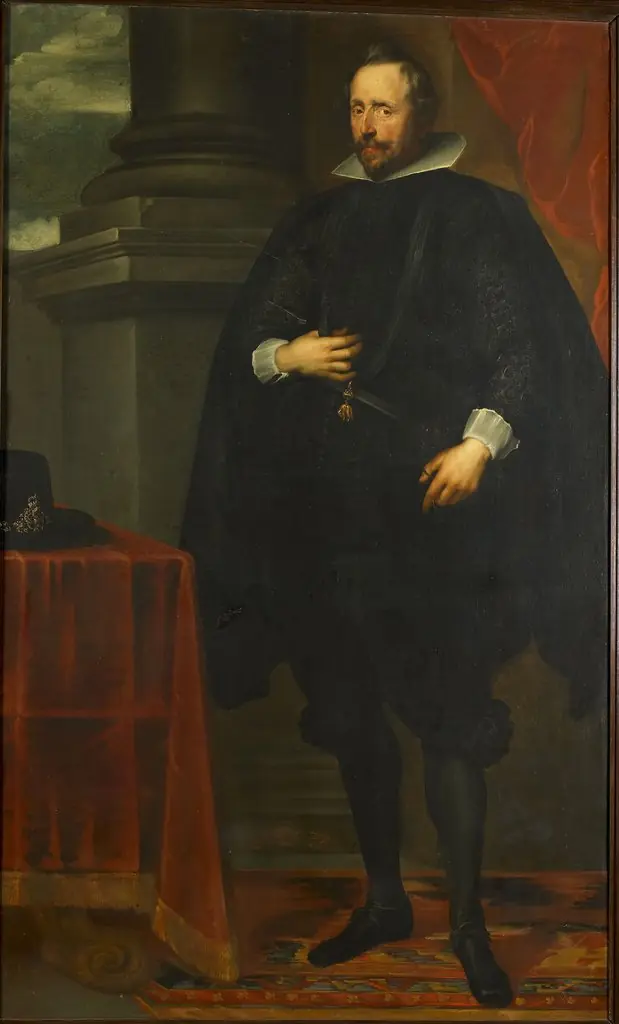 Portrait of Wolfgang Wilhelm, Count Palatine of Neuburg
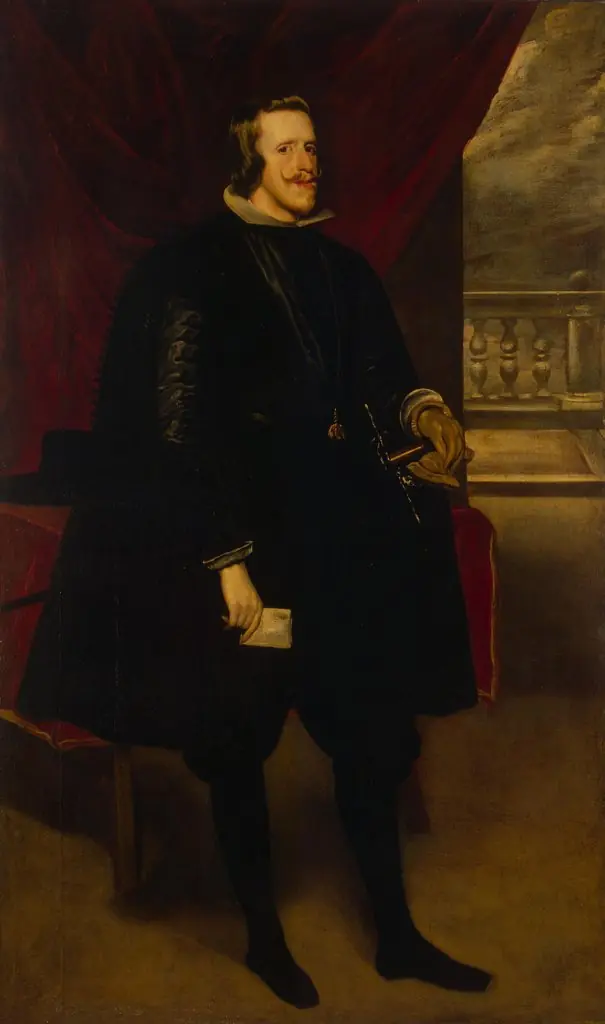 Portrait of Philip IV, King of Spain
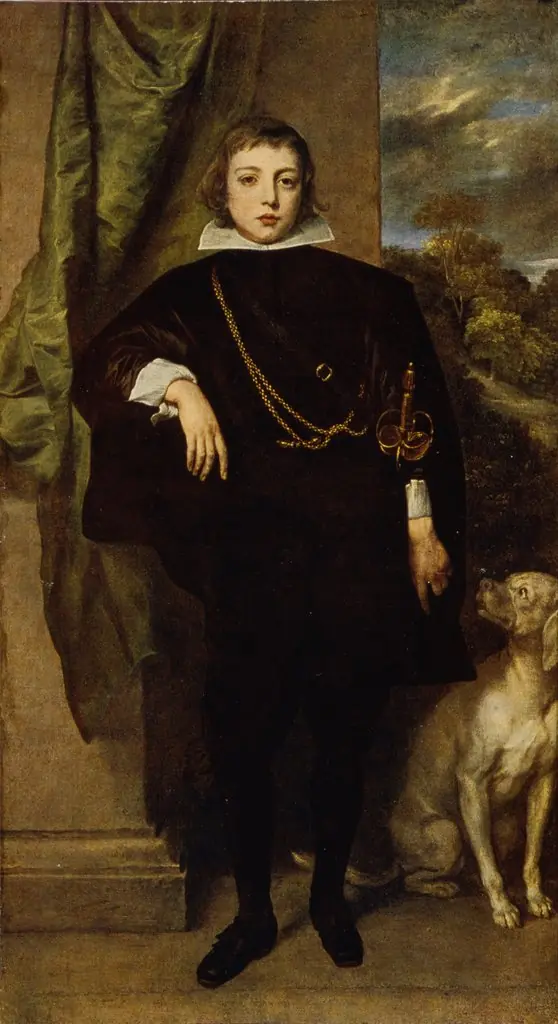 Portrait of Filippo Francesco d'Este, Marchese di Lanzo with his Dog
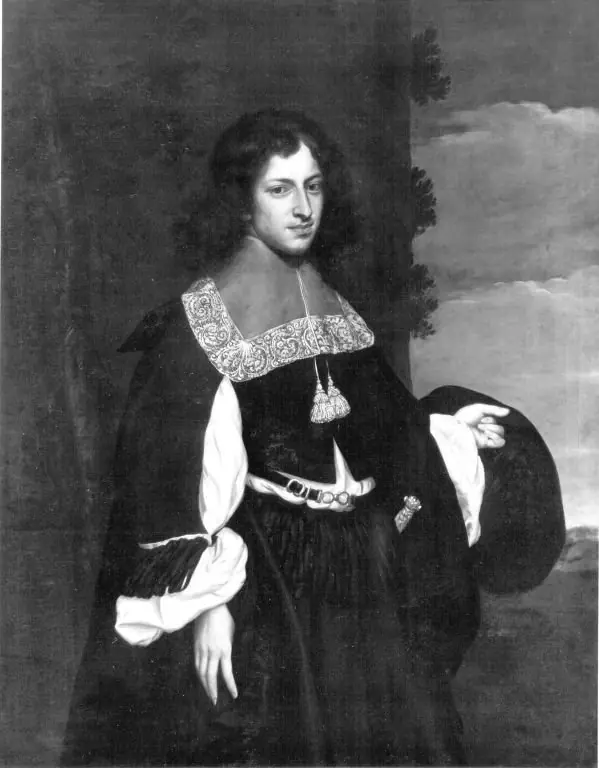 Portrait of a 20 year-old man
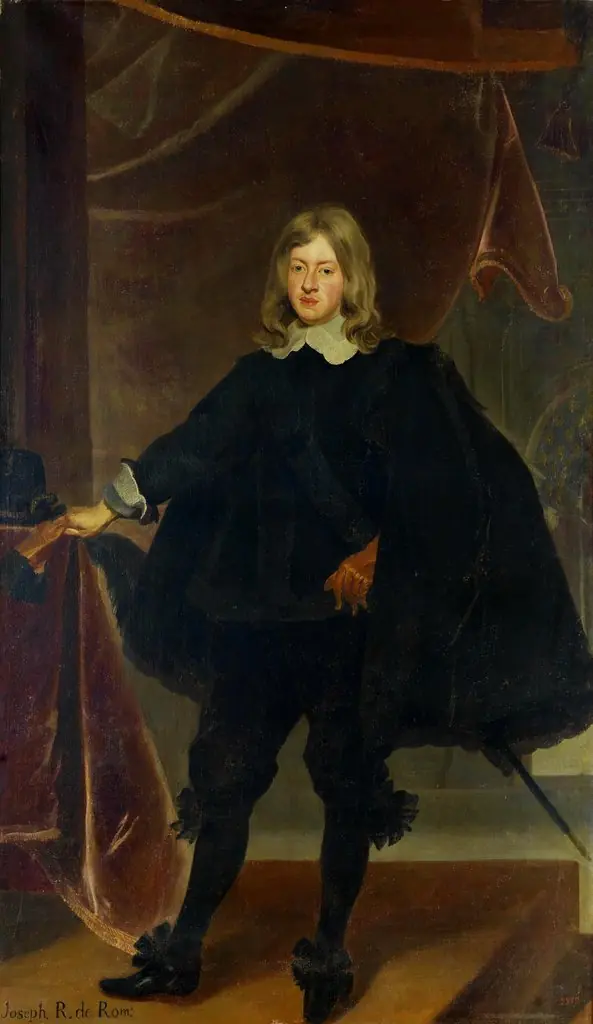 Ferdinand IV, King of the Romans
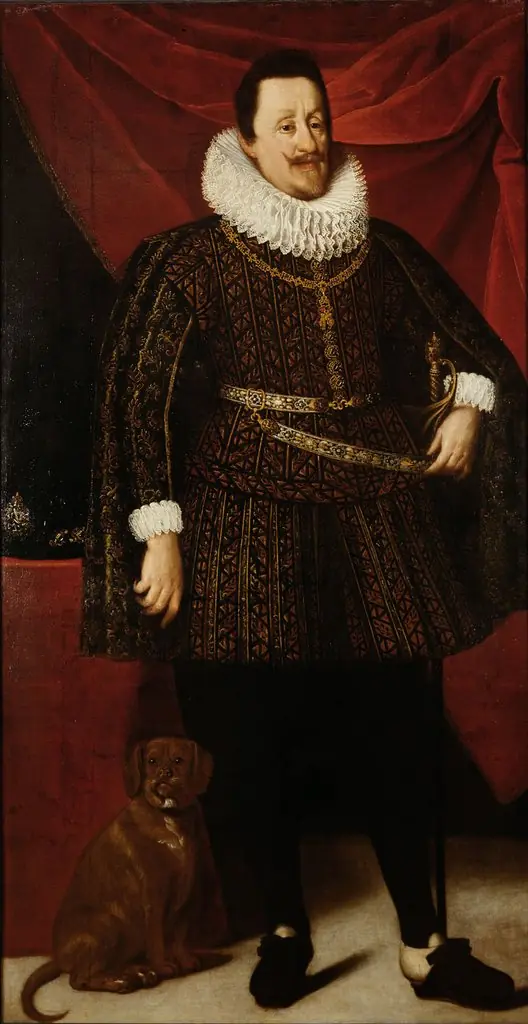 Portrait of Ferdinand II of Habsburg (1578-1637, Holy Roman Emperor
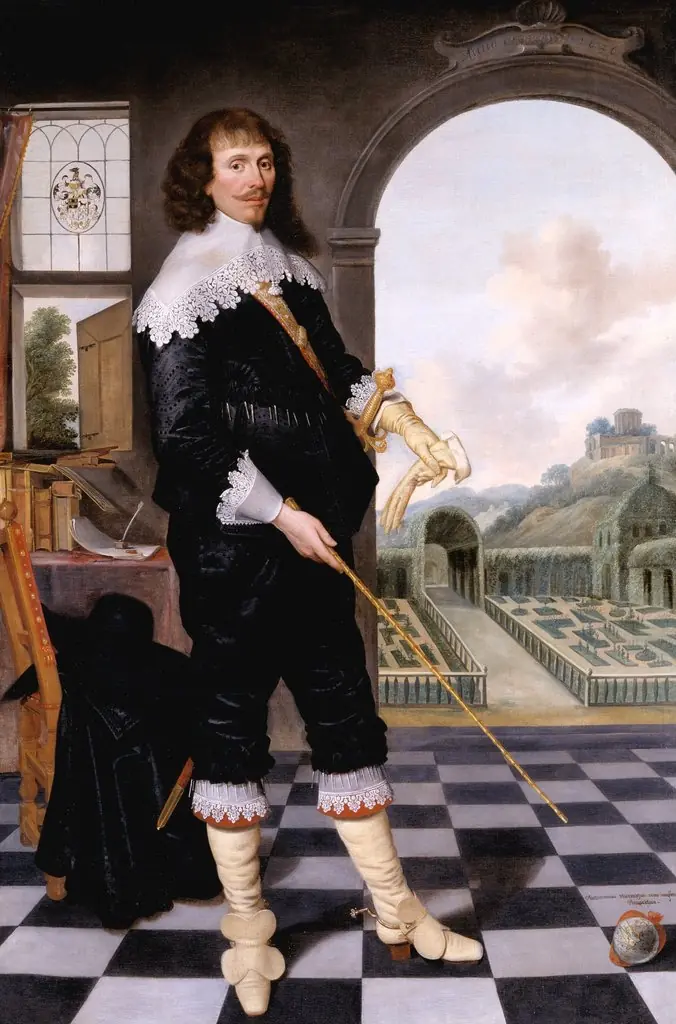 William Style of Langley
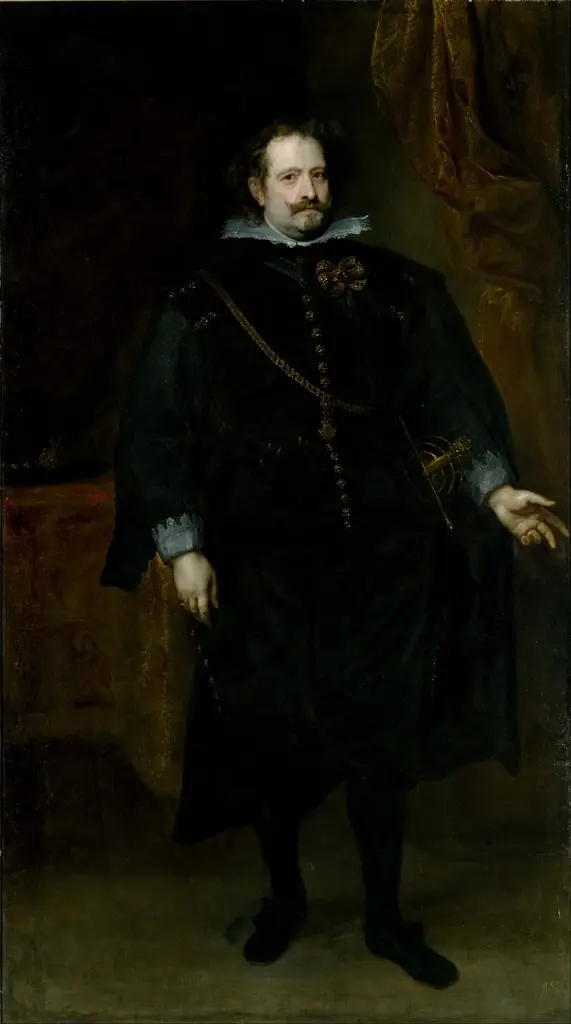 Diego Felipe de Guzmán, Marquis of Leganés
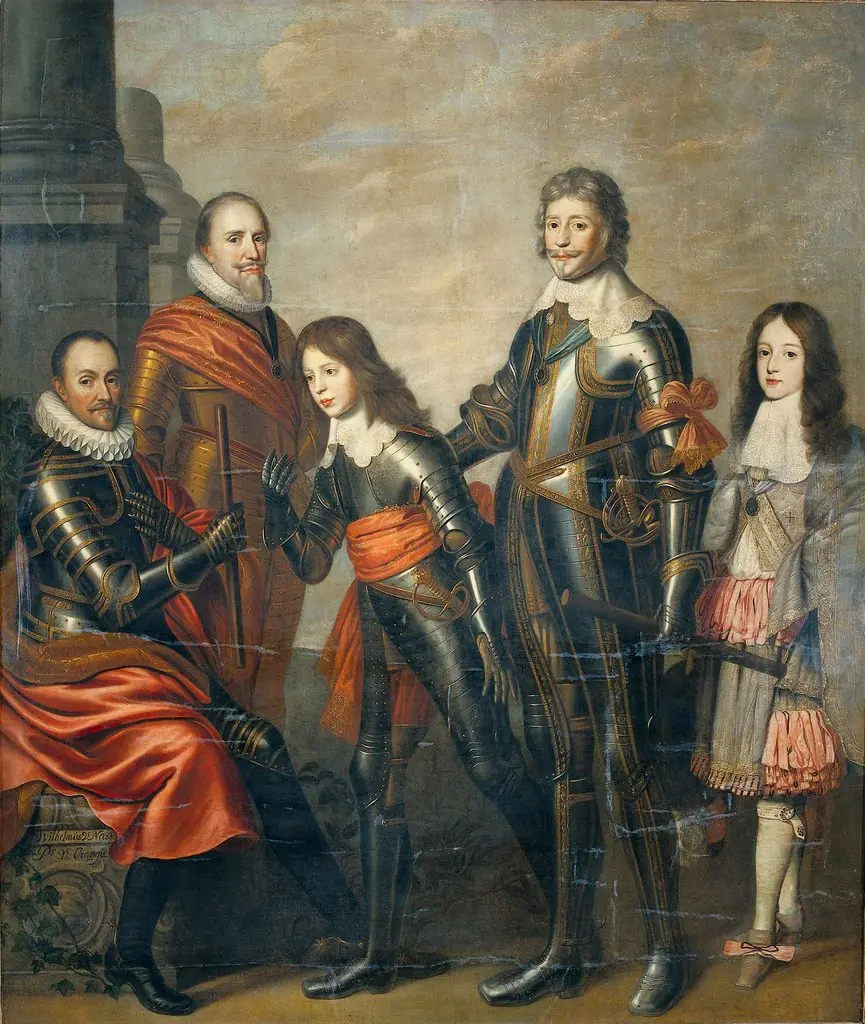 Four Generations of the Princes of Orange: William I, Maurice and Frederick Henry, William II and William III
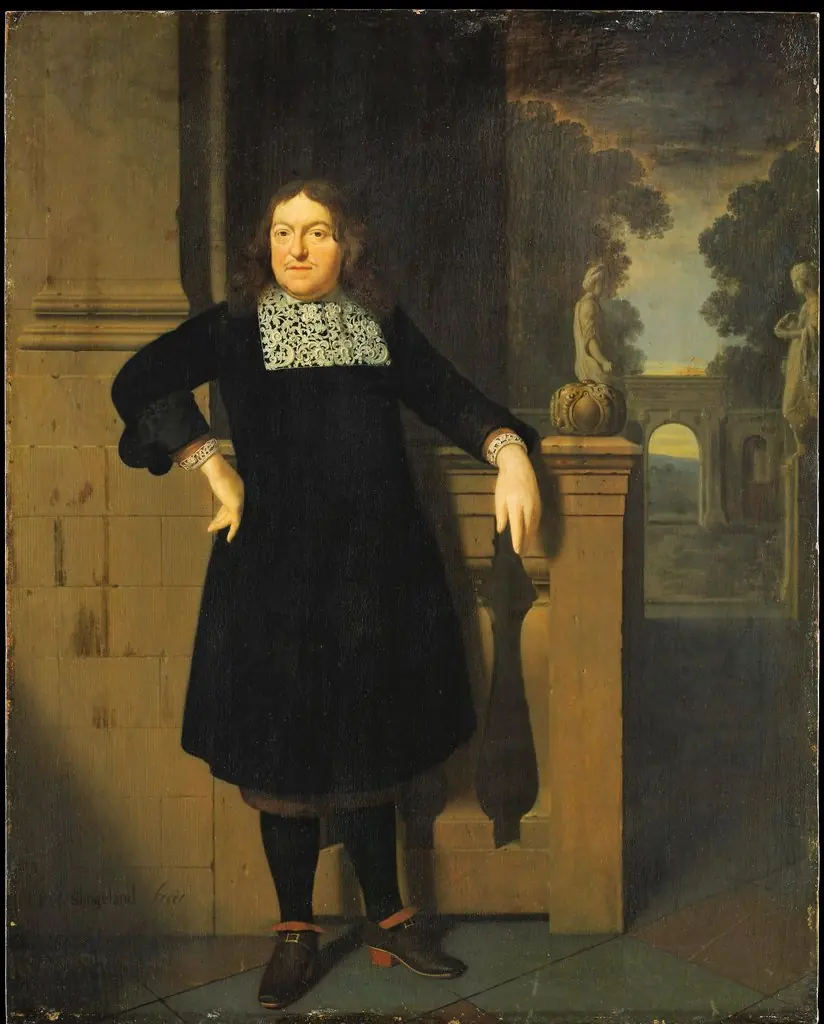 Portrait of Johan Hulshout (1623–1687)
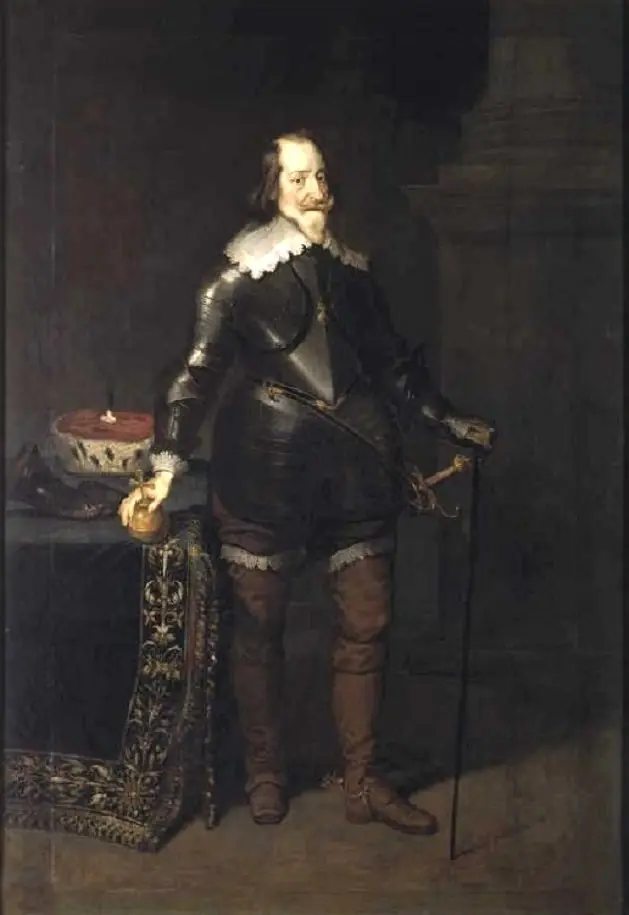 Portrait of Maximilian I, Duke, later Elect of Bavaria (1573-1651)
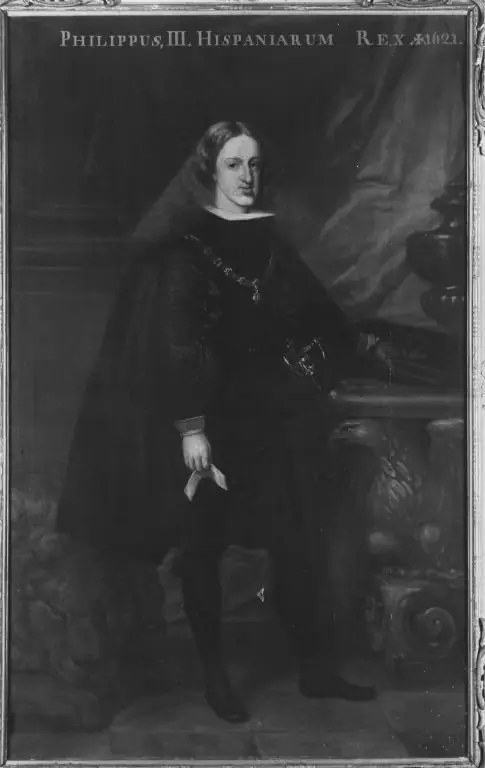 Karl II., König von Spanien (Werkstatt)