Artwork
Bildnis eines Jünglings
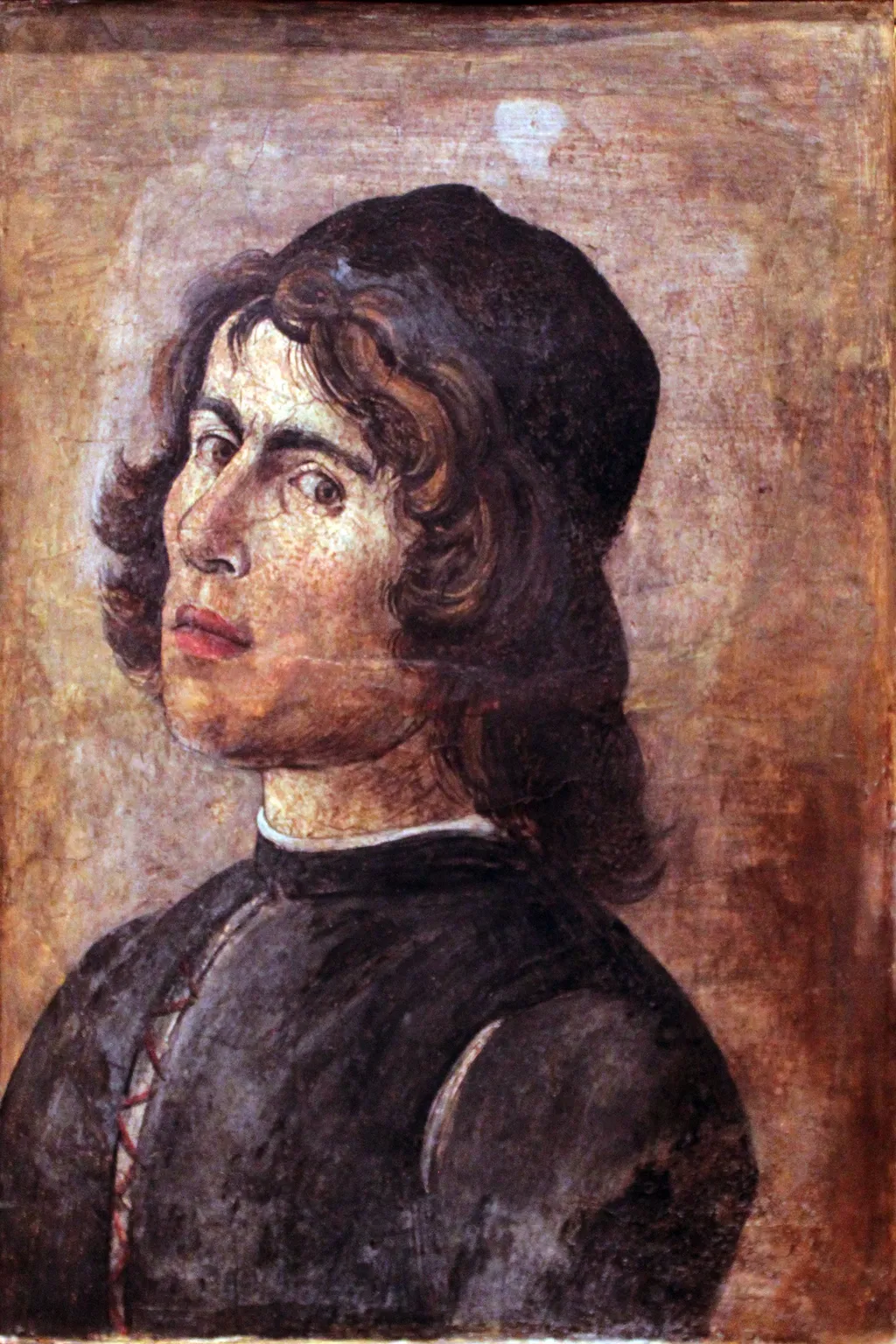
Bildnis eines Jünglings is an unspecified painting by the Early Renaissance artist Filippino Lippi. It dates from 1492 and is held in the collection of the Gemäldegalerie Berlin.
About this work
Overview
The work is held in the Gemäldegalerie, Berlin, and reflects the quiet intensity favored in Florentine likenesses of the time.
Filippino Lippi painted this portrait in 1492, during a period of artistic transition in Florence. Though best known for religious frescoes, he also engaged with the growing demand for secular portraiture. The work is held in the Gemäldegalerie, Berlin, and reflects the quiet intensity favored in Florentine likenesses of the time. Executed in oil, it demonstrates Lippi’s skill in capturing subtle psychological presence through restrained composition.
Subject & Meaning
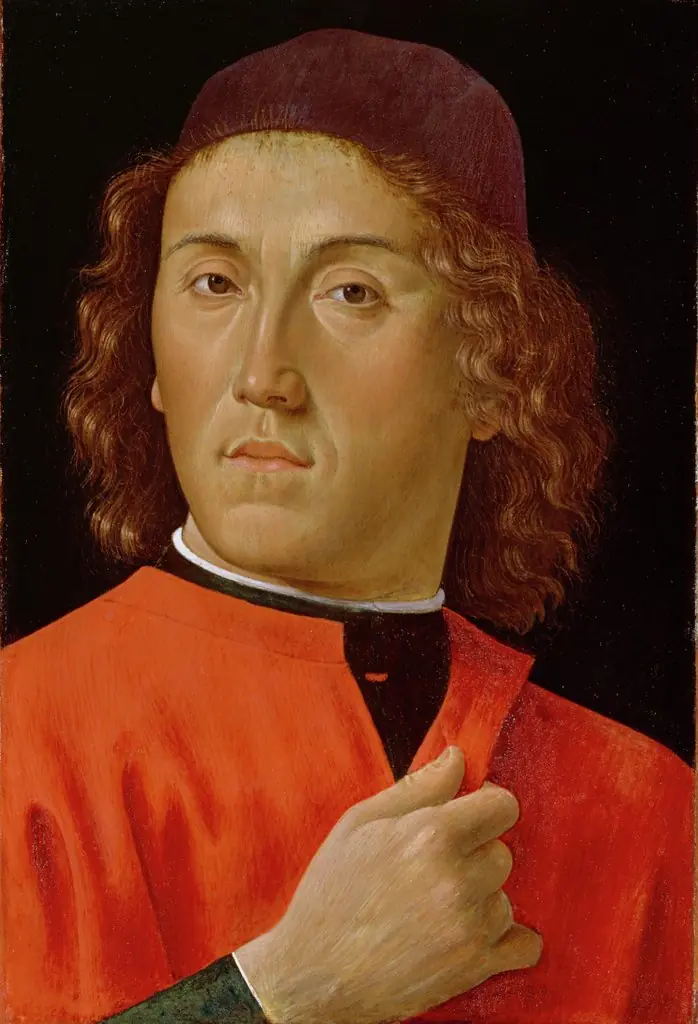
The subject is a young man, likely from a Florentine merchant or noble family, depicted without adornment or symbolic props. His dark wavy hair and simple black attire suggest modesty or somber formality. The neutral expression and averted gaze convey introspection rather than public persona. The absence of narrative context emphasizes the individual’s presence over social status, aligning with Renaissance ideals of personal dignity.
Technique & Style
Lippi employed oil paint to achieve nuanced modeling of the face and fabric, using layered glazes to render the texture of the white collar and the soft fall of the hat’s shadow. The mottled brown background lacks detail, focusing attention on the figure’s form. The brushwork is precise yet unobtrusive, avoiding theatricality in favor of quiet realism—a hallmark of early High Renaissance portraiture in Florence.
History & Provenance
The painting entered the Gemäldegalerie Berlin’s collection in the 19th century, though its earlier ownership remains undocumented. It was likely commissioned privately in Florence around 1492, a time when secular portraiture was gaining traction among the city’s elite. No contemporary records confirm the sitter’s identity, and the work has been consistently attributed to Lippi since at least the 1800s.
Context
In late 15th-century Florence, portraiture shifted from formal iconography toward psychological depth. Artists like Lippi, influenced by Ghirlandaio and Verrocchio, began emphasizing individual character over symbolic representation. This portrait reflects that trend: a private, intimate study emerging alongside humanist ideals that valued the individual’s inner life as worthy of artistic attention.
Legacy
Though not among Lippi’s most celebrated works, this portrait exemplifies his ability to merge religious sensitivity with secular observation. It contributes to the broader understanding of how Florentine painters adapted religious techniques to secular subjects. Its quiet restraint influenced later portrait traditions in central Italy, serving as a quiet bridge between Early and High Renaissance modes of representation.
Artist & collection
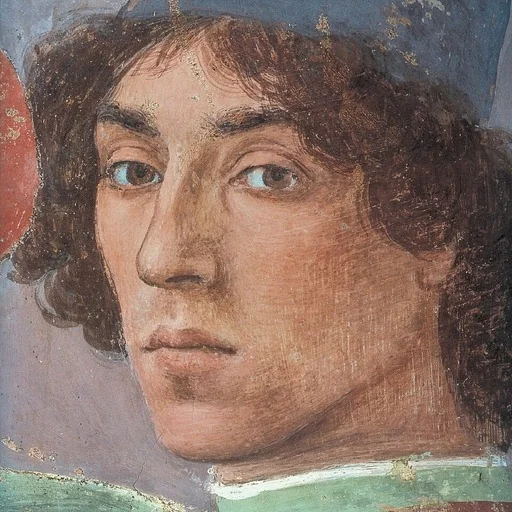
Artist
Filippino Lippi (probably 1457 – 18 April 1504) was an Italian Renaissance painter mostly working in Florence, Italy during the later years of the Early Renaissance and first few years of the High Renaissance.

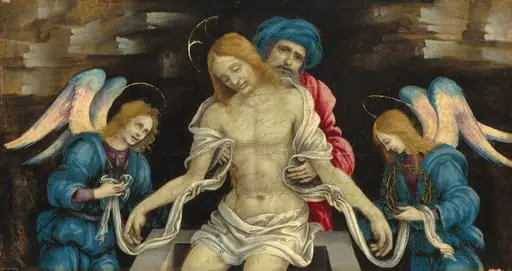 Pietà (The Dead Christ Mourned by Nicodemus and Two Angels)
 Tobias and the Angel
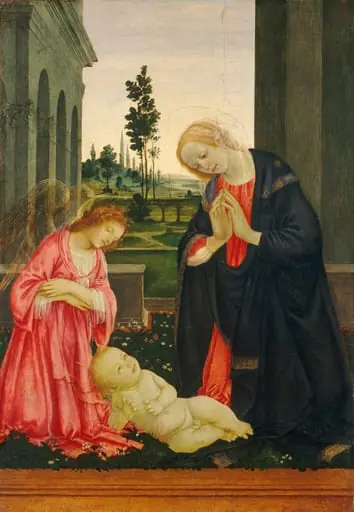 The Adoration of the Child
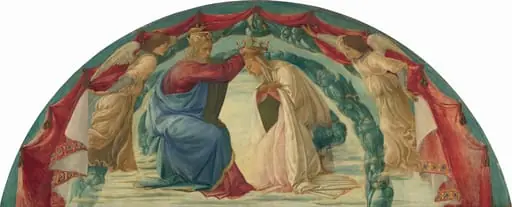 The Coronation of the Virgin
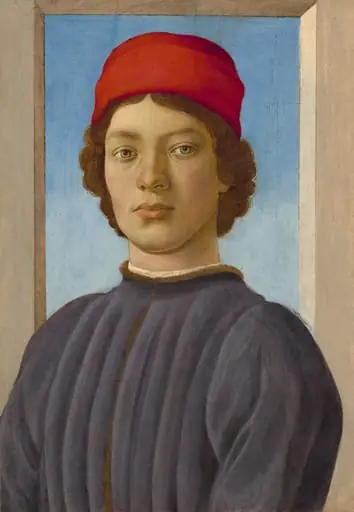 Portrait of a Youth
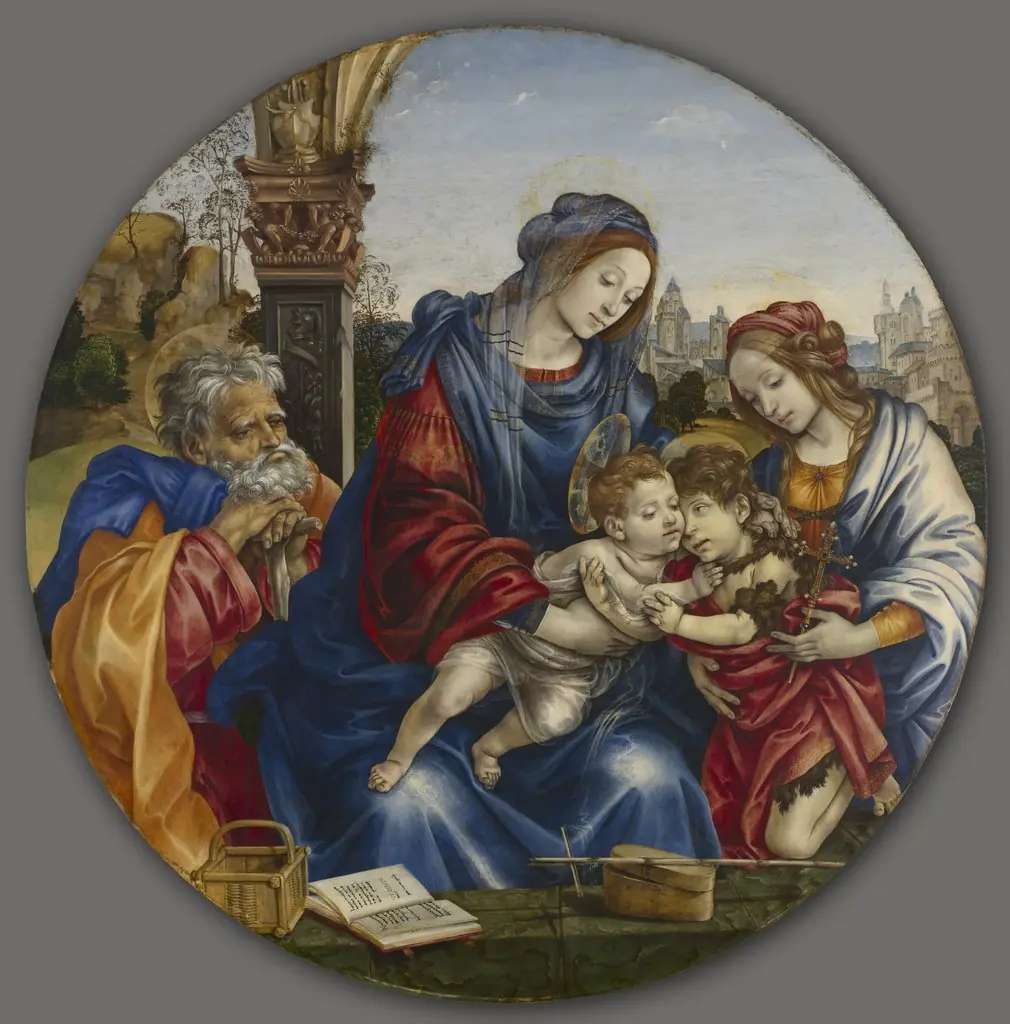 The Holy Family with Saint John the Baptist and Saint Margaret
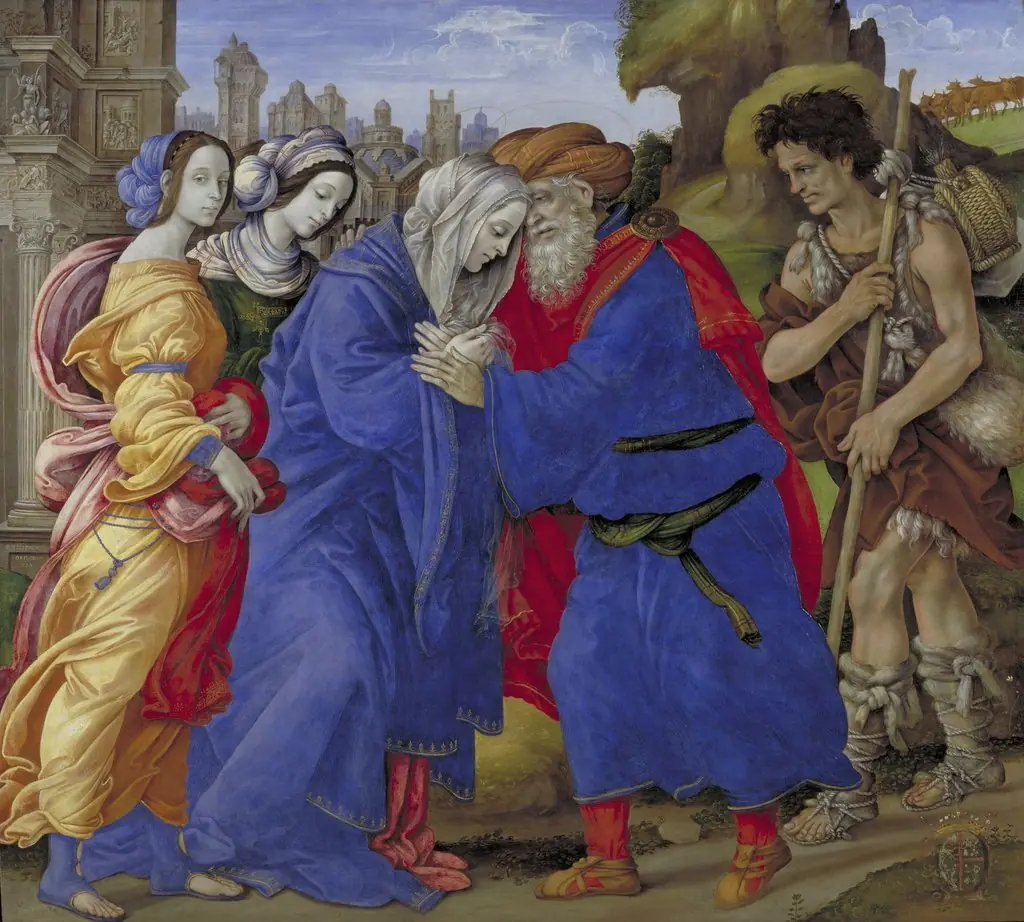 The Meeting of Joachim and Anne outside the Golden Gate of Jerusalem
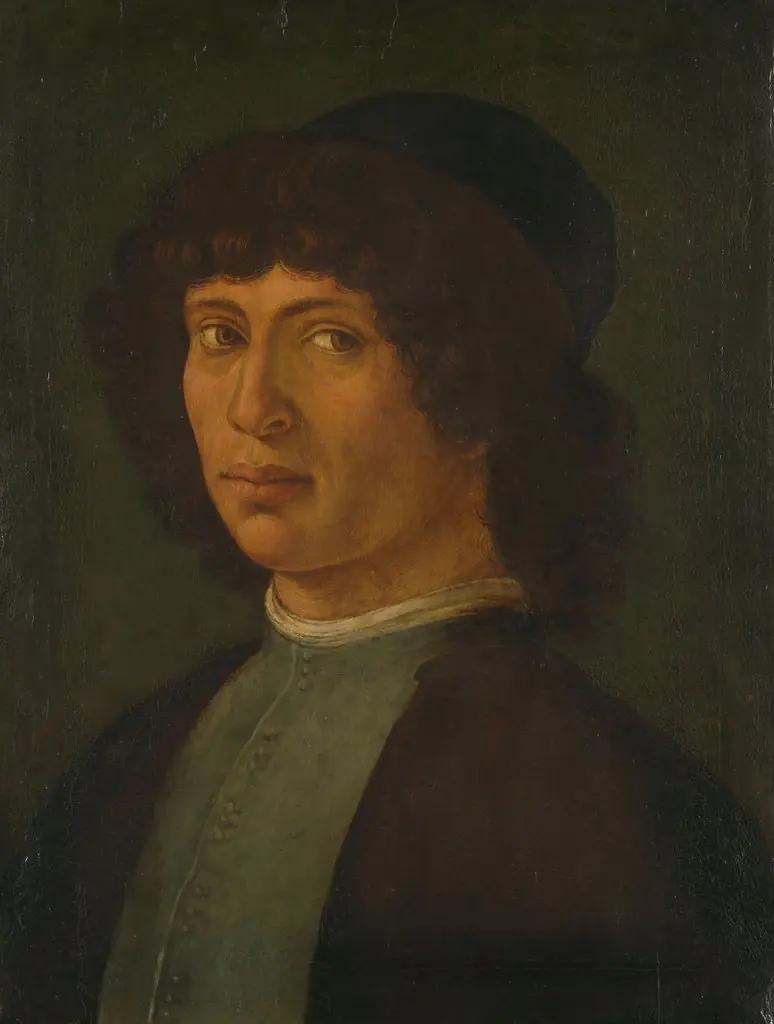 Portrait of a young man
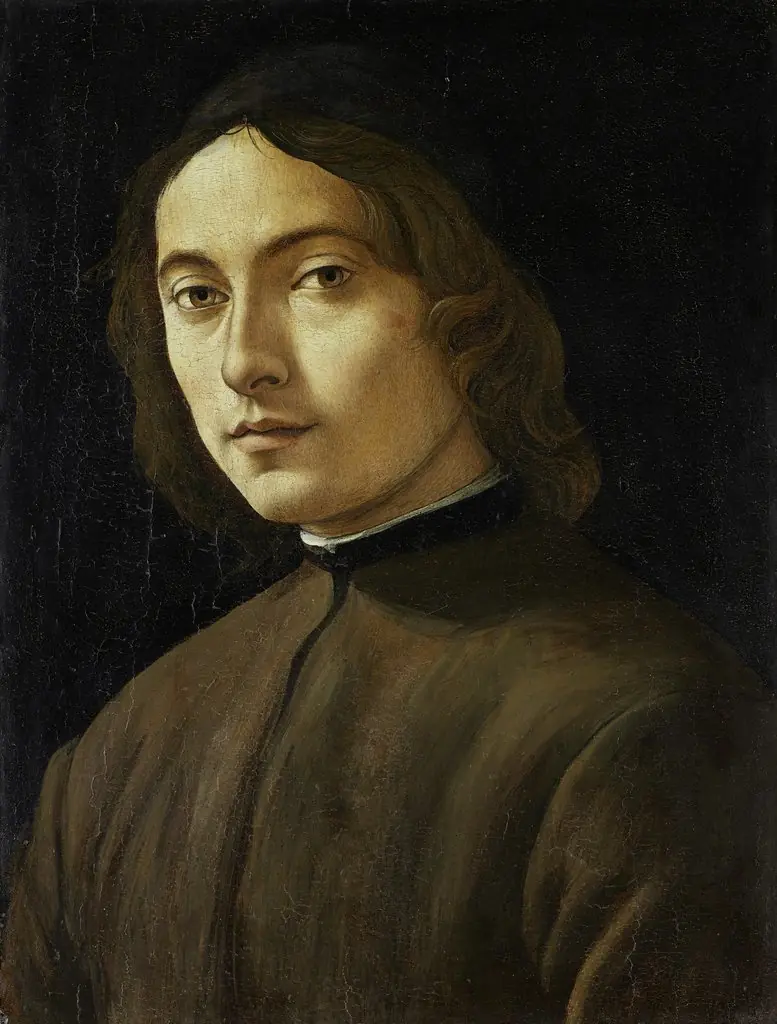 Portrait of a Young Man
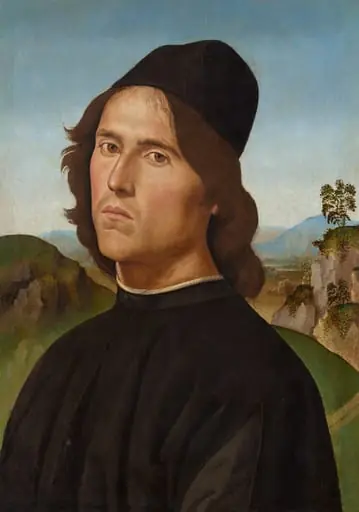 Portrait of Lorenzo di Credi
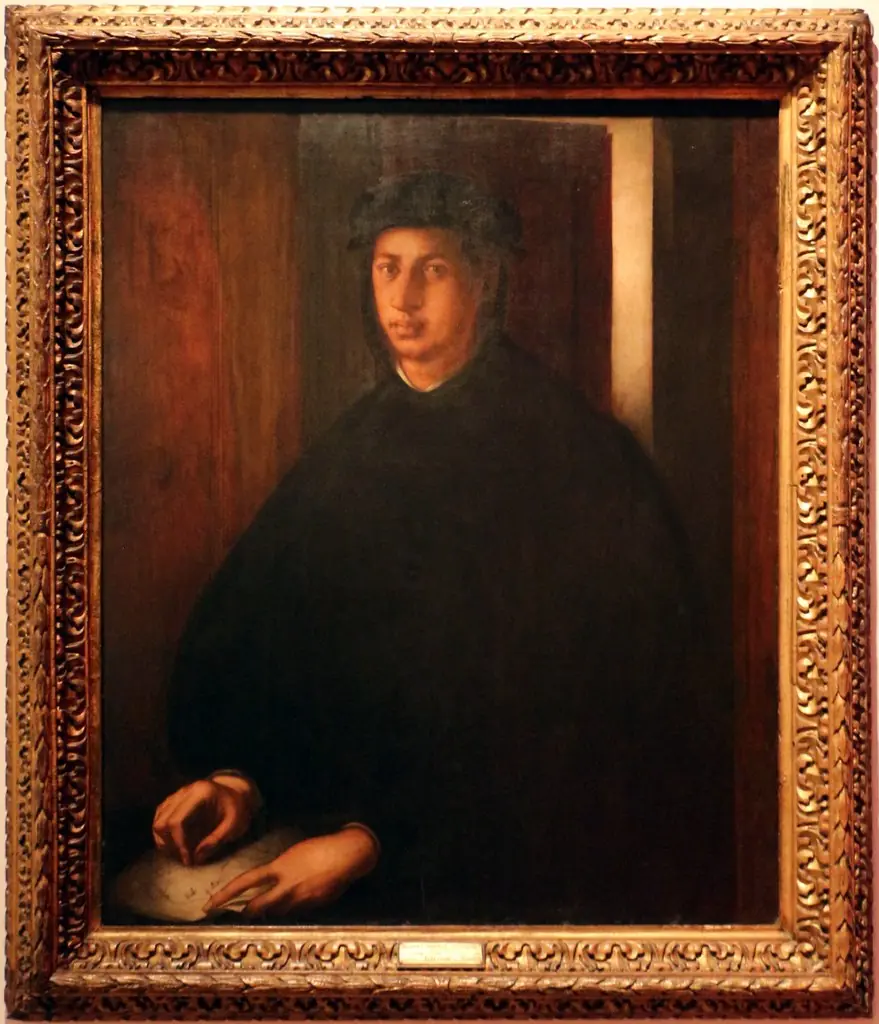 Portrait of Alessandro de' Medici
 Portrait of a Young Man
 Portrait of a young Man
 Portret de bărbat
 Portrait of a Youth
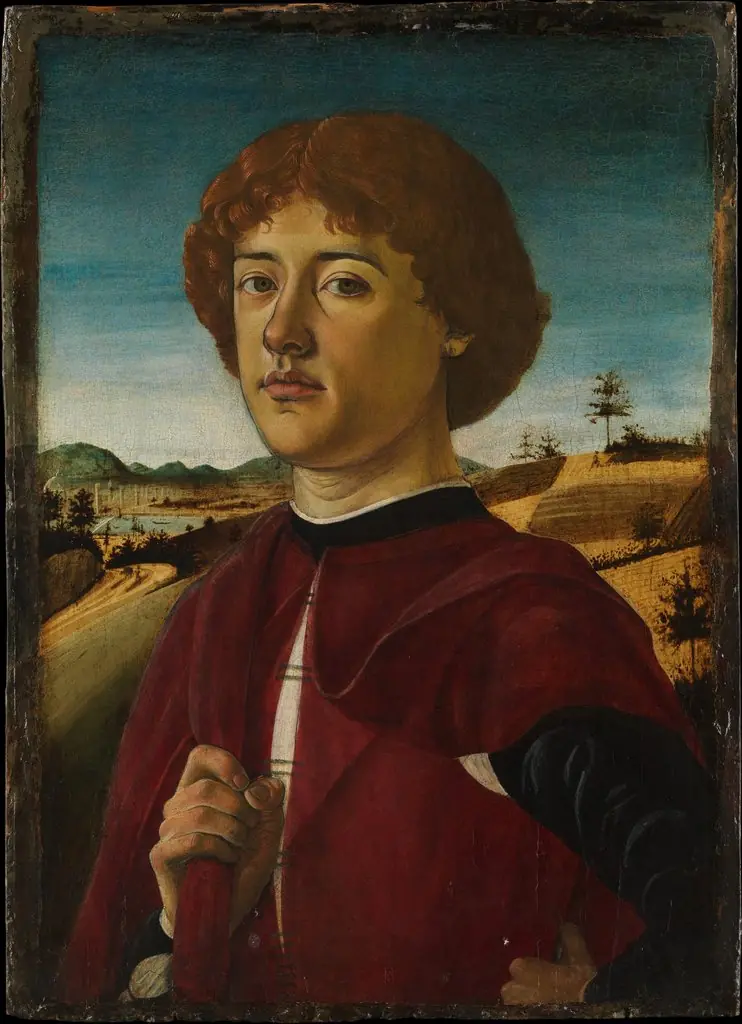 Portrait of a Young Man
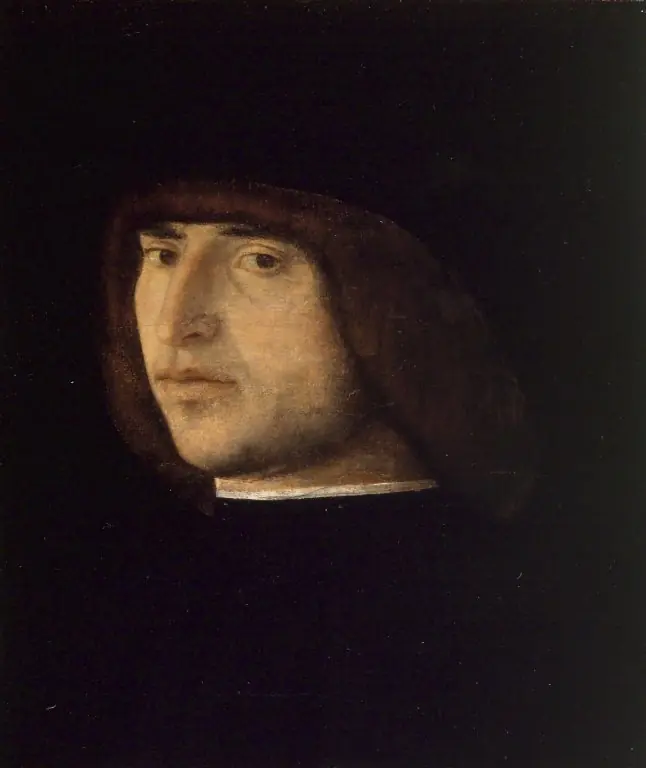 Portrait of a Young Man
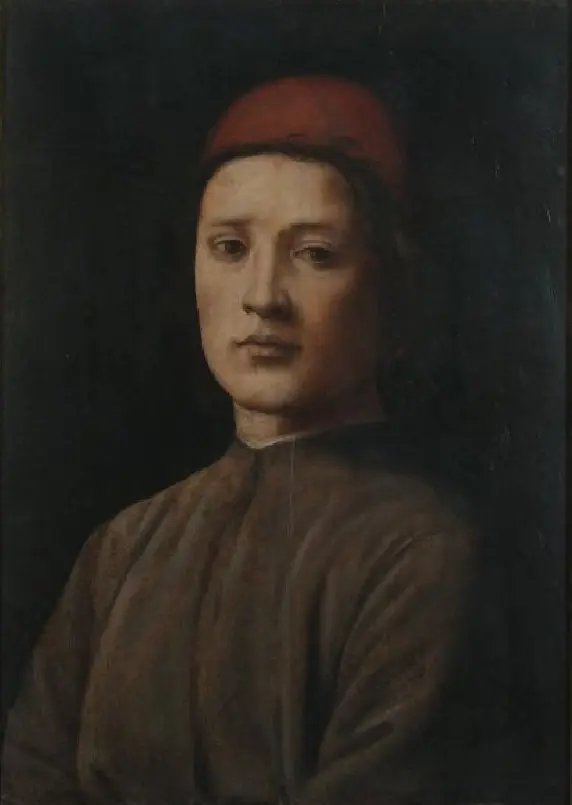 Portrait of a Young men with a red beret
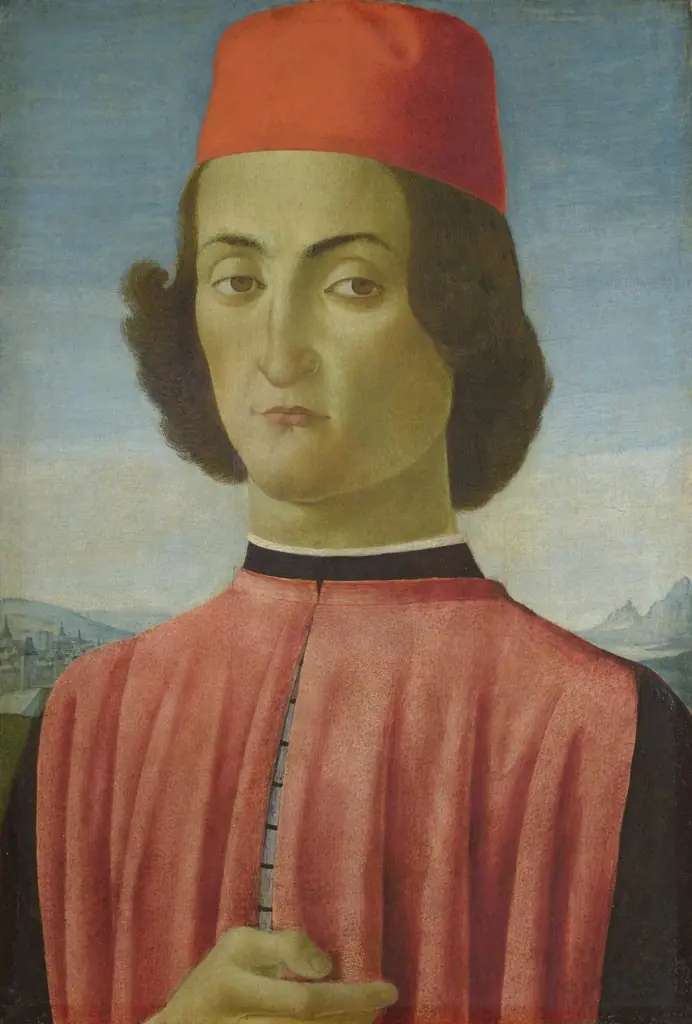 Portrait of a Young Man, possibly Giuliano de' Medici