Artwork
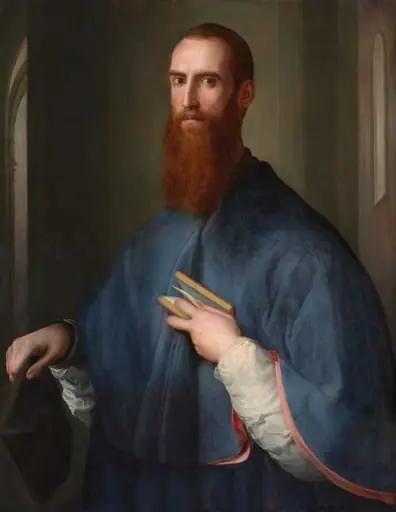
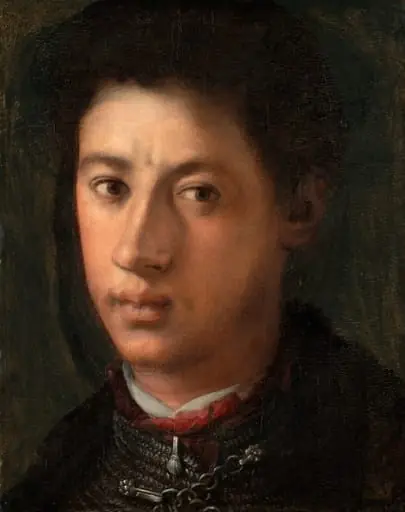
Portrait of Alessandro de' Medici
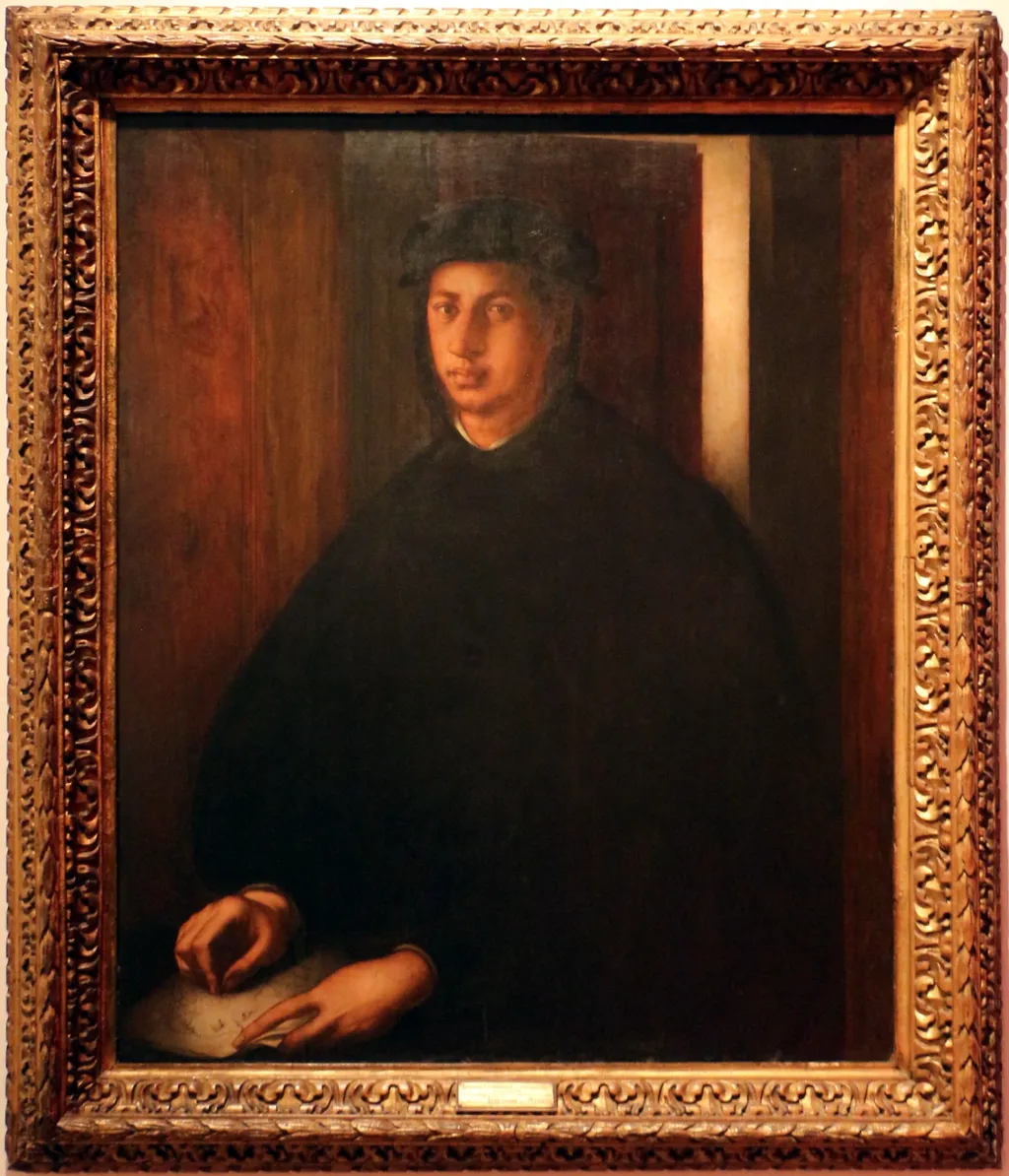
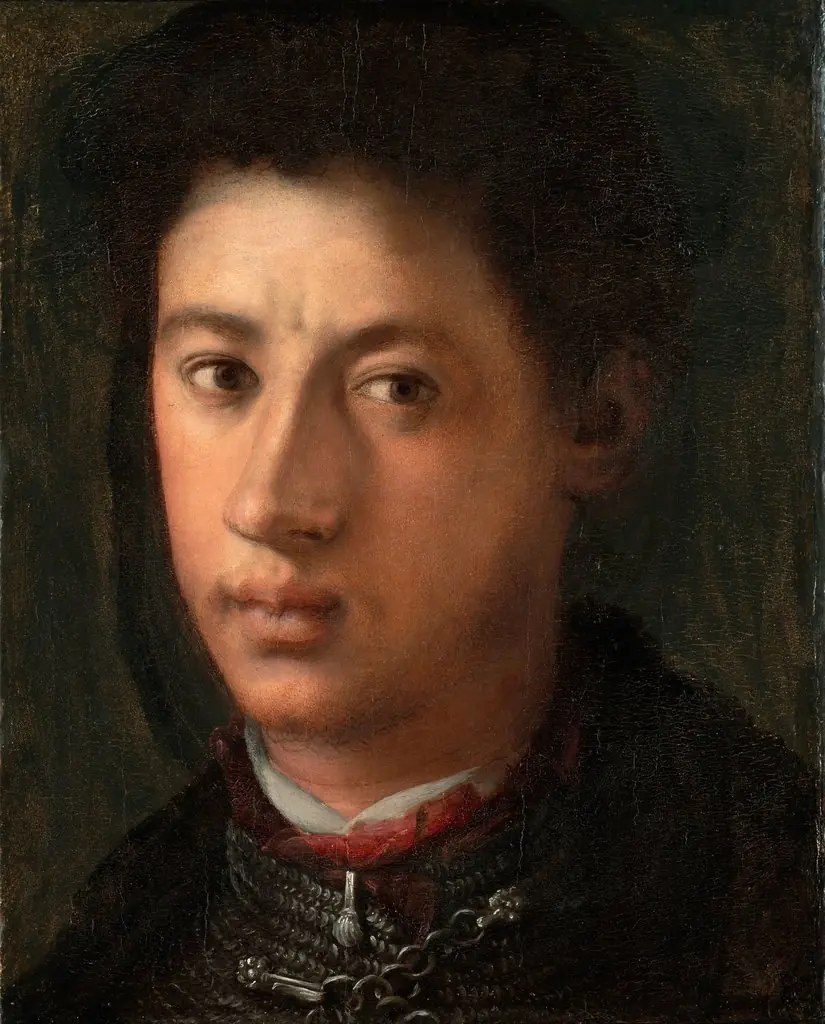
Portrait of Alessandro de' Medici is an oil painting by the Mannerist artist Pontormo. It dates from 1550 and is held in the collection of the National Museum of Ancient Art.
About this work
Overview
Executed with quiet intensity, the work reflects a departure from High Renaissance harmony, favoring psychological depth and compositional tension.
Painted around 1550, this oil portrait captures Alessandro de' Medici, the first Duke of Florence, by the Mannerist artist Pontormo. Executed with quiet intensity, the work reflects a departure from High Renaissance harmony, favoring psychological depth and compositional tension. It resides today in the National Museum of Ancient Art in Lisbon, preserved as a key example of mid-16th-century Florentine portraiture.
Subject & Meaning
Alessandro de' Medici, illegitimate son of Lorenzo de' Medici, ruled Florence as its first hereditary duke. The portrait presents him in formal attire, holding a document that suggests authority and administrative duty. His direct gaze and somber expression convey a sense of isolation and gravitas, possibly reflecting his precarious position as a ruler born outside the traditional Medici lineage.
Technique & Style
Pontormo uses oil paint to render subtle tonal shifts, particularly in the dark robe and the pale paper held by the sitter. The background is muted and undefined, drawing focus to the figure. The pose is static yet psychologically charged, with no clear spatial cues—characteristic of Mannerist ambiguity. Light falls selectively, heightening the contrast between the figure and the void behind him.
History & Provenance
The painting was likely commissioned during Alessandro’s rule or shortly after his assassination in 1537. It passed through private collections before entering the Portuguese royal collection in the 18th century. Its presence in Lisbon today reflects the movement of Italian artworks through European aristocratic networks, rather than remaining in Florence as originally intended.
Context
Created in the aftermath of political upheaval in Florence, the portrait emerges from a time when the Medici were consolidating power through hereditary rule. Pontormo’s style, increasingly introspective and stylized, mirrored the instability of the era. Unlike earlier Medici portraits, this one avoids grandeur, instead emphasizing the sitter’s inner tension amid shifting political tides.
Legacy
The portrait stands as one of Pontormo’s most restrained and psychologically nuanced works. It influenced later court portraiture through its emphasis on psychological presence over ceremonial display. Though less celebrated than his religious scenes, this image remains a quiet testament to the complexities of power and identity in Renaissance Italy.
Artist & collection
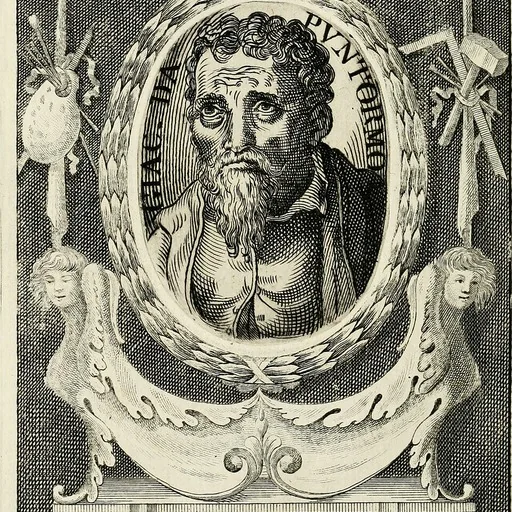
Artist
Jacopo Carucci or Carrucci (IPA: ; May 24, 1494 – January 2, 1557), usually known as Jacopo (da) Pontormo or simply Pontormo (IPA: ), was an Italian Mannerist painter and portraitist from the Florentine School.