Artwork
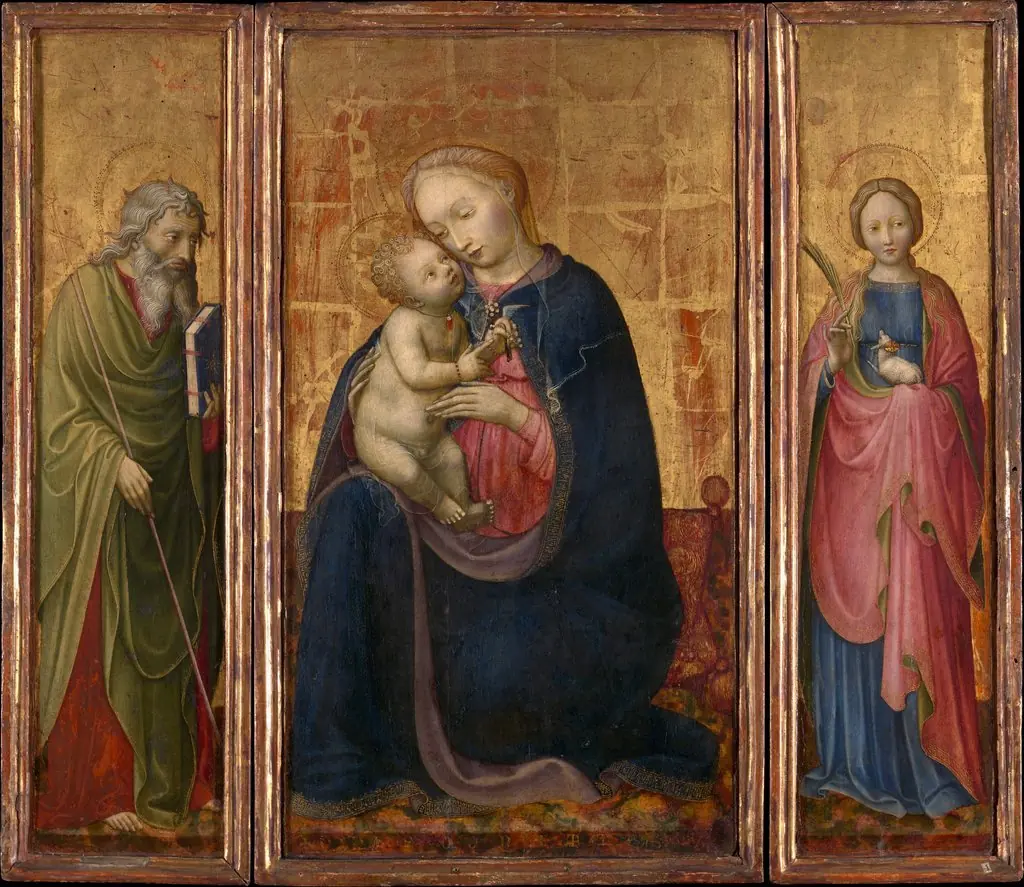
Madonna and Child with Angels and Saints
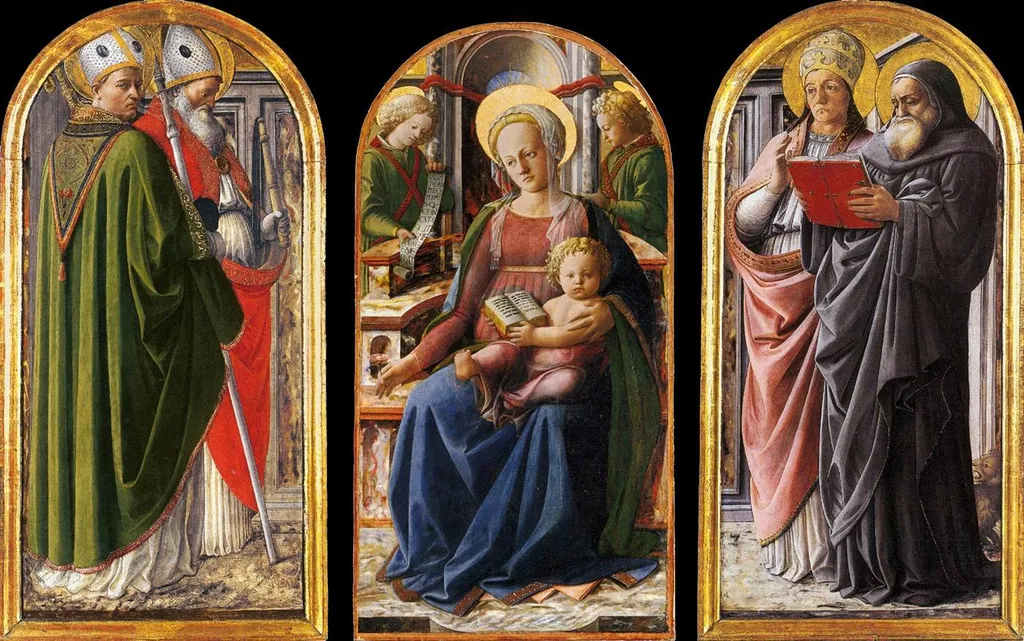
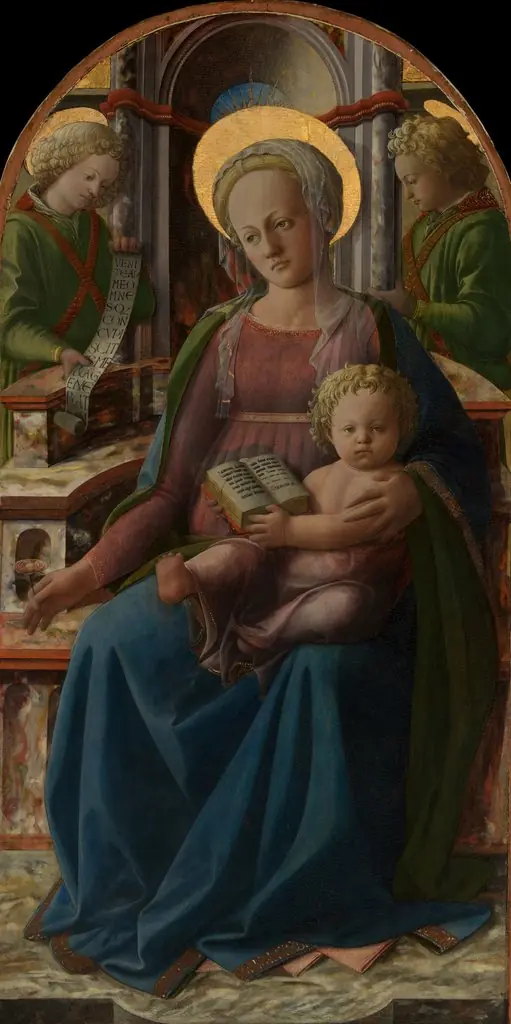
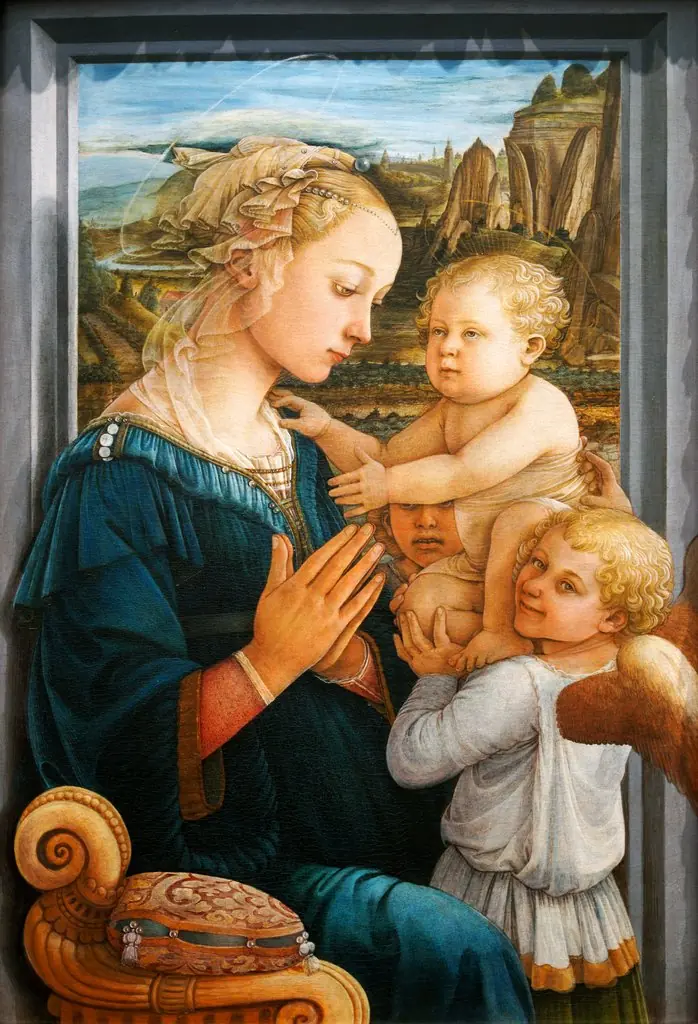
Madonna and Child with Angels and Saints is a tempera painting by the Early Renaissance artist Filippo Lippi. It dates from 1440 and is held in the collection of the Metropolitan Museum of Art.
About this work
The artist used a medium called tempera, which is a technique where pigments are mixed with a binding agent, to create the work.
This painting is called Madonna and Child with Angels and Saints.
It was made by Filippo Lippi around 1440.
The artist used a medium called tempera, which is a technique where pigments are mixed with a binding agent, to create the work.
The painting is a triptych, meaning it has three panels.
This format was often used in medieval art to tell stories or show important scenes.
You can learn more about this type of art by looking up the technique: tempera.
Overview
Filippo Lippi’s Madonna and Child with Angels and Saints is a tempera triptych dating from around 1440. The central image portrays the Virgin and infant Christ surrounded by celestial figures, while the flanking wings depict groups of saints. The work exemplifies mid‑Quattrocento devotional painting, combining intimate religious narrative with a formal three‑panel structure.
Subject & Meaning
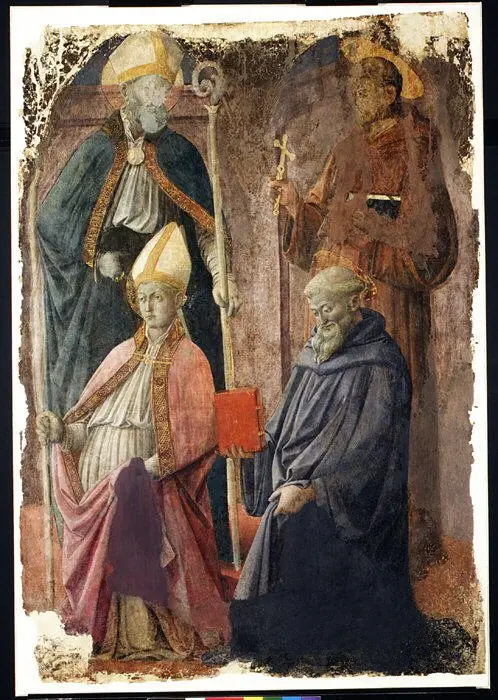
At the heart of the composition the Madonna holds the Child, a motif symbolizing divine motherhood and humanity’s salvation. Angelic attendants underscore the heavenly realm, and the saints—Augustine, Ambrose, Gregory, and Jerome—represent the theological pillars of the Western Church, linking the sacred scene to the intellectual tradition of the Church Fathers.
Technique & Style
Lippi employed tempera, mixing pigments with a protein‑based binder to achieve luminous, fine‑detailed surfaces. The figures are rendered with delicate modeling and graceful gestures, characteristic of the early Renaissance’s move toward naturalism. The bright, jewel‑like colors and careful attention to drapery reflect the artist’s mastery of the medium.
History & Provenance
The triptych was likely disassembled in the late eighteenth century. The central panel entered the Metropolitan Museum of Art in New York in 1949, while the two side panels—depicting Augustine and Ambrose on one wing and Gregory and Jerome on the other—were bequeathed to the Accademia Albertina in Turin by Archbishop Vincenzo Maria Mossi in 1828. The three pieces were temporarily reunited for exhibitions in Paris (1935) and Turin (2004).
Context
Created during a period when private devotional altarpieces were common, the work reflects the patronage of ecclesiastical authorities and the growing interest in personal piety. The triptych format, inherited from medieval polyptychs, allowed viewers to contemplate multiple saints alongside the central holy figures, reinforcing doctrinal teachings.
Artist & collection
Artist
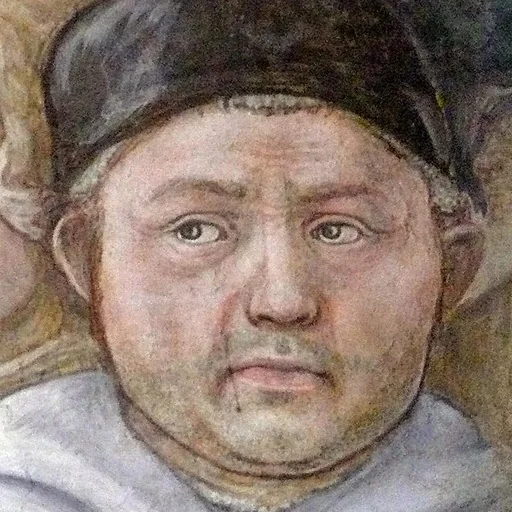
Filippo Lippi (c. 1406 – 8 October 1469), also known as Lippo Lippi, was an Italian Renaissance painter of the Quattrocento (fifteenth century) and a Carmelite priest. He was an early Renaissance master of a painting…

![Madonna and Child with the Blessing Christ, and Saints Peter, James Major, Anthony Abbott, and a Deacon Saint [entire triptych], by Martino di Bartolomeo](https://artifactworldgallery.com/img/martino-di-bartolomeo--madonna-and-child-with-the-blessing-christ-and-saints-peter--2c53e26d577a363b-w320.webp)