Artwork
Gustaf Fredrik Wrede
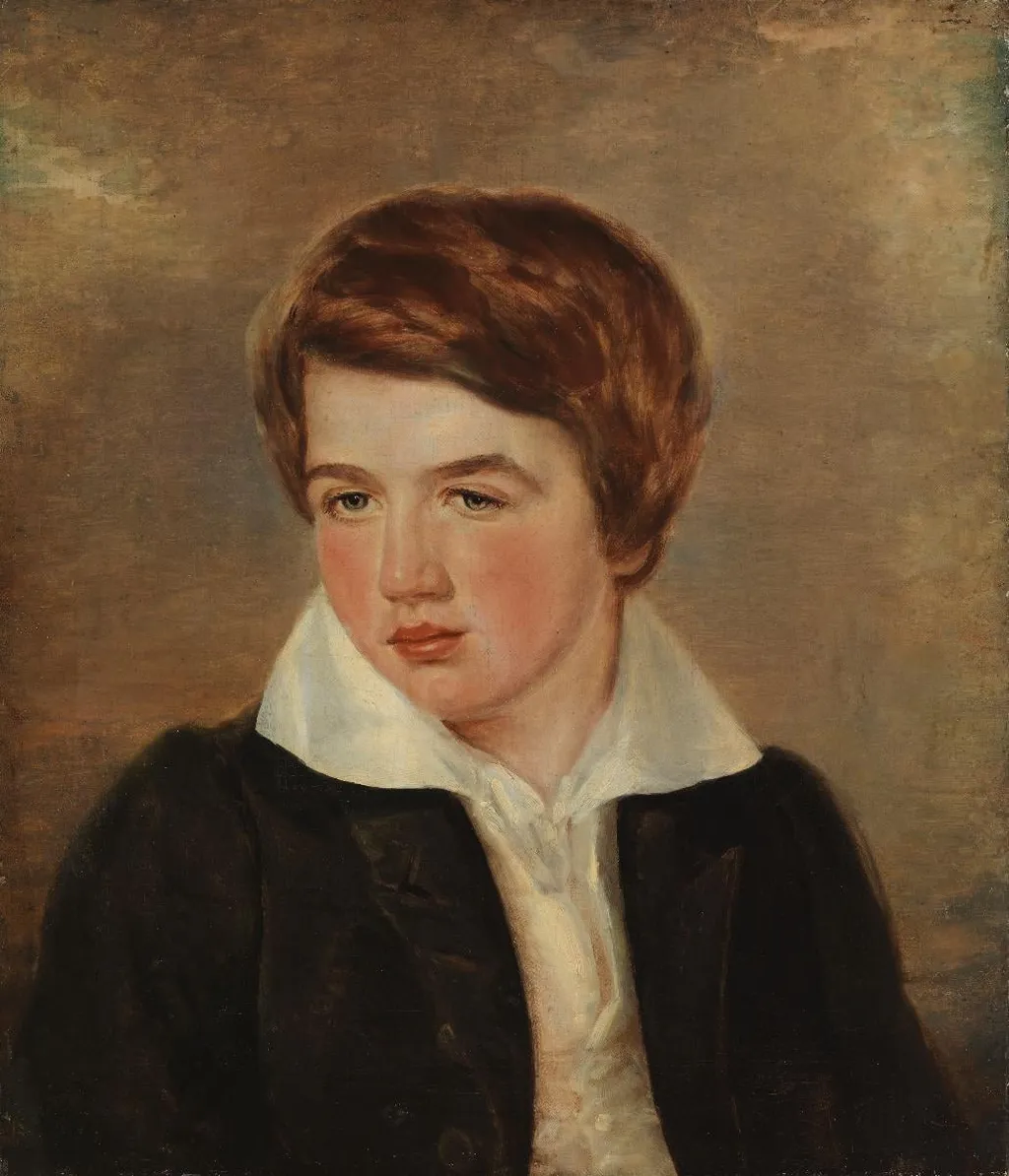
Gustaf Fredrik Wrede is an unspecified painting by Gustaf Wilhelm Finnberg. It dates from 1818 and is held in the collection of the Finnish National Gallery.
About this work
Overview
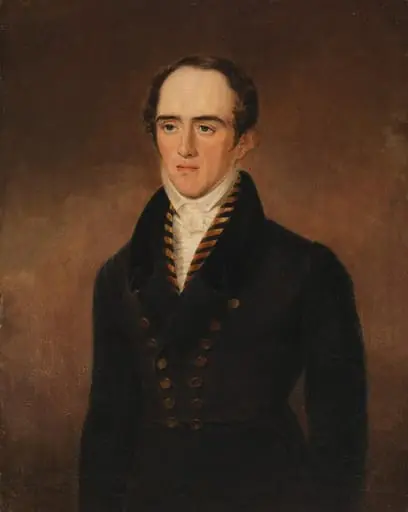
This portrait, dated around 1818, depicts Gustaf Fredrik Wrede, a Finnish nobleman, rendered by the artist Gustaf Wilhelm Finnberg. The composition is tightly framed, focusing solely on the subject’s face and upper torso. The absence of background detail or contextual elements emphasizes the individual’s presence, creating an intimate and direct encounter between viewer and sitter.
Subject & Meaning
The portrait functions less as a display of status and more as a quiet assertion of personal identity within a society undergoing political transition.
The subject, Gustaf Fredrik Wrede, was a member of Finland’s Swedish-speaking aristocracy during the early 19th century. His neutral expression and unadorned attire suggest a preference for restraint and dignity, values associated with the educated elite of the time. The portrait functions less as a display of status and more as a quiet assertion of personal identity within a society undergoing political transition.
Technique & Style
Finnberg employs soft, blended brushwork to model the sitter’s skin, achieving a lifelike subtlety without overt texture. The contrast between the stark white collar and the dark jacket draws attention to the face, while the muted brown background recedes, eliminating distraction. Light is handled with quiet precision, avoiding dramatic contrasts in favor of a gentle, even illumination that enhances realism.
History & Provenance
The portrait was likely commissioned by Wrede’s family or associates during Finnberg’s active years in Finland. It remained within Finnish collections through the 19th century and is now held in a public institution, though specific ownership transitions are not fully documented. Its preservation reflects its value as a representative example of early 19th-century Finnish portraiture.
Context
Created during Finland’s transition from Swedish to Russian rule, the portrait reflects a cultural moment when local elites sought to affirm their identity through refined, understated imagery. Unlike grand European portraiture of the era, this work avoids symbols of power, instead favoring simplicity—a choice aligned with Nordic sensibilities and the emerging national consciousness in Finland.
Legacy
The portrait stands as a modest but significant record of Finnish aristocratic life in the early 1800s. It exemplifies how local artists adapted European conventions to suit regional tastes, prioritizing psychological presence over ornamental display. Though not widely known beyond Finland, it remains a key reference for understanding the development of portraiture in the Nordic region during a period of political change.
Artist & collection


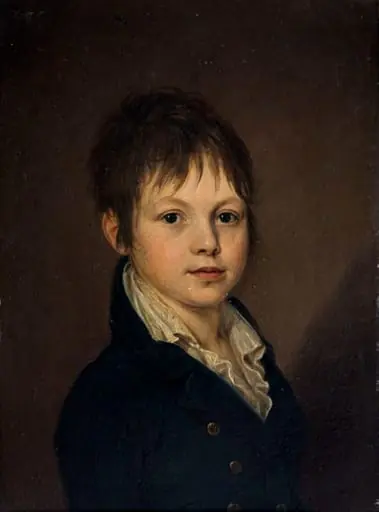 Copilul
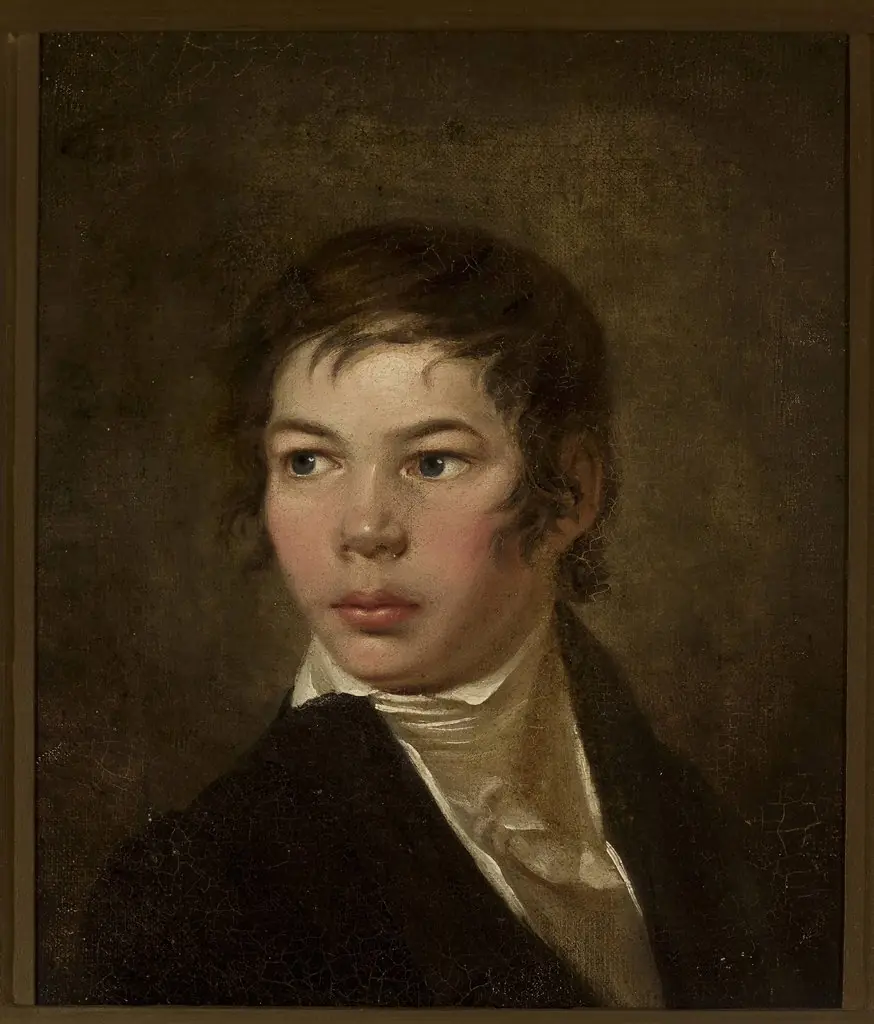 Portrait of Edward Jan Römer (1806–1878)
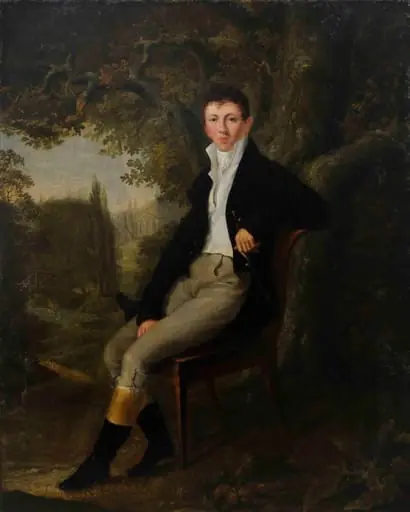 Portretul unui adolescent
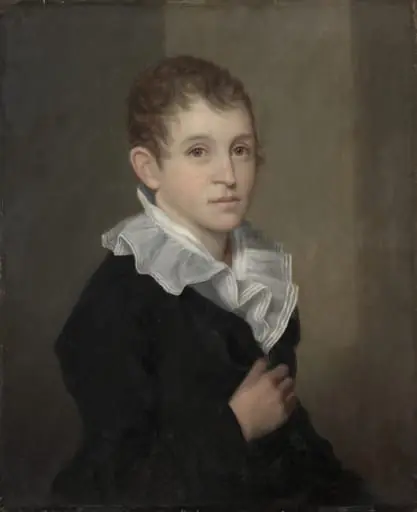 Samuel Barber Clark
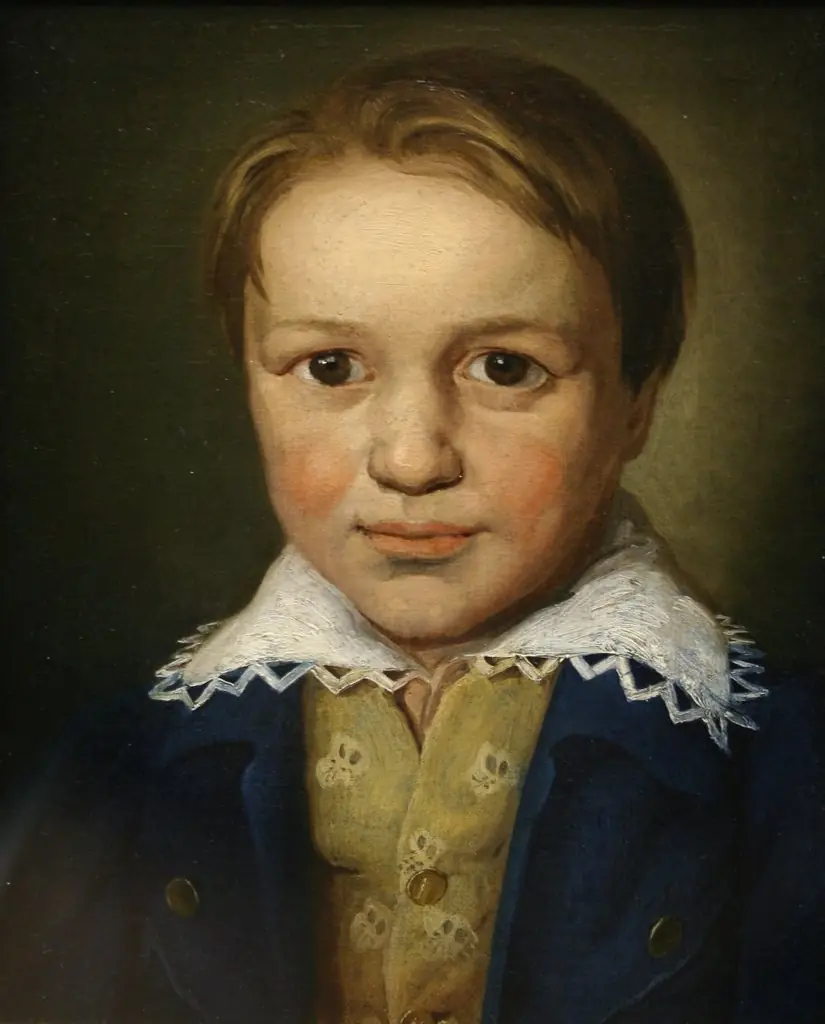 Disputed portrait of thirteen-year-old Beethoven
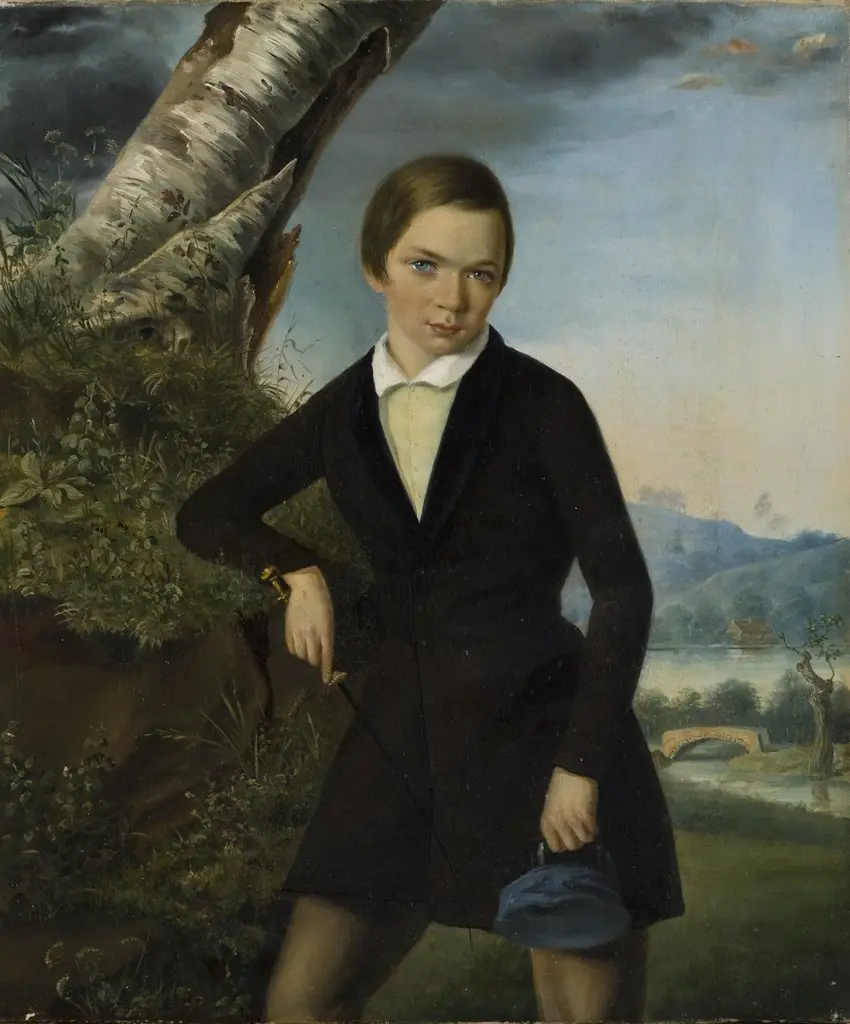 Portrait of Alexander Sokolovsky in Childhood
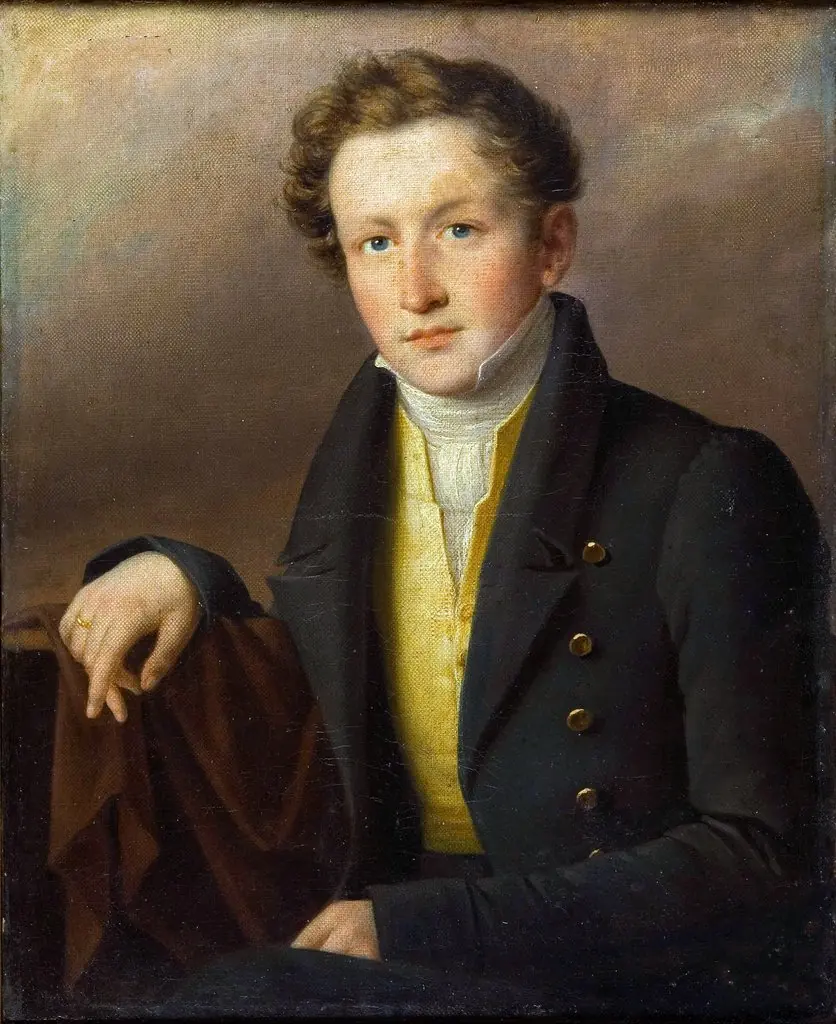 Portret Leona Sapiehy
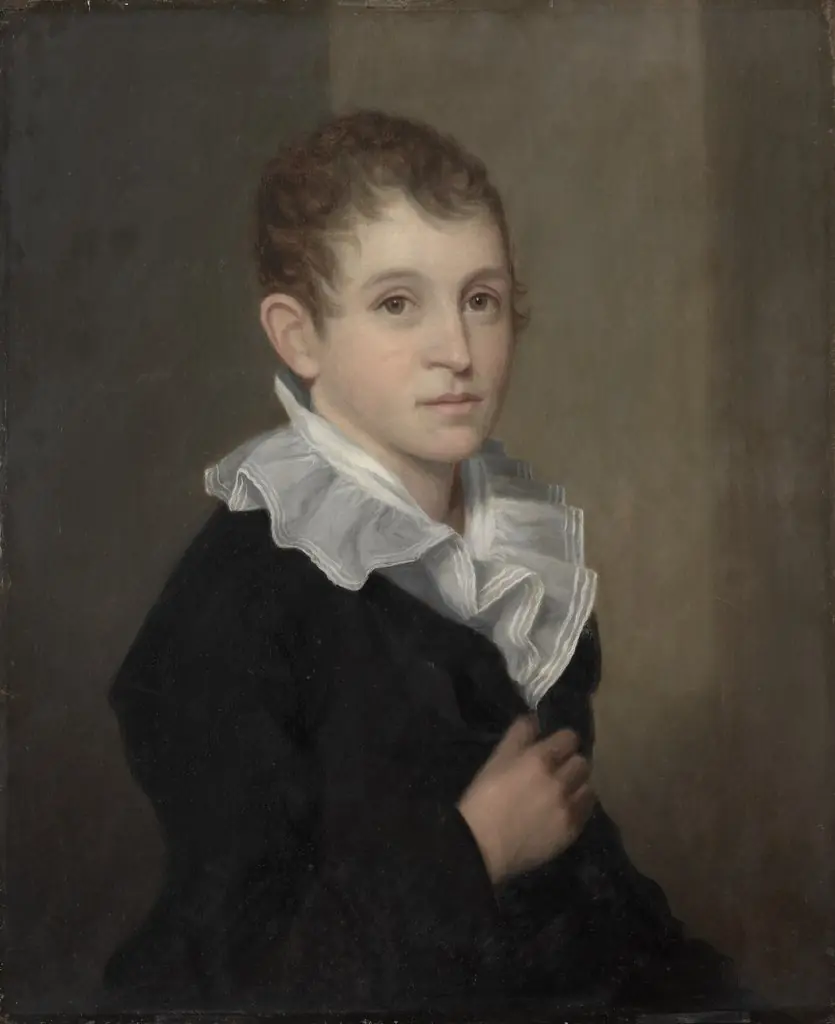 Samuel Barber Clark
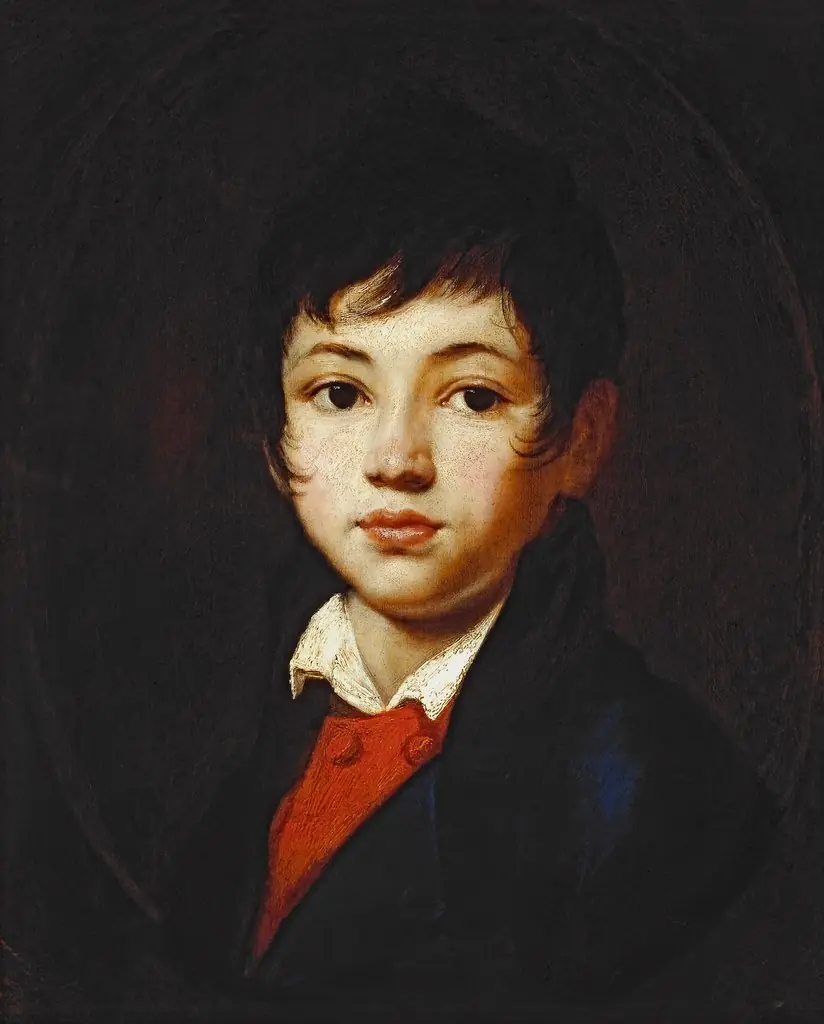 Portrait of A.A.Chelishchev
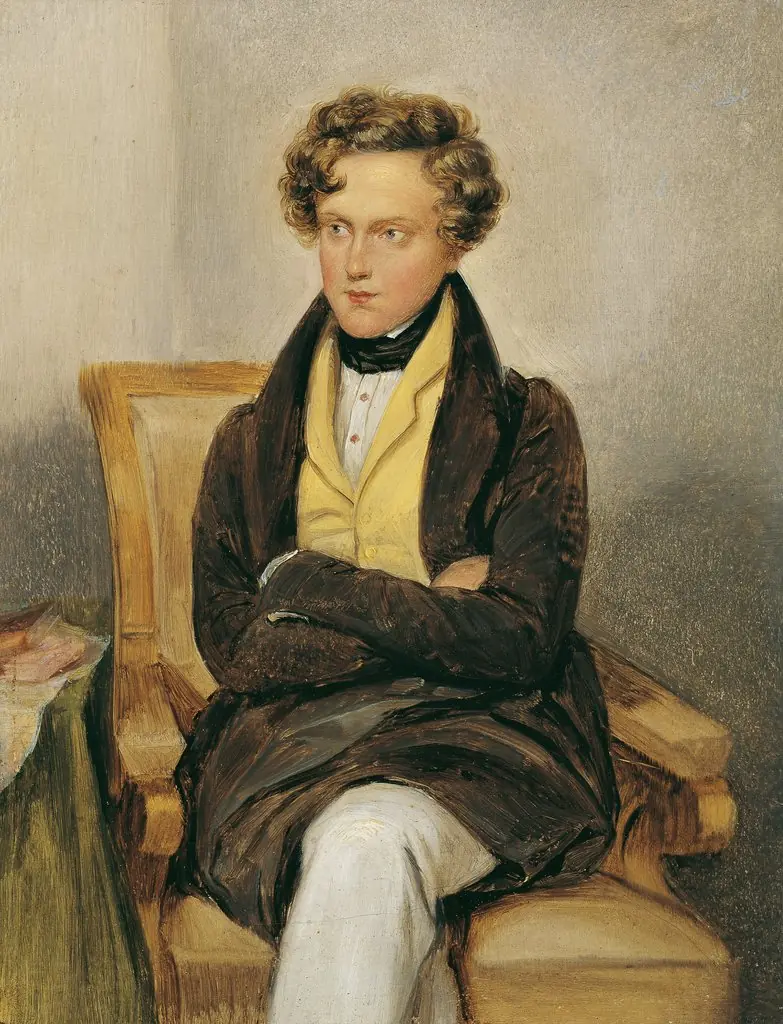 The Duke of Reichstadt
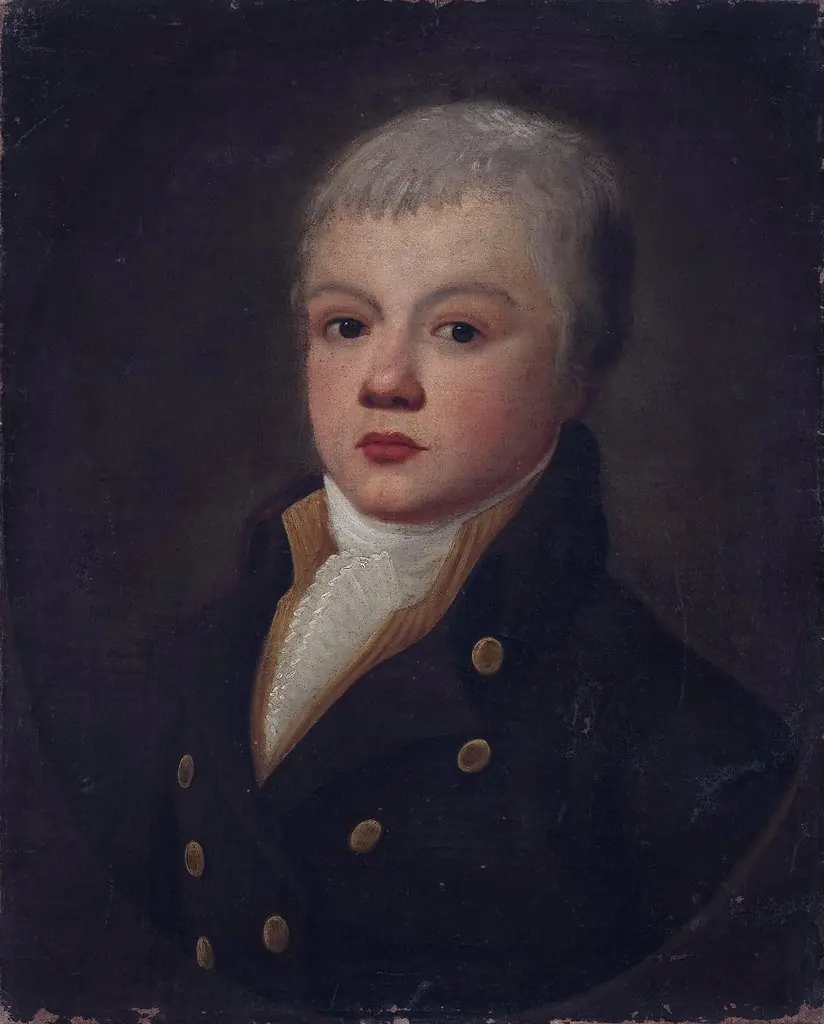 Childhood portrait of Jan Wołowicz (1778–?)
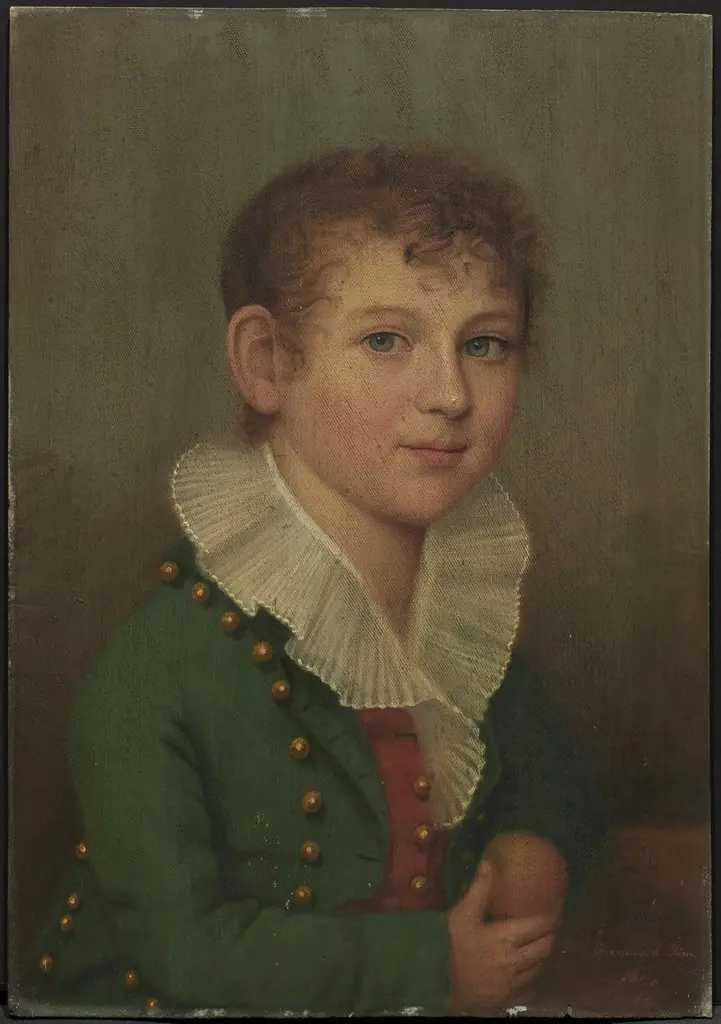 A Young Boy (one of pair of portraits)