Artwork
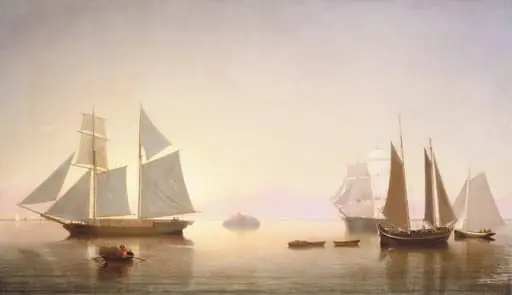
Brig Off the Maine Coast
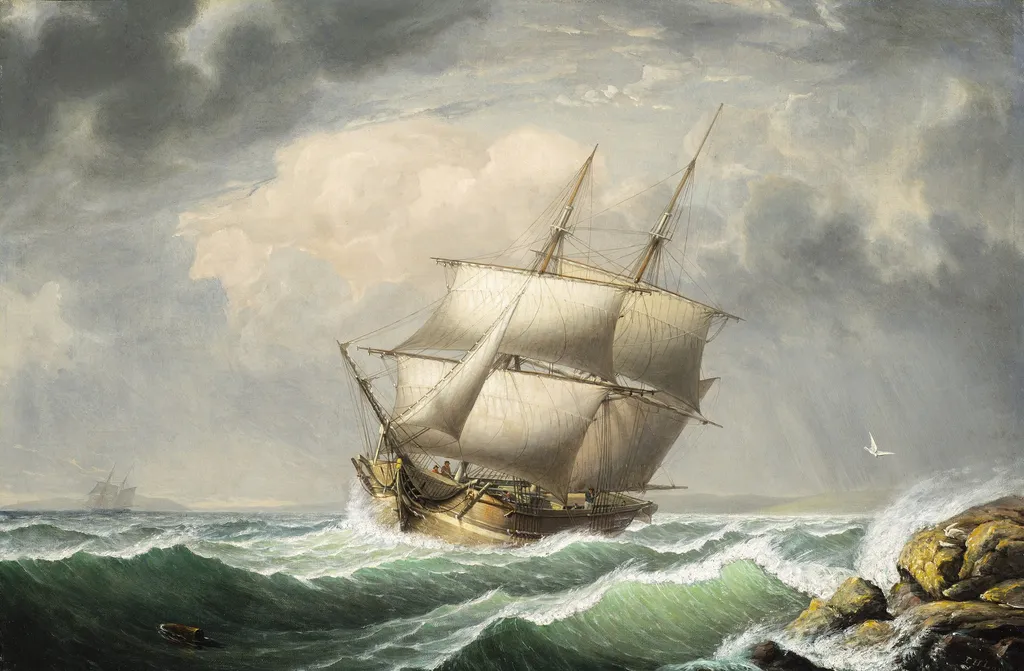
Brig Off the Maine Coast is an unspecified painting by the American Impressionist artist Fitz Henry Lane. It dates from 1851 and is held in the collection of the Los Angeles County Museum of Art.
About this work
Overview
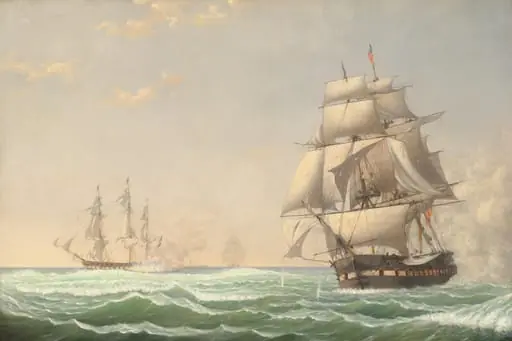
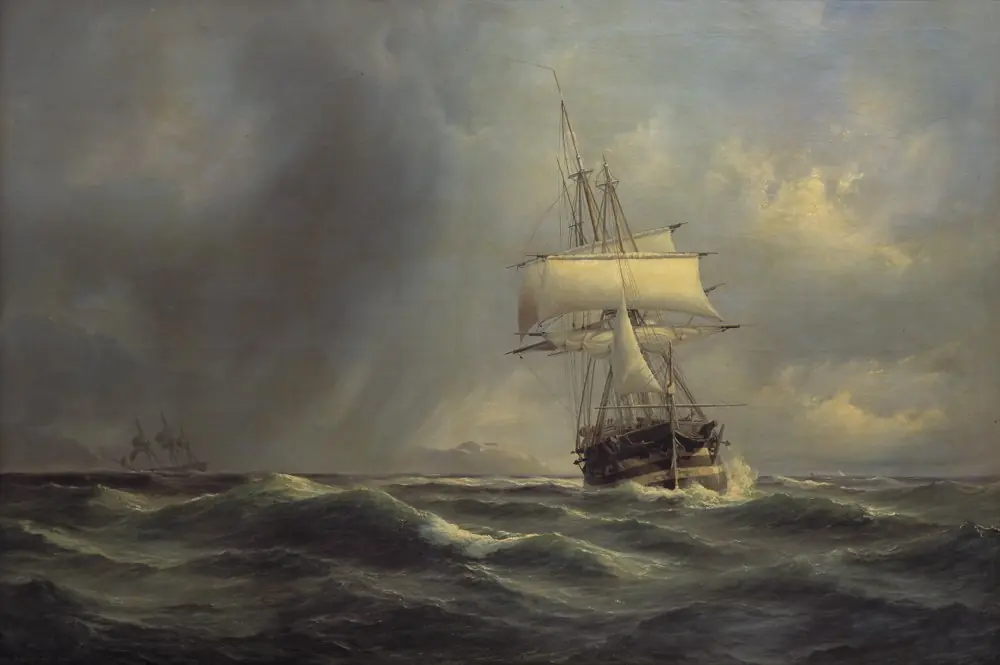
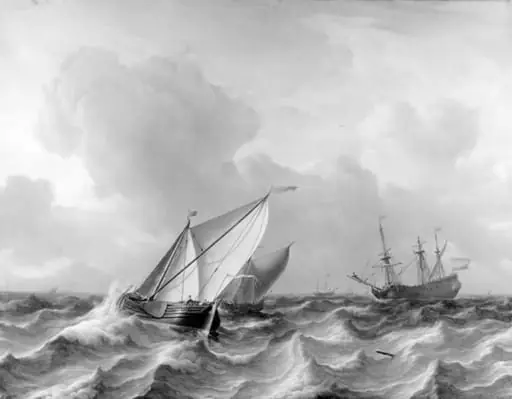
Created in 1851, *Brig Off the Maine Coast* portrays a sailing brig confronting a stormy seascape along the rugged shoreline of Maine. The vessel dominates the canvas, its billowing sails thrust forward amid churning waves and jagged rocks, while a distant ship on the horizon adds spatial depth. The composition conveys the dynamic tension between human endeavor and the untamed ocean.
Subject & Meaning
The painting captures a moment of maritime struggle, emphasizing the brig’s perseverance against harsh weather. By placing the ship at the center, the artist highlights the vessel’s resilience, while the turbulent sea and looming rocks suggest the ever-present dangers of coastal navigation. The distant vessel hints at the broader context of 19th‑century seafaring life along New England’s coast.
Technique & Style
Executed in Lane’s characteristic luminist manner, the work relies on subtle gradations of light and atmospheric effects to model form. Soft, diffused illumination bathes the sky and sea, while sharper contrasts outline the brig’s rigging, creating a sense of depth and movement. The handling of water and sky reflects an early American Impressionist approach, focusing on fleeting light and mood.
History & Provenance
Fitz Henry Lane, born Nathaniel Rogers Lane, was a prominent American painter and printmaker noted for his luminous coastal scenes. *Brig Off the Maine Coast* entered the Los Angeles County Museum of Art’s collection, where it remains part of the museum’s representation of mid‑19th‑century American landscape painting.
Own this work as a print
Artist & collection
Artist
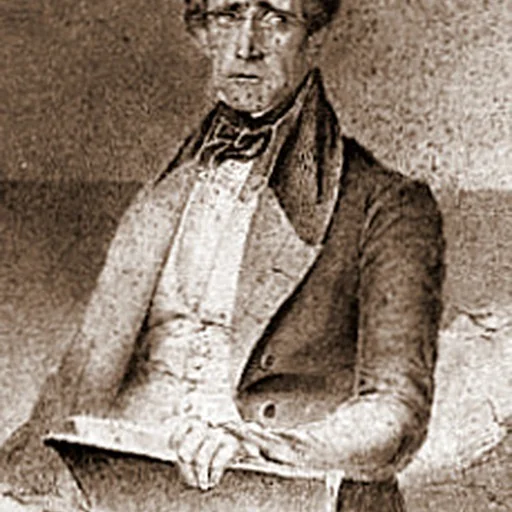
Fitz Henry Lane (born Nathaniel Rogers Lane; also formerly, mistakenly, known as Fitz Hugh Lane; December 19, 1804 – August 14, 1865) was an American painter and printmaker of a style that would later be called Luminism, for its use of…