Artwork
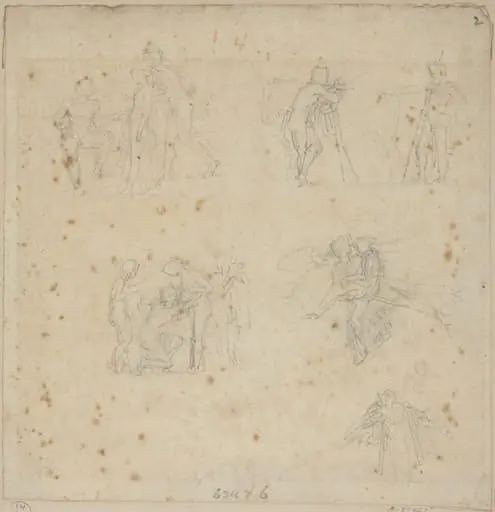
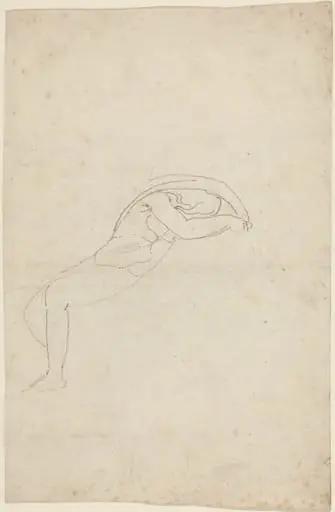
Studies of Seated and Reclining Figures
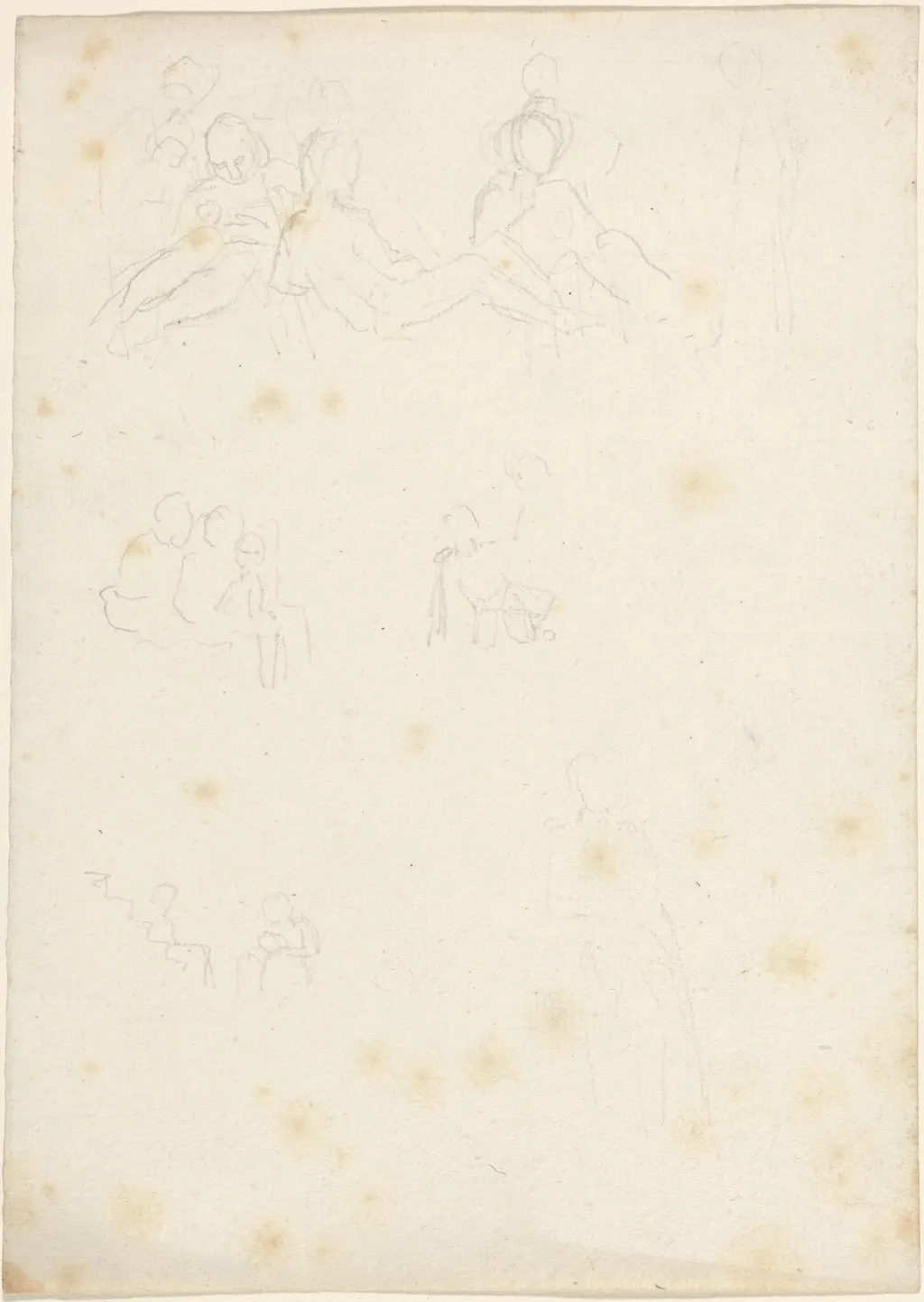
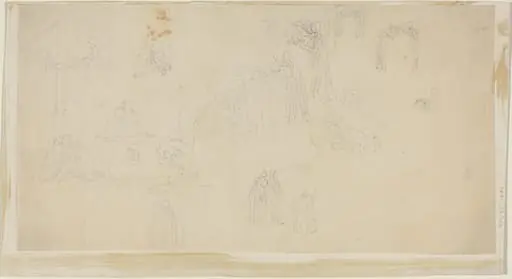
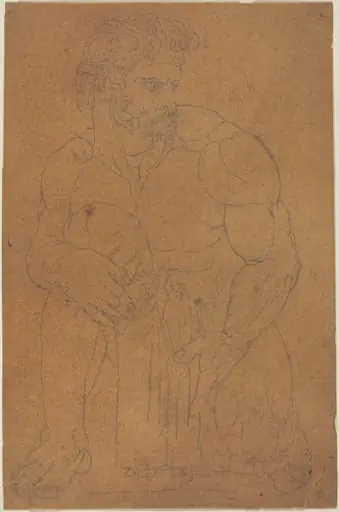
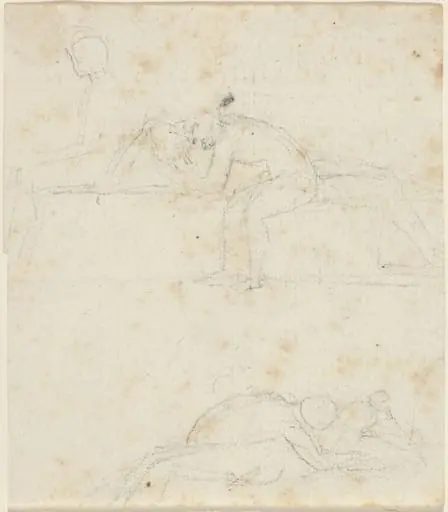
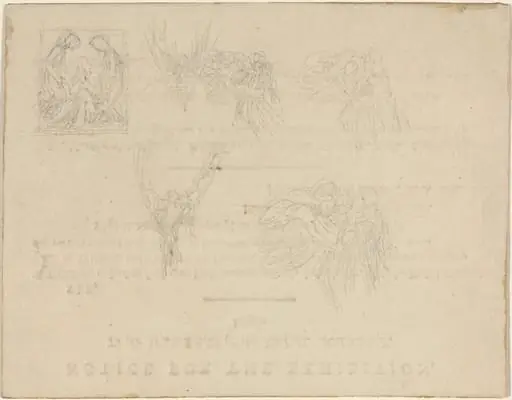
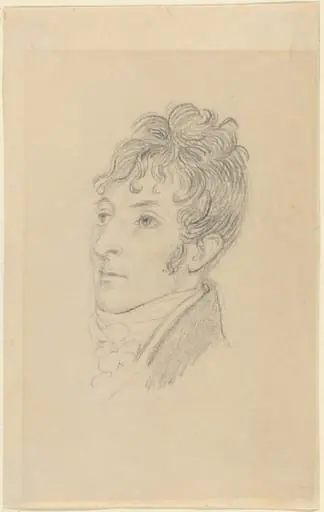
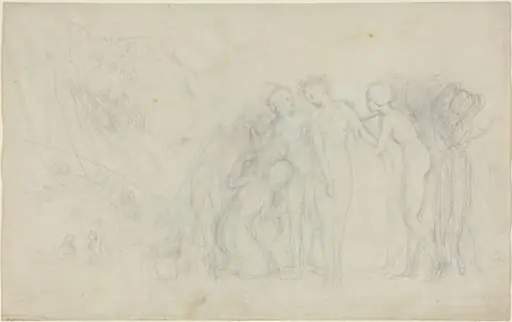
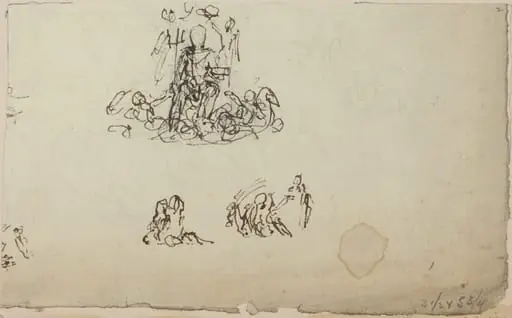
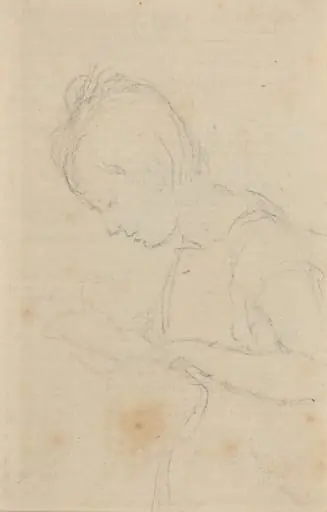
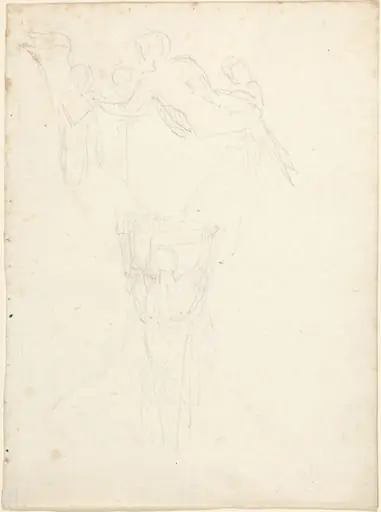
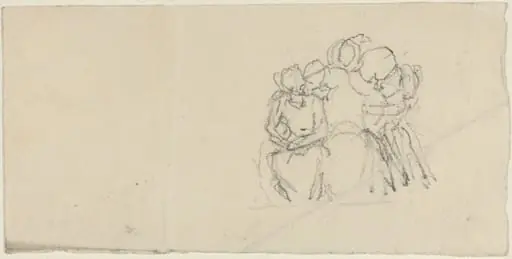
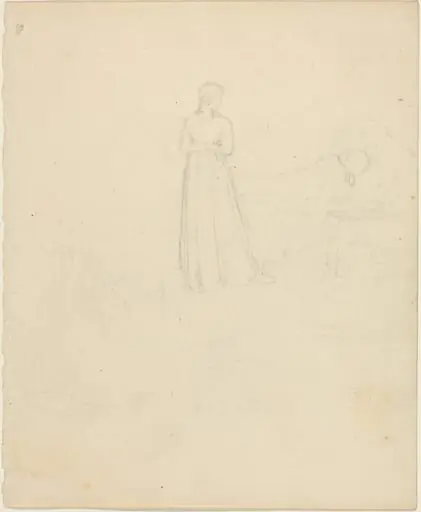
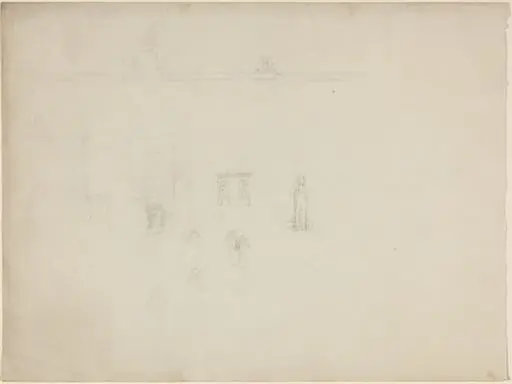
Studies of Seated and Reclining Figures is a graphite drawing by the Romanticist artist John Flaxman. It dates from 1790 and is held in the collection of the National Gallery of Art.
About this work
It's interesting that Flaxman created this during a time when artists were focusing on emotion and imagination.
This painting is called Studies of Seated and Reclining Figures.
It was made by John Flaxman between 1820 and 1826.
The artist worked with graphite to create this piece, which is part of the Romanticism movement.
I don't know what the image looks like, but I can tell you it's from the Romantic period.
It's interesting that Flaxman created this during a time when artists were focusing on emotion and imagination.
You can learn more about this style by looking into the movement: Romanticism.
Overview
John Flaxman's graphite drawing *Studies of Seated and Reclining Figures* was executed in 1790. The work consists of a series of preparatory studies that explore the human form in both seated and supine poses, rendered with precise, controlled lines characteristic of his draftsmanship.
Subject & Meaning
The studies focus on the anatomy and posture of the nude figure, emphasizing proportion, balance, and the clarity of line. By isolating the body in simple poses, Flaxman investigates the idealized classical figure, a central concern of his artistic philosophy.
Technique & Style
Created with graphite on paper, the drawing showcases Flaxman's restrained linear approach. The marks are clean and deliberate, avoiding shading in favor of contour and gesture, reflecting the Neoclassical preference for order and rational composition over dramatic chiaroscuro.
History & Provenance
Flaxman, originally trained as a modeller for Josiah Wedgwood, produced these studies during his early career, shortly before his extended stay in Rome. The drawings later entered private collections and were eventually acquired by the museum, where they illustrate his preparatory process for larger sculptural and illustrative projects.
Context
The work belongs to Flaxman's broader output that includes funerary monuments, book illustrations, and architectural designs. His time in Rome exposed him to ancient Greek and Roman sculpture, which informed the disciplined treatment of the human body evident in these studies.
Artist & collection
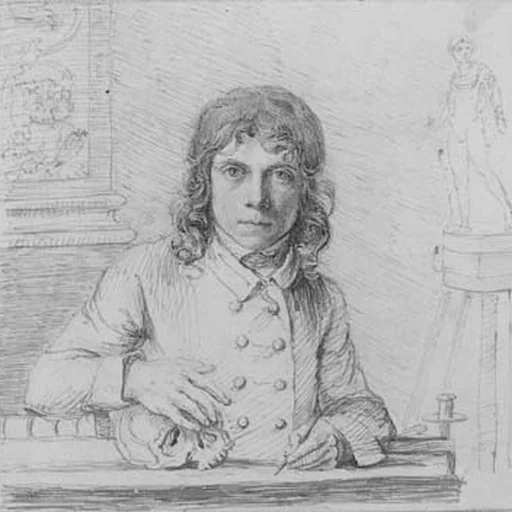
Artist
John Flaxman (6 July 1755 – 7 December 1826) was an English sculptor and draughtsman who was a leading figure in British and European Neoclassicism.