Artwork
Three Groups of Figures
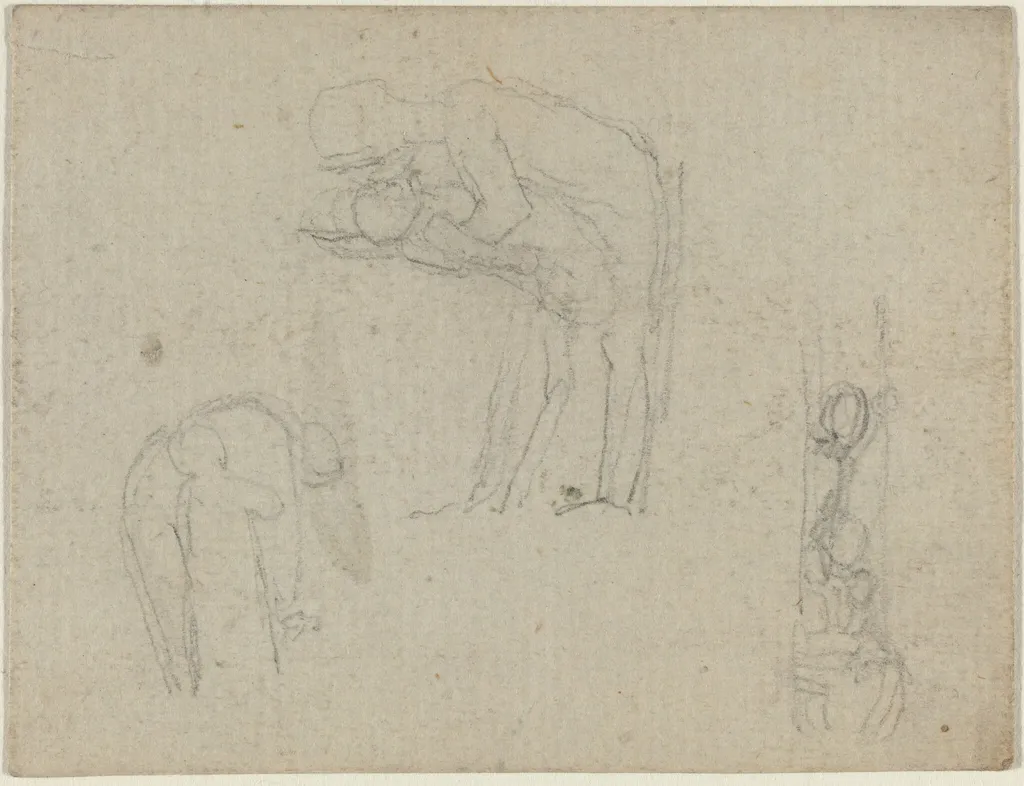
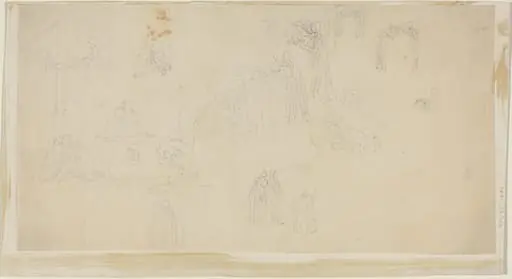
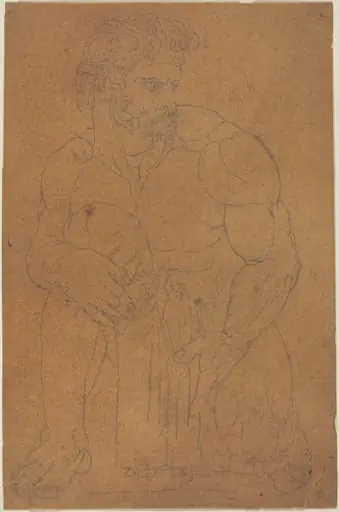
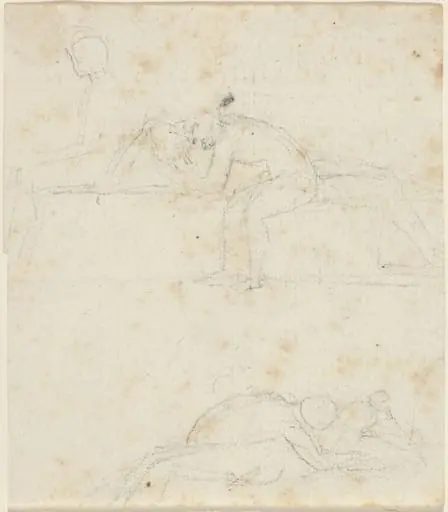
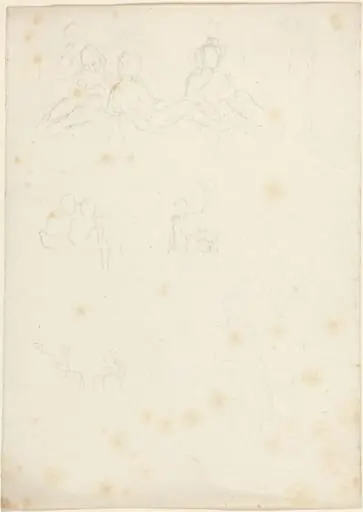
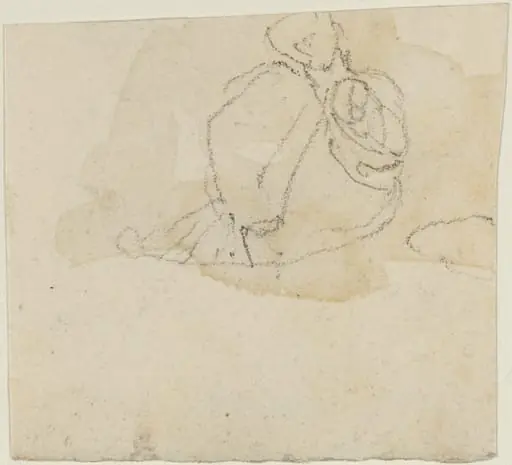
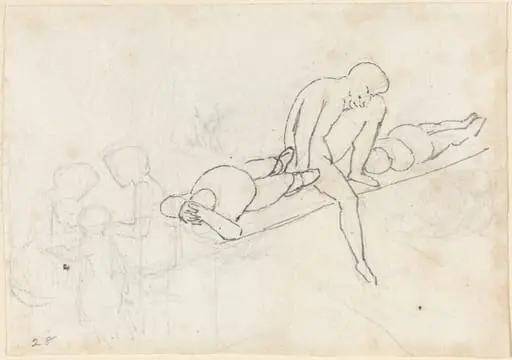
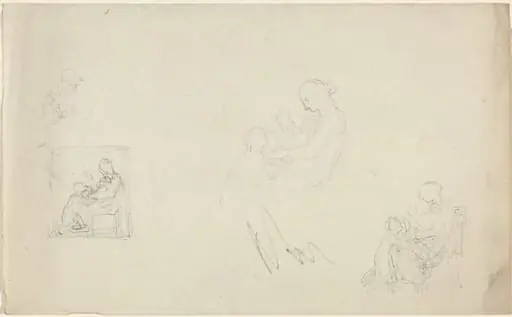
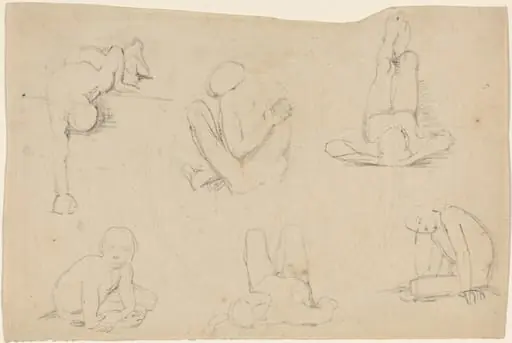
Three Groups of Figures is a graphite drawing by the Romanticist artist John Flaxman. It dates from 1790 and is held in the collection of the National Gallery of Art.
About this work
Overview
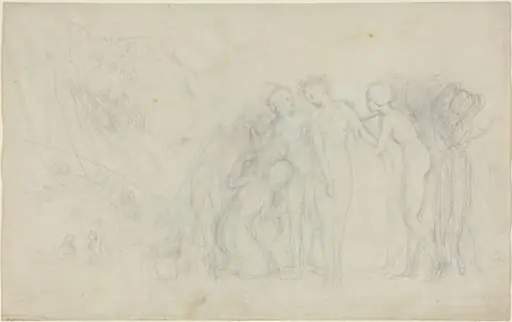
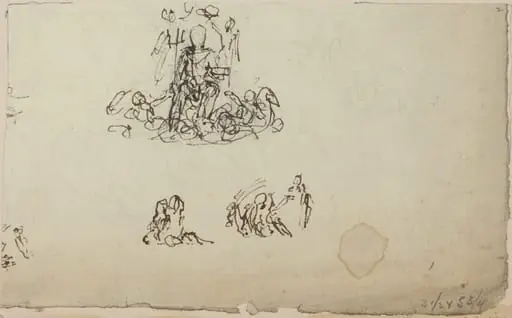
John Flaxman’s drawing *Three Groups of Figures* was executed in 1790 with graphite. The work presents three separate groupings of nude figures arranged in a loosely organized composition, rendered with light, expressive lines that convey a sense of movement.
Subject & Meaning
The drawing depicts three clusters of human forms, each rendered without detailed clothing or elaborate setting. The simplicity of the figures and their informal arrangement suggest an interest in the study of anatomy and gesture rather than narrative content.
Technique & Style
Flaxman employed graphite to achieve a soft, delicate tonal quality. The lines are relatively light and fluid, emphasizing contour over shading, which aligns with his disciplined draftsmanship and the neoclassical emphasis on clarity of form.
History & Provenance
Flaxman, initially known for modeling pottery for Josiah Wedgwood, spent several years in Rome where he produced early book illustrations. By the late eighteenth century he had established himself as a leading figure in British neoclassicism, later gaining recognition for his funerary monuments.
Context
The drawing reflects the neoclassical interest in classical antiquity and the study of the human body. Created during Flaxman’s Roman period, it demonstrates the artist’s engagement with the academic practices of drawing from life that were central to the period’s artistic training.
Artist & collection
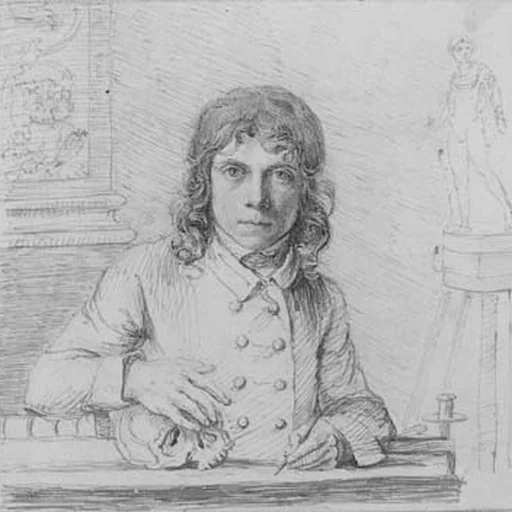
Artist
John Flaxman (6 July 1755 – 7 December 1826) was an English sculptor and draughtsman who was a leading figure in British and European Neoclassicism.