Artwork
Peur de Bourreau! Qu'est-ce que tu attends?...
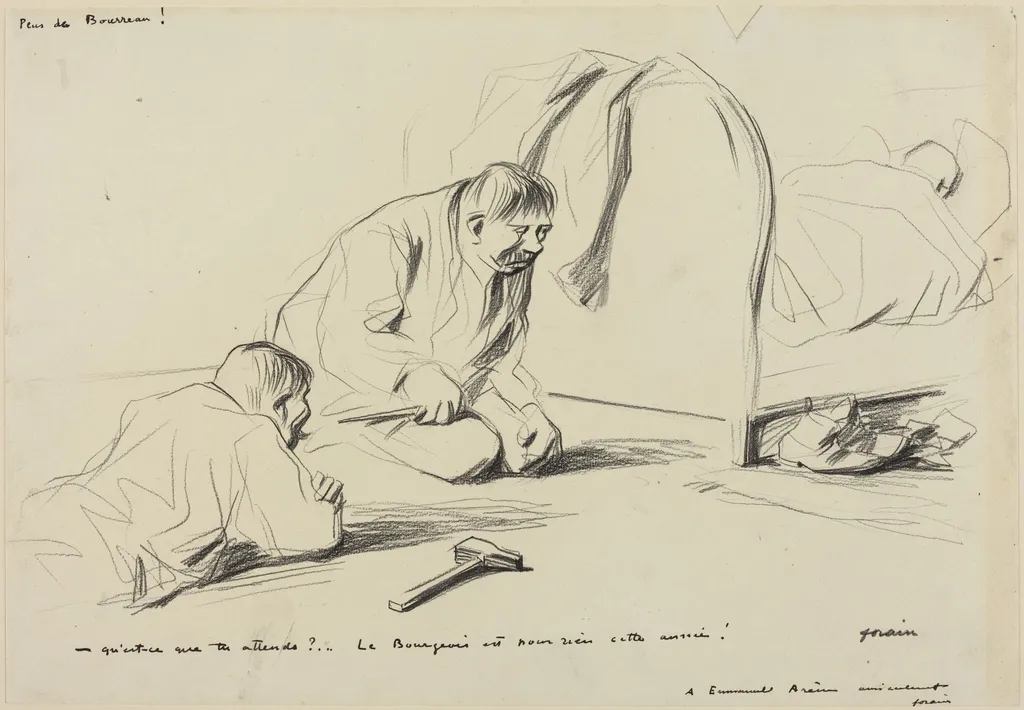
Peur de Bourreau! Qu'est-ce que tu attends?... is a crayon drawing by the Impressionist artist Jean-Louis Forain. It dates from 1892 and is held in the collection of the National Gallery of Art.
About this work
Overview
The work belongs to a body of drawings that prioritize expressive line over color, emphasizing mood through contrast and gesture.
Created in 1892, this drawing by Jean-Louis Forain is executed in black crayon on wove paper, reflecting his interest in graphic media alongside his broader work in painting and printmaking. Its intimate scale and direct technique align with his practice of capturing fleeting, psychologically charged moments. The work belongs to a body of drawings that prioritize expressive line over color, emphasizing mood through contrast and gesture.
Subject & Meaning
Two men occupy a confined interior space—one seated on the floor, the other reclining on a bed. A hammer rests between them, suggesting an unresolved tension or impending action. The seated figure’s agitated posture contrasts with the recumbent man’s stillness, evoking an unspoken confrontation. The title, a French phrase implying hesitation before violence, deepens the ambiguity, inviting interpretation without narrative resolution.
Technique & Style
Forain employs bold, fluid lines and dense shading to model form and convey emotional weight. The absence of color directs focus to the interplay of light and shadow, with chiaroscuro used to heighten drama rather than realism. The crayon’s texture and pressure variations create a sense of immediacy, characteristic of his graphic work, where spontaneity and emotional intensity take precedence over polished finish.
History & Provenance
The drawing emerged during a period when Forain was actively producing illustrations and sketches for periodicals, often exploring urban life and human psychology. While its early ownership is undocumented, it entered institutional collections in the 20th century as part of broader recognition of his graphic oeuvre. It remains a representative example of his private, non-commissioned drawings from the 1890s.
Context
In late 19th-century France, artists like Forain turned to drawing as a means to explore psychological depth beyond the lightness of Impressionist painting. This work reflects influences from Realism and the growing interest in interior scenes charged with unspoken narrative. His engagement with printmaking allowed him to refine such themes in accessible formats, bridging fine art and journalistic illustration.
Legacy
The drawing exemplifies Forain’s contribution to modern graphic art, where expressive line and psychological nuance replaced academic idealism. Though less known than his paintings, his drawings influenced later generations of illustrators and printmakers who valued emotional directness. This piece endures as a quiet but potent study of human unease, emblematic of his distinctive approach to the drawn image.
Artist & collection

Artist
Jean-Louis Forain (French pronunciation: ; 23 October 1852 – 11 July 1931) was a French Impressionist painter and printmaker, working in media including oils, watercolour, pastel, etching and lithograph.

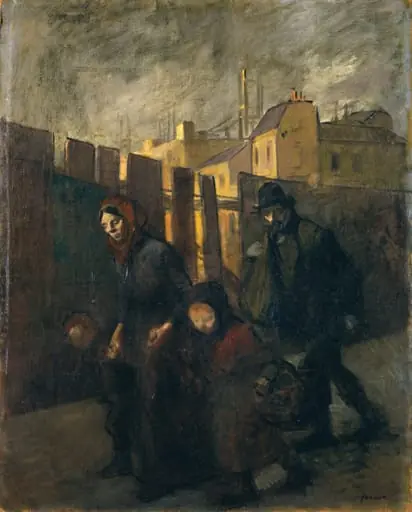
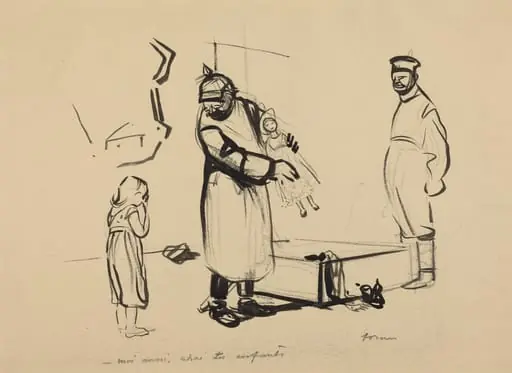 Nach Paris. -moi aussi, chai des enfants
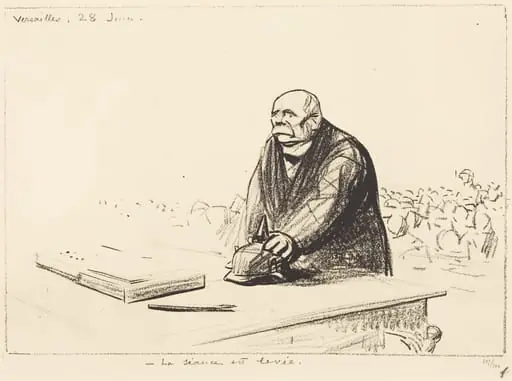 Versailles, 28 Juin
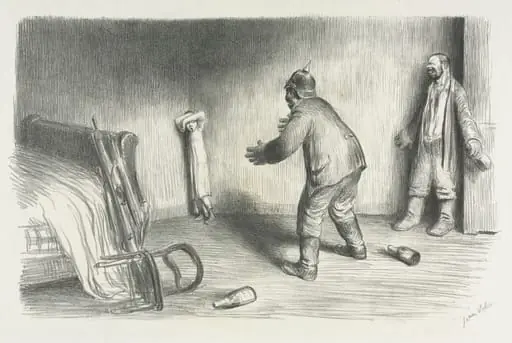 Perdue
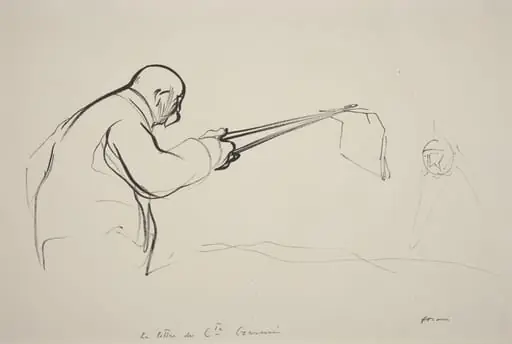 M. Clemenceau. La lettre du Cte Czernin
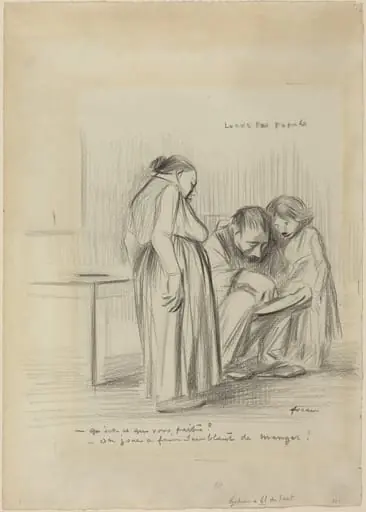 a) Ludus pro Populo (recto); b) Head of a Man (verso)
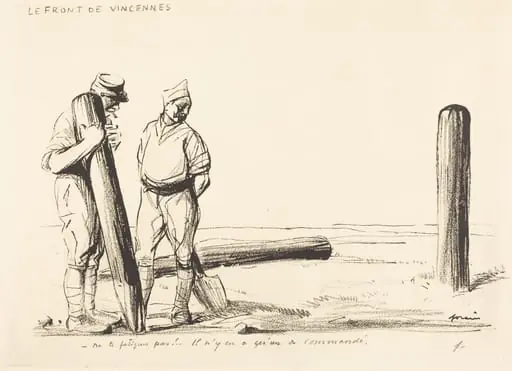 Le Front de Vincennes
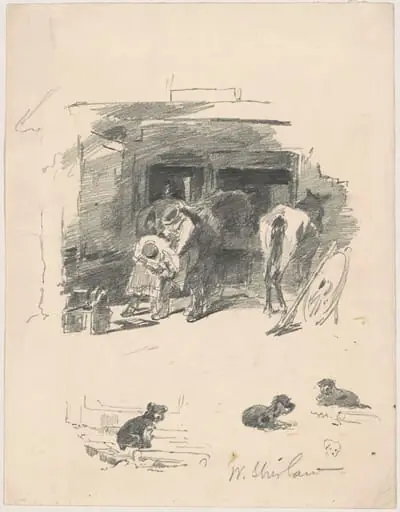 Men Shoeing a Horse
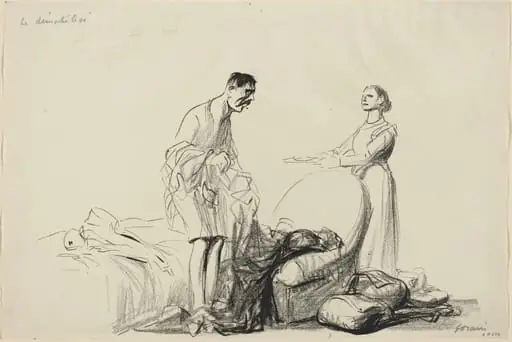 Le demobilise
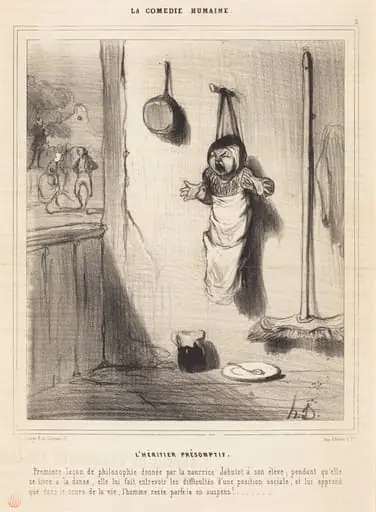 L'Héritier présomptif
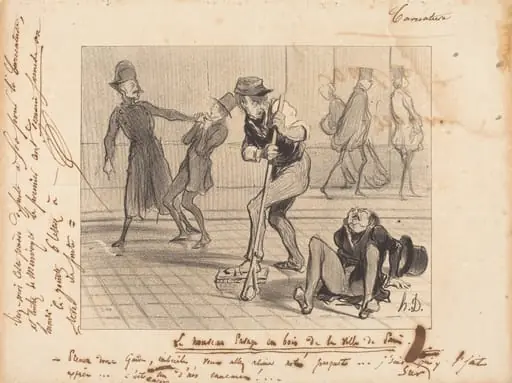 Le Nouveau pavage en bois... de Paris
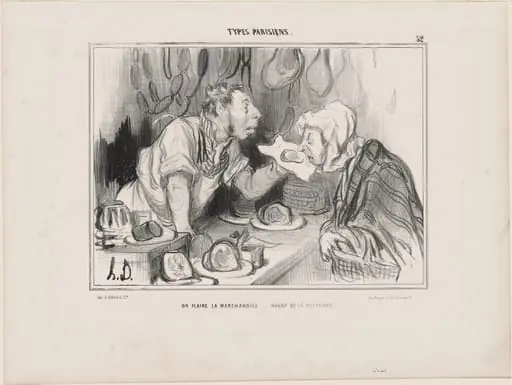 On flaire la marchandise... avant de la mécaniser!...
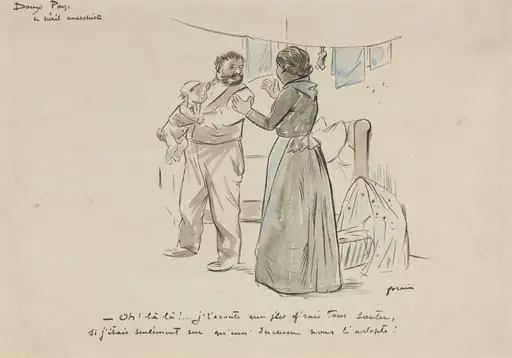 Le Peril Anarchiste