Artwork
Jean-Thomas Arrighi de Casanova, duc de Padoue (1778-1853)
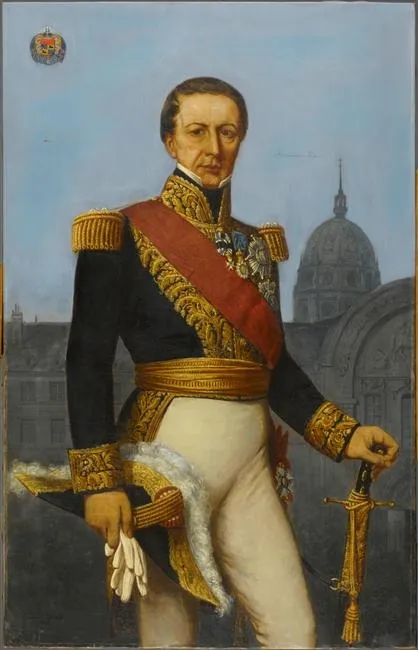
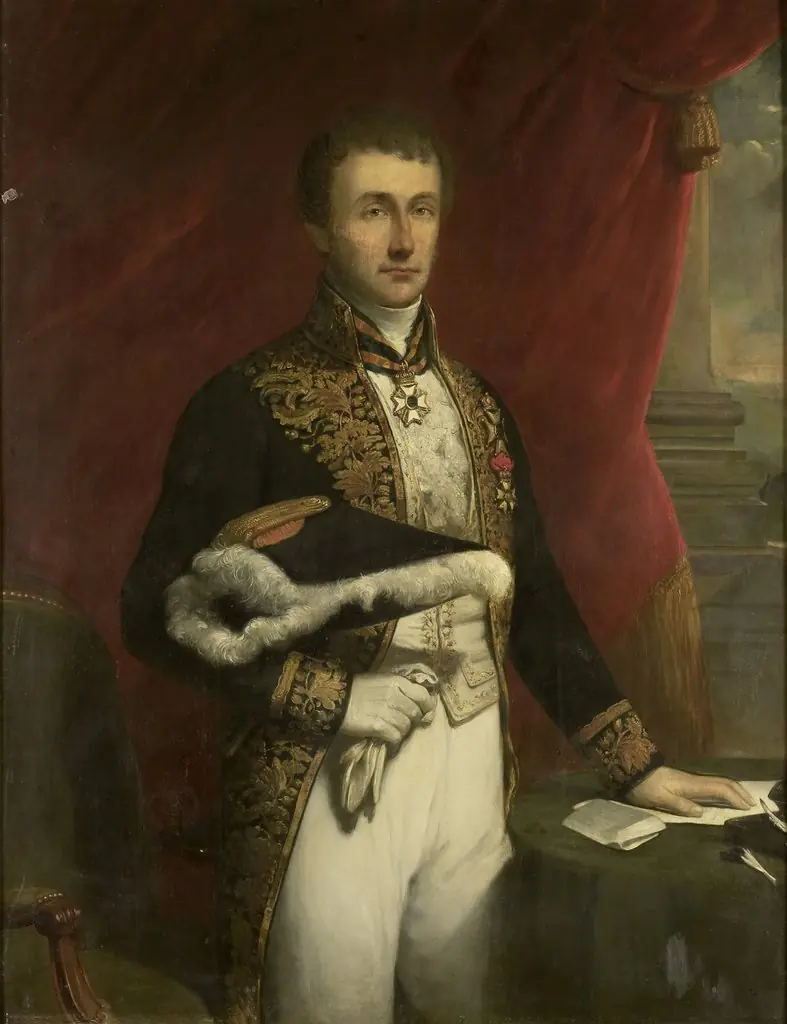
Jean-Thomas Arrighi de Casanova, duc de Padoue (1778-1853) is an oil painting by the French Romanticist artist Frédéric Legrip. It dates from 1856 and is held in the collection of the Palace of Versailles.
About this work
Overview
This oil painting, completed in 1856 by Frédéric Legrip, portrays Jean-Toussaint Arrighi de Casanova, Duke of Padua. It is part of the collection at the Palace of Versailles. The portrait captures the subject in full military regalia, standing before a distant urban skyline. The composition emphasizes formality and rank, consistent with official portraiture of the period.
Subject & Meaning
Jean-Toussaint Arrighi de Casanova was a French general and nobleman who served under Napoleon. The portrait underscores his military status and aristocratic identity. The red sash, gold-trimmed jacket, and sword signify his rank and service, while the domed structure in the background alludes to his title as Duke of Padua, linking him symbolically to his Italian duchy.
Technique & Style
Legrip employed a restrained, precise technique typical of mid-19th-century academic portraiture. The subject is rendered with sharp detail, particularly in the texture of fabric and the sheen of metal. The background is softly modeled, allowing the figure to dominate. The palette is muted yet formal, with contrasts of black, gold, and red reinforcing the subject’s authority.
History & Provenance
Commissioned after Arrighi de Casanova’s retirement, the painting entered the royal collection at Versailles, where it remains. Its creation in 1856 places it in the context of the July Monarchy’s efforts to preserve the visual legacy of Napoleonic figures. The work was likely intended to affirm continuity between imperial service and the restored monarchy’s historical narrative.
Context
During the 1850s, French elites sought to memorialize figures from the Napoleonic era as national symbols. Arrighi de Casanova, though not among the most prominent generals, held symbolic value as a loyal servant of the Empire. Portraits like this one were used to legitimize political memory, blending military honor with aristocratic tradition in a period of shifting regimes.
Legacy
The portrait endures as a documented representation of a lesser-known Napoleonic noble, preserved within a state collection. It contributes to the broader archive of official portraiture that shaped perceptions of military leadership in post-revolutionary France. Its presence at Versailles ensures its role in the institutional memory of French political and military history.
Artist & collection

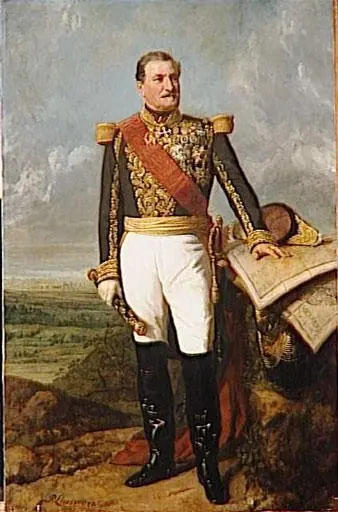 Elie-Frédéric Forey, Marshal
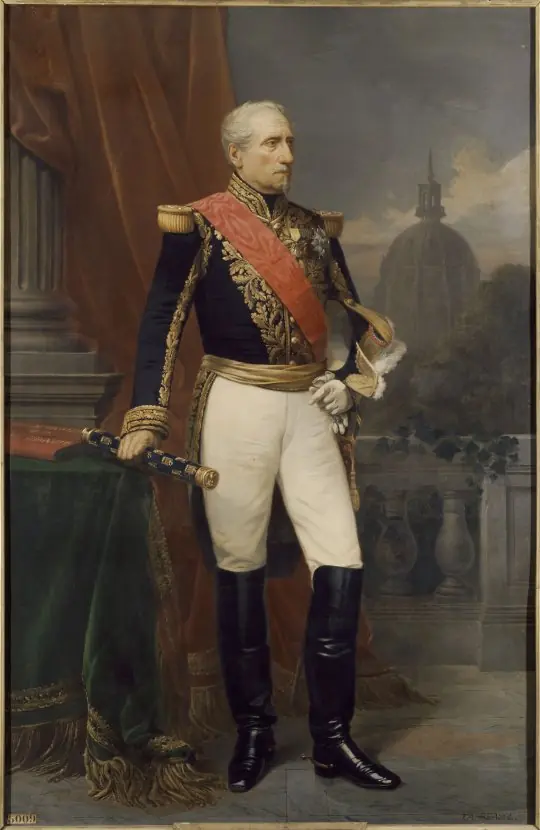 Philippe Antoine, comte d'Ornano, maréchal de France (1784-1863)
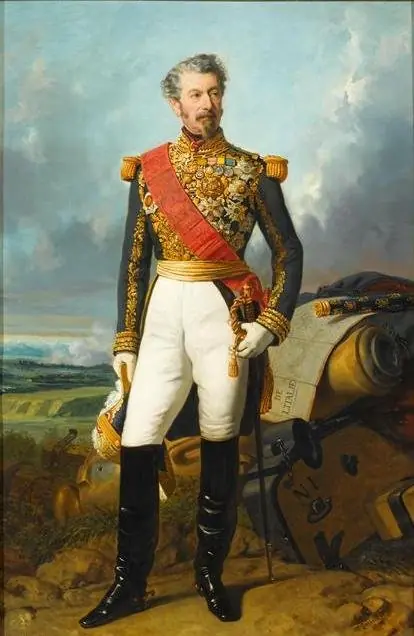 Adolphe Niel, maréchal de France (1802-1869)
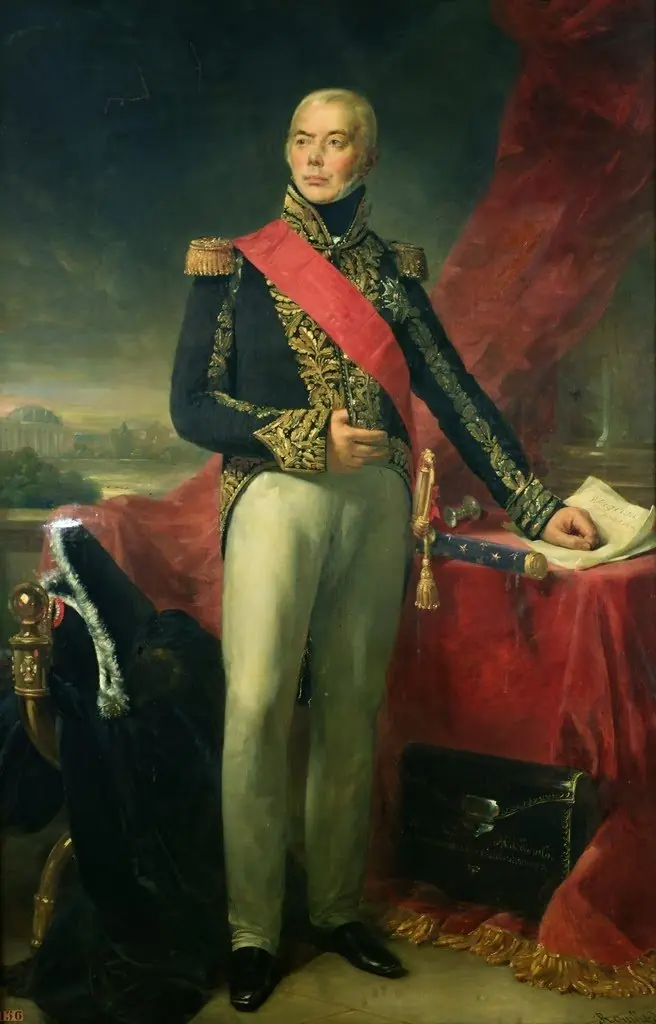 Etienne-Joseph-Jacques-Alexandre MacDonald, Duke of Taranto, Marshal of France (1765-1840)
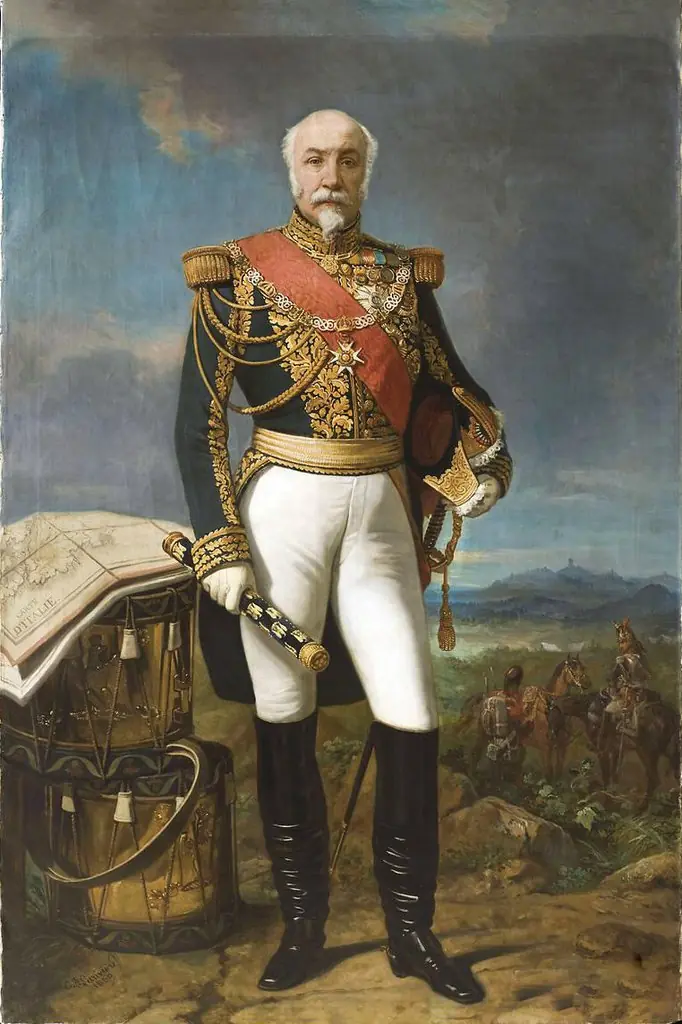 Auguste-Etienne Regnaud de Saint-Jean d'Angély, maréchal de France
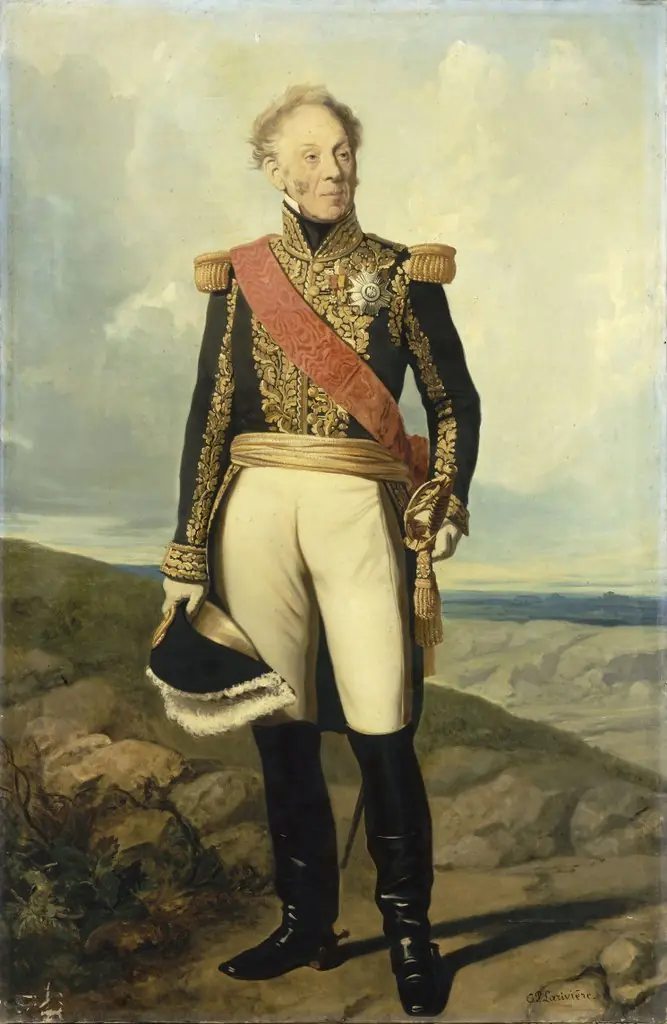 Porträt des Rémi Joseph Isidore Exelmans, Marechal De France (1775-1852)
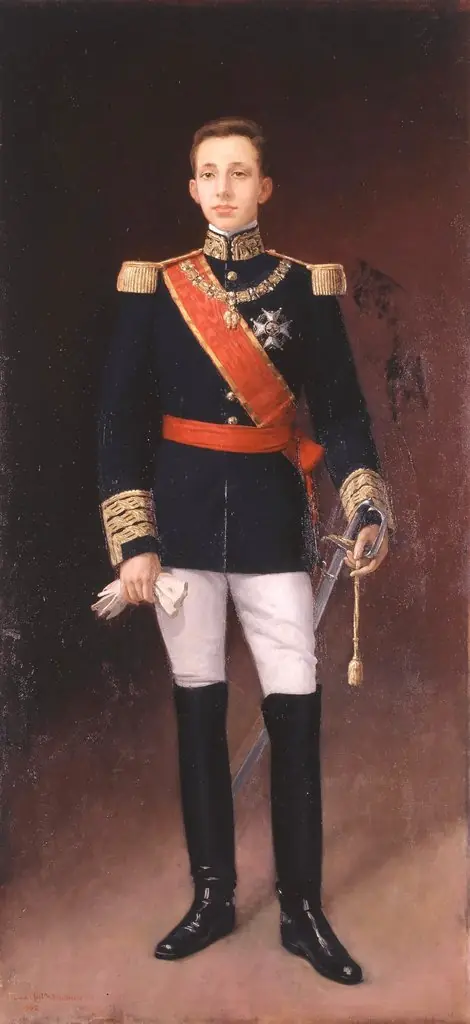 Alfonso XIII
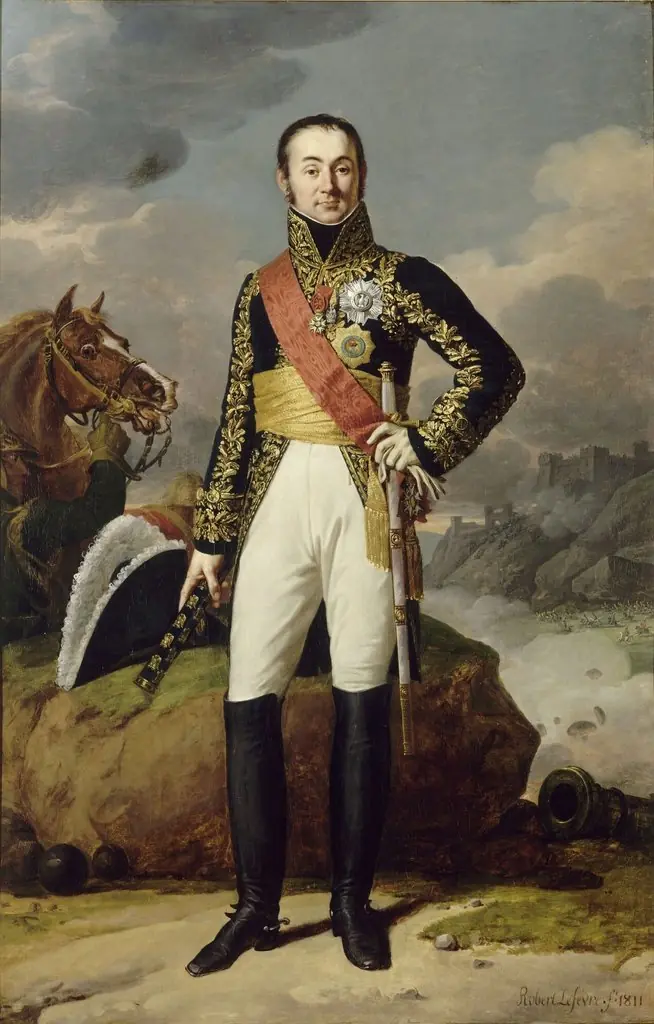 Nicolas-Charles Oudinot, Duke of Reggio, Marshal of France (1767-1847)
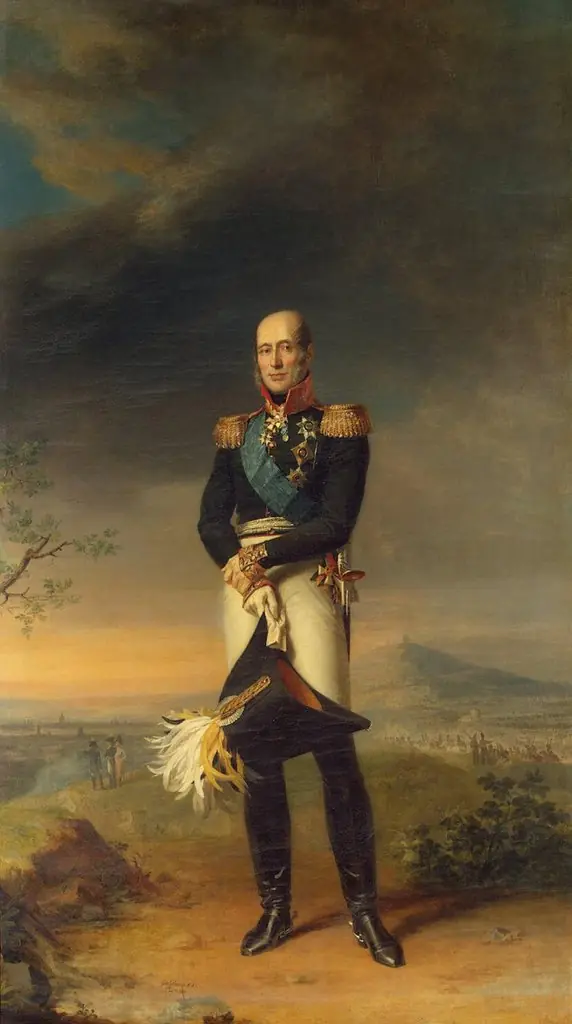 Portrait of Fieldmarshal Mikhail B. Barclay de Tolly (1761-1818)
 Porträt des Francis I of the Two Sicilies (1777-1830)
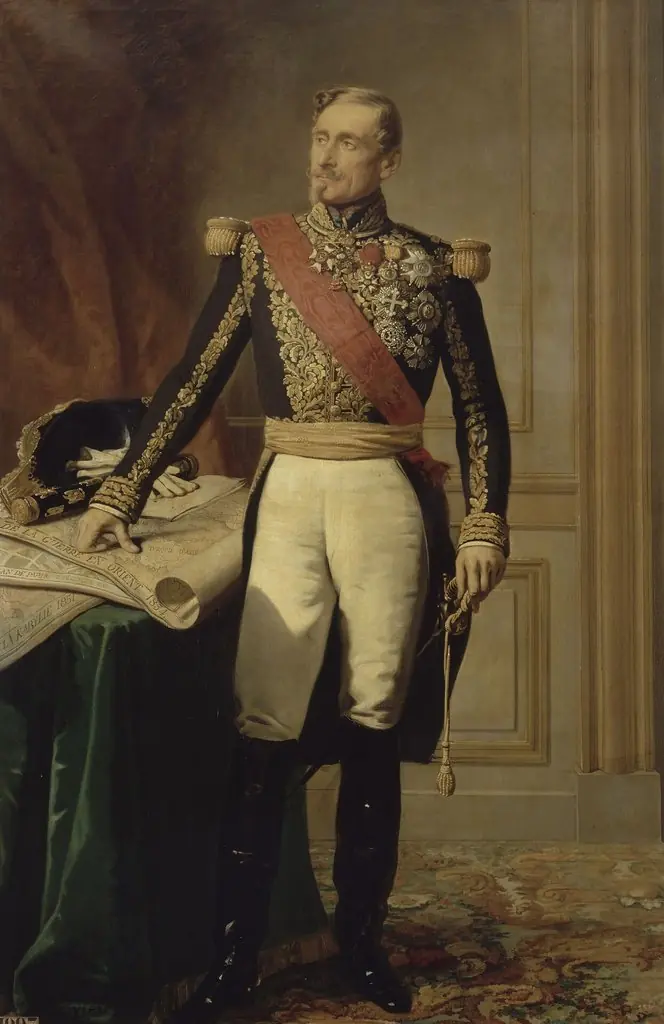 Armand-Jacques Leroy de Saint-Arnaud, Marshal of France
 Pieter Merkus (1787–1844). Gouverneur-generaal (1841–1844)