Artwork
Nicolas-Charles Oudinot, Duke of Reggio, Marshal of France (1767-1847)
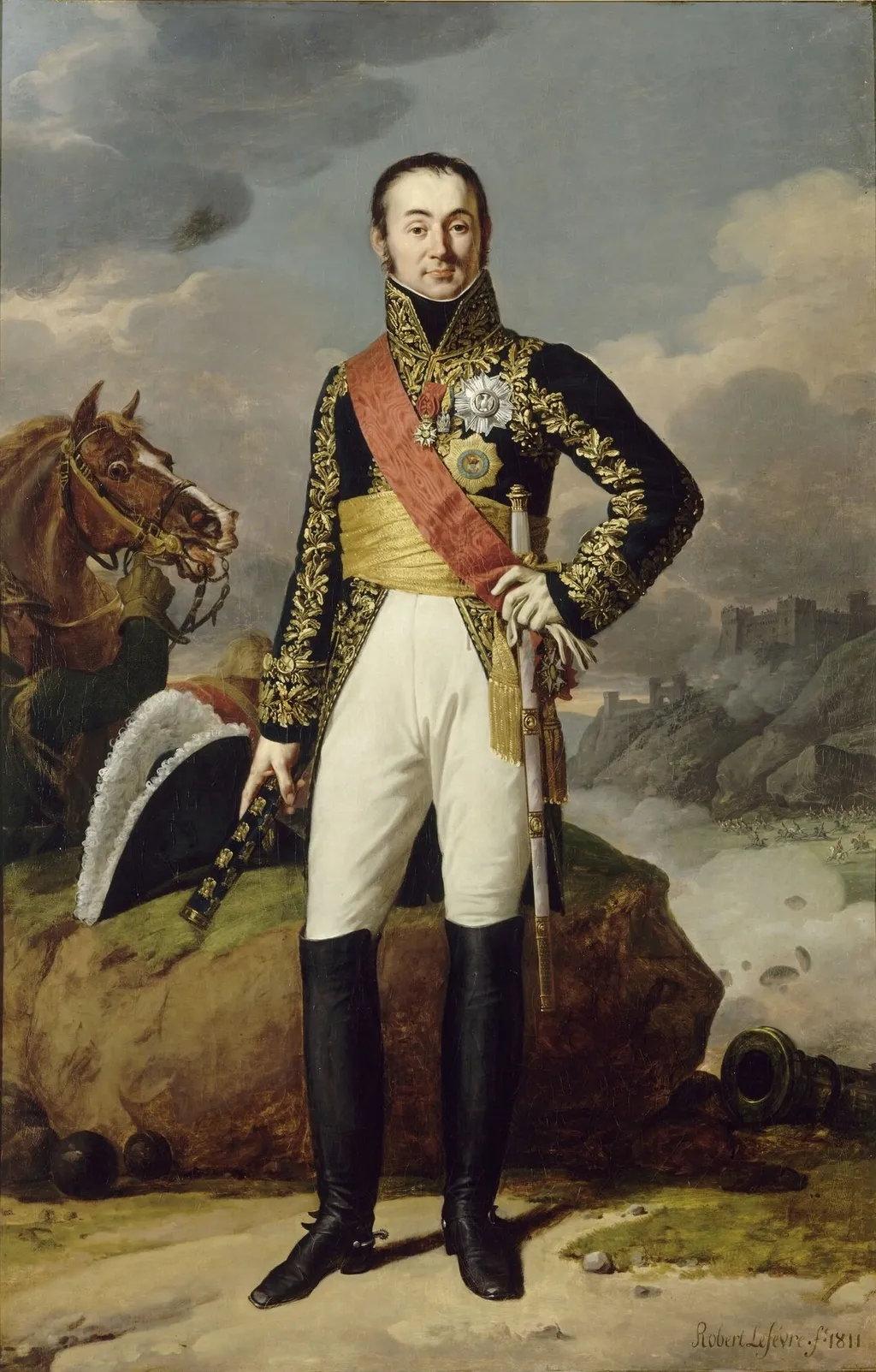
Nicolas-Charles Oudinot, Duke of Reggio, Marshal of France (1767-1847) is an oil painting by Robert Lefèvre. It dates from 1811 and is held in the collection of the Palace of Versailles.
About this work
Overview
The work is part of the Palace of Versailles collection, where it contributes to the imperial visual narrative of the Napoleonic era.
This 1811 oil painting by Robert Lefèvre portrays Nicolas-Charles Oudinot, a distinguished French marshal under Napoleon. The portrait captures Oudinot in full military regalia, standing confidently before a rugged landscape. Its formal composition and restrained palette reflect the neoclassical ideals prevalent in early 19th-century French portraiture. The work is part of the Palace of Versailles collection, where it contributes to the imperial visual narrative of the Napoleonic era.
Subject & Meaning
Oudinot, one of Napoleon’s most trusted commanders, is depicted not in battle but in moments of dignified stillness, emphasizing his rank and composure. His uniform—black coat with gold trim, red sash, and white trousers—signifies his status as a marshal. The sword at his side and the presence of a horse behind him convey authority and readiness, reinforcing his identity as a professional soldier rather than a romanticized hero.
Technique & Style
Lefèvre employs a controlled, linear approach reminiscent of Jacques-Louis David’s neoclassicism: clean contours, muted tones, and balanced symmetry dominate the composition. The texture of fabric is rendered with precision, while the background’s rocky terrain and distant castle are softly modeled to avoid distraction. The lighting is even and directional, enhancing the figure’s solidity without theatricality, aligning with the era’s preference for sober grandeur.
History & Provenance
Commissioned during the height of the Napoleonic Empire, the portrait was likely intended to affirm Oudinot’s loyalty and prestige. It entered the Palace of Versailles collection in the 19th century, where it was integrated into the broader project of documenting imperial leadership. Its preservation reflects the continued institutional interest in military figures who served the French state during a transformative period.
Context
In the early 1800s, French portraiture increasingly served state interests, glorifying military leaders as symbols of national strength. Lefèvre’s work fits within this trend, aligning with official aesthetics that favored clarity, order, and restraint over emotional expression. The inclusion of a horse and landscape echoes classical traditions of equestrian portraiture, linking contemporary figures to historical ideals of leadership.
Legacy
The portrait remains a representative example of Napoleonic-era military imagery, valued for its historical accuracy and stylistic discipline. While not widely exhibited outside Versailles, it continues to inform scholarly understanding of how authority was visually constructed during the empire. Lefèvre’s restrained approach stands in contrast to later Romantic depictions, preserving a quieter, more institutional vision of heroism.
Own this work as a print
Artist & collection
Artist
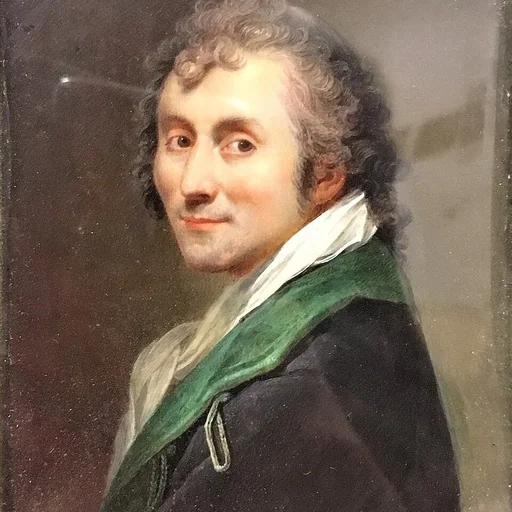
Robert Jacques François Faust Lefèvre (French pronunciation: , 24 September 1755, in Bayeux – 3 October 1830, in Paris) was a French painter of portraits, history paintings and religious paintings.

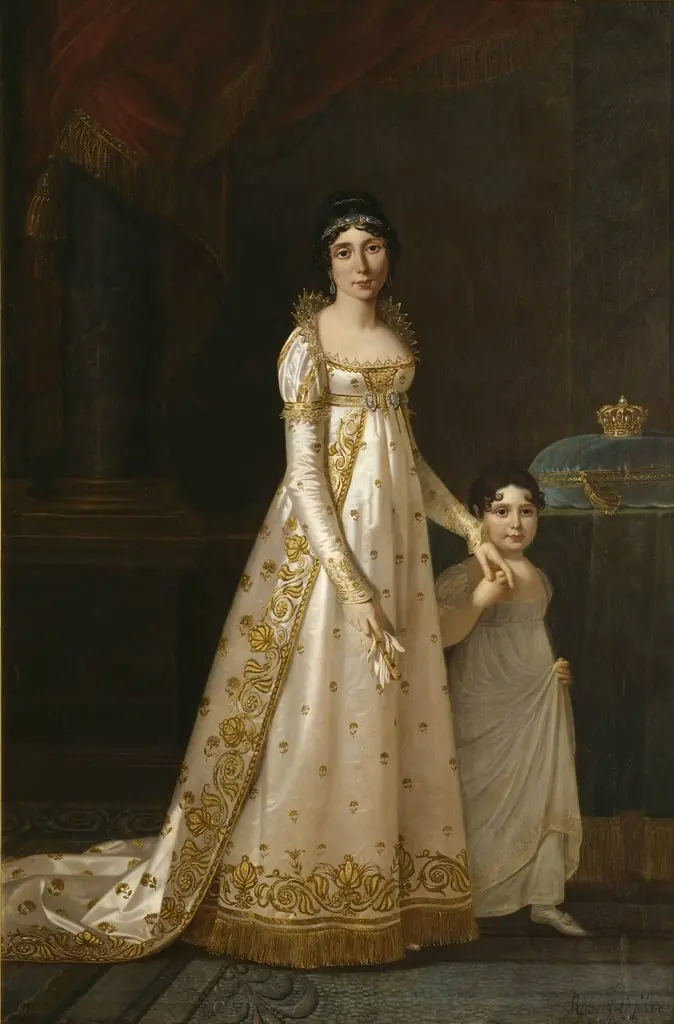 Marie-Julie Clary, Queen of Naples (1777-1845)
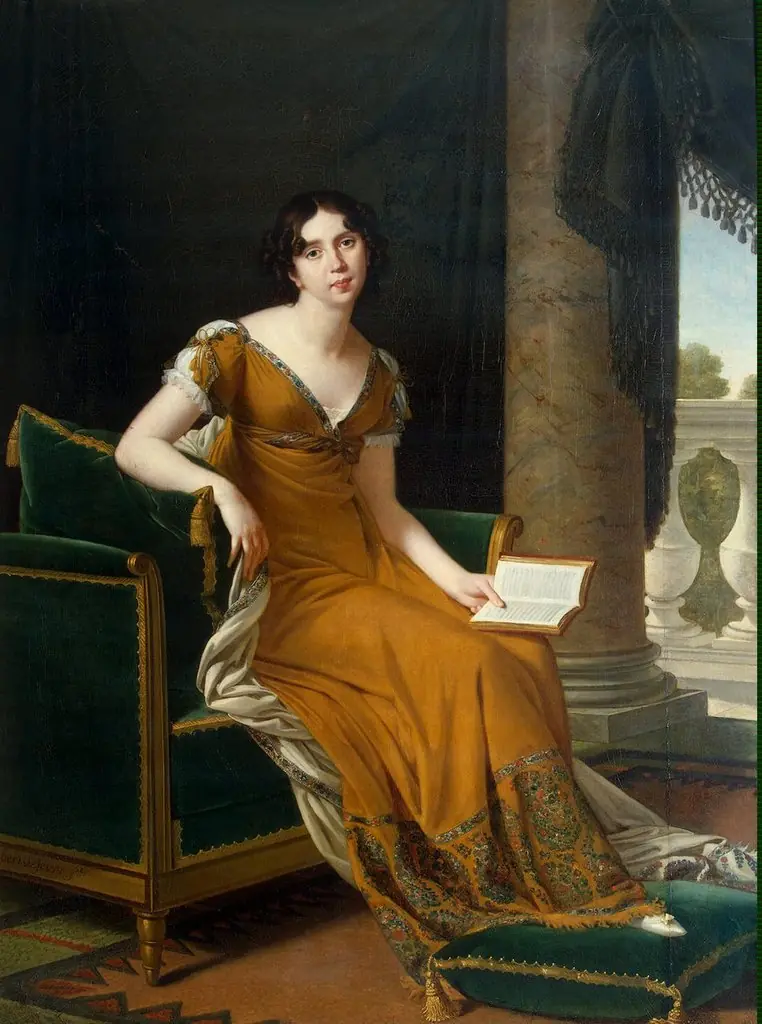 Portrait of Elisabeth Demidova
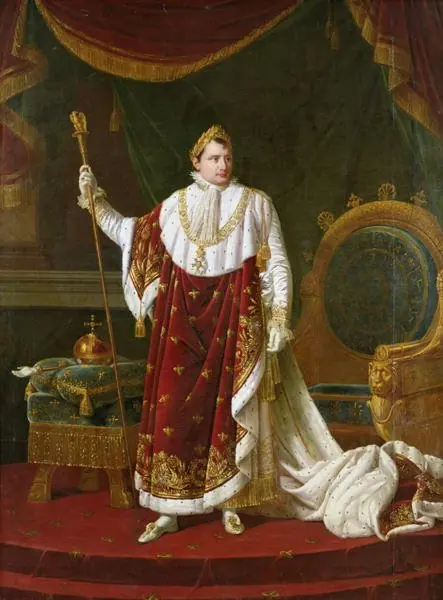 Napoleon I, Emperor of the French
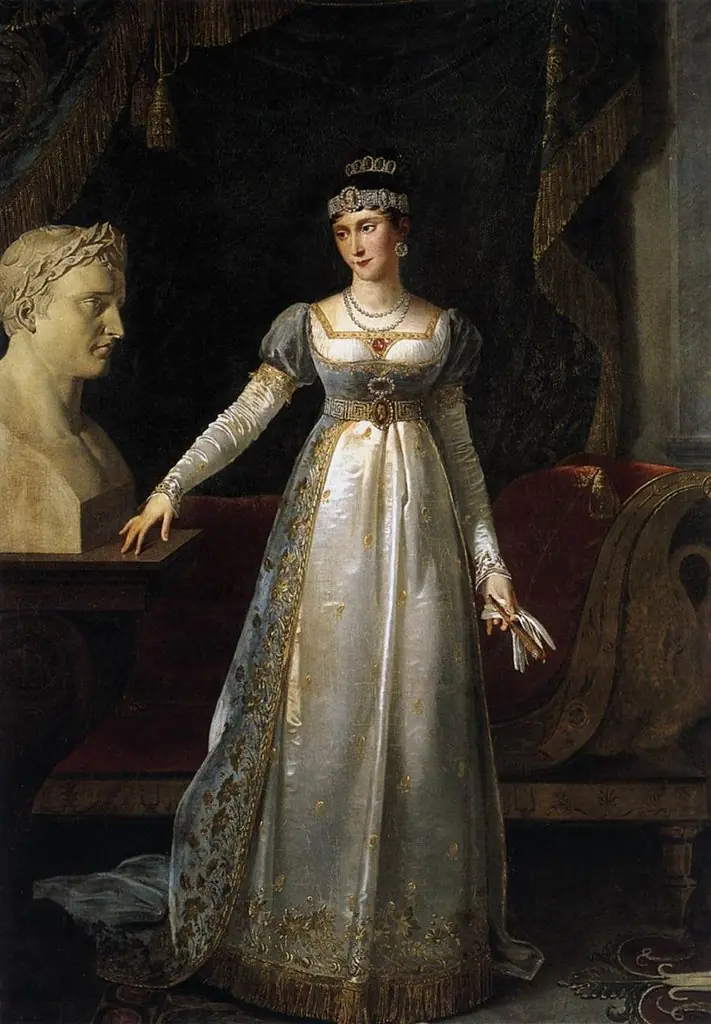 Pauline Bonaparte, Duchess of Guastalla, Princess Borghese
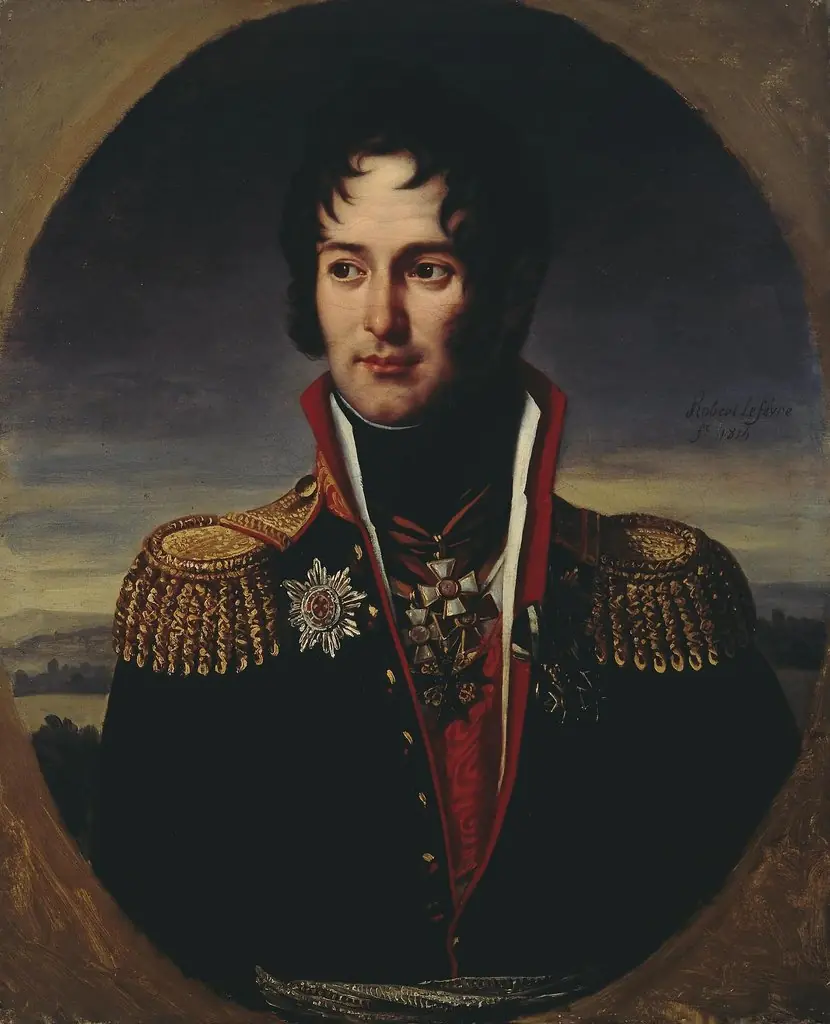 Portrait of General Piotr Chicherin
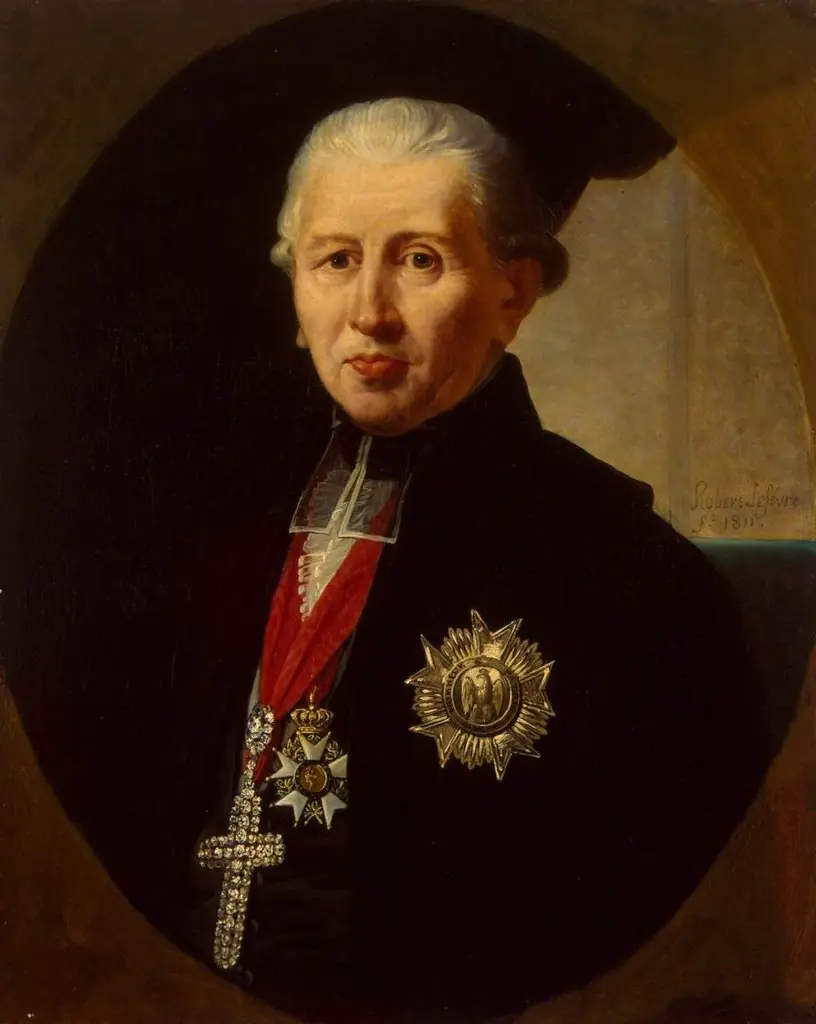 Portrait of Karl Theodor von Dalberg
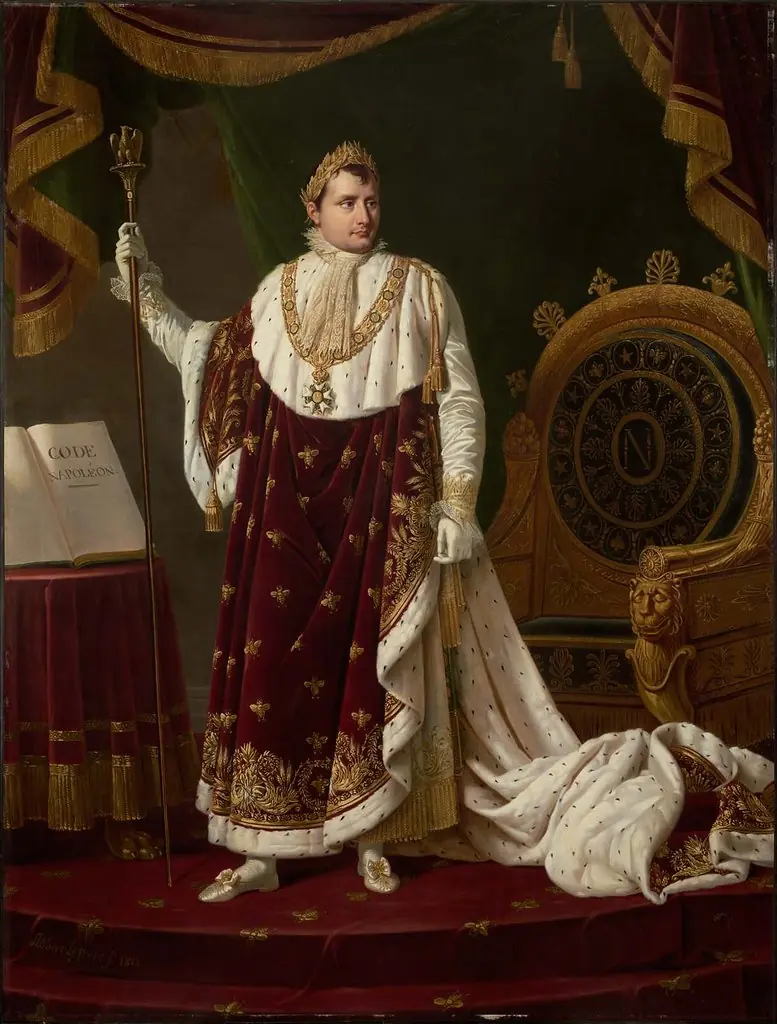 Portrait of Napoleon I in His Coronation Robes
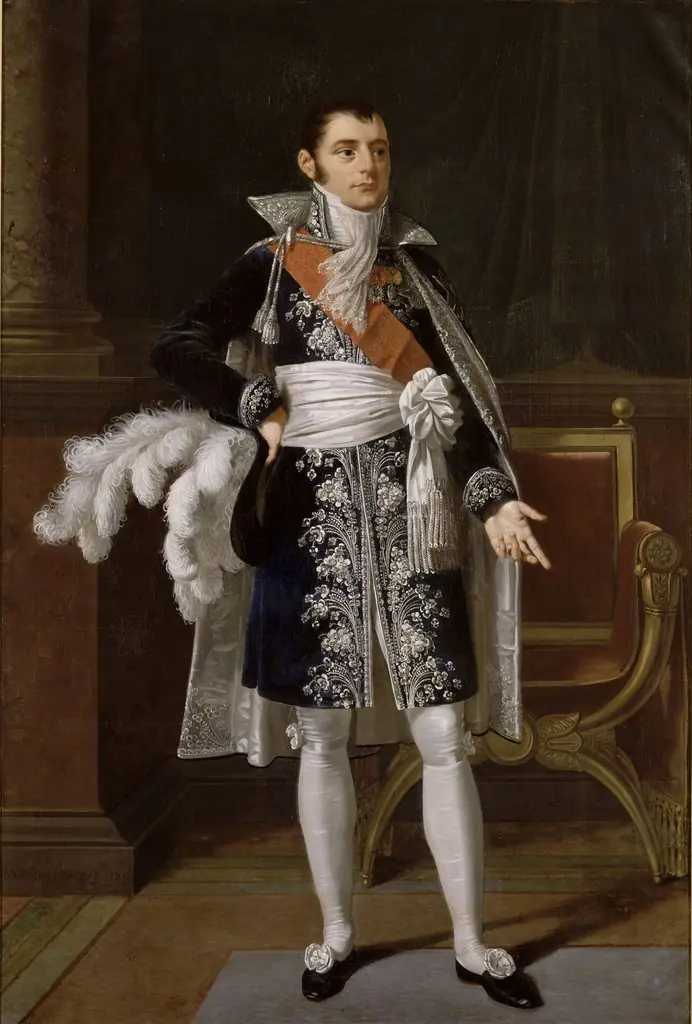 Portrait of Anne-Jean-Marie-René Savary, Duke of Rovigo (1774-1833)
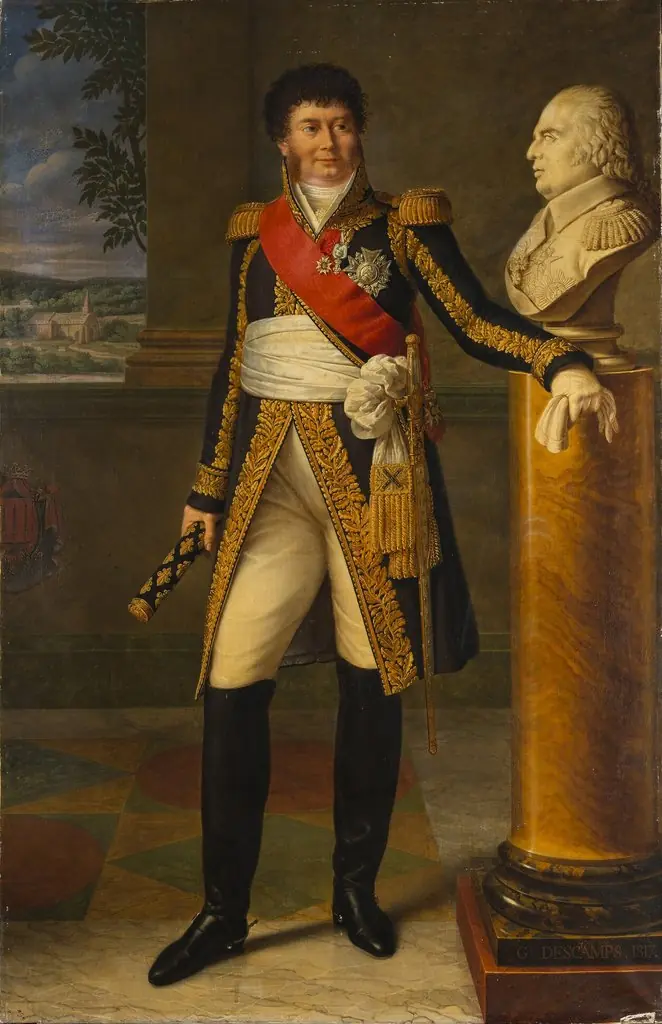 Henri-Jacques-Guillaume Clarke, Count of Hunebourg, Duke of Feltre, Marshal of France (1765-1818)
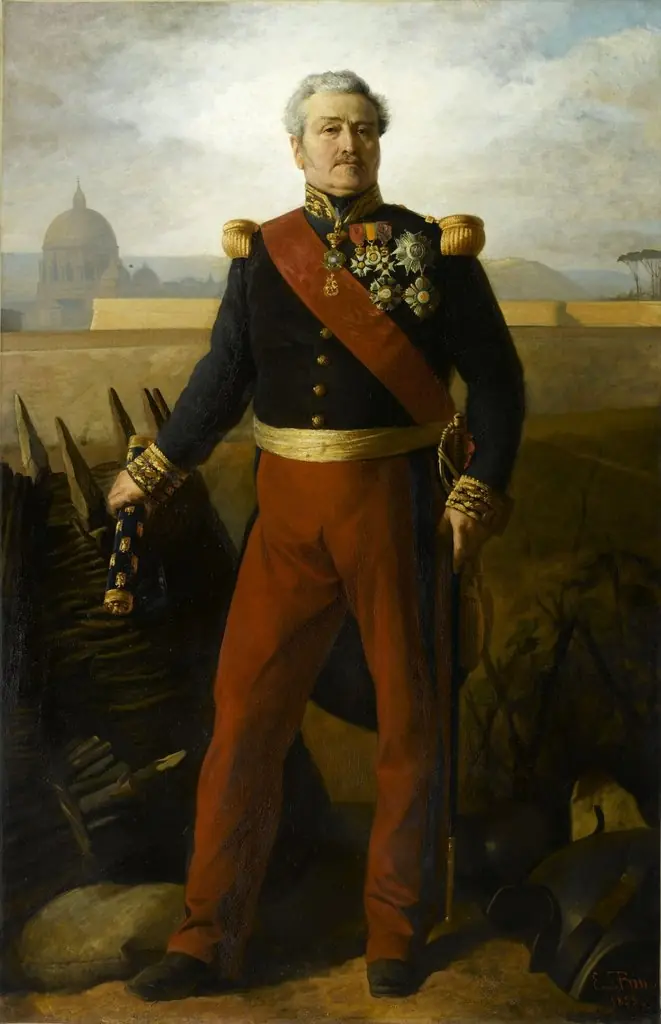 Jean-Baptiste-Philibert Vaillant, Marshal of France
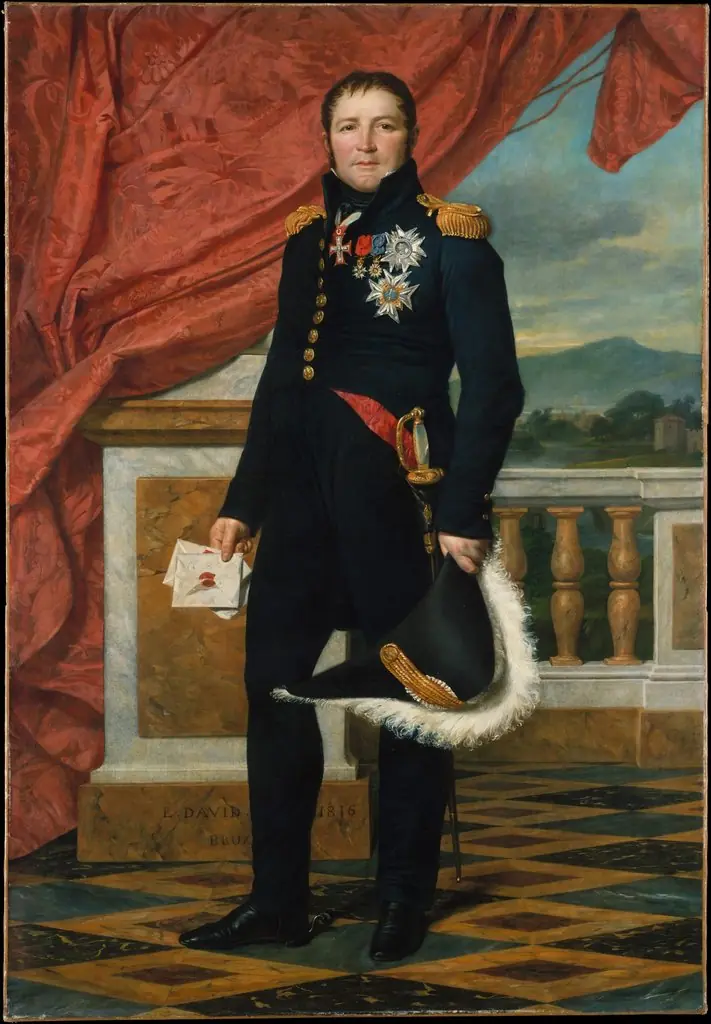 General Étienne-Maurice Gérard (1773–1852), Marshal of France
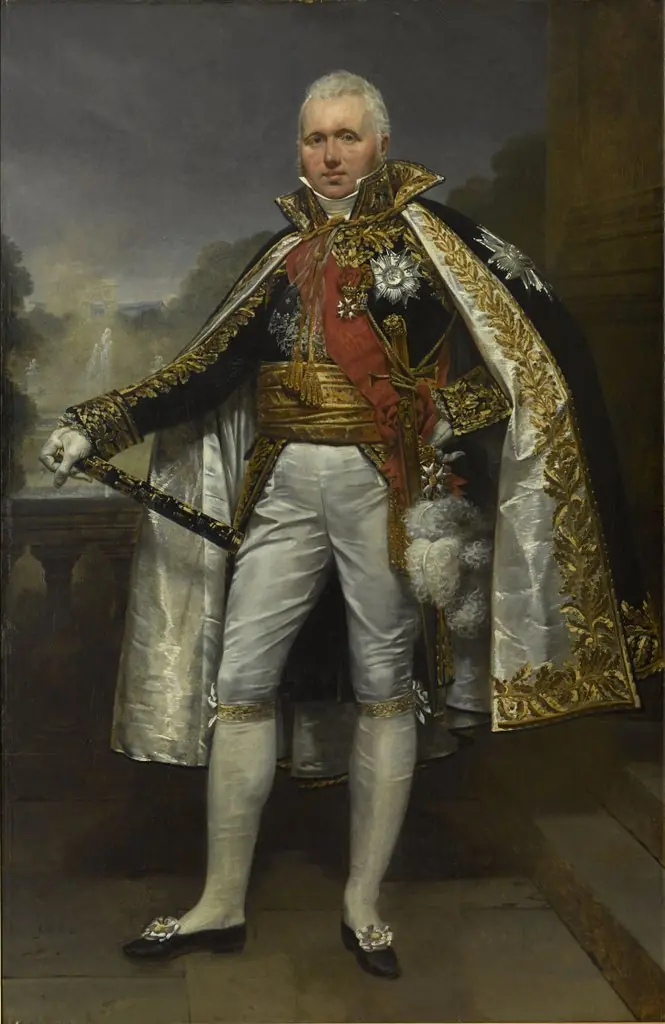 Claude-Victor Perrin, Duke of Bellune, Marshal of France
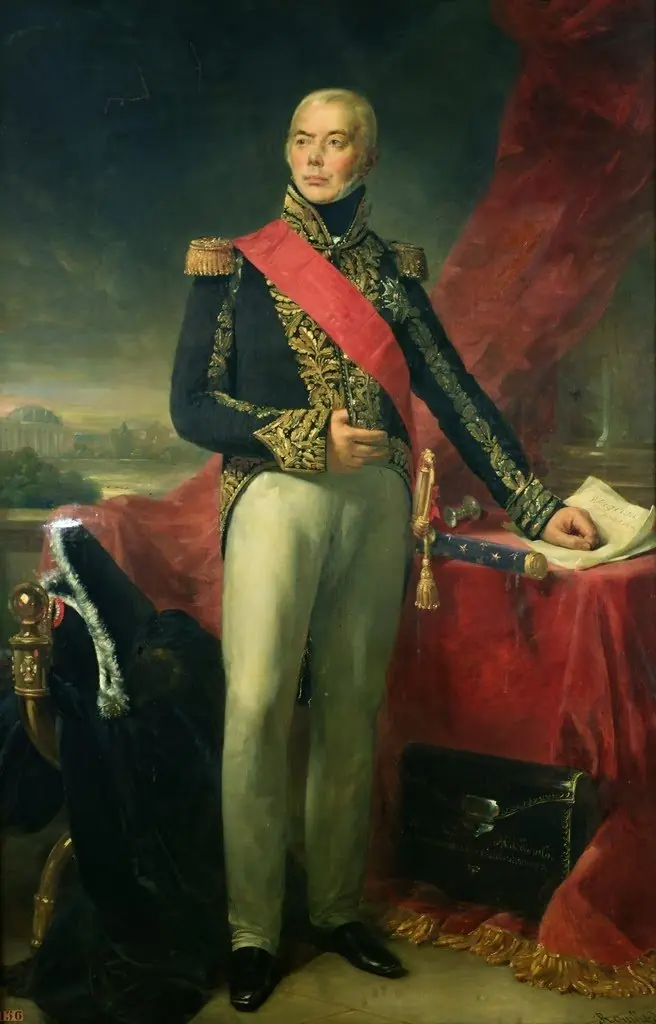 Etienne-Joseph-Jacques-Alexandre MacDonald, Duke of Taranto, Marshal of France (1765-1840)
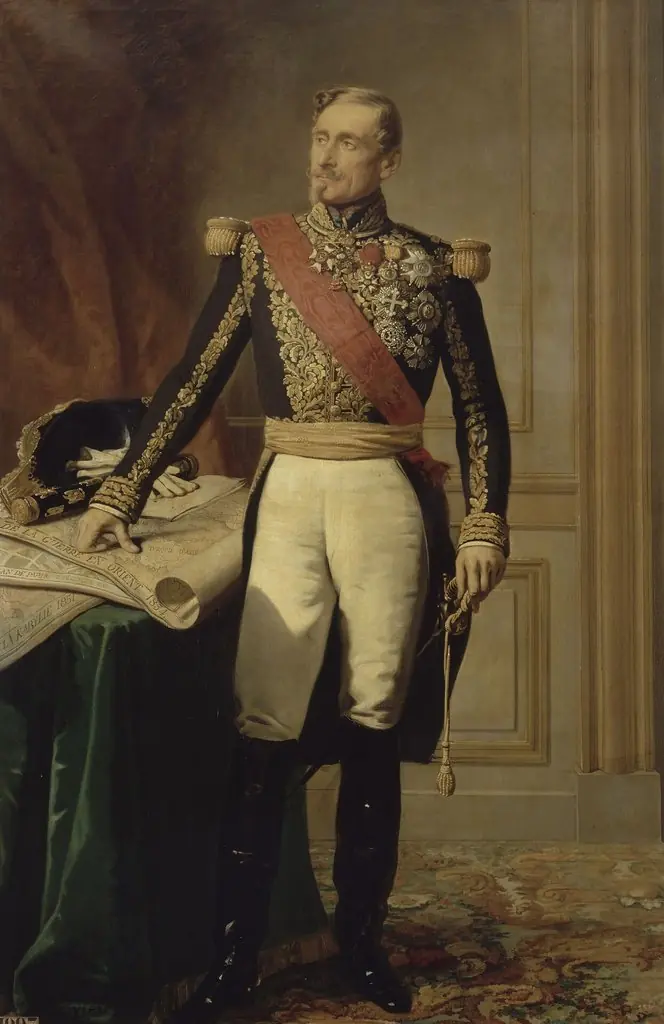 Armand-Jacques Leroy de Saint-Arnaud, Marshal of France
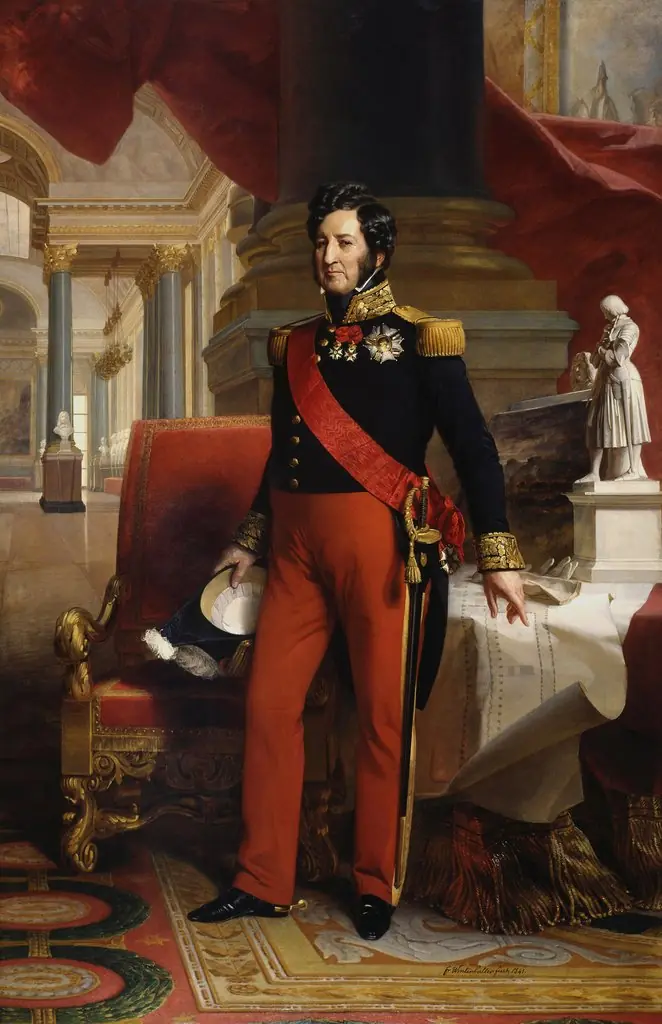 Louis-Philippe I, King of the French (1773–1850)
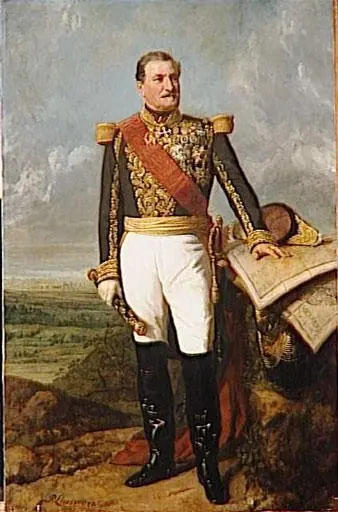 Elie-Frédéric Forey, Marshal
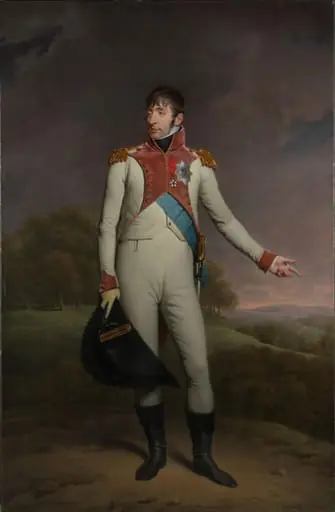 Portrait of Louis Napoleon, King of Holland