Artwork
The Virgin and Child with Angels and a Dominican Saint (centre); St Peter (left); St Paul (right)
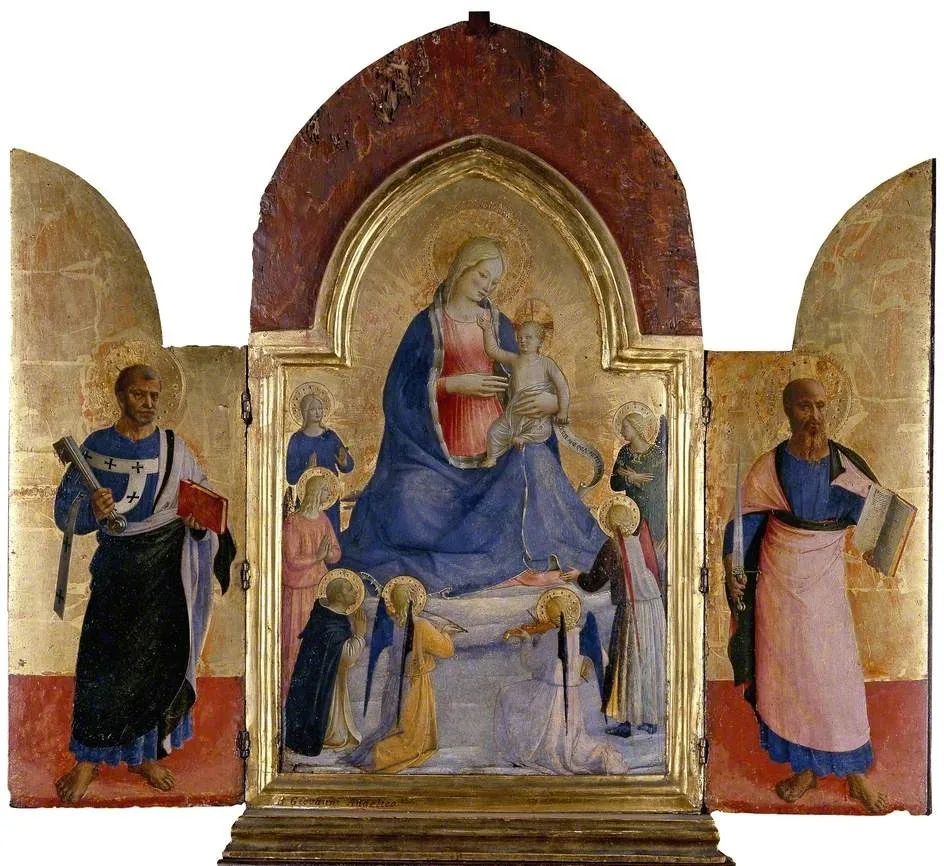
The Virgin and Child with Angels and a Dominican Saint (centre); St Peter (left); St Paul (right) is an unspecified painting by the Early Renaissance artist Fra Angelico. It is held in the collection of the Ashmolean Museum.
About this work
Overview
This triptych painting, attributed to Fra Angelico, was produced in the mid-15th century as part of a devotional ensemble.
This triptych painting, attributed to Fra Angelico, was produced in the mid-15th century as part of a devotional ensemble. It presents a sacred hierarchy centered on the Virgin and Child, flanked by two apostles and attended by angels. The work reflects the liturgical needs of Dominican religious life and aligns with the quiet solemnity characteristic of Fra Angelico’s output during his time at San Marco in Florence.
Subject & Meaning
The central panel portrays the Virgin Mary with the Christ Child, surrounded by angels, symbolizing divine presence and intercession. To the left, St. Peter holds the keys of heaven, representing ecclesiastical authority; to the right, St. Paul, with his sword and book, signifies theological wisdom. The inclusion of a Dominican saint underscores the order’s spiritual mission, reinforcing the painting’s function as an object of contemplation and devotion within a monastic setting.
Technique & Style
Fra Angelico employed tempera on panel with delicate brushwork and luminous pigments, particularly in the Virgin’s blue mantle and the gold-leaf background. The figures are arranged with serene symmetry, their forms softly modeled to suggest volume without heavy chiaroscuro. The flat, decorative space and restrained gestures reflect early Renaissance ideals, blending Gothic elegance with emerging naturalism in facial expression and drapery.
History & Provenance
Created during Fra Angelico’s tenure at the Dominican convent of San Marco, the painting likely served as an altarpiece or devotional panel for the community. It was produced under the patronage of Cosimo de’ Medici, whose support enabled the convent’s artistic embellishment. The work remained within Dominican circles for centuries, its original context tied to prayer and communal worship rather than public display.
Context
In mid-15th century Florence, religious art was deeply intertwined with monastic reform and humanist piety. Fra Angelico’s imagery, though traditional in iconography, conveyed spiritual clarity through simplicity and harmony. The triptych format was common in convents, allowing focused meditation. The use of color—blue for Mary, red and gold for divinity—followed symbolic conventions rooted in medieval theology, adapted to Renaissance sensibilities.
Legacy
Fra Angelico’s work influenced later Renaissance painters through its integration of devotional intensity with refined technique. Though not widely exhibited in his lifetime, his paintings became touchstones for artists seeking spiritual authenticity in religious imagery. The triptych exemplifies how monastic communities shaped artistic production, preserving a quiet, contemplative mode of sacred art amid Florence’s growing secularism.
Artist & collection
Artist
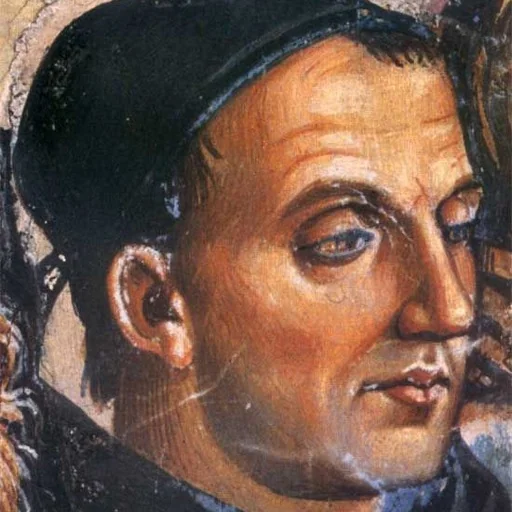
Fra Giovanni da Fiesole (born Guido di Pietro; c. 1395 – 18 February 1455), known posthumously as Fra Angelico ( FRAH an-JEL-ik-oh, Italian: ), was an Italian Dominican friar and painter active during the early…

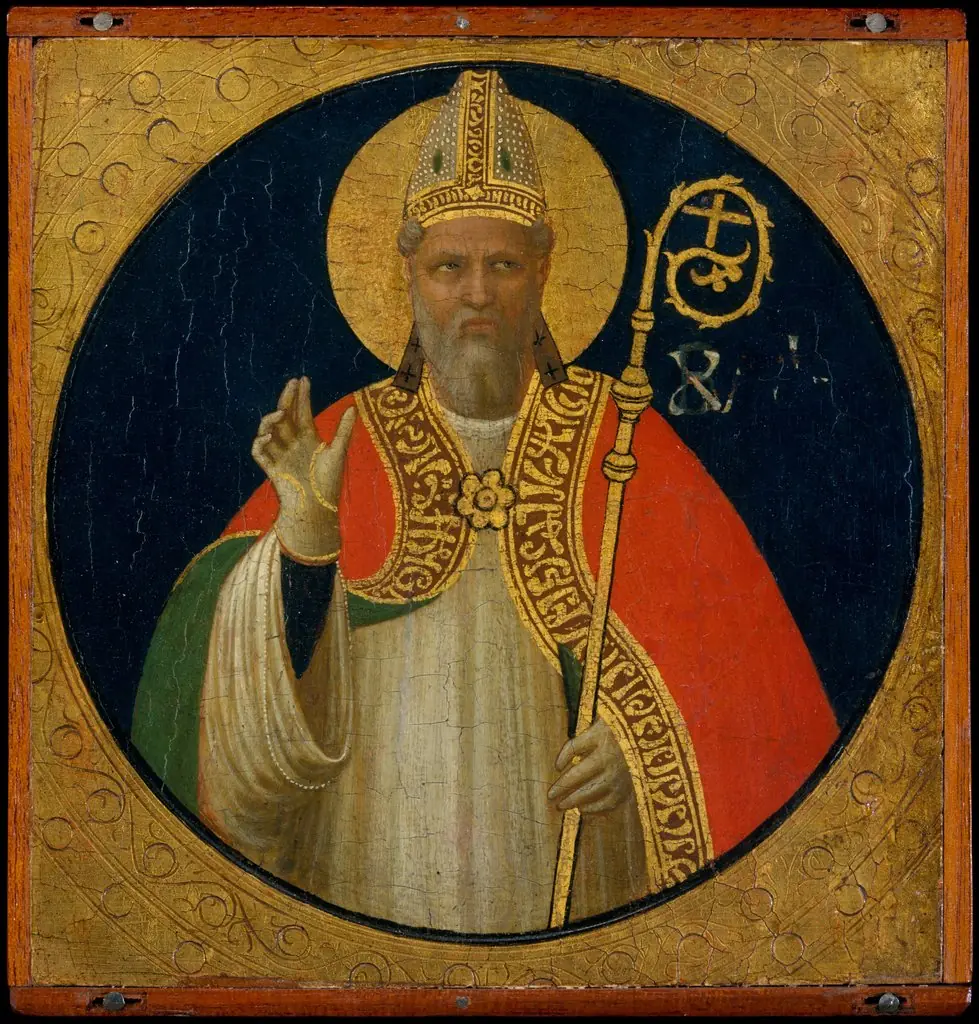
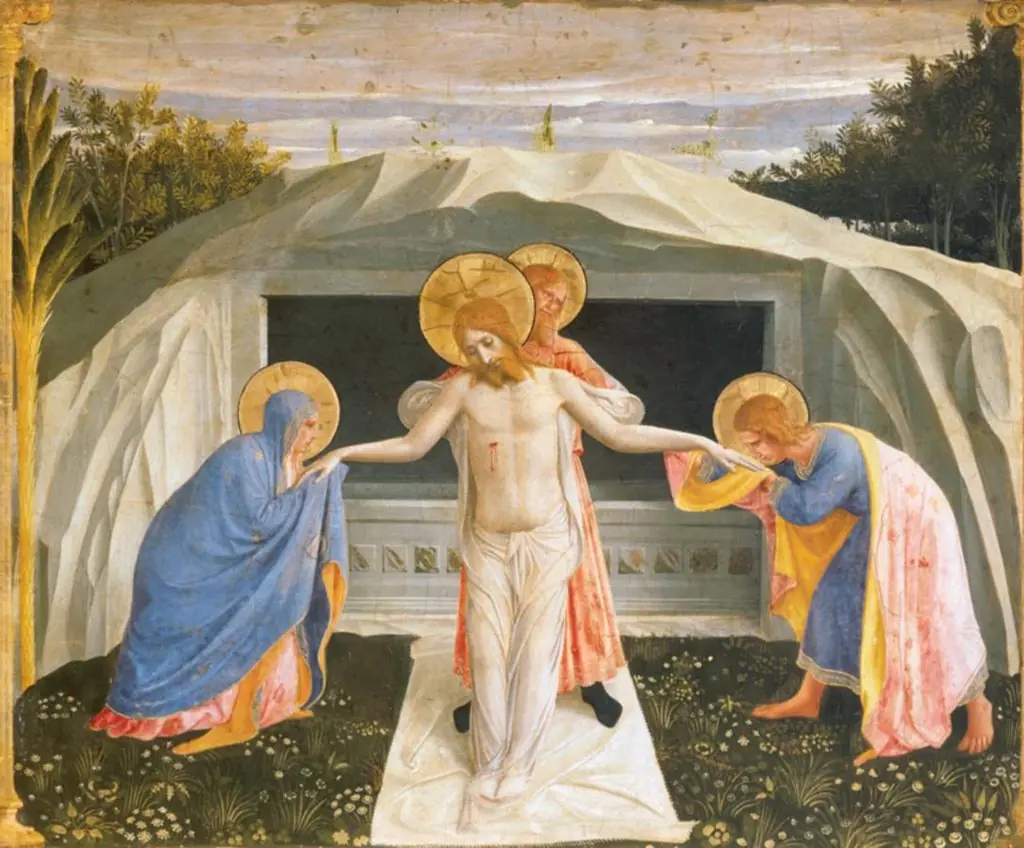
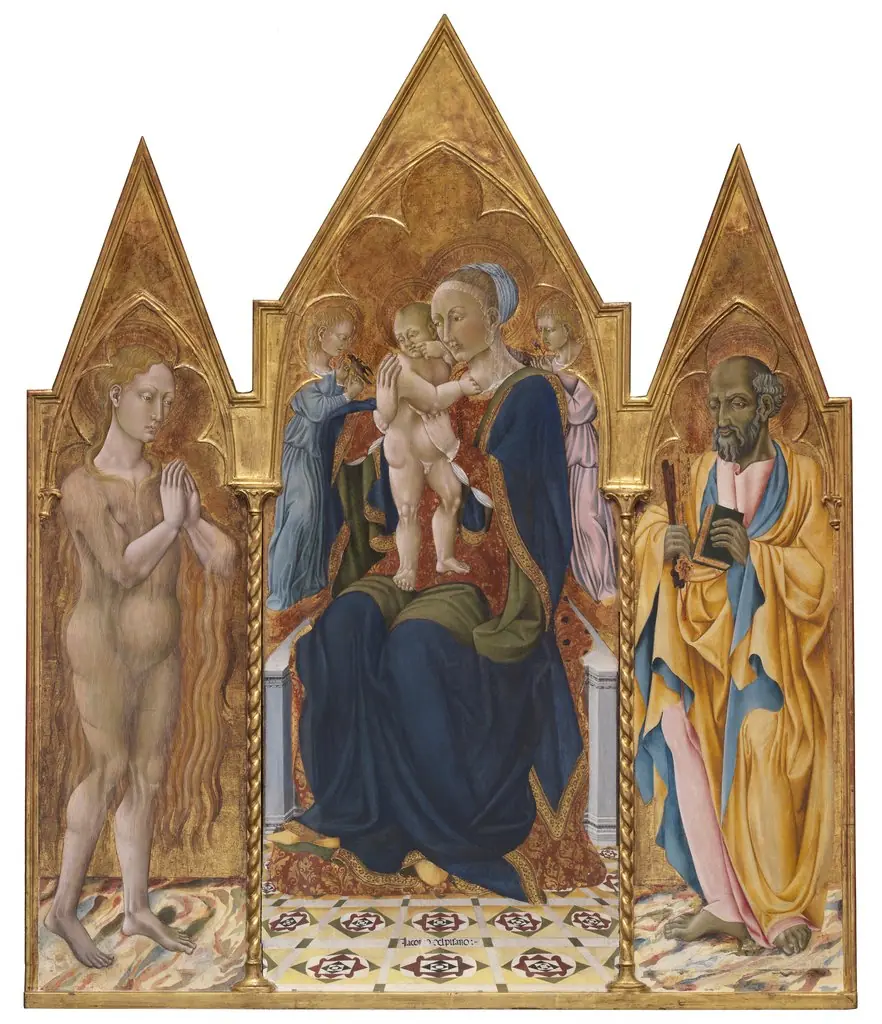 The Virgin and Child with Saints Peter and Mary Magdalene
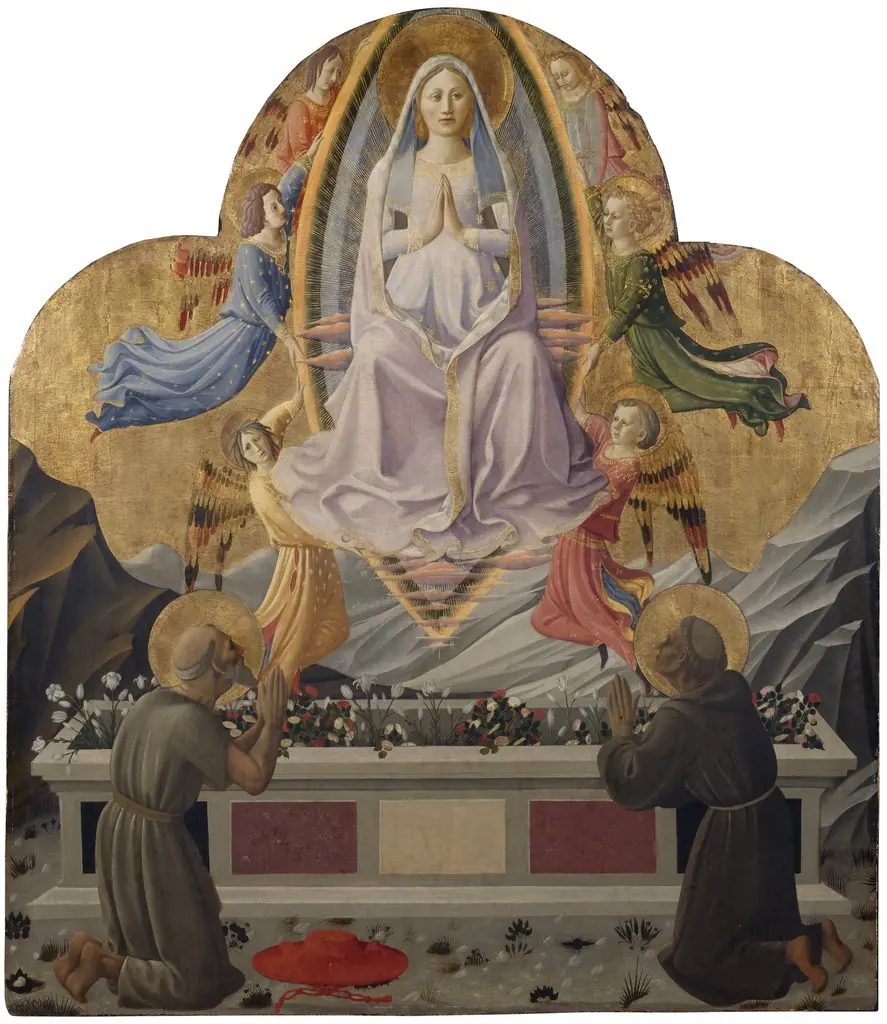 The Assumption of the Virgin with Saints Jerome and Francis
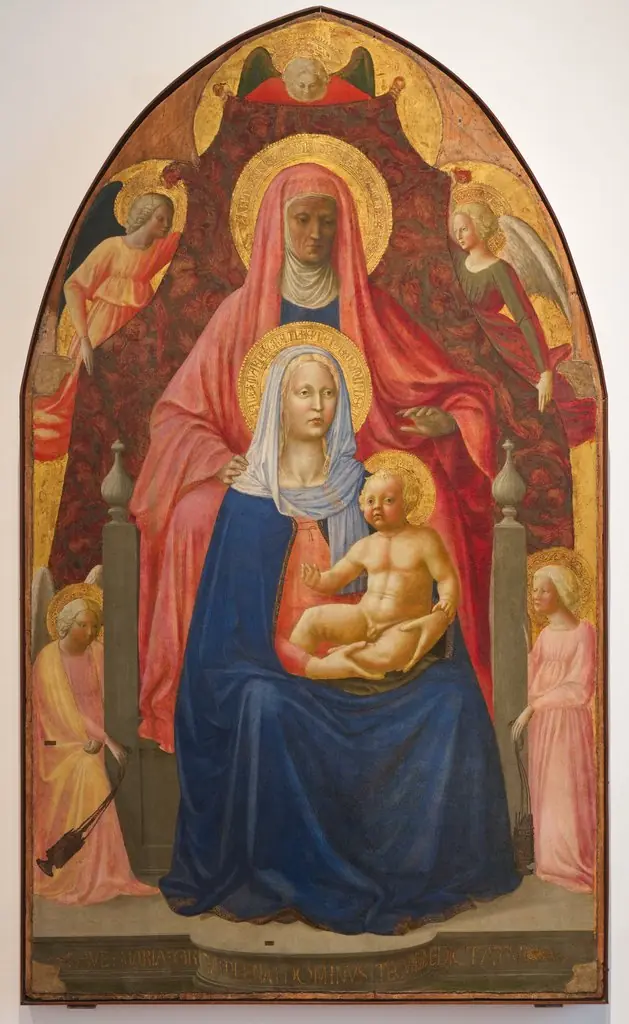 Virgin and Child with Saint Anne
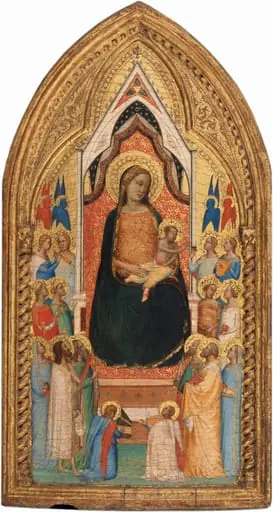 Madonna and Child with Saints and Angels
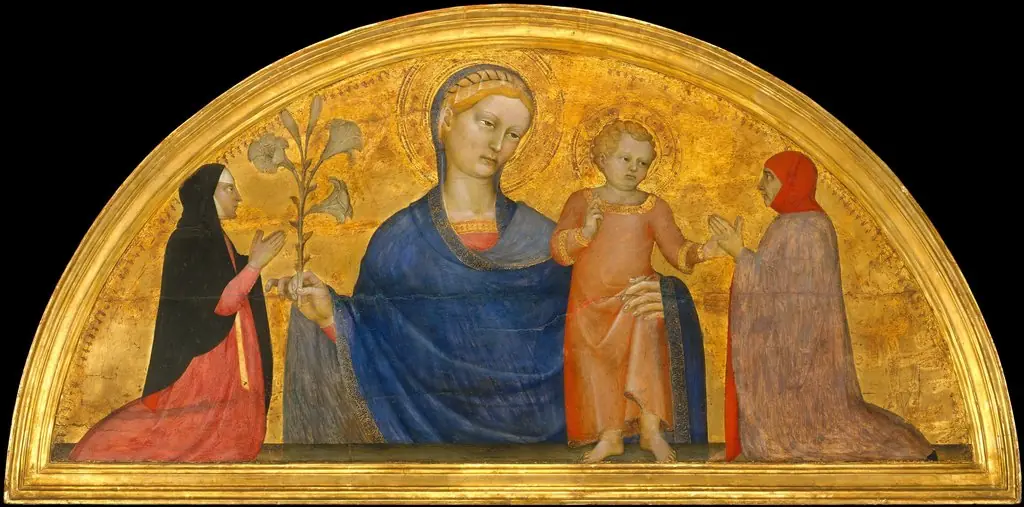 Madonna and Child with Donors
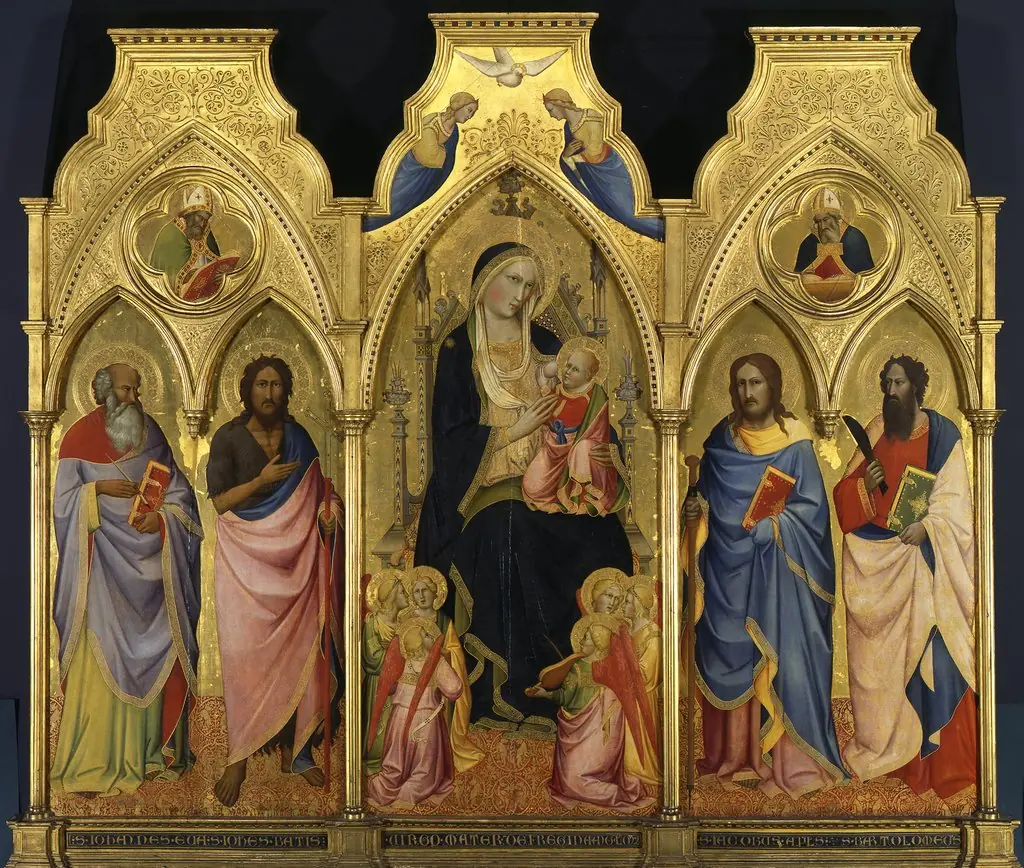 Triptych
![Madonna and Child with the Blessing Christ, and Saints Mary Magdalene and Catherine of Alexandria with Angels [entire triptych], by Pietro Lorenzetti](https://artifactworldgallery.com/img/pietro-lorenzetti--madonna-and-child-with-the-blessing-christ-and-saints-mary-m--f78e415f61769b64-w320.webp) Madonna and Child with the Blessing Christ, and Saints Mary Magdalene and Catherine of Alexandria with Angels [entire triptych]
Madonna and Child with the Blessing Christ, and Saints Mary Magdalene and Catherine of Alexandria with Angels [entire triptych]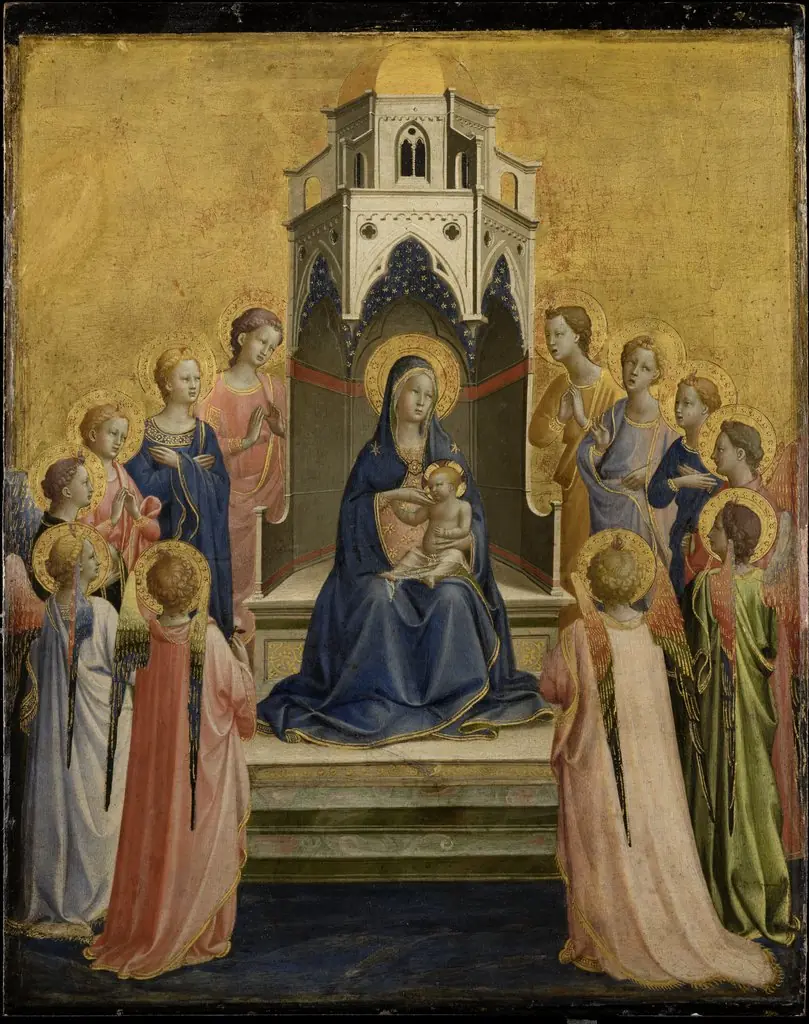 Madonna and Child Enthroned and Twelve Angels
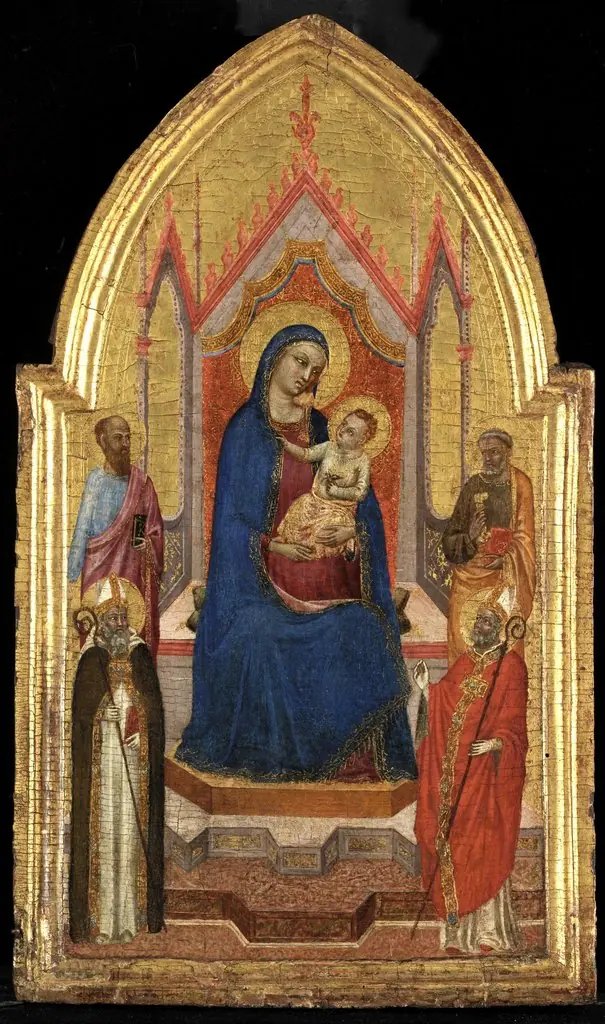 Madonna and Child Enthroned with Four Saints
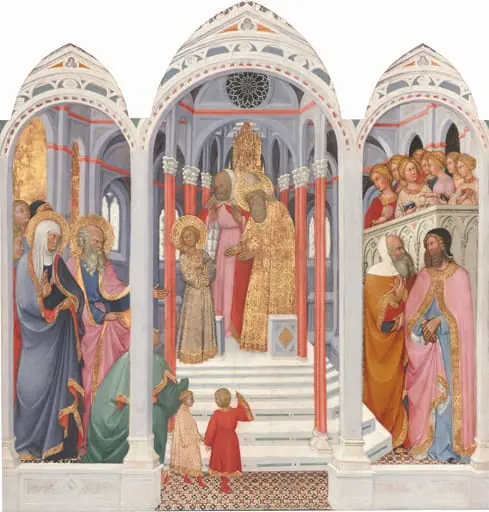 The Presentation of the Virgin in the Temple