Artwork
Portrait of Mademoiselle Marie-Anne Adelaide Le Normand
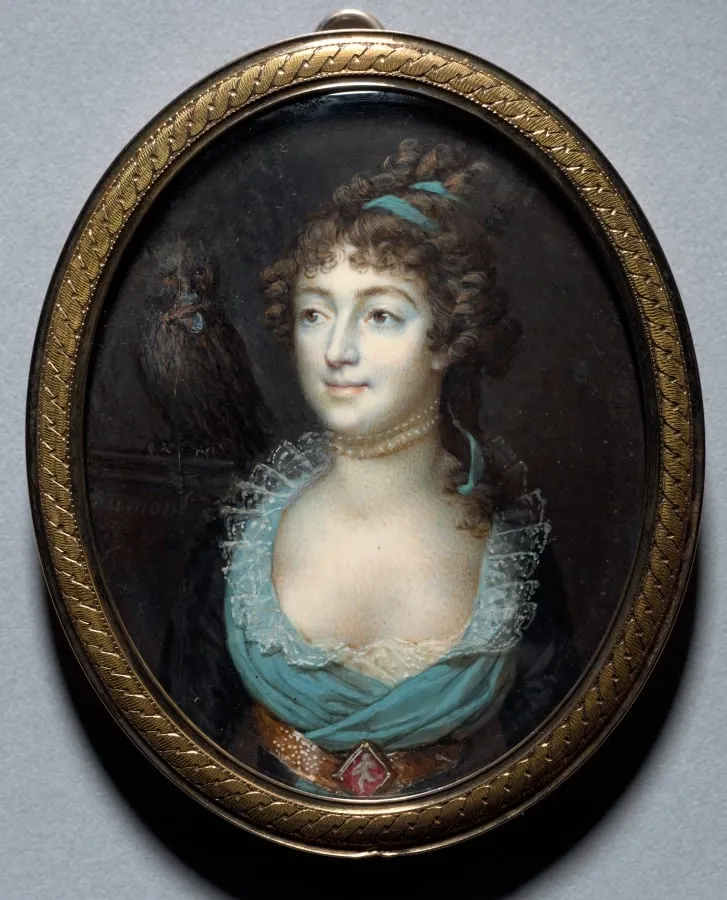
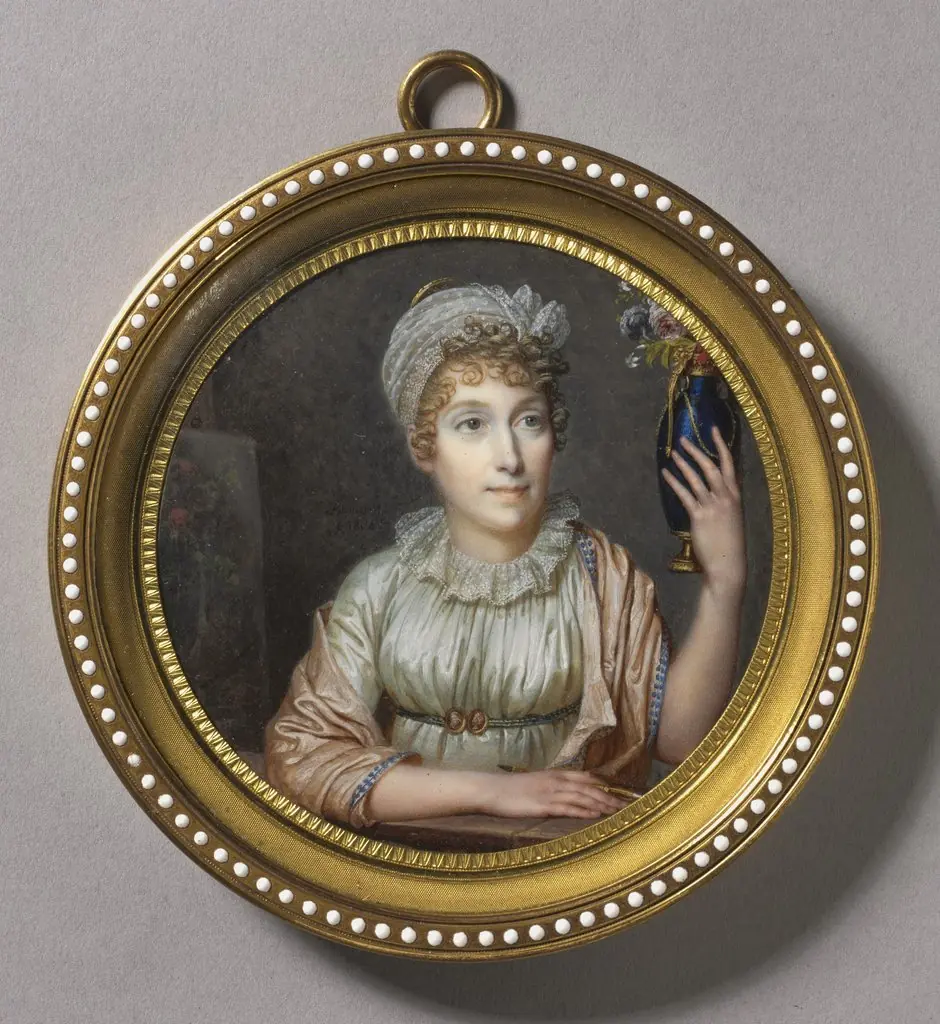
Portrait of Mademoiselle Marie-Anne Adelaide Le Normand is an unspecified portrait miniature by the Neoclassicist artist François Dumont. It dates from 1793 and is held in the collection of the Cleveland Museum of Art.
About this work
Overview
Painted in the late 18th or early 19th century, it captures her in a moment of quiet composure, seated at a table with an open book and a glowing crystal ball.
This miniature portrait depicts Marie-Anne Adelaide Le Normand, a Parisian fortune teller active during the French Revolution and Napoleonic era. Painted in the late 18th or early 19th century, it captures her in a moment of quiet composure, seated at a table with an open book and a glowing crystal ball. The intimate scale and detailed rendering reflect the tradition of portrait miniatures, often commissioned by private patrons seeking personal mementos of influential figures.
Subject & Meaning
Le Normand was renowned for her predictions to elite clients, including Napoleon and Josephine, despite the illegality of her practice. The portrait emphasizes her calm authority rather than theatrical mysticism. The open book and crystal ball suggest intellectual and supernatural knowledge, while the small dog at her side implies loyalty and domesticity. Her expression conveys certainty, reinforcing her reputation as a seer who navigated turbulent times with unshakable poise.
Technique & Style
Executed in watercolor on ivory, the miniature employs fine brushwork and subtle tonal transitions to model the face and fabric. Light falls selectively, creating chiaroscuro effects that highlight her features and the faint glow of the crystal ball. The dark dress contrasts with the soft illumination, drawing focus to her hands and the objects on the table. The composition is restrained, avoiding overt symbolism in favor of psychological presence.
History & Provenance
The portrait likely originated from a private commission, possibly by a client who valued her counsel. Its survival suggests it was preserved within a family or collector’s circle, though its exact provenance remains undocumented. It predates the publication of the Blue Owl tarot deck by Grimaud, which was marketed after her death using her name and reputation. The image may have circulated among her patrons as a token of her influence.
Context
During the Revolution and its aftermath, fortune telling thrived as a clandestine practice among all social classes, offering reassurance amid political instability. Le Normand’s clientele included aristocrats, revolutionaries, and later imperial figures, demonstrating her ability to adapt to shifting regimes. Her success reflected broader societal anxieties and the persistence of esoteric belief systems even amid Enlightenment rationalism.
Legacy
Though her written predictions and tarot deck gained posthumous fame, this portrait preserves her image as a figure of quiet influence rather than spectacle. Unlike later romanticized depictions, it presents her as a composed woman of substance, not a mystic performer. The miniature endures as a tangible link to a woman who navigated revolution and empire through intellect, discretion, and an uncanny grasp of public sentiment.
Artist & collection
Artist
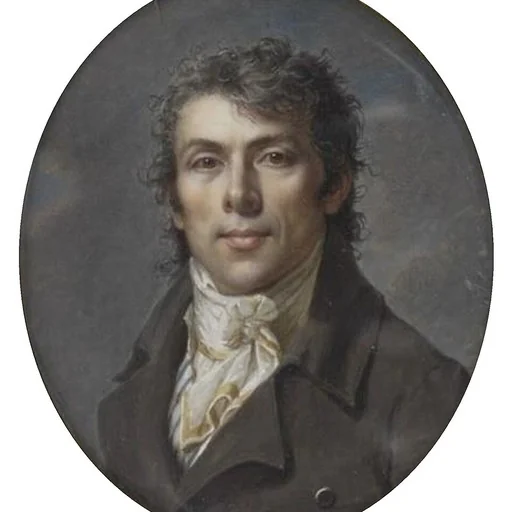
François Dumont (French pronunciation: ; 7 January 1751 – 27 August 1831) was a French painter of portrait miniatures.

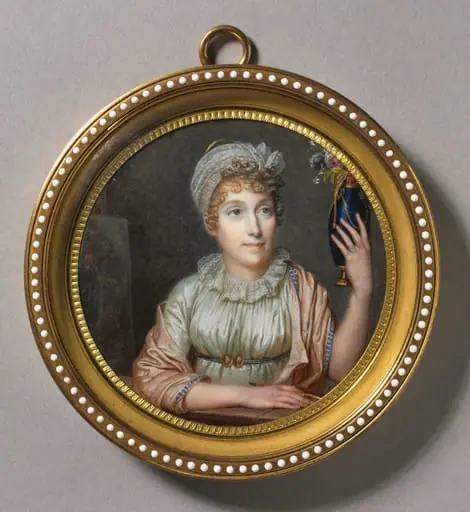
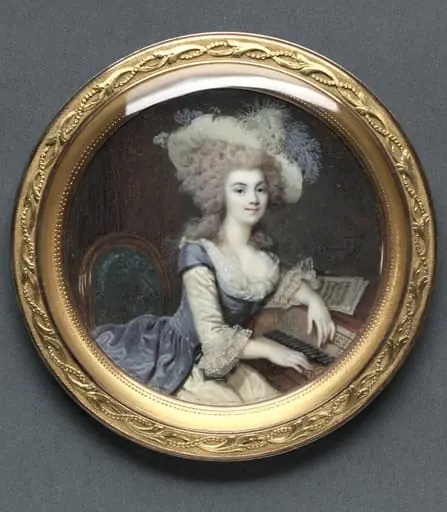
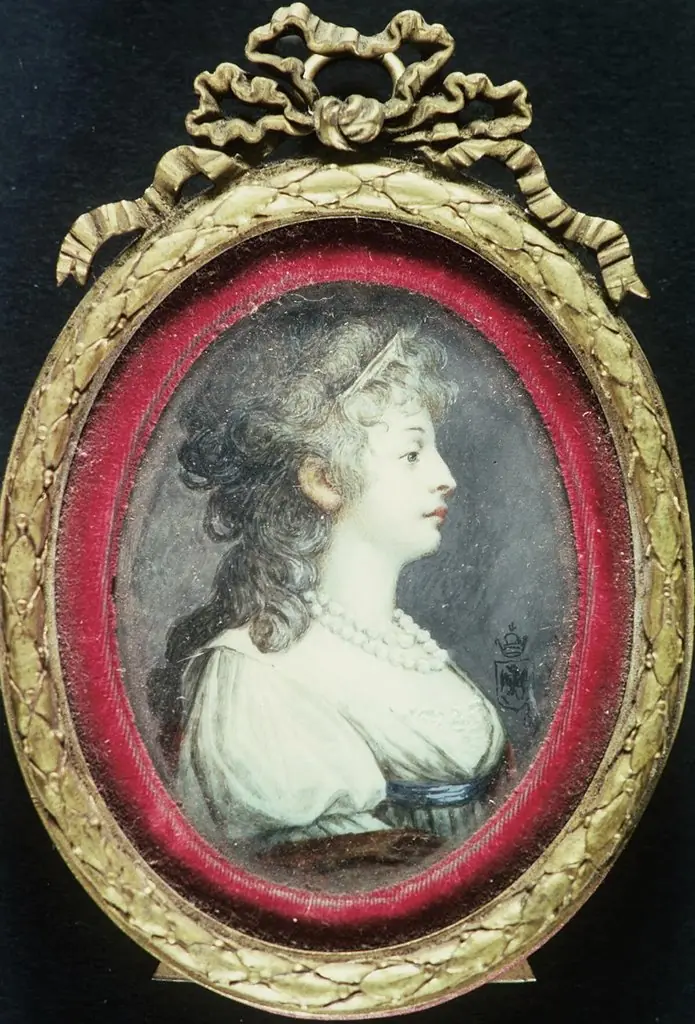 Portrait of lady in pale green dress
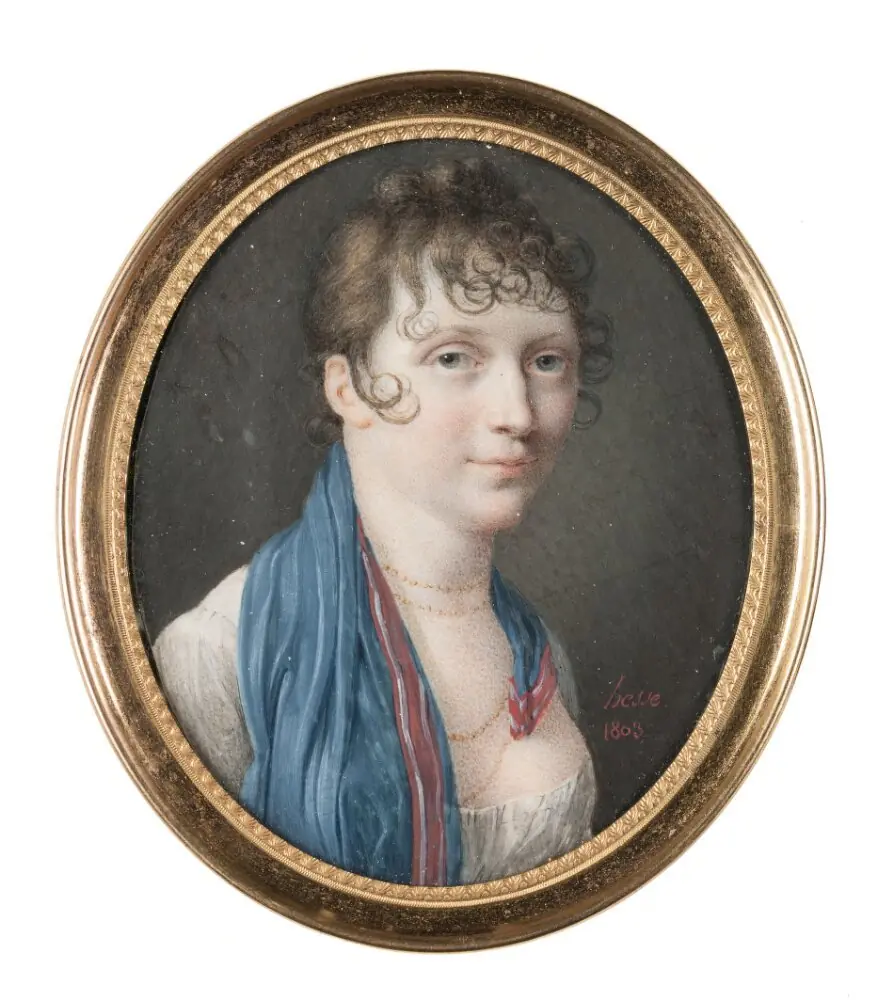 Unknown woman
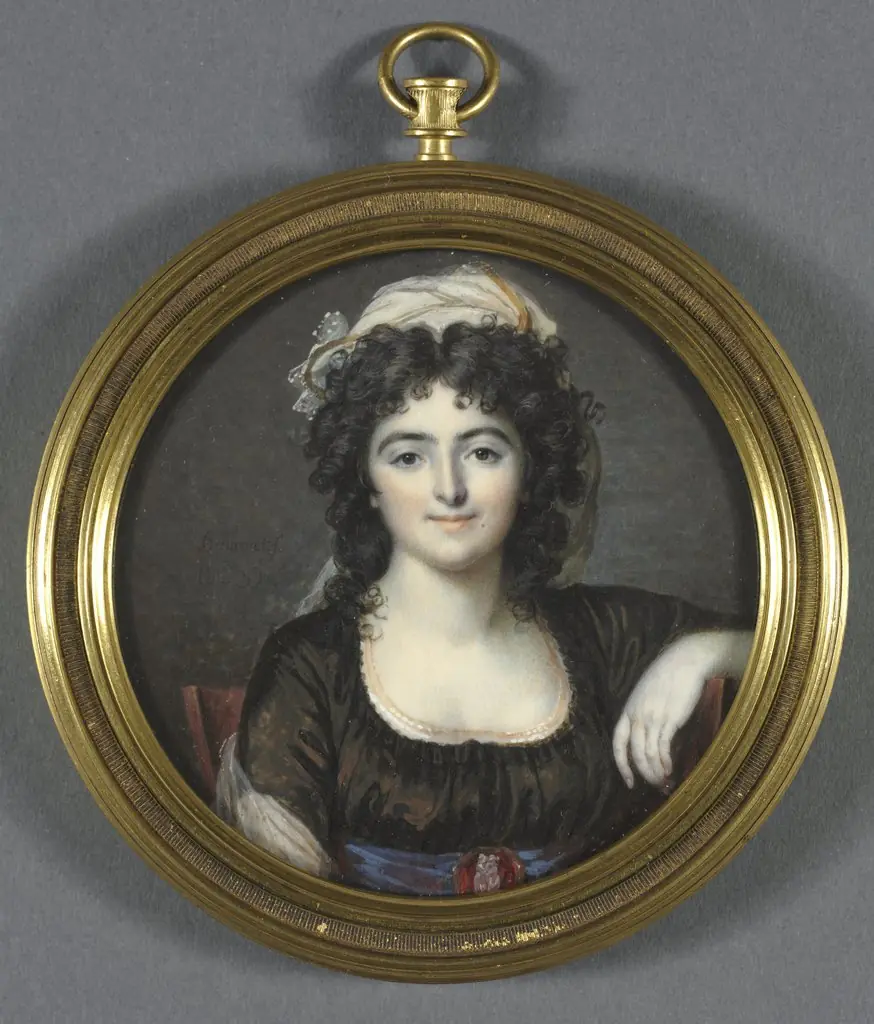 Portrait of a Woman in a Brown Dress
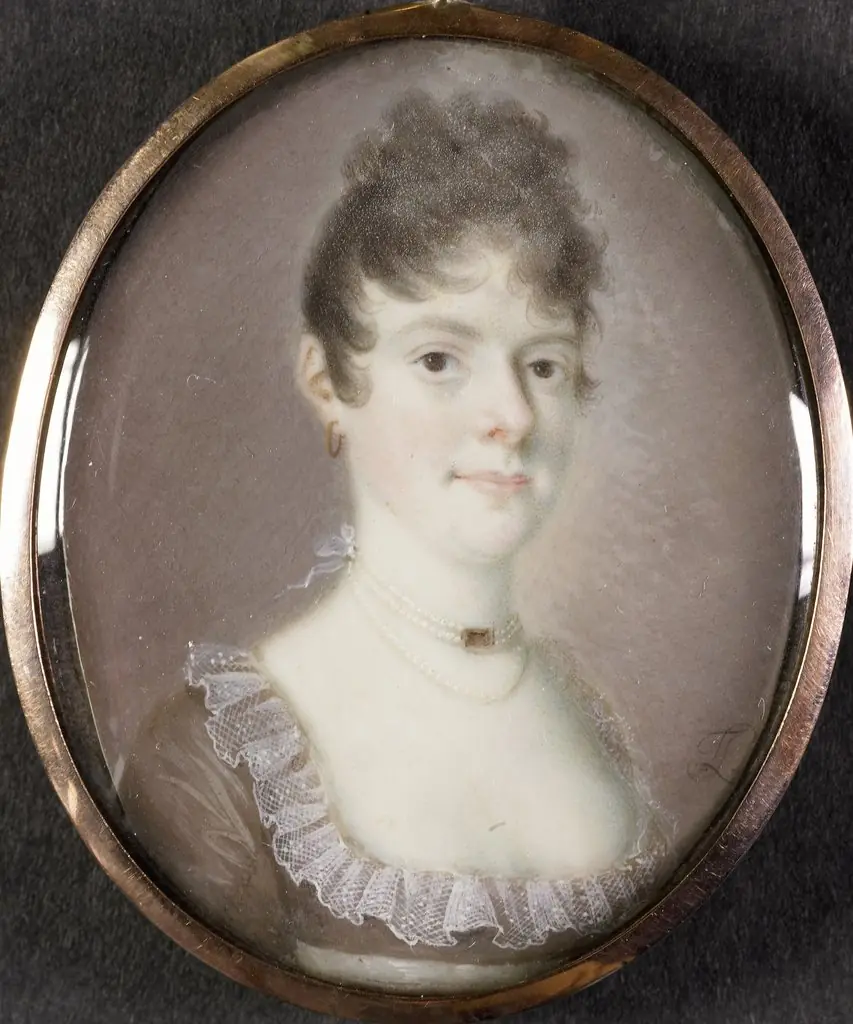 Portret van een vrouw met een parelcollier
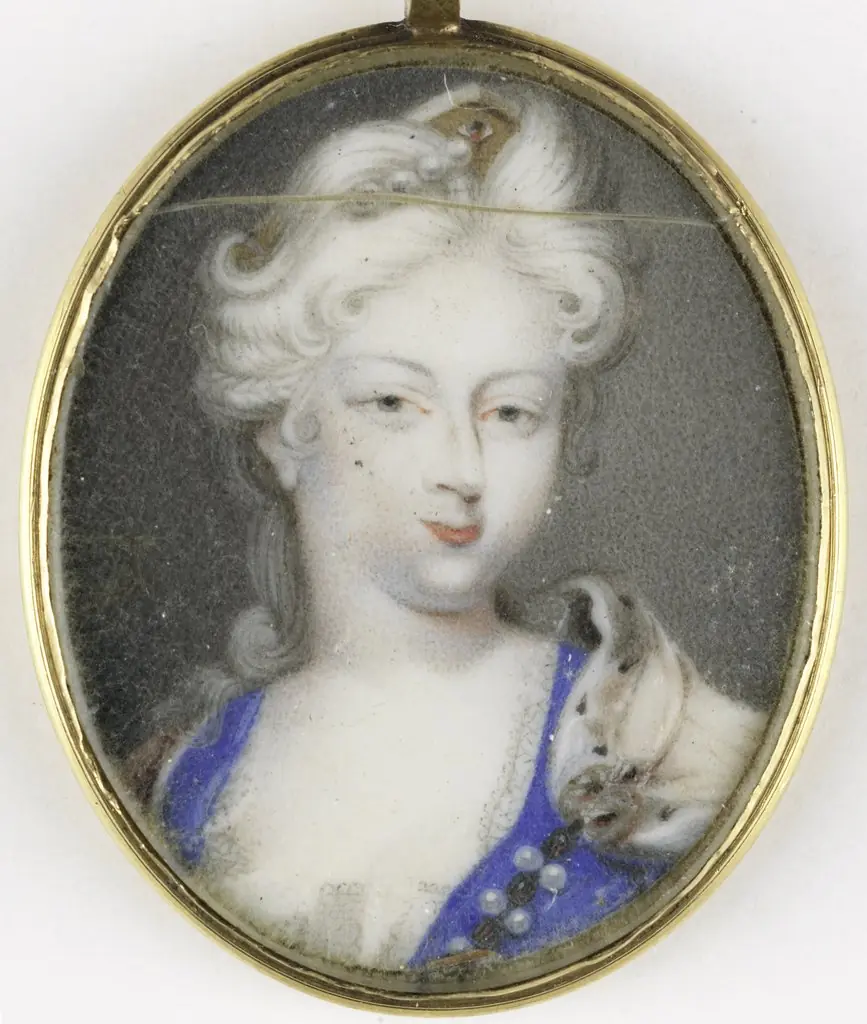 Portret van een vrouw, vermoedelijk Christiane Charlotte van Württemberg (1694-1729)
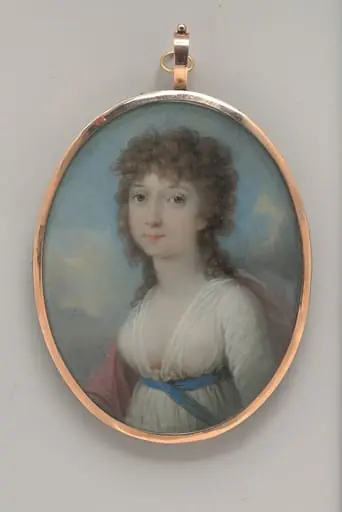 Portrait of a Lady
 Portrait of a woman
 Unknown Lady
 Charlotta Fredrika de Geer f. von Fersen (1756‑1810)