Artwork
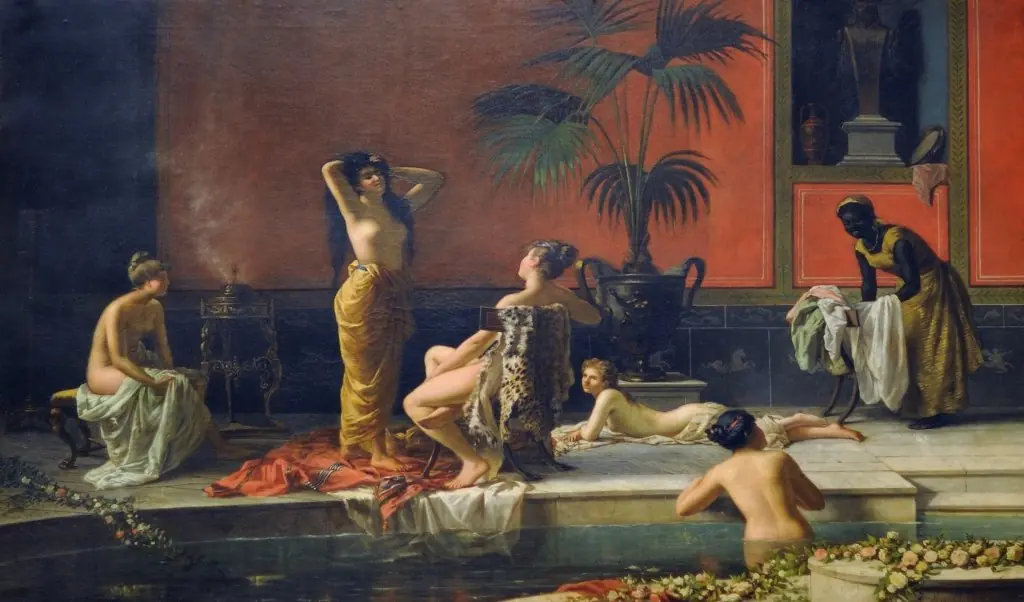
Bathing of Court Ladies in the 18th Century
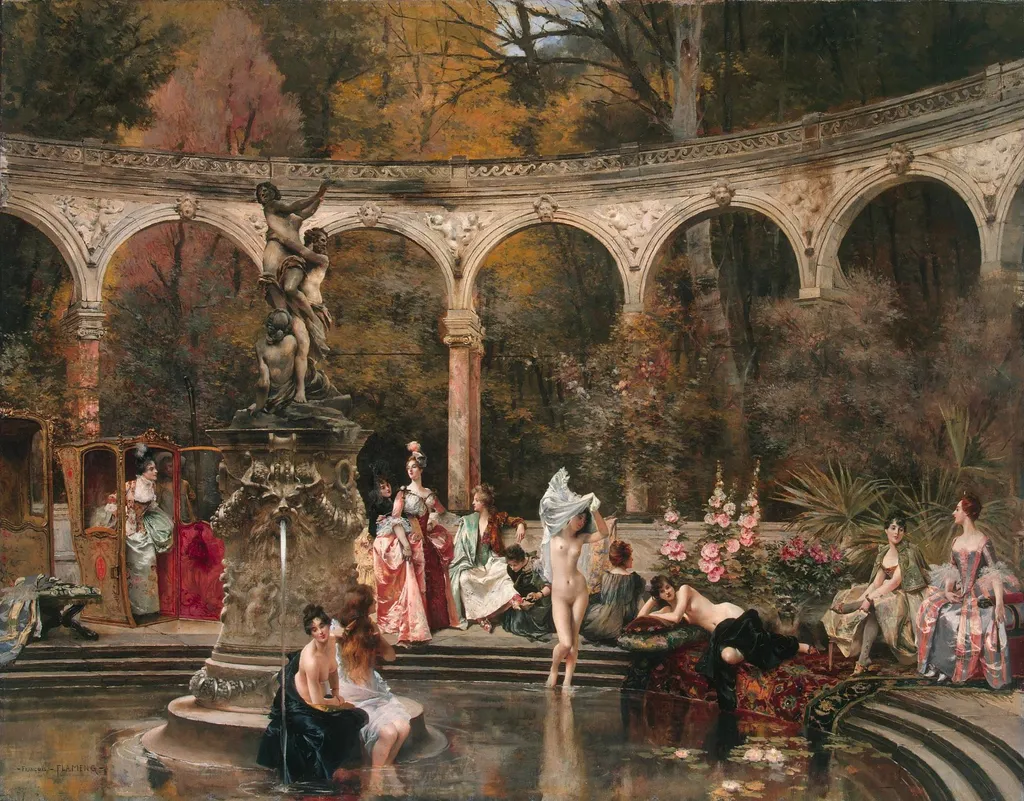
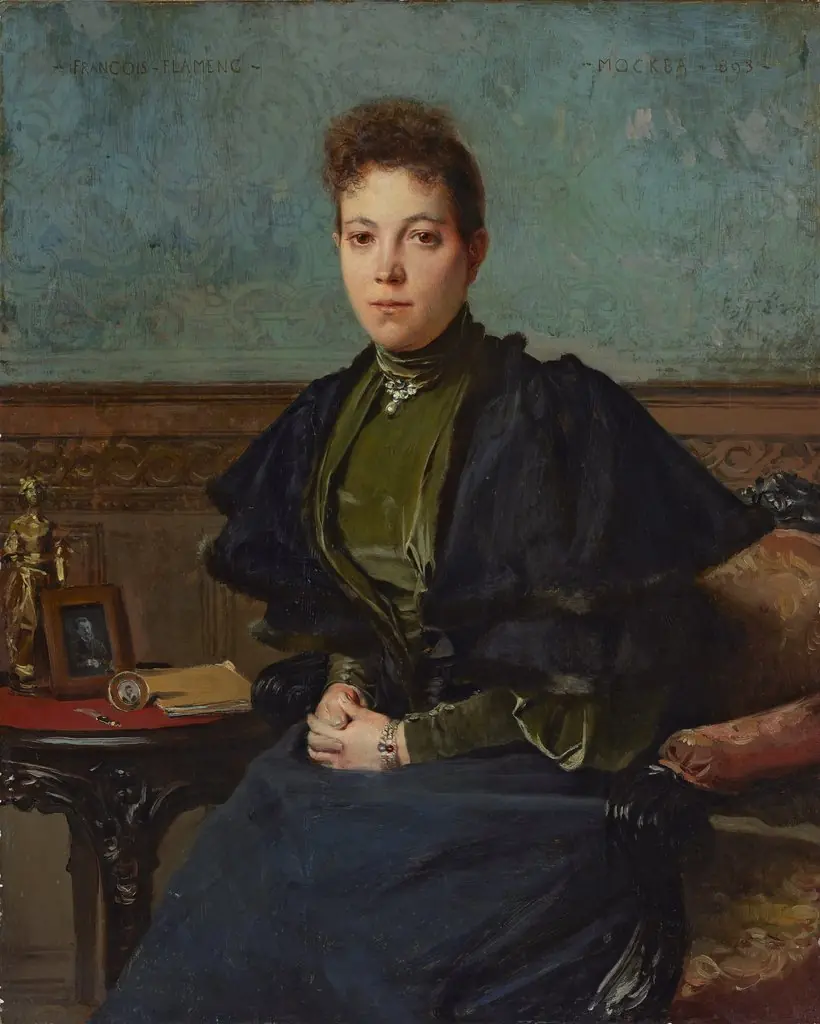
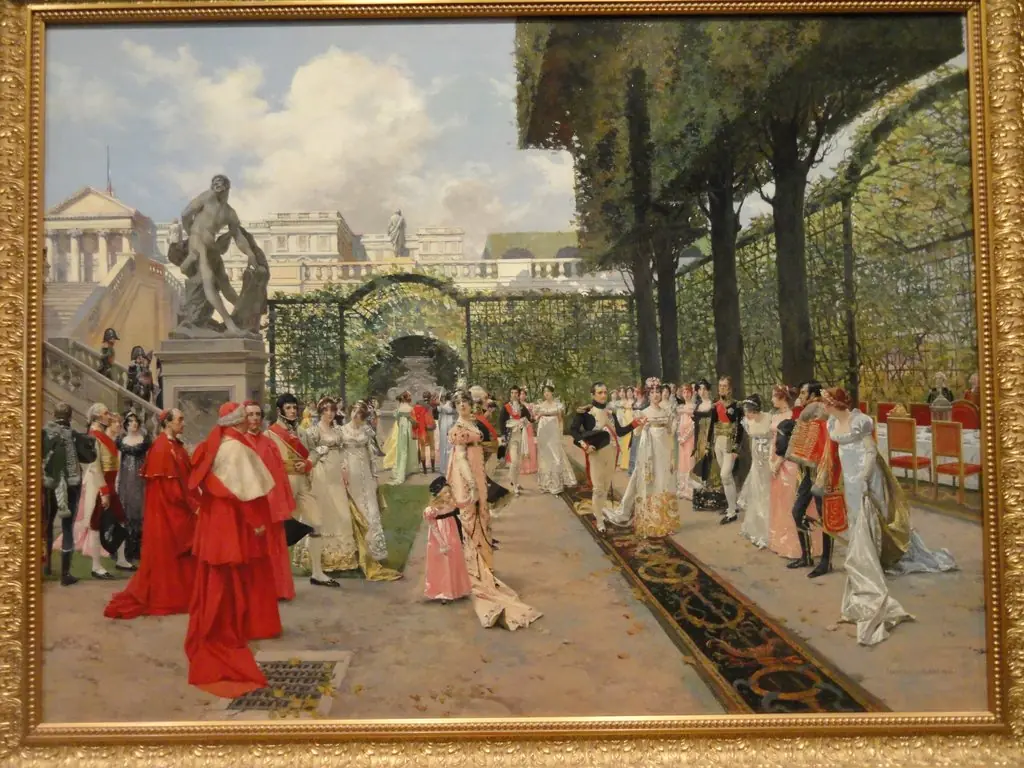
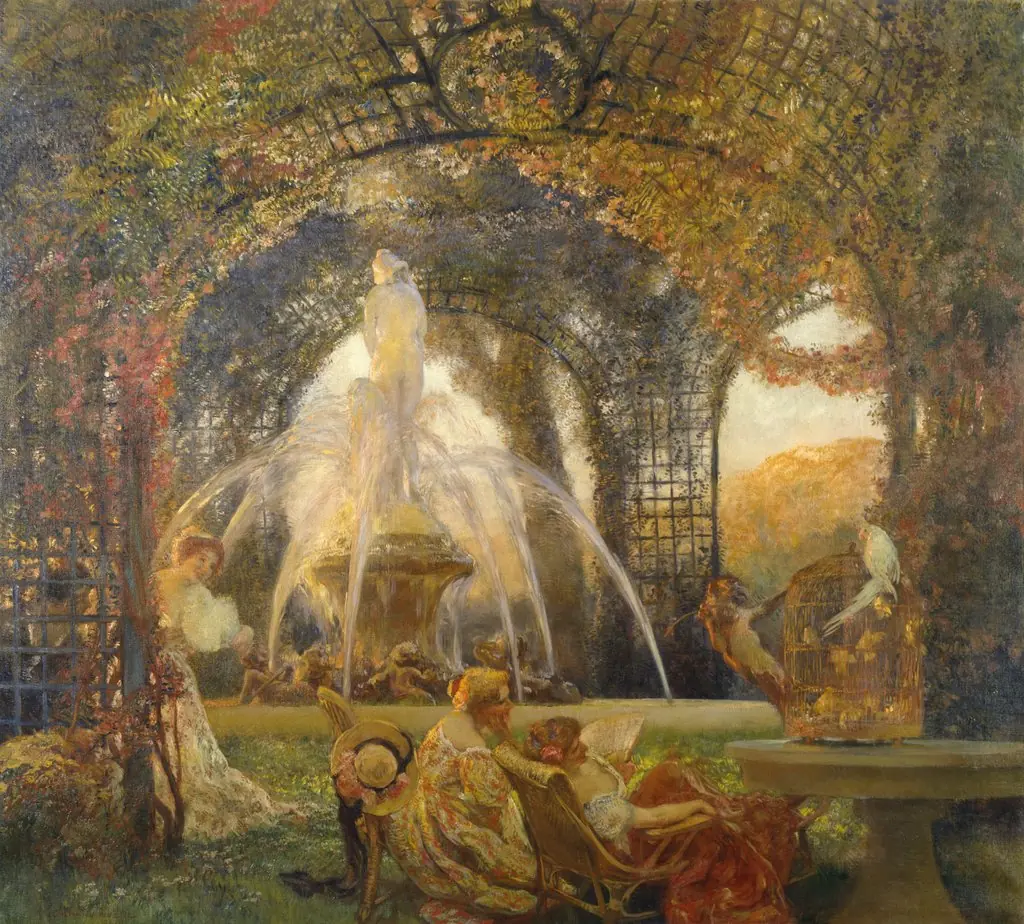
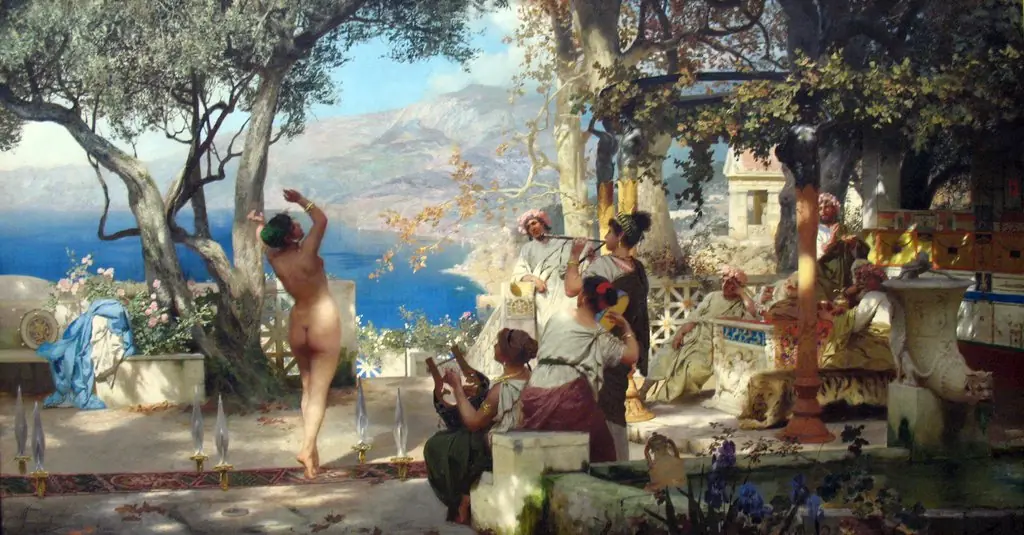
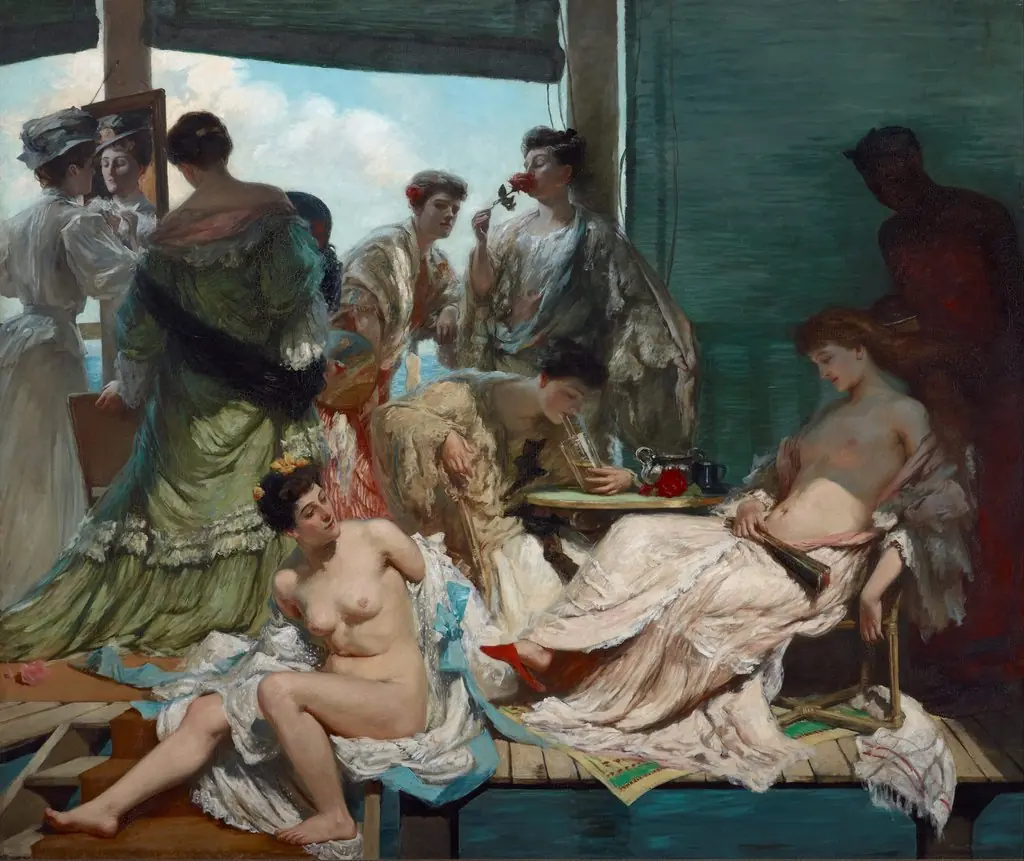
Bathing of Court Ladies in the 18th Century is an oil painting by the Impressionist artist François Flameng. It dates from 1894 and is held in the collection of the Hermitage Museum.
About this work
The painting is called "Bathing of Court Ladies in the 18th Century".
It was made by François Flameng in 1888. This painting is interesting because it shows a scene from the past, giving us a glimpse of what life might have been like back then.
You can learn more about other artworks like this by looking up the State Hermitage Museum.
Overview
Bathing of Court Ladies in the 18th Century is an 1888 oil painting by French artist François Flameng, depicting a historical genre scene of nude court ladies bathing, set in the 18th century.
Subject & Meaning
The painting offers a nostalgic glimpse into the past, recreating a intimate moment from 18th-century court life, focusing on the daily ritual of bathing among ladies of the nobility.
Technique & Style
Executed in oil paint, the work aligns with late 19th-century Impressionist tendencies, though its historical subject matter and approach may also reflect elements of Academic or Neo-Rococo styles popular during Flameng's time.
History & Provenance
Created by François Flameng, son of printmaker Léopold Flameng, the painting is now part of the State Hermitage Museum's collection, indicating its recognized historical and artistic value.
Context
Flameng's work reflects a late 19th-century fascination with historical themes and the private lives of past aristocracies, catering to a Victorian-era interest in both antiquity and discreet sensuality.
Legacy
While not widely renowned as a landmark of Impressionism, the painting contributes to the broader canvas of late 19th-century European art, offering insights into the era's artistic preoccupations and historical imaginings.
Own this work as a print
Artist & collection
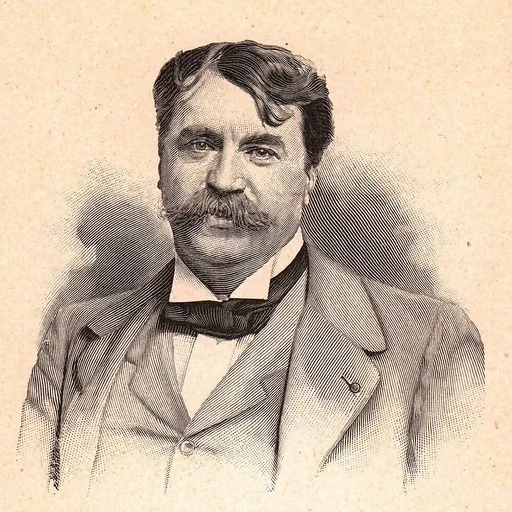
Artist
François Léopold Flameng (6 December 1856 – 28 February 1923) was a French painter of the late 19th and early 20th centuries. He was the son of printmaker Léopold Flameng who educated him.