Artwork
Reception at Compiegne in 1810
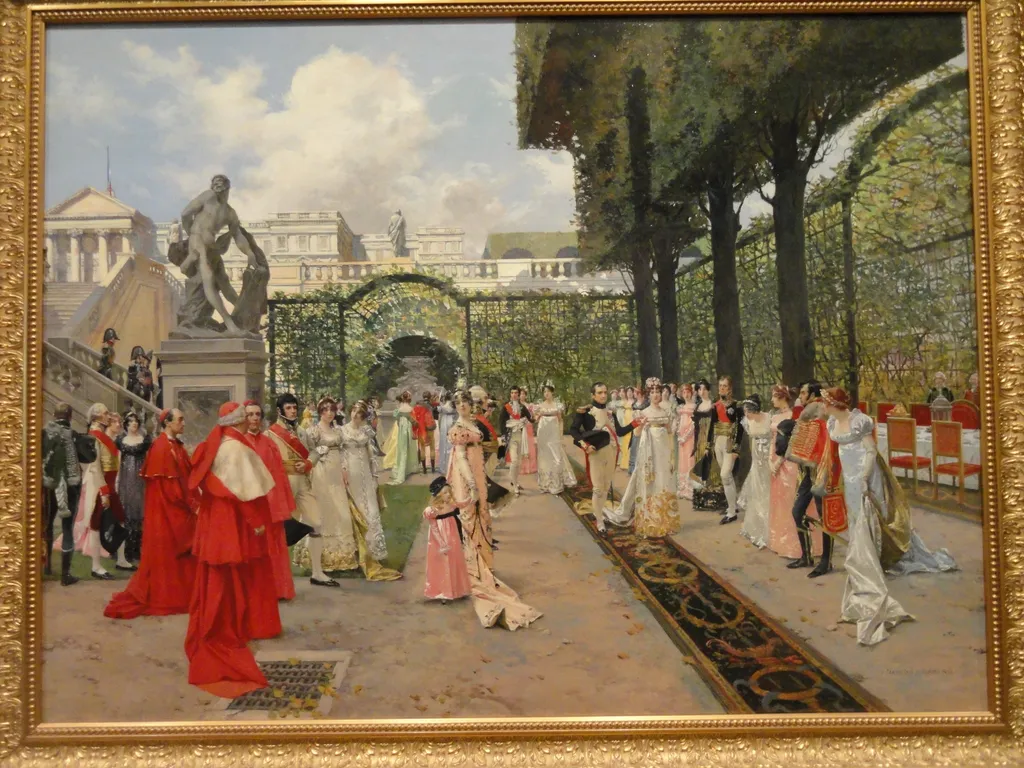
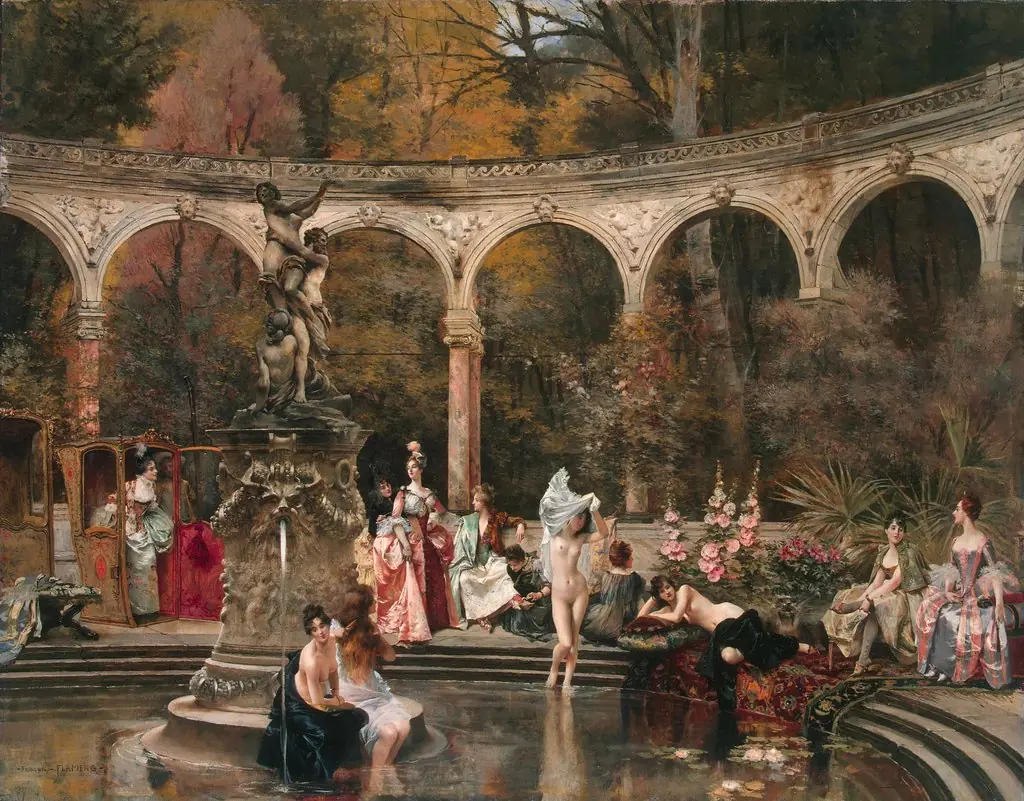
Reception at Compiegne in 1810 is an oil painting by the Impressionist artist François Flameng. It dates from 1898 and is held in the collection of the Hermitage Museum.
About this work
Overview
François Flameng’s *Reception at Compiègne in 1810* is an oil painting executed in 1898. The canvas captures a formal outdoor gathering set in a courtyard, rendered with the light‑filled palette associated with late‑19th‑century French painting. The work is part of the collection of the State Hermitage Museum in St. Petersburg.
Subject & Meaning
The scene portrays a ceremonial reception in the historic town of Compiègne, with attendees in period dress—long gowns, tailcoats, and accessories such as baskets—assembled before a central statue on a pedestal. The composition emphasizes the pomp and social order of an early‑19th‑century official event.
Technique & Style
Flameng employs oil on canvas to achieve a luminous atmosphere, using loose brushwork and a bright, airy palette that align the piece with the broader Impressionist tendency toward capturing fleeting light. The rendering of foliage, clouds, and architectural details balances detail with a sense of immediacy.
History & Provenance
Created toward the end of the 19th century, the painting entered the State Hermitage Museum’s holdings, where it remains on display. Flameng, whose artistic upbringing was shaped by his father’s work as a printmaker, produced the work after a career that spanned the late 1800s and early 1900s.
Context
The work reflects a nostalgic interest in Napoleonic-era ceremonies that was common among French artists of Flameng’s generation. By depicting a 1810 reception, the painting connects contemporary 1890s sensibilities with a celebrated period of French history, offering viewers a visual link between past and present statecraft.
Artist & collection
Artist
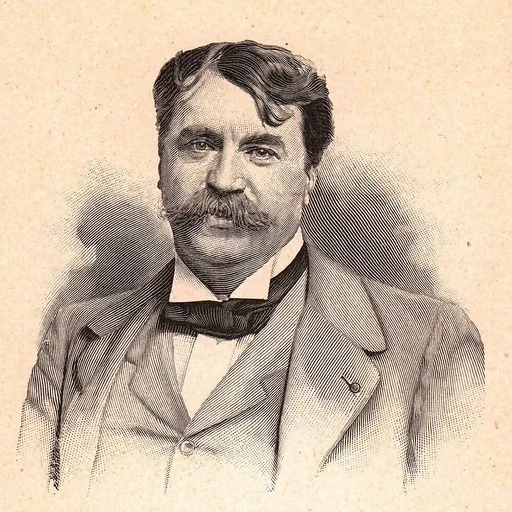
François Léopold Flameng (6 December 1856 – 28 February 1923) was a French painter of the late 19th and early 20th centuries. He was the son of printmaker Léopold Flameng who educated him.

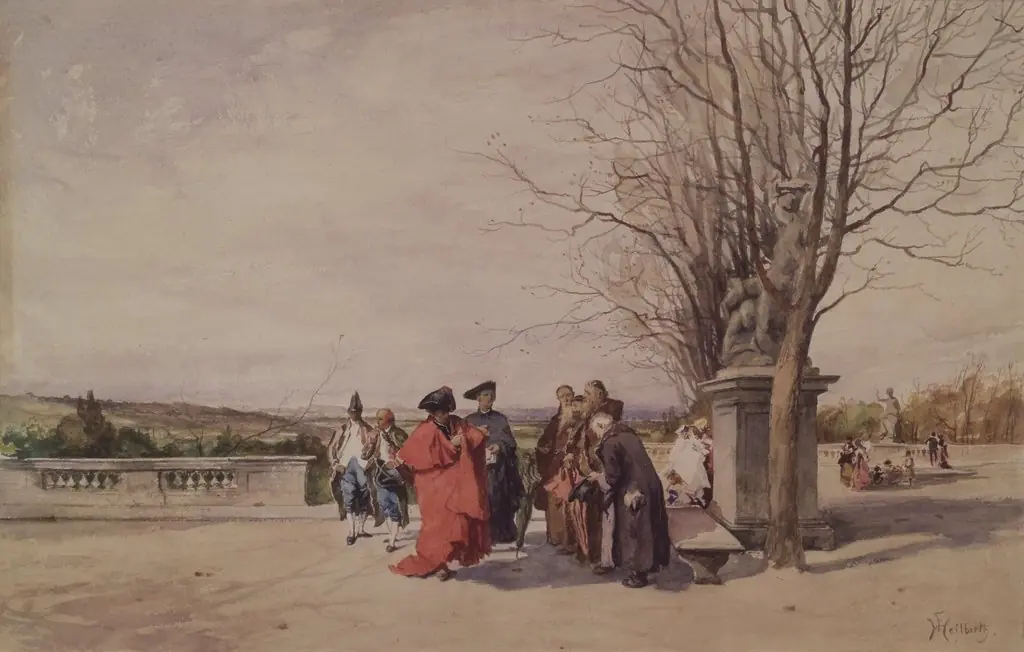 Figures on a Terrace
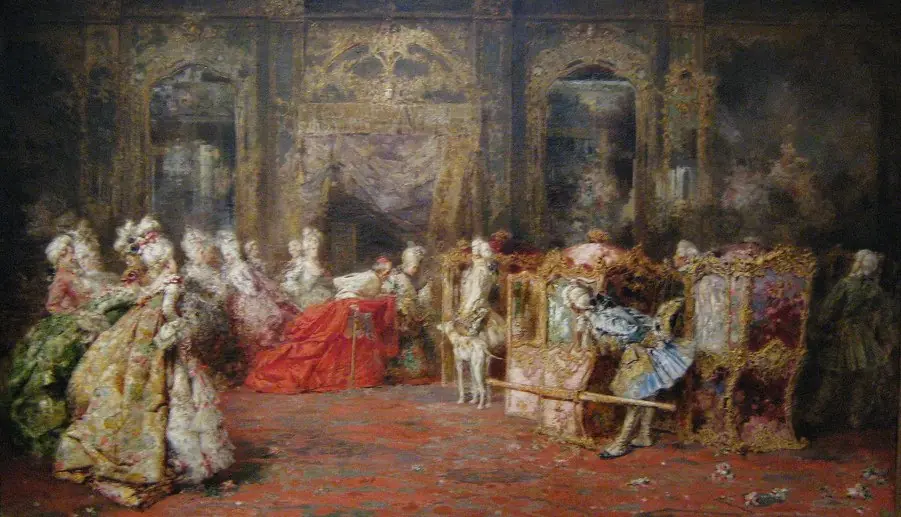 Recepción de un cardenal
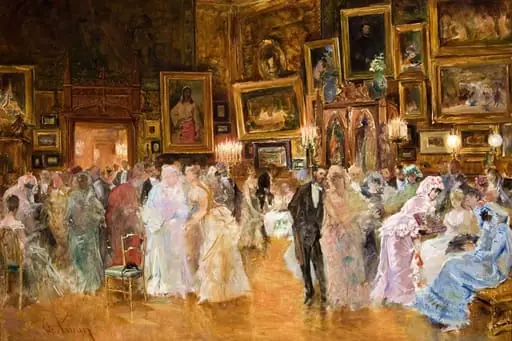 Bal mascat în atelier - Serată
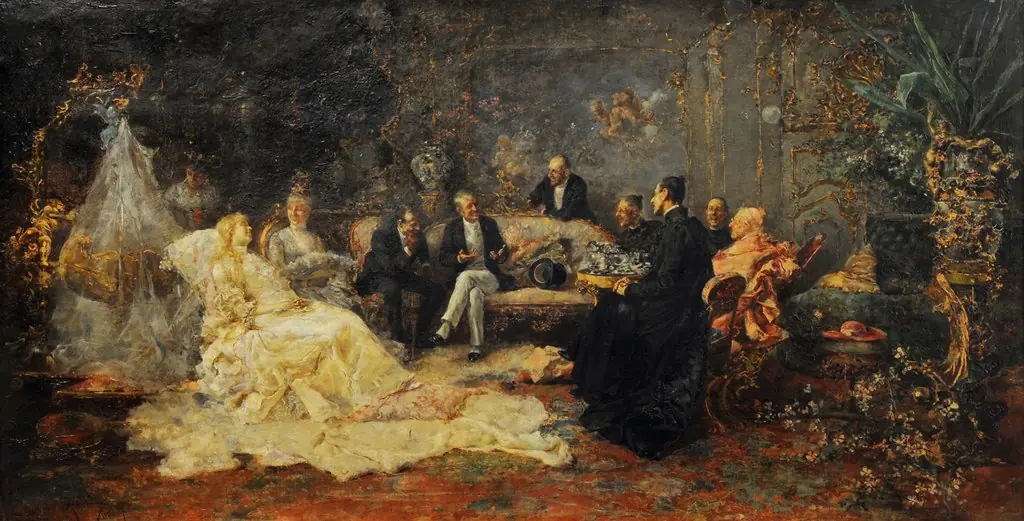 The convalescent
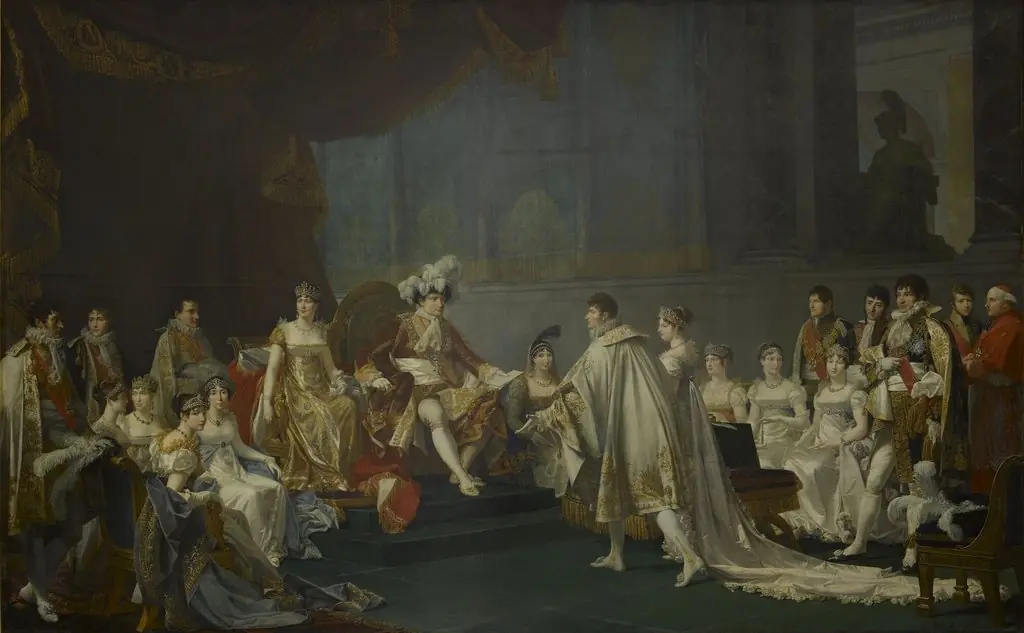 Wedding of Prince Jérôme Bonaparte and Princess Frédérique-Catherine of Wurtemberg, August 22, 1807
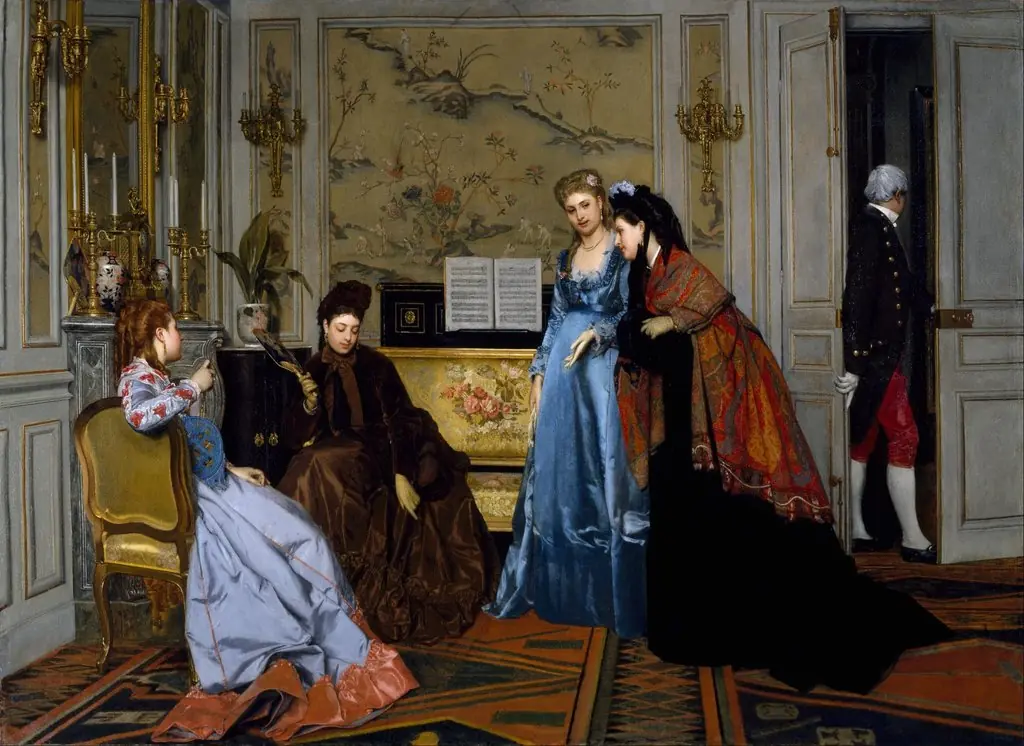 Elegant Figures in a Salon
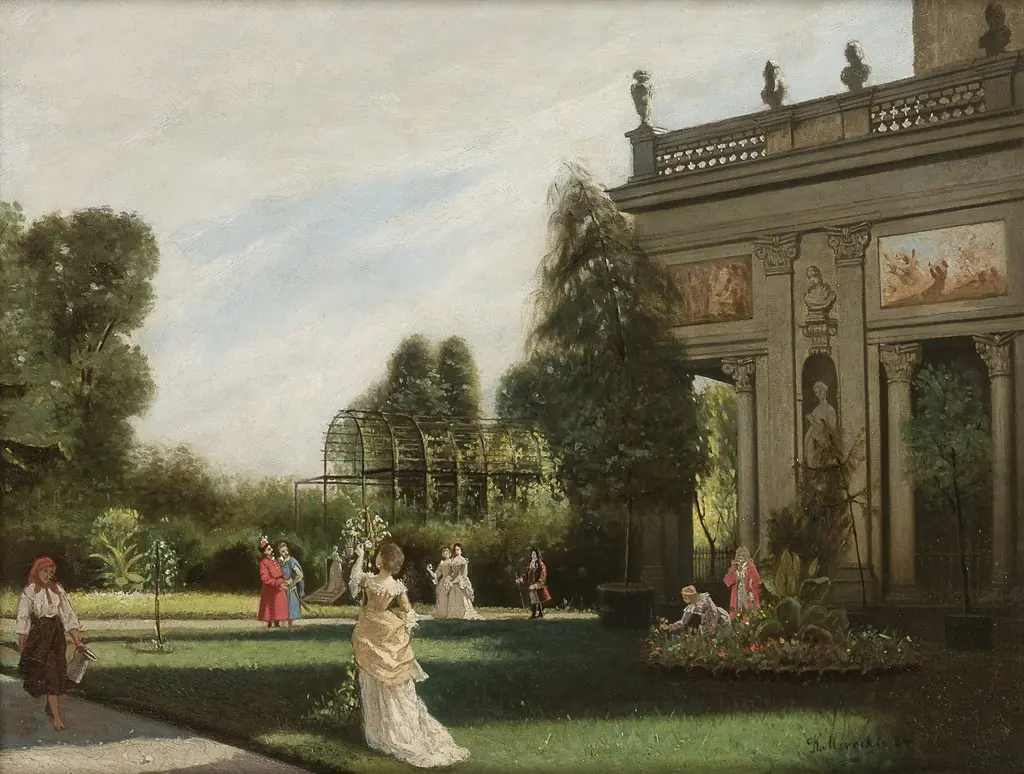 Wilanów
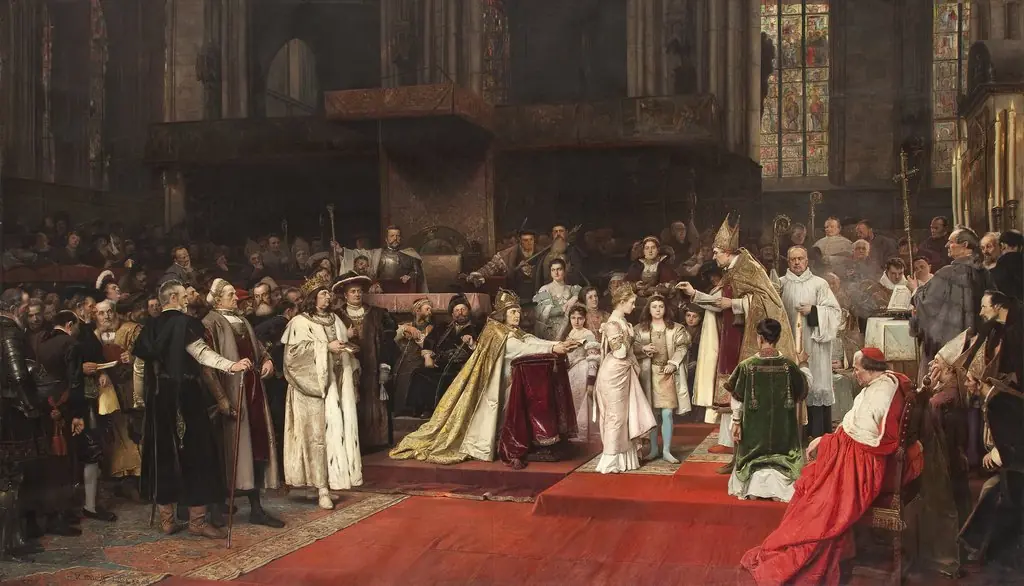 Tu felix Austria nube
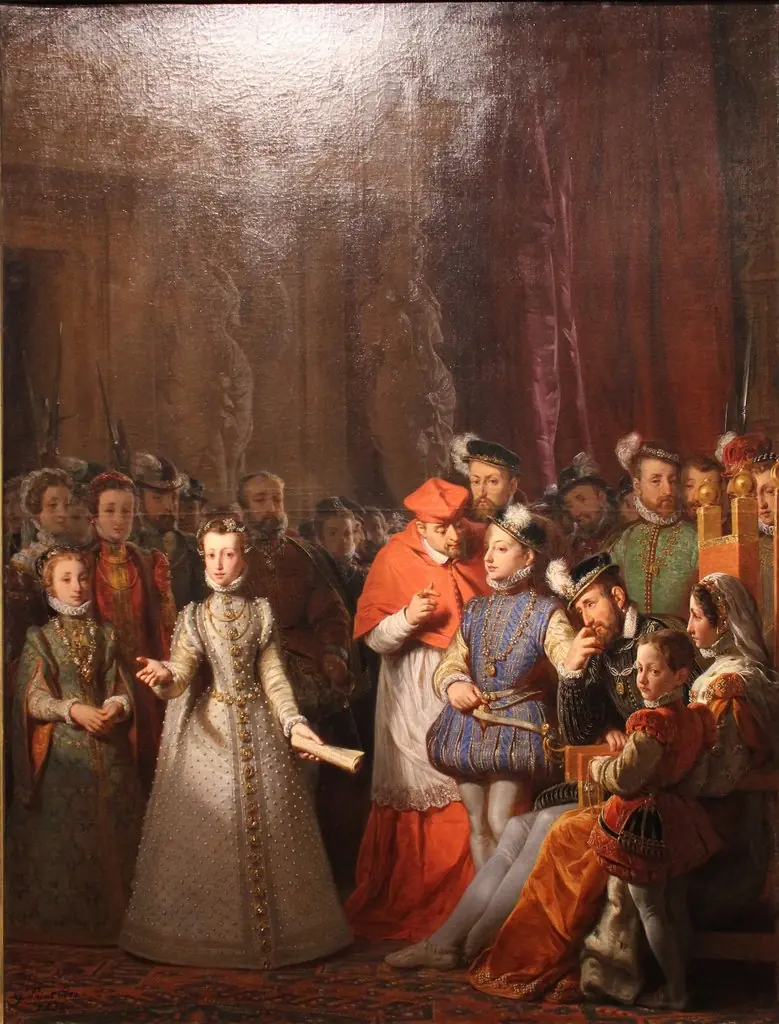 L’Éducation de Marie Stuart à la cour de François II by Gillot Saint-Evre