Artwork
Louis-Alexandre Berthier, field marshal, chief of staff in 1792
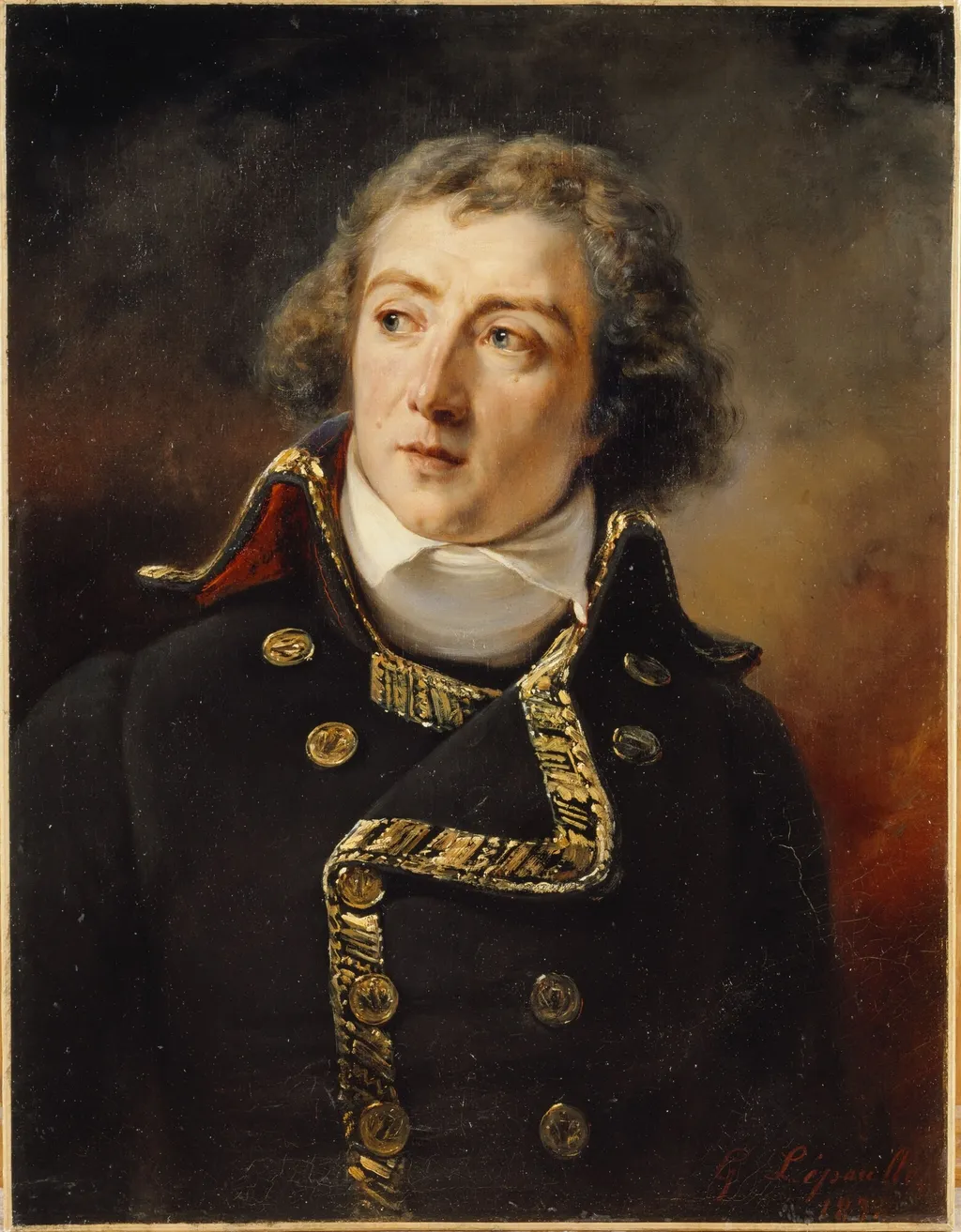
Louis-Alexandre Berthier, field marshal, chief of staff in 1792 is an oil painting by François Gabriel Guillaume Lépaulle. It dates from 1834 and is held in the collection of the Palace of Versailles.
About this work
Overview
The work belongs to the Palace of Versailles collection and reflects a post-Napoleonic effort to document key figures of the Revolutionary and Imperial eras.
Painted in 1834 by François Gabriel Guillaume Lépaulle, this oil portrait captures Louis-Alexandre Berthier, a senior military figure who served as Napoleon’s chief of staff. The work belongs to the Palace of Versailles collection and reflects a post-Napoleonic effort to document key figures of the Revolutionary and Imperial eras. Lépaulle, primarily known for landscapes and genre scenes, here applies his observational precision to a formal military portrait.
Subject & Meaning
Berthier is depicted in his full-dress uniform as a marshal of the French Empire, emphasizing his institutional authority rather than personal heroism. The restrained expression and direct gaze convey discipline and duty. The uniform’s gold embellishments signify rank and state recognition, while the absence of battlefield symbols or allegorical elements underscores his role as an administrator of military operations rather than a combatant.
Technique & Style
Lépaulle employs a muted palette dominated by deep blacks and rich browns, with gold detailing on the uniform providing subtle contrast. The background is uniformly dark, isolating the figure and focusing attention on texture and form. Brushwork is controlled and precise, particularly in the rendering of fabric folds and the cravat’s crispness, reflecting academic training rather than the looser handling typical of his landscape work.
History & Provenance
Commissioned after Berthier’s death in 1815, the portrait was likely created as part of a broader initiative to preserve the likenesses of Imperial officials. It entered the Palace of Versailles collection in the 19th century, where it was integrated into the museum’s historical galleries dedicated to the Napoleonic period. Its survival through political upheavals reflects its status as a documented state portrait rather than a personal commemoration.
Context
Lépaulle’s portrait emerged during a period when France was reassessing its recent military past under the July Monarchy. While Romanticism favored dramatic narratives, this work adheres to a sober, documentary style. It aligns with official efforts to legitimize the Empire’s legacy through visual archives, contrasting with more idealized or propagandistic images produced during Napoleon’s reign.
Legacy
The portrait remains a primary visual reference for Berthier’s appearance and uniform, frequently cited in historical studies of Napoleonic command structures. Though not widely exhibited outside Versailles, its formal clarity and historical accuracy ensure its continued use in academic and museological contexts as a reliable representation of a key logistical figure in modern military history.
Artist & collection
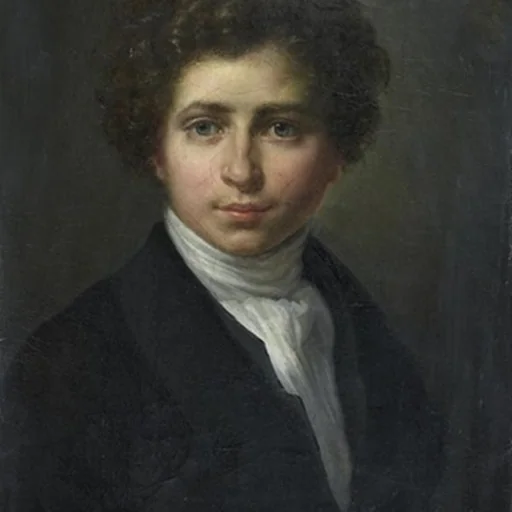
Artist
François Gabriel Guillaume Lépaulle
Guillaume François-Gabriel Lépaulle (21 January 1804, Versailles – 28 August 1886, Aÿ) was a French painter associated with the Barbizon school.

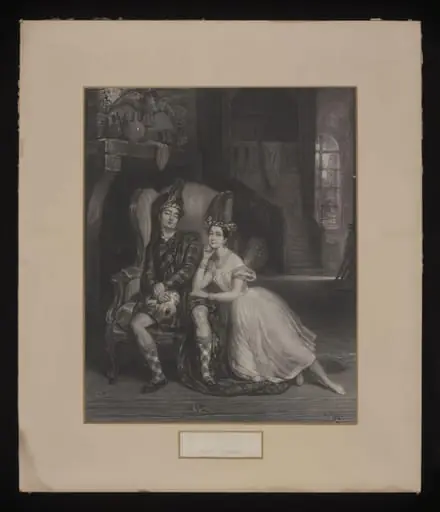
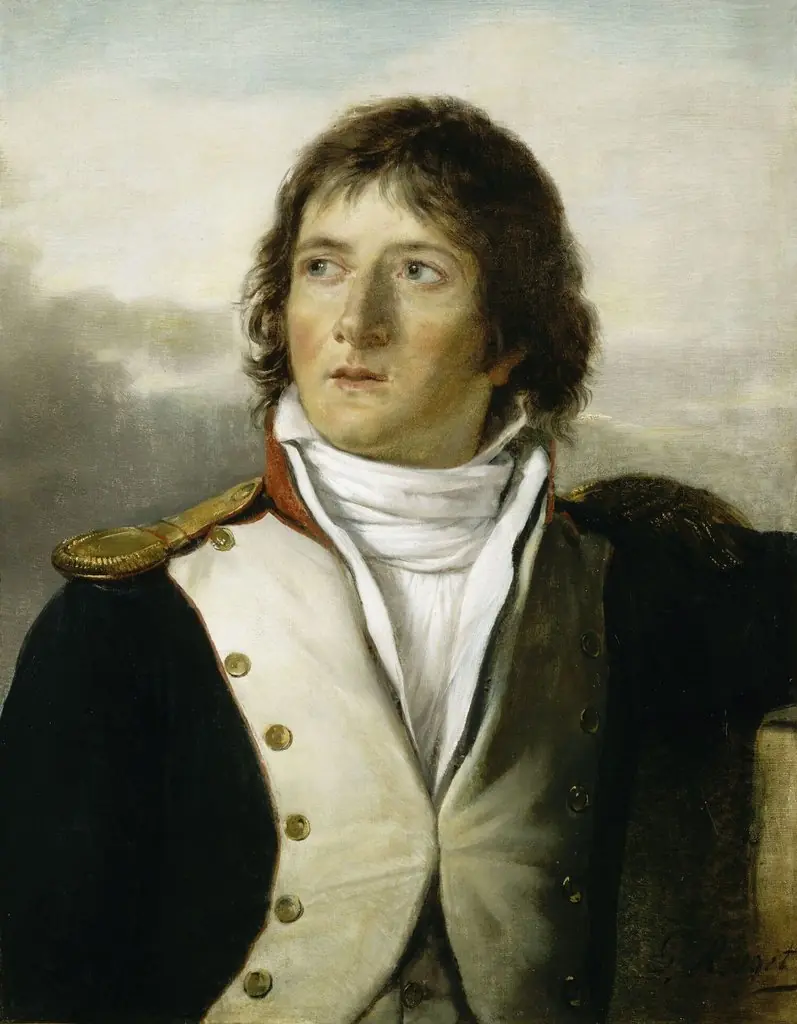 Laurent Gouvion Saint-Cyr, later Marshal and Marquis of Empire
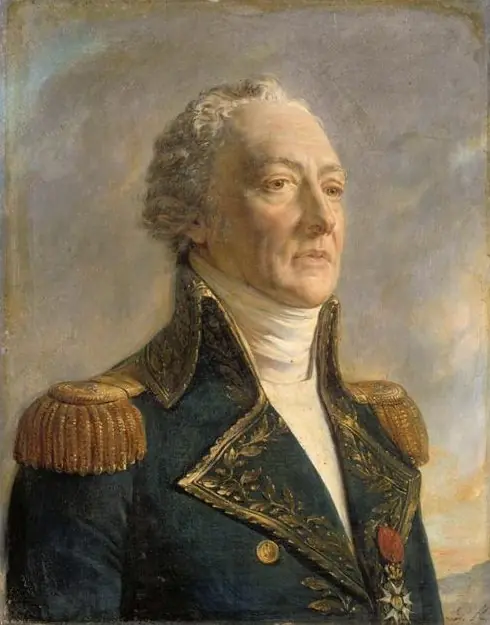 Portrait de Louis-René-Madeleine Le Vassor de La Touche, comte de Tréville (1745-1804)
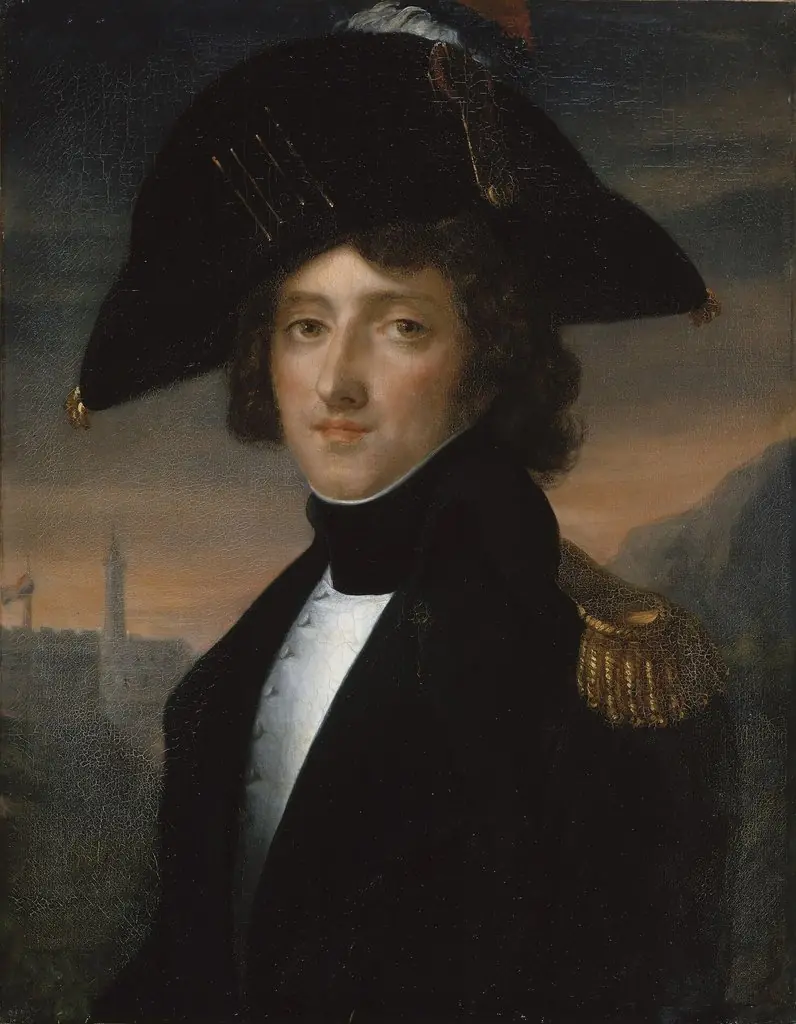 Louis Gabriel Suchet, duc d'Albuféra, chef de bataillon à la huitième demi-brigade en 1795
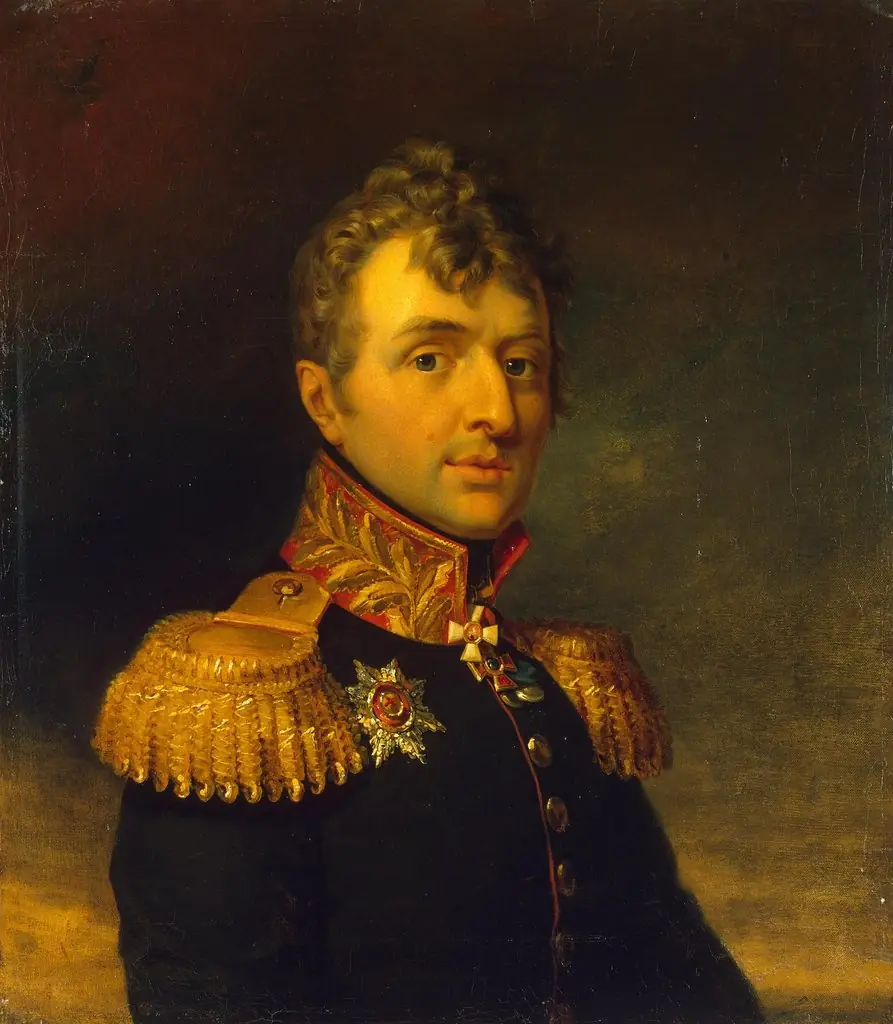 Portrait of Ivan V. Manteuffel (1771-1813)
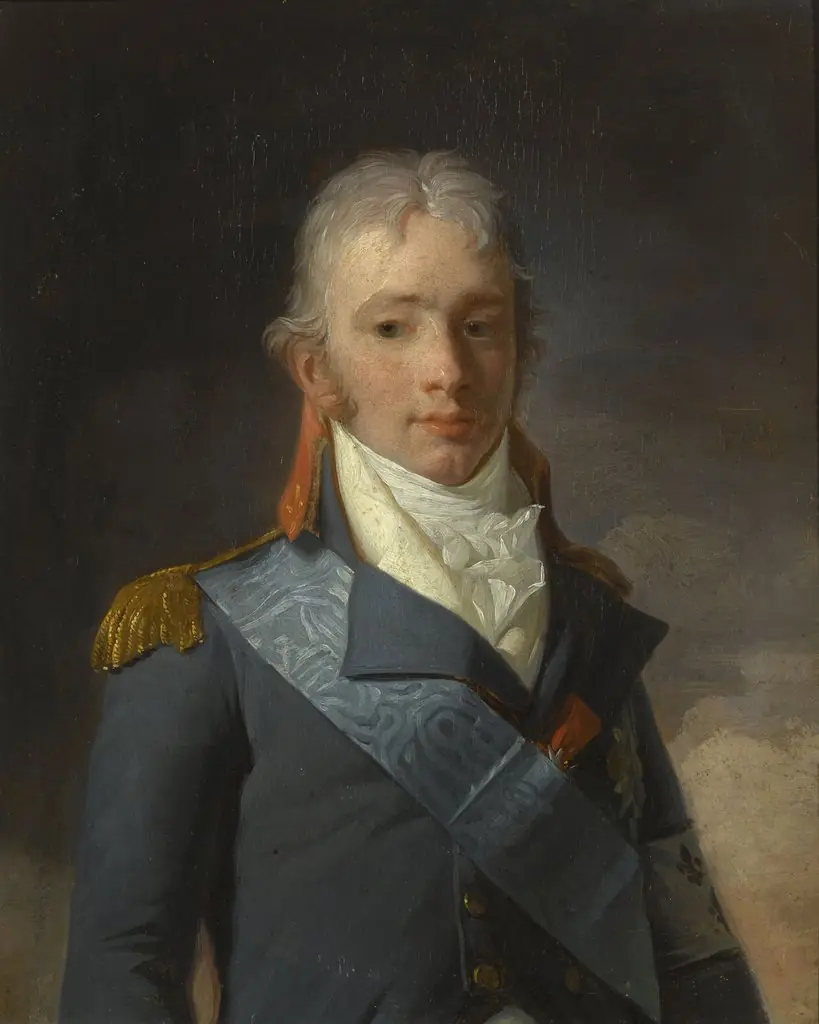 Charles-Ferdinand d'Artois, Duke of Berry
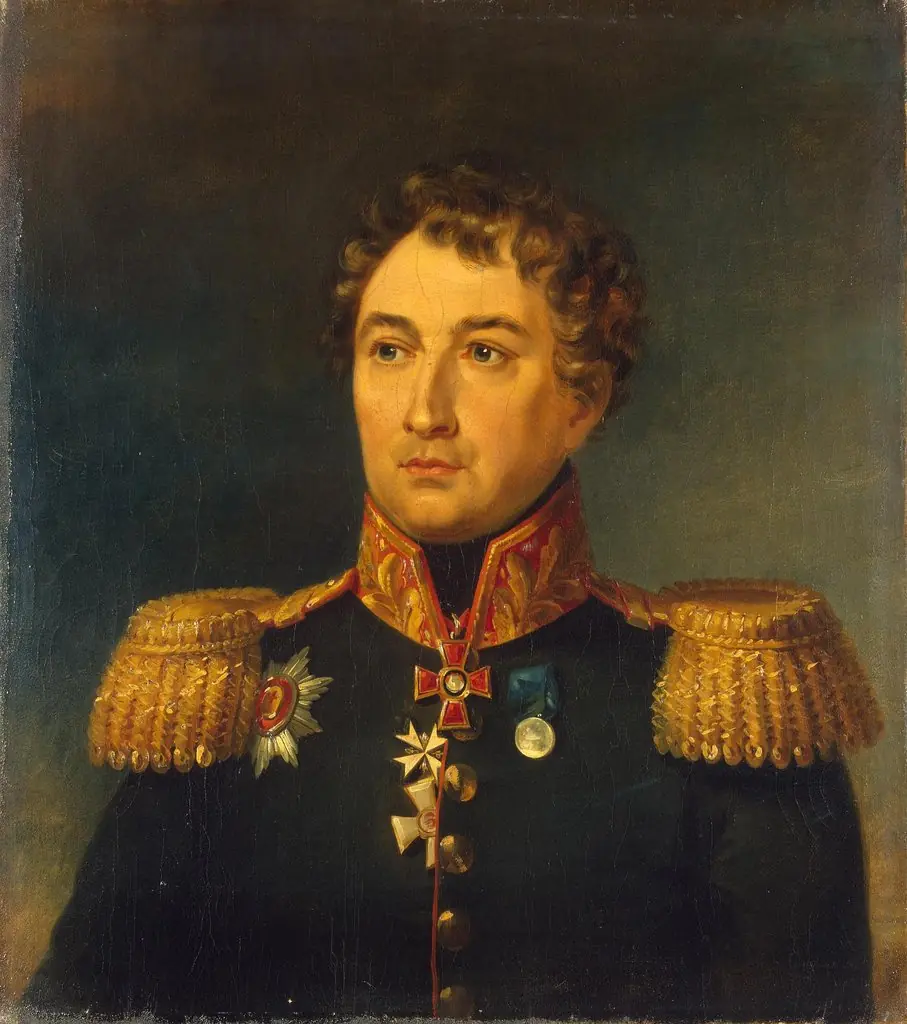 Portrait of Pyotr M. Kolyubakin (1763 - after 1849)
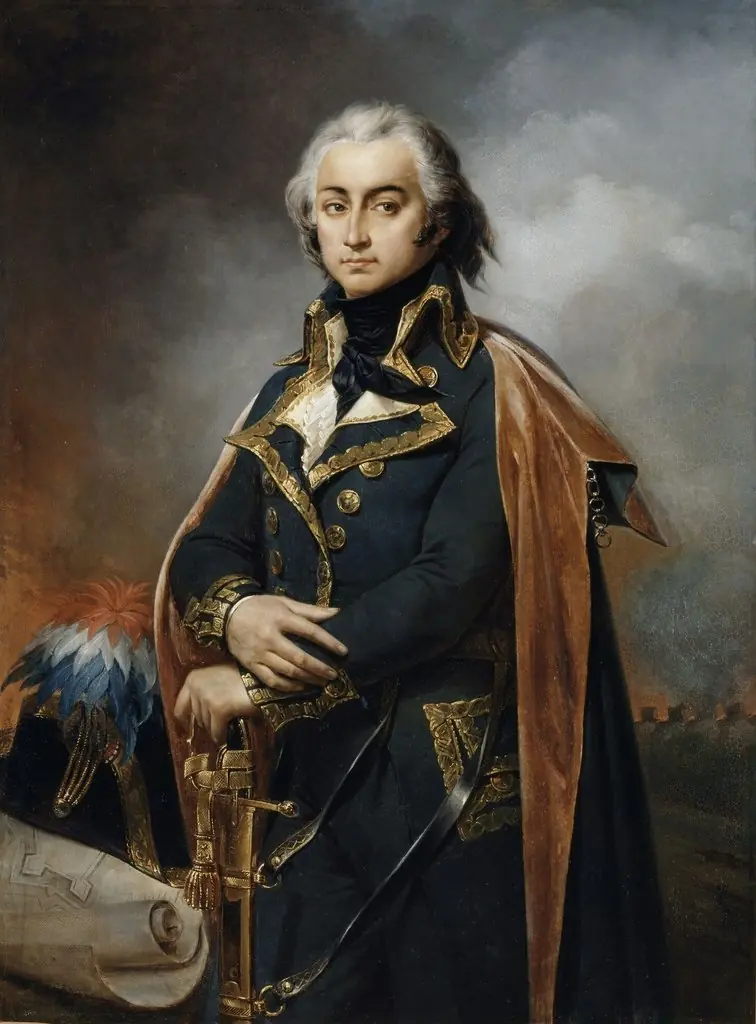 Cyrus-Marie-Adélaïde de Timbrune, Count of Valence, General-in-Chief of the Army of the Ardennes
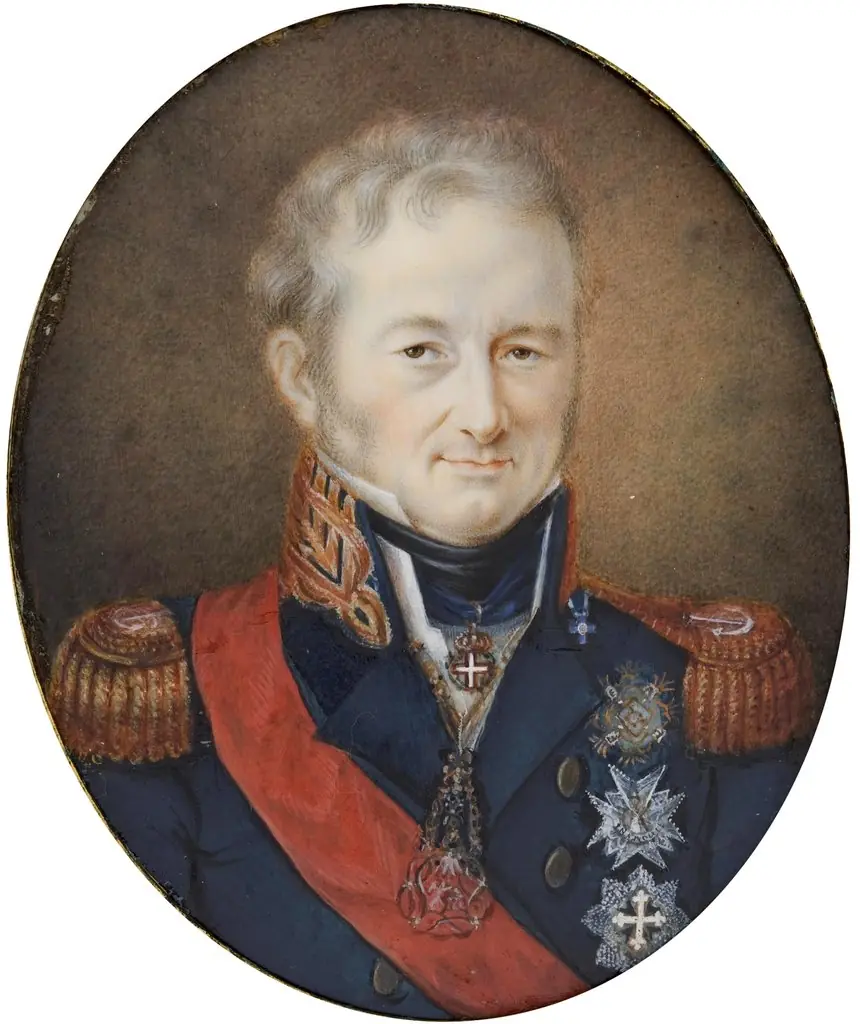 So-called portrait of Charles Felix of Savoy, King of Sardinia
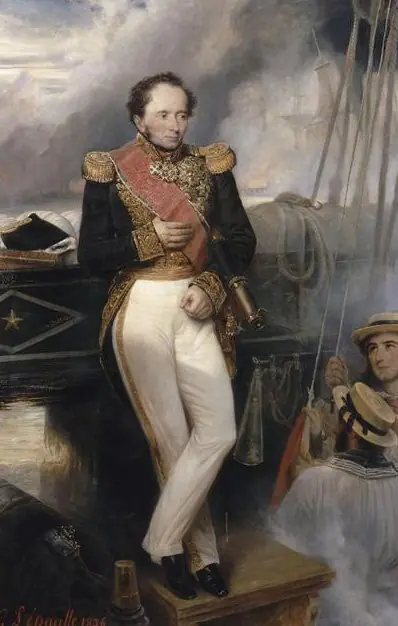
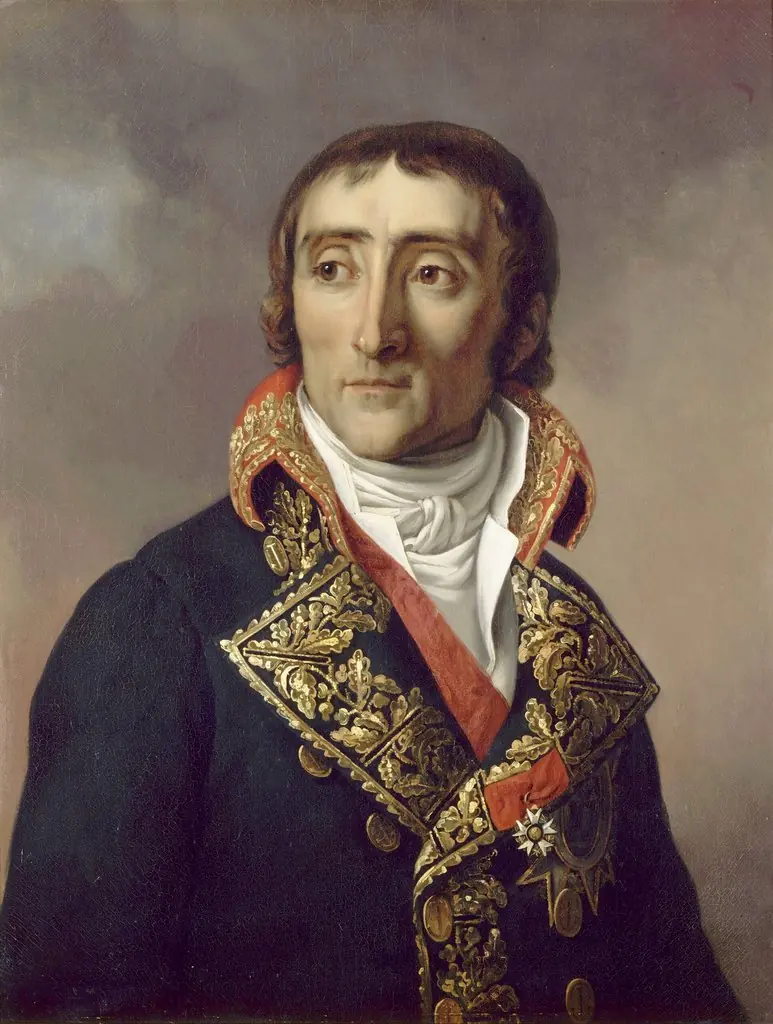 Eustache Bruix, vice-admiral (1759-1805)