Artwork
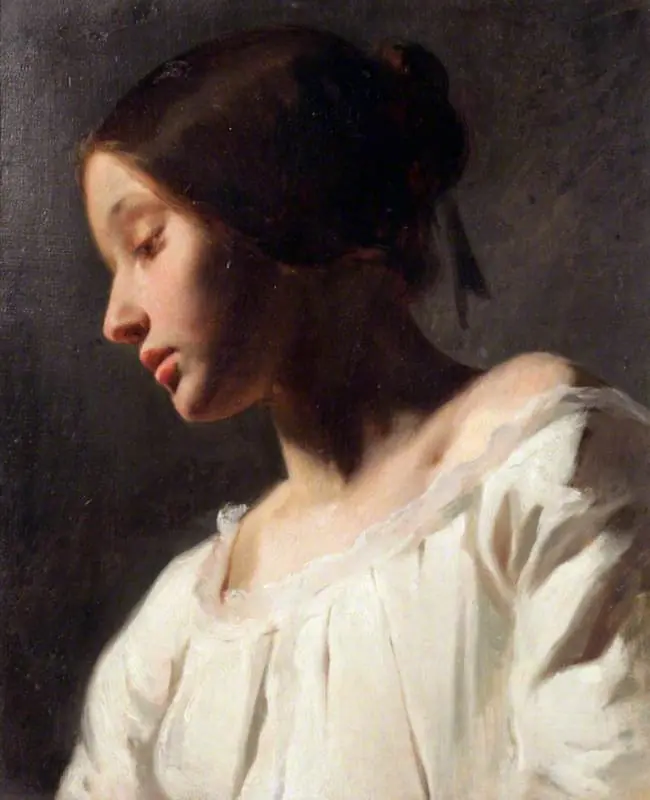
Study of Mademoiselle Luisa at the home of Portaels
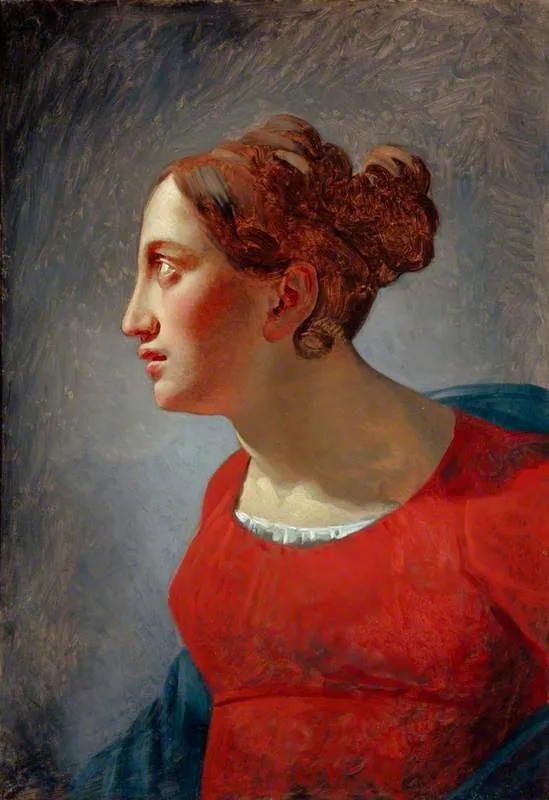
Study of Mademoiselle Luisa at the home of Portaels is an unspecified painting by François-Joseph Navez. It dates from 1824 and is held in the collection of the National Galleries Scotland.
About this work
Overview
Painted in 1824 by Belgian artist François-Joseph Navez, this work is a portrait study of a young woman in an intimate interior setting.
Painted in 1824 by Belgian artist François-Joseph Navez, this work is a portrait study of a young woman in an intimate interior setting. Executed with precision and quiet restraint, it reflects the Neoclassical ideals of composure and clarity. The painting resides in the Scottish National Gallery, where it stands as an example of Navez’s skill in capturing subtle psychological presence through controlled composition and lighting.
Subject & Meaning
The subject is Mademoiselle Luisa, depicted seated in a modest domestic space, her posture still and her gaze lowered. Her folded hands and averted eyes suggest inward reflection rather than outward engagement. The absence of narrative detail or symbolic elements shifts focus to her demeanor, inviting contemplation of her inner state. The portrait avoids theatricality, emphasizing dignity through stillness and simplicity.
Technique & Style
Navez employs chiaroscuro to model the figure with soft gradations of light and shadow, enhancing the three-dimensionality of the form without dramatic contrast. The white dress catches subtle illumination against a dark, neutral background, isolating the sitter and deepening the sense of calm. Brushwork is precise yet unobtrusive, favoring smooth transitions and refined edges consistent with Neoclassical portraiture’s emphasis on clarity and restraint.
History & Provenance
Created during Navez’s mature period, the painting was likely made in Brussels, where he maintained a studio and cultivated a circle of intellectual and artistic patrons. It entered the collection of the Scottish National Gallery in the 19th century, possibly through acquisition or donation. Its preservation reflects early institutional interest in continental European portraiture beyond British traditions.
Context
In the 1820s, Belgian artists like Navez were navigating the transition from Neoclassicism toward Romanticism. While many contemporaries embraced emotional intensity, Navez retained a focus on quiet realism and psychological subtlety. This study aligns with a broader trend in Northern European portraiture that valued introspection over grandeur, reflecting a shift toward private, personal expression in art.
Legacy
Though not widely exhibited outside institutional collections, the painting exemplifies Navez’s influence on Belgian portraiture. His restrained approach informed later generations of artists seeking emotional depth without melodrama. The work remains a reference point for studies of 19th-century domestic portraiture, valued for its understated elegance and psychological nuance.
Artist & collection
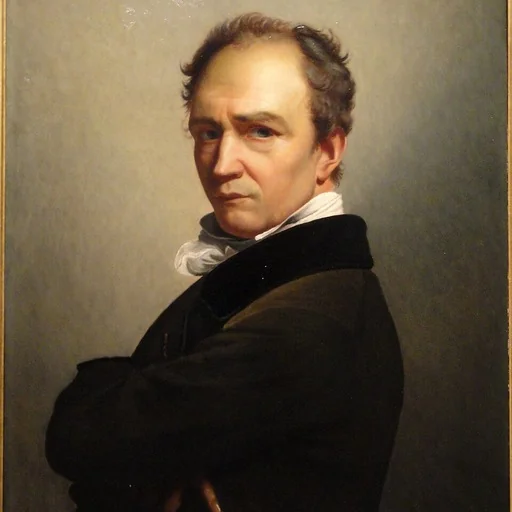
Artist
François-Joseph Navez (16 November 1787 – 12 October 1869) was a Belgian Neoclassical painter; known for his portraits and genre scenes.

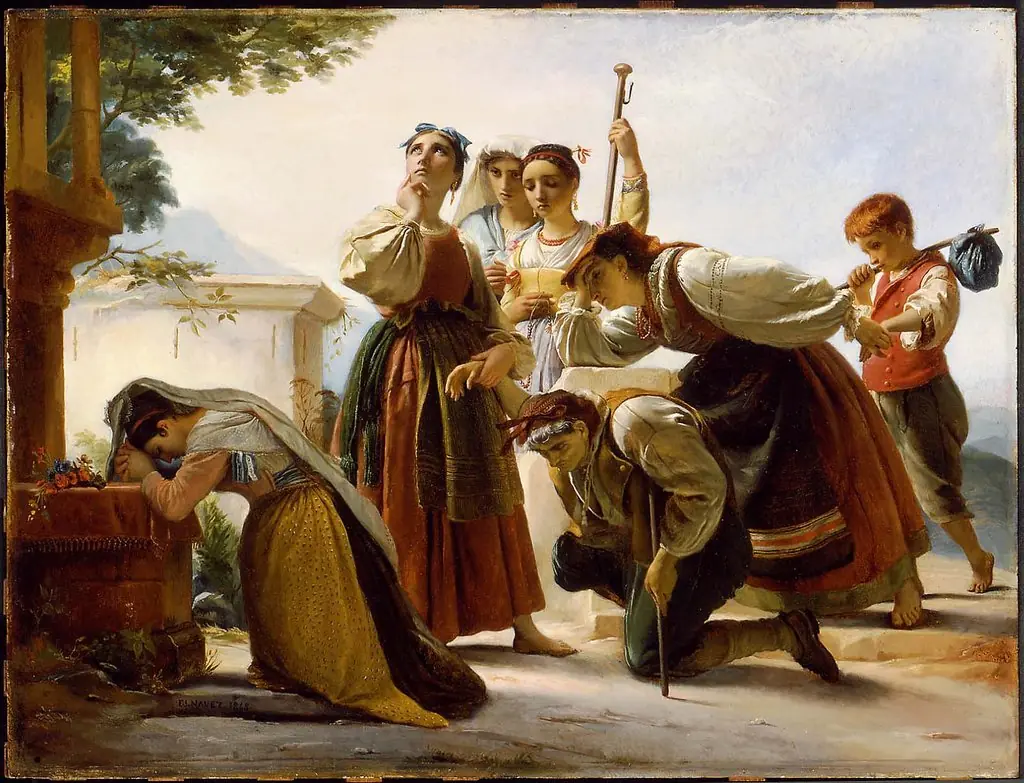 Pilgrimage in the Roman Campagna
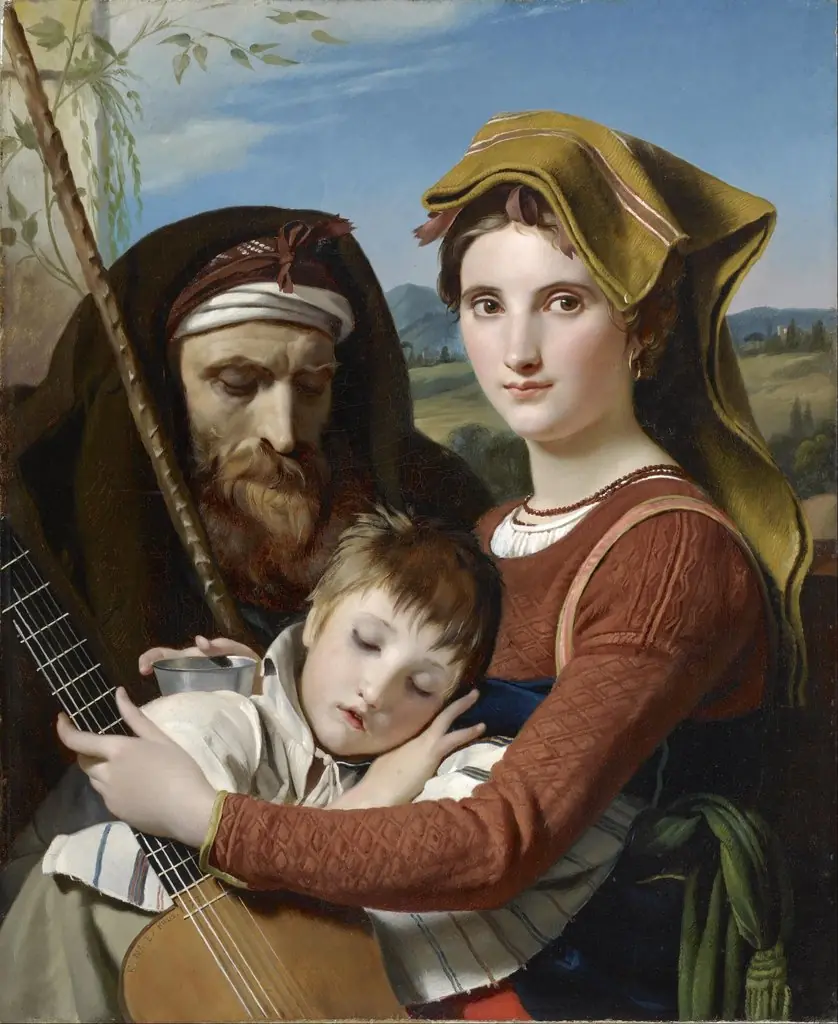 Roman Shepherd Family in the Campagna
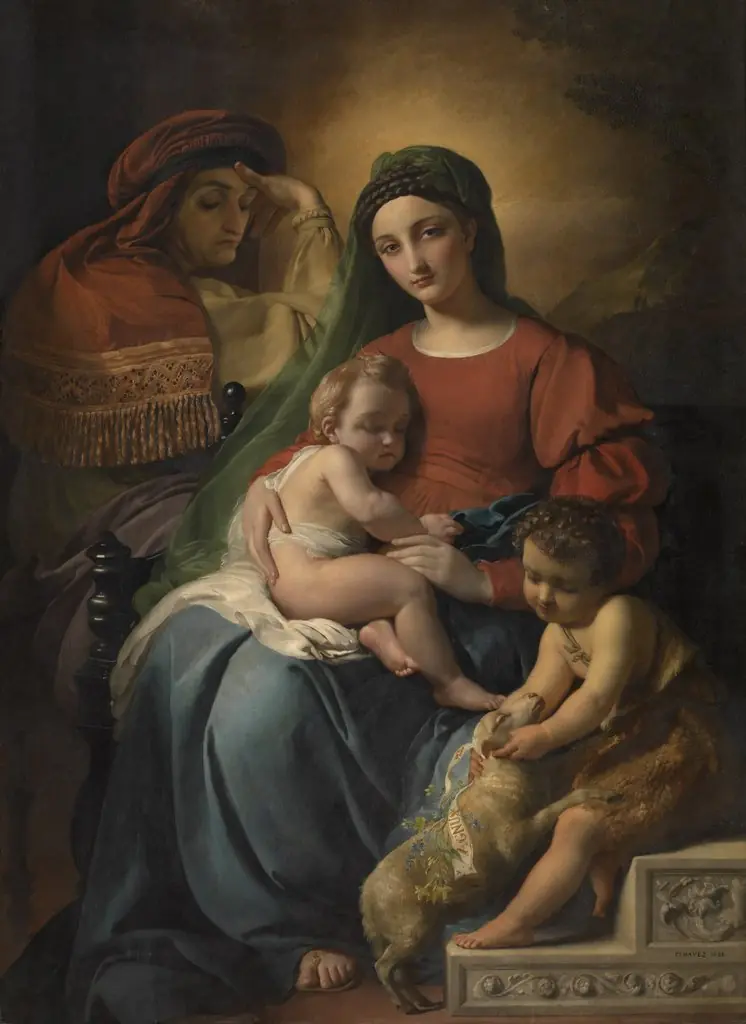 Holy Family with the Infant Saint John the Baptist
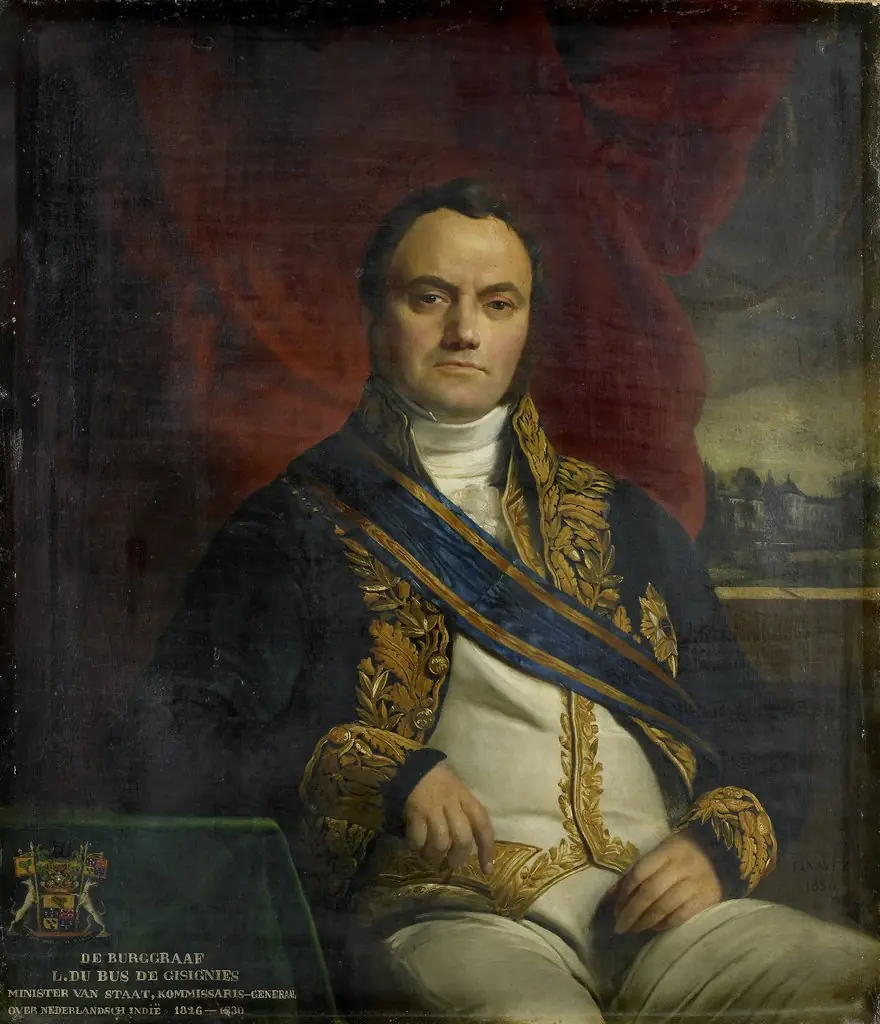 Portrait of Léonard Pierre Joseph, Viscount du Bus de Gisignies, Commissioner-General
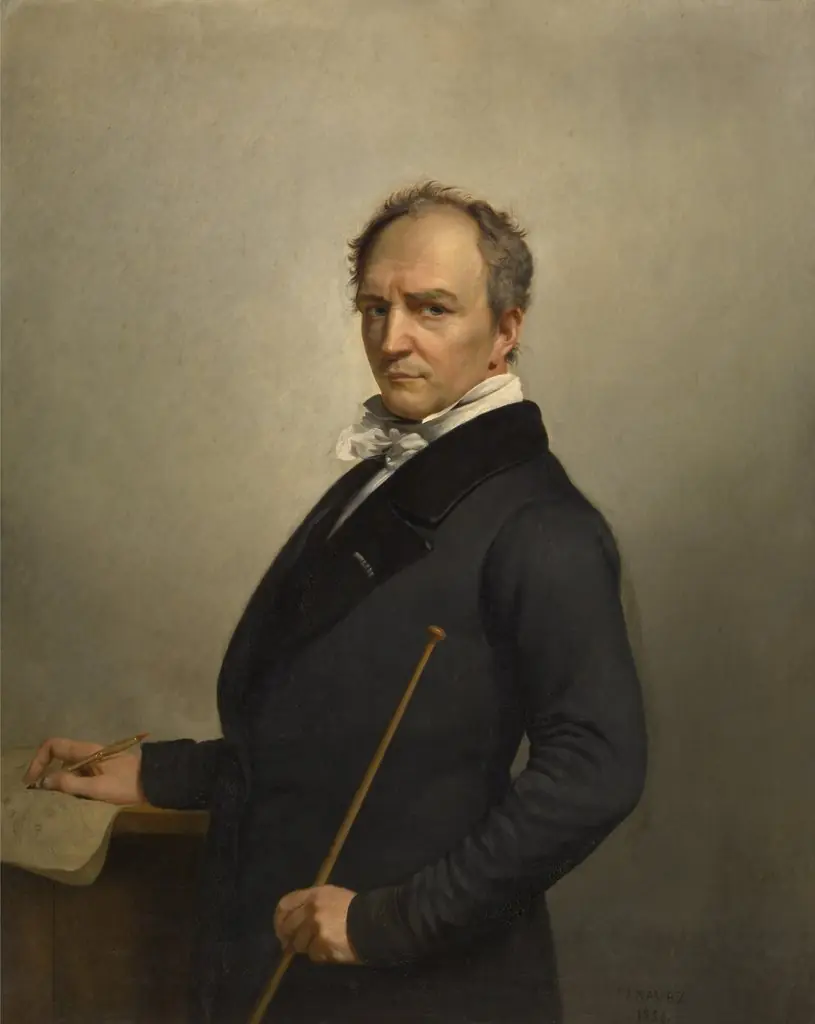 Self Portrait
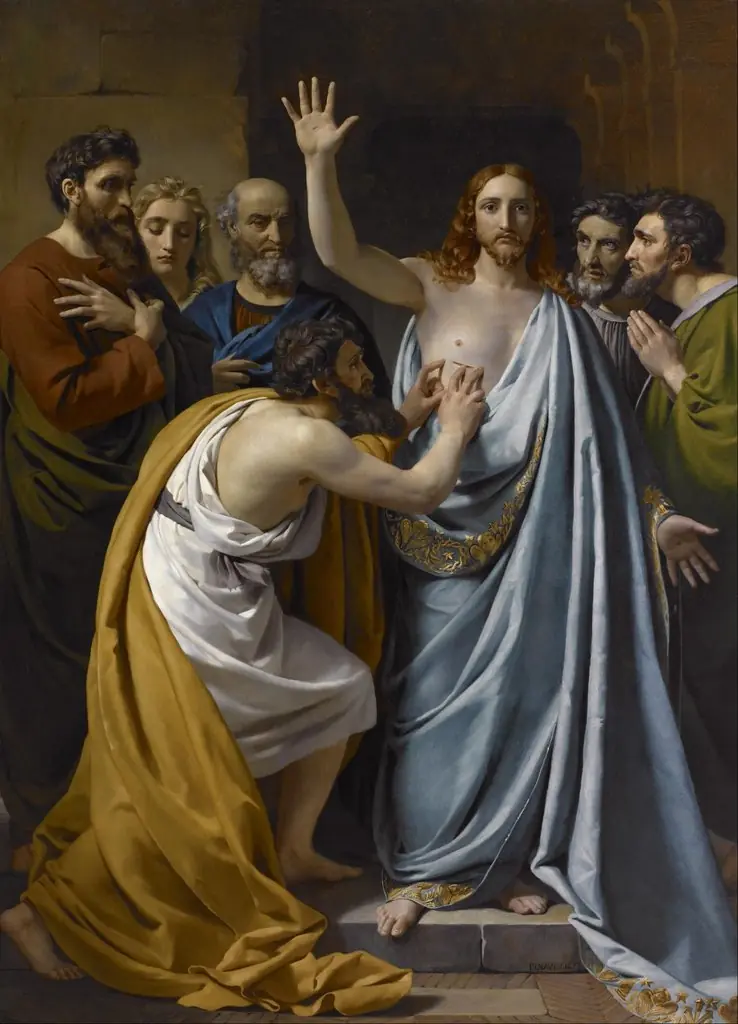 The Incredulity of Saint Thomas
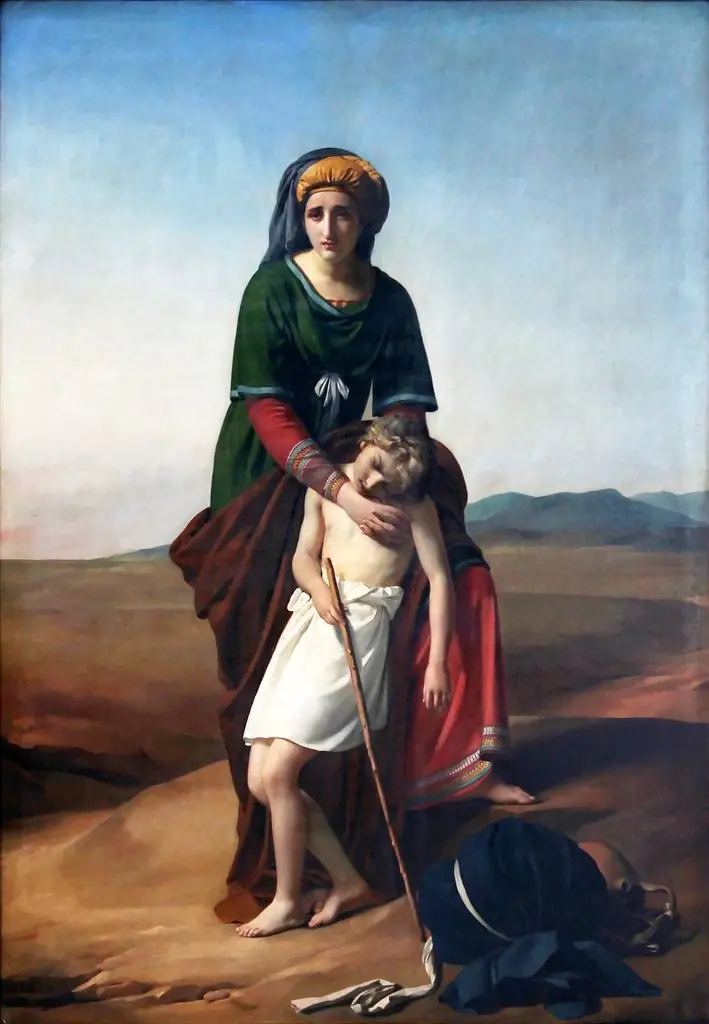 Hagar and Ismael in the Desert
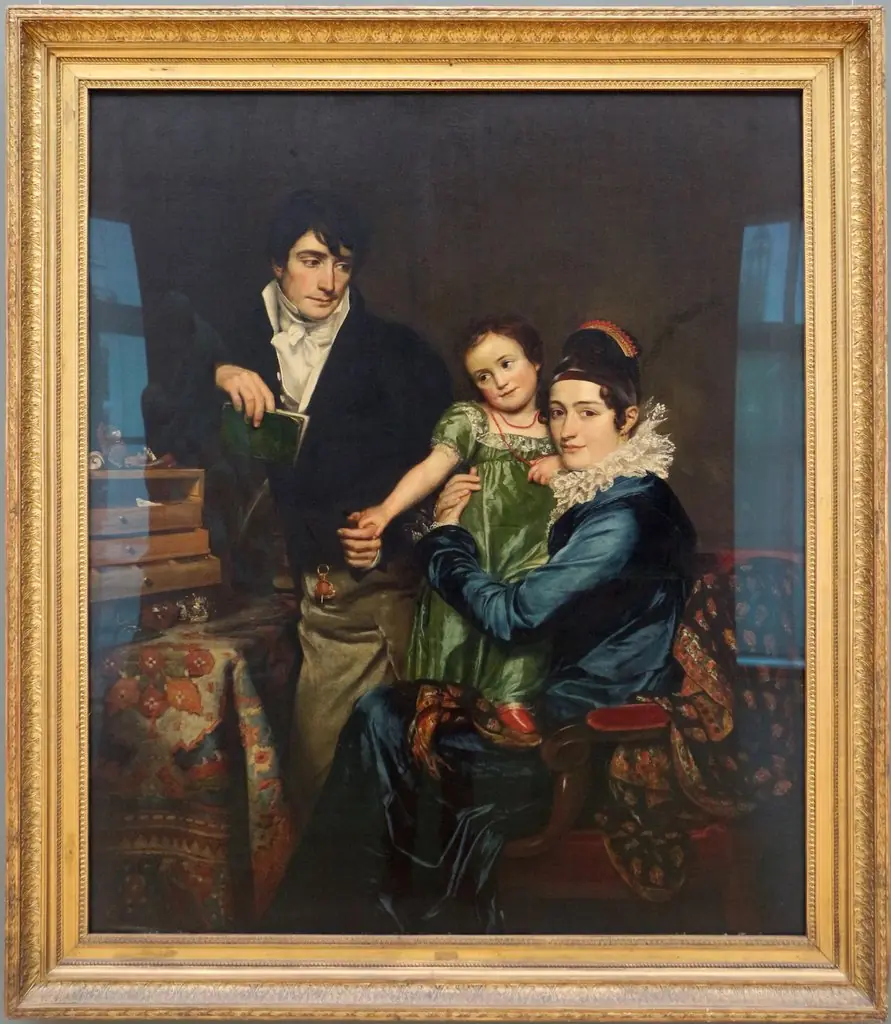 Portrait of the family of August Donat de Hemptinne (1783-....)
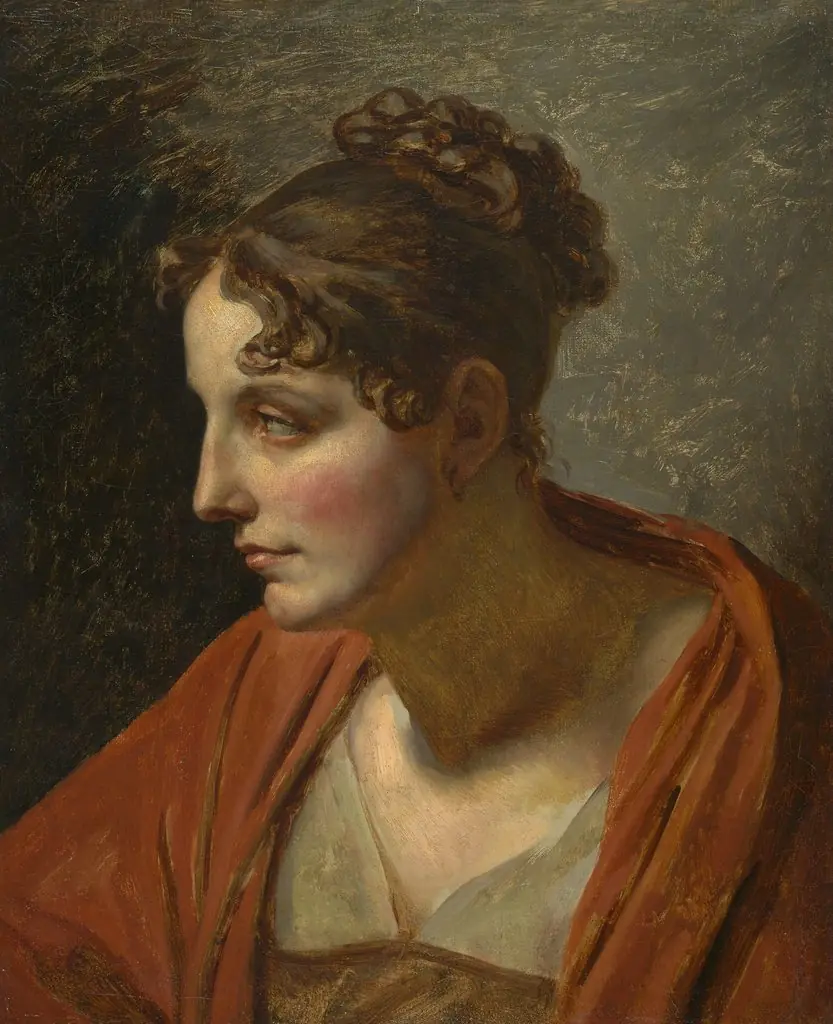 Head of a Woman
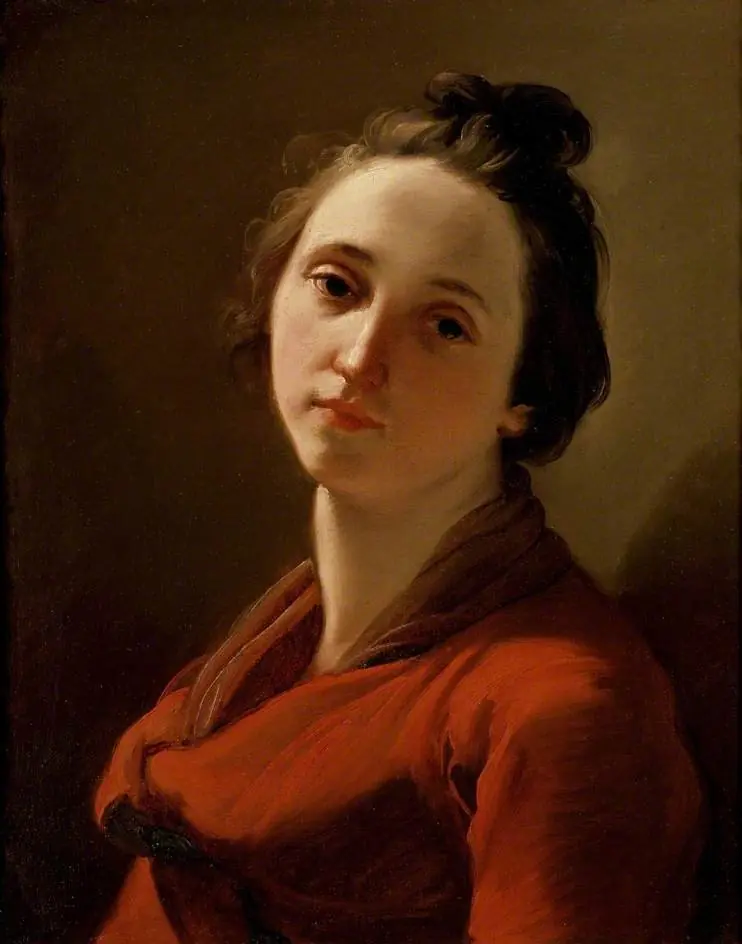 Head of a young Woman
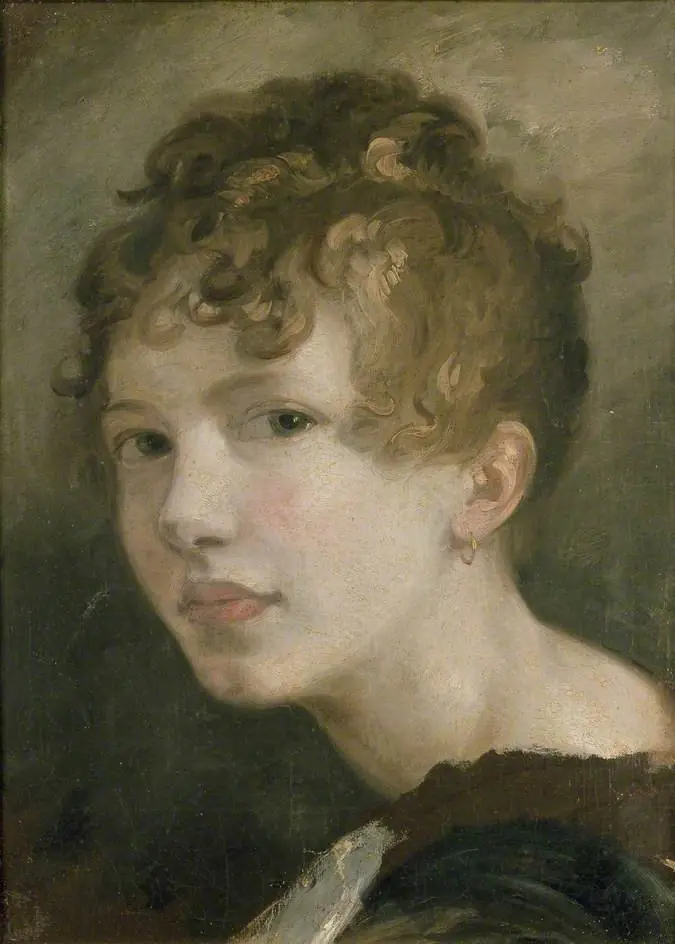 Hannah Mary de Cardonnel Lawson
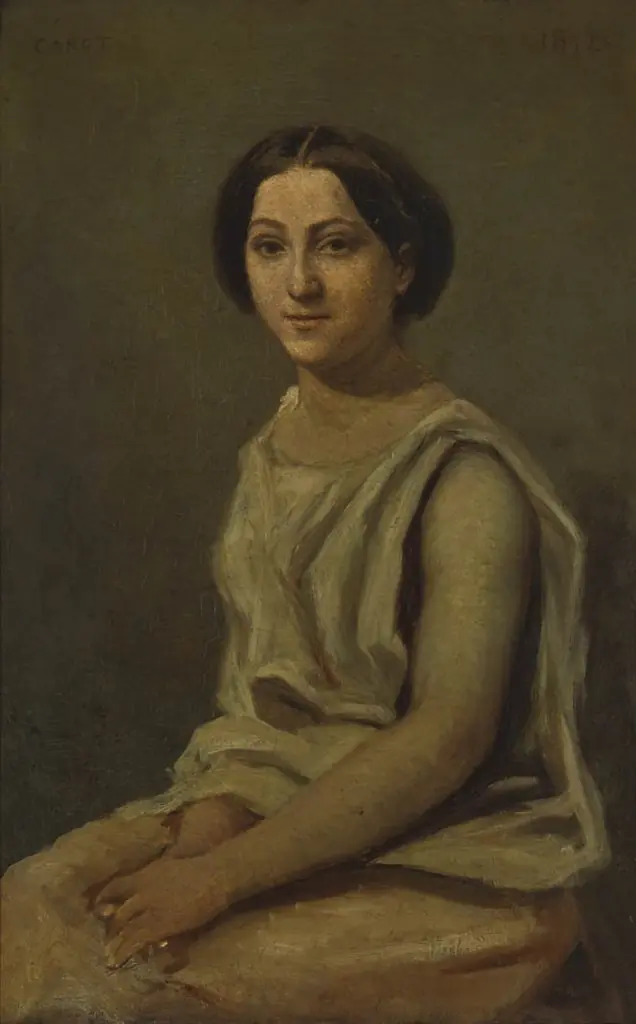 Louise Audiat
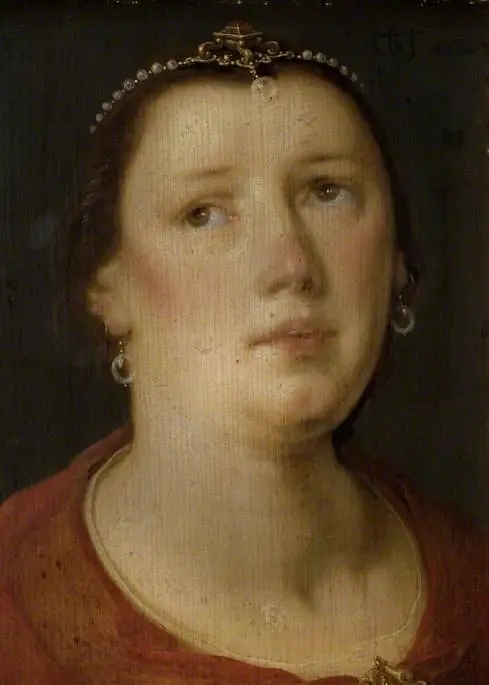 Female head
 D-ra Brezeanu
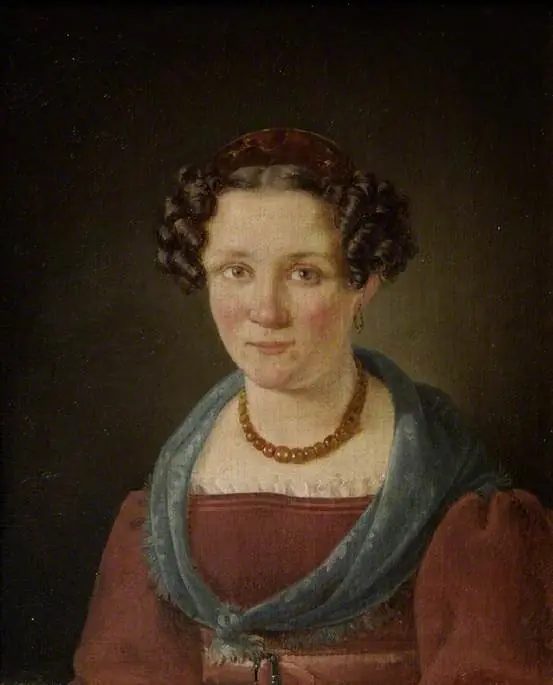 Portrait of a Woman
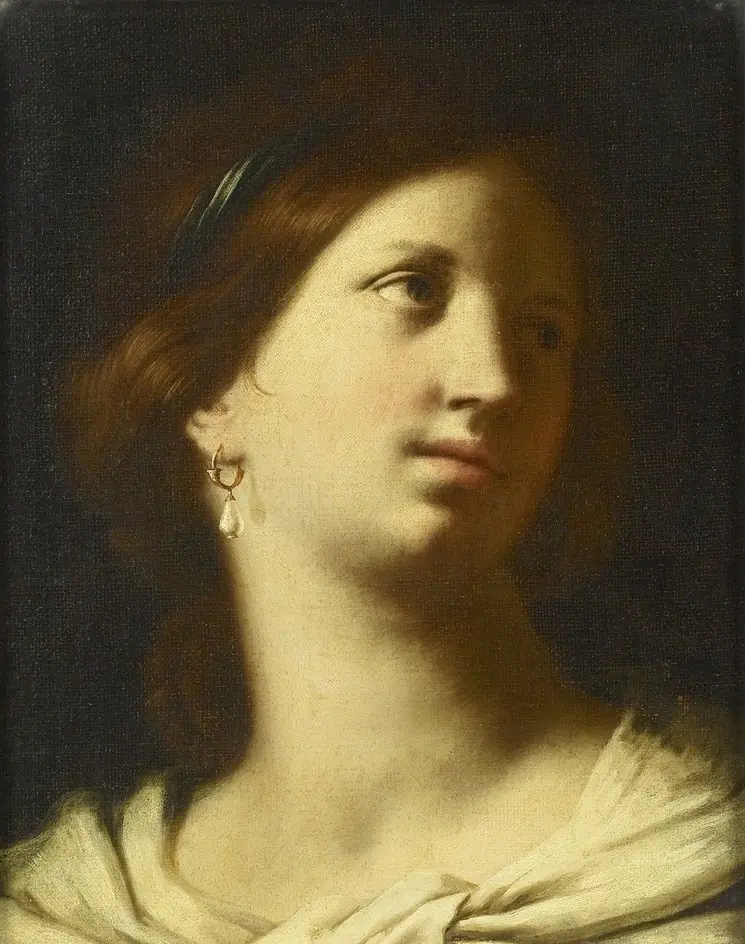 The Head of St Catherine
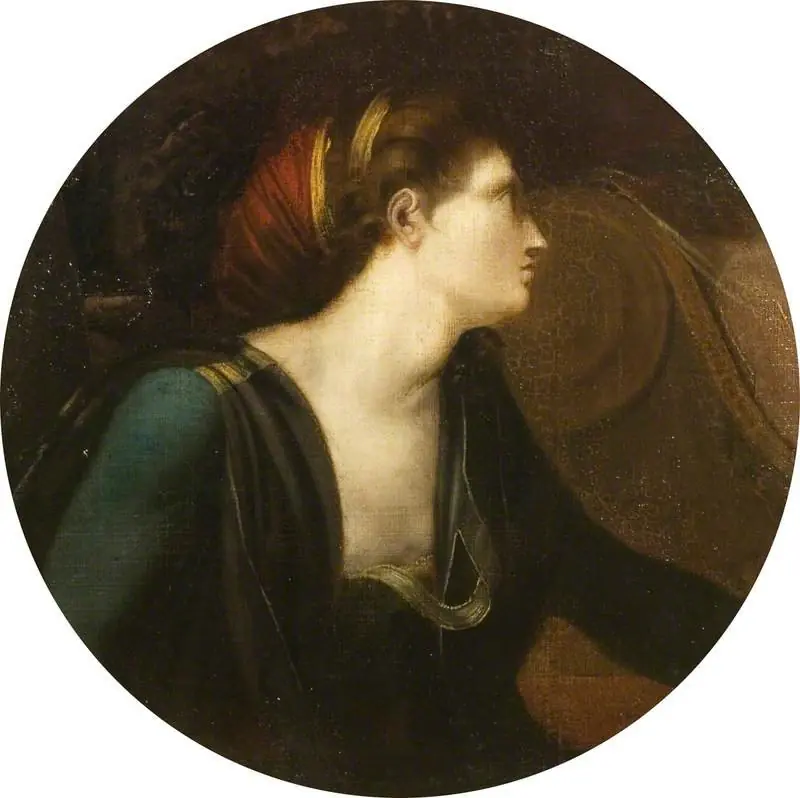 The Dream of Queen Katherine (from William Shakespeare's 'Henry VIII', Act IV, Scene 2) (fragment)
 A Sibyl
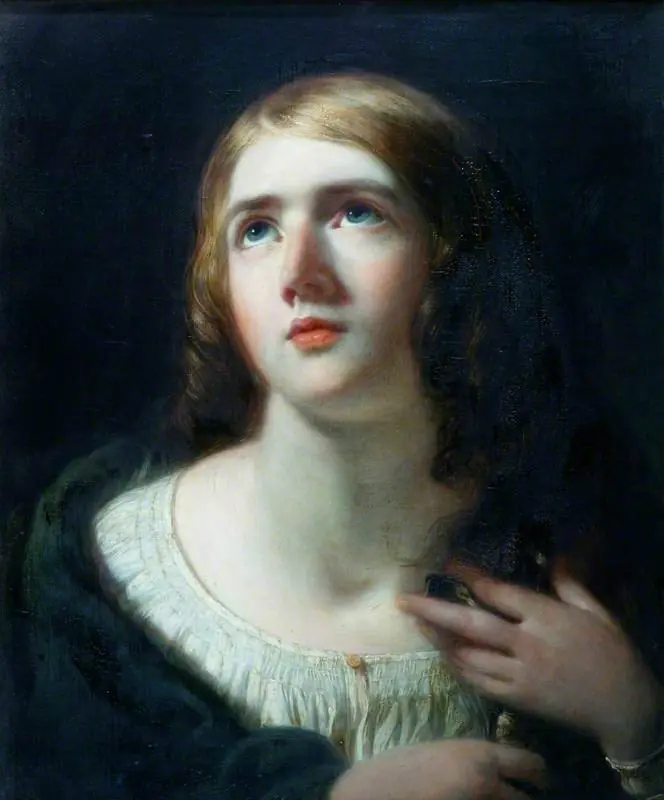 A Woman Clasping a Crucifix to Her Breast
 Head of a Girl