Artwork
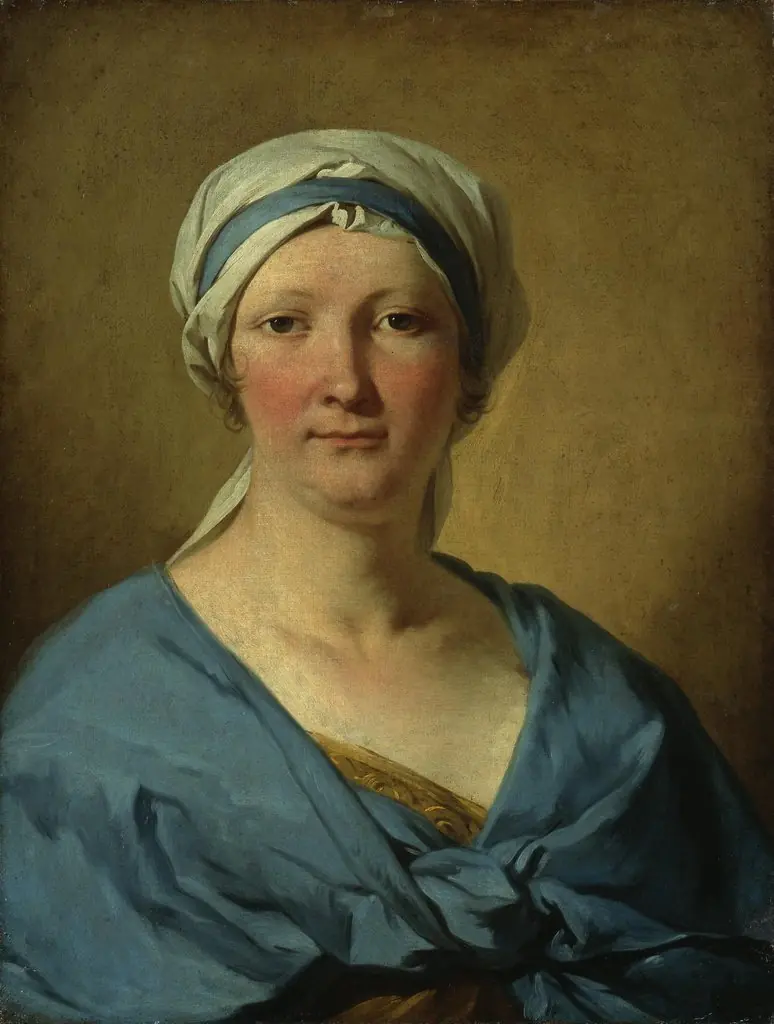
Head of a young Woman
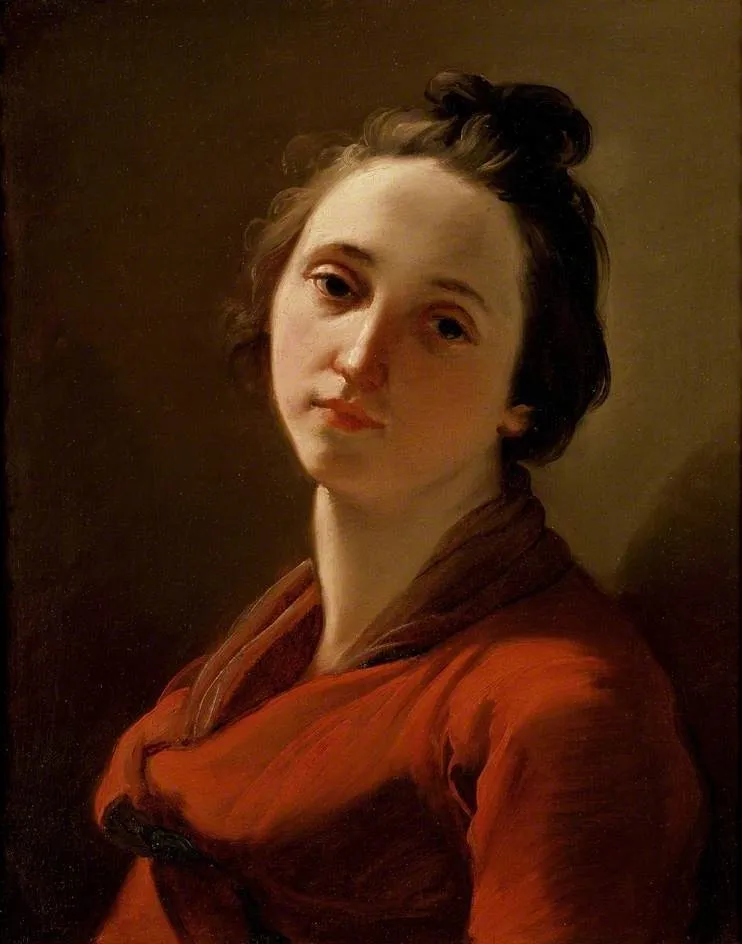
Head of a young Woman is an oil painting by the Rococo painting artist Ubaldo Gandolfi. It is held in the collection of the Ashmolean Museum.
About this work
Overview
Head of a young Woman is an oil painting created in 1788 by Ubaldo Gandolfi, a Bolognese painter active during the late Baroque period. The work exemplifies the stylistic characteristics of the Rococo movement.
Subject & Meaning
The painting depicts a young woman with dark hair styled in a bun, dressed in a reddish-brown gown with a high collar. Her contemplative gaze to the left and gently posed hand on her chest convey a sense of introspection. Subtle, loose strands of hair framing her face add a touch of softness to her portrayal.
Technique & Style
Executed in oil paint, the piece showcases Gandolfi's adherence to Rococo tendencies, characterized by a dark brown background that contrasts with the subject's attire, drawing focus to her introspective expression.
History & Provenance
Created toward the end of Gandolfi's career, the painting is now part of the Ashmolean Museum's collection. Gandolfi was known for his versatility in portraying portraits, biblical, and mythological themes.
Context
As a late Baroque work leaning into Rococo, it reflects the transitional artistic tastes of the time, emphasizing delicacy and emotional depth over the grandeur of earlier Baroque pieces.
Legacy
While specific impact on the broader art historical canon is not prominently noted, the piece remains a characteristic example of late 18th-century Italian Rococo portraiture, offering insight into Gandolfi's later stylistic preferences.
Artist & collection
Artist
Ubaldo Gandolfi (1728–1781) was an Italian painter, draughtsman and sculptor of the late-Baroque period, mainly active in and near Bologna.

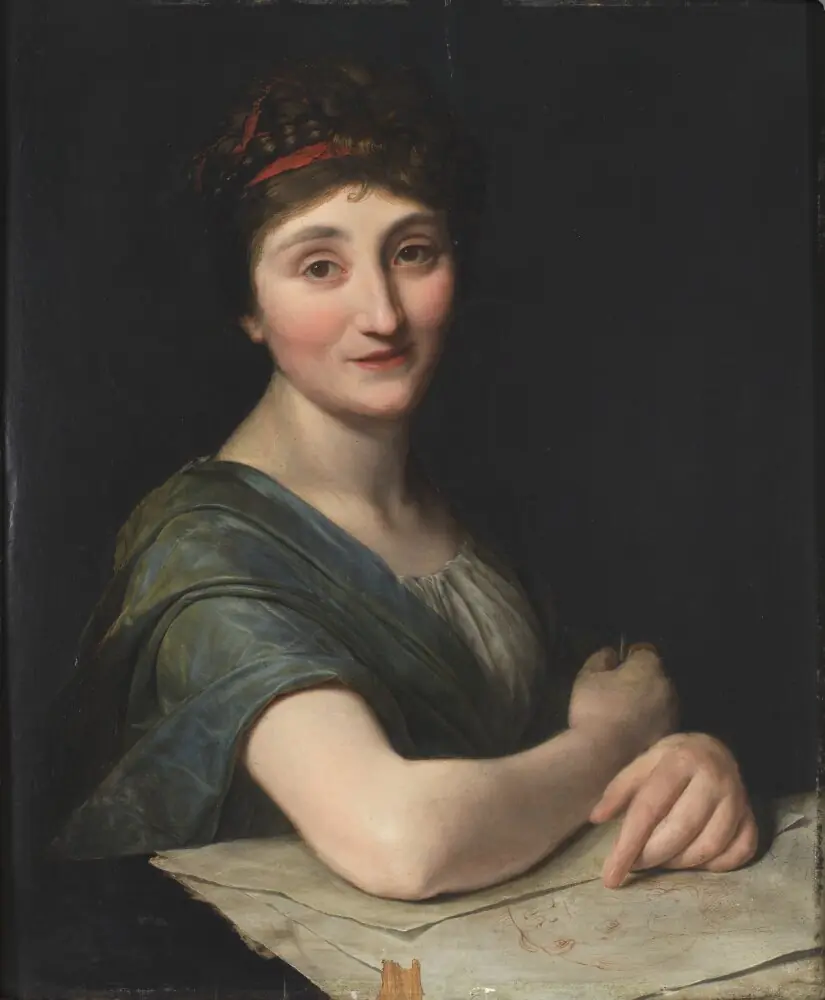 Porträtt av kvinnlig konstnär med teckning
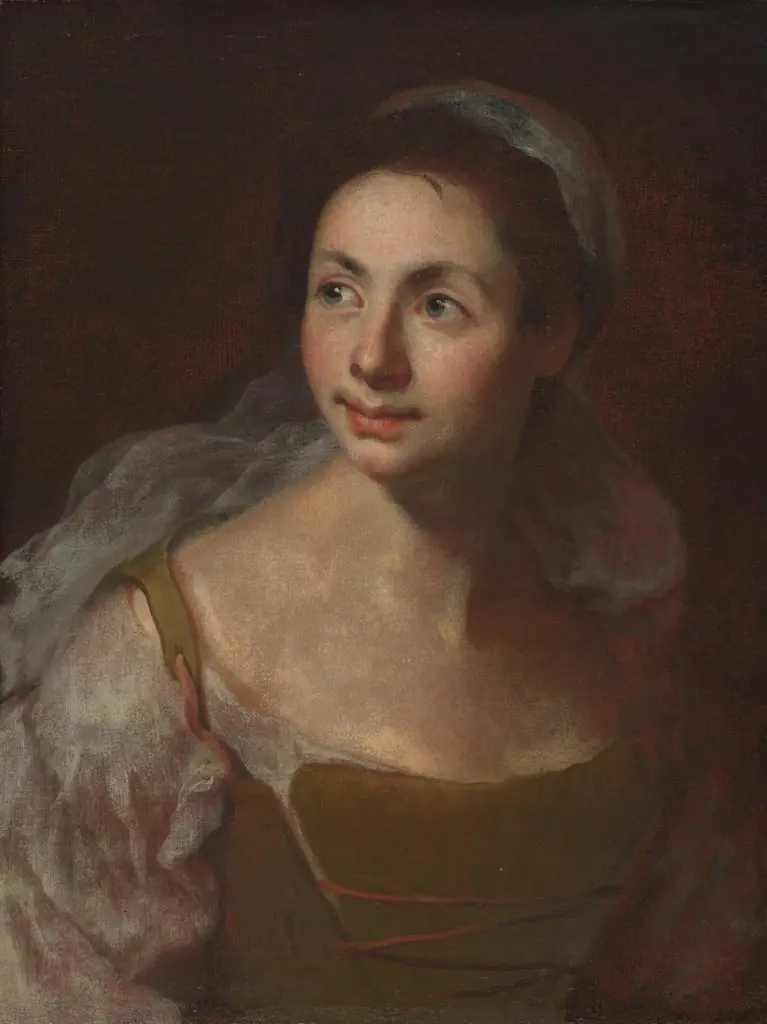 Portrait of a Girl
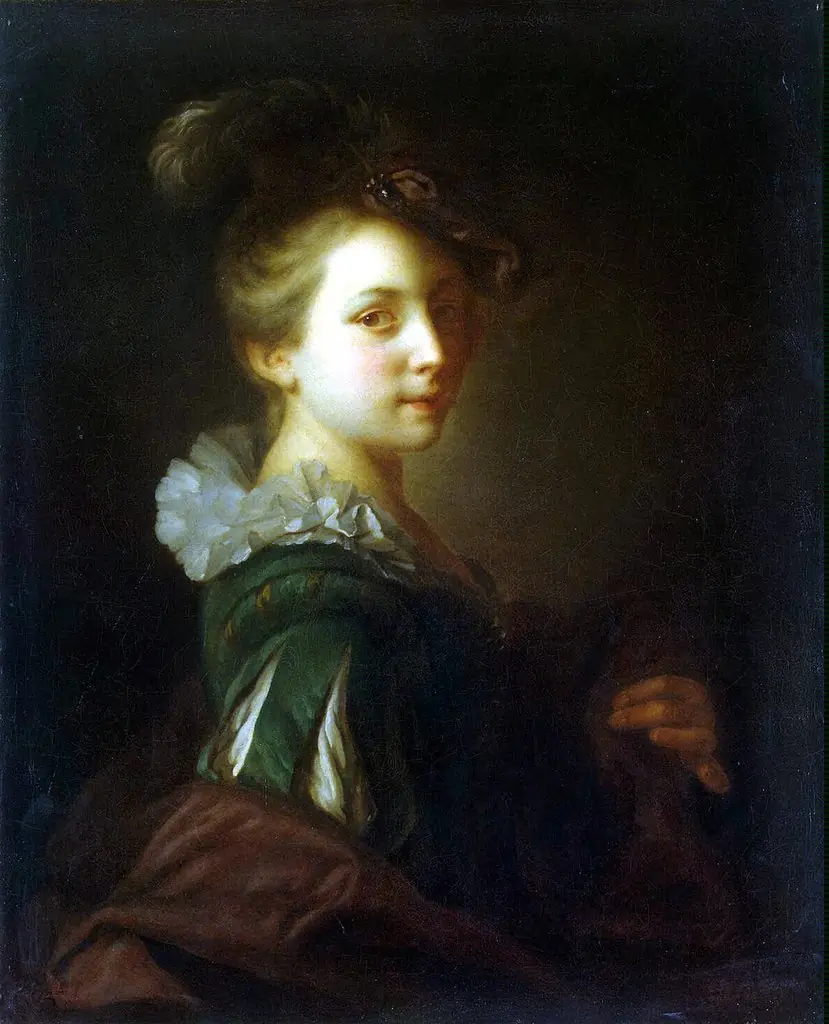 Young Woman in Theatrical Costume
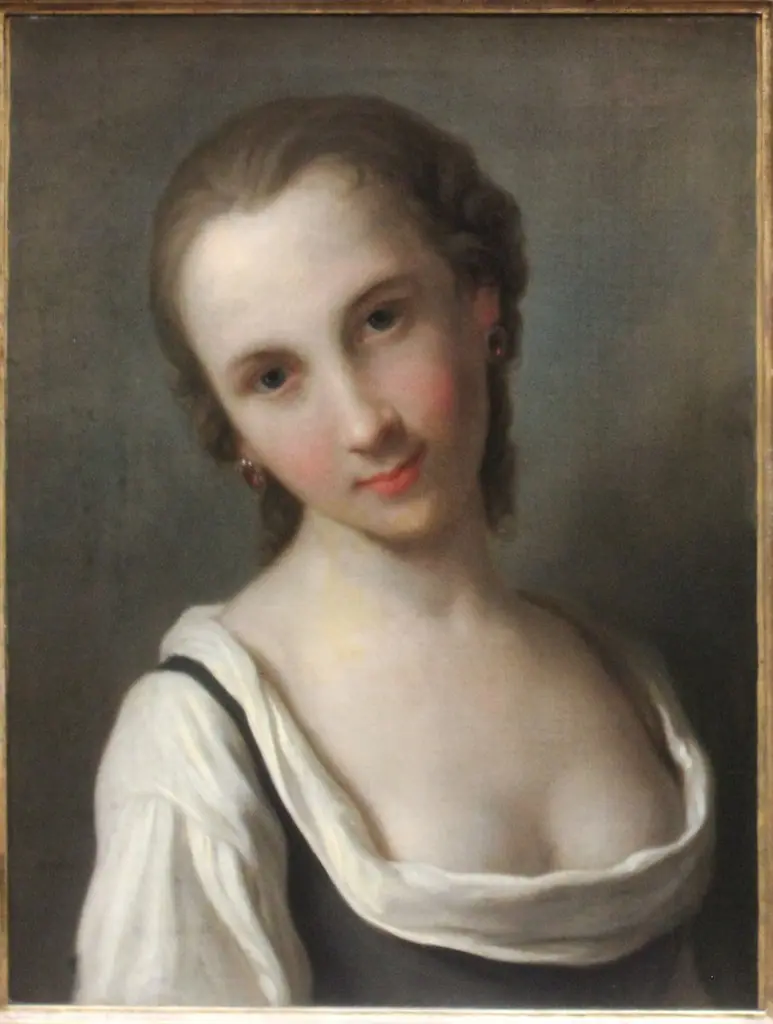 Girl with low neckline
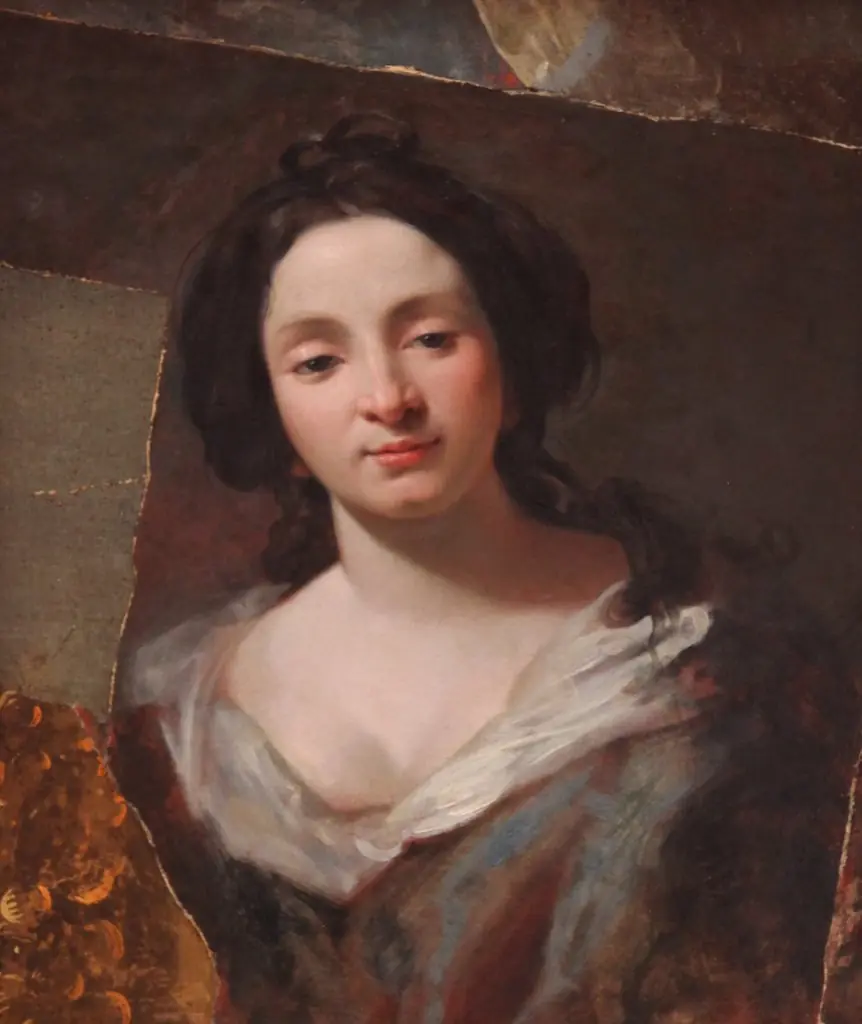 Portrait of Virginia da Vezzo
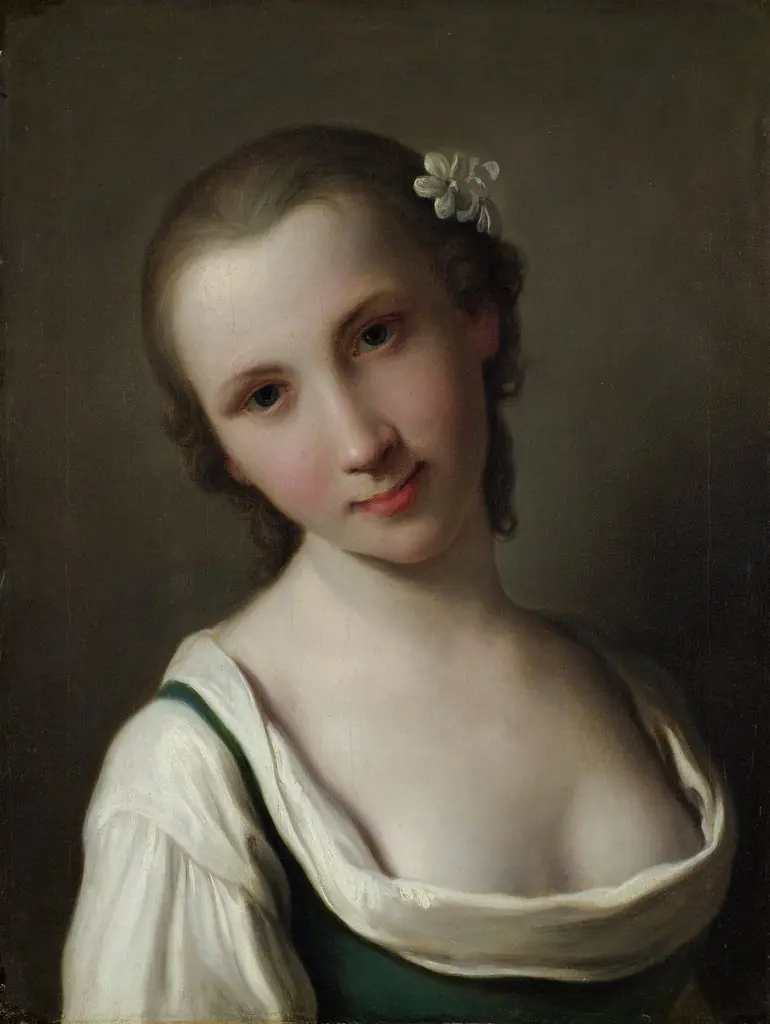 A young Woman
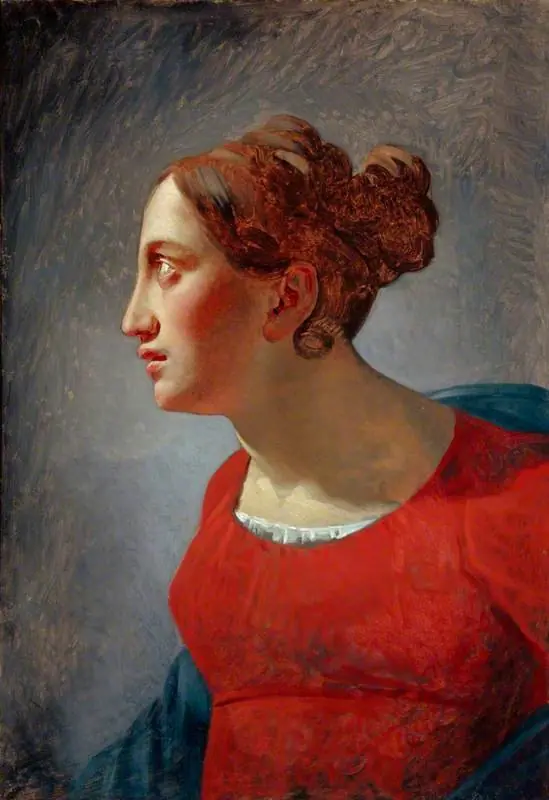 Study of Mademoiselle Luisa at the home of Portaels
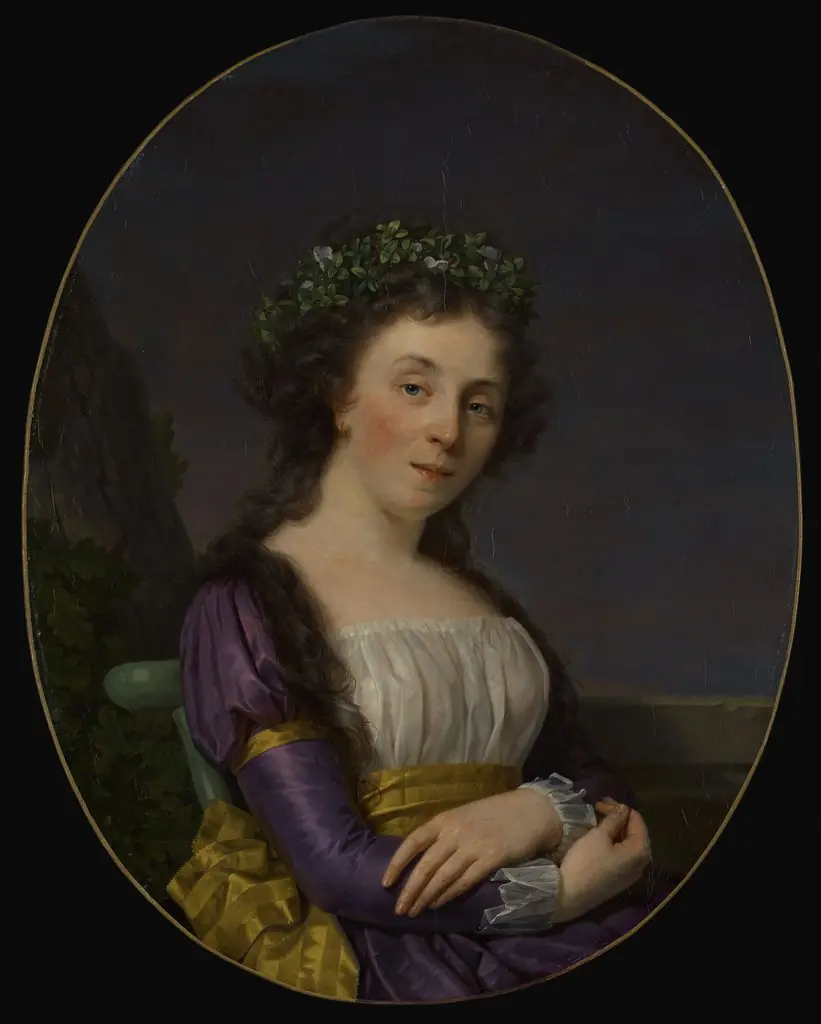 Portrait of Marie-Louise Joubert, née Poulletier de Perigny
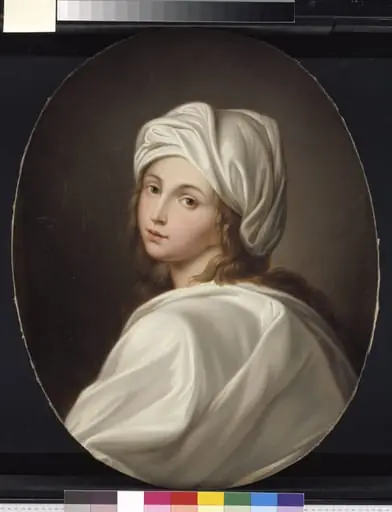 Portrait of Beatrice Cenci
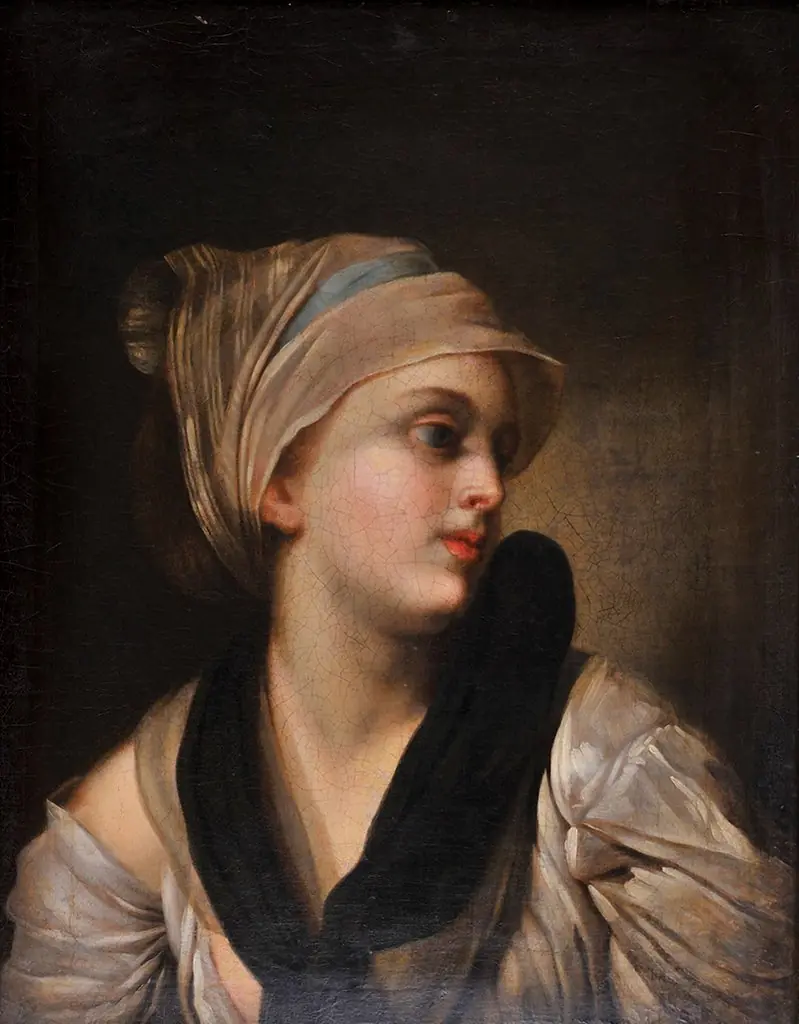 Portrait of a young woman
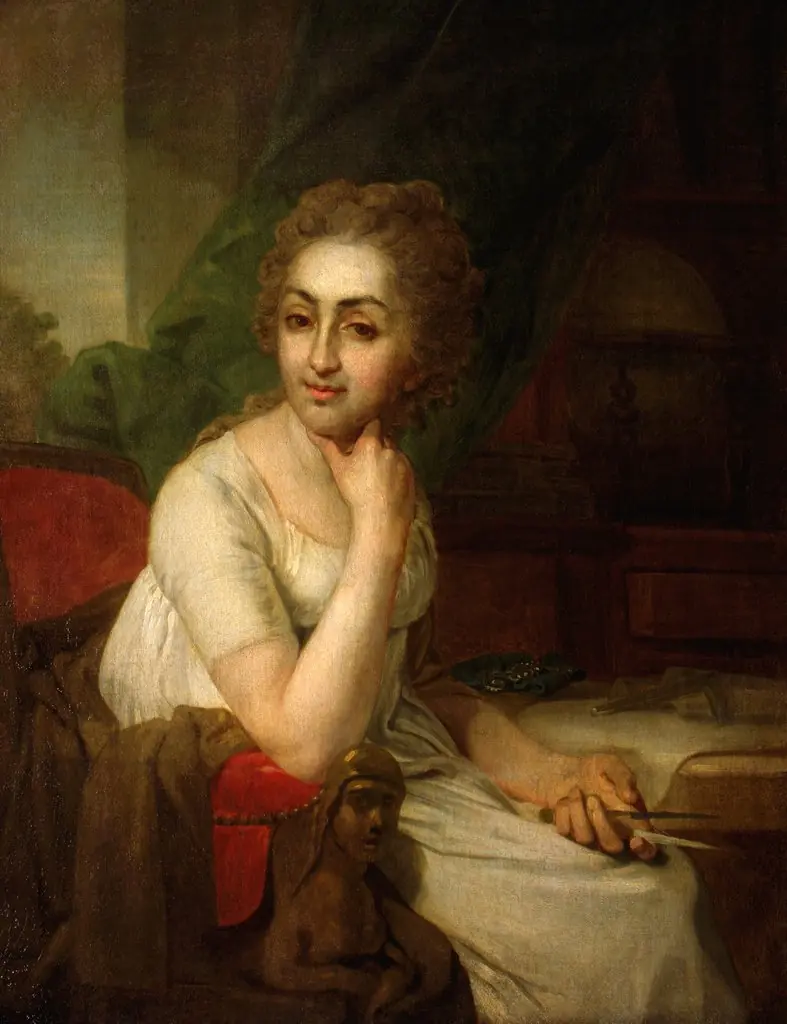 Untitled
 Portrait of a Woman