Artwork
A Sibyl
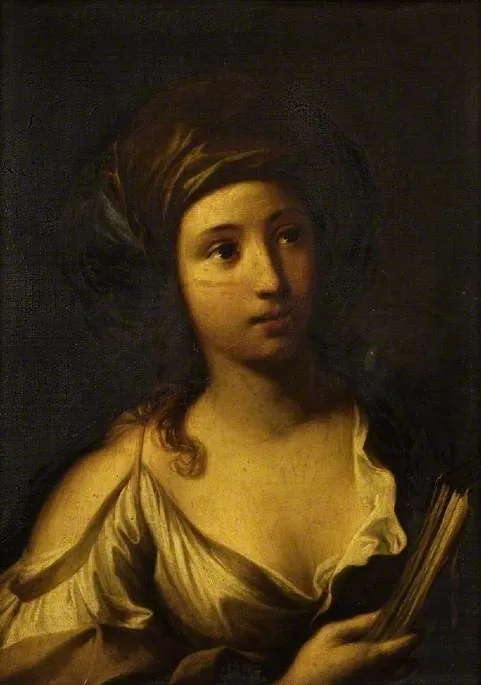
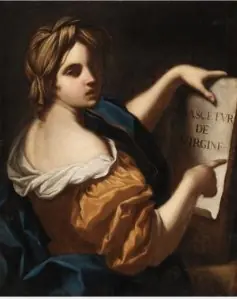
A Sibyl is an oil painting by Lorenzo Pasinelli. It dates from 1650 and is held in the collection of the Fitzwilliam Museum.
About this work
Overview
Executed in Bologna during the late Baroque era, the painting belongs to a tradition of mythological subjects popular among Italian artists of the time.
Painted around 1650 by Lorenzo Pasinelli, this oil-on-canvas work portrays a sibyl, a prophetic figure from classical antiquity. Executed in Bologna during the late Baroque era, the painting belongs to a tradition of mythological subjects popular among Italian artists of the time. It is now part of the Fitzwilliam Museum’s collection, where it is preserved as an example of regional religious and mythological imagery from the mid-seventeenth century.
Subject & Meaning
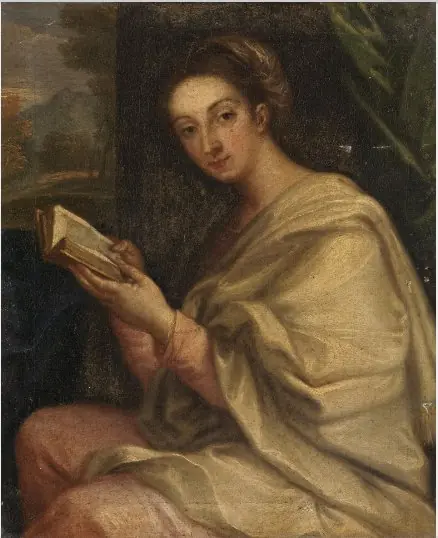
The figure represents a sibyl, a female oracle believed to channel divine knowledge in ancient Greco-Roman culture. Her contemplative gaze and the book she holds suggest an engagement with sacred texts or prophetic revelations. The modest yet dignified presentation reflects a humanized interpretation of mythological figures, emphasizing inner reflection over theatrical grandeur, consistent with Bolognese artistic sensibilities of the period.
Technique & Style
Pasinelli employed oil paint to achieve subtle tonal transitions and soft modeling of form. The dark, unmodeled background isolates the figure, enhancing her presence through contrast. Her white dress, draped loosely and slipping from one shoulder, is rendered with delicate highlights, while the brown headscarf adds warmth and texture. The composition avoids dramatic movement, favoring quiet stillness and intimate realism.
History & Provenance
The painting was likely created during Pasinelli’s early career in Bologna, a center of academic art training. Its path to the Fitzwilliam Museum is not fully documented, but it entered the collection in the nineteenth century, possibly through a British traveler or collector with interest in Italian Old Masters. It has remained in the museum’s holdings since, with no record of significant restoration.
Context
In mid-seventeenth-century Bologna, artists often blended religious devotion with classical themes. Sibyls appeared frequently in altarpieces and private collections as symbols of divine foresight, bridging pagan antiquity and Christian theology. Pasinelli’s version reflects this synthesis, presenting the figure not as a supernatural entity but as a thoughtful, earthly woman—aligning with the era’s growing interest in psychological depth.
Legacy
While not widely reproduced or studied today, the painting exemplifies the quiet, introspective strand of Baroque art that prioritized restraint over spectacle. It contributes to understanding how regional Italian painters adapted classical subjects for private contemplation. As one of fewer surviving works by Pasinelli, it remains a valuable reference for scholars examining Bolognese painting beyond its more famous contemporaries.
Artist & collection
Artist
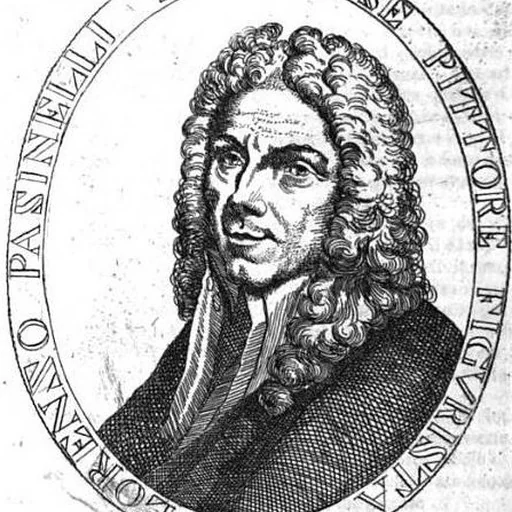
Lorenzo Pasinelli (September 4, 1629 – March 4, 1700) was an Italian painter active mainly in Bologna during the late Baroque period.