Artwork
Visitation
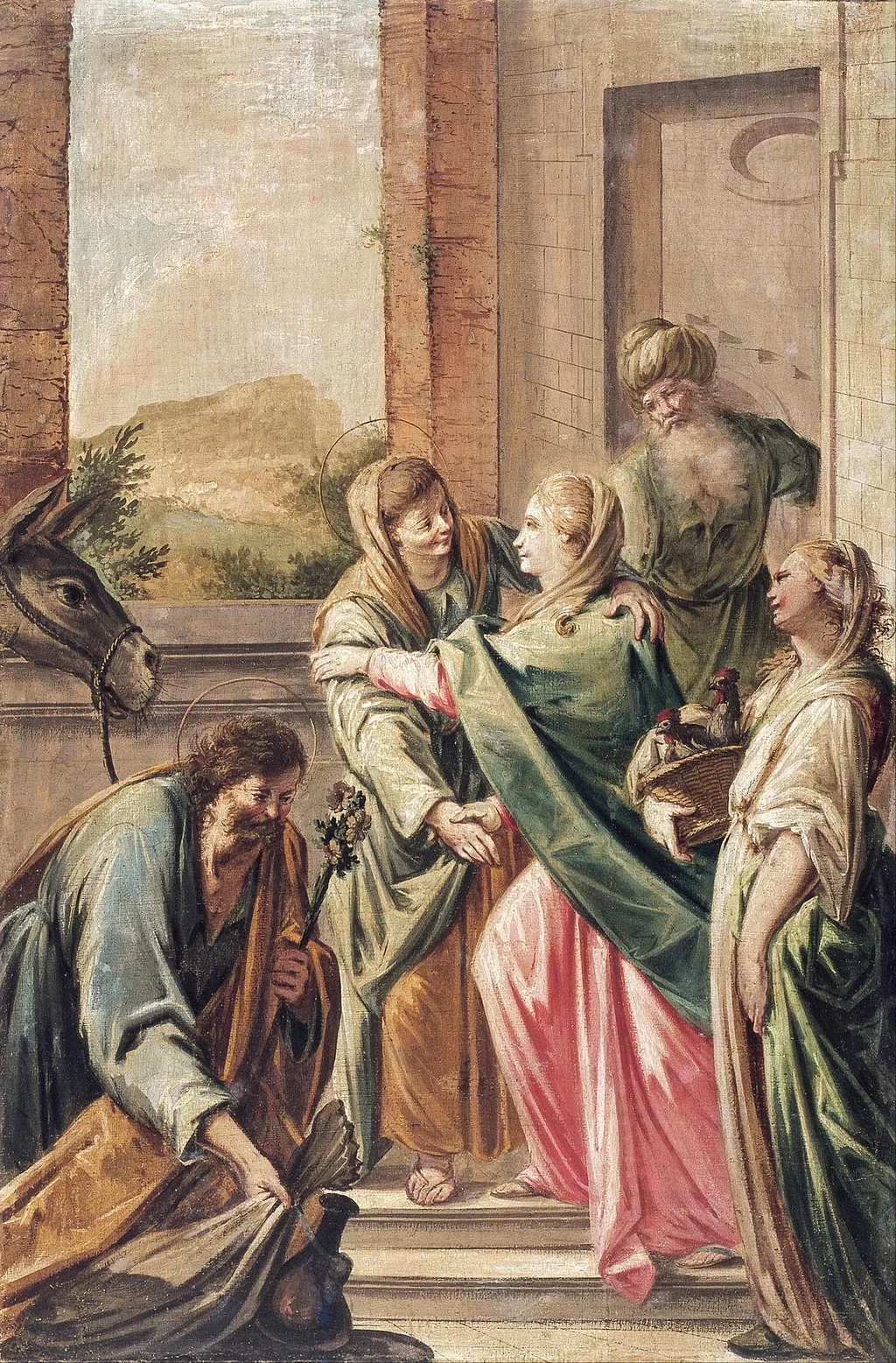
Visitation is an unspecified painting by the Rococo painting artist Francesc Pla i Duran. It dates from 1790 and is held in the collection of the Museu Nacional d'Art de Catalunya.
About this work
Overview
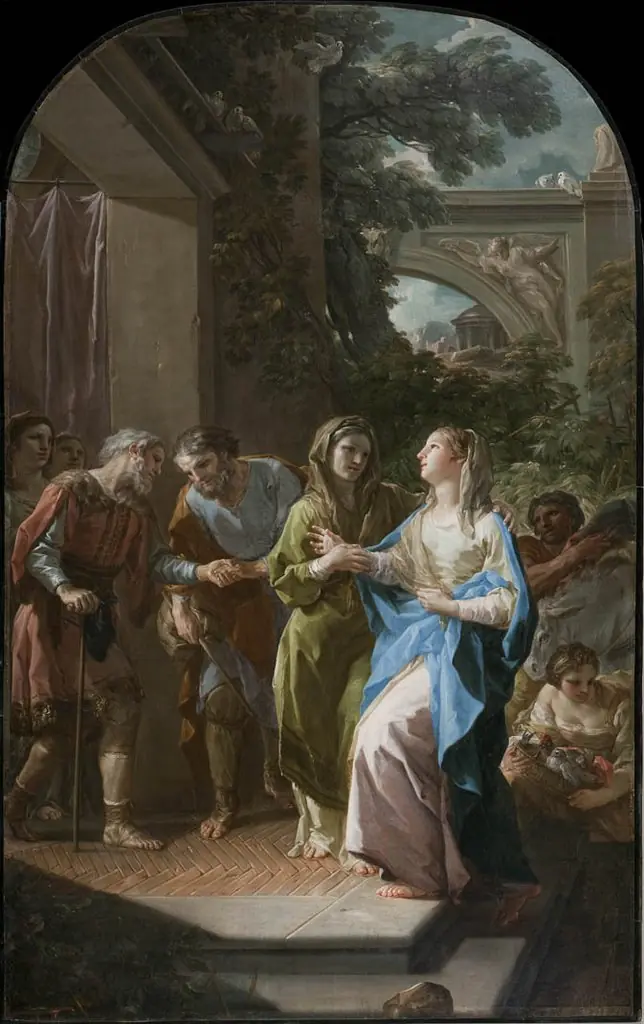
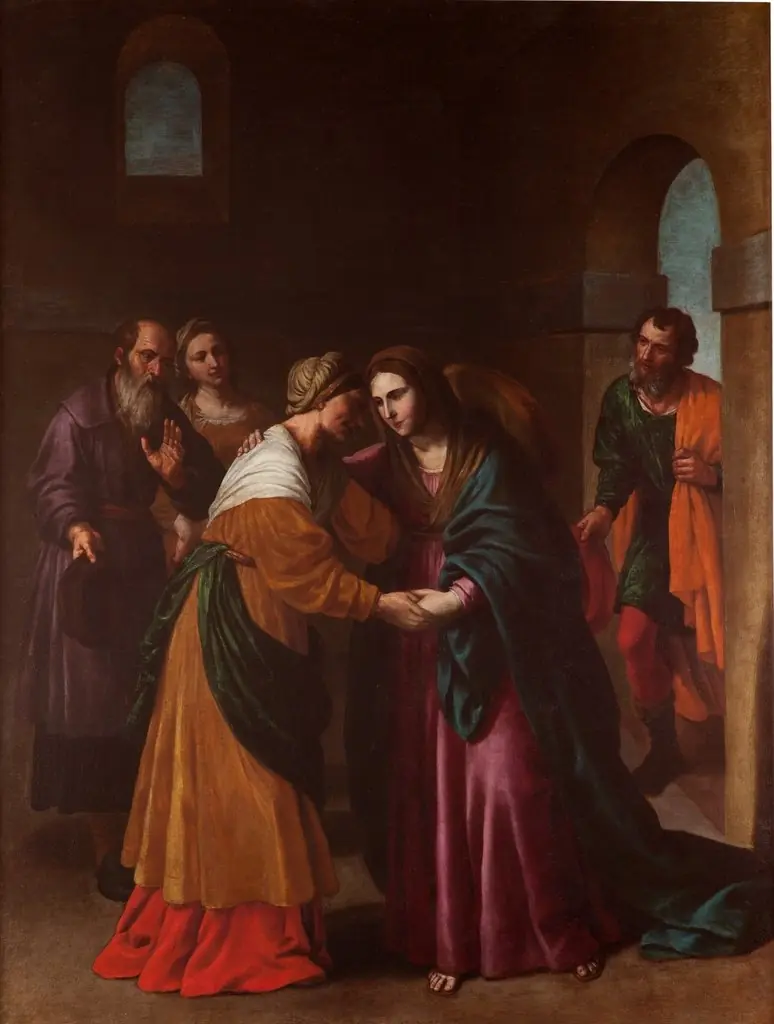
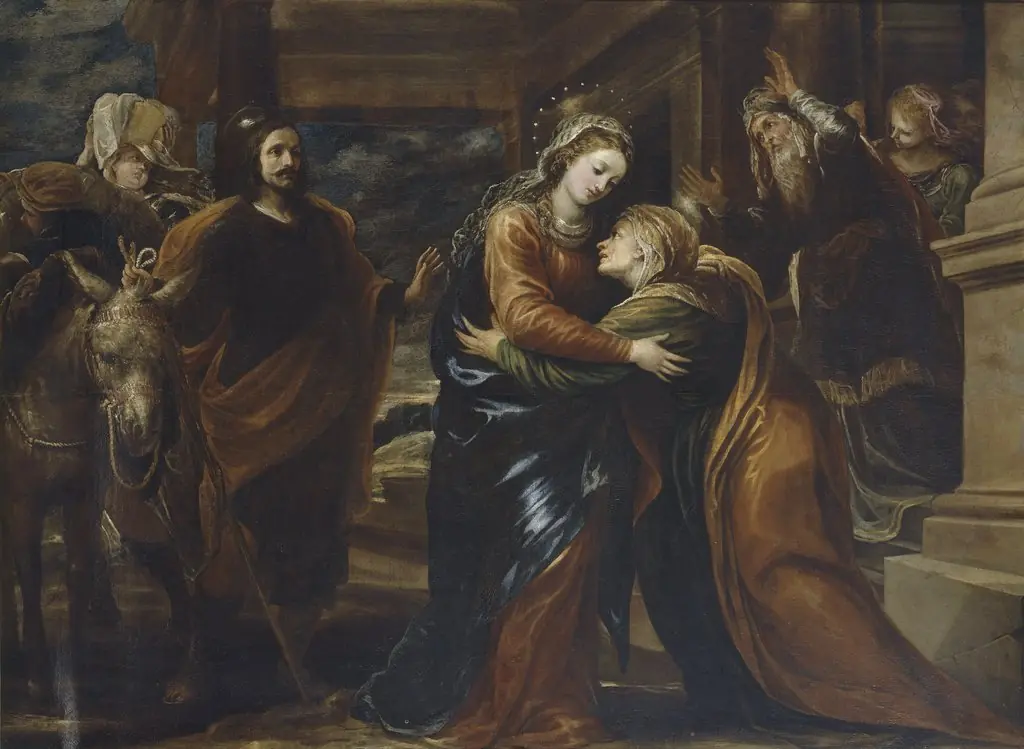
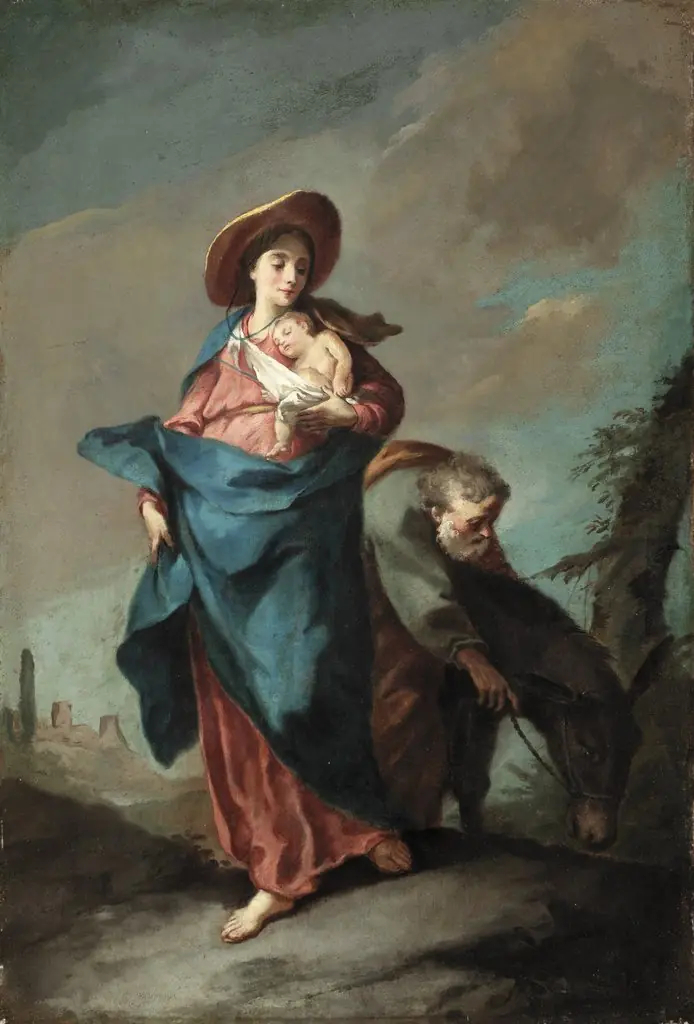
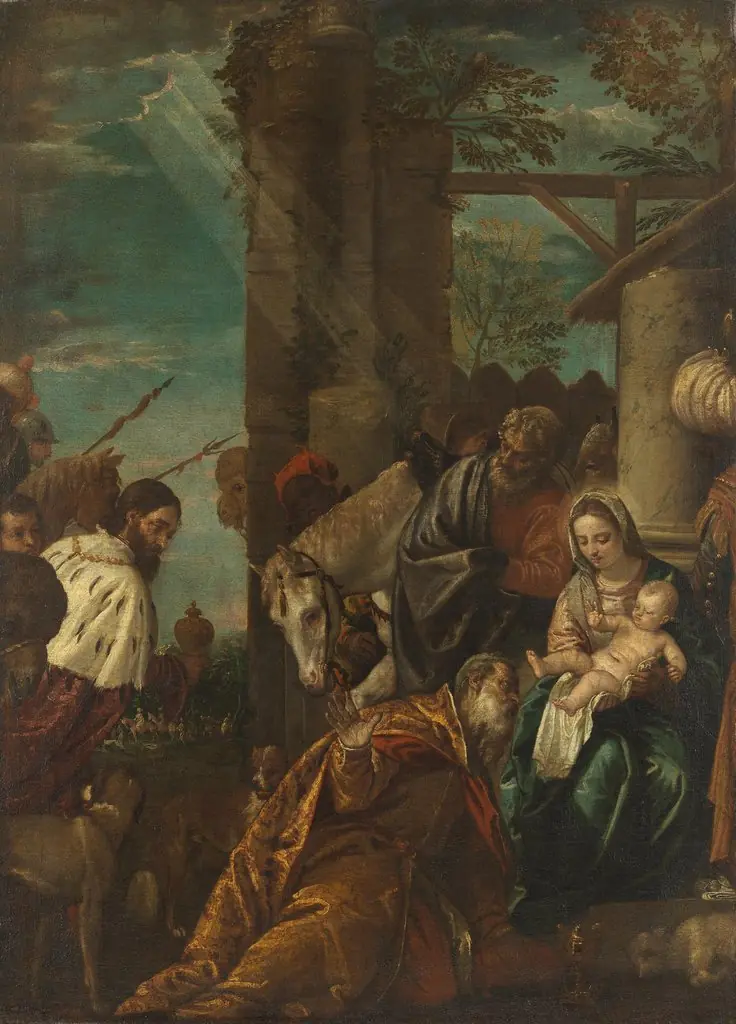
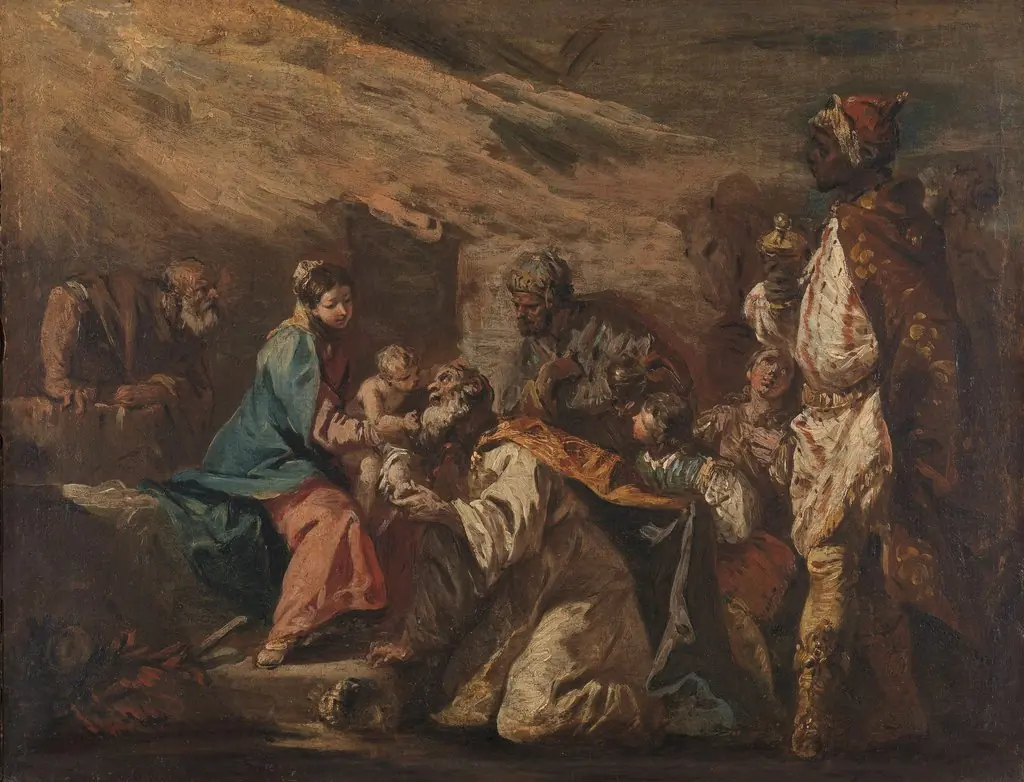
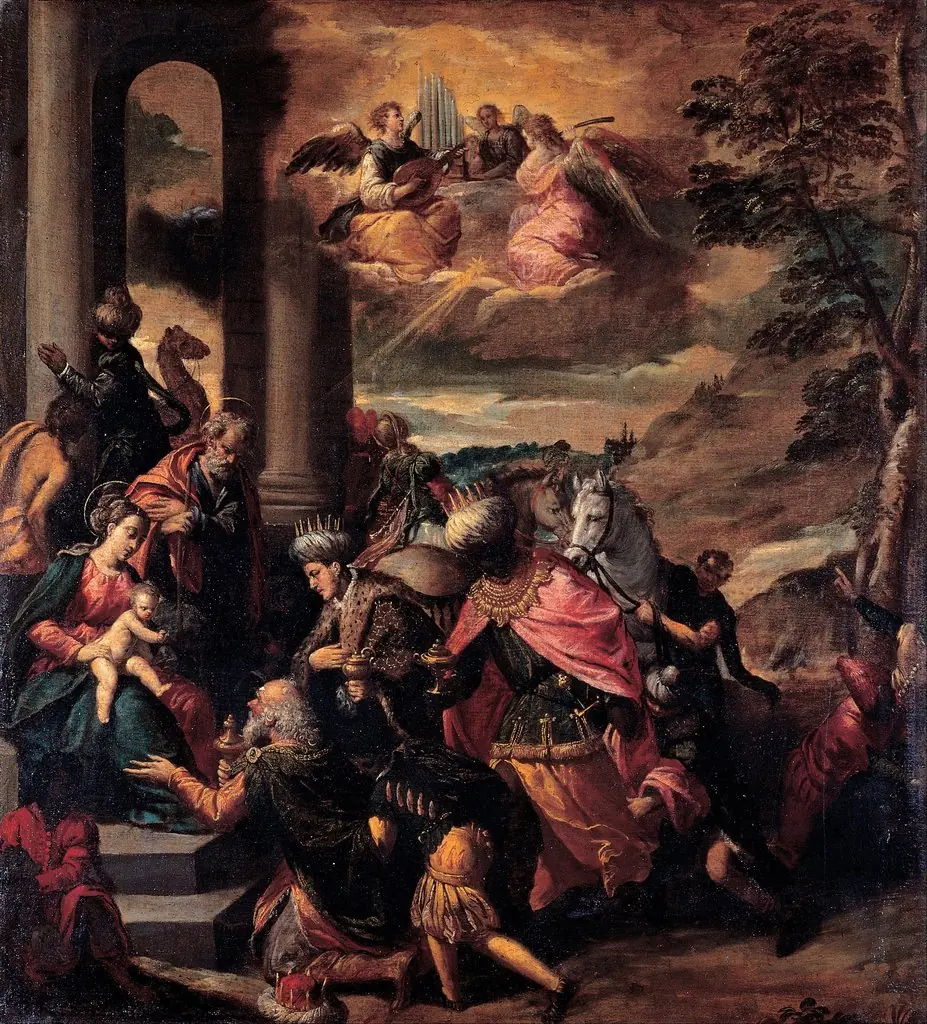
Painted in 1790 by Francesc Pla i Duran, this work depicts the biblical Visitation, a moment when Mary visits her cousin Elizabeth.
Painted in 1790 by Francesc Pla i Duran, this work depicts the biblical Visitation, a moment when Mary visits her cousin Elizabeth. The scene is rendered with quiet domestic realism, set against a rural Catalan backdrop. Six figures are arranged around a stone staircase, their gestures and positioning suggesting reverence and quiet anticipation. The painting resides in the Museu Nacional d'Art de Catalunya, where it represents regional religious art of the late 18th century.
Subject & Meaning
The scene illustrates the meeting of Mary and Elizabeth, as described in the Gospel of Luke. Mary, identified by her green shawl, ascends the stairs as Elizabeth, likely one of the women assisting her, welcomes her. The presence of a donkey and domestic items like chickens and flowers grounds the sacred event in everyday life. The attentive gaze of the bearded man and the kneeling figure suggest recognition of the moment’s spiritual significance, blending divine narrative with human intimacy.
Technique & Style
Pla i Duran employs a restrained palette and clear, linear composition to emphasize narrative clarity. Figures are rendered with modest detail, avoiding dramatic idealization. The stone architecture and countryside background are rendered with observational precision, reflecting local architectural forms. Light falls naturally across the figures, enhancing their physical presence without theatricality. The style aligns with late Baroque regional traditions, prioritizing accessibility over grandeur.
History & Provenance
The painting was created in Catalonia during a period of religious art production under ecclesiastical patronage. It entered the collection of the Museu Nacional d'Art de Catalunya in the early 20th century as part of efforts to preserve regional heritage. Its provenance prior to museum acquisition is not fully documented, but its subject and style suggest it was likely commissioned for private devotion or a local chapel.
Context
In late 18th-century Catalonia, religious imagery often merged biblical themes with local customs and settings. This painting reflects a trend toward vernacular realism, where sacred stories were told through familiar environments and ordinary people. Unlike grander European altarpieces, it avoids ornate symbolism, instead emphasizing quiet human interaction as a vessel for spiritual meaning.
Legacy
The work stands as a representative example of Catalan religious painting from the Enlightenment era, valued for its understated humanity and regional authenticity. It contributes to scholarly understanding of how local artists interpreted biblical narratives without relying on imported stylistic models. Its preservation in a national museum underscores its role in documenting Catalonia’s artistic and devotional traditions.
Own this work as a print
Artist & collection