Artwork
The Lamentation of Christ
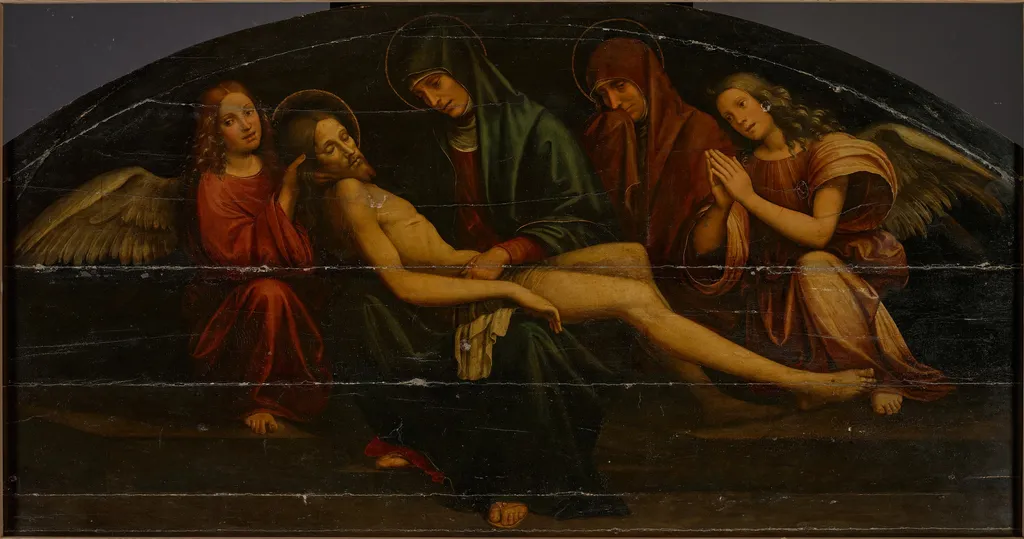
The Lamentation of Christ is an unspecified painting by the High Renaissance artist Francesco Francia. It dates from 1510 and is held in the collection of the Gemäldegalerie Berlin.
About this work
If you're interested in learning more about this painting, you might want to explore the work of the artist Francesco Francia, who created this piece in 1510.
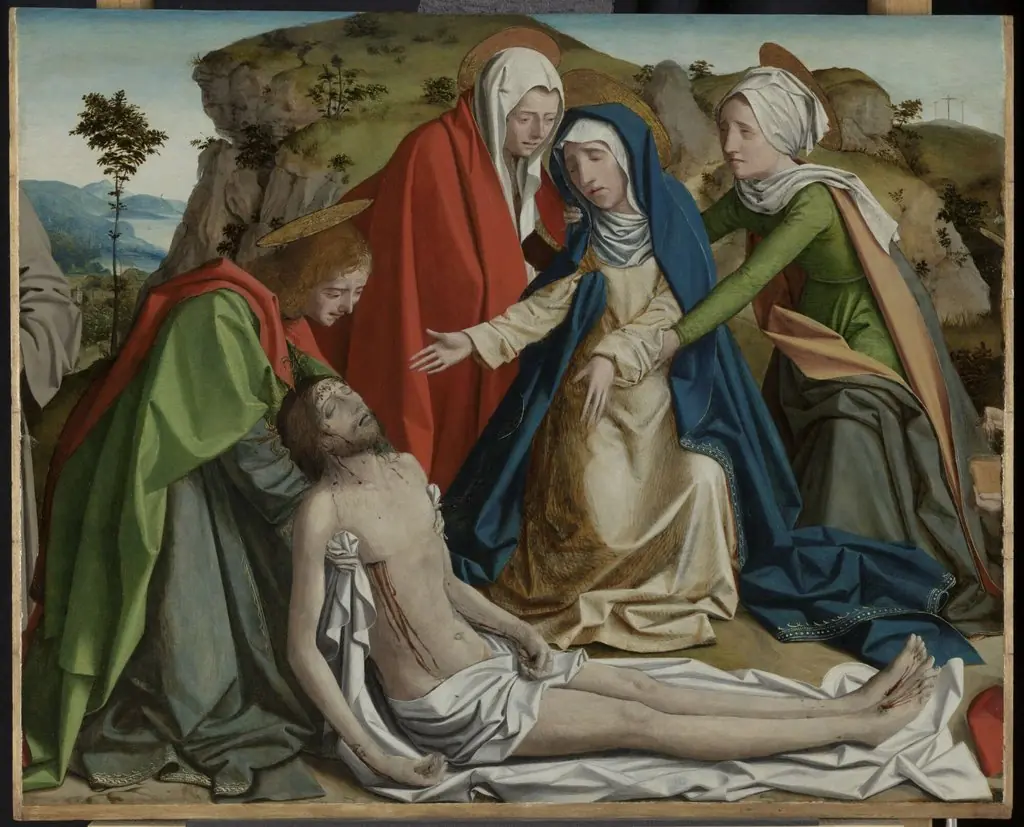
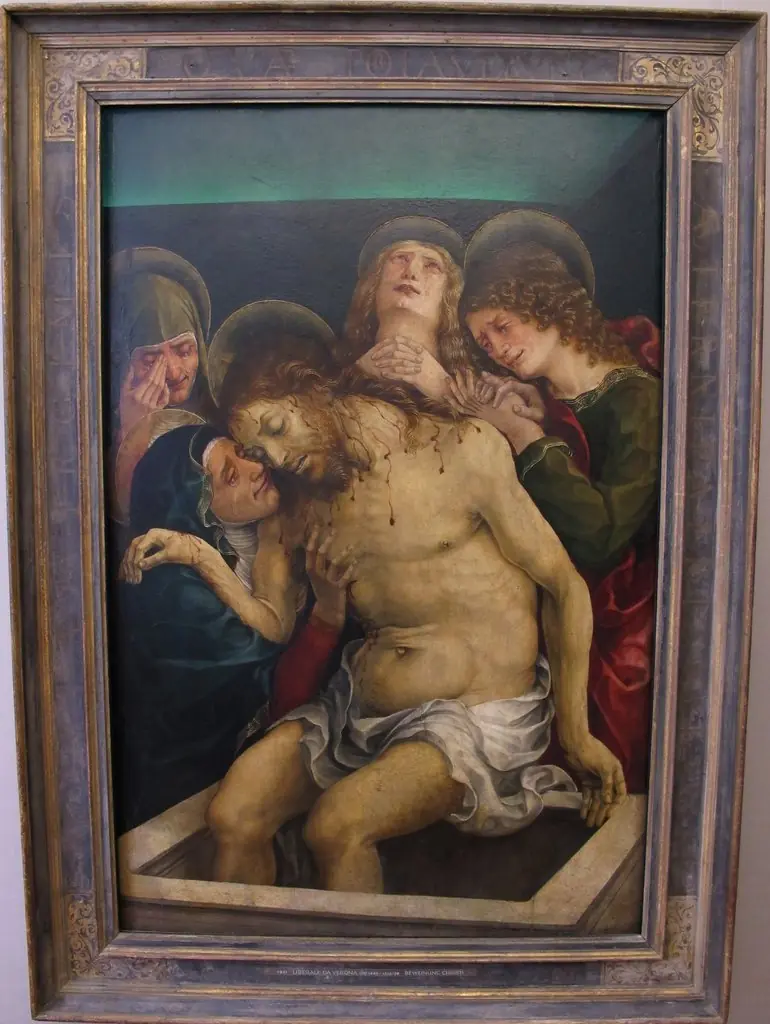
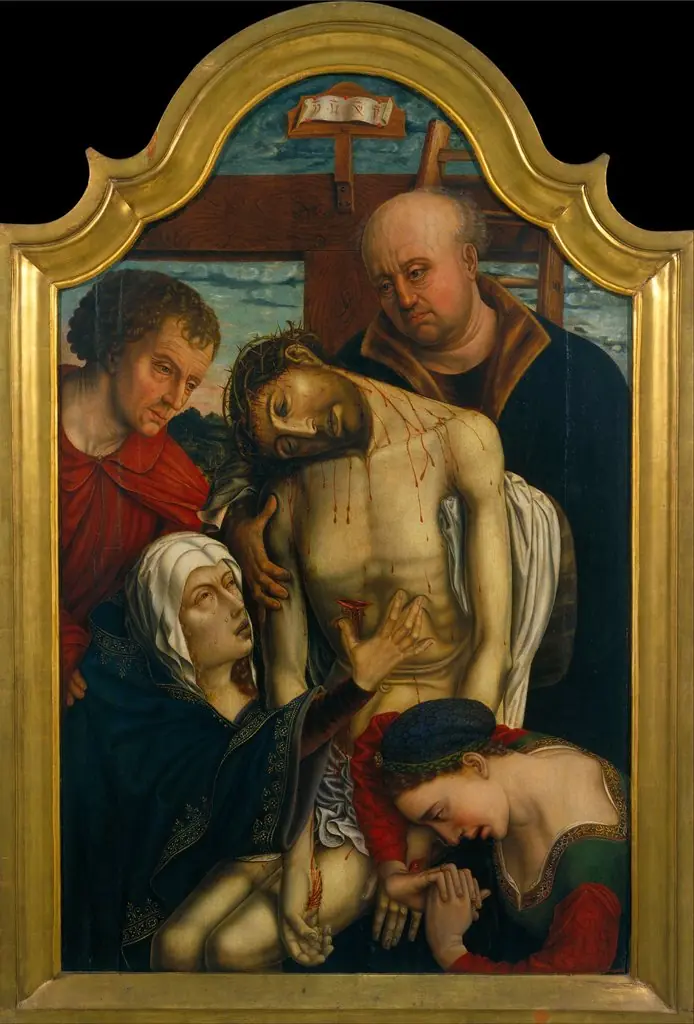
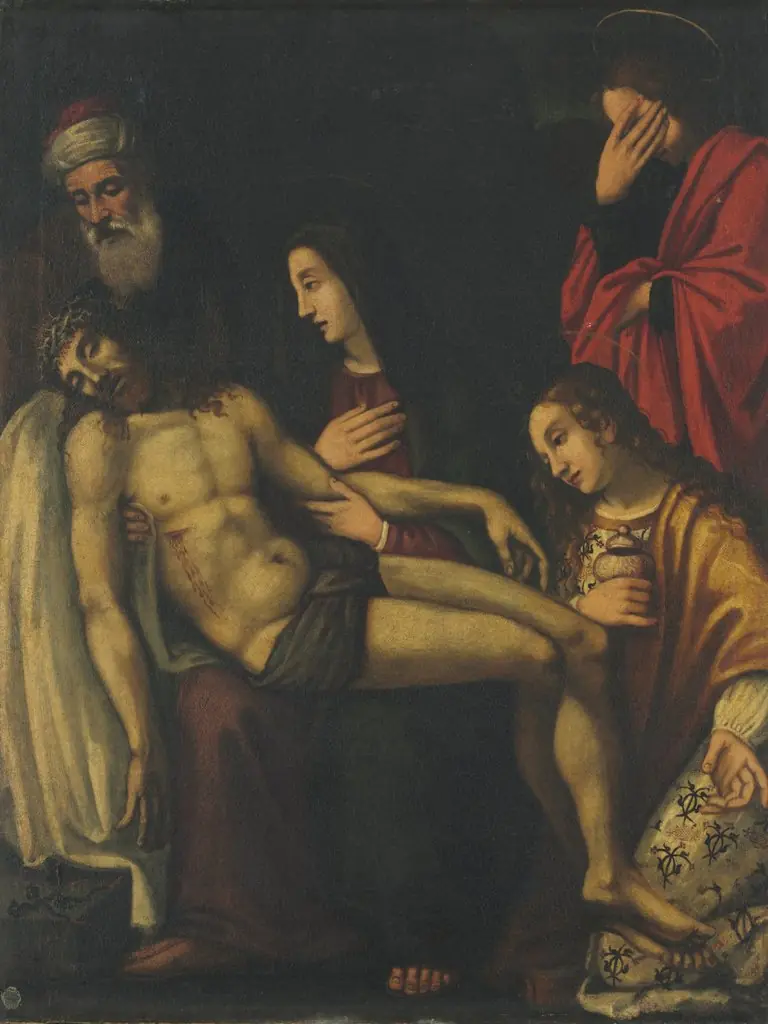
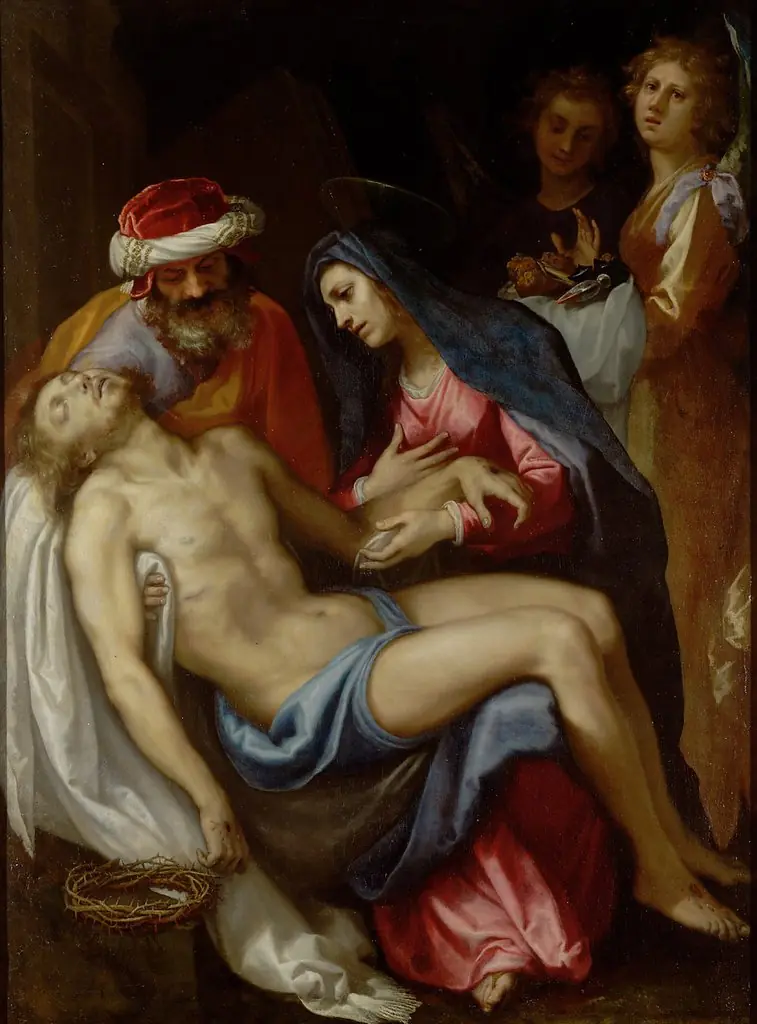
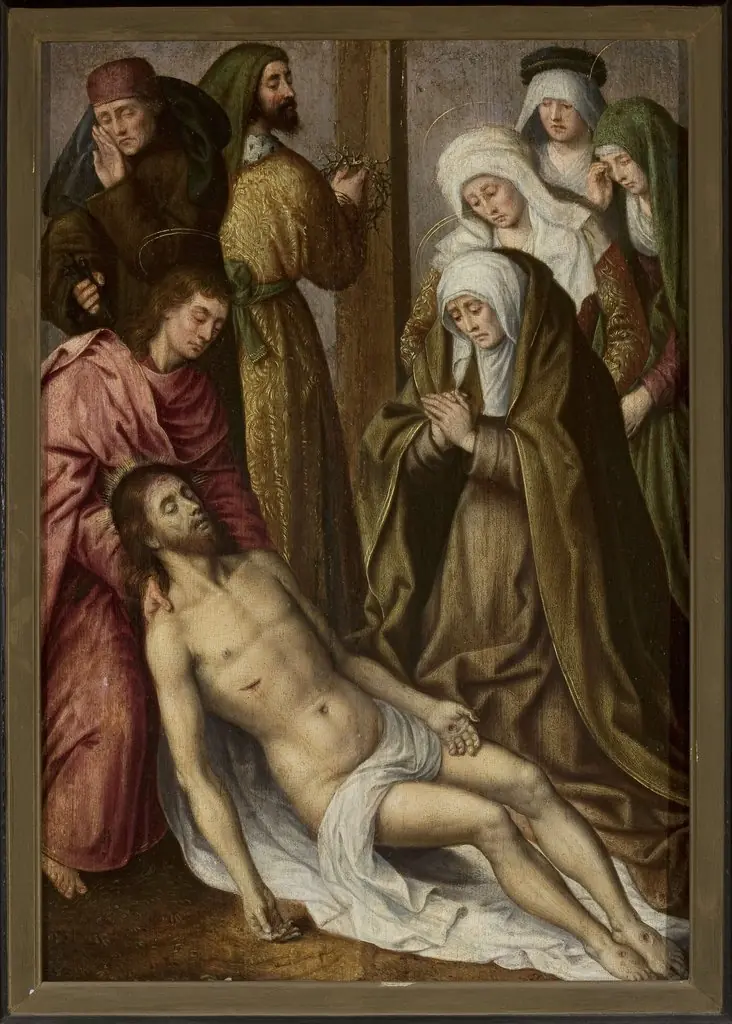
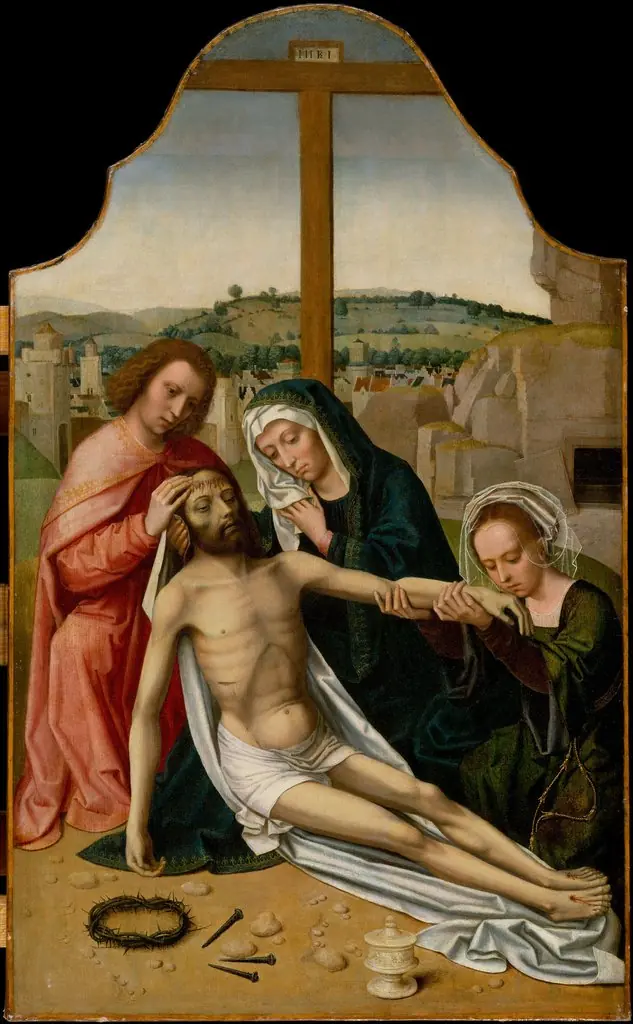
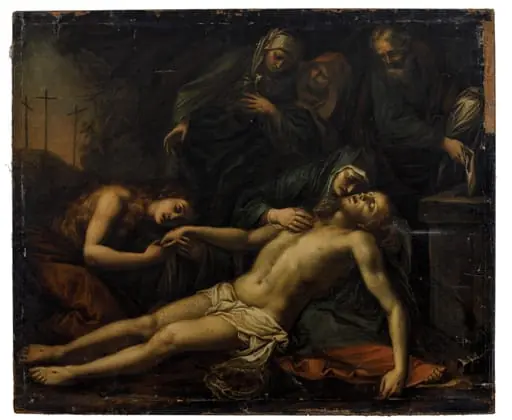
The painting depicts a somber scene of the Lamentation of Christ. Christ's lifeless body is being held by a group of mournful figures, including a woman in a green robe and a man in a red robe. The figures are surrounded by angels, with one angel on the left and another on the right.
The scene is set against a dark background, which adds to the overall sense of sorrow and mourning. The figures are dressed in simple, yet elegant robes, which suggests a sense of reverence and respect for the deceased.
If you're interested in learning more about this painting, you might want to explore the work of the artist Francesco Francia, who created this piece in 1510.
Overview
Francesco Francia, a Bolognese artist active in the early sixteenth century, painted *The Lamentation of Christ* in 1510. Executed during the High Renaissance, the work presents the traditional biblical moment when Christ’s body is gathered after the crucifixion. The oil painting is part of the collection of the Gemäldegalerie in Berlin.
Subject & Meaning
The composition centers on the dead Christ, whose torso is cradled by mourners. A woman in a green mantle and a man in red support the figure, while two angels flank the scene, underscoring the sacred nature of the event. The somber atmosphere, reinforced by the dark background, conveys collective grief and reverence for the sacrificial death.
Technique & Style
Francia employs a restrained palette of muted tones, allowing the flesh of Christ to emerge against the deep shadows. The figures are rendered with smooth modeling and delicate drapery, characteristic of the Bolognese school’s synthesis of graceful linearity and subtle chiaroscuro. Angelic forms are rendered with fine, almost ethereal brushwork, enhancing the spiritual dimension.
History & Provenance
Created in 1510, the painting later entered the holdings of Berlin’s Gemäldegalerie, where it remains on display. Francia, who also directed the Bologna mint, produced works for both religious and civic patrons, and this piece reflects his role as a painter of devotional subjects for ecclesiastical commissions.
Context
The work belongs to a broader tradition of Lamentation scenes popular in Renaissance Italy, where artists explored the emotional intensity of Christ’s death. Francia’s version aligns with contemporary Bolognese approaches, balancing human tenderness with a formal, devotional composure typical of early sixteenth‑century religious art.
Artist & collection
Artist
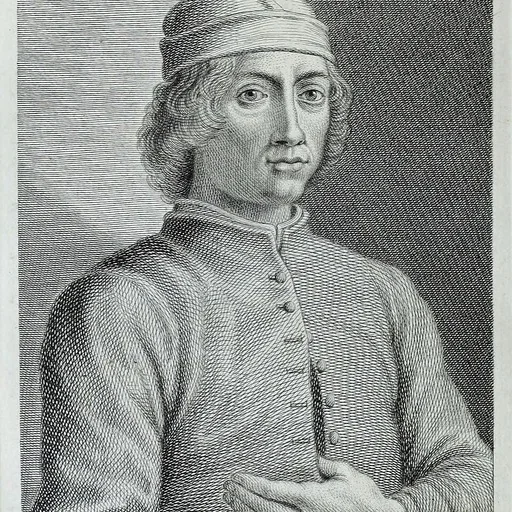
Francesco Francia, whose real name was Francesco Raibolini (1447 – 5 January 1517), was an Italian painter, goldsmith, and medallist from Bologna, who was also director of the city mint.