Artwork
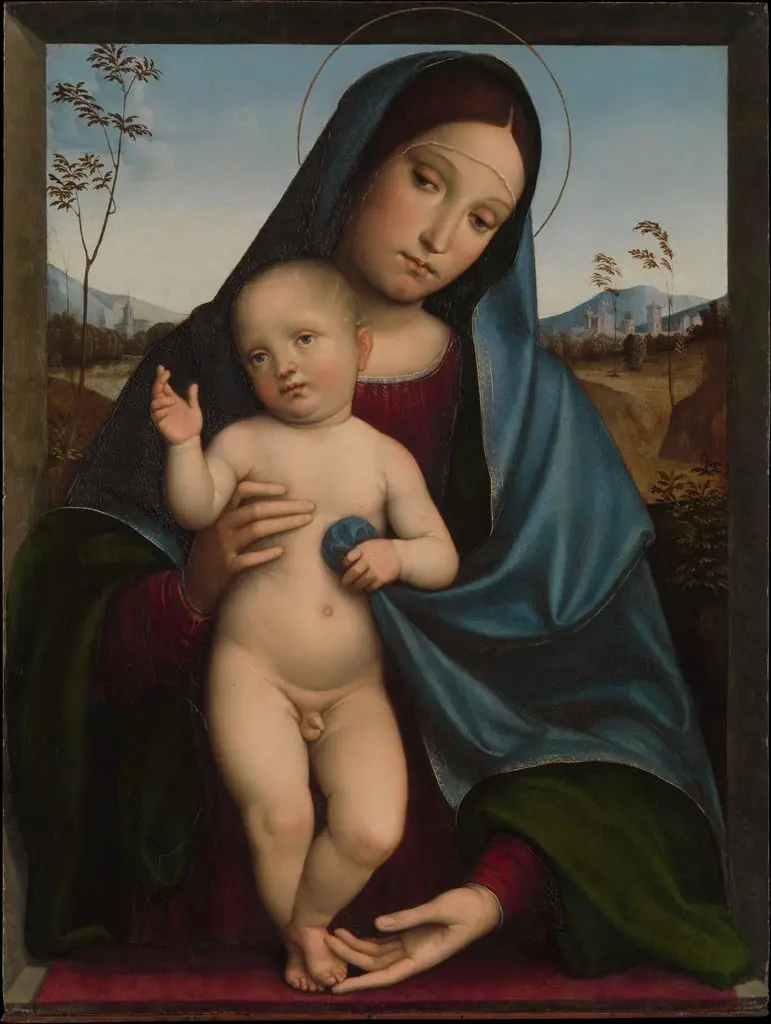
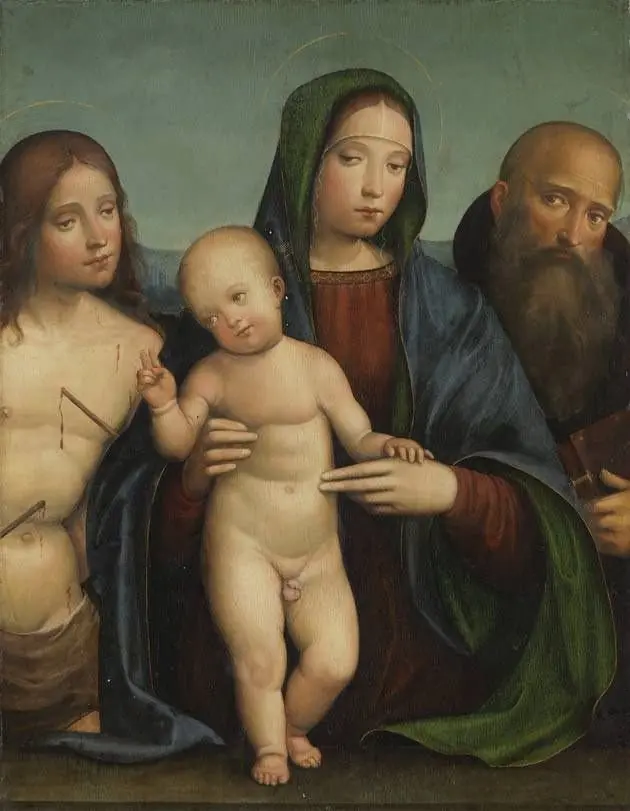
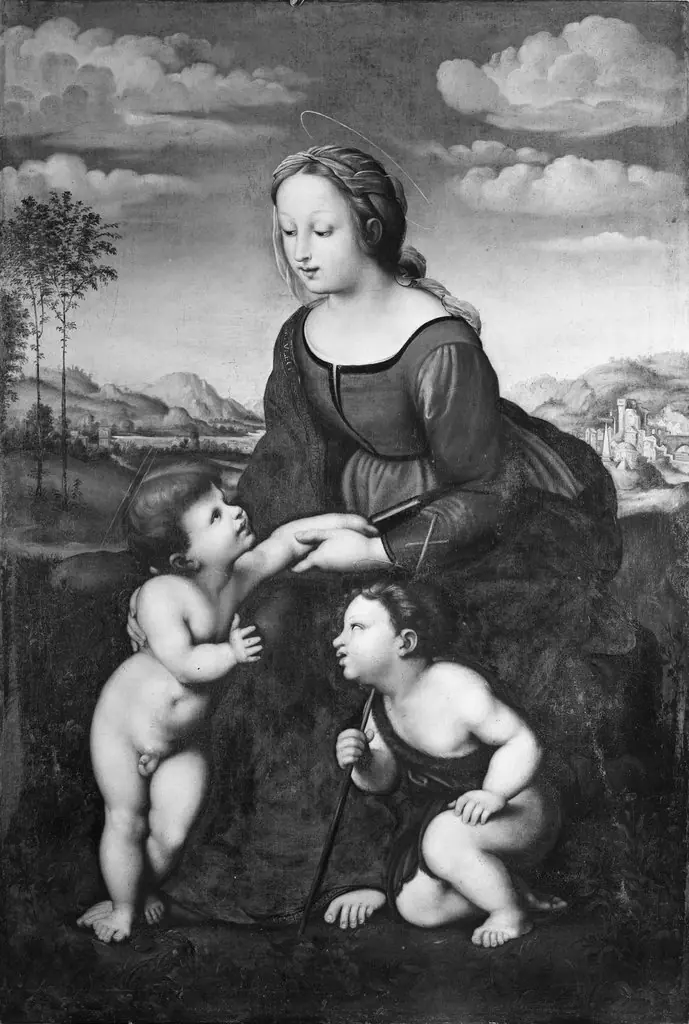
The Virgin and Child with the Young St. John
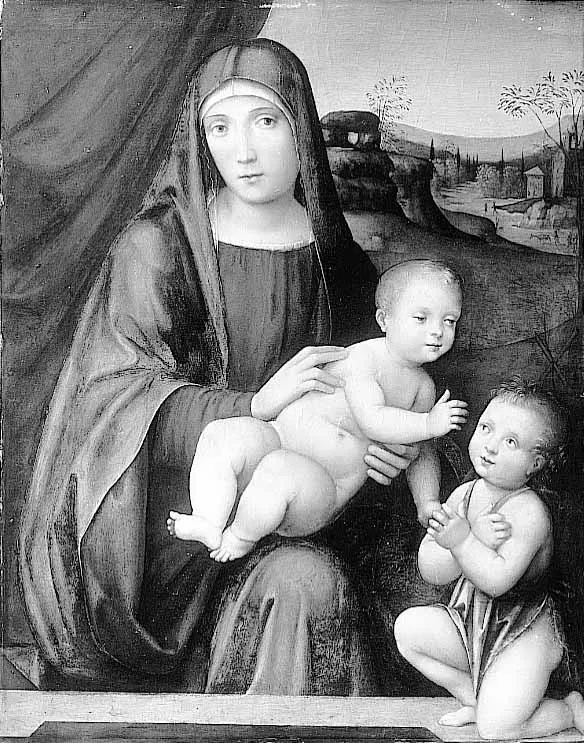
The Virgin and Child with the Young St. John is a paint painting by the Early Renaissance artist Francesco Francia. It dates from 1500 and is held in the collection of the Gemäldegalerie Berlin. The Virgin and Child with the Young St.
About this work
Overview
The Virgin and Child with the Young St. John is a tempera painting created by Italian Renaissance artist Francesco Francia around 1500. It is currently part of the collection at the Gemäldegalerie Berlin.
Subject & Meaning
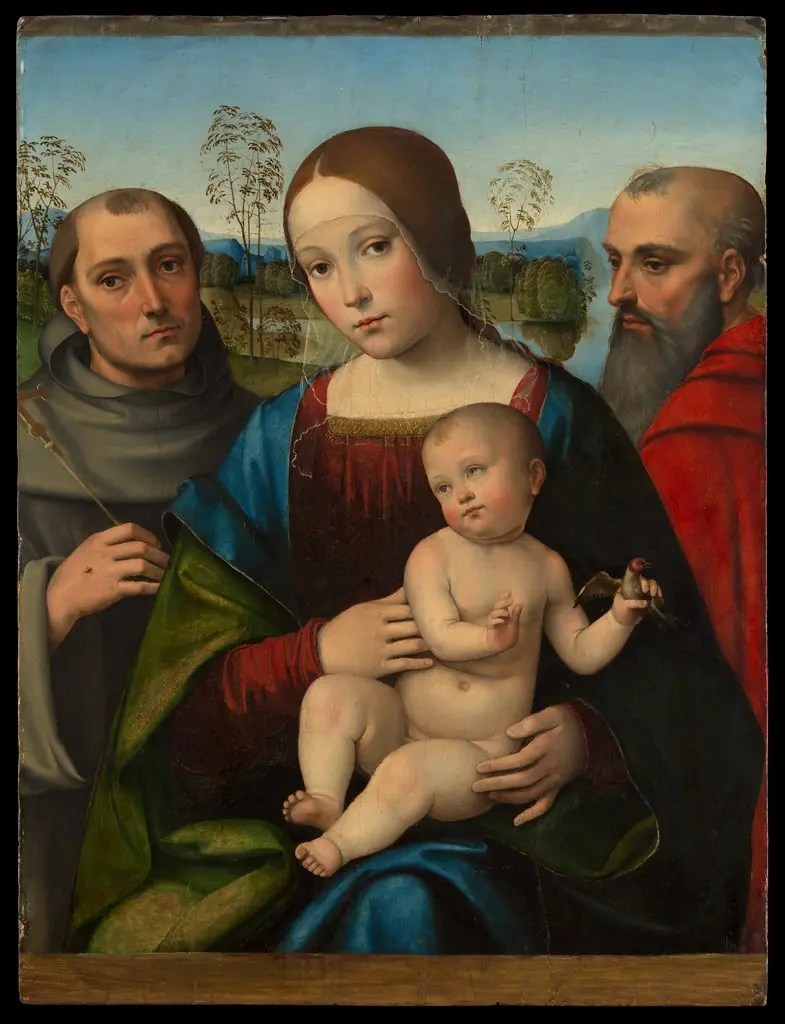
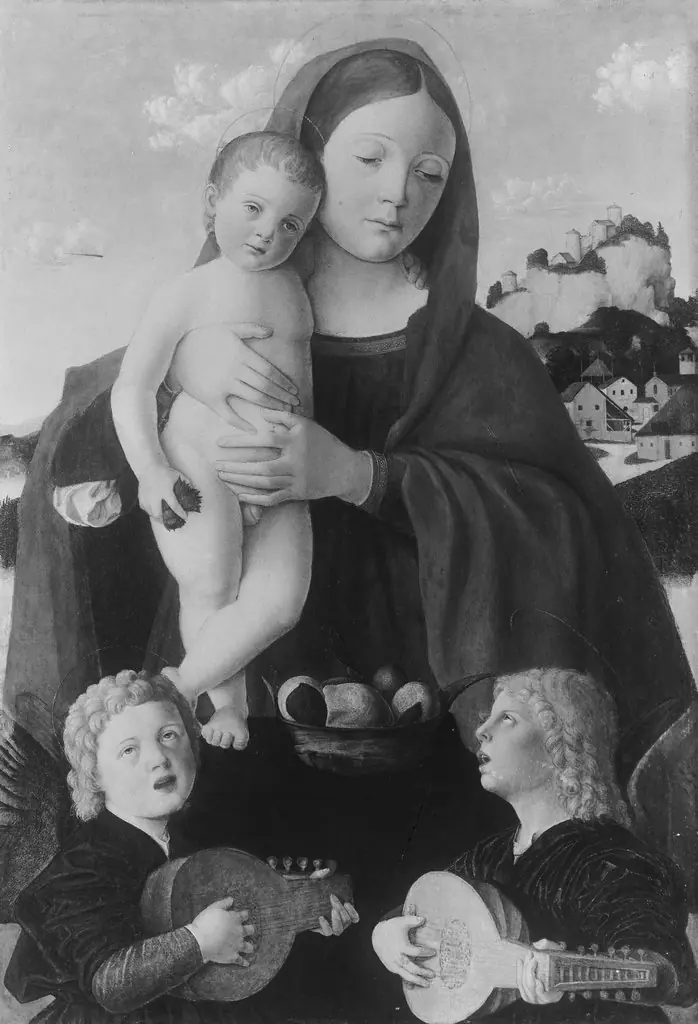
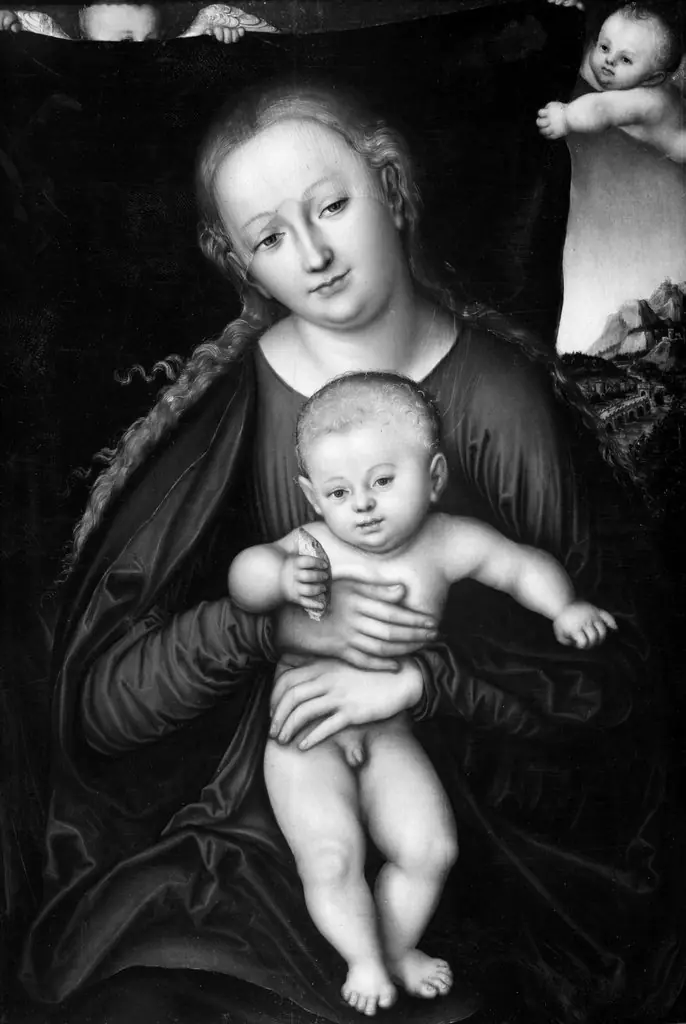
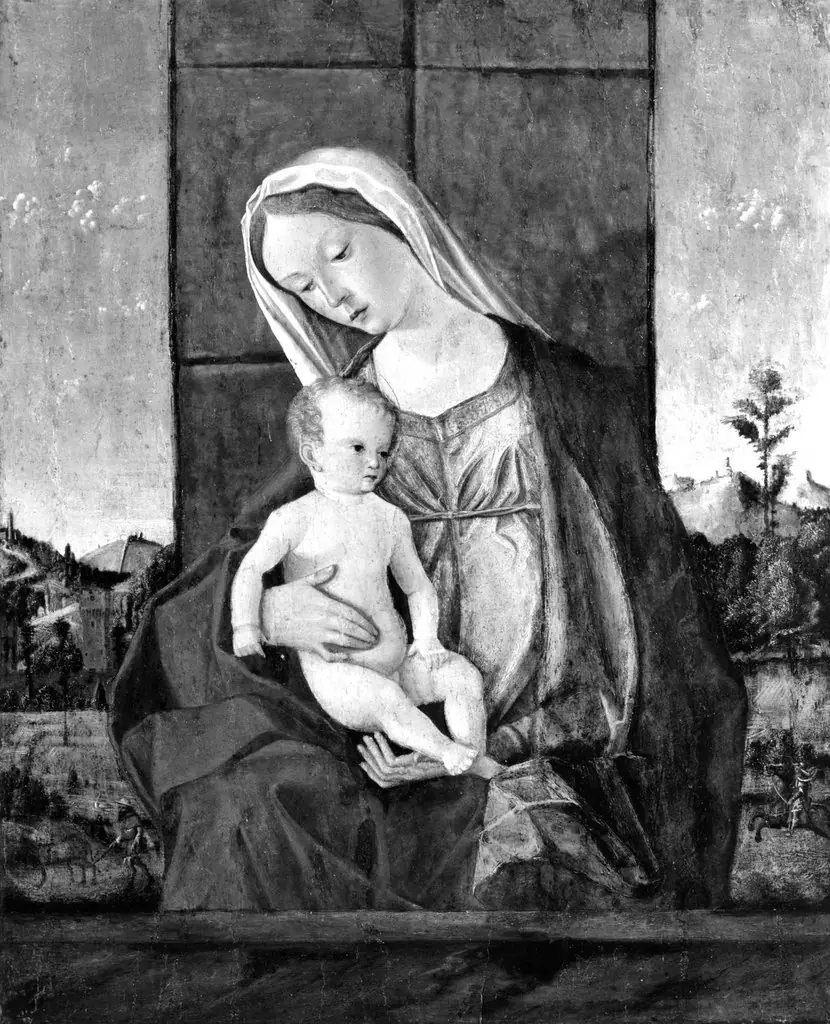
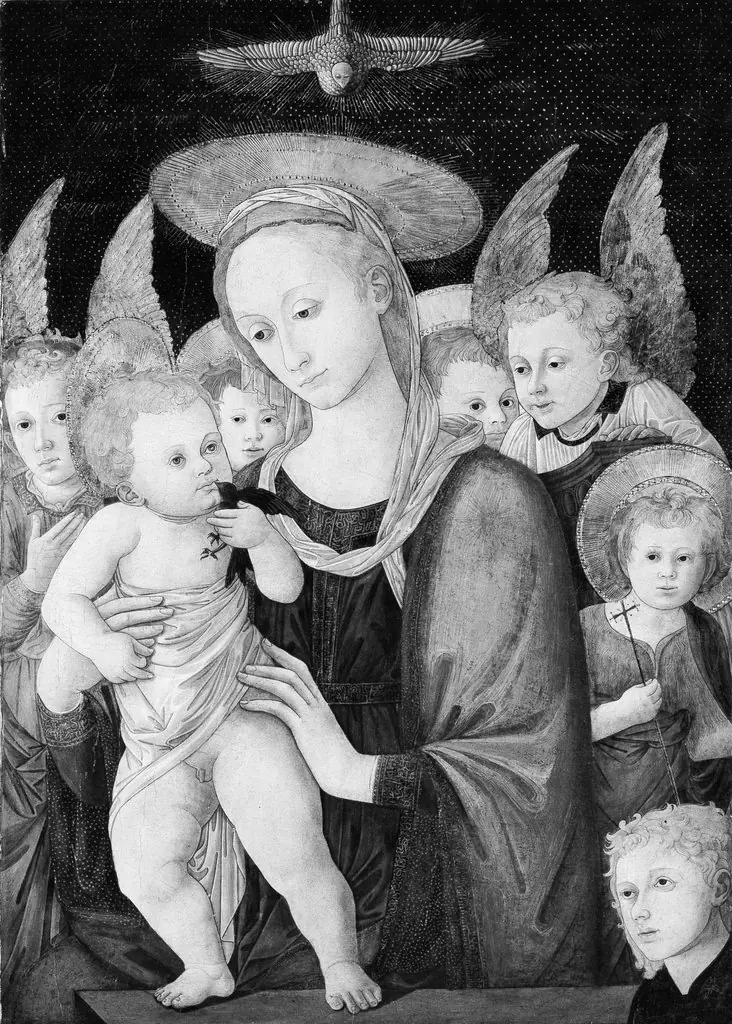
The painting depicts a serene religious scene featuring the Virgin Mary, the naked Christ Child, and the young St. John kneeling in devotion. The composition conveys a sense of serenity and religious reverence.
Technique & Style
Francia employed chiaroscuro to create depth and volume, guiding the viewer's focus towards the central figures. The contrast between light and dark adds to the overall mood of devotion.
History & Provenance
Created circa 1500, the work is attributed to Francia's early Renaissance period. Beyond its creation, specific details of the painting's history before its acquisition by the Gemäldegalerie Berlin are not provided.
Context
As a Bolognese artist, Francia's work reflects the artistic tendencies of the early Italian Renaissance. His multifaceted career, including roles as a goldsmith, medallist, and director of Bologna's city mint, contextualizes his artistic practice within a broader craft and administrative expertise.
Legacy
While specific legacy details of *The Virgin and Child with the Young St. John* are not highlighted, the piece contributes to the broader understanding of Francia's artistic contributions to the early Renaissance, particularly in the use of chiaroscuro.
Artist & collection
Artist
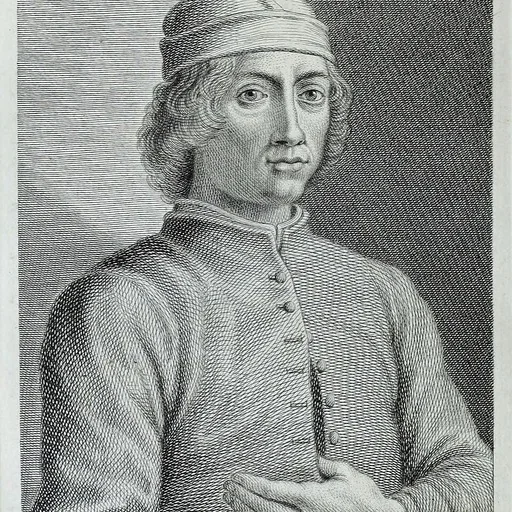
Francesco Francia, whose real name was Francesco Raibolini (1447 – 5 January 1517), was an Italian painter, goldsmith, and medallist from Bologna, who was also director of the city mint.