Artwork
Hylas and the Nymphs
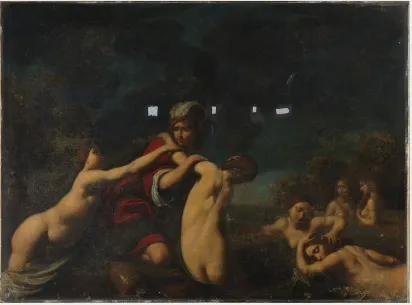
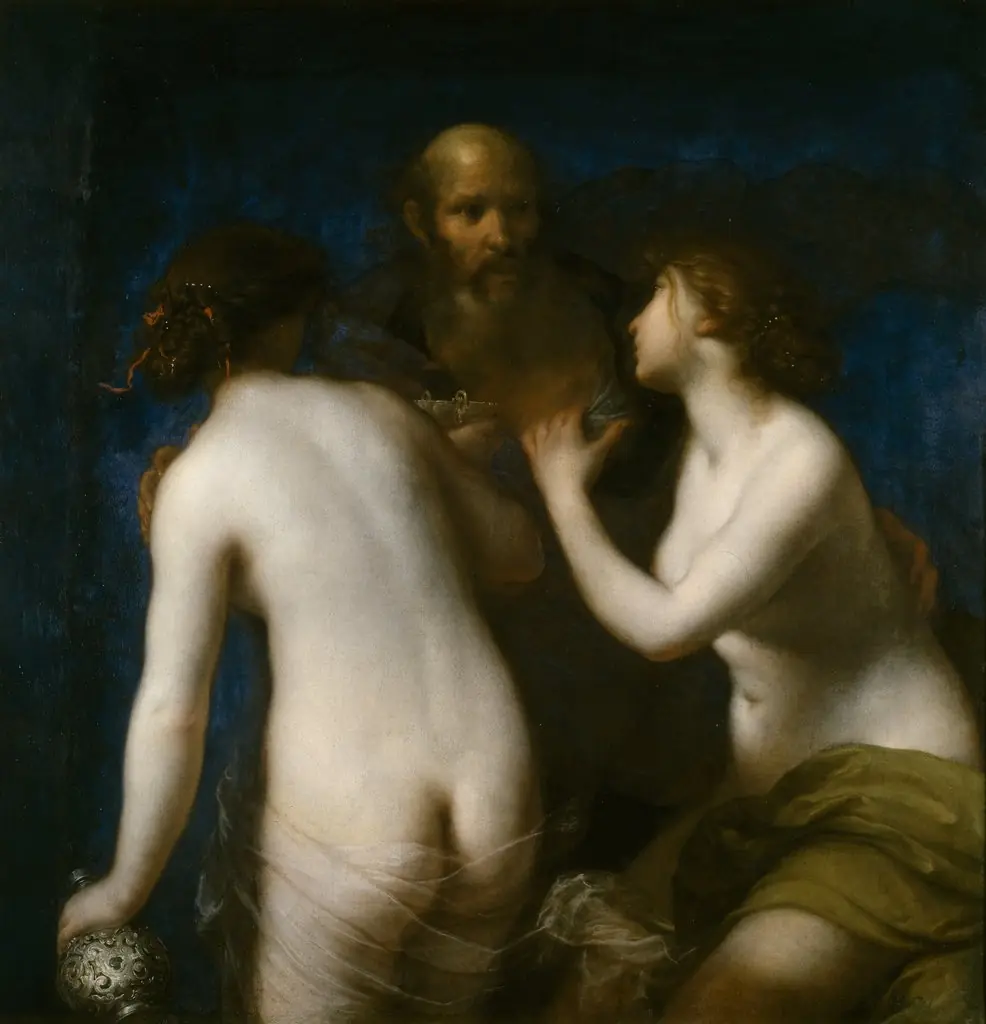
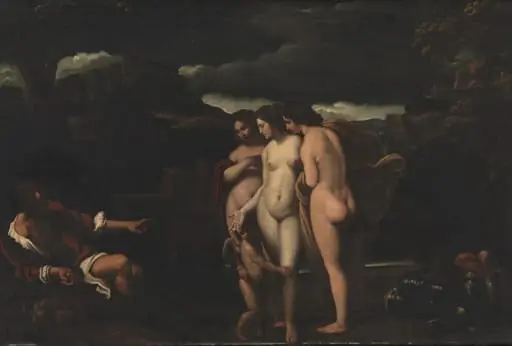
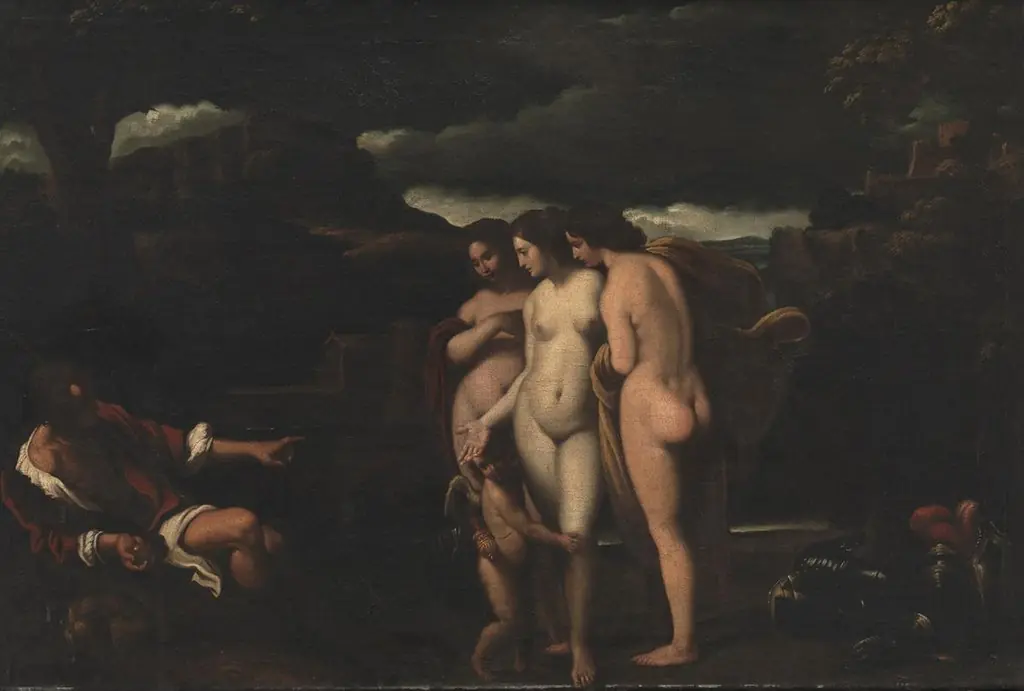
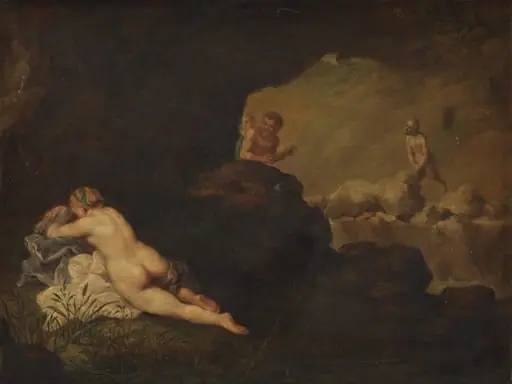
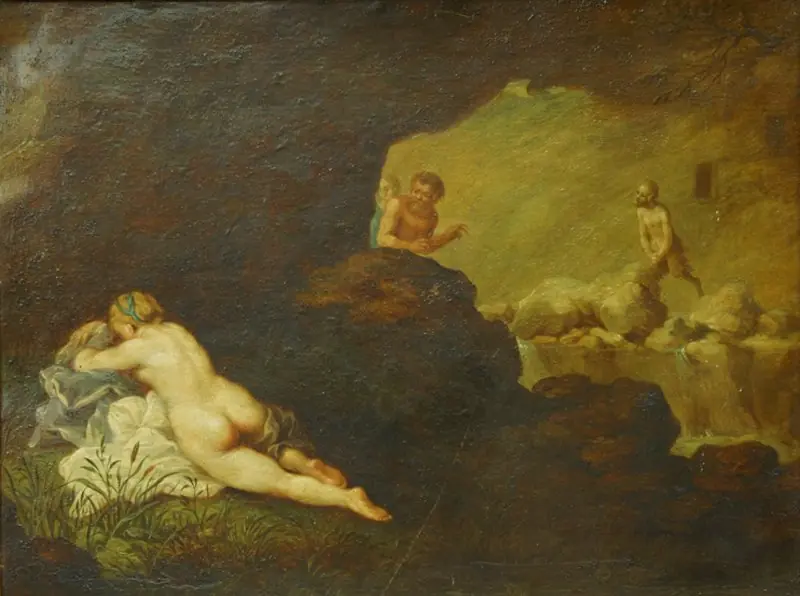
Hylas and the Nymphs is an oil painting by the Early Baroque Italian artist Francesco Furini. It dates from 1635 and is held in the collection of the National Gallery of Ireland.
About this work
Overview
Created in 1635 by Francesco Furini, an Italian painter active in Florence and Rome, this oil work illustrates a moment from the myth of Hylas. The canvas is part of the National Gallery of Ireland’s holdings and exemplifies early Italian Baroque sensibilities through its dramatic composition and use of light.
Subject & Meaning
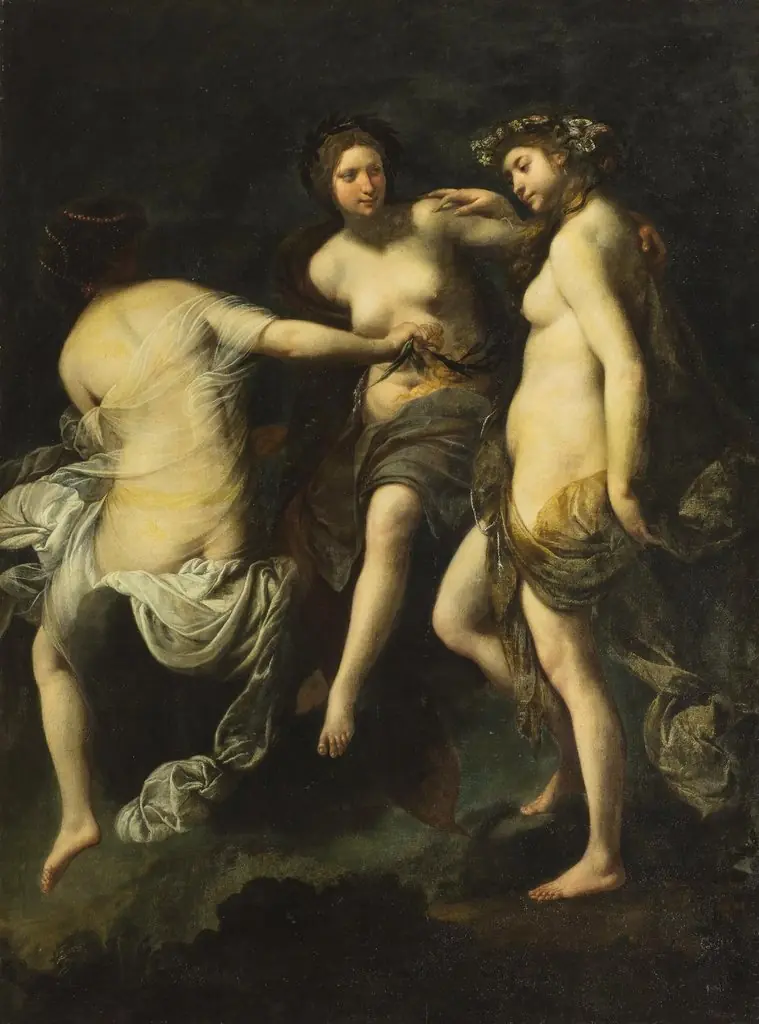
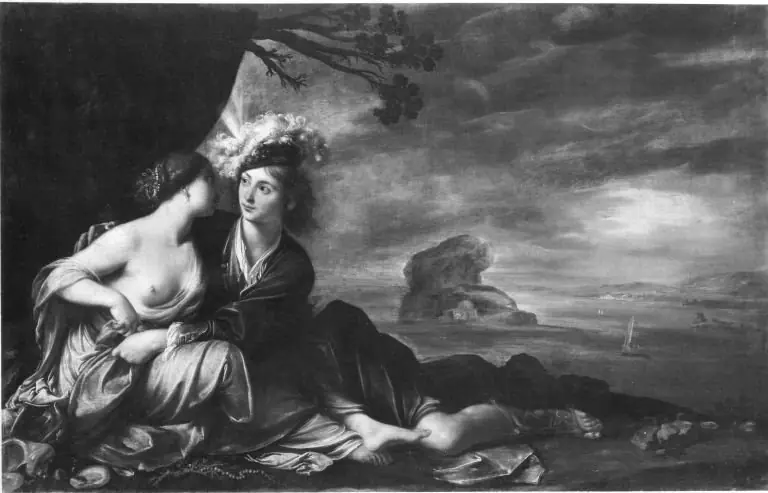
The scene captures the youthful Hylas, dressed in a red tunic and helmet, as he is seized by a group of nude nymphs. One nymph pulls him forward while others reach out, suggesting the tension between mortal desire and the alluring danger of the divine feminine.
Technique & Style
Furini employs a soft, blended sfumato to model the nymphs’ bodies, allowing light and shadow to merge seamlessly. Strong chiaroscuro contrasts the illuminated figures against a dark, indeterminate backdrop, enhancing the sense of depth and the painting’s kinetic energy.
History & Provenance
After its completion in the mid‑17th century, the work entered private collections before being acquired by the National Gallery of Ireland, where it remains on display. Its provenance reflects the typical movement of Baroque paintings from Italian patrons to broader European institutions.
Context
The painting aligns with Baroque interests in mythological subjects and the exploration of sensuality within a religiously charged era. Furini, also a poet and ordained priest, often merged devotional themes with erotic undertones, a duality evident in this depiction of Hylas.
Artist & collection
Artist
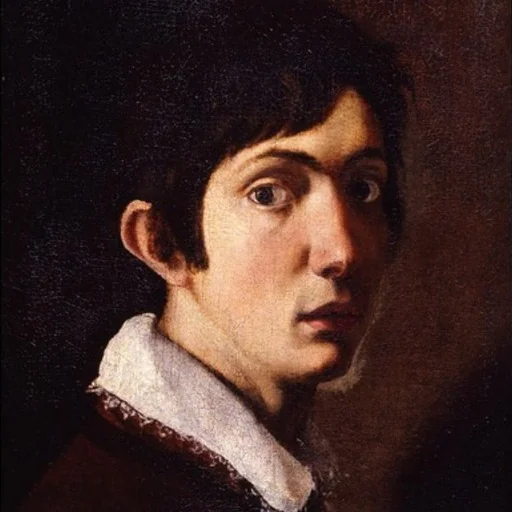
Francesco Furini ( 10 apr. 1603 – 19 August 1646) was an Italian Baroque painter, poet and priest. He was a leading painter in Florence in the second quarter of the 17th century and also worked in Rome. He was noted for…