Artwork
Andromeda
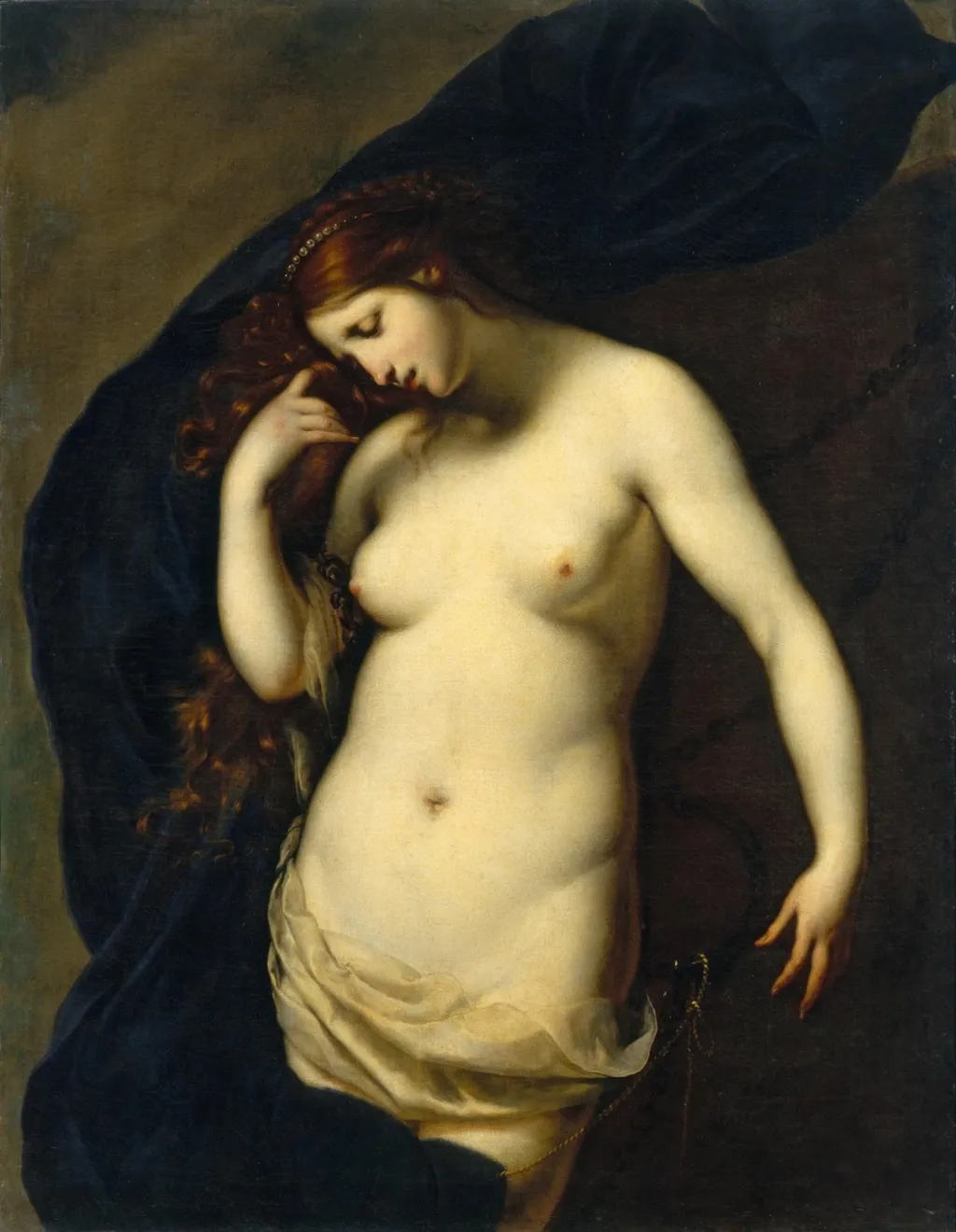
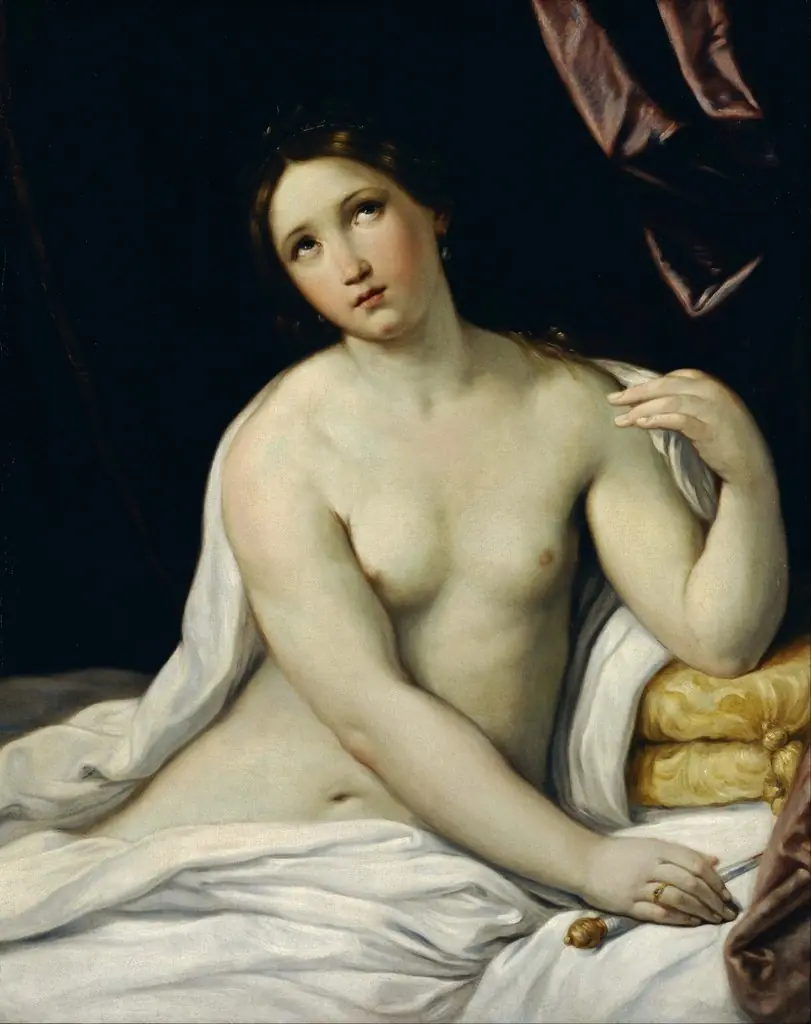
Andromeda is an oil painting by the Early Baroque Italian artist Francesco Furini. It dates from 1636 and is held in the collection of the Hermitage Museum.
About this work
Overview
Andromeda is a 1636 oil painting by Italian Baroque artist Francesco Furini, depicting the mythological figure in a characteristic sensual style. The work is part of the State Hermitage Museum's collection.
Subject & Meaning
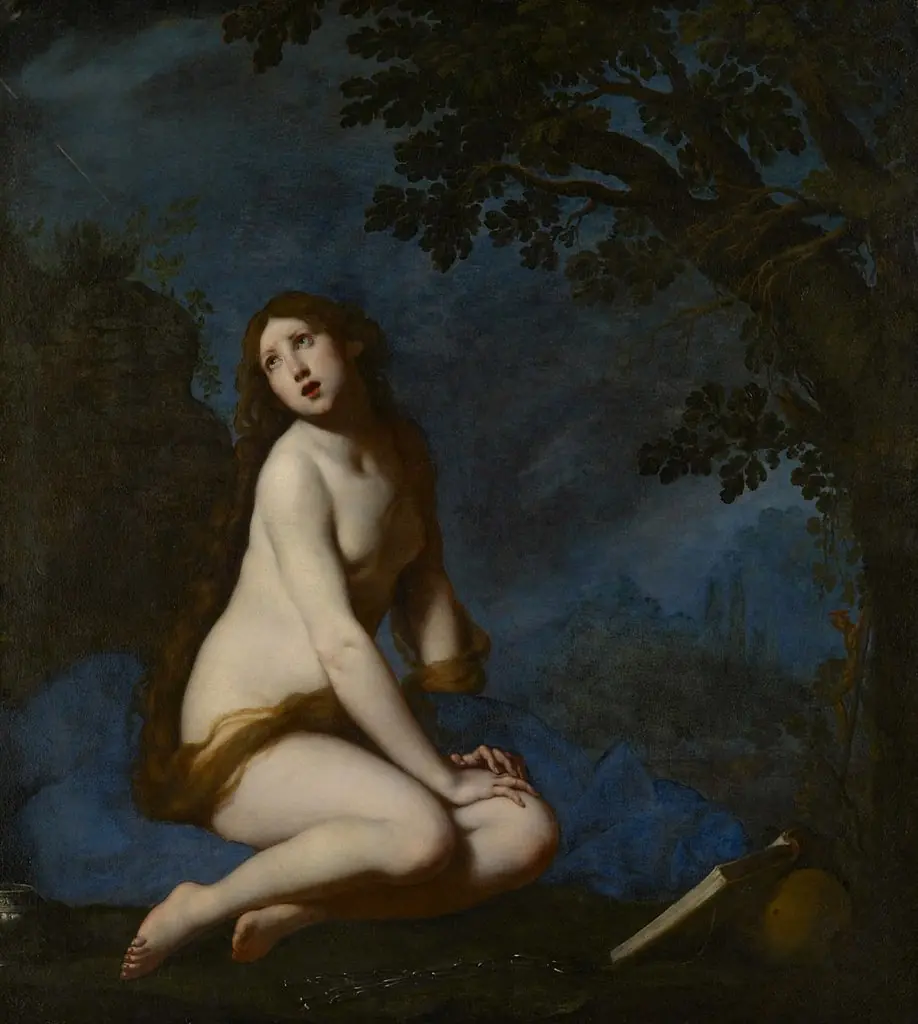
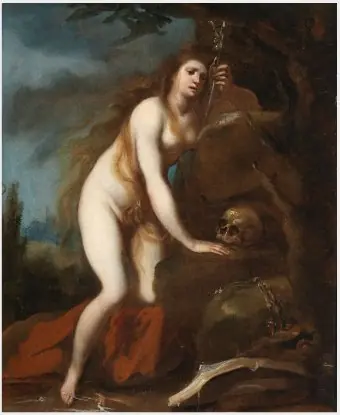
The painting portrays Andromeda, a figure from mythology, in a contemplative, nude state. Her relaxed pose and soft, pale skin evoke a sense of serene vulnerability, characteristic of Furini's approach to female subjects.
Technique & Style
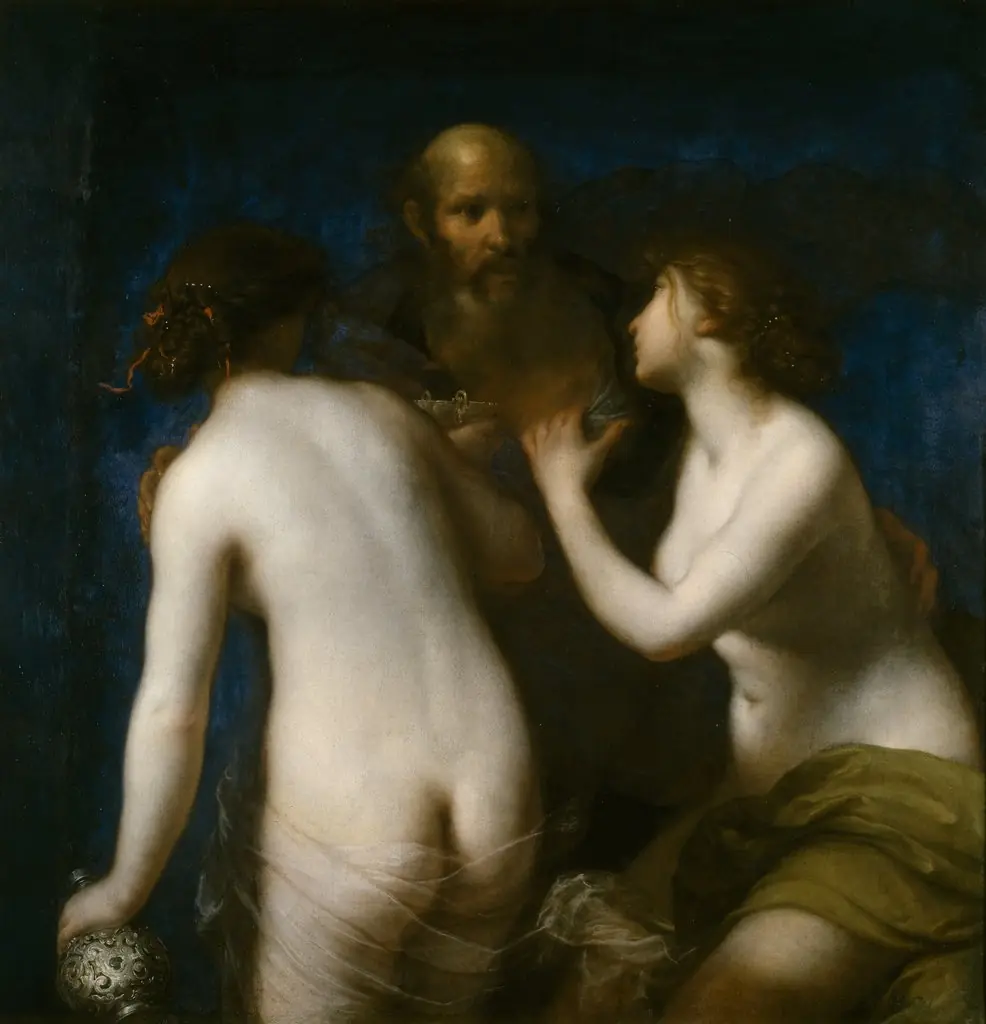
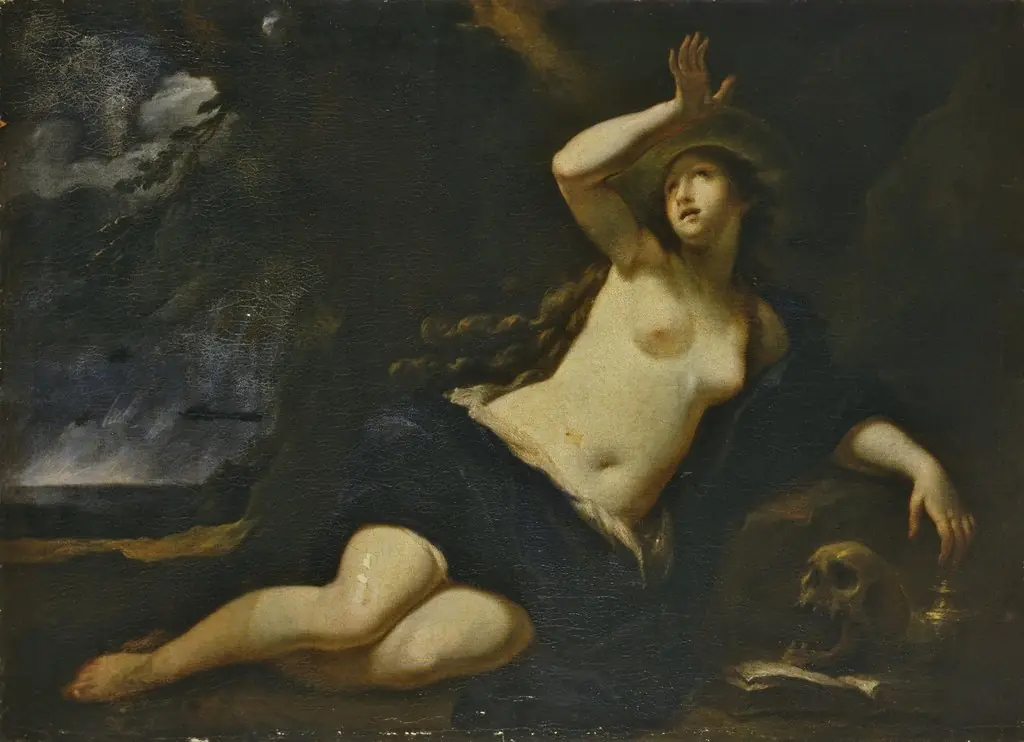
Furini employed his signature sfumato technique, blending soft, smoky transitions to create a three-dimensional effect. Chiaroscuro is prominently used, with strong contrasts between light and dark accentuating Andromeda's form against a predominantly dark background.
History & Provenance
Created in 1636, Andromeda reflects Furini's activity within the early Baroque movement in Italy. The painting is now held in the State Hermitage Museum, though its history prior to acquisition is not detailed here.
Context
As a Baroque piece, Andromeda sits within a broader artistic trend emphasizing emotional depth and dramatic lighting. Furini's dual role as painter and priest influenced his exploration of both secular and religious themes.
Own this work as a print
Artist & collection
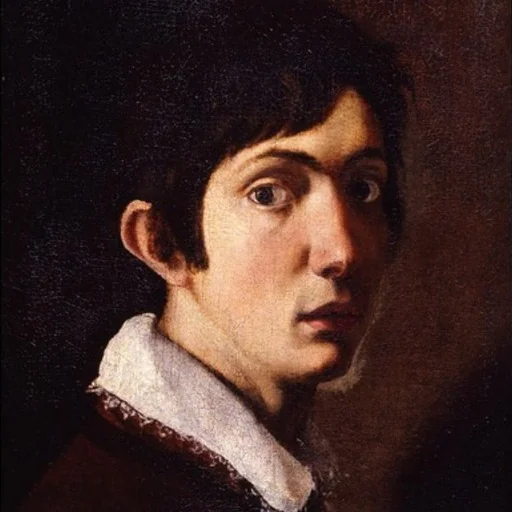
Artist
Francesco Furini ( 10 apr. 1603 – 19 August 1646) was an Italian Baroque painter, poet and priest. He was a leading painter in Florence in the second quarter of the 17th century and also worked in Rome. He was noted for…