Artwork
Hirtenknabe mit Herde
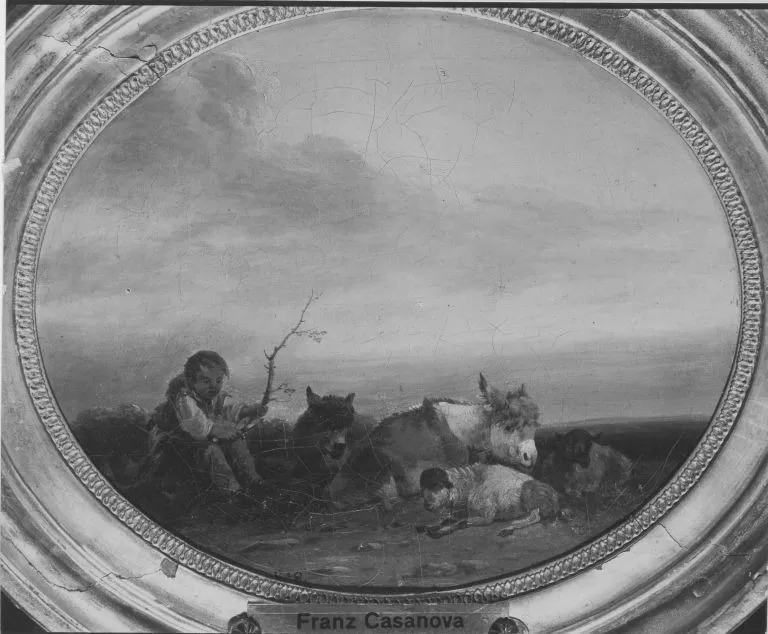
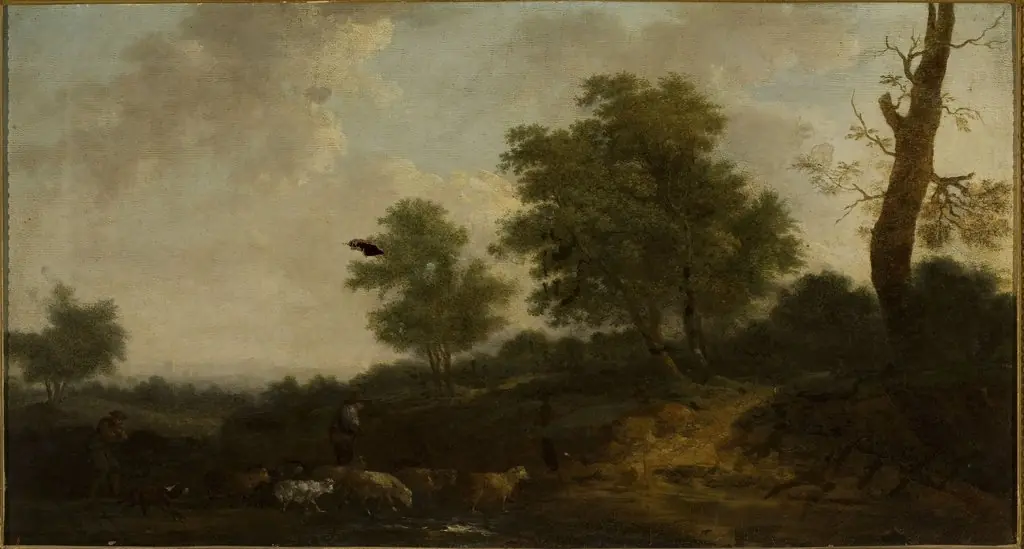
Hirtenknabe mit Herde is an unspecified painting by Francesco Giuseppe Casanova. It dates from 1775 and is held in the collection of the Bavarian State Painting Collections.
About this work
Overview
The painting resides in the Alte Pinakothek in Munich, where it stands as an example of 18th-century genre painting with roots in European naturalism.
Painted around 1775 by Francesco Giuseppe Casanova, *Hirtenknabe mit Herde* is a pastoral scene depicting a shepherd and a boy tending livestock. Though Casanova was primarily known for military subjects, this work reflects a quieter, observational approach. The painting resides in the Alte Pinakothek in Munich, where it stands as an example of 18th-century genre painting with roots in European naturalism.
Subject & Meaning
The composition centers on two figures—a seated man holding a staff and a reclining boy beside a dog—surrounded by a small herd of animals: two horses and a donkey. The scene conveys a moment of rest rather than labor, suggesting a contemplative relationship between humans and animals. No overt narrative is present; instead, the focus lies in the quiet dignity of rural life, rendered without idealization.
Technique & Style
Casanova employed visible, textured brushwork to model forms and convey the tactile qualities of wool, fur, and earth. A restrained palette contrasts the dark garments of the man with the lighter coats of the animals and the muted tones of the sky. Subtle shifts in light suggest atmospheric depth, though the work avoids dramatic chiaroscuro. The landscape background remains softly rendered, supporting the figures without dominating the composition.
History & Provenance
The painting entered the collection of the Alte Pinakothek in Munich, likely during the late 18th or early 19th century, as part of the Bavarian royal acquisitions. Its attribution to Francesco Giuseppe Casanova is consistent with his known oeuvre and stylistic development. While less documented than his battle scenes, this pastoral work aligns with broader trends in European art that valued everyday rural life during the Enlightenment.
Context
In the decades before the French Revolution, European artists increasingly turned to scenes of peasant life, influenced by Enlightenment ideals and a growing interest in authenticity. Casanova’s work reflects this shift, even as he remained known for military subjects. The painting’s quiet tone contrasts with the grandeur of academic history painting, aligning instead with emerging sensibilities that valued observation over myth or heroism.
Legacy
Though not widely reproduced or studied, *Hirtenknabe mit Herde* offers insight into the versatility of Francesco Giuseppe Casanova beyond his battle paintings. It contributes to the understanding of how artists of his generation engaged with genre subjects, bridging the gap between Baroque drama and the quieter realism of the 19th century. Its preservation in a major public collection underscores its historical value as a modest yet thoughtful work of its time.
Artist & collection
Artist
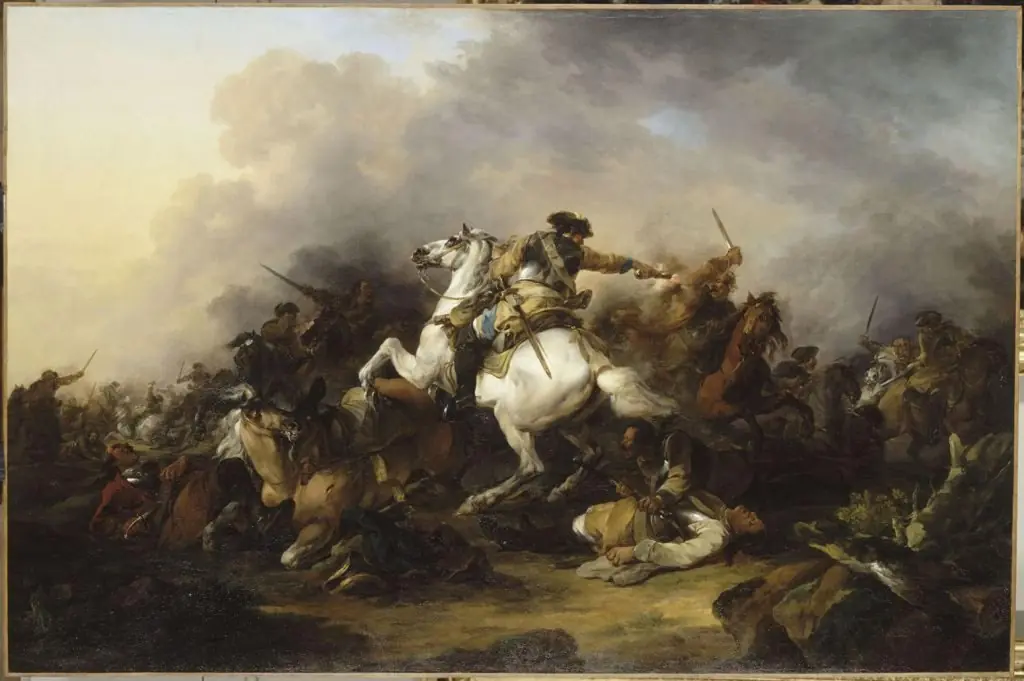
Francesco Giuseppe Casanova (1 June 1727, London – 8 July 1803, near Mödling) was an Italian painter who specialised in battle scenes.

 Heimkehr der Herde
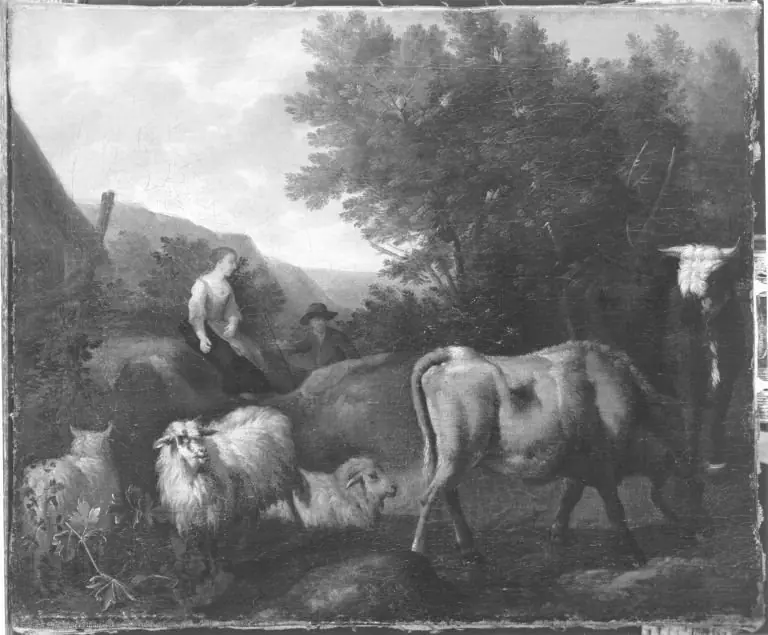 Landschaft mit Vieh und Hirten
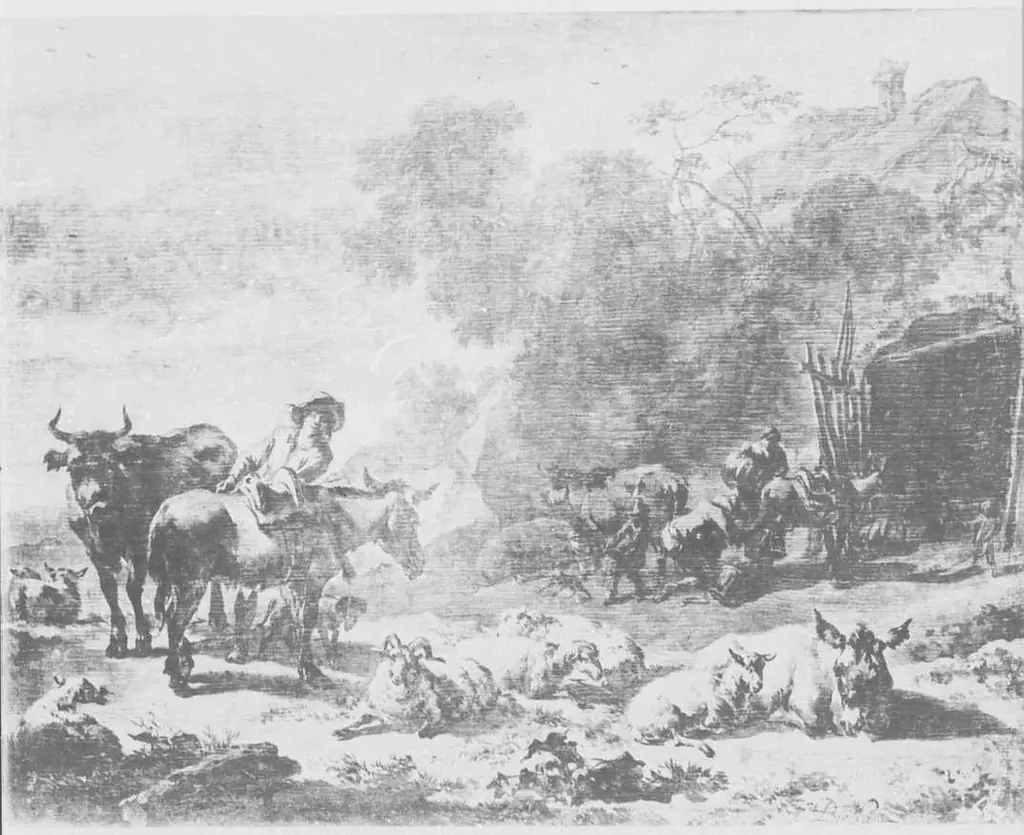 Herders and Herd
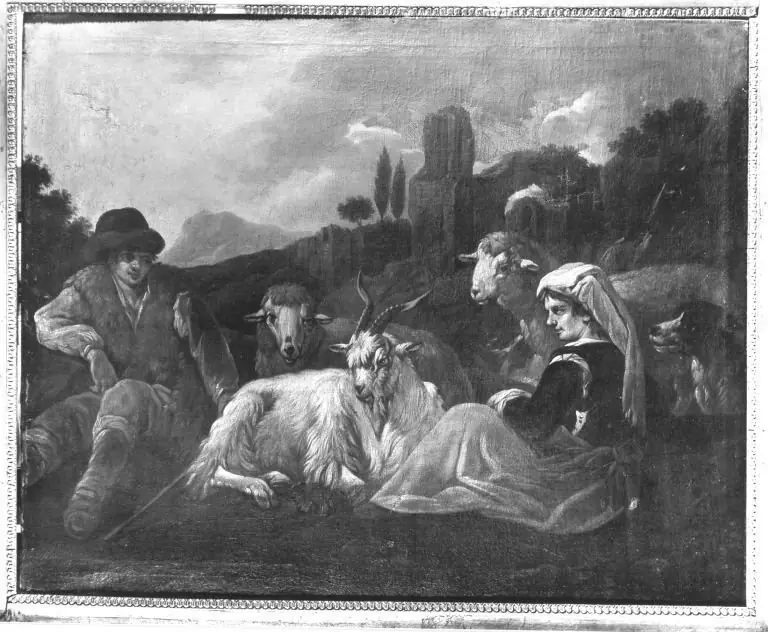 Hirtenpaar und Kleinvieh in italienischer Landschaft
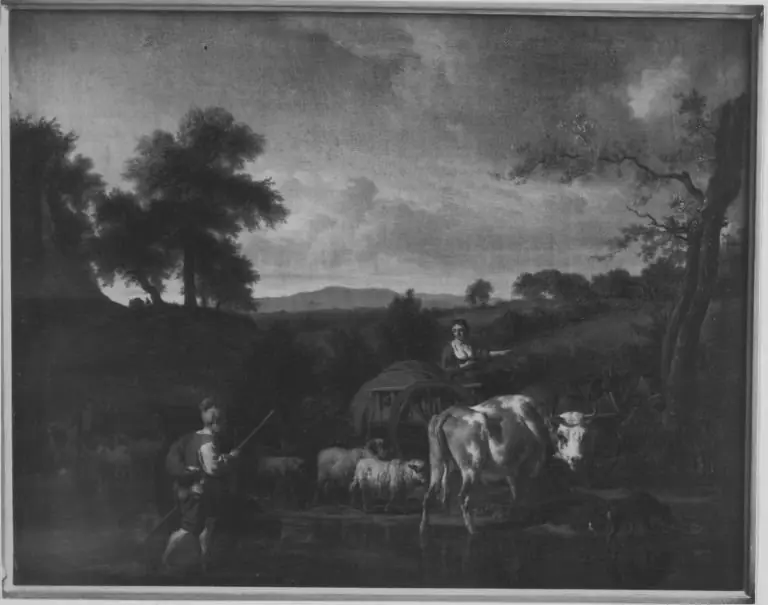 Landscape with shepherds and cattle at a ford
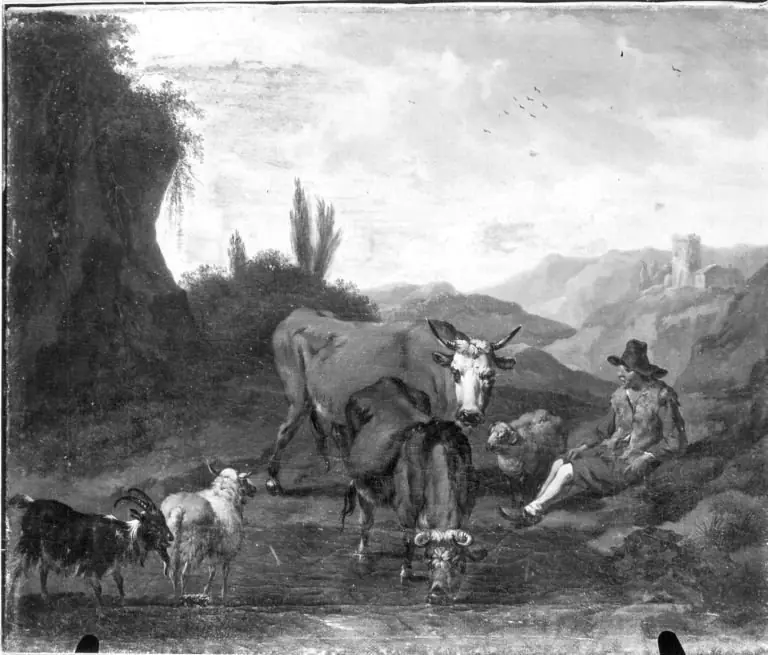 Vieh an der Tränke
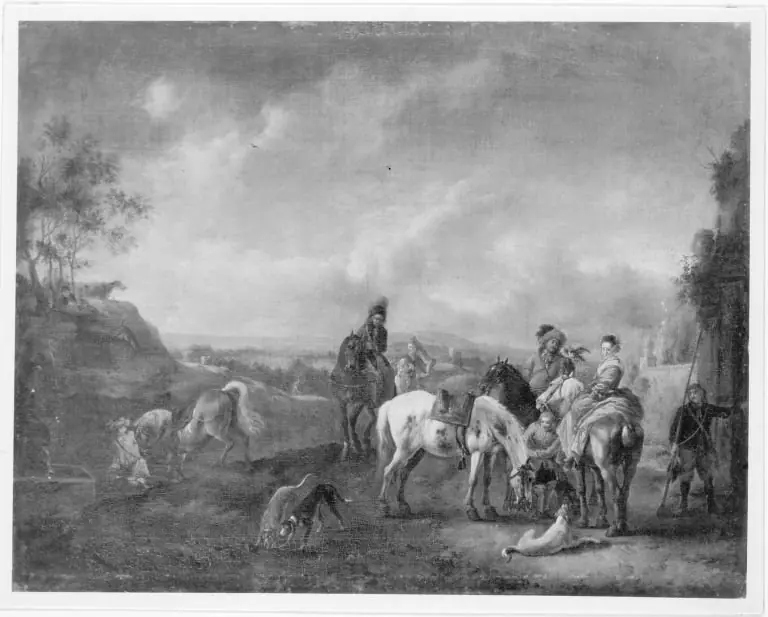 Auszug zur Falkenbeize
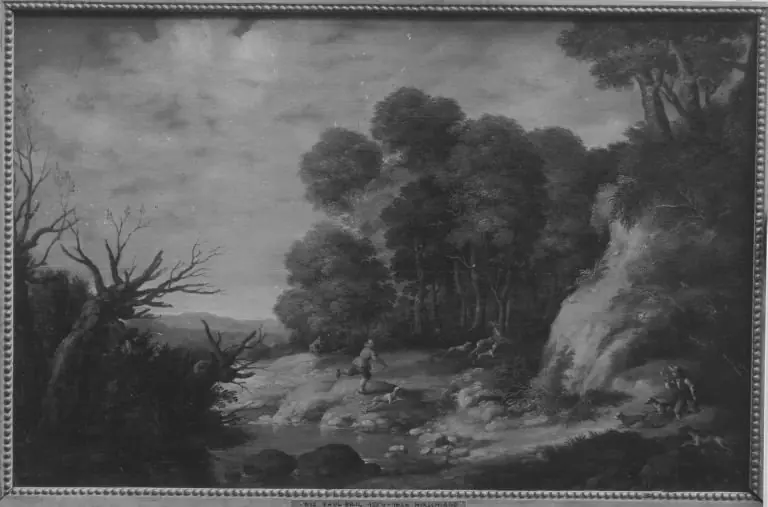 Waldlandschaft mit Hirschjagd
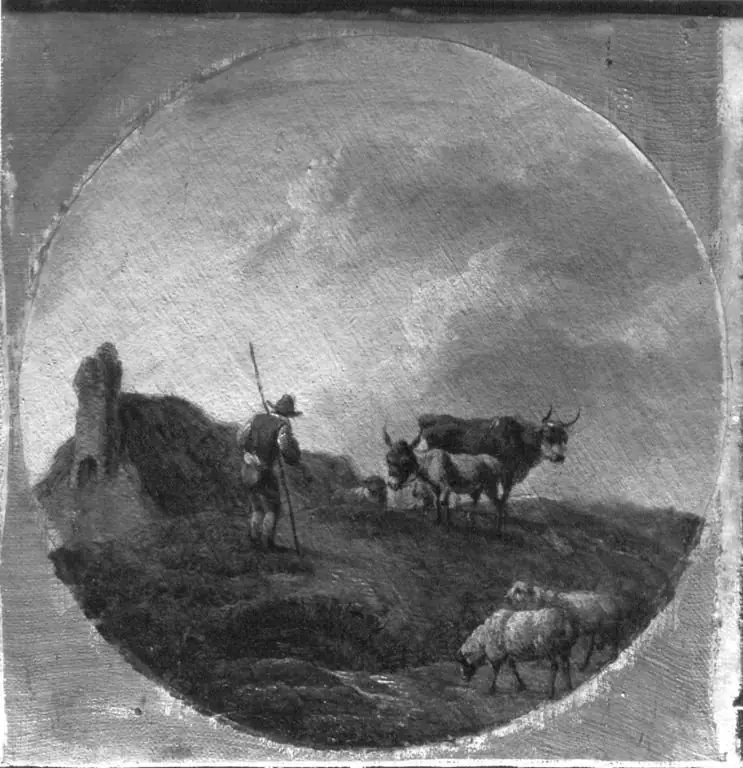 Landschaft mit Vieh
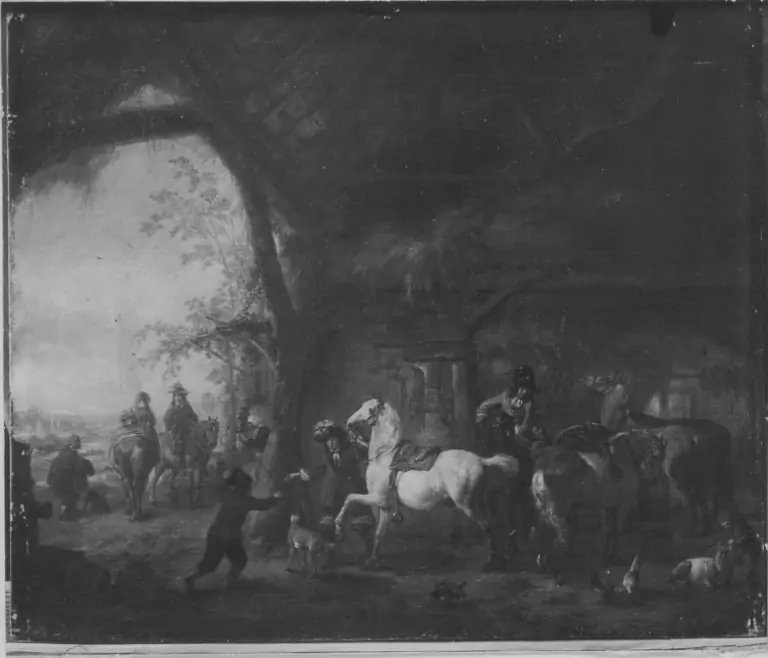 Riders in a stable
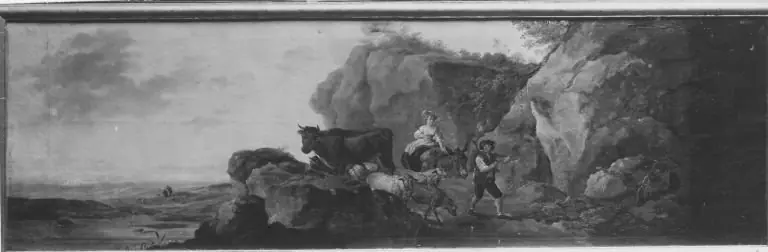 Landschaft mit Vieh und Hirten (Supraporte)
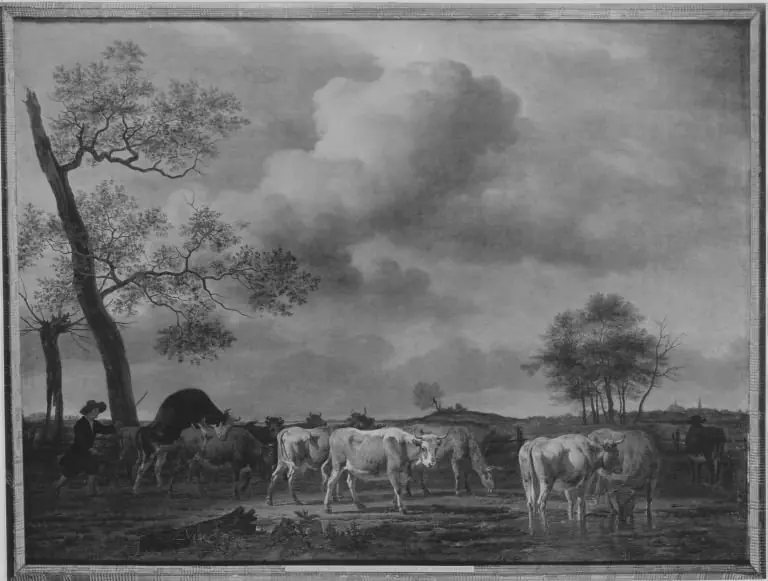 Hirt mit Rinderherde