Artwork
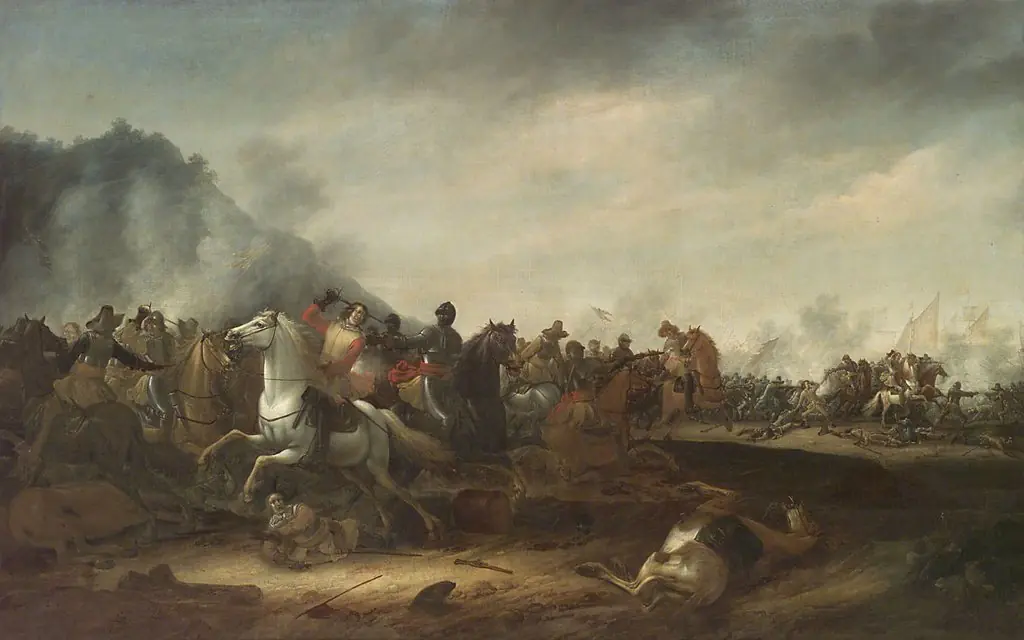
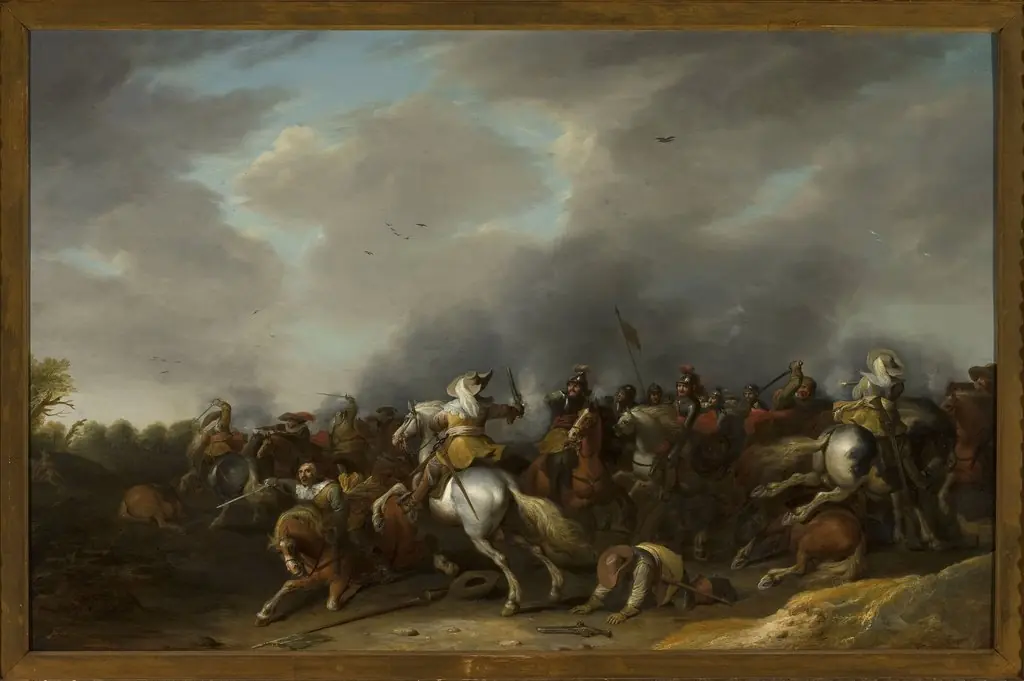
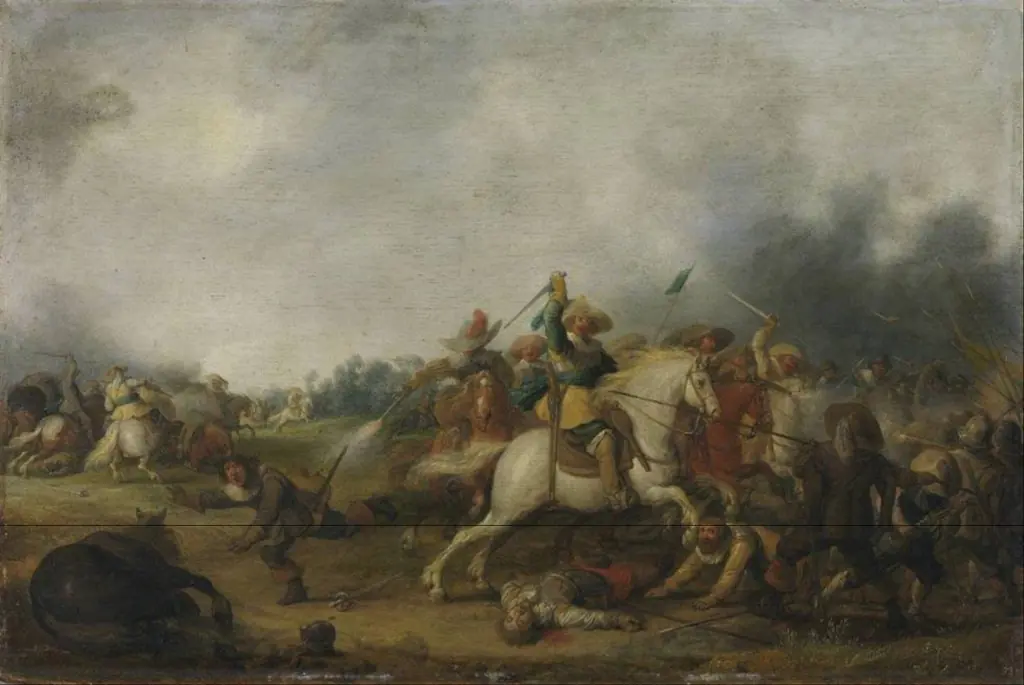
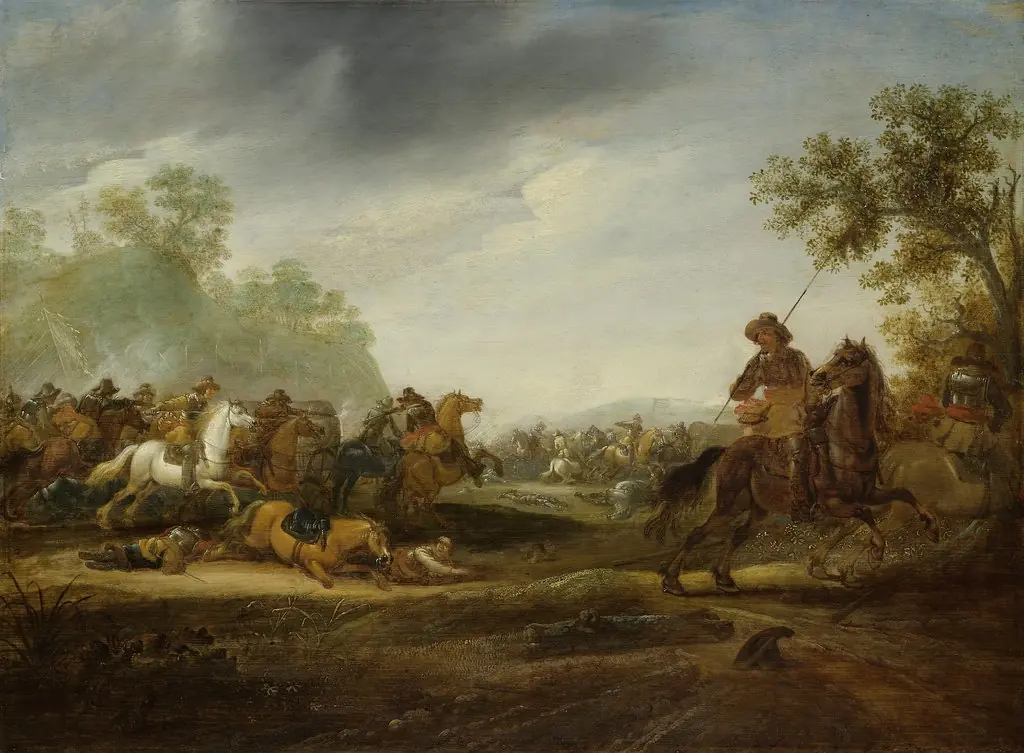
Cavalry Engagement
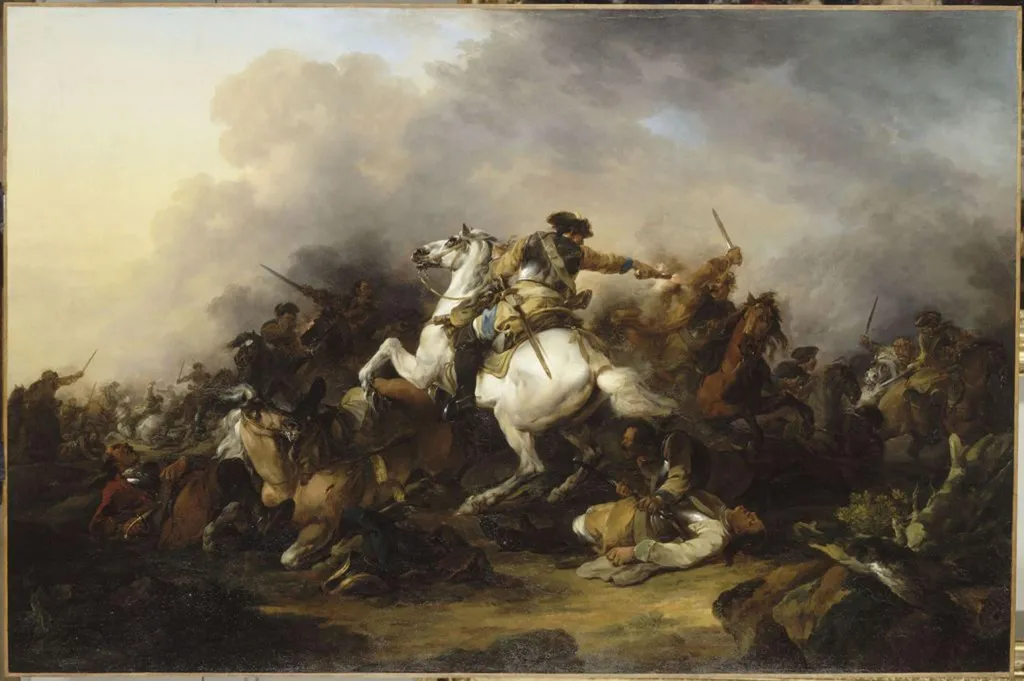
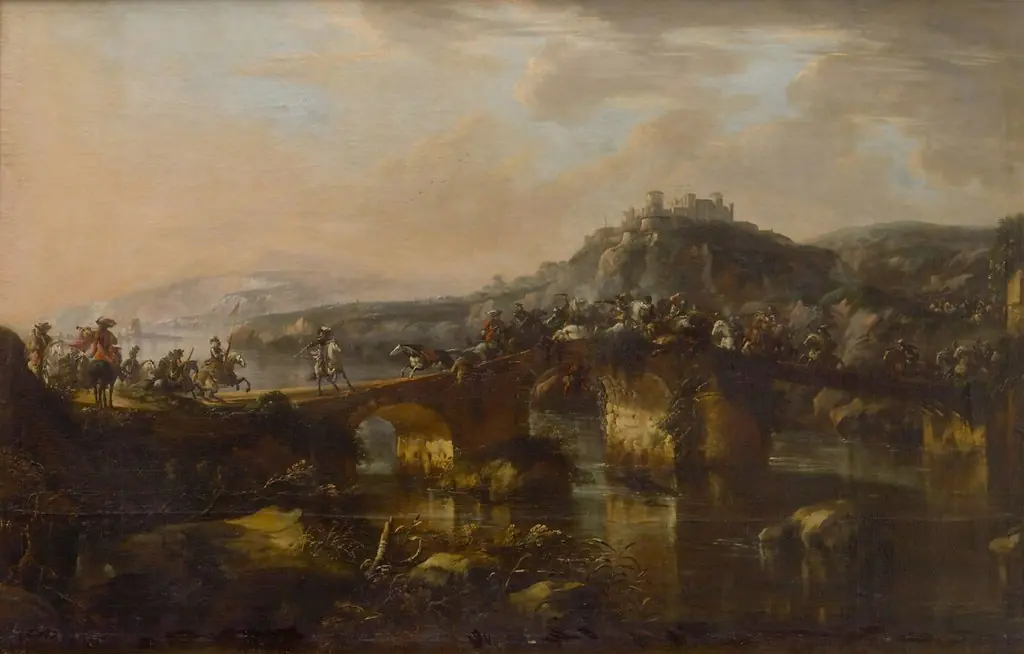
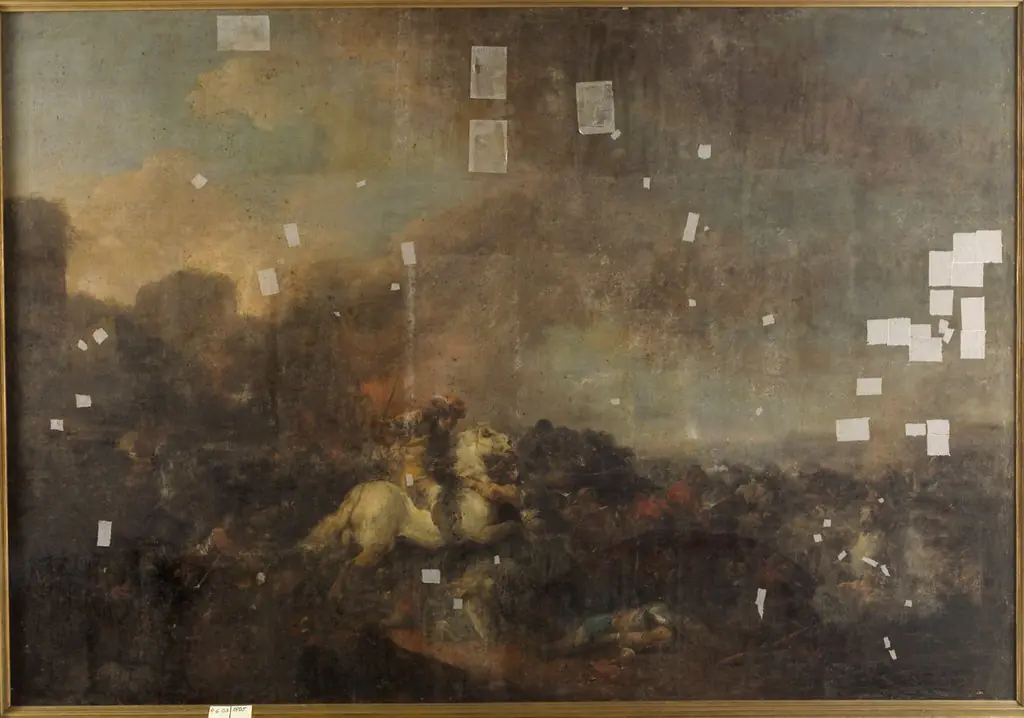
Cavalry Engagement is an oil painting by Francesco Giuseppe Casanova. It dates from 1800 and is held in the collection of the Department of Paintings of the Louvre.
About this work
Overview
The work belongs to the tradition of history painting, focusing on a military confrontation rather than a specific historical event.
Francesco Giuseppe Casanova painted *Cavalry Engagement* in 1800 using oil on canvas. The work belongs to the tradition of history painting, focusing on a military confrontation rather than a specific historical event. It is part of the permanent collection at Louvre Abu Dhabi. Casanova, an Italian artist with a career centered on battlefield imagery, produced numerous works documenting the chaos and movement of mounted combat during the late 18th and early 19th centuries.
Subject & Meaning
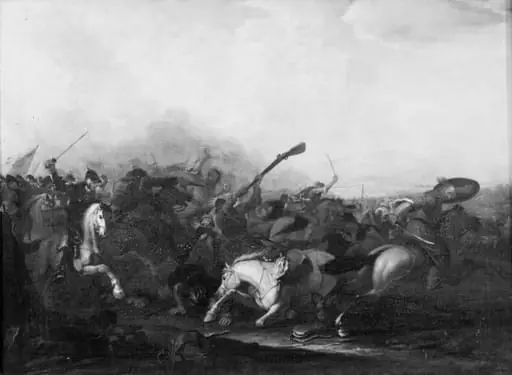
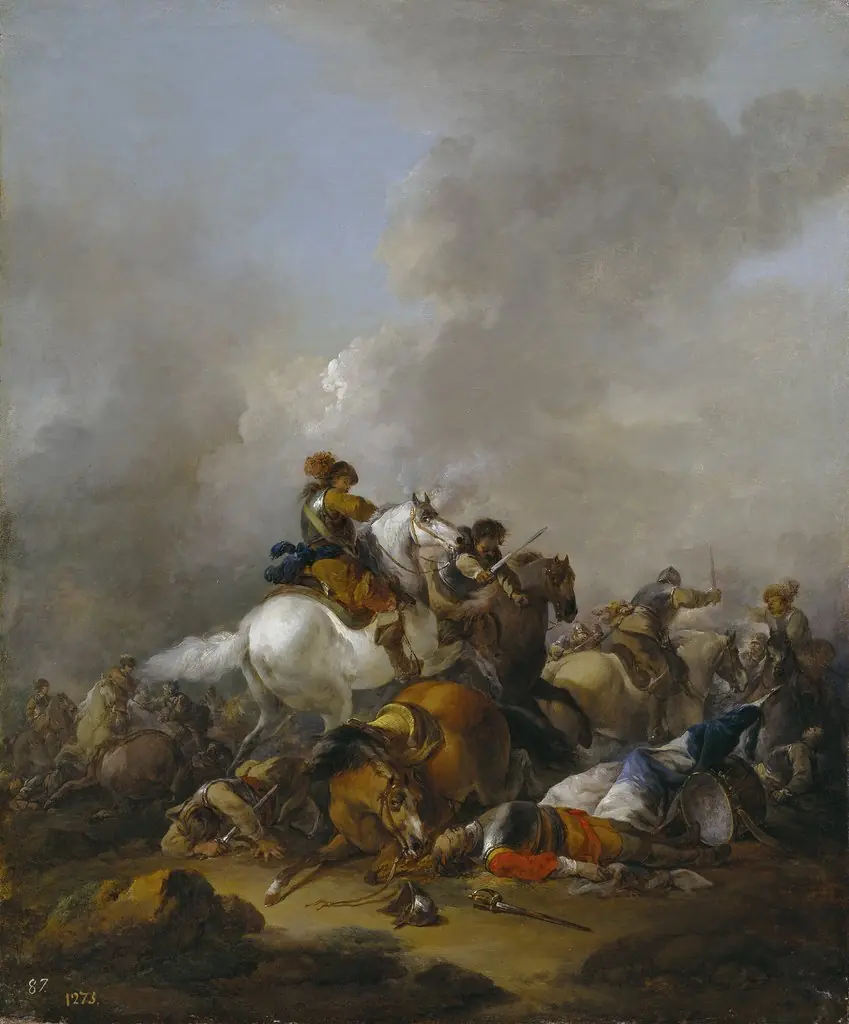
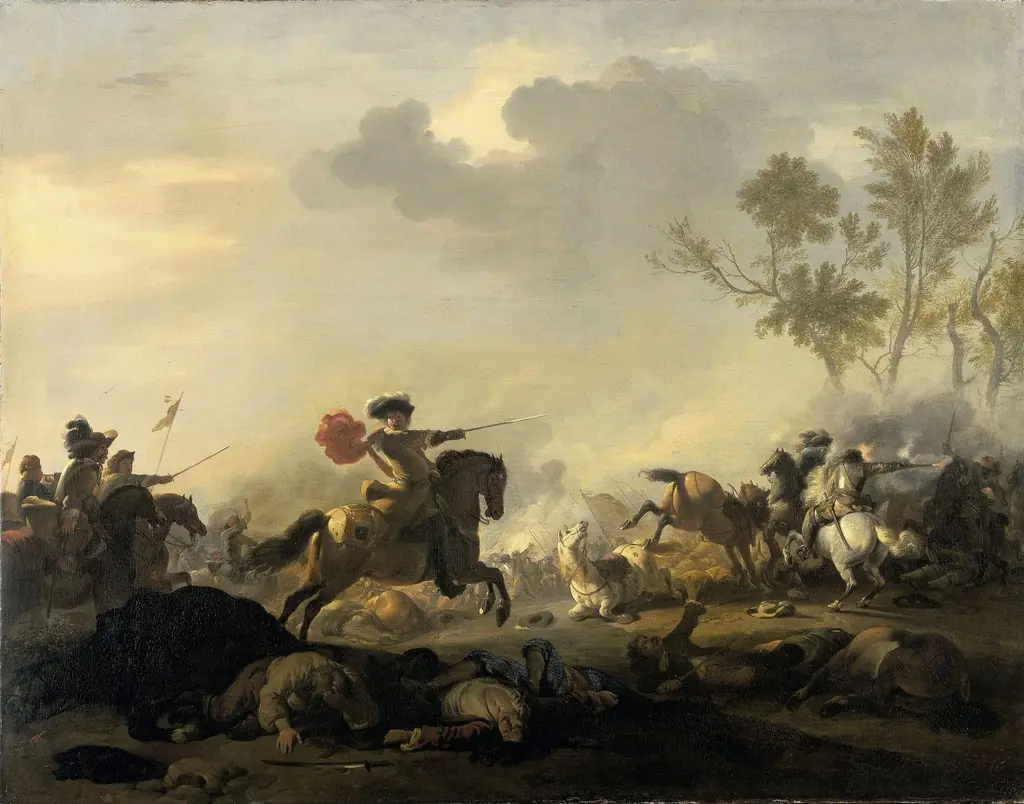
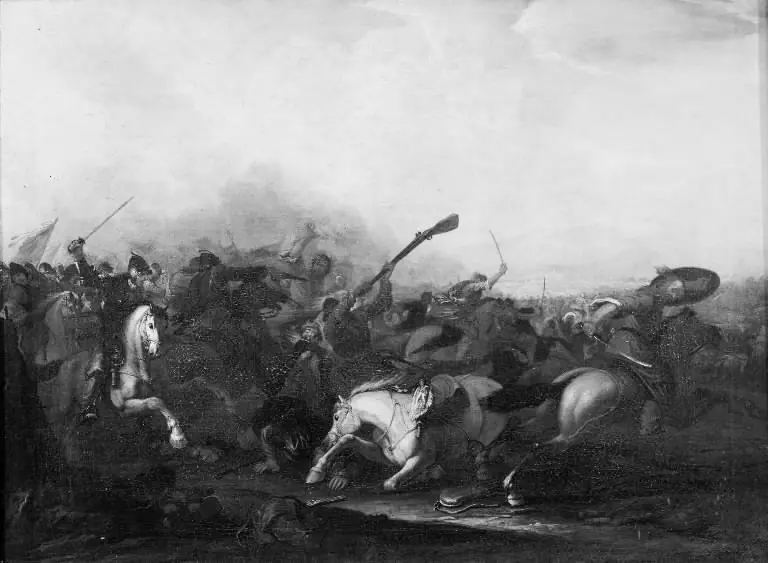
The painting captures a moment of intense cavalry conflict, with no identifiable leaders or named battles. Central to the composition is a mounted figure in a brown jacket and black hat, engaged in close combat with a sword. Surrounding him, soldiers and horses are locked in violent motion—some wielding firearms, others brandishing blades. The absence of clear narrative markers suggests the scene is intended as a generalized representation of warfare’s turbulence rather than a documented encounter.
Technique & Style
Casanova employed detailed brushwork to render the movement of horses and the tension in riders’ postures. The palette is dominated by muted browns, grays, and dark tones, reinforcing the somber atmosphere of battle. Smoke and overcast skies obscure the horizon, heightening the sense of confusion. Figures are rendered with anatomical precision, emphasizing muscular strain and dynamic motion, while the composition’s density creates a feeling of claustrophobic chaos within the frame.
History & Provenance
The painting entered the collection of Louvre Abu Dhabi as part of its broader acquisition of European military art. While its exact provenance prior to museum acquisition is not fully documented, it aligns with Casanova’s known output from the turn of the 19th century. His reputation as a battle scene painter, supported by commissions from military patrons, likely facilitated its circulation among collectors before institutional acquisition.
Context
Casanova worked during a period when European armies were undergoing rapid transformation, with cavalry still playing a central role in warfare despite the rise of firearms. His depictions reflect contemporary interest in military valor and the spectacle of combat, common themes in art following the Napoleonic Wars. Unlike romanticized portrayals, his work emphasizes disorder and physical exertion, offering a more visceral interpretation of battle.
Legacy
Francesco Giuseppe Casanova’s legacy lies in his consistent focus on military subjects during a time when historical painting was dominated by grand narratives. His works, including *Cavalry Engagement*, provide visual records of cavalry tactics and battlefield aesthetics. Though less celebrated than his brother Giacomo, his contributions helped shape the visual language of 19th-century military art, influencing later depictions of warfare in both painting and print.
Artist & collection
Artist
Francesco Giuseppe Casanova (1 June 1727, London – 8 July 1803, near Mödling) was an Italian painter who specialised in battle scenes.

Museum
Department of Paintings of the Louvre
Continue through works from the same source collection.