Artwork
Die Lagune mit dem Fort San Nicolò
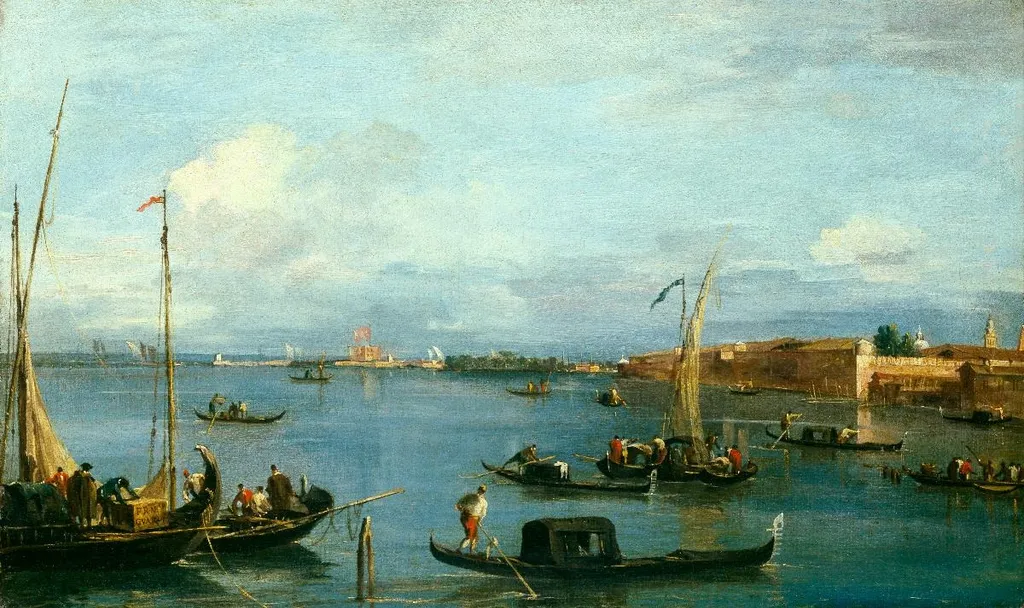
Die Lagune mit dem Fort San Nicolò is an oil painting by the Rococo painting artist Francesco Guardi. It dates from 1767 and is held in the collection of the Kunsthaus Zürich.
About this work
Overview
It reflects Guardi’s mature style, distinct from the precise topography of earlier vedute painters, favoring mood over detail.
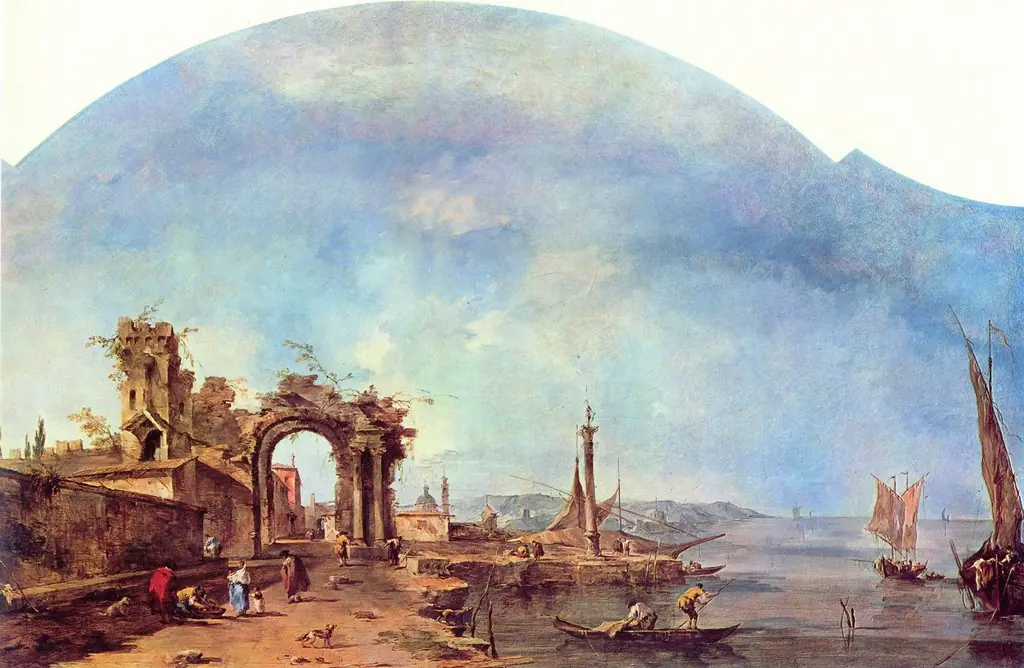
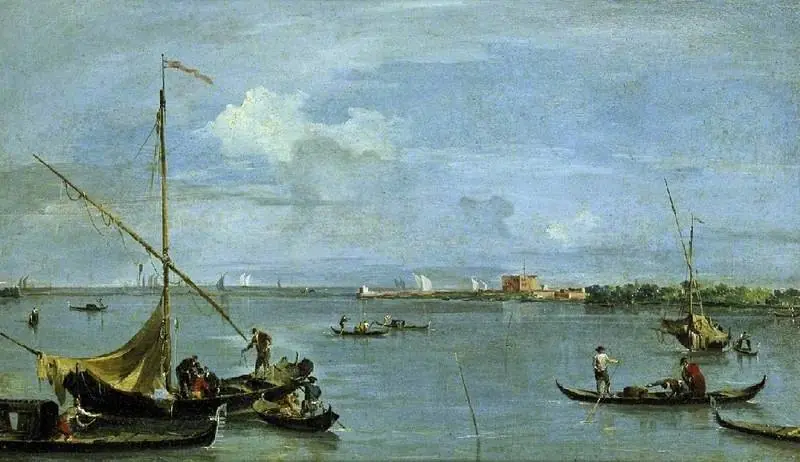
Painted in 1767, *Die Lagune mit dem Fort San Nicolò* is an oil on canvas work by Francesco Guardi, a Venetian artist known for his atmospheric depictions of the city’s waterways. The piece captures a quiet moment along the lagoon, framed by the distant silhouette of Fort San Nicolò. It reflects Guardi’s mature style, distinct from the precise topography of earlier vedute painters, favoring mood over detail.
Subject & Meaning
The scene portrays a tranquil stretch of Venetian waters, with small vessels moored or drifting near the shore. Figures on the bank engage in routine activities—fishing, hauling goods—suggesting daily life rather than spectacle. The fort, barely dominant, anchors the composition without commanding it. The painting conveys quiet continuity, not grandeur, emphasizing the rhythm of ordinary existence in the lagoon’s embrace.
Technique & Style
Guardi employed loose, fluid brushwork to suggest light and movement, abandoning sharp outlines for soft transitions between water, sky, and land. His palette is muted—pale blues, greys, and earth tones—enhancing the hazy, atmospheric quality. The brushstrokes are deliberate yet unforced, creating texture without detail, allowing the viewer’s eye to assemble the scene from suggestive marks rather than precise rendering.
History & Provenance
Created during Guardi’s mature period, the painting emerged after his early collaborations with his brother on religious subjects and a phase influenced by Canaletto. By the 1760s, he had fully developed his own lyrical approach to vedute. The work entered the collection of Kunsthaus Zürich in the 20th century, where it remains today as part of a broader European tradition of Venetian landscape painting.
Context
In mid-18th-century Venice, the lagoon was both a working harbor and a symbol of civic identity. While tourists sought grand vistas, Guardi turned toward quieter, less monumental views—capturing the everyday pulse of the city. His work resonated with a shift in aesthetic taste, valuing emotional resonance and transient light over architectural precision, aligning with broader Rococo sensibilities in Northern Europe.
Legacy
Guardi’s approach to vedute, characterized by atmospheric suggestion and emotional tone, influenced later generations of landscape painters, including the Impressionists. His departure from rigid perspective and emphasis on light and movement marked a quiet revolution in how place was rendered. Though less celebrated in his time than Canaletto, his work is now recognized for its poetic subtlety and enduring sensitivity to the ephemeral.
Artist & collection
Artist
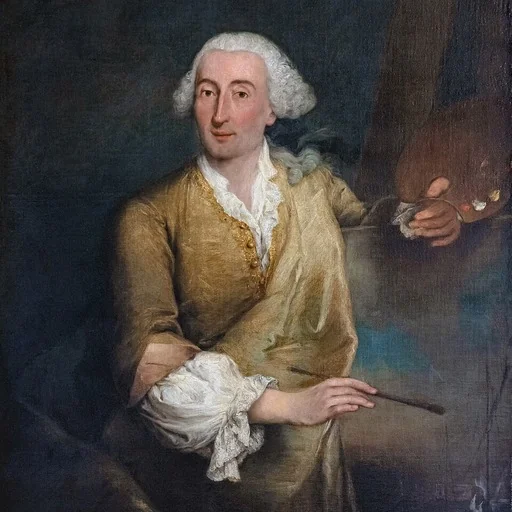
Francesco Lazzaro Guardi (Italian pronunciation: ; 5 October 1712 – 1 January 1793) was an Italian painter, nobleman, and a member of the Venetian School.

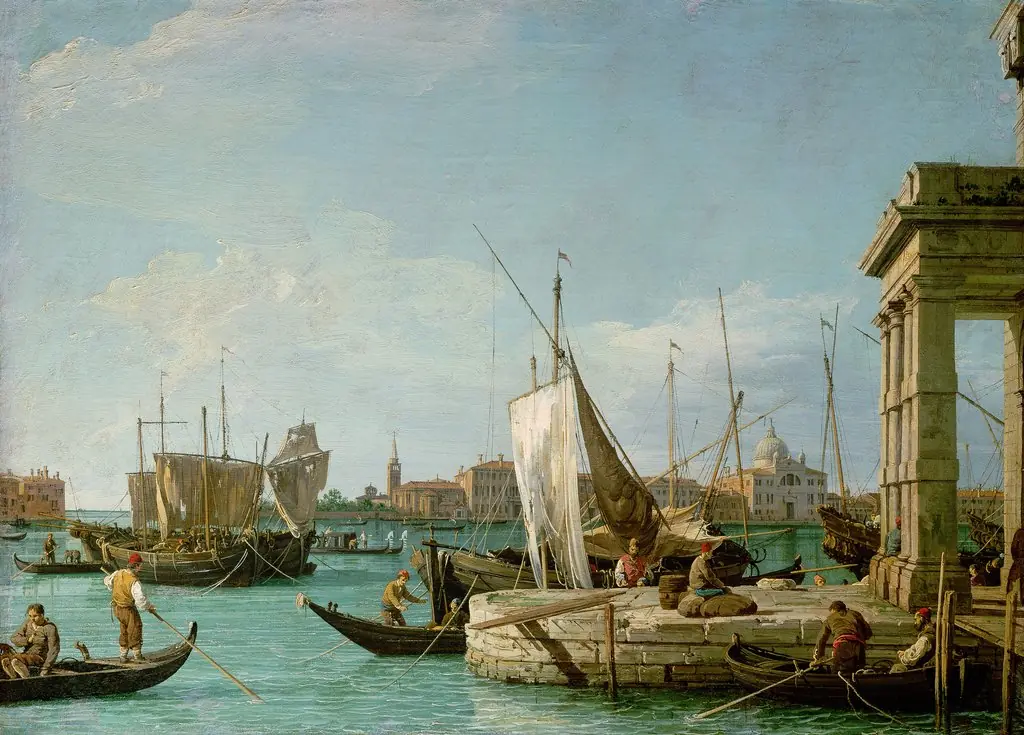 La Punta della Dogana
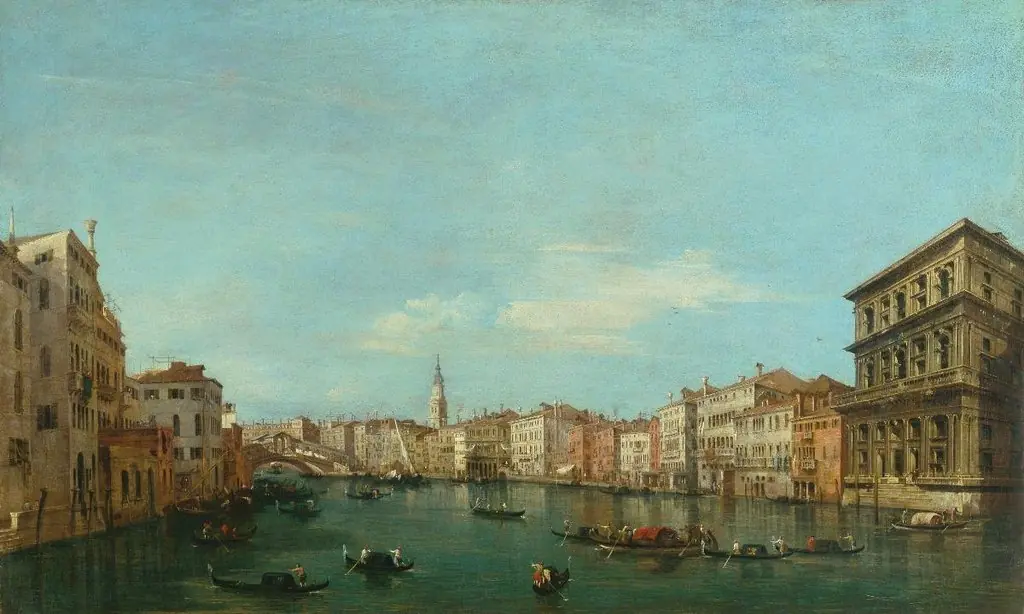 Il Canal Grande a palazzo Grimani, verso il ponte di Rialto
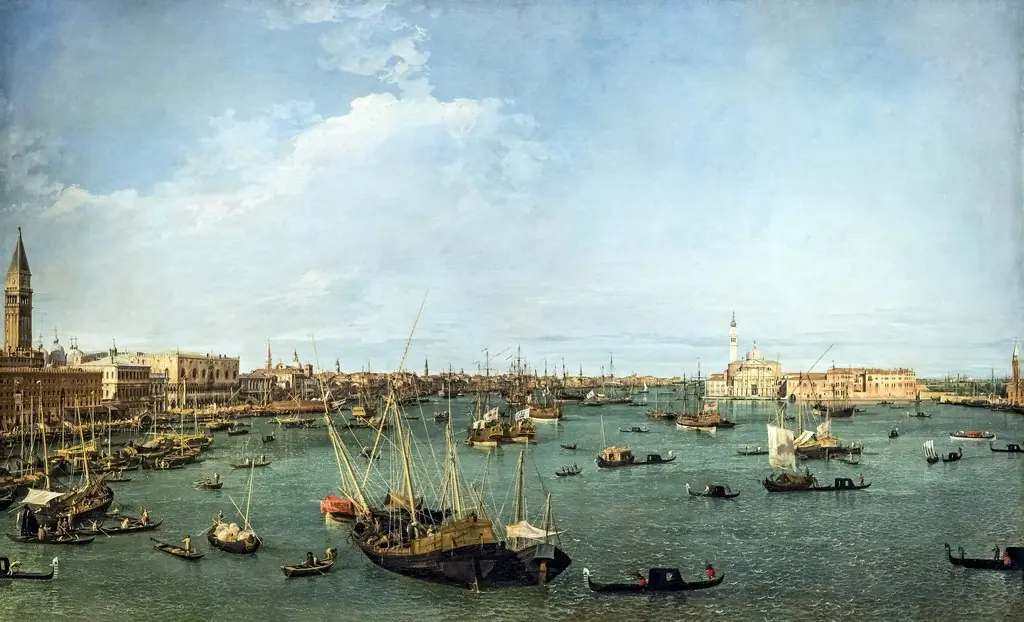 Bacino di San Marco, Venice
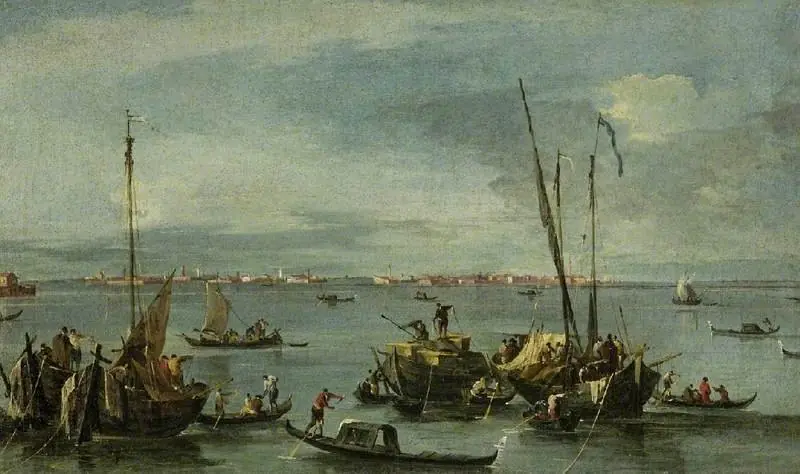 View towards Murano from the Fondamente Nuove, Venice
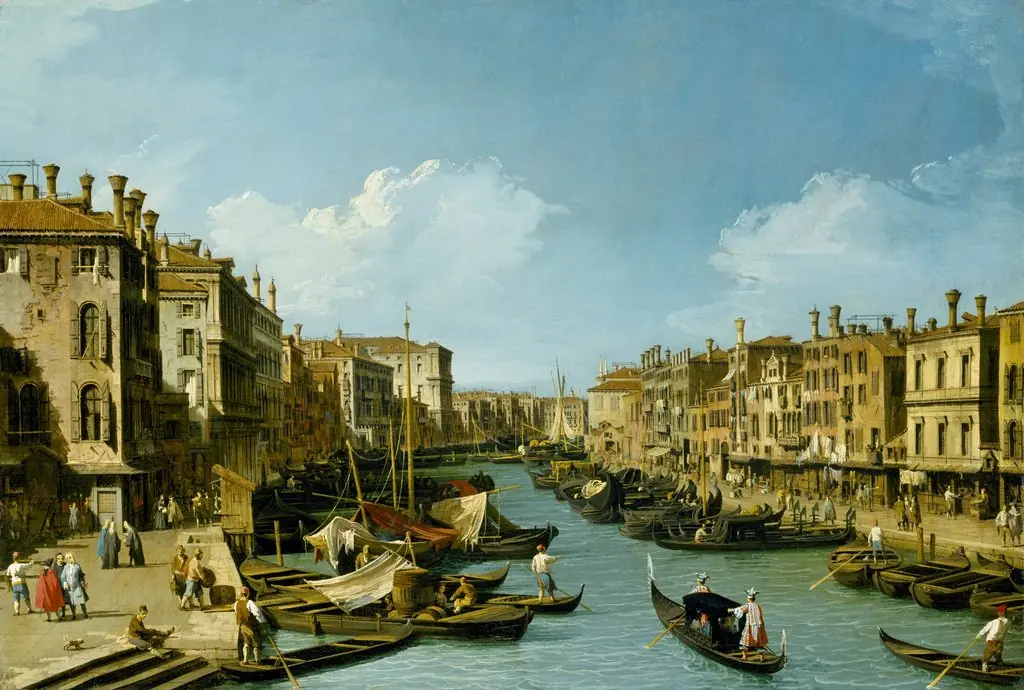 The Grand Canal near the Rialto Bridge, Venice
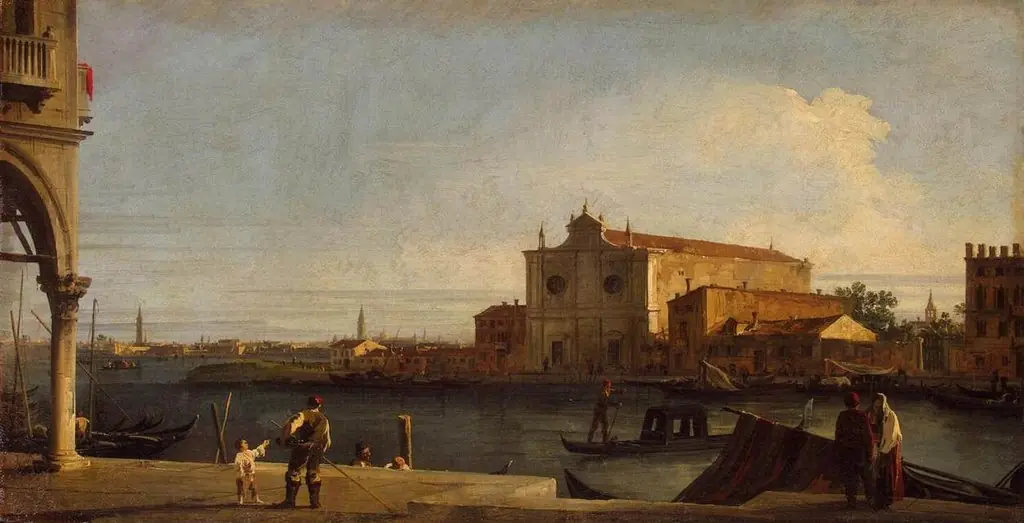 View of San Giovanni dei Battuti at Murano
 Forte S. Andrea Del Lido, Venice
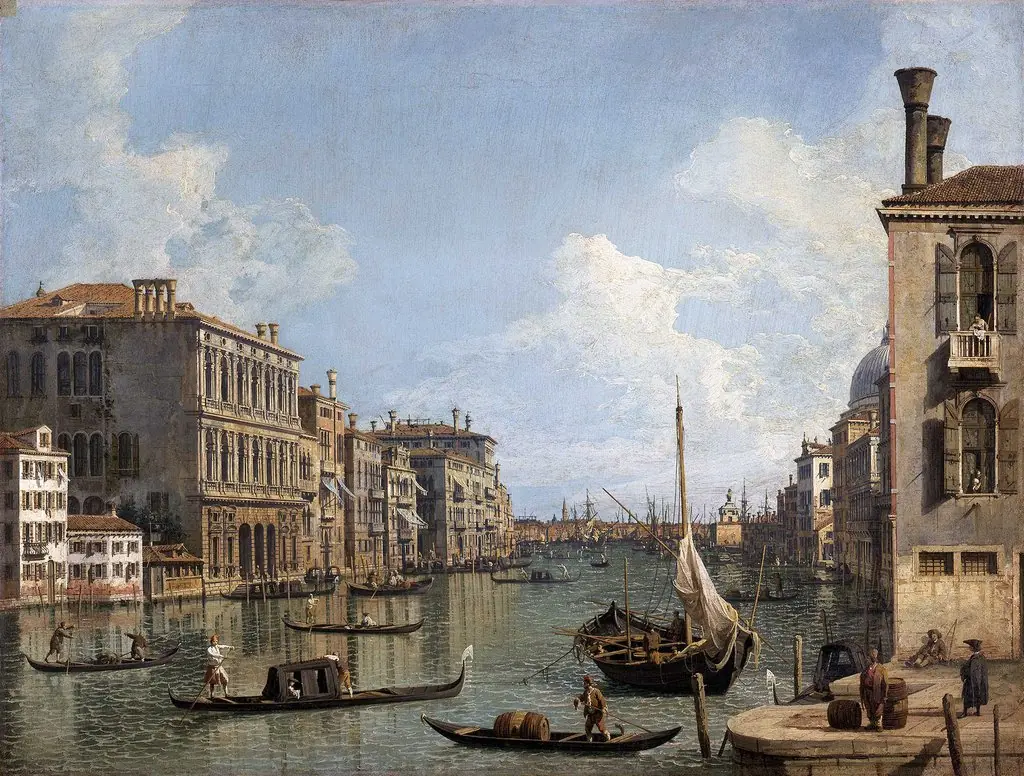 View of the Grand Canal toward the Punta della Dogana
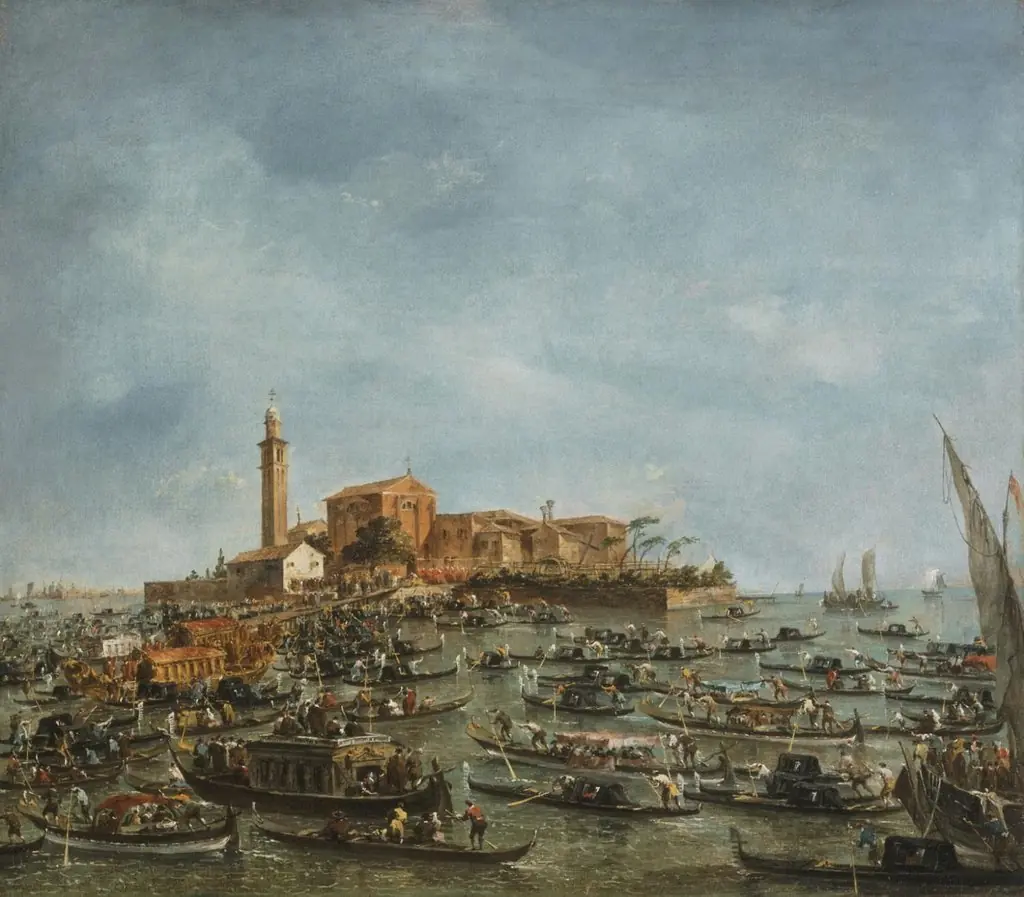 The Meeting of Pope Pius VI and Doge Paolo Renier at San Giorgio in Alga
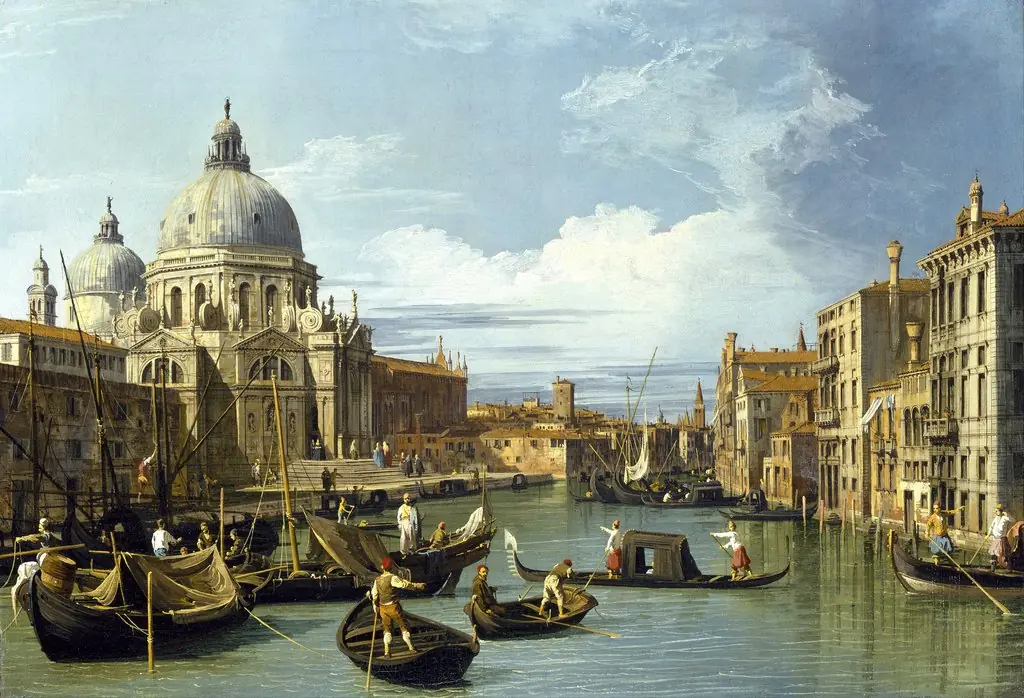 The Entrance to the Grand Canal, Venice
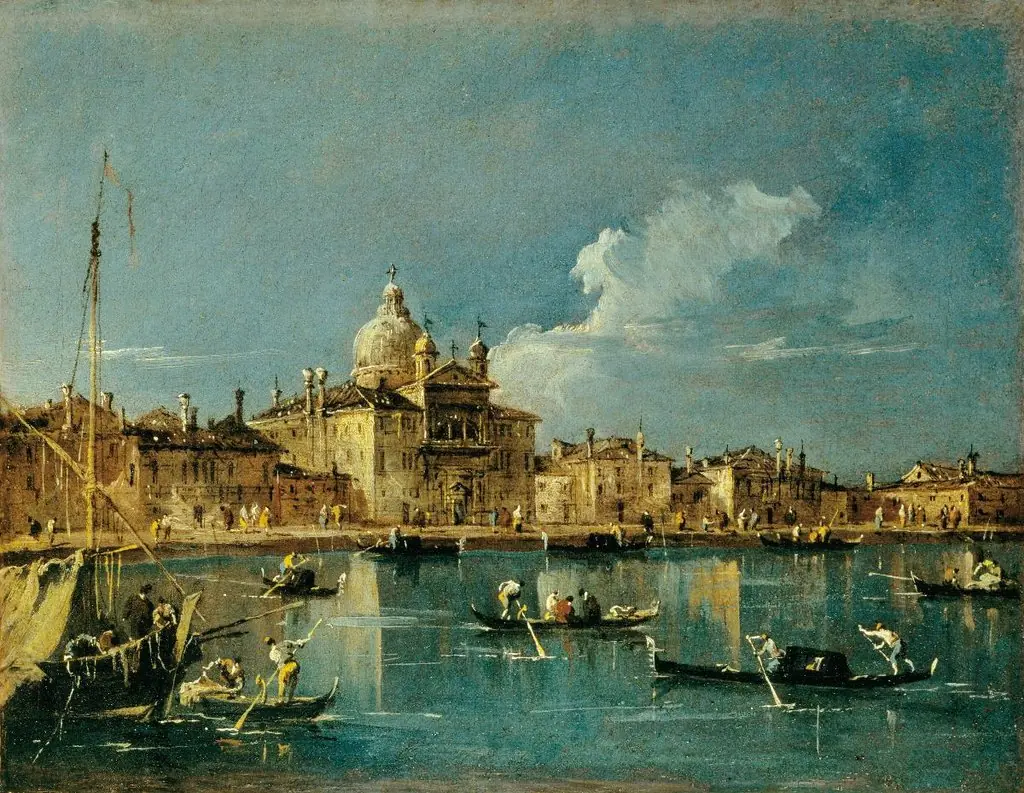 L’isola della Giudecca con le chiese delle Zitelle e del redentore
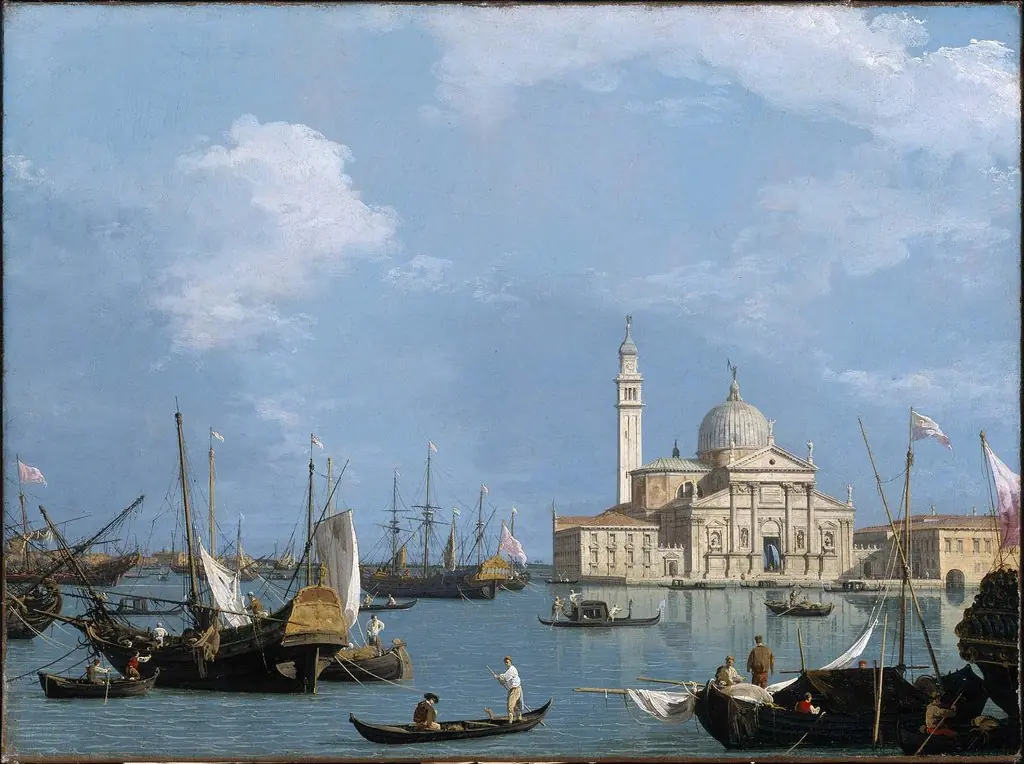 San Giorgio Maggiore: from the Bacino di S. Marco