Artwork
L’isola della Giudecca con le chiese delle Zitelle e del redentore
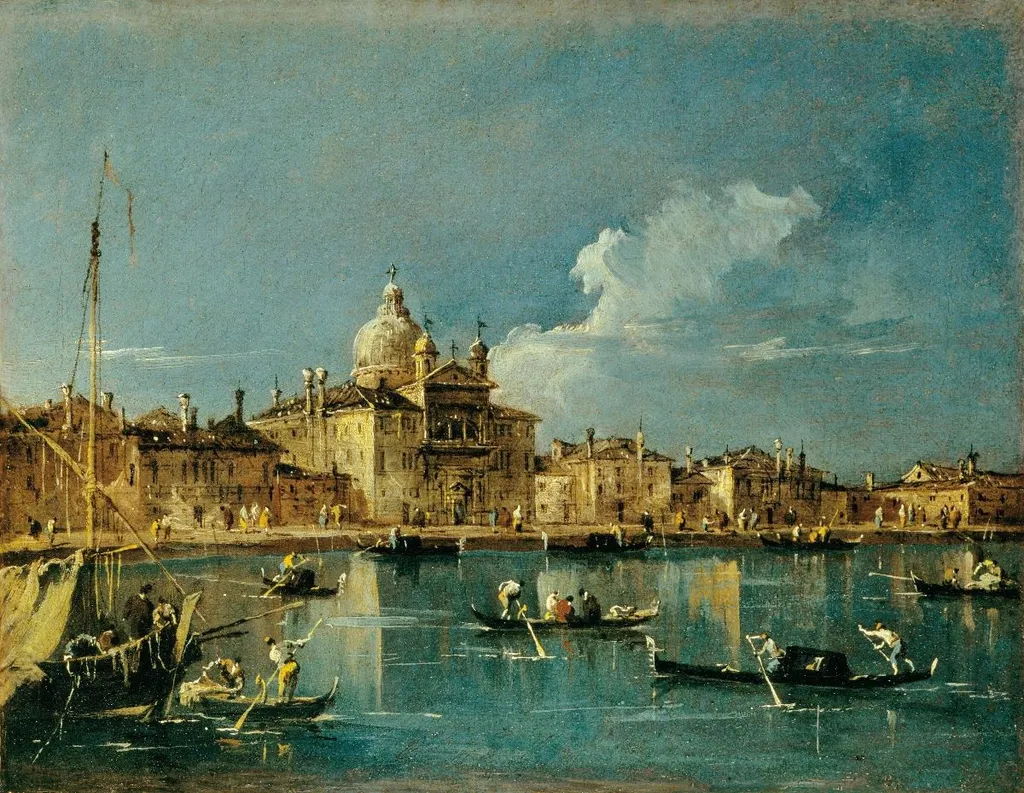
L’isola della Giudecca con le chiese delle Zitelle e del redentore is an oil painting by Francesco Guardi. It dates from 1762 and is held in the collection of the Kunsthaus Zürich.
About this work
Overview
The painting belongs to the Kunsthaus Zürich collection and exemplifies his mature style, marked by atmospheric suggestion over topographical precision.
Painted around 1762, this oil on canvas work by Francesco Guardi captures a view of the Giudecca island in Venice, centered on two prominent churches: Le Zitelle and Il Redentore. Guardi, a member of Venice’s artistic elite, turned from religious commissions to vedute after his brother’s death in 1760. The painting belongs to the Kunsthaus Zürich collection and exemplifies his mature style, marked by atmospheric suggestion over topographical precision.
Subject & Meaning
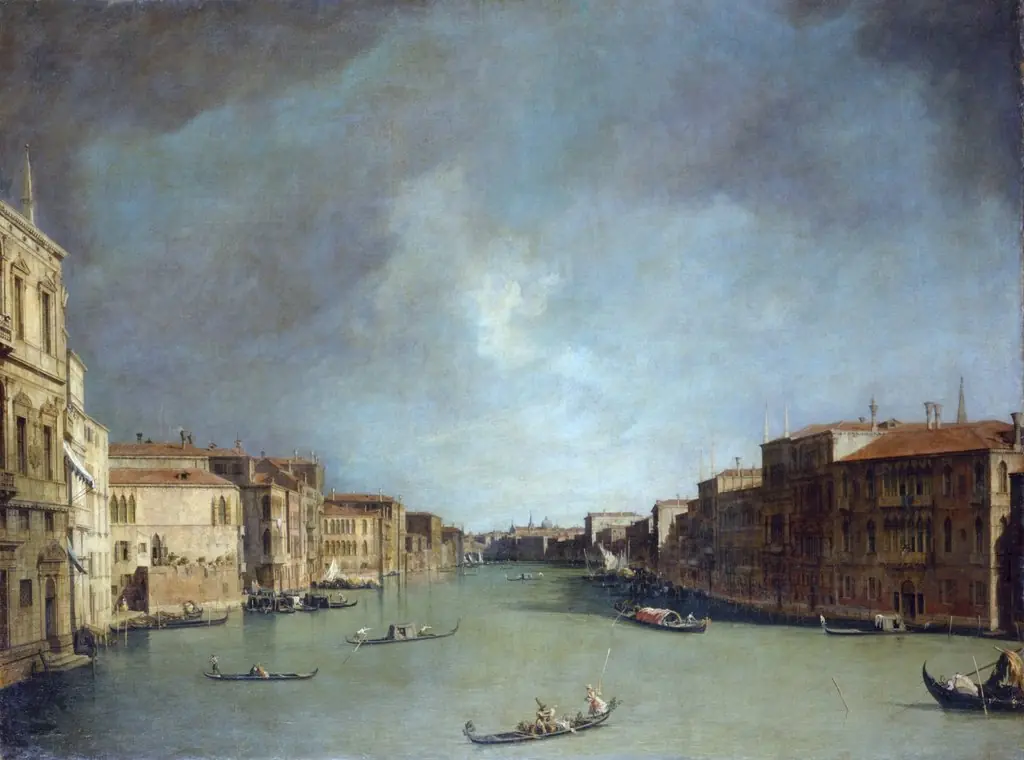
The scene presents a quiet moment along the Giudecca canal, with gondolas and small boats drifting beneath the shadow of ecclesiastical architecture. The churches, both products of Counter-Reformation patronage, anchor the composition as symbols of civic and spiritual life. Guardi does not idealize the view but records it with a sense of daily rhythm, emphasizing the interplay between human activity and sacred space in Venetian life.
Technique & Style
Guardi’s brushwork is fluid and expressive, contrasting with the sharp lines of contemporaries like Canaletto. He uses layered glazes and loose strokes to suggest light reflecting off water and the texture of stone facades. The sky, softly rendered in pale blues and grays, merges with the horizon, while warm building tones contrast with the cool, reflective canal. This approach prioritizes mood over detail, creating an impression of transient atmosphere.
History & Provenance
The painting entered the Kunsthaus Zürich collection in the 19th century, likely through European private acquisitions common after the decline of Venetian artistic patronage. Its survival reflects the growing 19th-century interest in Venetian vedute as cultural artifacts. No major alterations or restorations are documented, and the work retains its original composition and tonal balance.
Context
In mid-18th century Venice, vedute paintings catered to Grand Tour travelers seeking souvenirs of the city’s grandeur. Guardi’s work diverged from the rigid perspective of earlier topographers, instead capturing the city’s ephemeral qualities—light, weather, movement. His style aligned with a broader shift in European art toward emotional resonance and sensory experience over documentary accuracy.
Legacy
Guardi’s atmospheric approach influenced later Romantic and Impressionist painters who valued mood over detail. His reinterpretation of Venetian views helped redefine the veduta genre, moving it from architectural record to poetic observation. Though less celebrated in his lifetime than Canaletto, his work is now recognized for its sensitivity to light and its quiet evocation of urban life.
Artist & collection

Artist
Francesco Lazzaro Guardi (Italian pronunciation: ; 5 October 1712 – 1 January 1793) was an Italian painter, nobleman, and a member of the Venetian School.

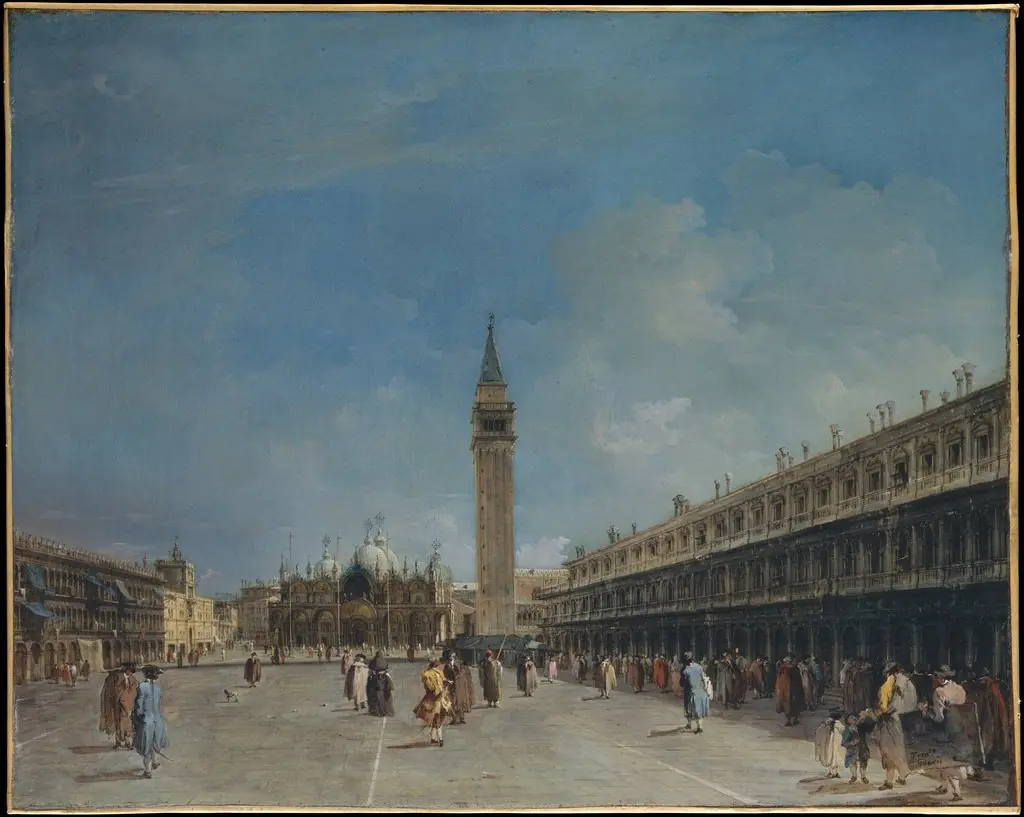
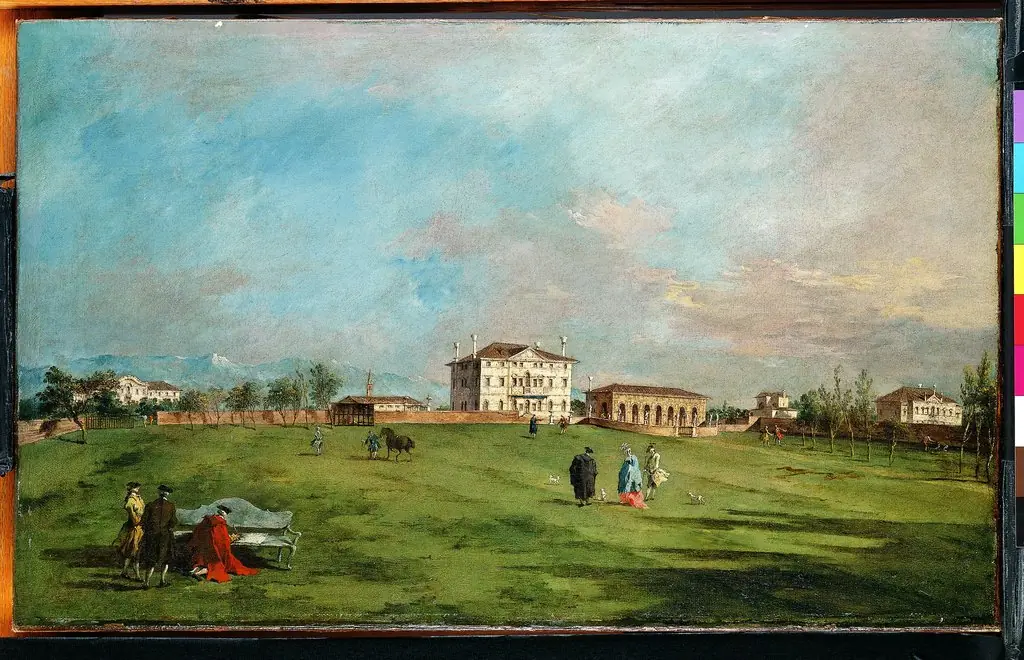
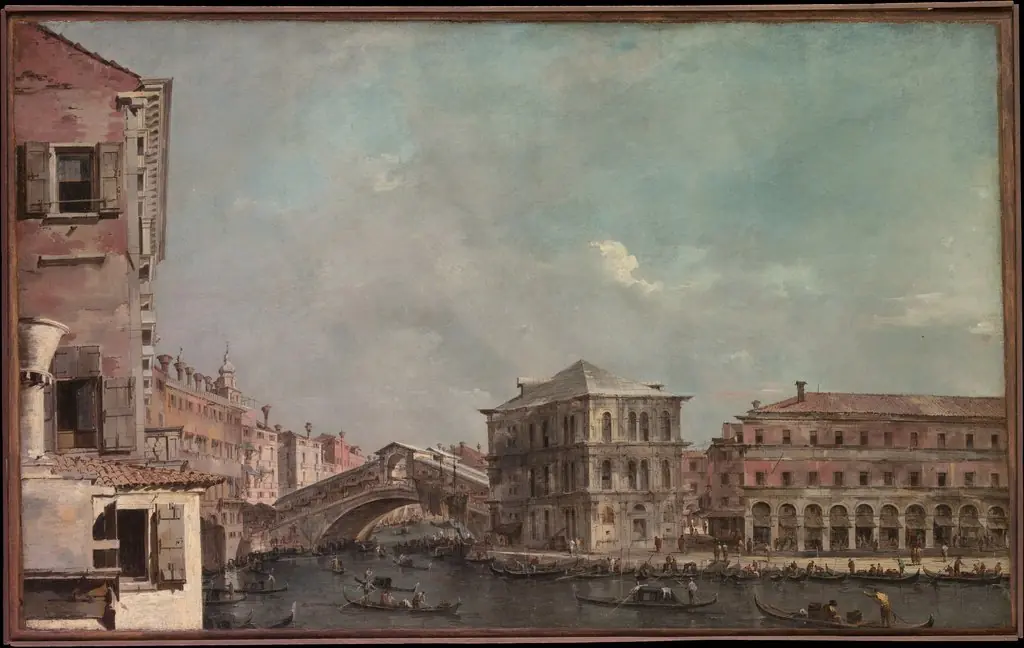
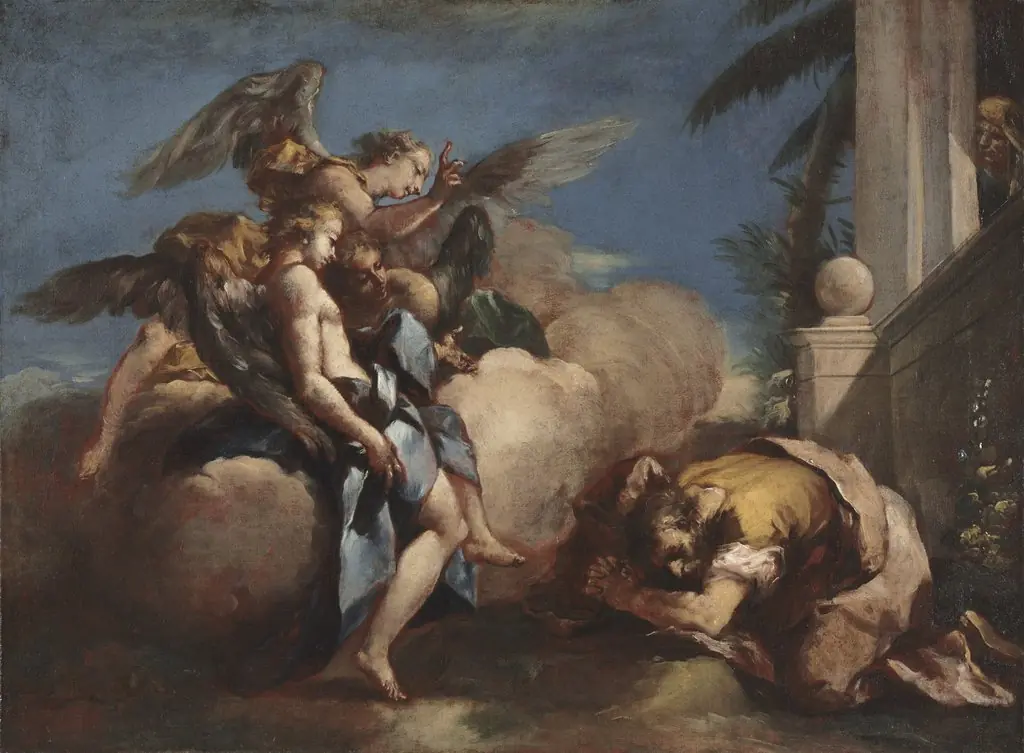
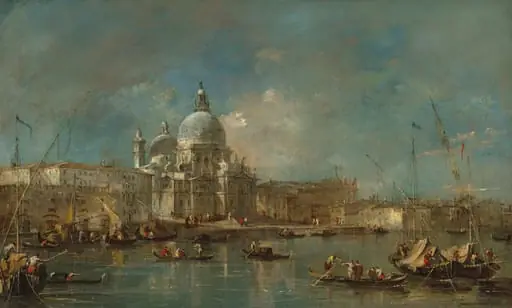 Santa Maria della Salute
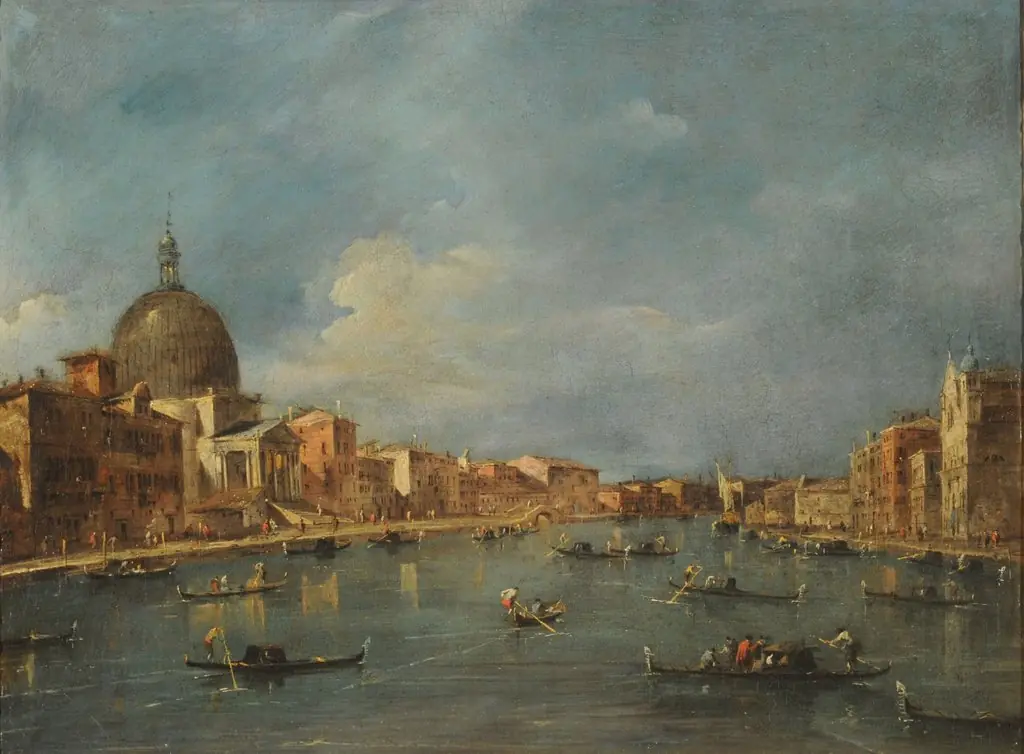 Grand Canal with Sam Simeone piccolo
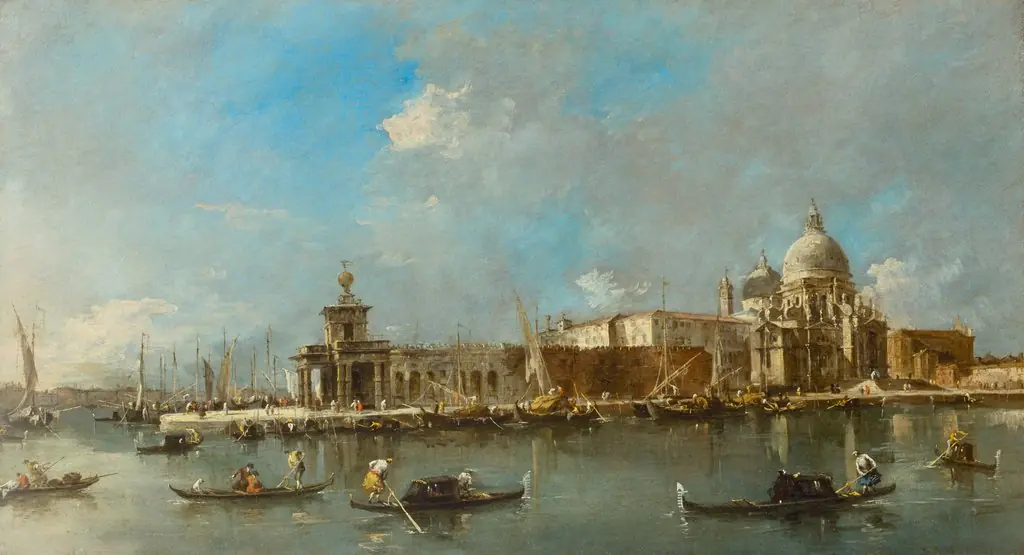 Santa Maria della Salute and the Dogana, Venice
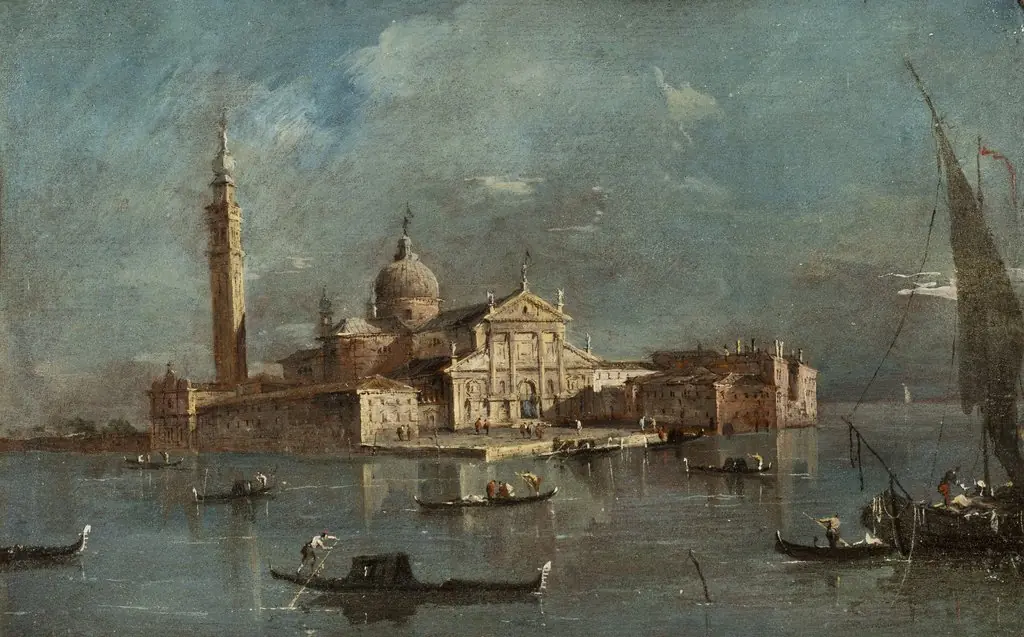 San Giorgio Maggiore
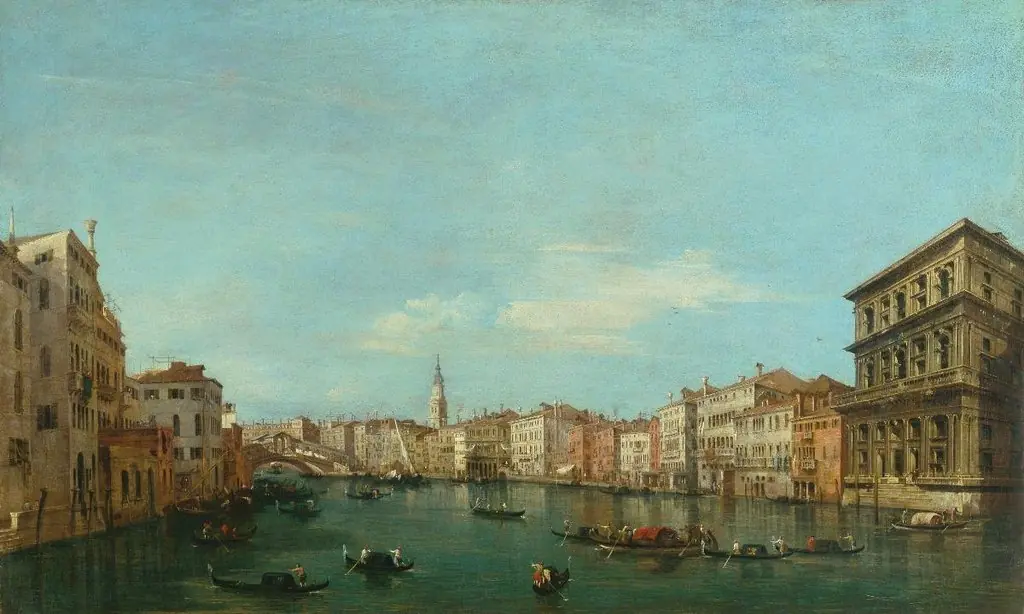 Il Canal Grande a palazzo Grimani, verso il ponte di Rialto
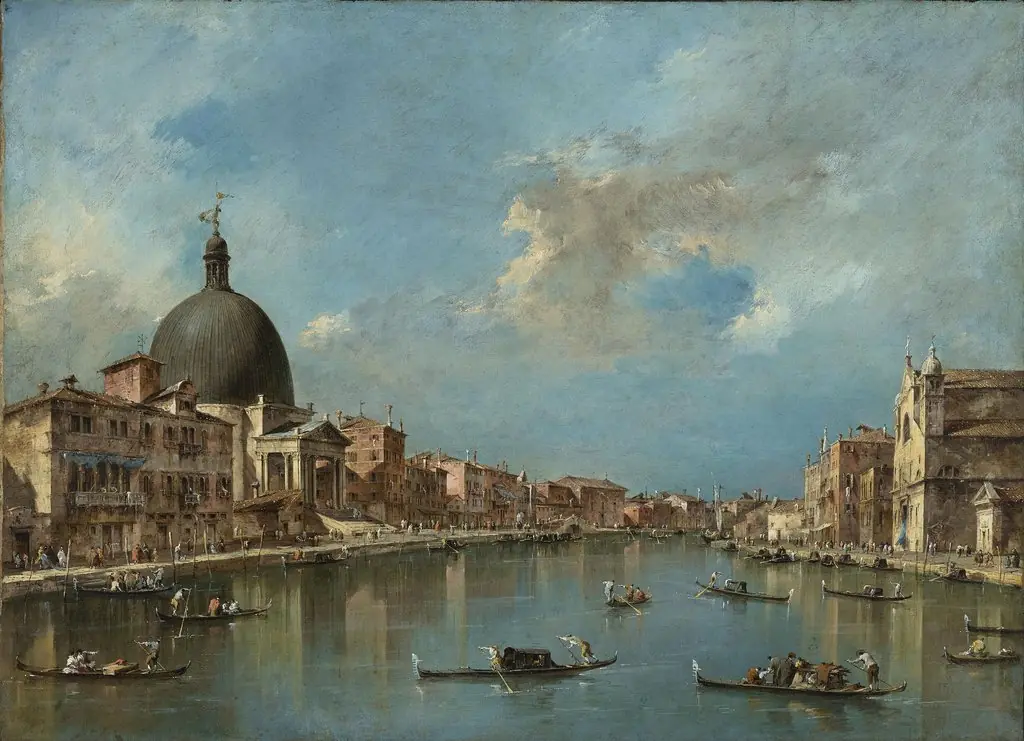 The Grand Canal with San Simeone Piccolo and Santa Lucia
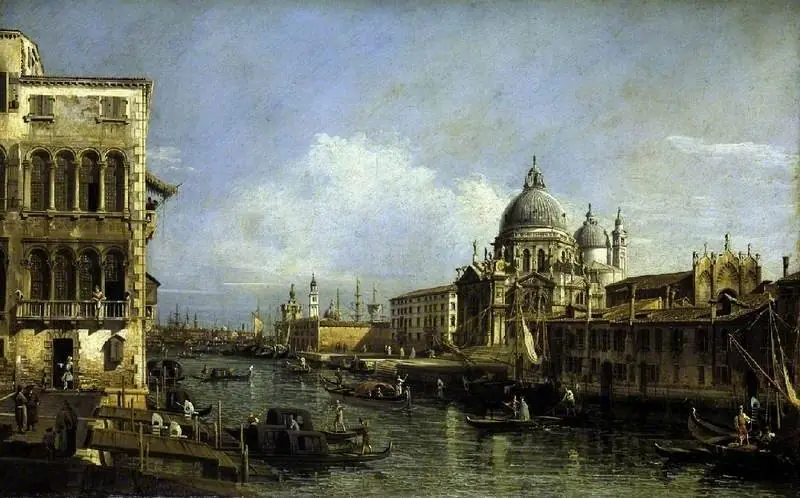 A View at the Entrance of the Grand Canal, Venice
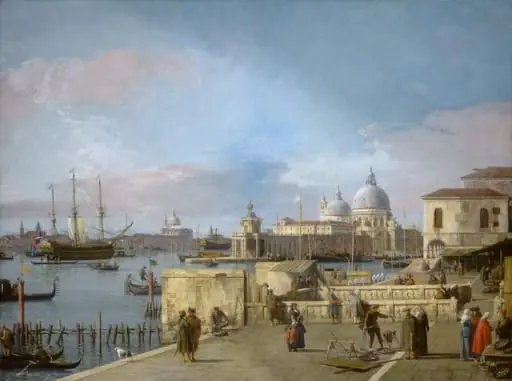 Entrance to the Grand Canal from the Molo, Venice
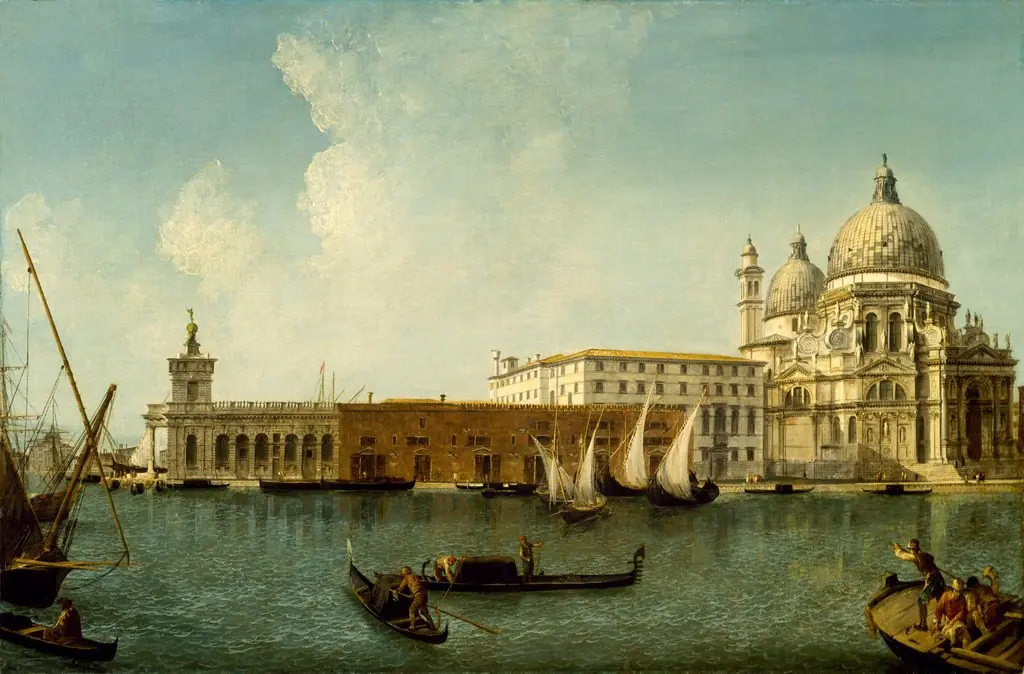 View of the Dogana and Santa Maria della Salute
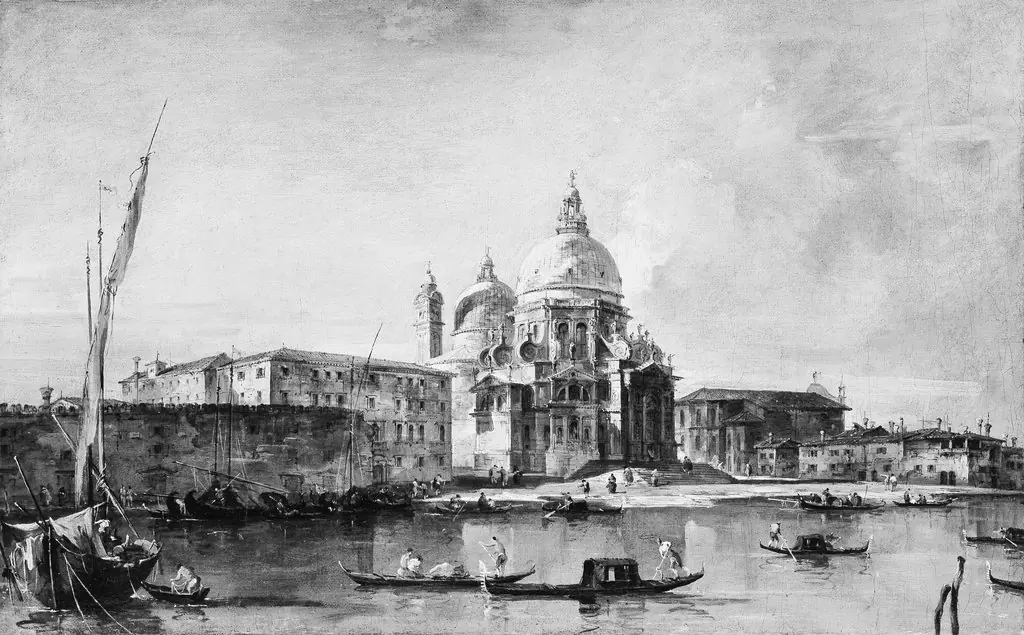
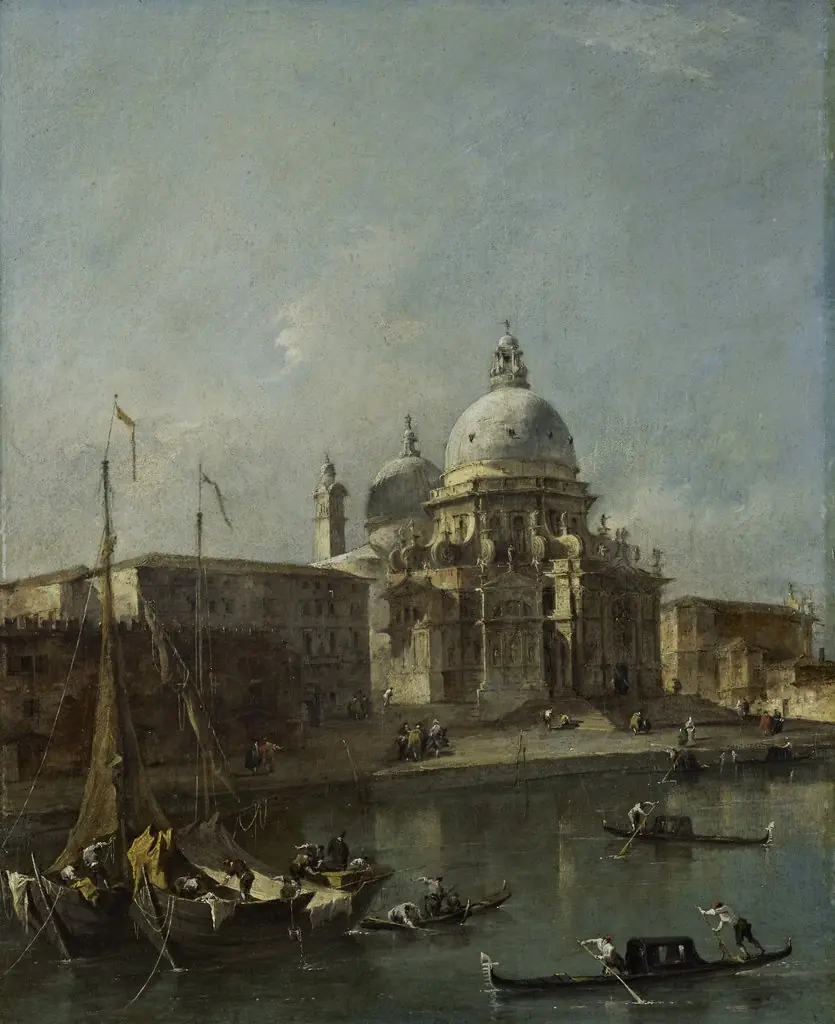 Santa Maria della Salute, Venice
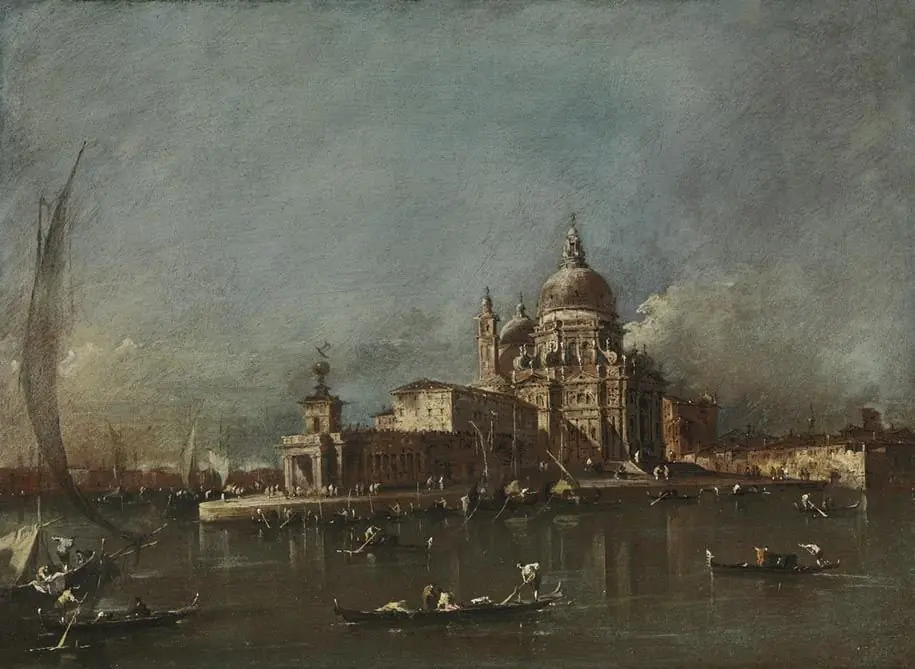 Blick auf Santa Maria della Salute und die Dogana
 Grand Canal: Looking from Palazzo Balbi