Artwork
River Landscape with a Ruined Tower and a Distant Village
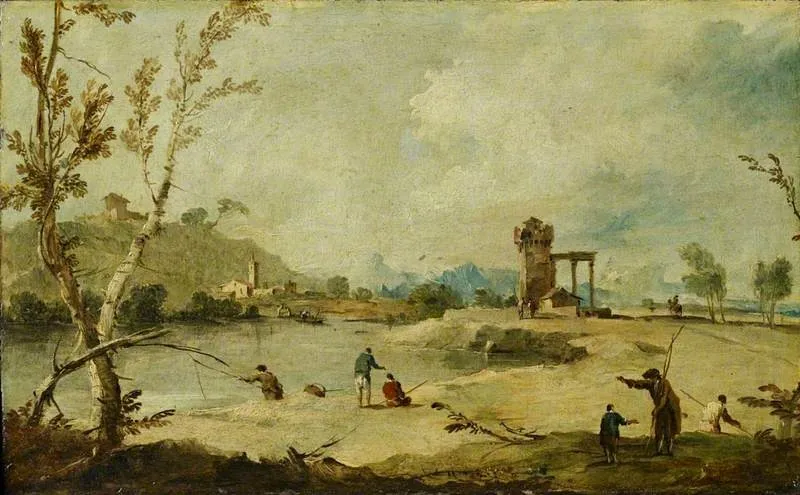
River Landscape with a Ruined Tower and a Distant Village is an oil painting by the Rococo painting artist Francesco Guardi. It dates from 1775 and is held in the collection of the National Galleries Scotland.
About this work
Overview
River Landscape with a Ruined Tower and a Distant Village is an 18th-century oil painting by Francesco Guardi, depicting a serene river scene with a ruined tower, distant village, and figures in the foreground, set against a hilly, clouded backdrop.
Subject & Meaning
The painting captures a moment of everyday life in a tranquil, natural setting. The juxtaposition of the ruined tower with the thriving distant village may symbolize the contrast between decline and vitality, though the overall mood remains peaceful.
Technique & Style
Characterized by Guardi's later, expressive style, the work features looser brushwork compared to the precision of earlier Venetian vedutisti. Notably, Guardi employs chiaroscuro to enhance depth and texture, particularly in the rendering of trees and the stone tower.
History & Provenance
Created in 1775, the painting is part of the Rococo movement. Originally from the Venetian School, Guardi transitioned from religious themes to landscapes (vedute). The piece is now housed in the Scottish National Gallery.
Context
As a Venetian nobleman and painter, Guardi's shift to landscapes reflected the growing interest in vedute among 18th-century European aristocrats and collectors. His work catered to this demand while distinguishing itself through expressive technique.
Legacy
While specific legacy details of this piece are not highlighted, Guardi's overall contribution to the evolution of the vedute genre and his expressive brushwork techniques have influenced subsequent landscape painting practices.
Artist & collection
Artist
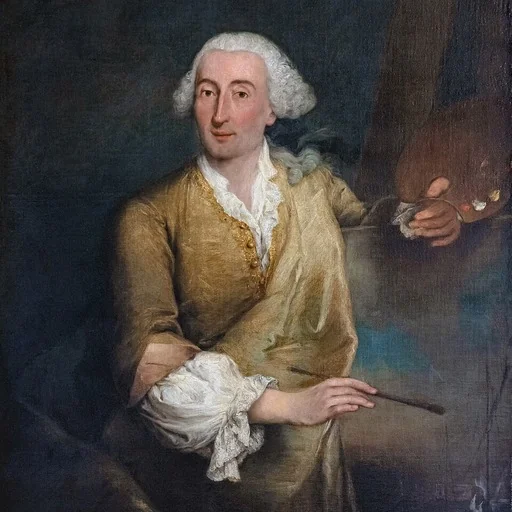
Francesco Lazzaro Guardi (Italian pronunciation: ; 5 October 1712 – 1 January 1793) was an Italian painter, nobleman, and a member of the Venetian School.

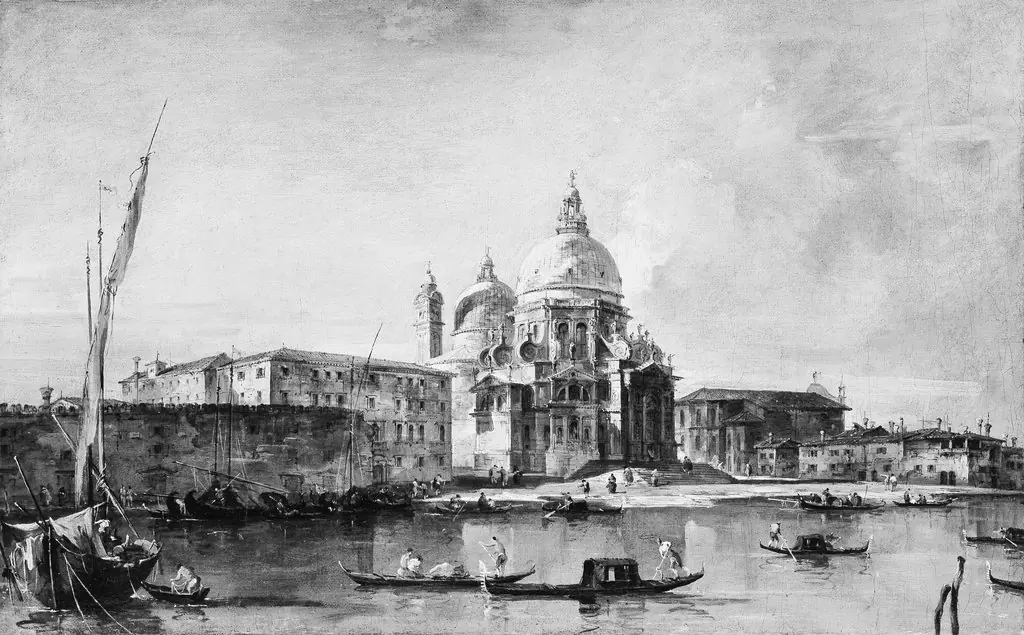
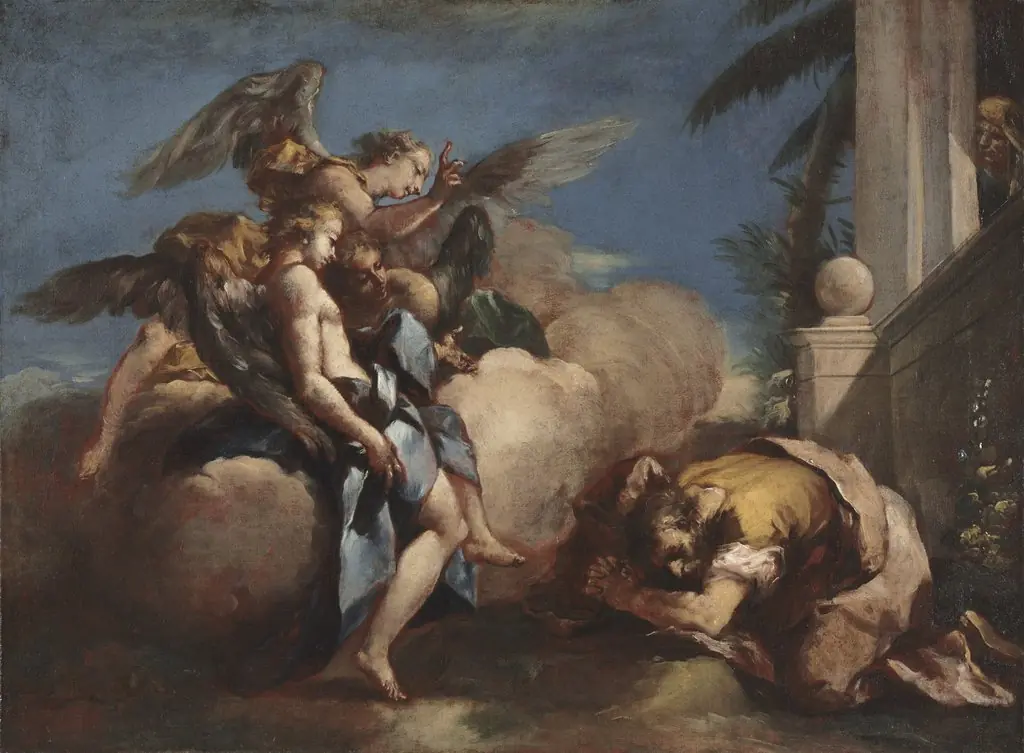
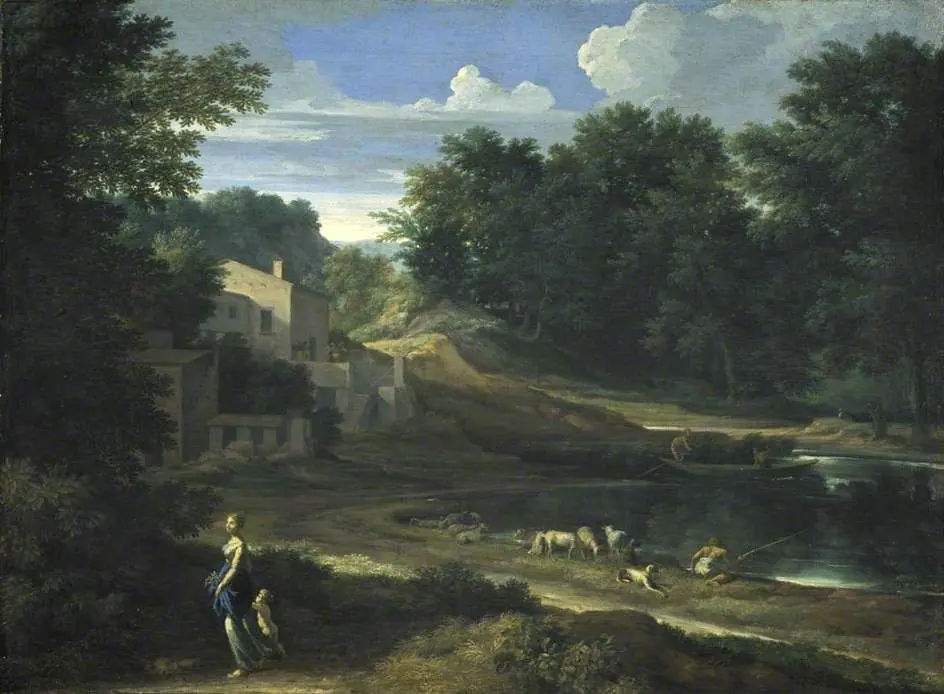 Classical Landscape with a Lake
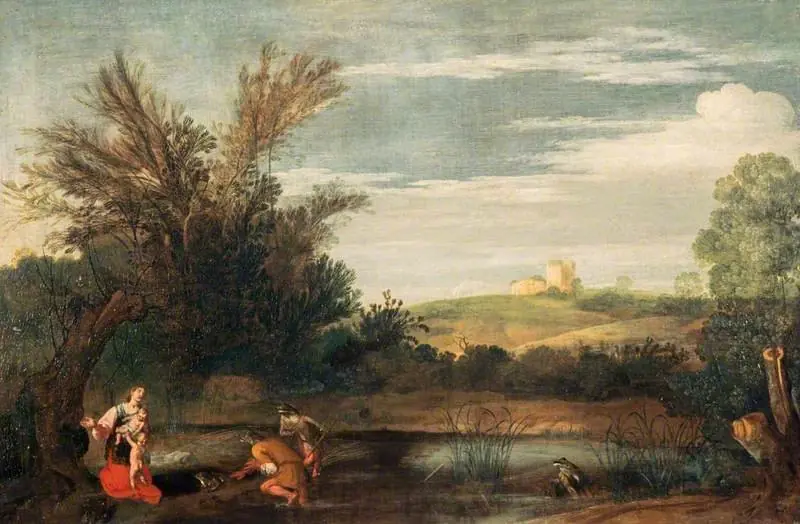 Landscape with Latona and the Peasants
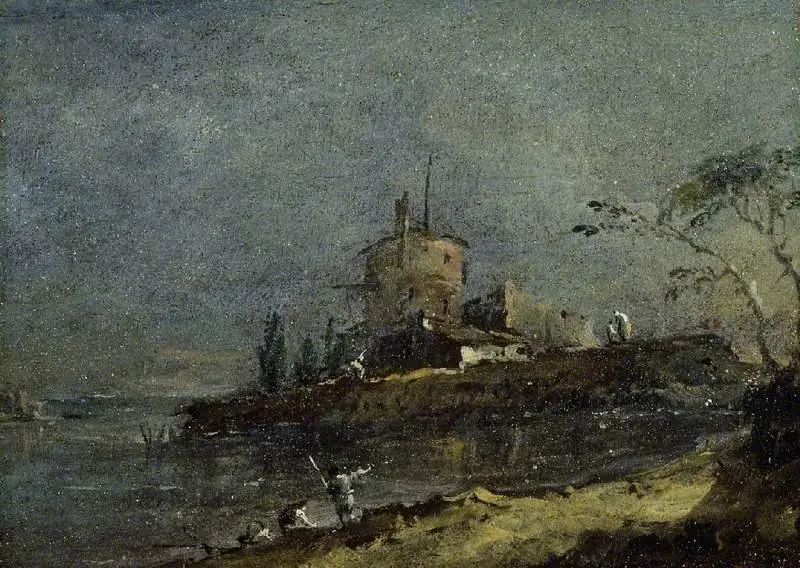 View near Venice
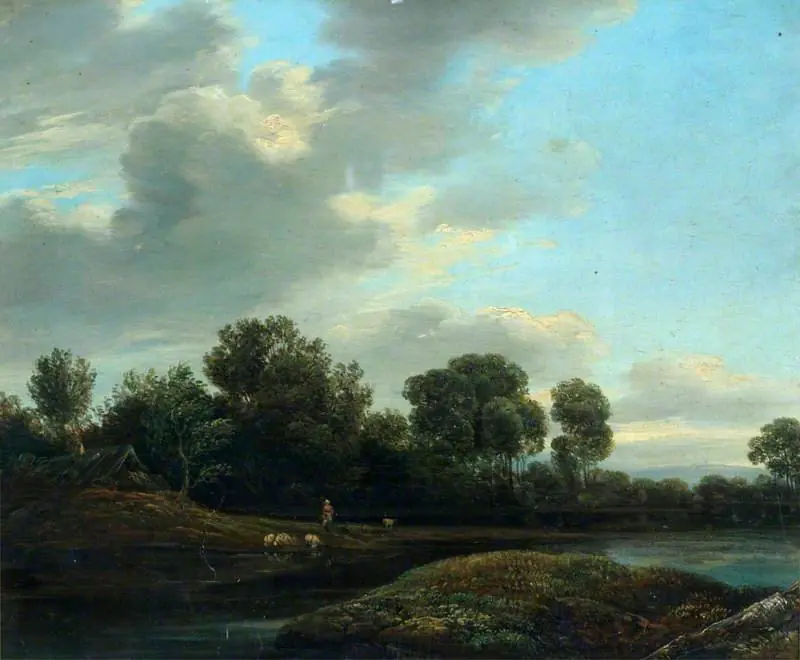 Landscape: The River Bank
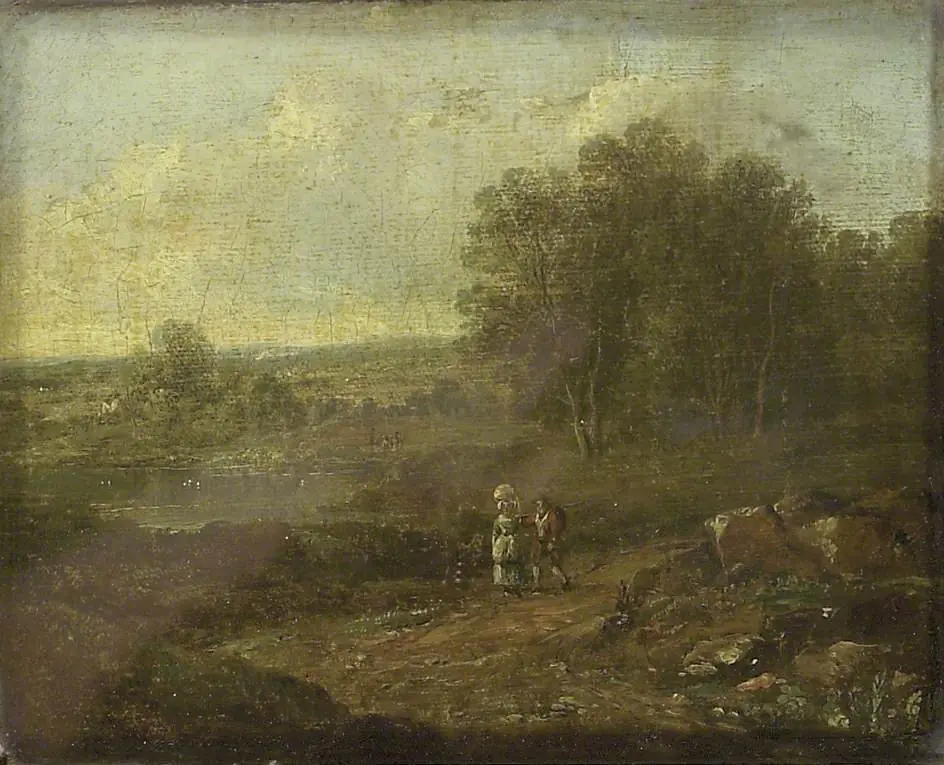 Landscape with two Figures walking along a Track
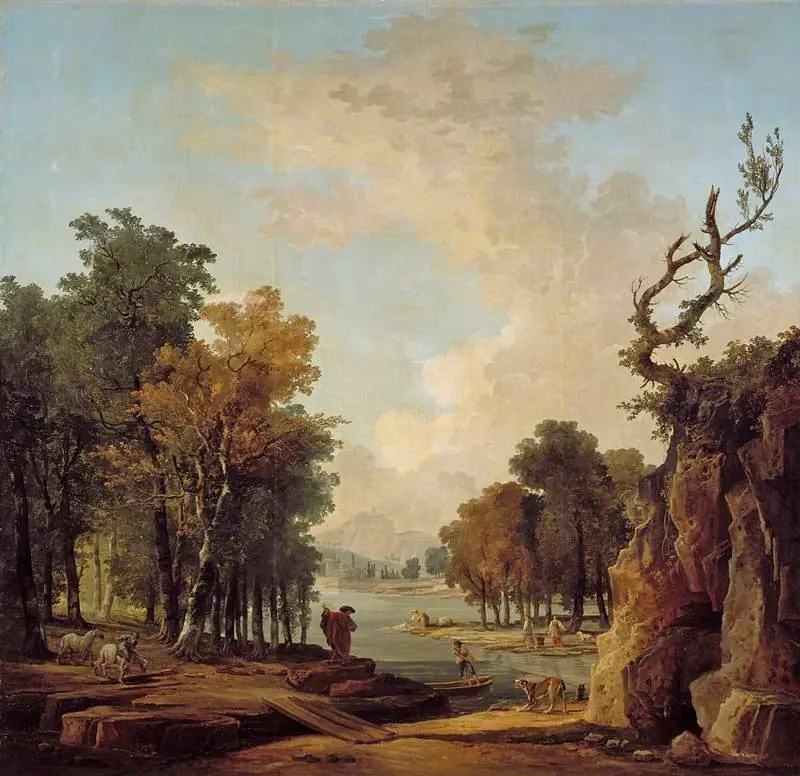 Wooded river landscape with a traveller, a barking dog, a horseman and women washing at an islet
 View at Hampstead
 The Ferry Boat
 A View of Clonskeagh, County Dublin with Figures Bathing
 Landscape with figures