Artwork
Landscape with figures
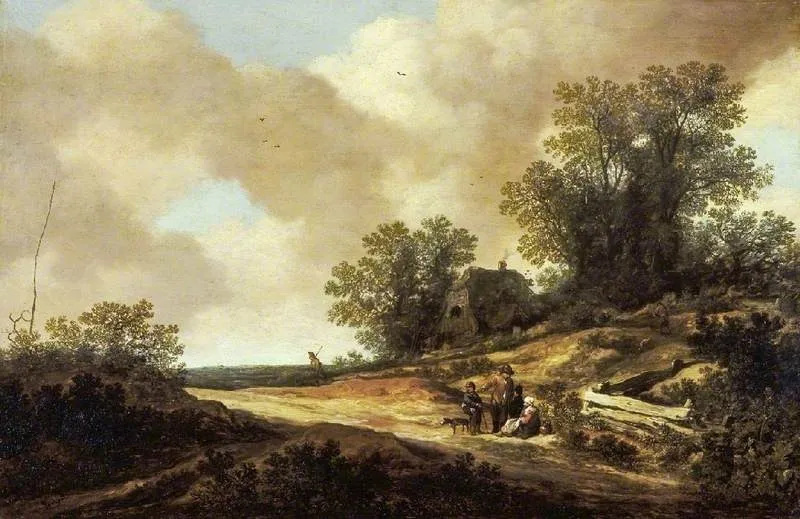
Landscape with figures is an oil painting by Pieter de Molijn. It dates from 1635 and is held in the collection of the Fitzwilliam Museum.
About this work
Overview
Painted in 1635, *Landscape with figures* is an oil on canvas work by Pieter de Molijn, a Dutch artist of Flemish descent born in London.
Painted in 1635, *Landscape with figures* is an oil on canvas work by Pieter de Molijn, a Dutch artist of Flemish descent born in London. Active in Haarlem, he was admitted to the Guild of St. Luke in 1616 and worked across painting and printmaking. This piece exemplifies his contribution to the Dutch landscape tradition, capturing a quiet rural scene with restrained detail and atmospheric tone, now held in the Fitzwilliam Museum’s collection.
Subject & Meaning
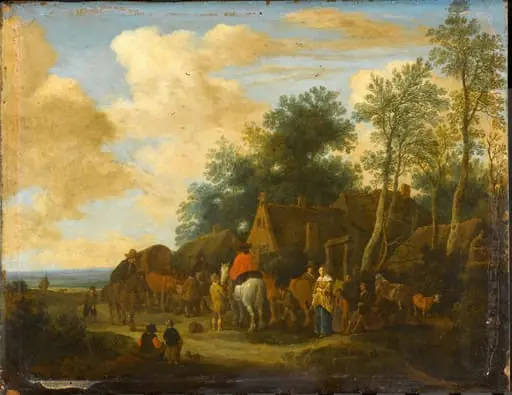
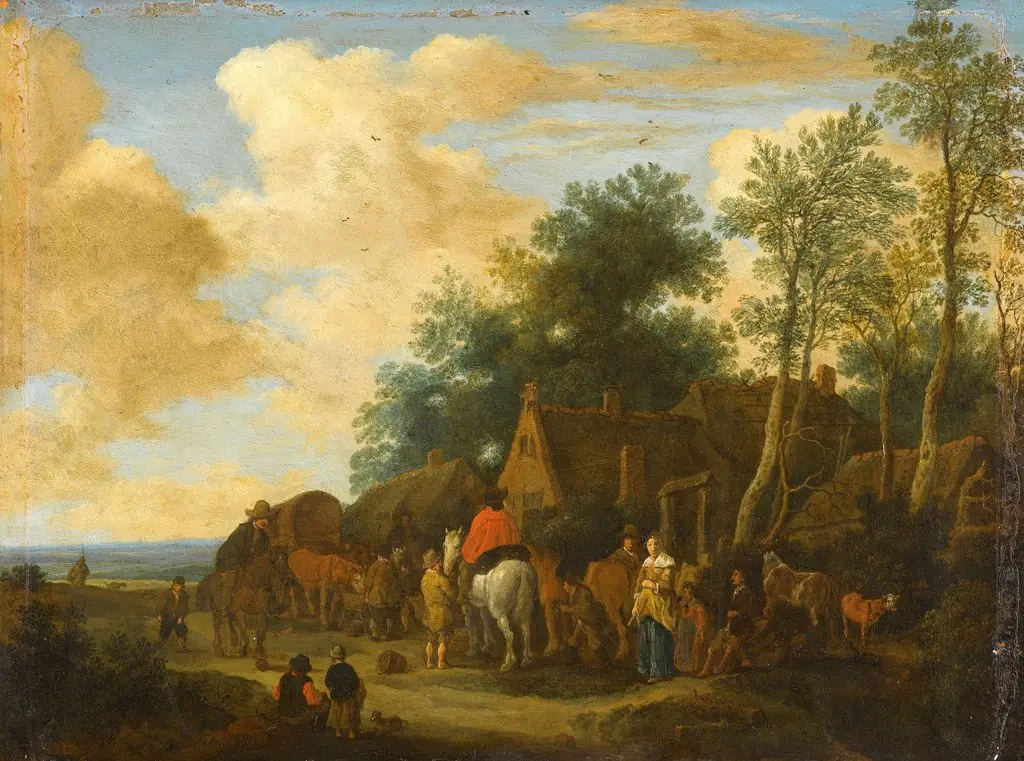
The painting presents a modest rural setting: a dirt path winds through foreground shrubs toward a distant house nestled among trees. Figures—dressed in period attire—engage in unremarkable activities, one seated on a stone, another gazing outward. There is no narrative climax; instead, the scene evokes stillness and daily routine, reflecting the Dutch preference for unidealized, contemplative views of the natural world and human presence within it.
Technique & Style
De Molijn employed oil paint to build a muted, harmonious palette dominated by earth tones and soft greens. Brushwork is deliberate but unobtrusive, with subtle gradations of light suggesting early morning or late afternoon. The composition balances horizontal planes—path, foliage, horizon—with minimal vertical elements, reinforcing calm. His approach avoids dramatic contrast, favoring tonal unity and spatial depth through atmospheric perspective.
History & Provenance
Created during de Molijn’s mature period, the painting entered the Fitzwilliam Museum’s collection through documented acquisitions, though its earlier ownership remains unclear. It reflects the artist’s established reputation in Haarlem, where he influenced contemporaries through both his paintings and engravings. The work has remained in institutional hands since at least the 19th century, preserving its historical continuity without significant alteration.
Context
In 17th-century Holland, landscape painting flourished as a distinct genre, divorced from religious or mythological themes. De Molijn’s work aligns with a regional trend favoring tranquil, unembellished views of the Dutch countryside. His travels to Italy may have influenced his compositional sense, yet his subject matter remained rooted in local topography, mirroring a broader cultural interest in domestic scenery and quiet observation.
Legacy
Though less celebrated than contemporaries like Hobbema or Ruisdael, de Molijn’s landscapes contributed to the codification of Dutch naturalism. His restrained style and focus on everyday rural life helped define the genre’s aesthetic priorities. *Landscape with figures* endures as a representative example of his output, illustrating how modest, unheroic scenes could convey depth, mood, and a quiet reverence for the natural world.
Artist & collection
Artist
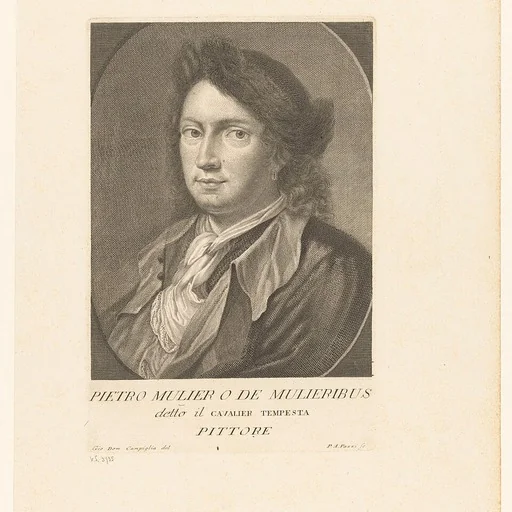
Pieter de Molijn (6 April 1595 in London – 23 March 1661 in Haarlem) was a Dutch Golden Age painter and engraver of English birth and Flemish descent.

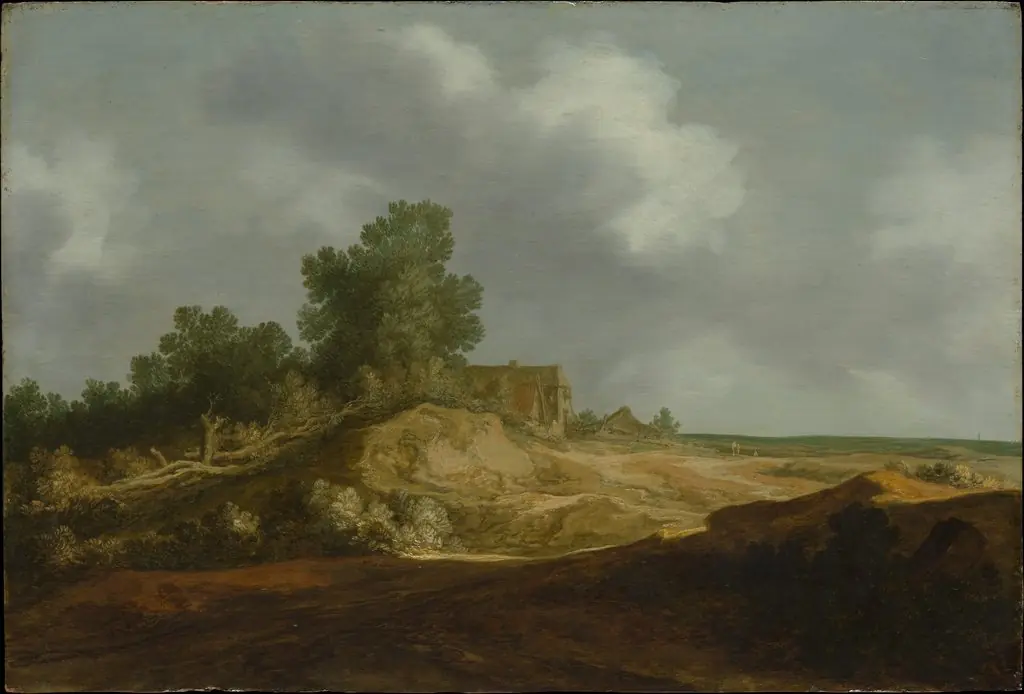
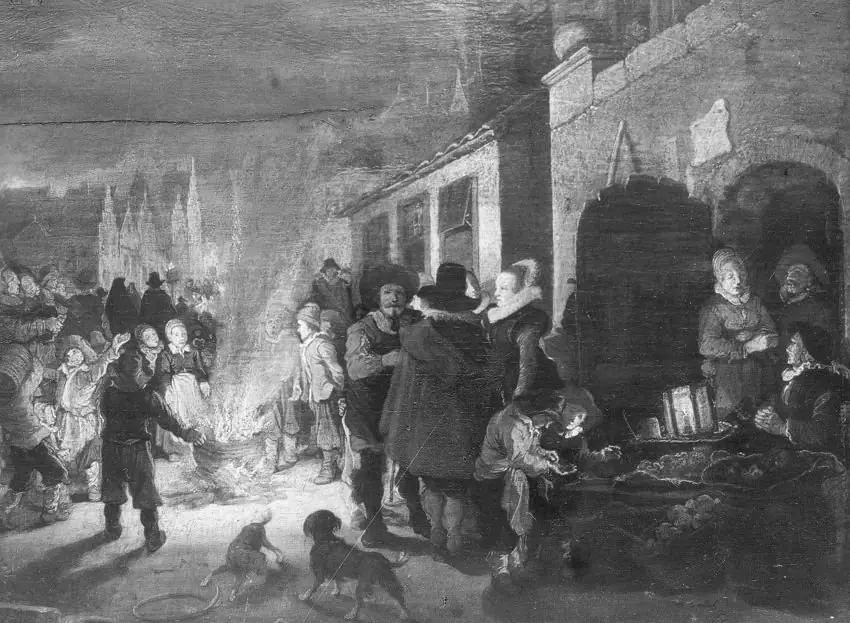
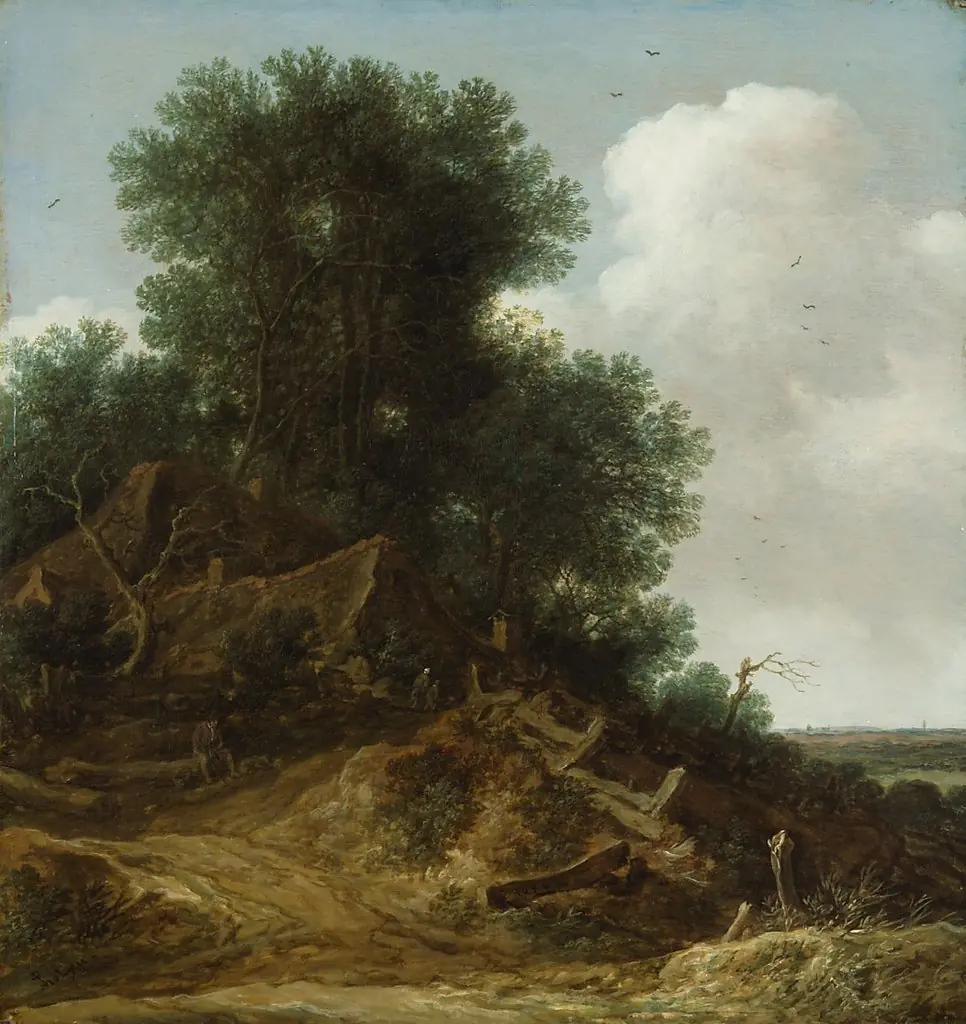
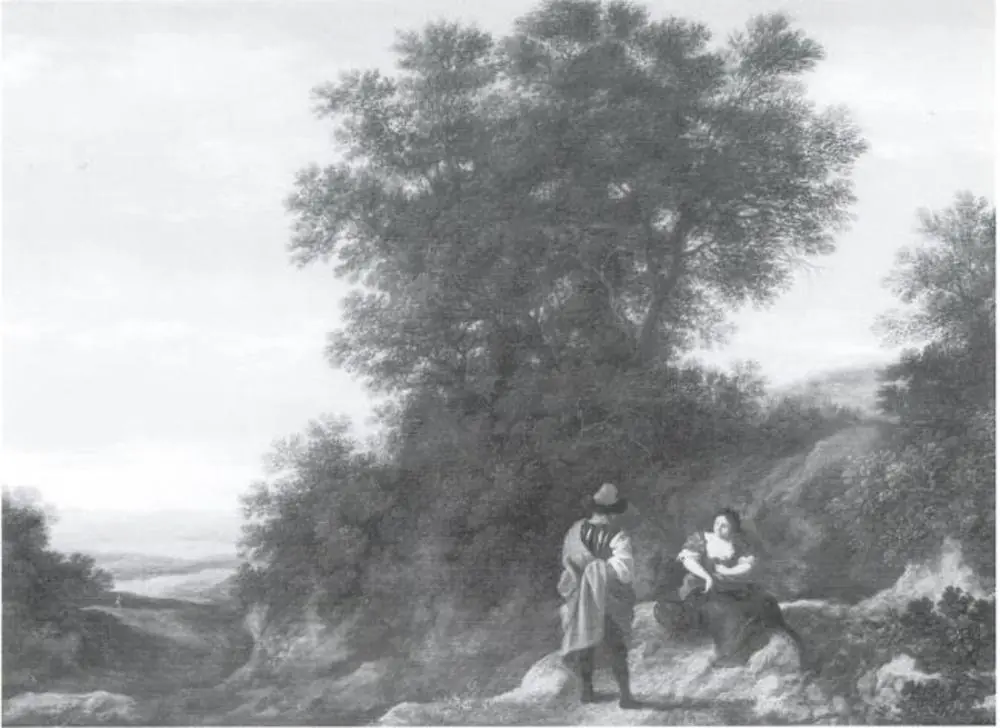
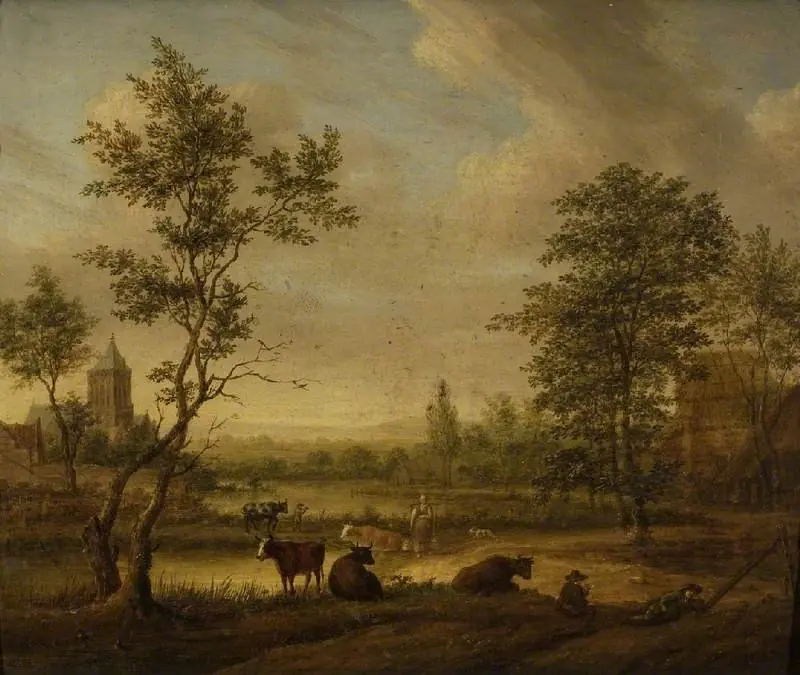 Landscape with figures
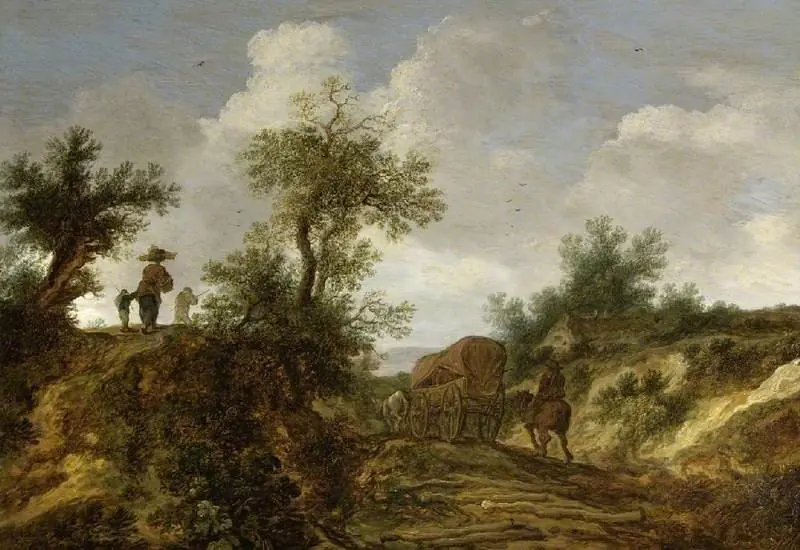 Landscape with figures
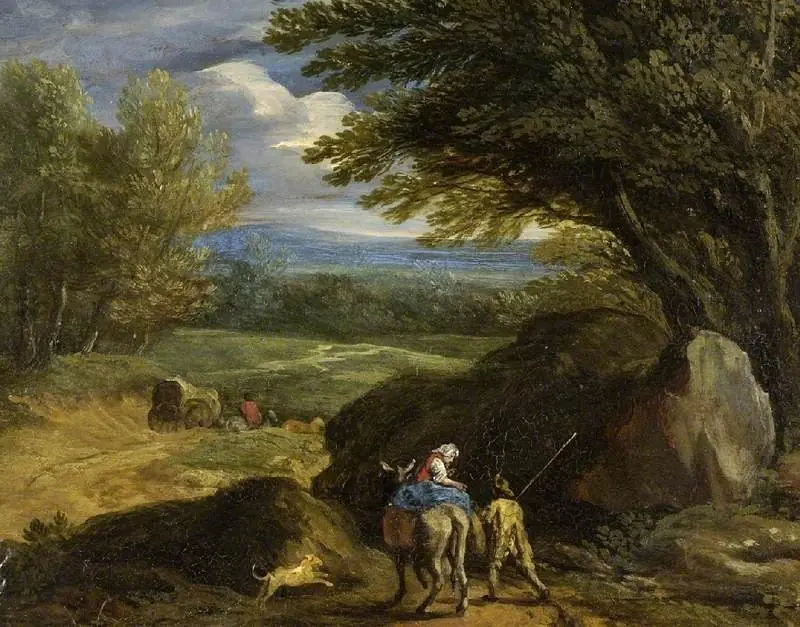 Landscape with figures
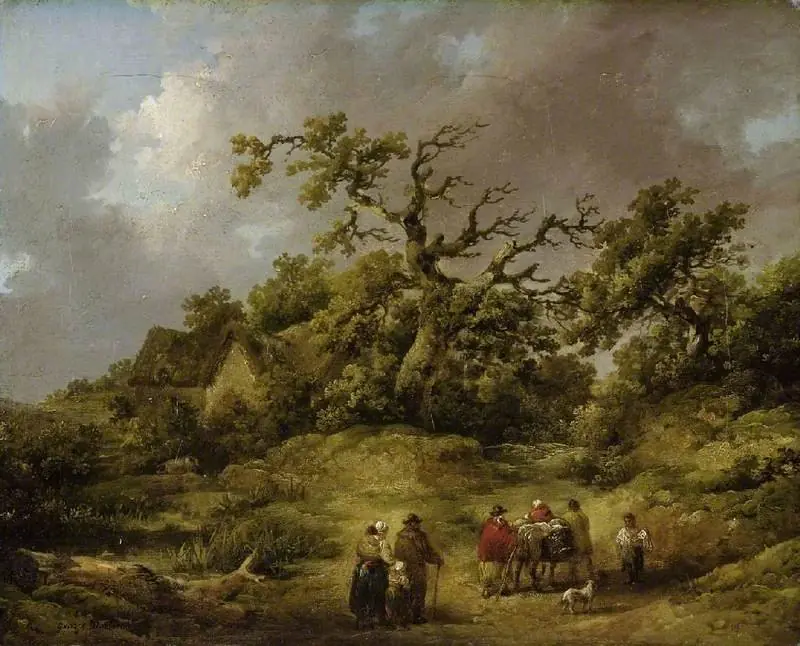 Landscape with figures
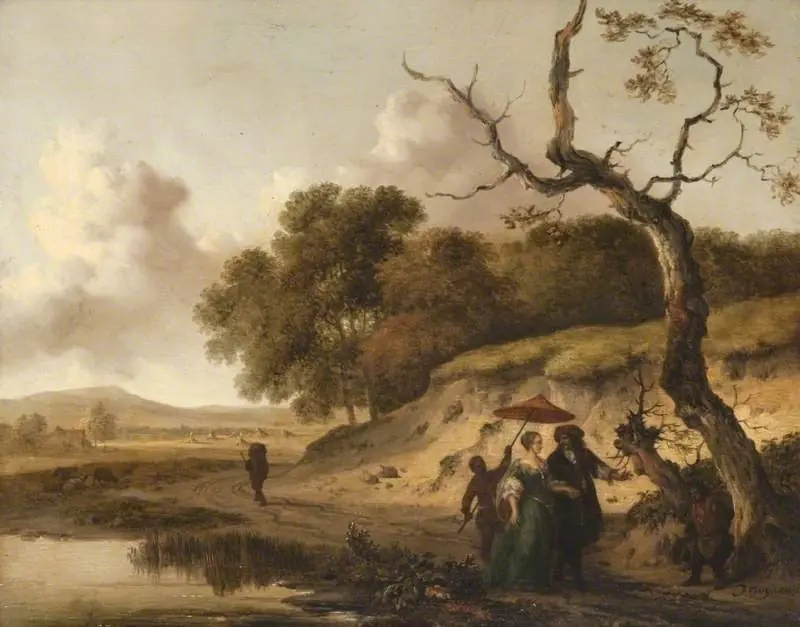 Landscape in Dunes with a Married Couple
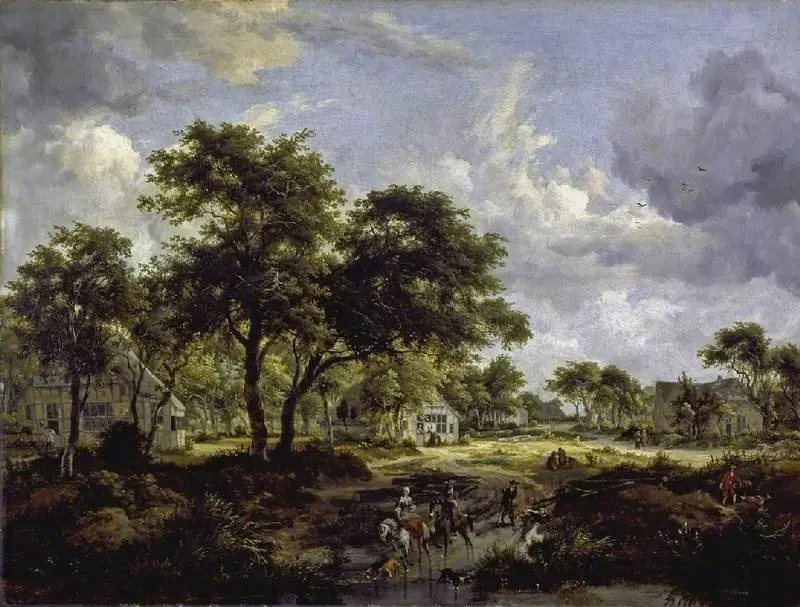 Wooded landscape
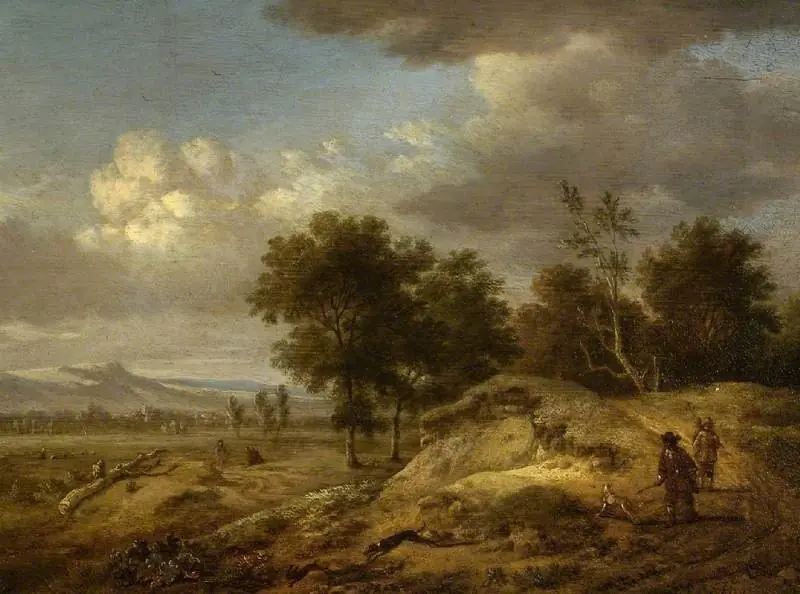 Landscape with coursing
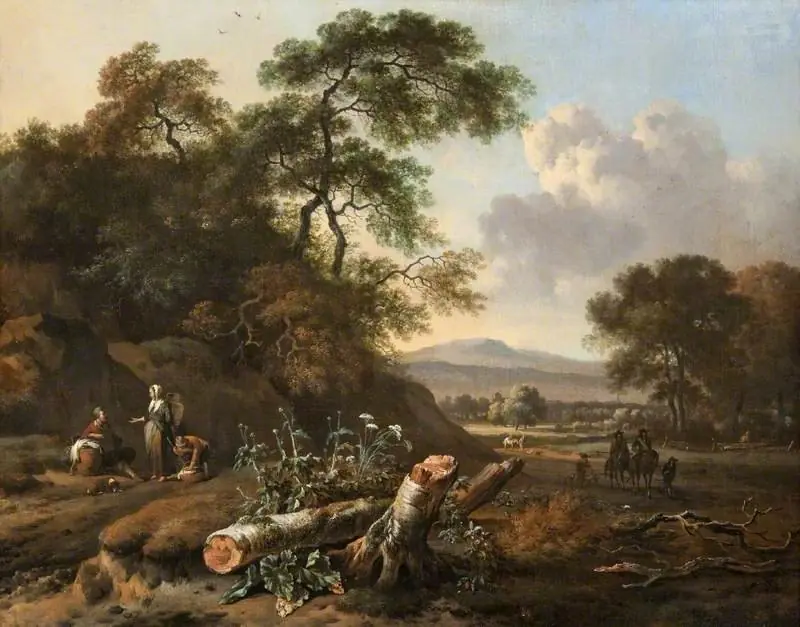 Landscape with a Fallen Tree, Peasants and Huntsmen
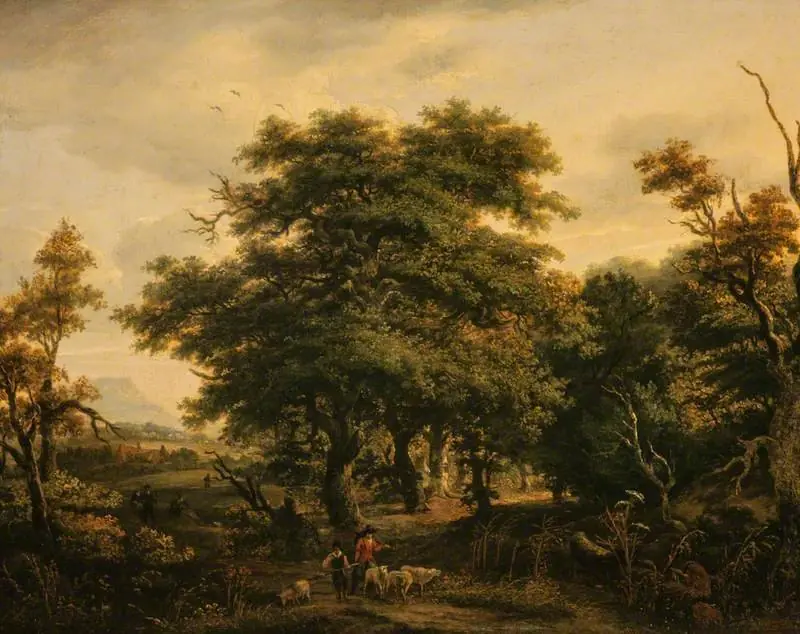 Woody Landscape with Figures and Sheep
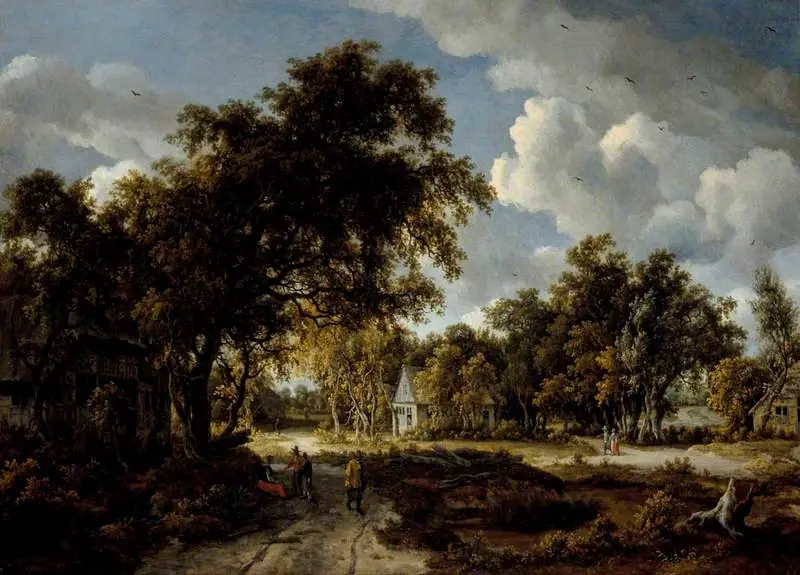 Wooded Landscape
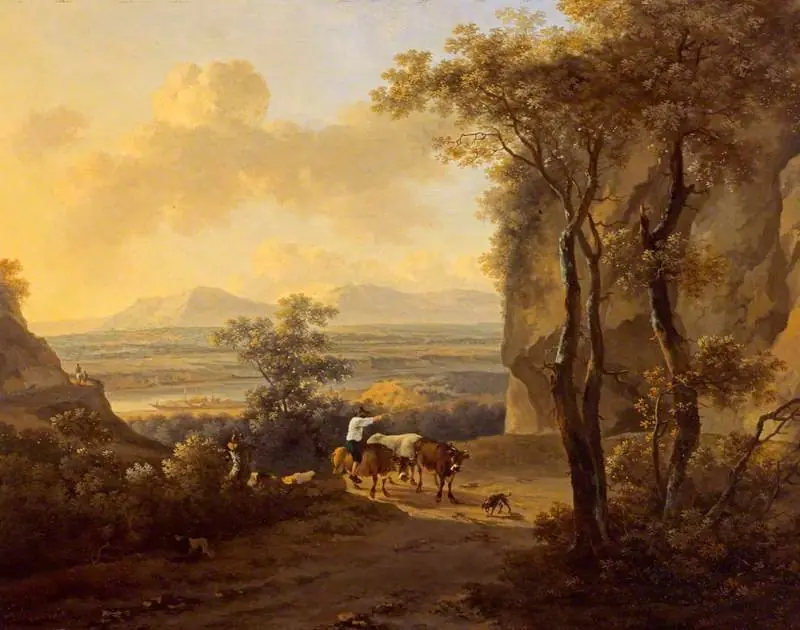 Italianate Landscape
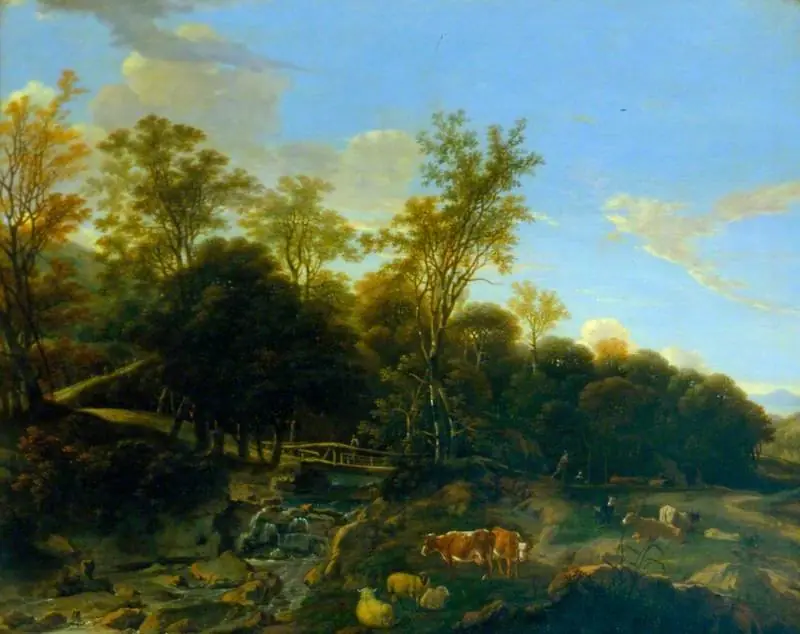 Landscape with a Rustic Bridge and Cattle