Artwork
Christ and the woman taken in adultery
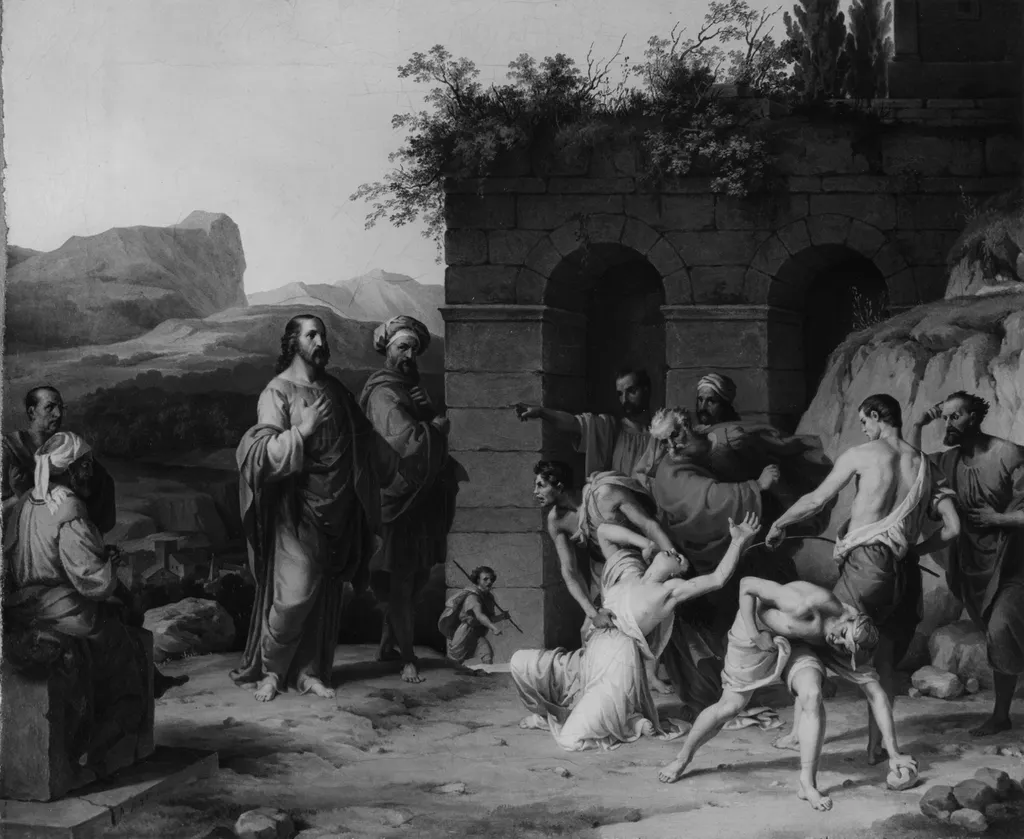
Christ and the woman taken in adultery is an oil painting by Francesco Hayez. It dates from 1841 and is held in the collection of the Walters Art Museum.
About this work
Overview
The piece is part of the Walters Art Museum’s permanent collection, where it remains a focal point for its emotional intensity and compositional clarity.
Painted in 1841 by Francesco Hayez, this oil-on-canvas work captures a moment from the Gospel of John in which Christ confronts a mob intent on stoning an adulterous woman. A key example of Italian Romantic painting, it reflects Hayez’s interest in moral drama and historical narrative. The piece is part of the Walters Art Museum’s permanent collection, where it remains a focal point for its emotional intensity and compositional clarity.
Subject & Meaning
The scene illustrates Christ’s intervention against public condemnation, emphasizing mercy over judgment. The woman, clad in white and visibly distressed, is restrained by aggressive figures holding stones. Christ stands calmly at the center, his gesture directing attention to the moral weight of the moment. The composition invites viewers to reflect on justice, hypocrisy, and compassion, aligning with Romanticism’s focus on human emotion and ethical conflict.
Technique & Style
Hayez employs chiaroscuro to heighten the drama, contrasting deep shadows with sharp highlights that isolate Christ and the woman. Figures are rendered with muscular tension and expressive gestures, typical of Romantic idealism. The background features a classical architectural setting and distant landscape, grounding the scene in a timeless, biblical world. Brushwork is controlled yet dynamic, balancing realism with theatricality to amplify emotional impact.
History & Provenance
Commissioned during Hayez’s early maturity, the painting emerged from Milan’s vibrant artistic circles, where historical and religious subjects were favored. It entered the Walters Art Museum’s collection in the late 19th century through the acquisition of American collector Henry Walters. Its preservation and public display have ensured its continued study as a representative work of 19th-century Italian Romanticism.
Context
Created amid rising nationalist sentiment in Italy, Hayez’s work resonated with audiences seeking moral clarity during political upheaval. While religious themes were common, his treatment of biblical narratives emphasized psychological depth over dogma. The painting reflects broader European trends in Romantic art, where classical subjects were reimagined to explore individual conscience and societal critique.
Legacy
Though less widely known than Hayez’s political allegories, this painting remains a significant example of his religious output. It influenced later Italian artists interested in combining narrative drama with emotional realism. Its presence in a major American museum has allowed it to reach international audiences, sustaining its role as a quiet but potent meditation on forgiveness and moral authority.
Own this work as a print
Artist & collection
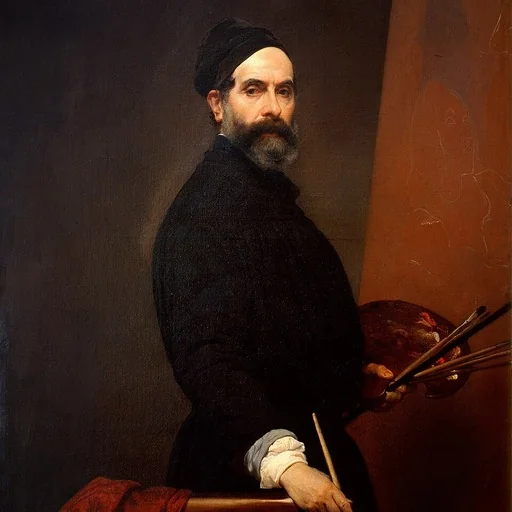
Artist
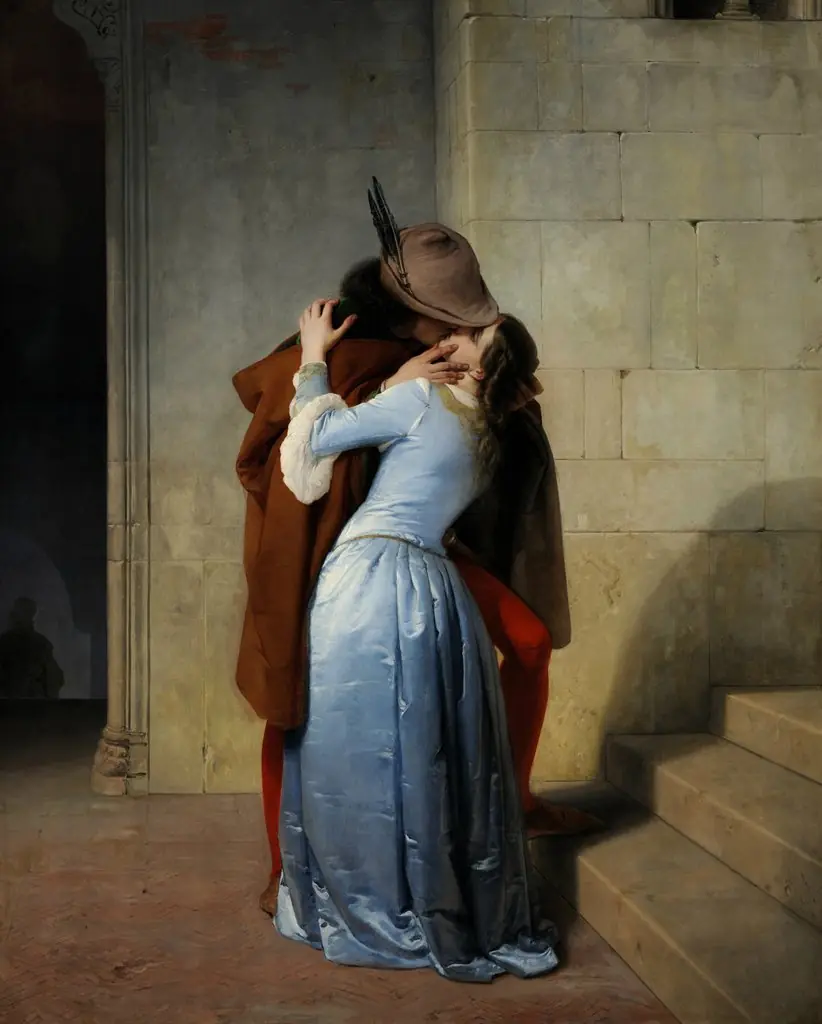
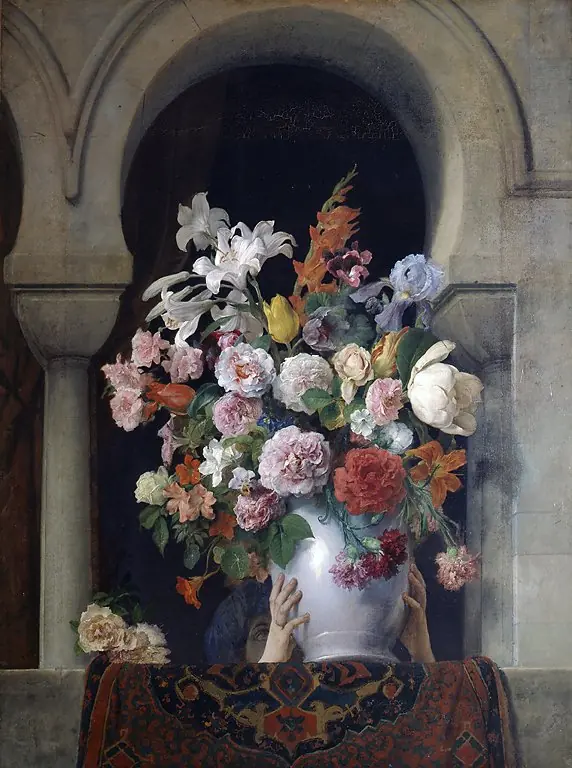
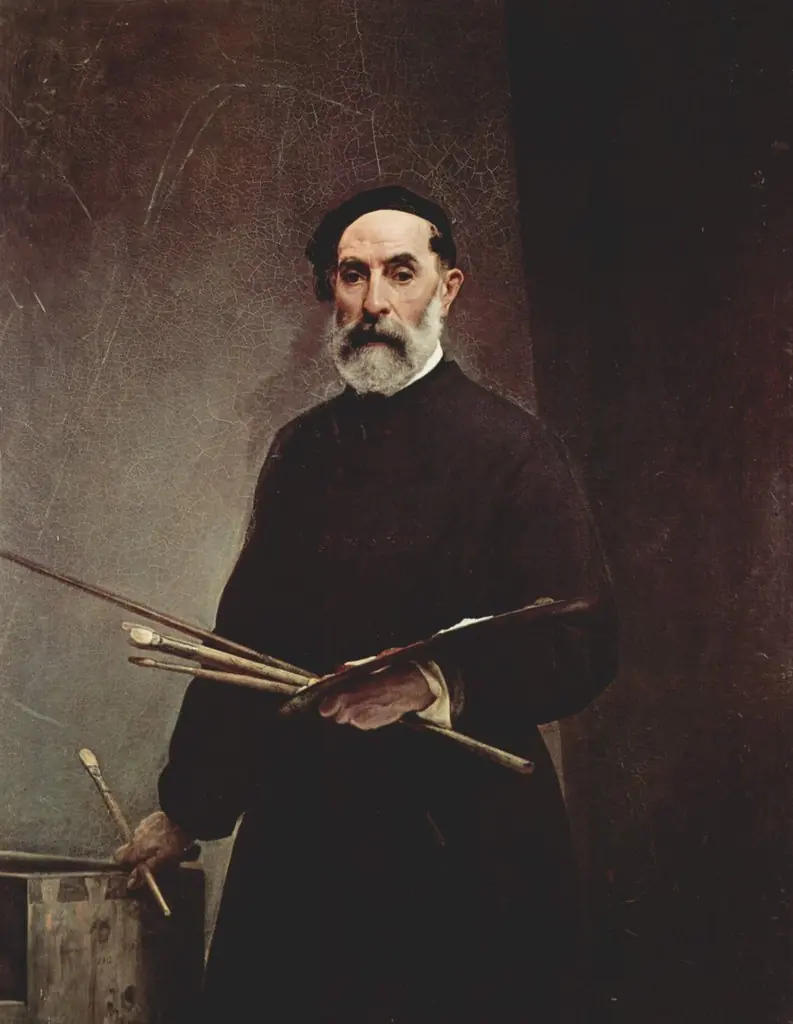
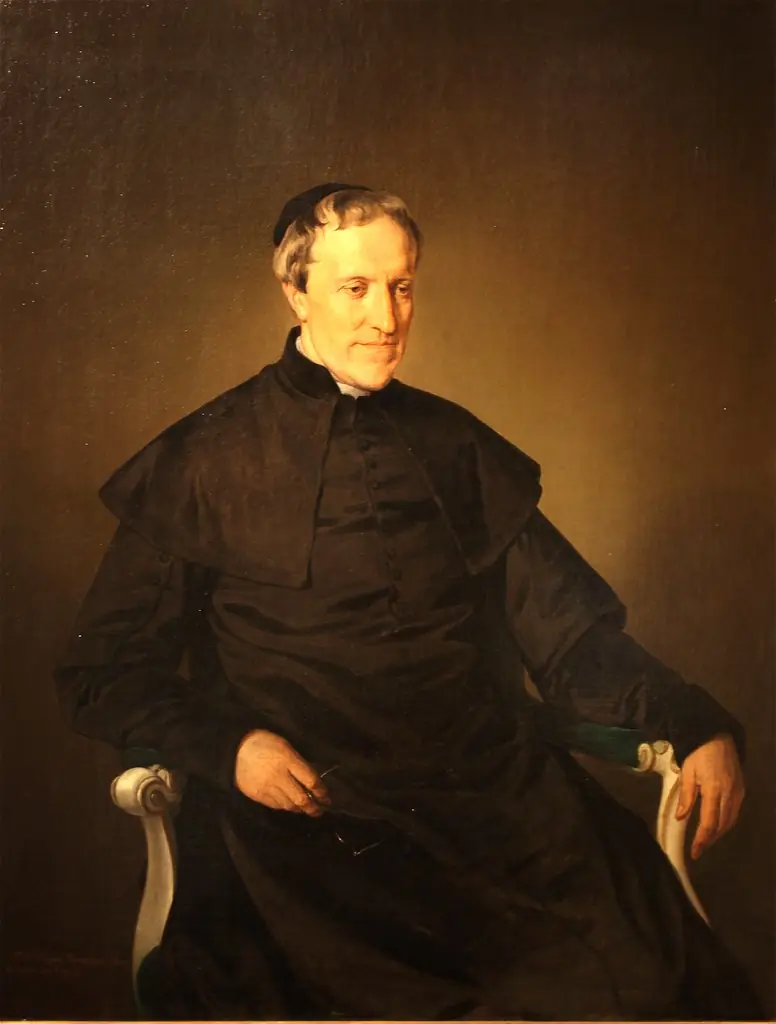
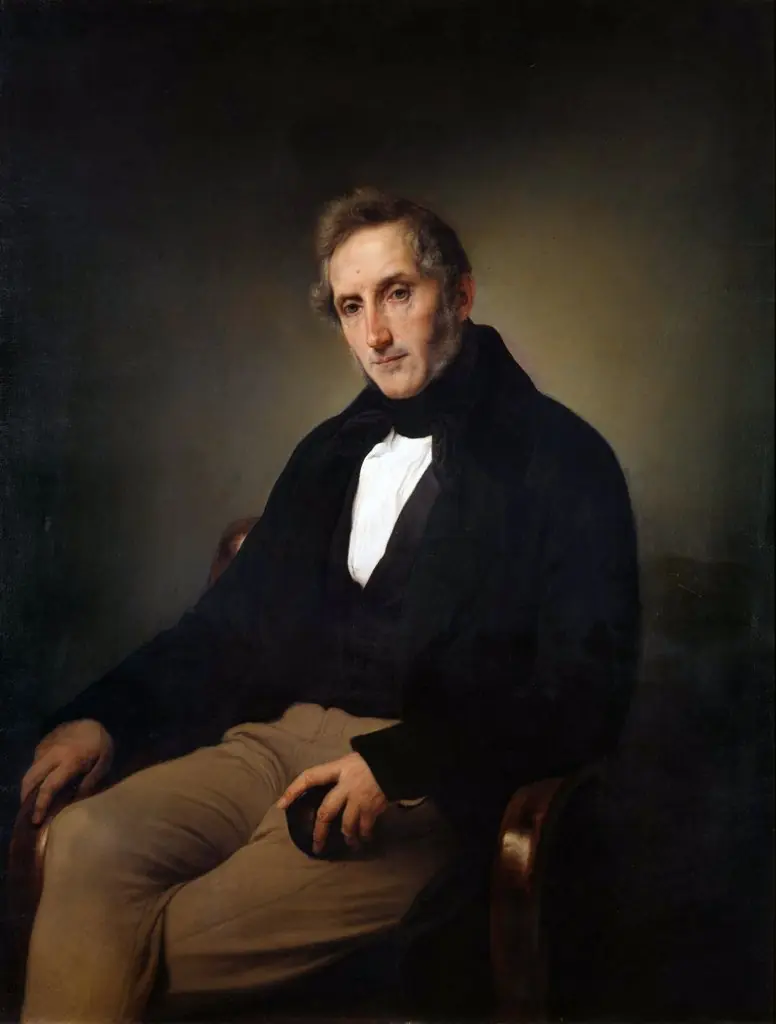
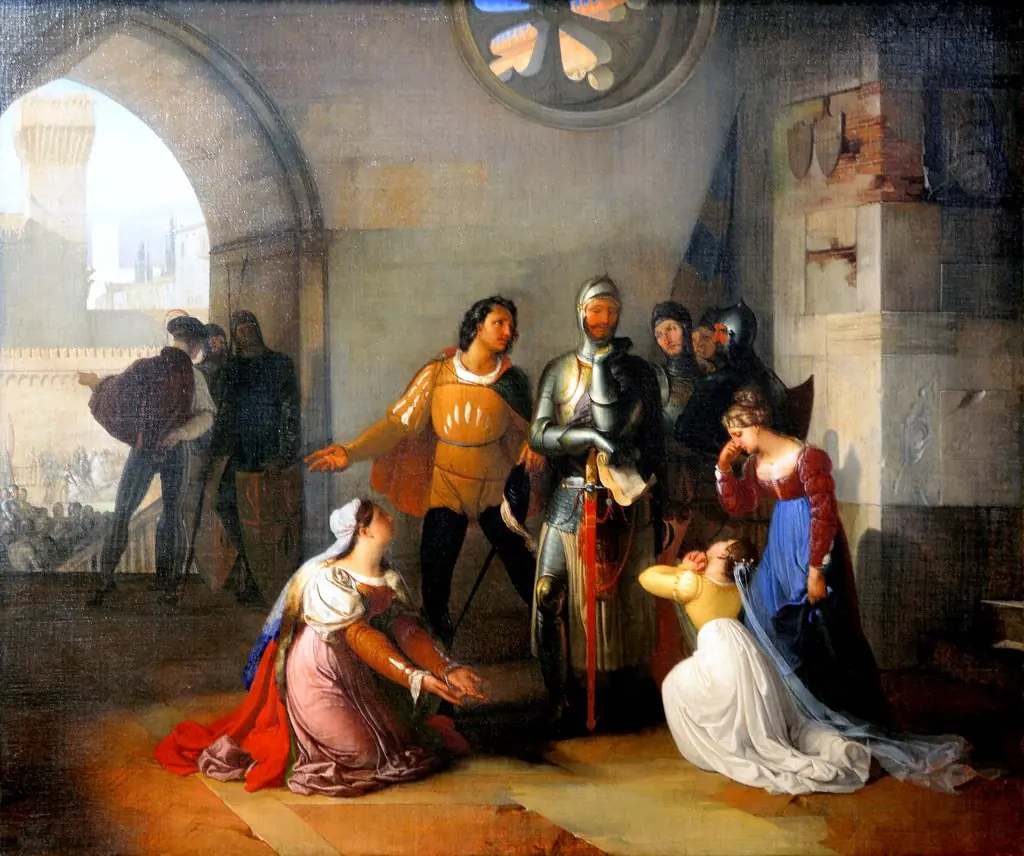
Francesco Hayez (Italian: ; 10 February 1791 – 12 February 1882) was an Italian painter.

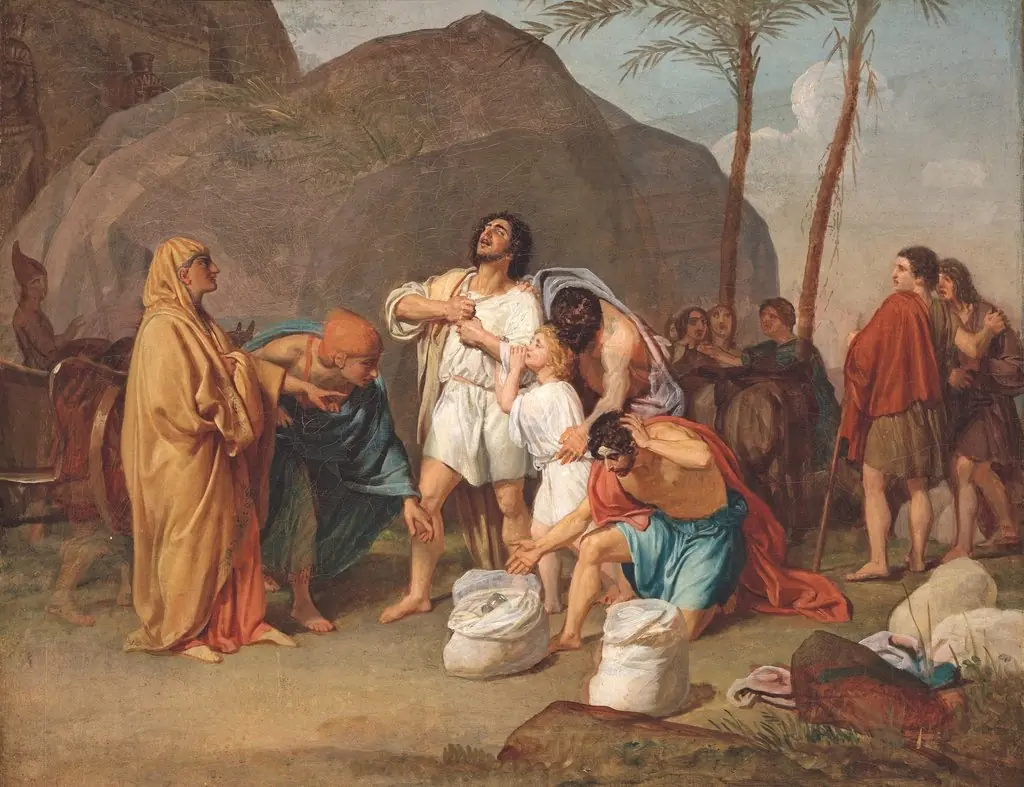 Joseph's Brothers Find the Silver Goblet in Benjamin's Pack.
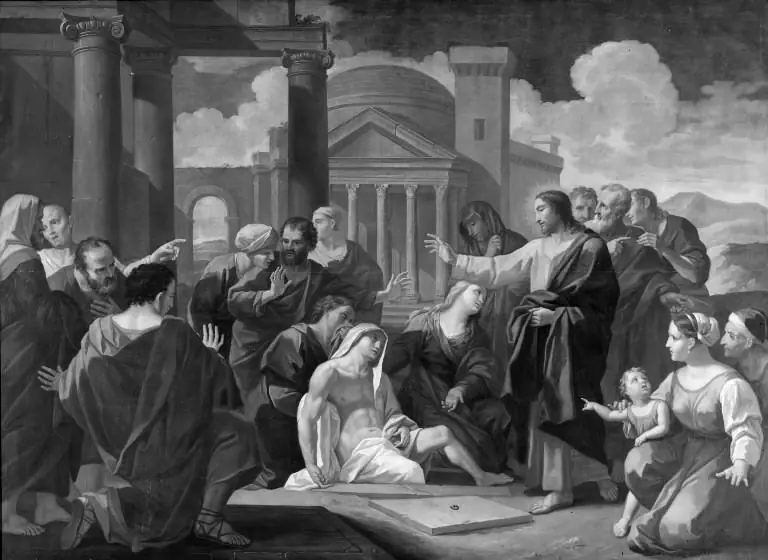 Lazarus' opvækkelse
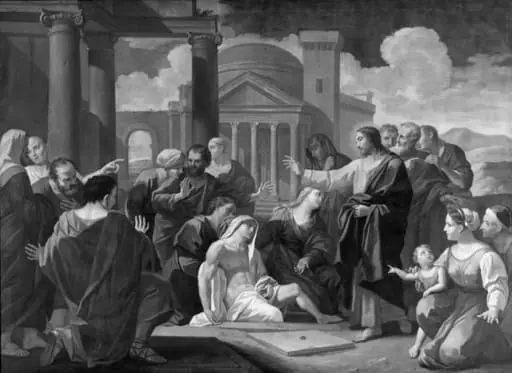 Lazarus' opvækkelse
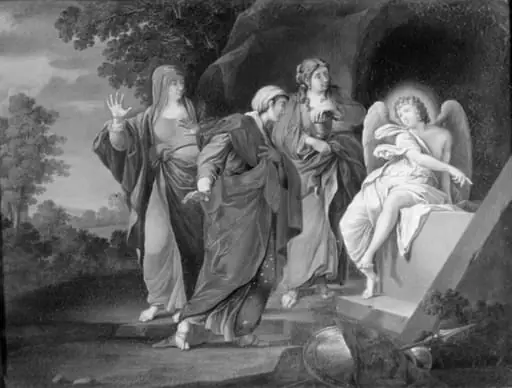 Kvinderne ved Kristi grav
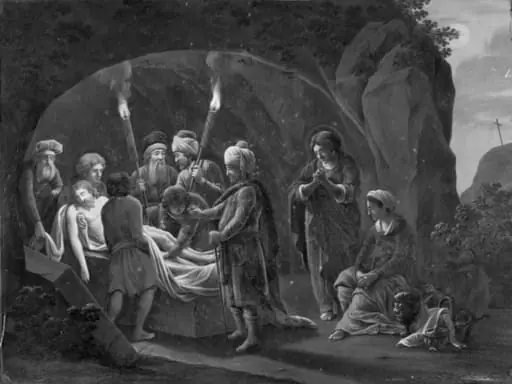 Kristi gravlæggelse
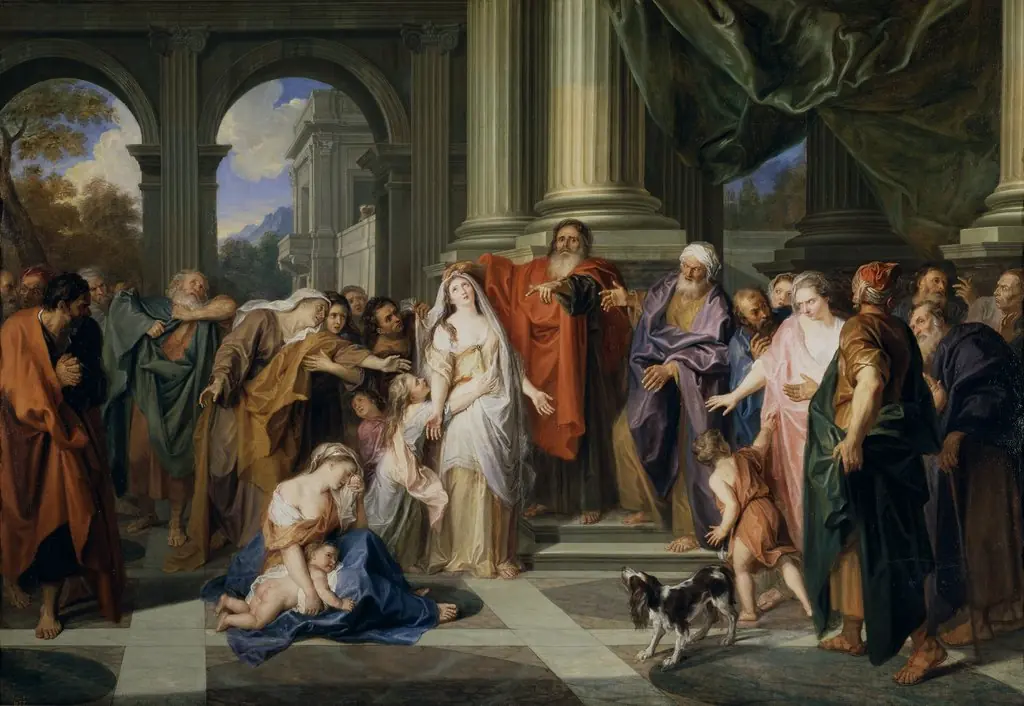 Susannah accused of adultery
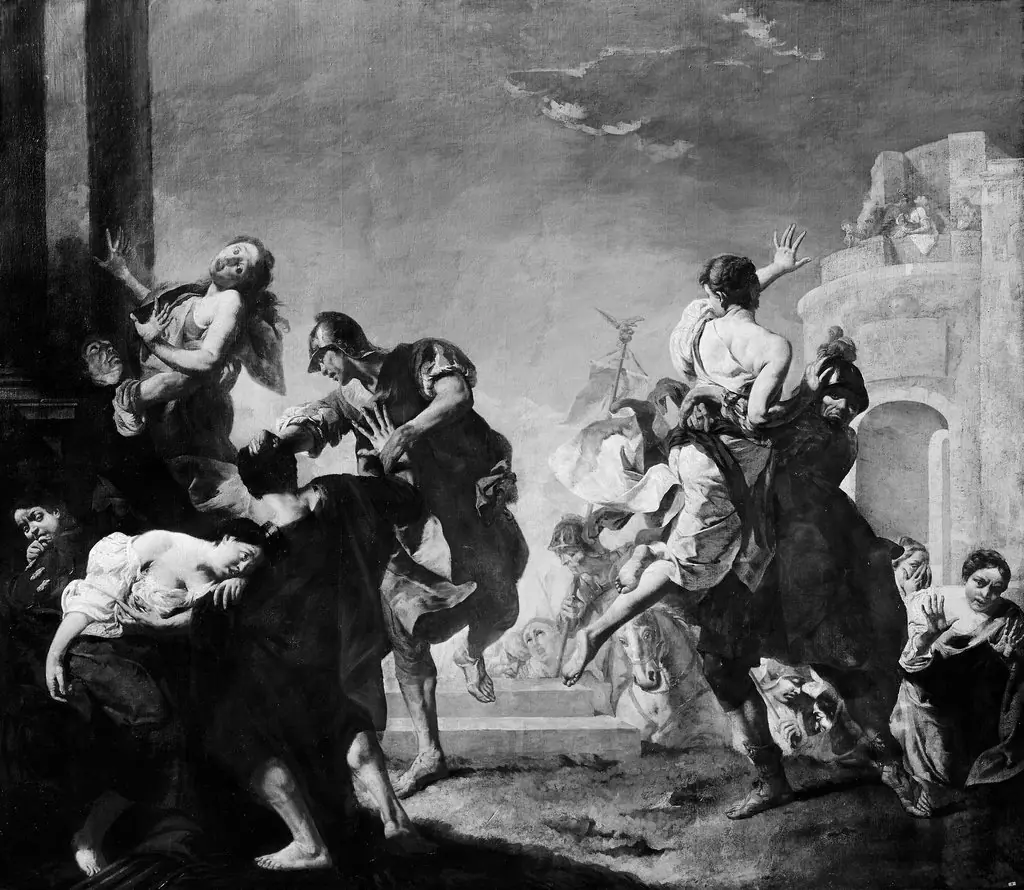 Rape of the Sabines
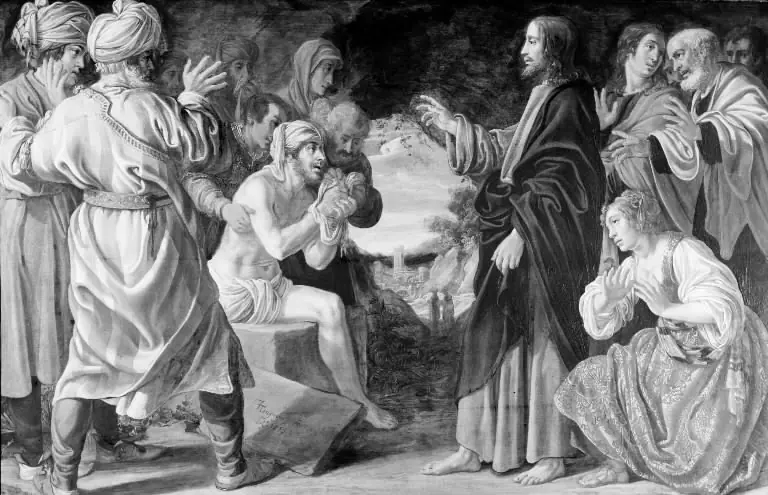 The Raising of Lazarus
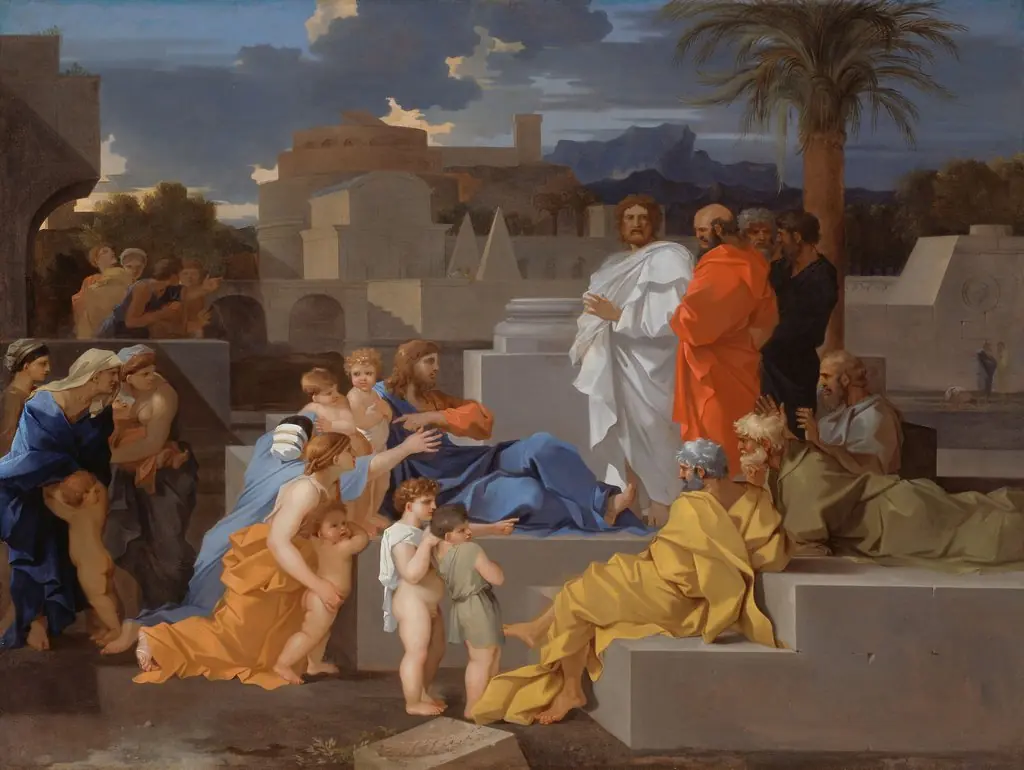 Christ Receiving the Children
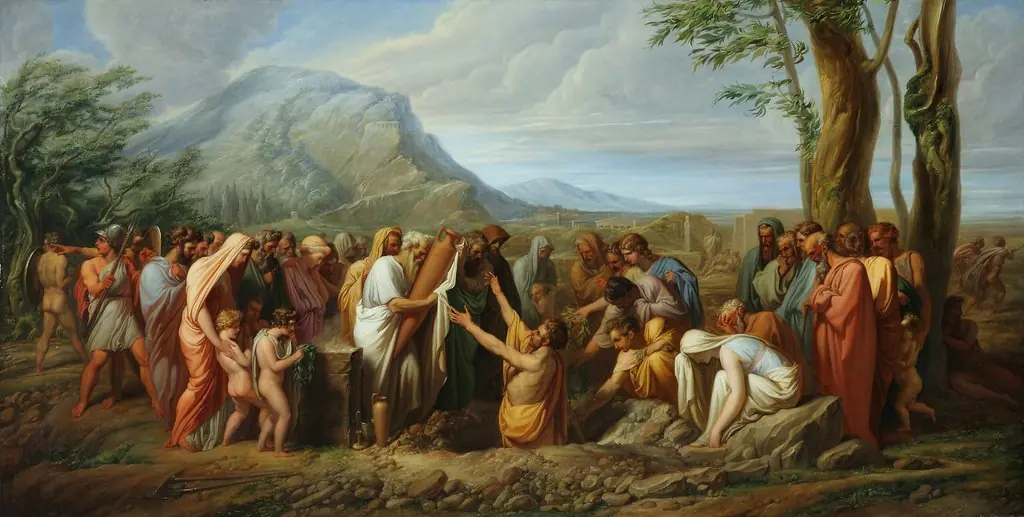 Sepoltura delle ceneri di Temistocle nella terra attica
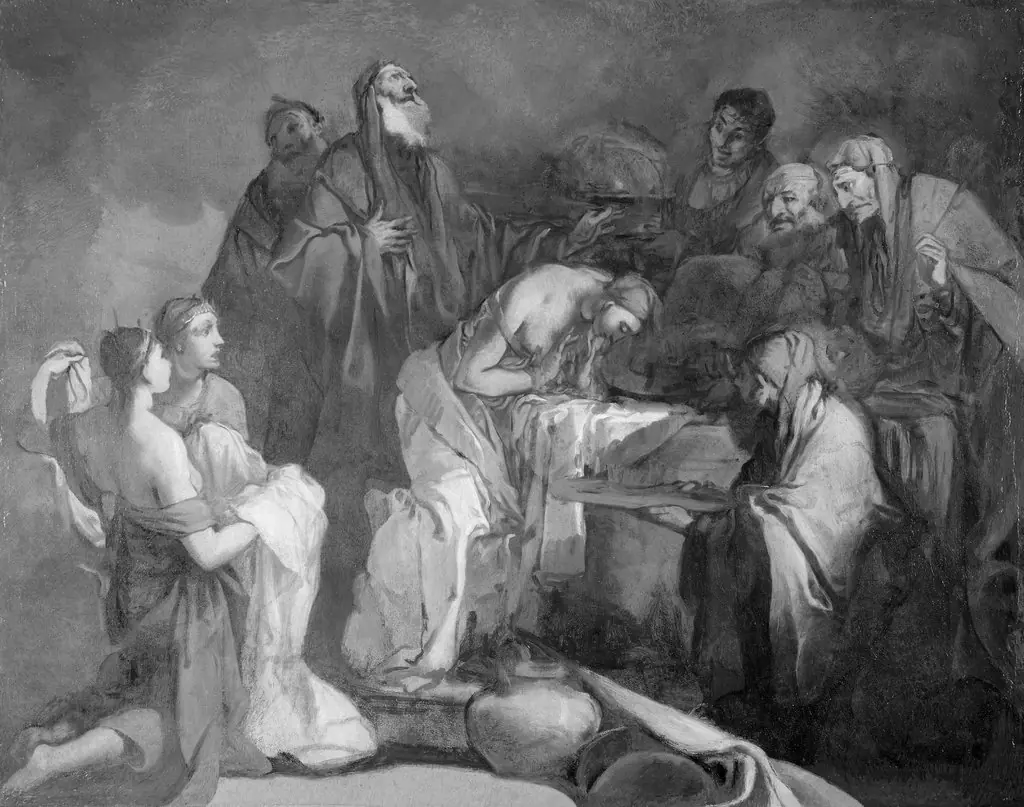 The Sacrifice of Polyxena
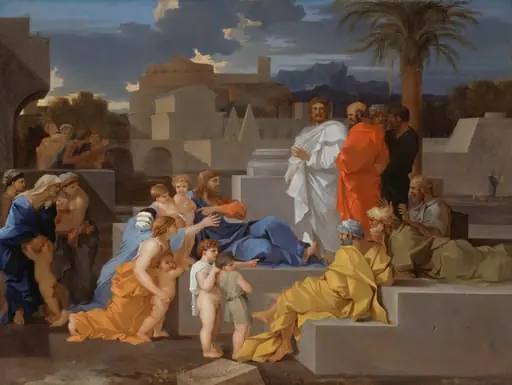 Christ Receiving the Children