Artwork
Joseph's Brothers Find the Silver Goblet in Benjamin's Pack.
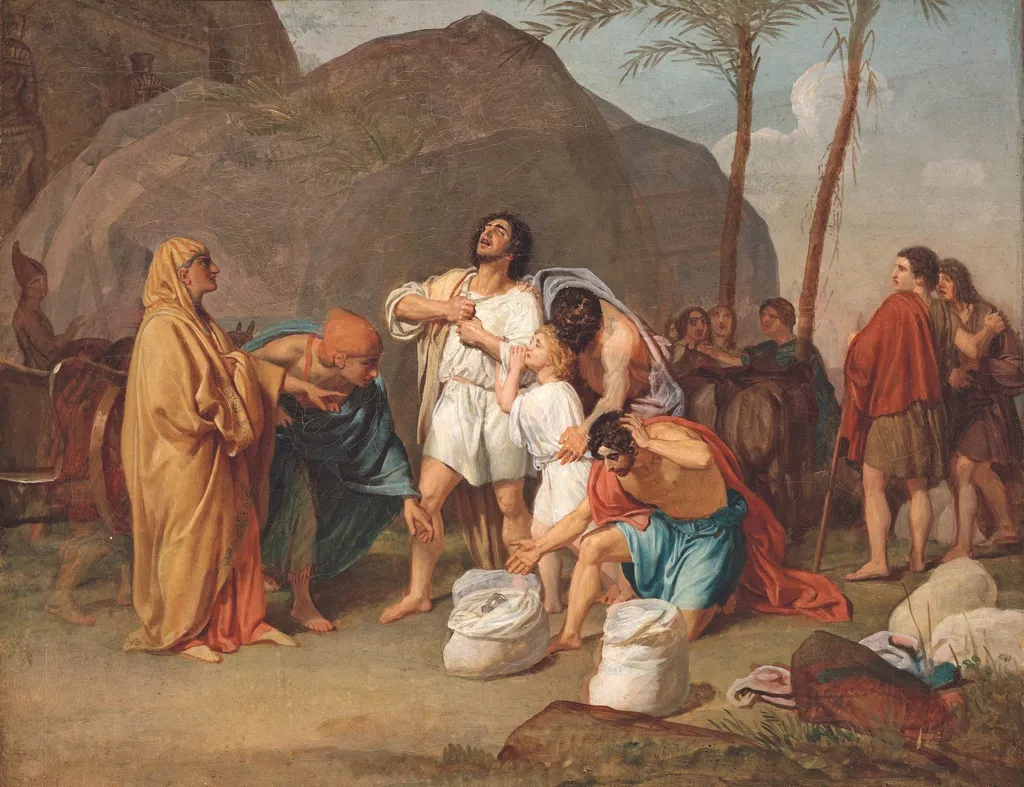
Joseph's Brothers Find the Silver Goblet in Benjamin's Pack. is an oil painting by Alexander Ivanov. It dates from 1831 and is held in the collection of the Tretyakov Gallery.
About this work
Overview
It now resides in the Tretyakov Gallery in Moscow, where it remains a quiet example of early 19th-century Russian historical painting.
Painted in 1831 by Russian artist Alexander Ivanov, this oil work illustrates a pivotal moment from the Book of Genesis. Ivanov, trained in Neoclassical conventions, chose a biblical narrative to explore human emotion and moral tension. Though his style aligned with academic traditions of the time, the painting received little attention from contemporaries. It now resides in the Tretyakov Gallery in Moscow, where it remains a quiet example of early 19th-century Russian historical painting.
Subject & Meaning
The scene captures the moment Joseph’s brothers discover the silver goblet concealed in Benjamin’s sack—a setup by Joseph to test their loyalty. The brothers, unaware that Joseph is the Egyptian vizier before them, react with shock and suspicion. Benjamin, the youngest, is the focus, his fear palpable as hands reach into his pack. The narrative hinges on deception, guilt, and the potential for redemption, themes Ivanov renders with restrained intensity rather than overt drama.
Technique & Style
Ivanov employs chiaroscuro to heighten emotional tension, casting figures in strong contrasts of light and shadow. The robes and textures are rendered with precise, almost sculptural detail, reflecting his Neoclassical training. The composition directs attention to Benjamin through spatial isolation and focused illumination. Background elements—rock formations and distant palm trees—are simplified, avoiding distraction. The palette is muted, emphasizing the psychological weight of the moment over decorative flourish.
History & Provenance
Completed in 1831, the painting was produced during Ivanov’s early career, before his more ambitious work on 'The Appearance of Christ to the People.' Though it did not attract public or critical acclaim at the time, it was acquired by the Tretyakov Gallery in the 19th century. Its preservation there reflects its value as a representative example of Ivanov’s pre-epic phase, offering insight into his development as a painter grounded in biblical storytelling and academic discipline.
Context
In early 19th-century Russia, religious subjects were common in academic art, yet Ivanov’s focus on psychological nuance set him apart from more theatrical interpretations. While Western European artists leaned toward Romanticism, Ivanov maintained a restrained Neoclassical approach. His choice of this specific biblical episode—less commonly depicted than others—suggests a personal interest in moral ambiguity and familial conflict, themes resonant in post-Napoleonic European thought.
Legacy
Though overshadowed by Ivanov’s later monumental works, this painting endures as a study in emotional restraint and compositional control. It reveals his ability to convey complex narratives without melodrama, influencing later Russian realists who valued psychological depth. Its presence in the Tretyakov Gallery ensures its role as a touchstone for understanding the evolution of religious painting in Russia during a period of artistic transition.
Own this work as a print
Artist & collection
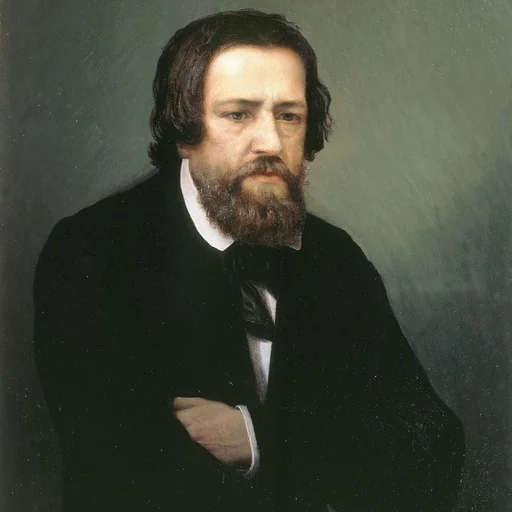
Artist
Alexander Andreyevich Ivanov (Russian: Алекса́ндр Андре́евич Ива́нов; 28 July 1806 – 15 July 1858) was a Russian painter who adhered to the waning tradition of Neoclassicism but found little sympathy with his contemporaries.

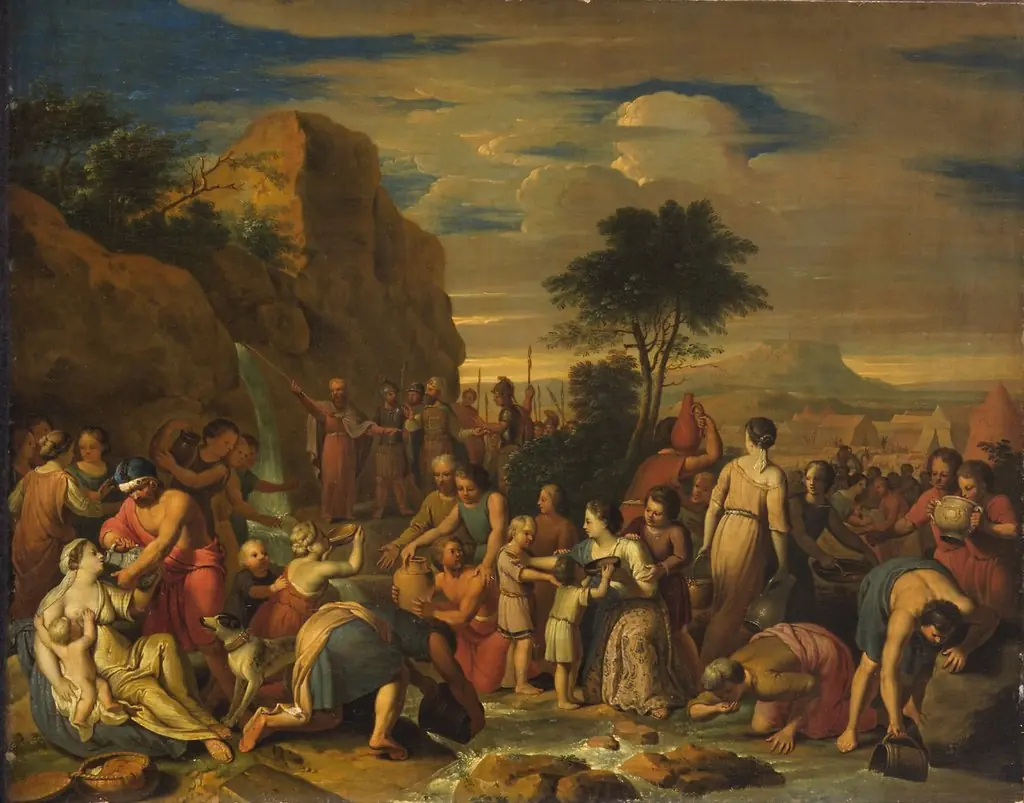 Moses schlägt Wasser aus dem Felsen
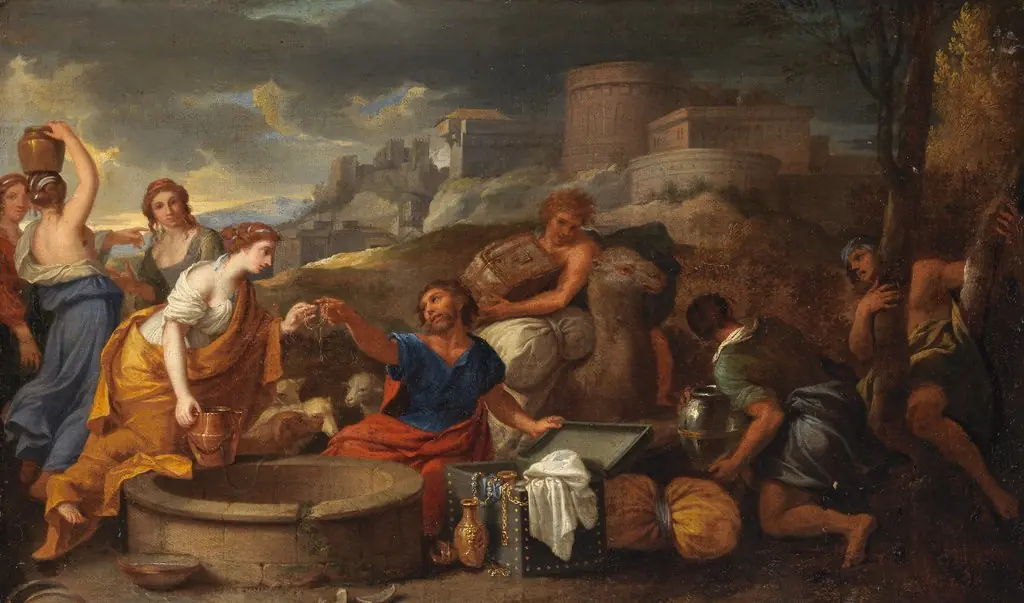 Rebecca at the Well
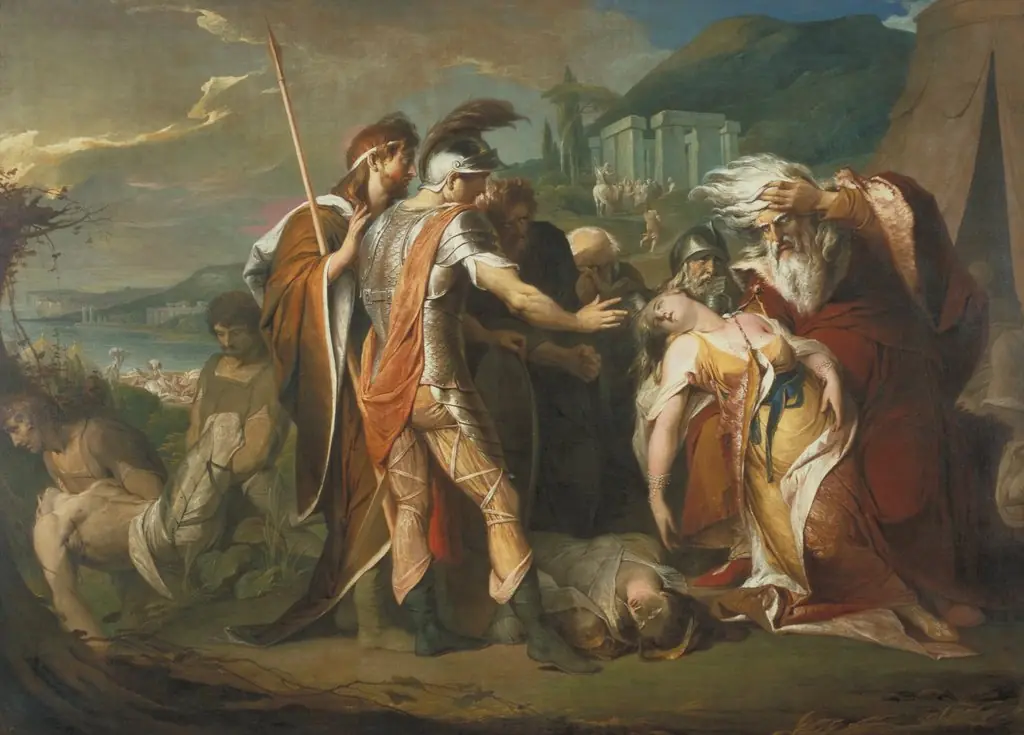 King Lear Weeping over the Dead Body of Cordelia
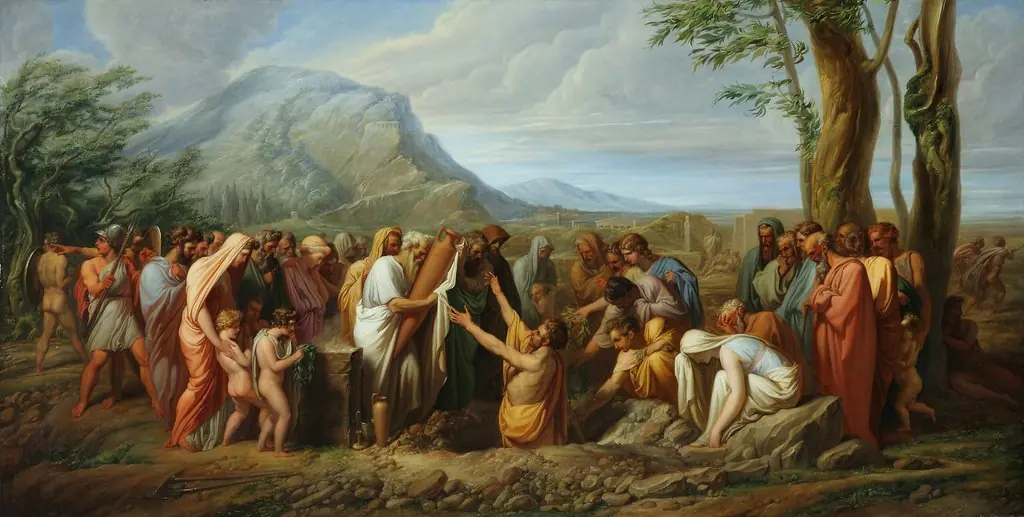 Sepoltura delle ceneri di Temistocle nella terra attica
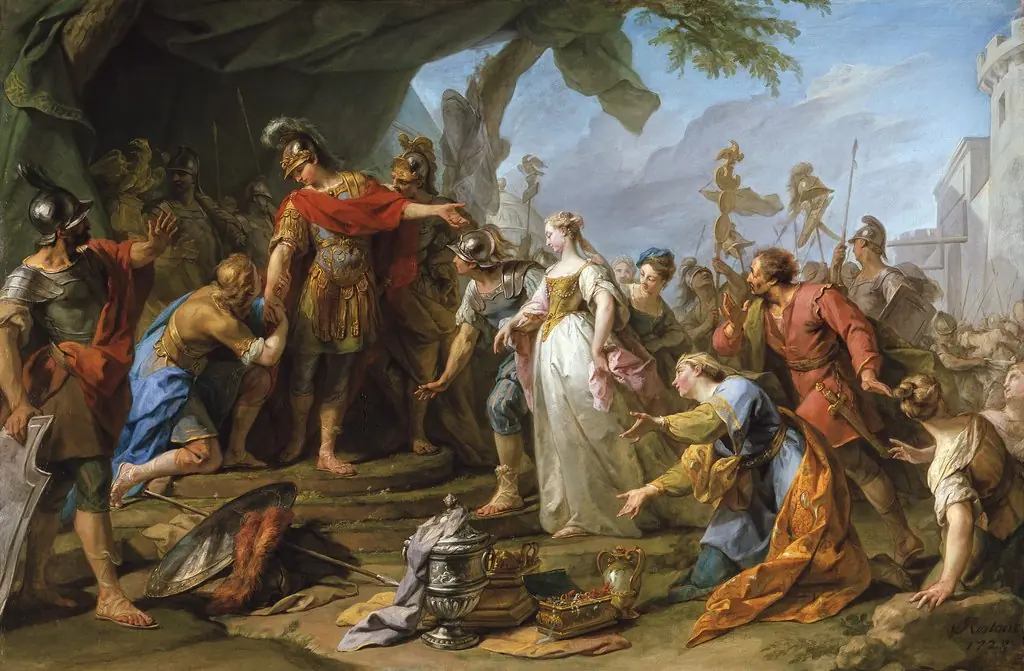 The Generosity of Scipio
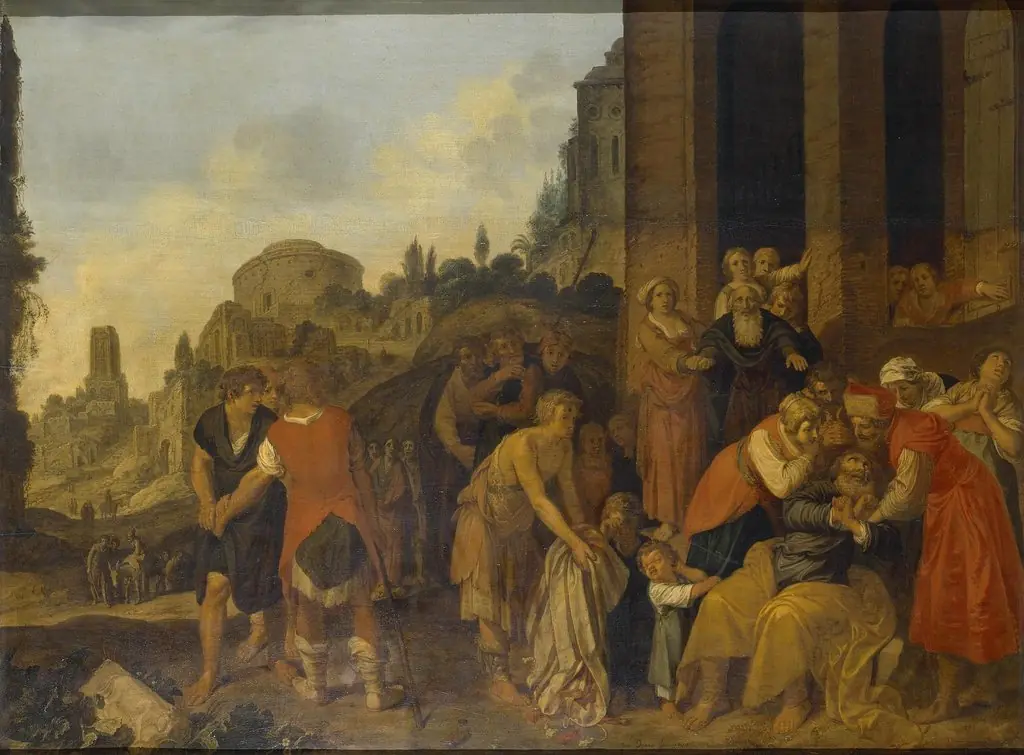 Jacob's Sons Show Him Joseph's Blood-Stained Robe
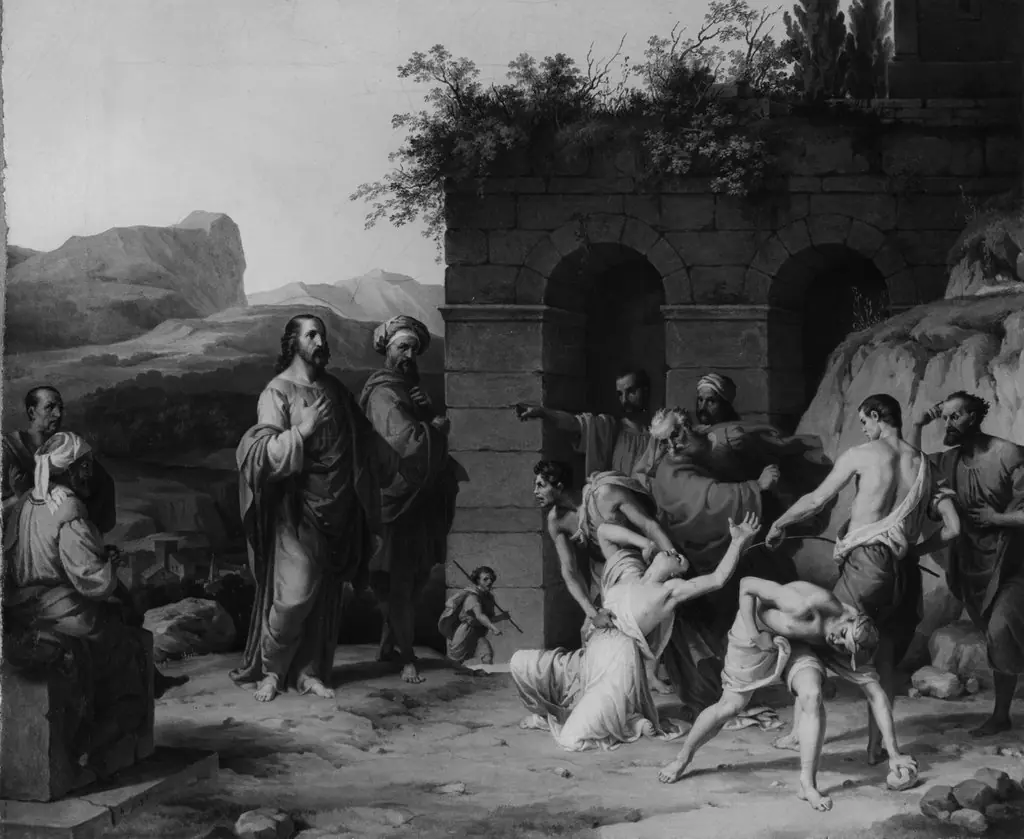 Christ and the woman taken in adultery
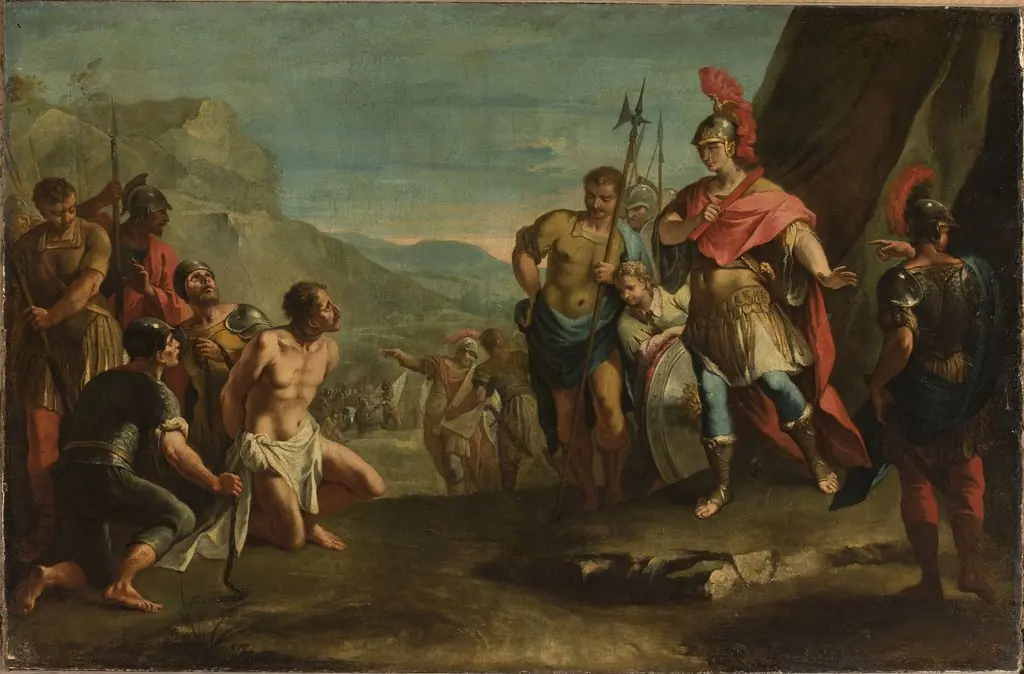 Killer of Darius before Alexander (King Porus and Alexander the Great)
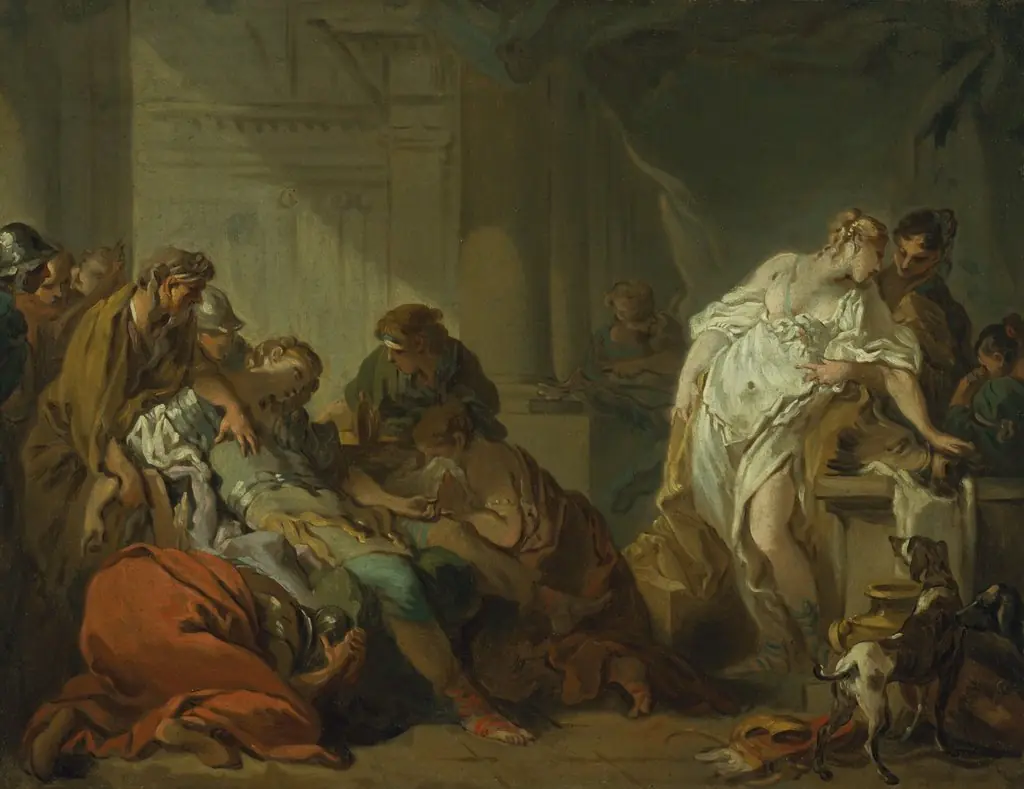 Death of Meleager