Artwork
The Annunciation
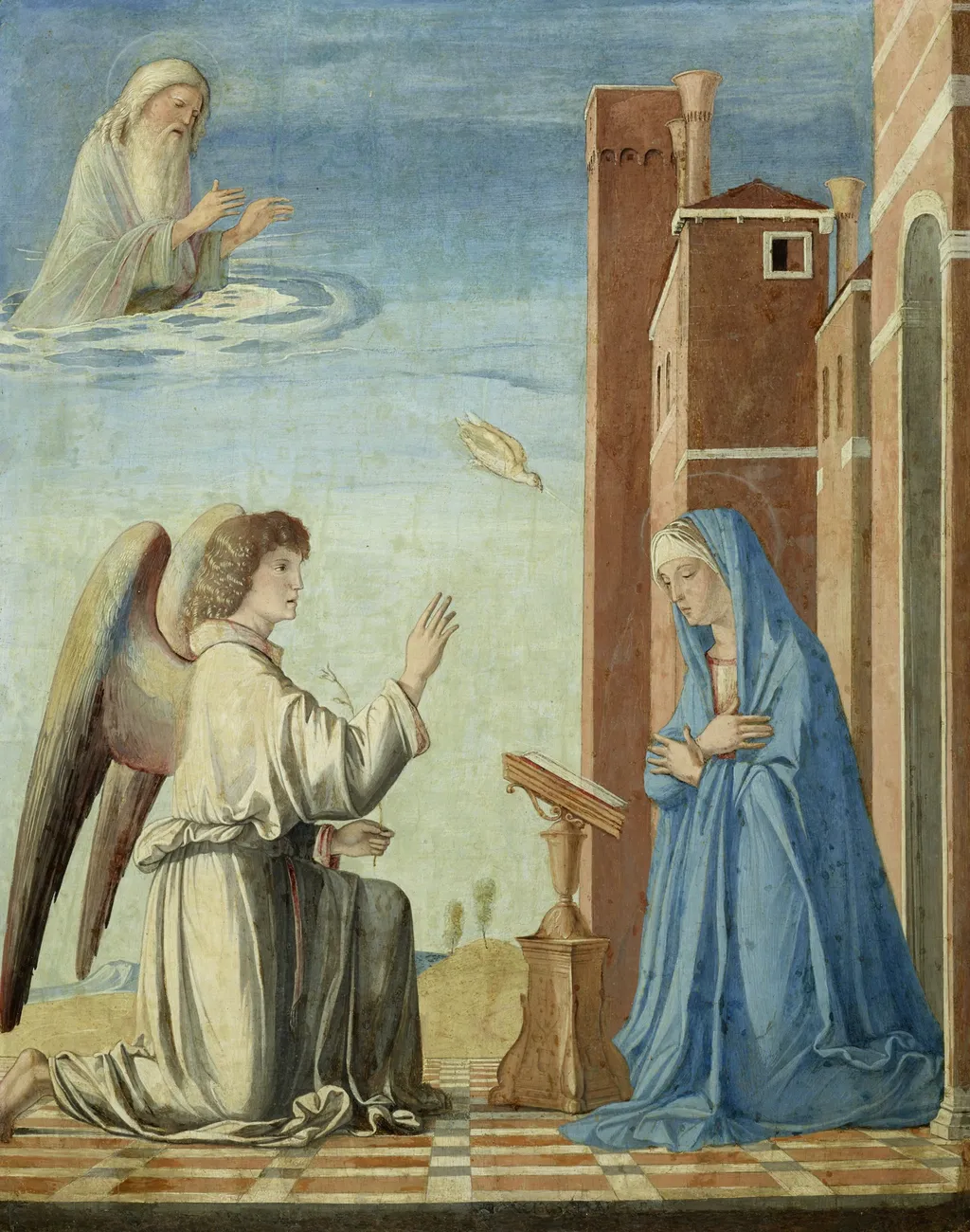
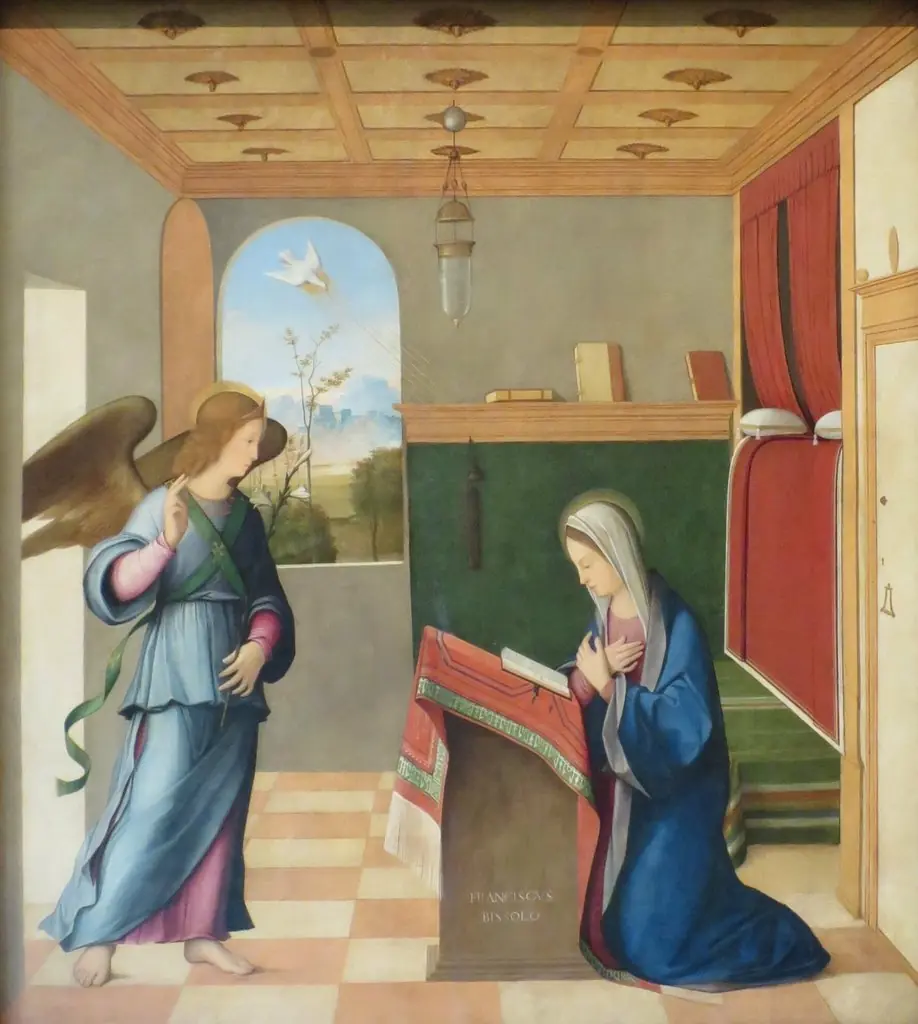
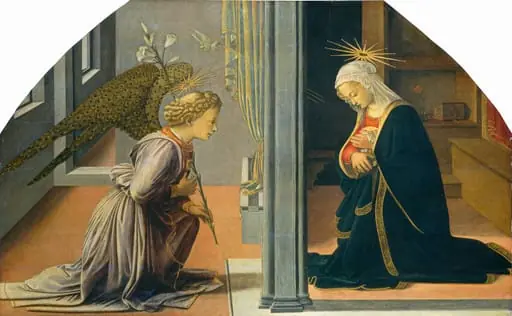
The Annunciation is a paint painting by the Early Renaissance artist Francesco Pesari. It dates from 1448 and is held in the collection of the Gemäldegalerie Berlin.
About this work
Overview
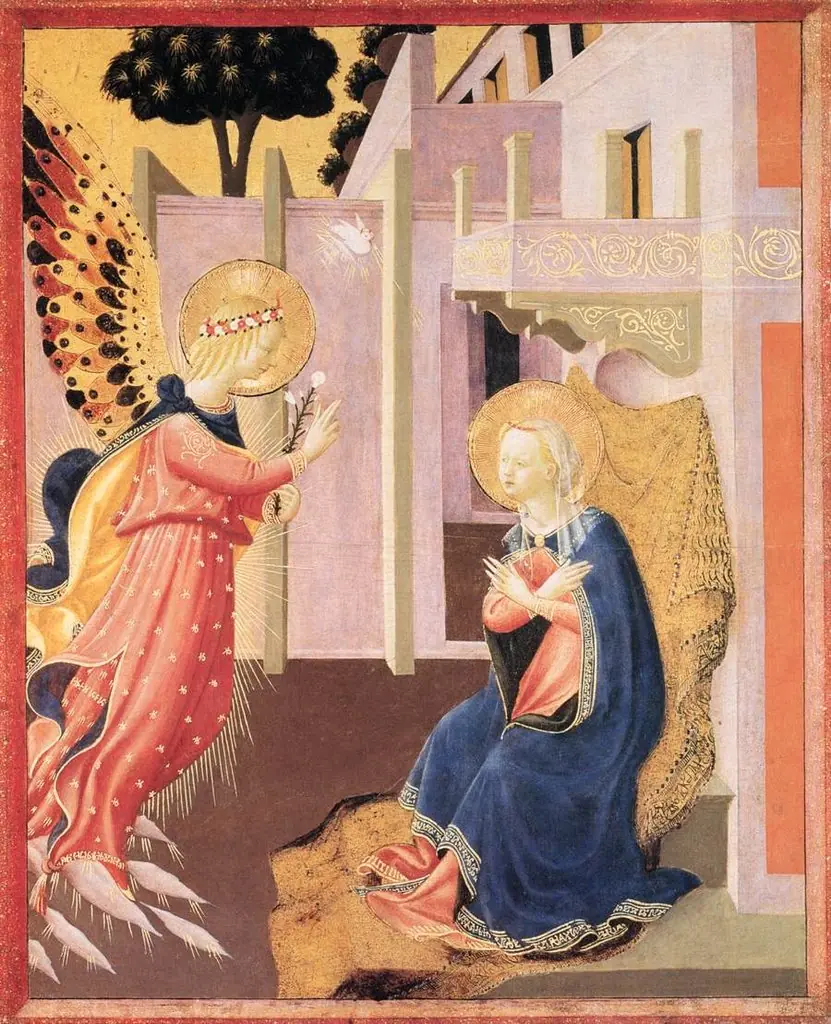
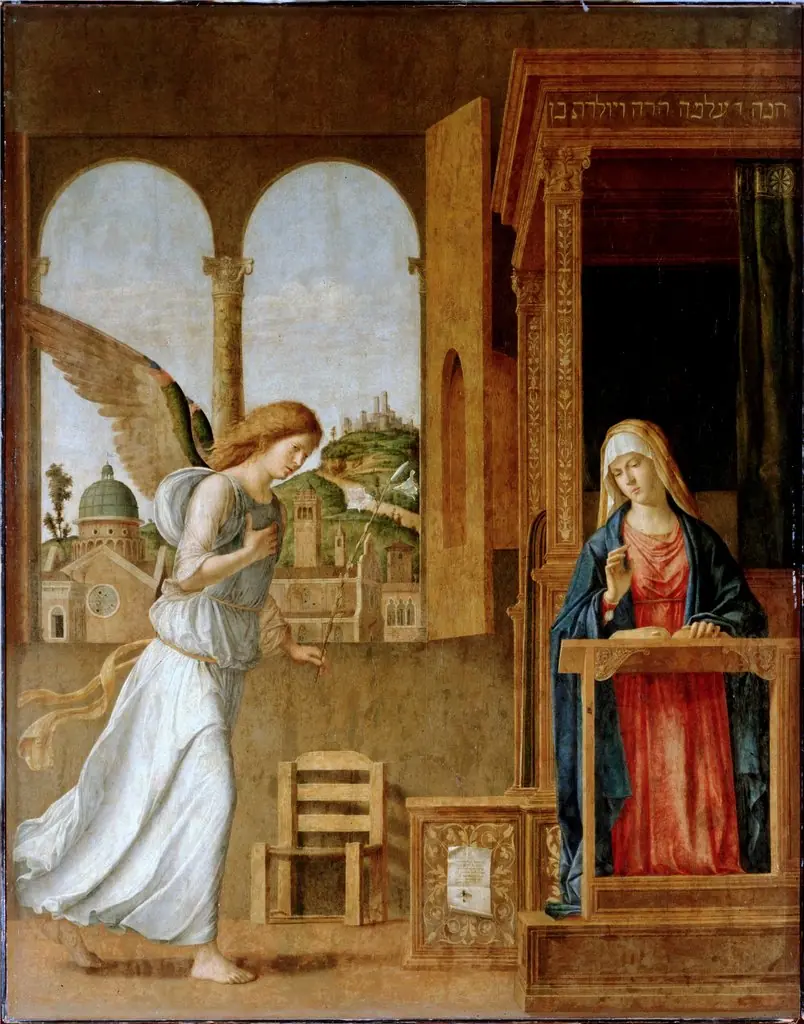
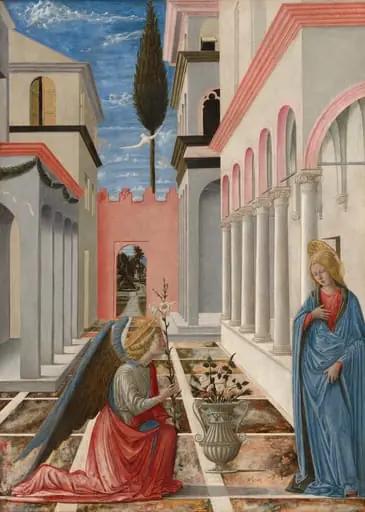
Francesco Pesari’s 1448 work, The Annunciation, is an oil painting that resides in Berlin’s Gemäldegalerie. The composition presents the biblical moment when the Archangel Gabriel informs the Virgin Mary of her forthcoming role as mother of Christ. The scene is rendered with a calm, devotional atmosphere, emphasizing the spiritual significance of the encounter.
Subject & Meaning
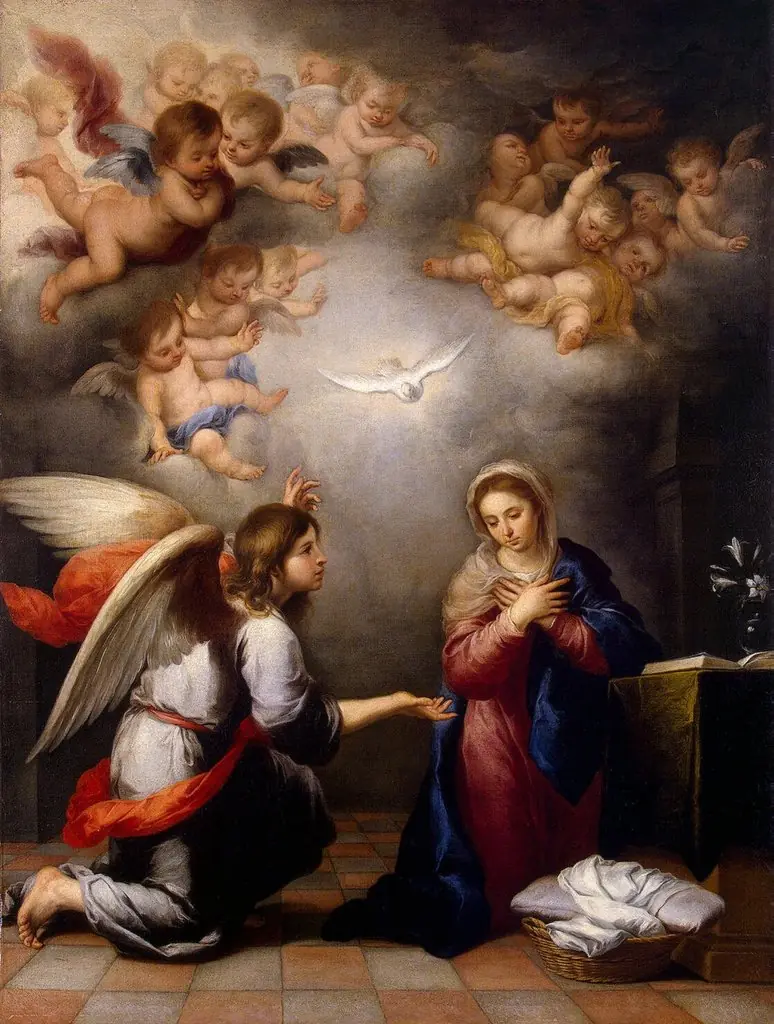
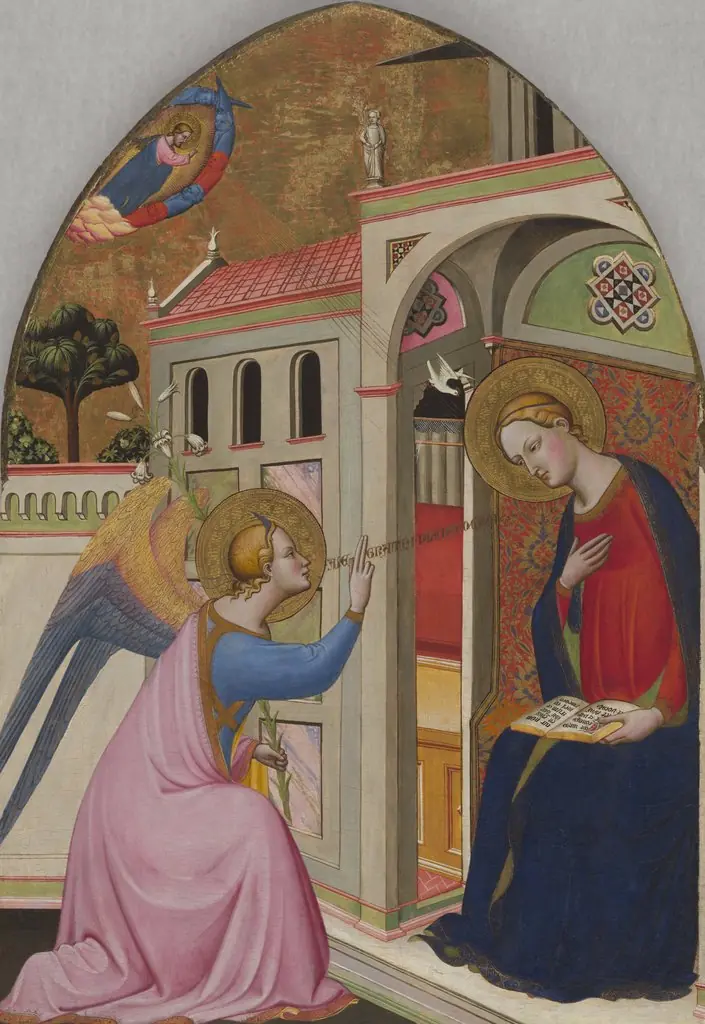
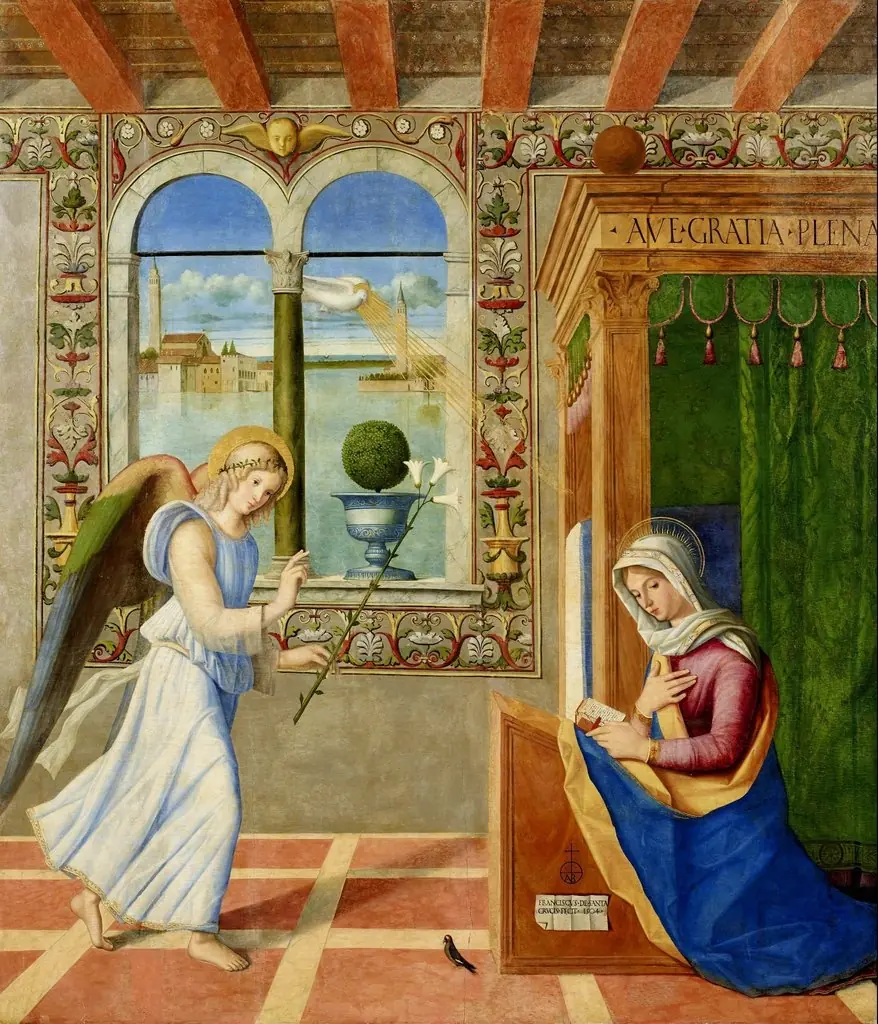
The central figures are the angel Gabriel, kneeling and extending his right hand in a gesture of reverence, and Mary, dressed in a blue mantle and white veil, her hands clasped in prayer. A small white dove hovers above the angel, symbolizing the Holy Spirit, reinforcing the theological theme of divine announcement and acceptance.
Technique & Style
Executed in paint on panel, Pesari employs a restrained palette of reds, blues, and whites to delineate space and attire. The red brick architecture behind the figures provides a modest architectural backdrop, while the clear blue sky opens the scene, creating a sense of depth without elaborate perspective, characteristic of mid‑15th‑century Italian devotional works.
History & Provenance
Created in 1448, the painting entered the collection of the Gemäldegalerie in Berlin, where it remains on display. Its documented provenance traces back to the artist’s workshop in Italy, though specific ownership records prior to its acquisition by the museum are limited.
Context
The Annunciation was a popular subject in Renaissance art, serving both liturgical and didactic purposes. Pesari’s rendition aligns with contemporary devotional trends, focusing on intimate, contemplative interaction rather than grandiose spectacle, reflecting the period’s shift toward personal piety and the humanization of sacred narratives.
Own this work as a print
Artist & collection
Artist