Artwork
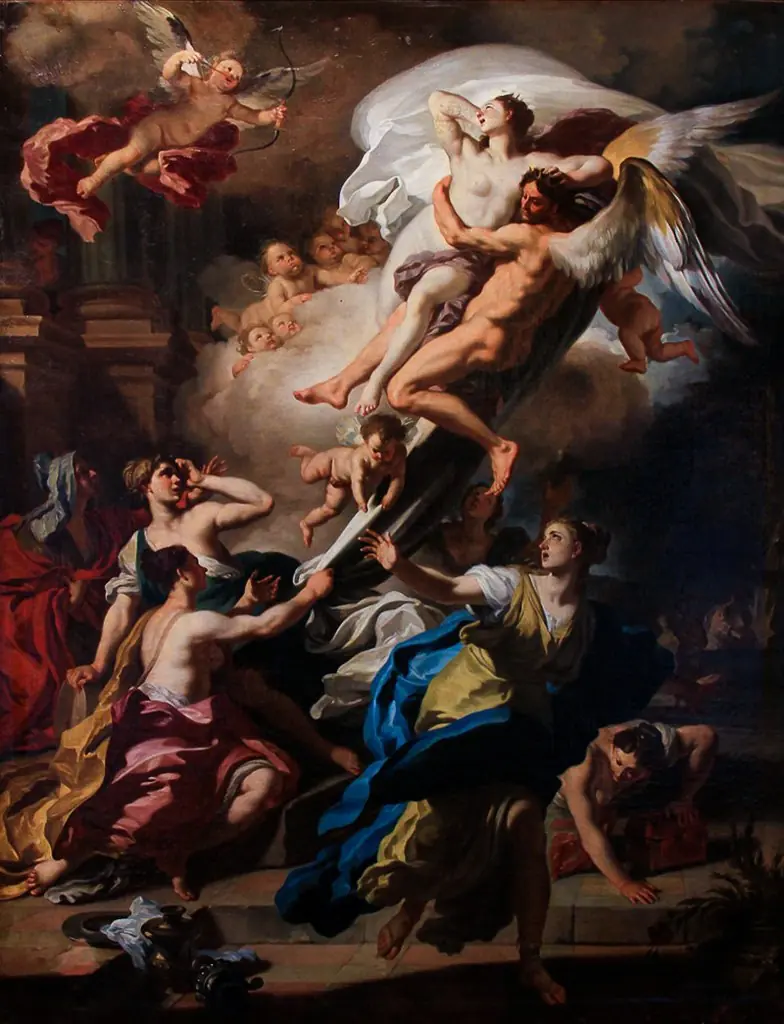
Boreas is robbing Orethyia
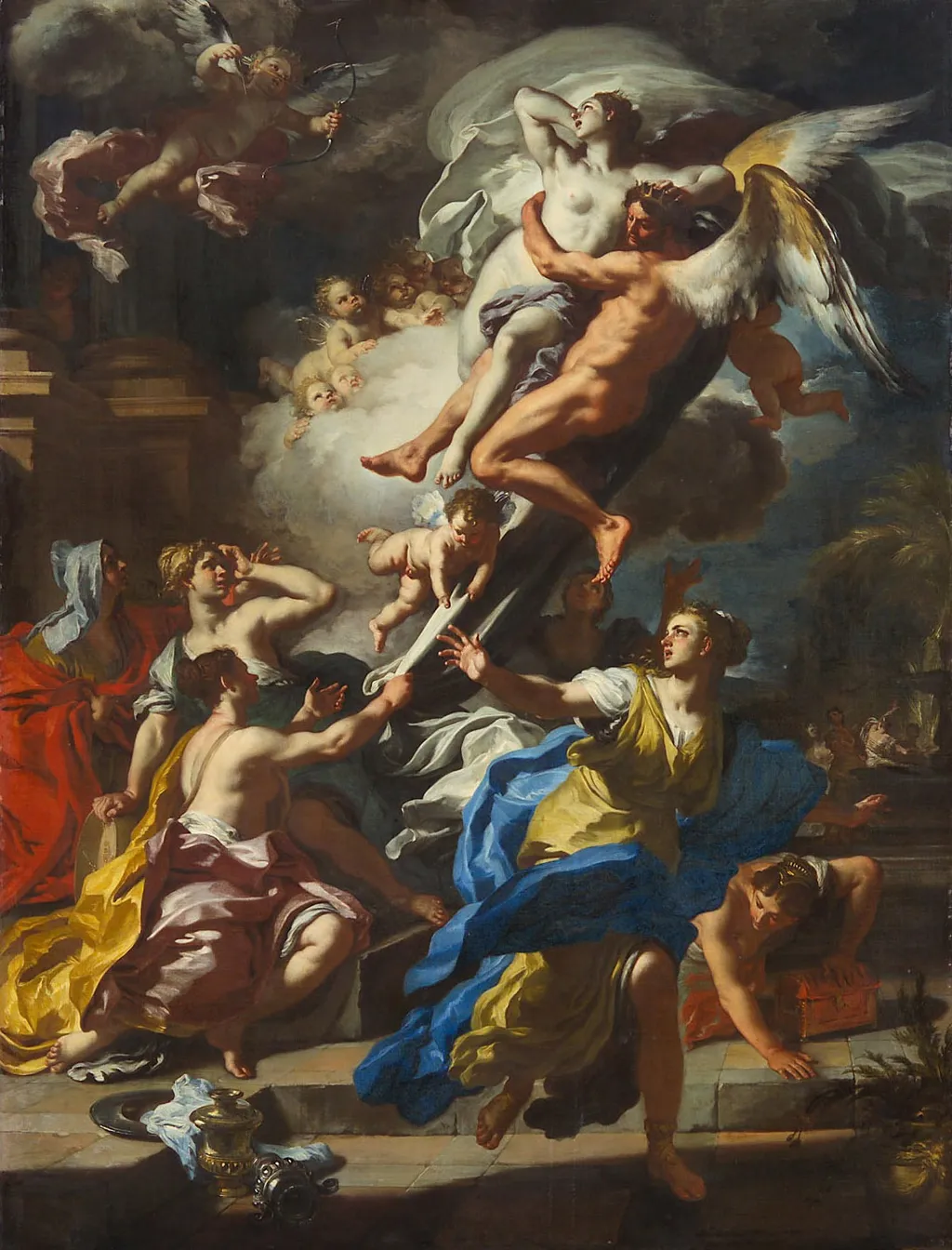
Boreas is robbing Orethyia is an unspecified painting by Francesco Solimena. It dates from 1707 and is held in the collection of the Kunsthistorisches Museum.
About this work
Overview
Solimena, a leading figure in early 18th-century Neapolitan art, combined the emotional intensity of Baroque drama with emerging classical restraint.
Painted around 1707 by Francesco Solimena, this work depicts a mythological abduction scene from Greek legend. Solimena, a leading figure in early 18th-century Neapolitan art, combined the emotional intensity of Baroque drama with emerging classical restraint. The painting is part of the Kunsthistorisches Museum’s collection in Vienna, reflecting its significance in European artistic circles of the period.
Subject & Meaning
The scene illustrates Boreas, the north wind god, seizing Orethyia, an Athenian princess, as she resists his advance. Her outstretched arms and the figures attempting to intervene convey struggle and urgency. The myth, drawn from Ovid’s Metamorphoses, symbolizes the uncontrollable force of nature over human life. Solimena emphasizes tension between divine power and mortal vulnerability through gesture and composition.
Technique & Style
Solimena employs chiaroscuro to model forms with dramatic light, enhancing the three-dimensionality of the figures and the turbulence of the moment. The palette is subdued, dominated by earth tones, deep blues, and muted golds, avoiding theatrical brightness. Musculature and drapery are rendered with precise anatomical study, reflecting classical ideals, while the swirling motion of limbs and fabric suggests kinetic energy.
History & Provenance
Commissioned during Solimena’s mature period, the painting likely originated in Naples before entering Habsburg collections. Its presence in Vienna by the early 18th century suggests it was acquired through diplomatic or artistic networks. The work remained in imperial holdings, eventually becoming part of the Kunsthistorisches Museum’s foundational collection, preserved with minimal alteration since its creation.
Context
In early 1700s Naples, artists like Solimena navigated between the exuberance of Baroque traditions and the rising influence of classical antiquity. His training under Giordano and Preti informed his early dynamism, but this work reveals a shift toward structured composition and restrained emotion. The subject matter aligns with contemporary interest in mythological narratives as vehicles for moral and aesthetic reflection.
Legacy
Solimena’s influence extended through his teaching, shaping generations of Neapolitan painters. This painting exemplifies his transitional style—bridging Baroque motion and classical order—which became a model for later academic art. Though less celebrated than his religious works, this mythological scene remains a key example of how 18th-century Italian artists reinterpreted classical themes with psychological nuance and formal discipline.
Artist & collection
Artist
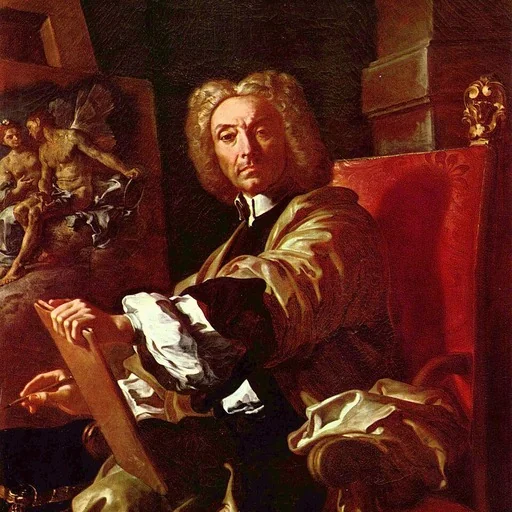
Francesco Solimena (4 October 1657 – 3 April 1747) was a prolific Italian Baroque painter, one of an established family of painters and draughtsmen.

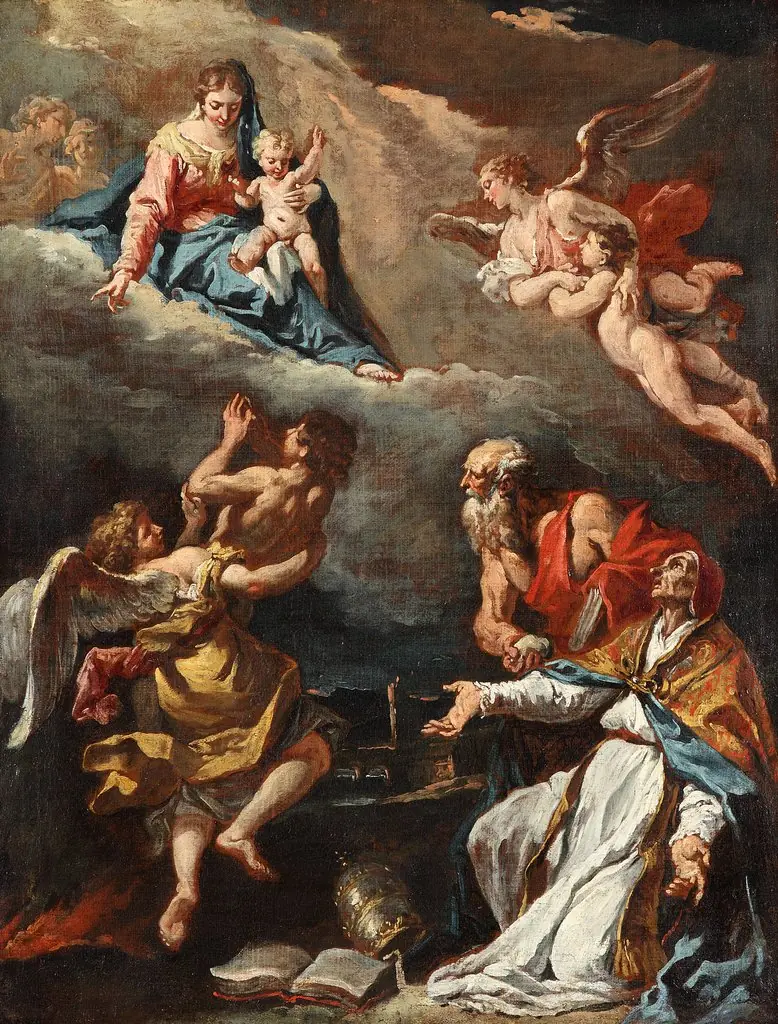 Die Fürbitte des Heiligen Gregor für die Seelen im Fegefeuer
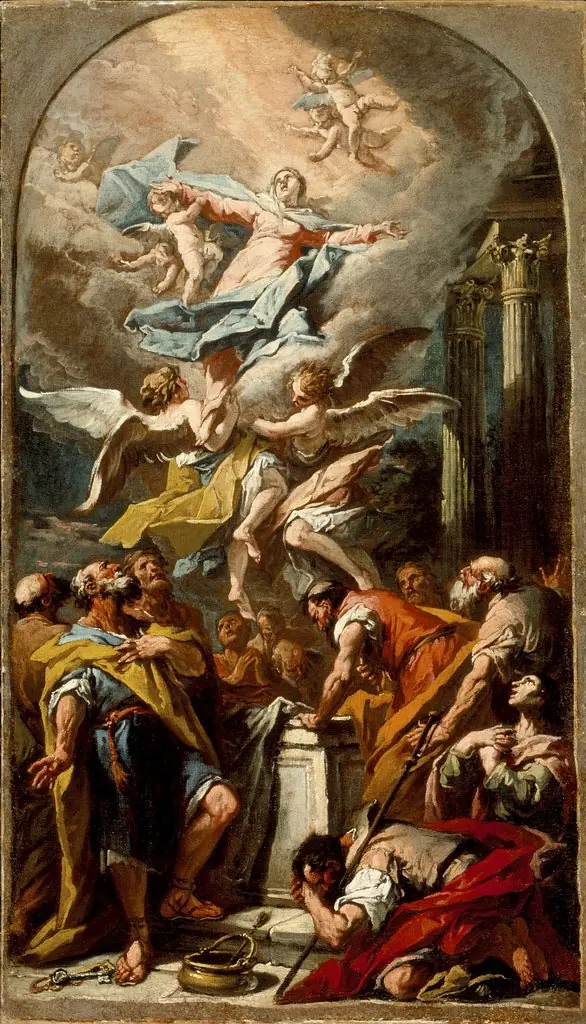 The Assumption of the Virgin
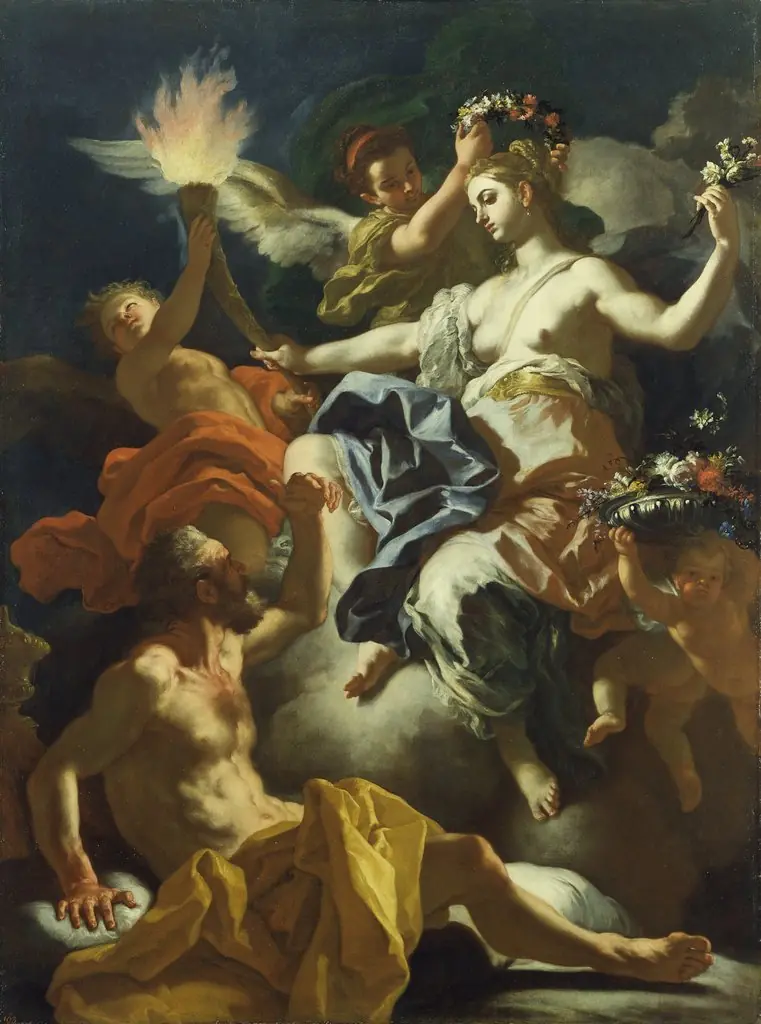 Aurora Taking Leave of Tithonus
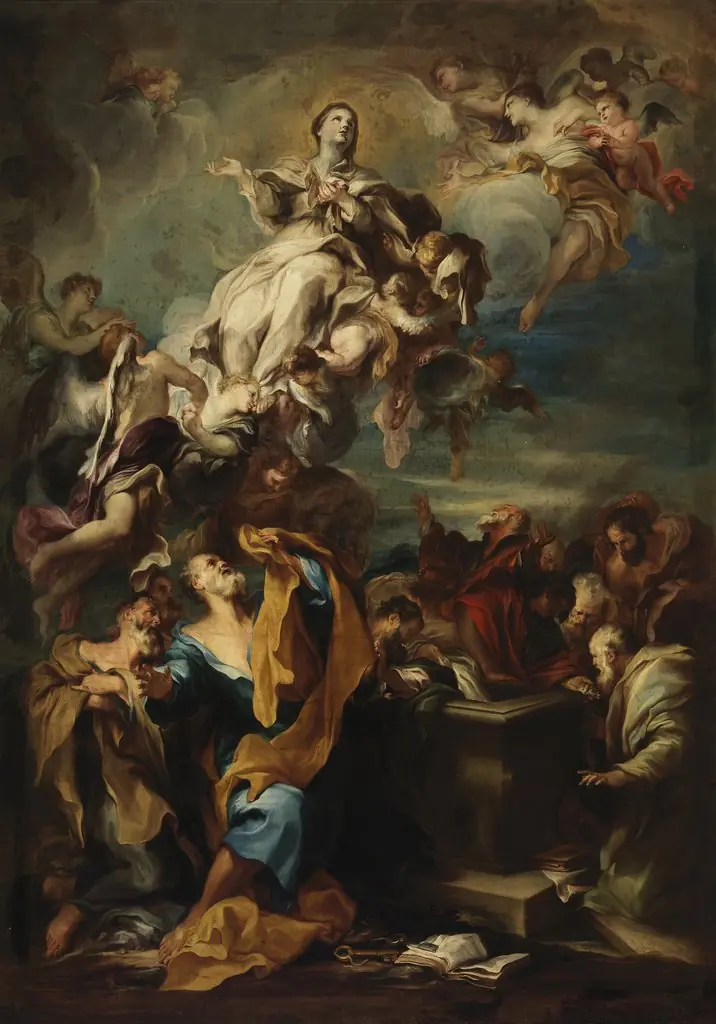 The Assumption of the Virgin
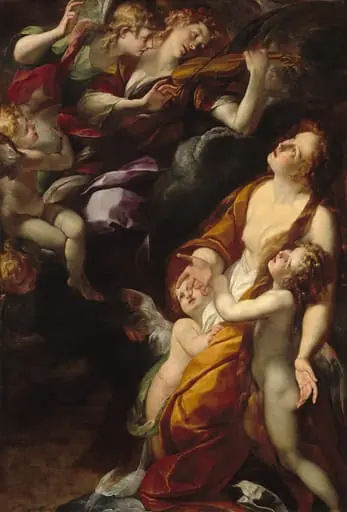 The Ecstasy of the Magdalen
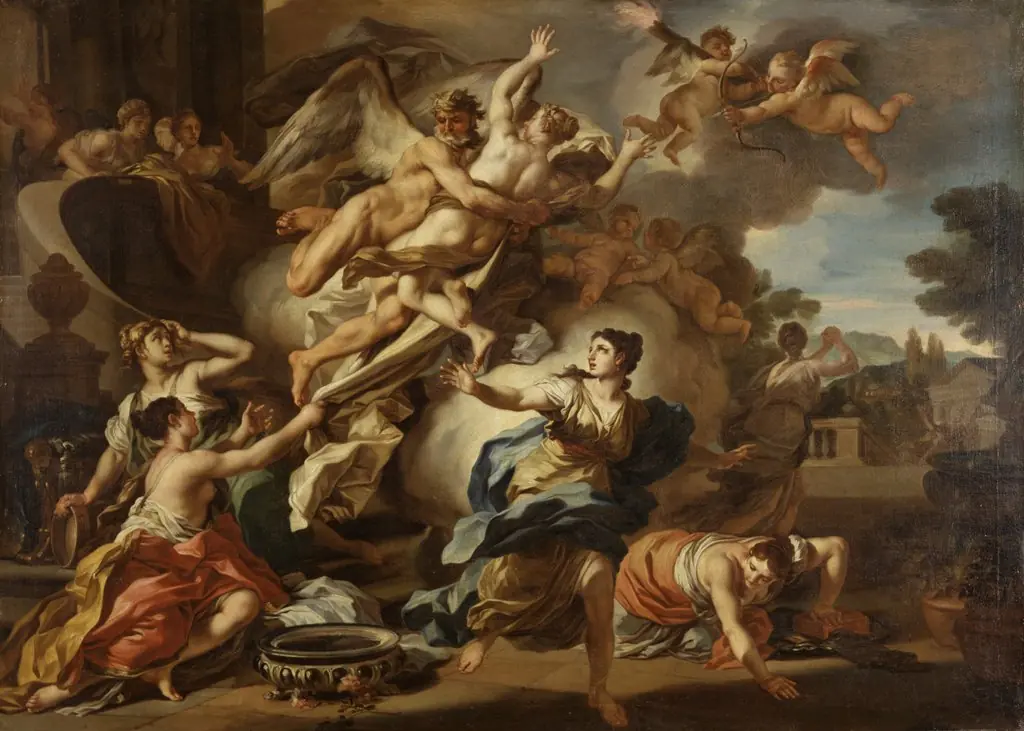 The Abduction of Orithyia
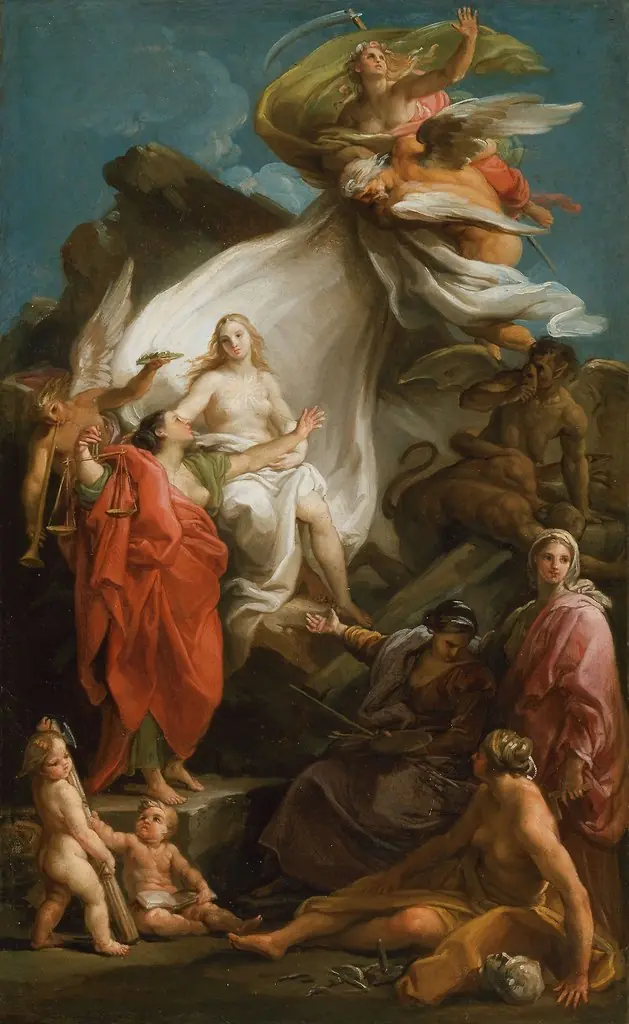 Time Unveiling Truth
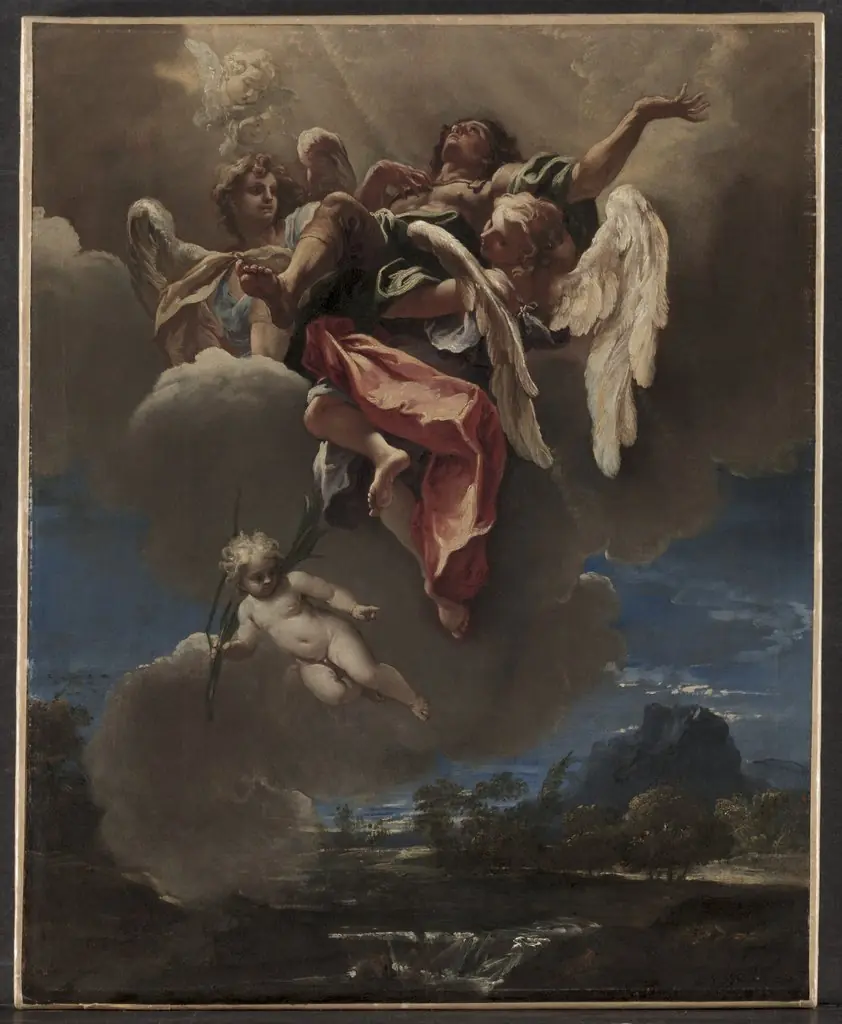 Study for "An Apotheosis of a Saint" (for San Bernardino dei Morti, Milan)
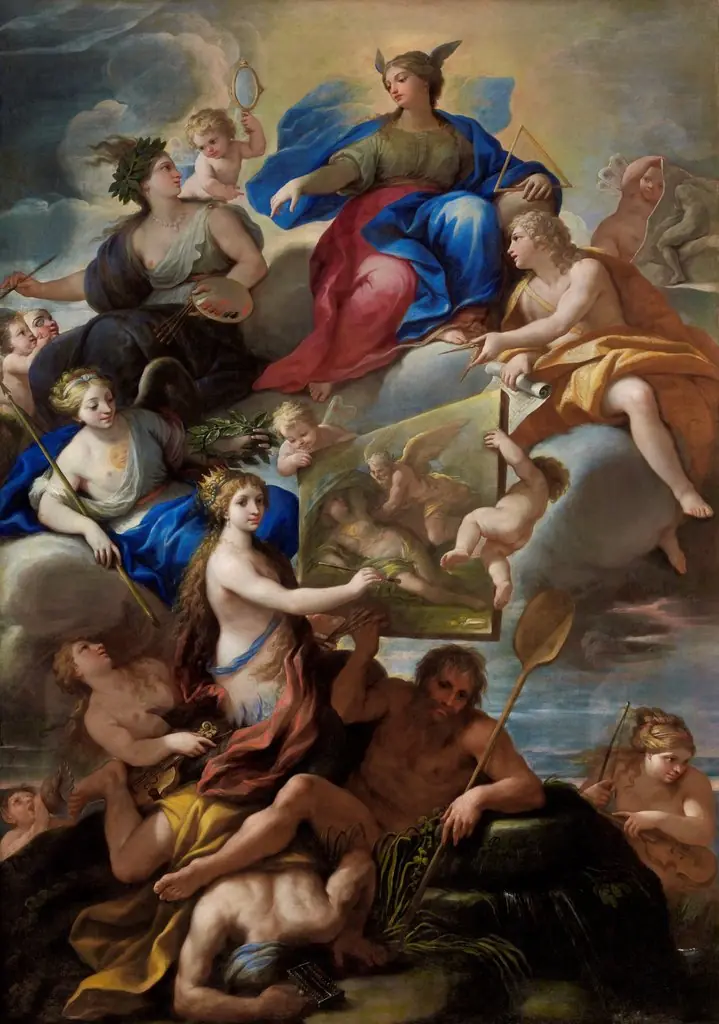 Allegory of Knowledge and the Arts in Naples
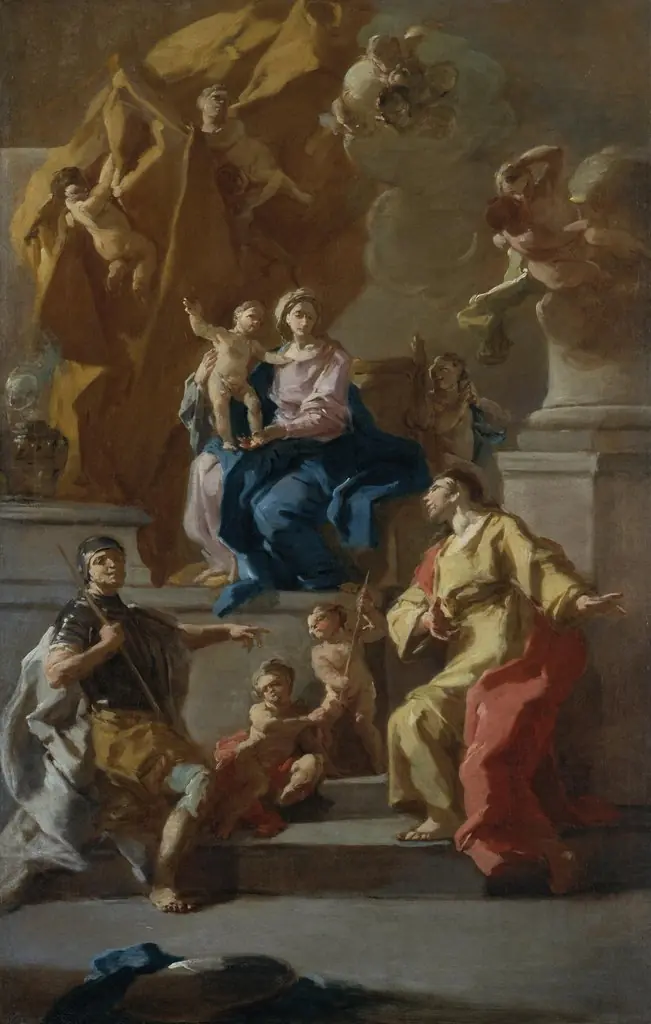 The Virgin and Child Enthroned, with Angels and Two Saints
 Assumption of Mary
 Boreas Abducting Oreithyia, Daughter of Erechteus