Artwork
Time Unveiling Truth
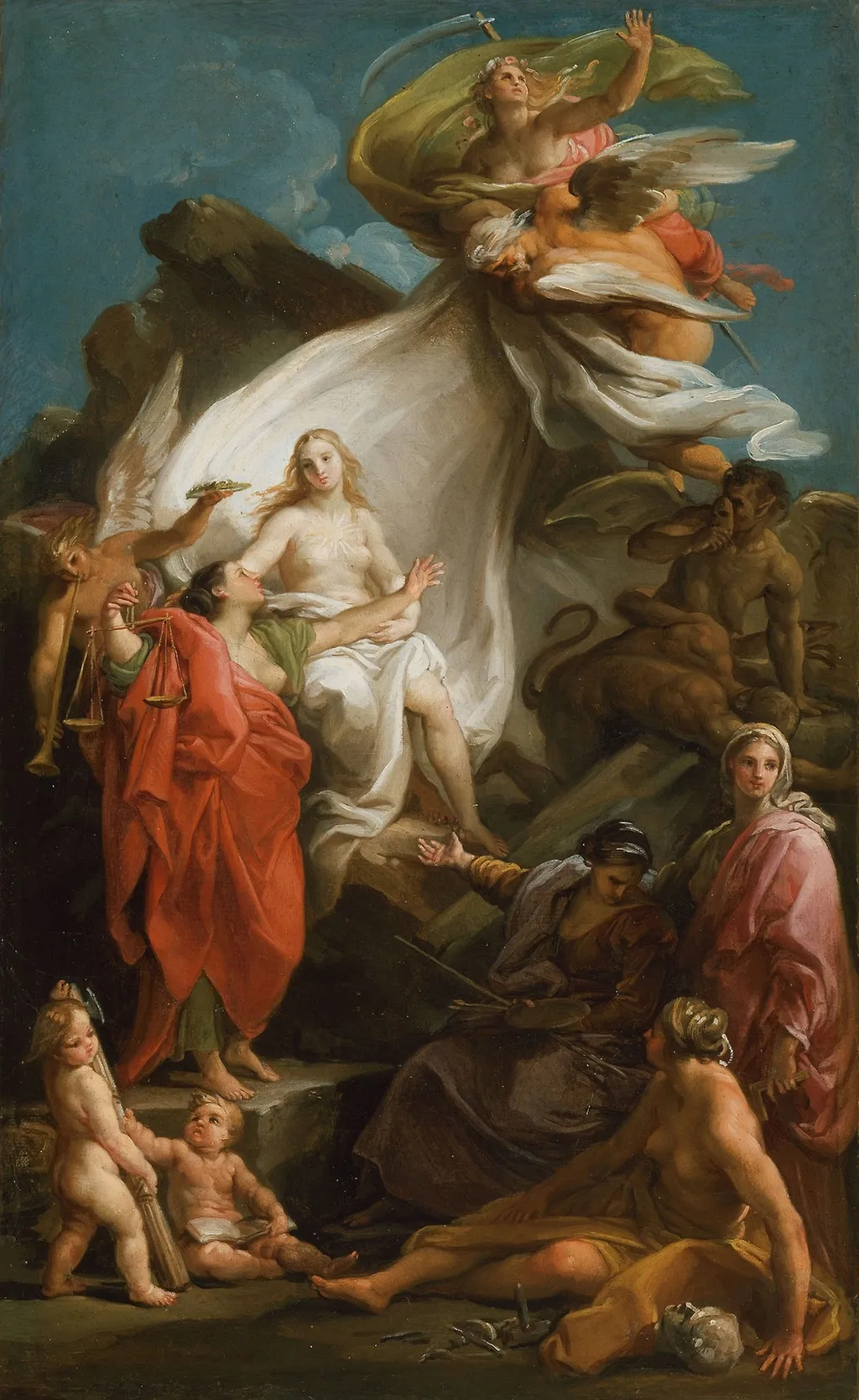
Time Unveiling Truth is an oil painting by the Rococo painting artist Pompeo Batoni. It dates from 1742 and is held in the collection of the Art Institute of Chicago.
About this work
Overview
Though rooted in Italian tradition, the painting was crafted for an international clientele, particularly British travelers on the Grand Tour.
Painted in 1742 by Pompeo Batoni, *Time Unveiling Truth* is an allegorical oil work that merges classical symbolism with the refined aesthetics of the Rococo period. Though rooted in Italian tradition, the painting was crafted for an international clientele, particularly British travelers on the Grand Tour. Its composition balances theatricality with elegance, reflecting Batoni’s ability to adapt mythological themes to the tastes of elite patrons seeking intellectual and visual sophistication.
Subject & Meaning
The painting personifies Truth as a luminous female figure, unveiled by Time, depicted as an older man holding a scale—symbolizing judgment. Around them, figures represent virtues and vices: a child with a sword suggests Justice, while others gaze upward in awe or recoil in recognition. The dark background intensifies the central revelation, reinforcing the allegory that Truth, once revealed, commands attention and moral reckoning. The scene is not narrative but symbolic, inviting contemplation rather than storytelling.
Technique & Style
Batoni employs chiaroscuro to model forms with dramatic contrast, drawing focus to the radiant figure of Truth. The Rococo influence appears in the delicate rendering of fabrics, soft transitions between light and shadow, and the graceful poses of the figures. Though the composition is crowded, each element is carefully arranged to guide the viewer’s eye toward the central revelation. The brushwork is precise yet fluid, combining academic discipline with a sensuous handling of surface and texture.
History & Provenance
Commissioned during Batoni’s rise as a favored portraitist among European aristocrats, the painting entered the collection of the Art Institute of Chicago in the 20th century. Its early ownership is tied to British patrons who admired Batoni’s synthesis of classical allegory and refined technique. While its exact commissioning context remains undocumented, its survival and preservation reflect its enduring status as a representative work of 18th-century Italian allegorical painting.
Context
In mid-18th-century Europe, allegorical painting served as a vehicle for moral and philosophical expression, especially among educated elites. Batoni’s work responded to a demand for imagery that combined classical learning with visual splendor, aligning with the Grand Tour’s cultural ambitions. While Rococo aesthetics dominated decorative arts, Batoni adapted them to serious themes, distinguishing his output from lighter, purely ornamental works of the period.
Legacy
Though less celebrated today than his portraits, *Time Unveiling Truth* exemplifies Batoni’s role in sustaining allegorical painting during a time of shifting artistic priorities. It stands as a bridge between Baroque drama and Neoclassical clarity, influencing later artists who sought to reconcile moral symbolism with refined technique. The painting remains a key example of how intellectual themes were visually articulated for a transnational elite in the Enlightenment era.
Own this work as a print
Artist & collection
Artist
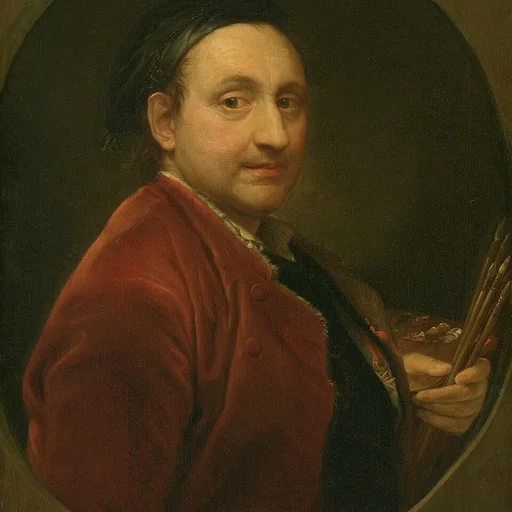
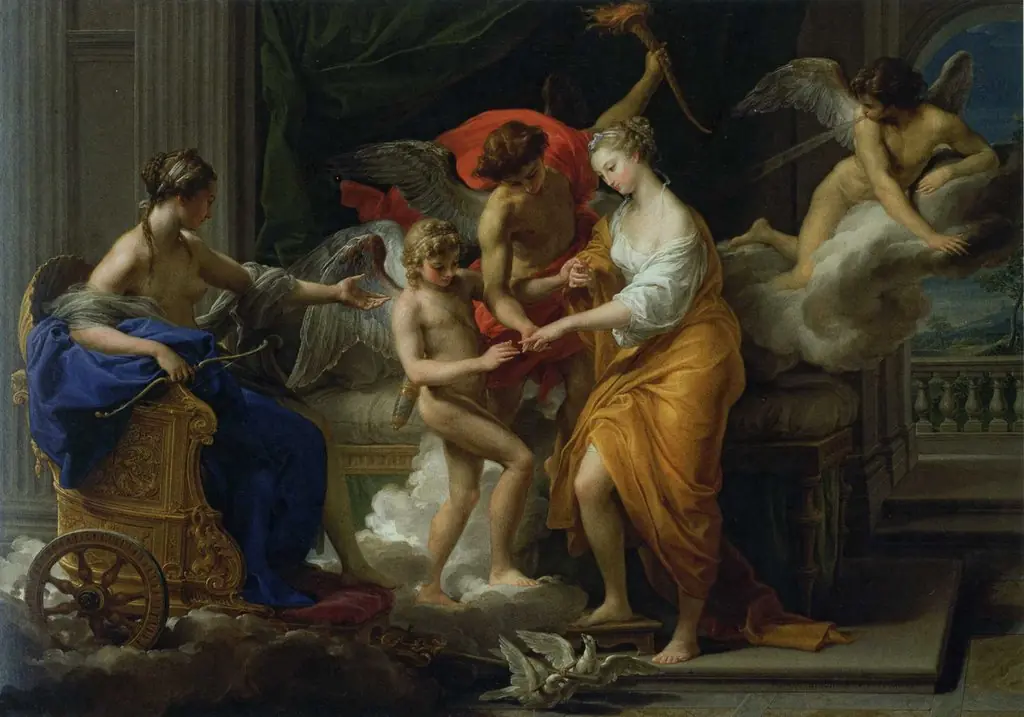
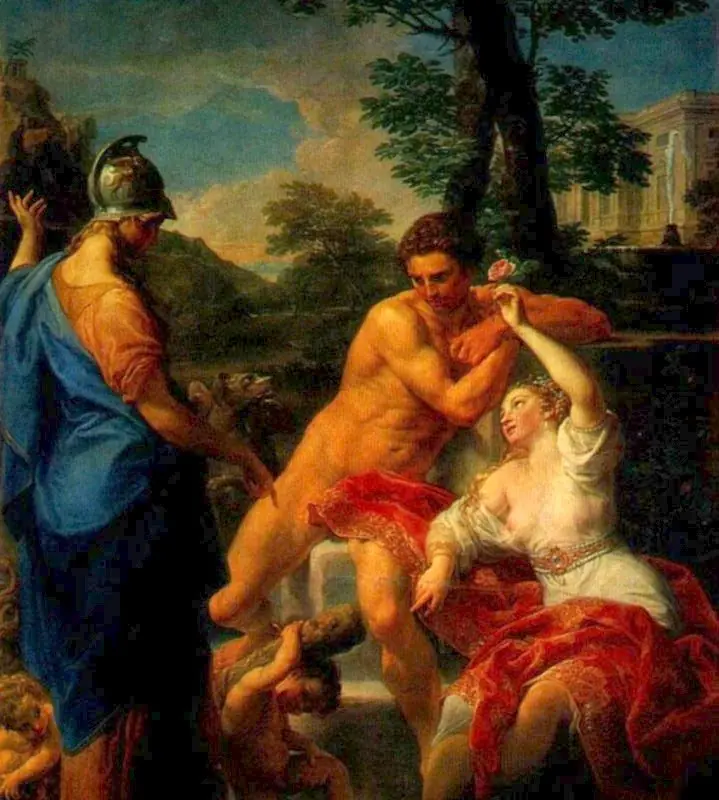
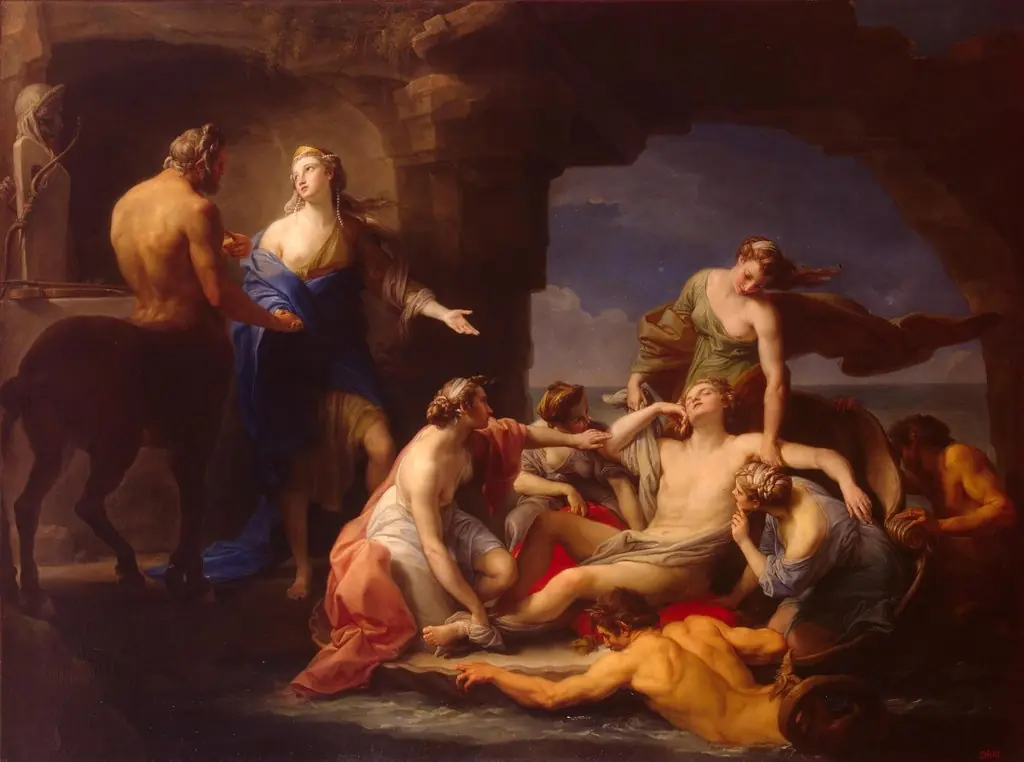
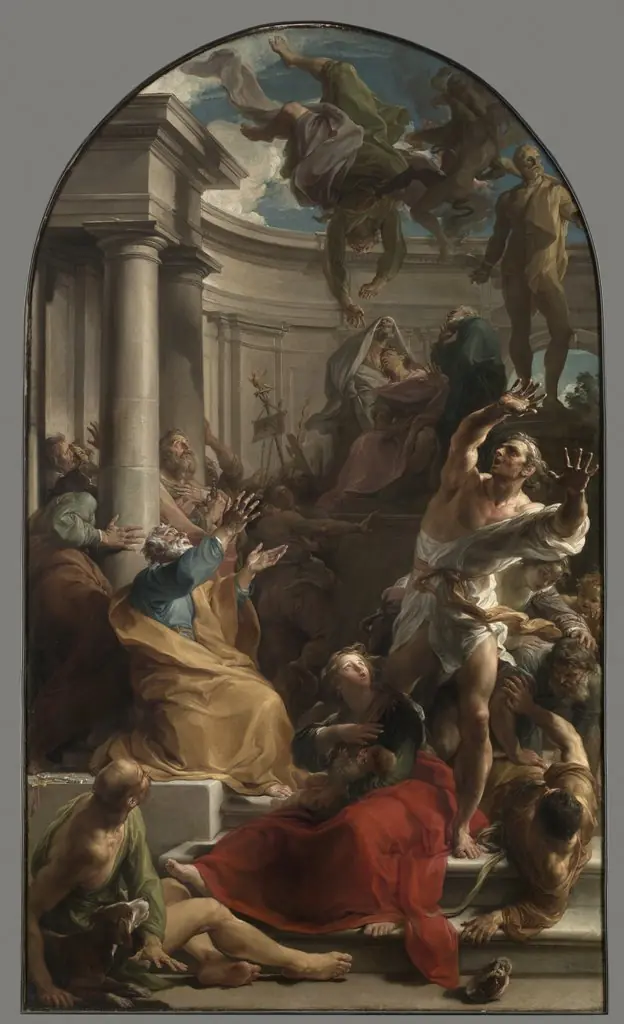
Pompeo Girolamo Batoni (25 January 1708 – 4 February 1787) was an Italian painter who displayed a solid technical knowledge in his portrait work and in his numerous allegorical and mythological pictures.

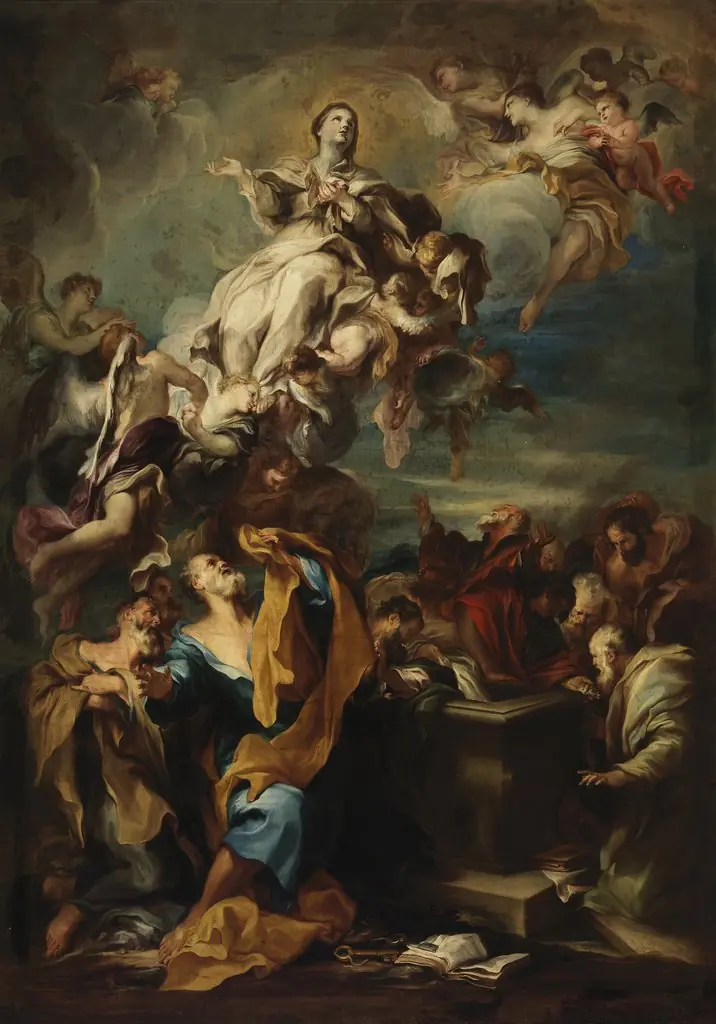 The Assumption of the Virgin
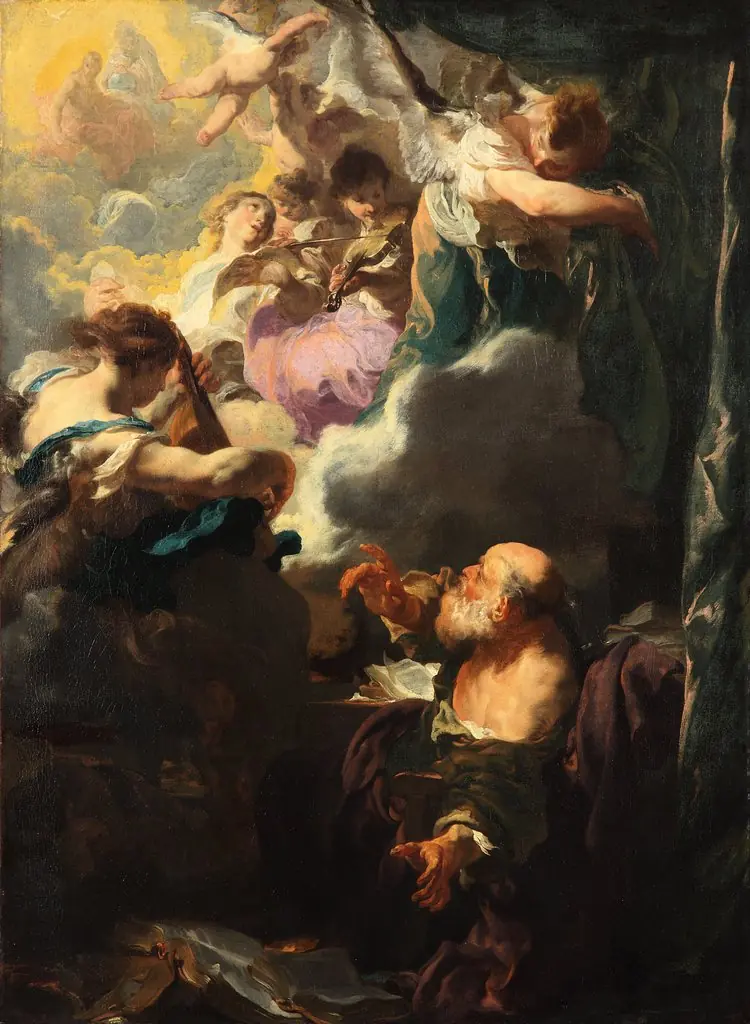 The rapture of Saint Paul
 The Ecstasy of the Magdalen
 Boreas is robbing Orethyia
 The Resurrection
 The Dream of Jacob
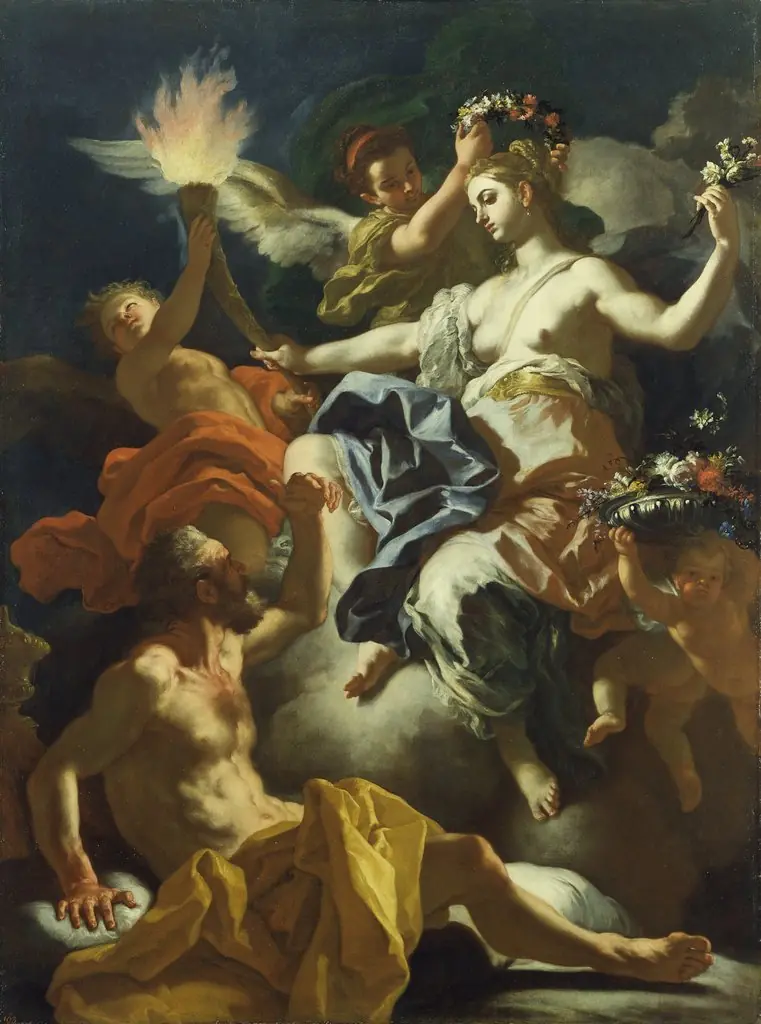 Aurora Taking Leave of Tithonus
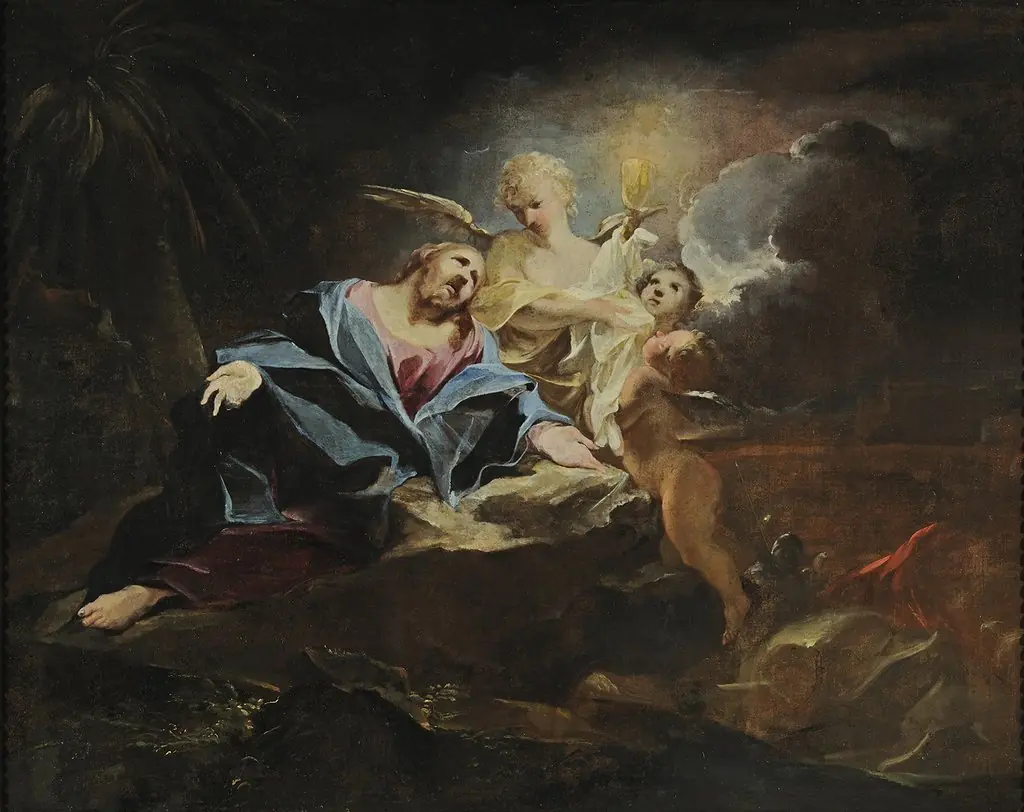 Le Christ au jardin des oliviers
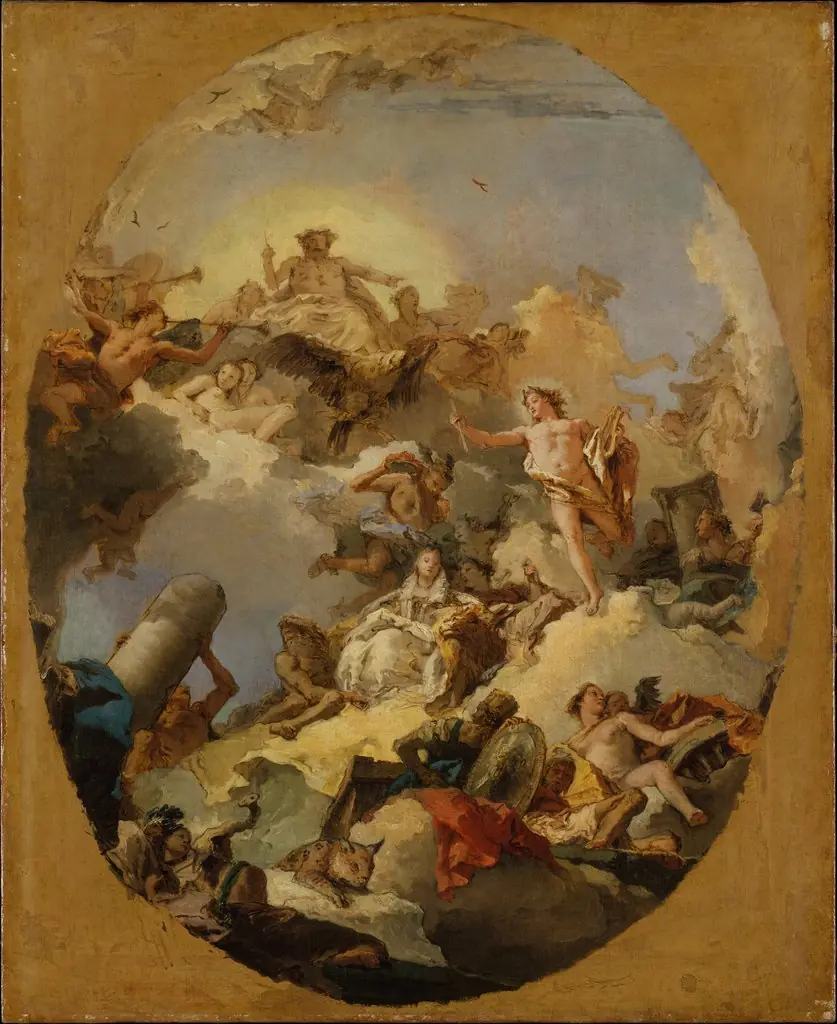 The Apotheosis of the Spanish Monarchy
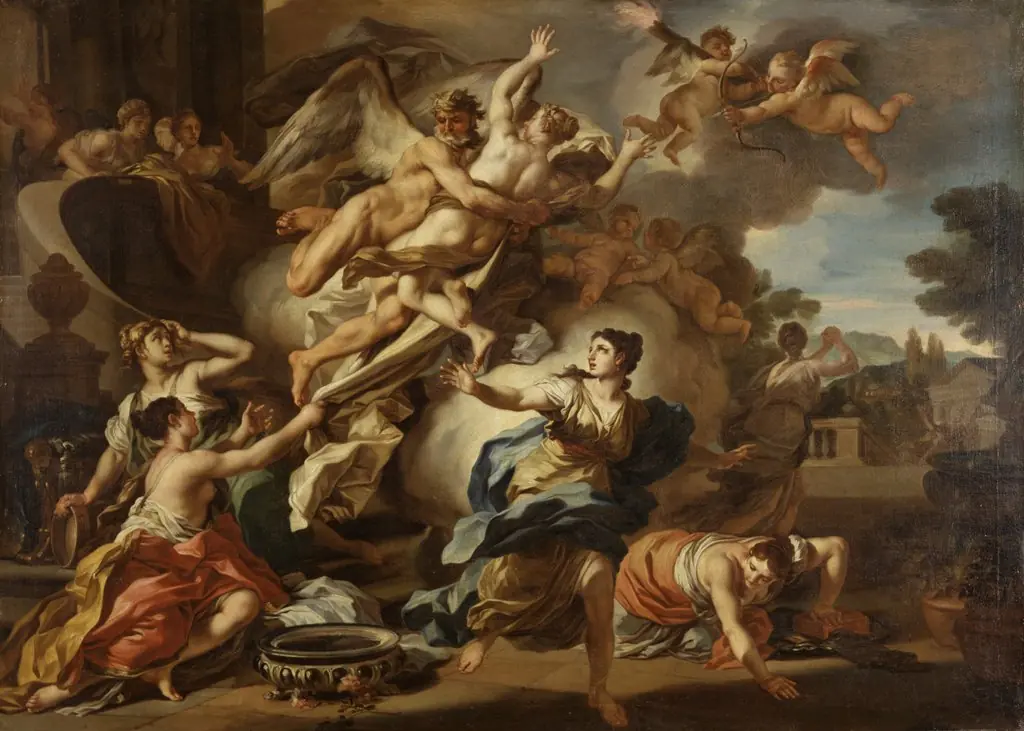 The Abduction of Orithyia
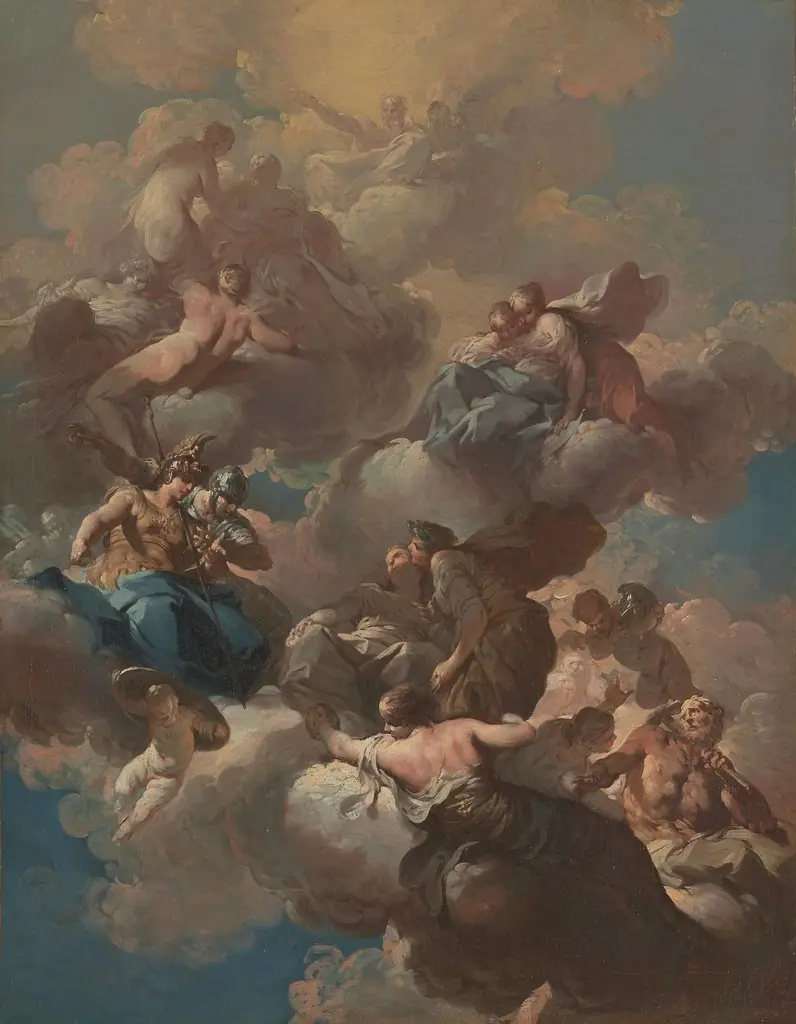 Sketch for a Ceiling Fresco
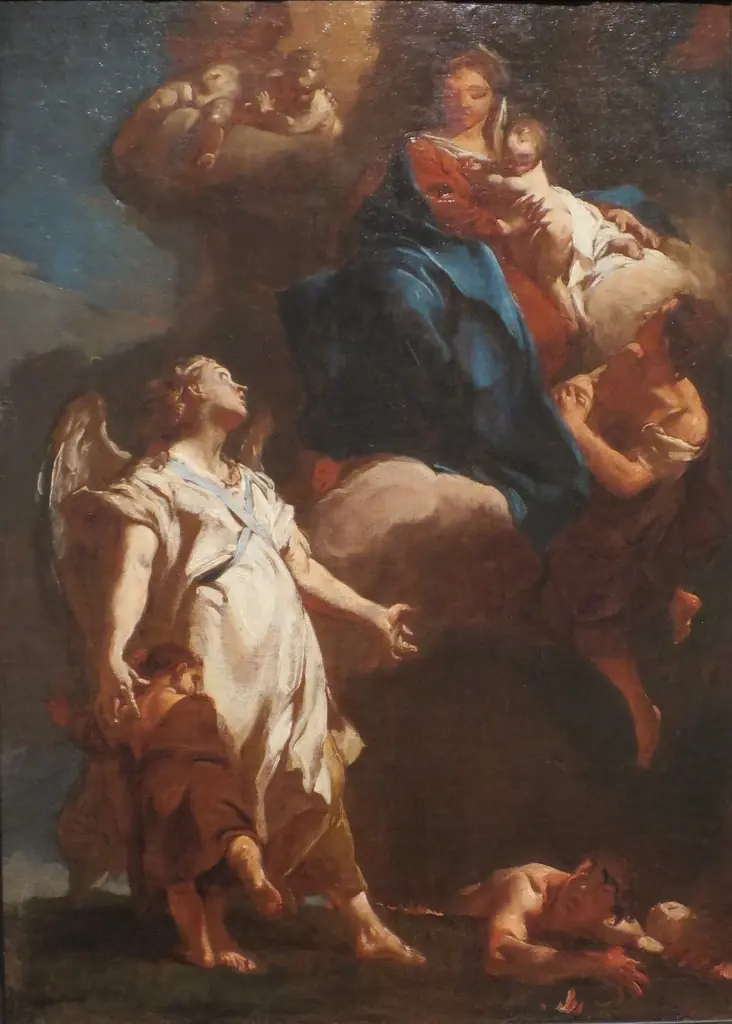 The Virgin Appearing to the Guardian Angel