Artwork
Venus at the Forge of Vulcan
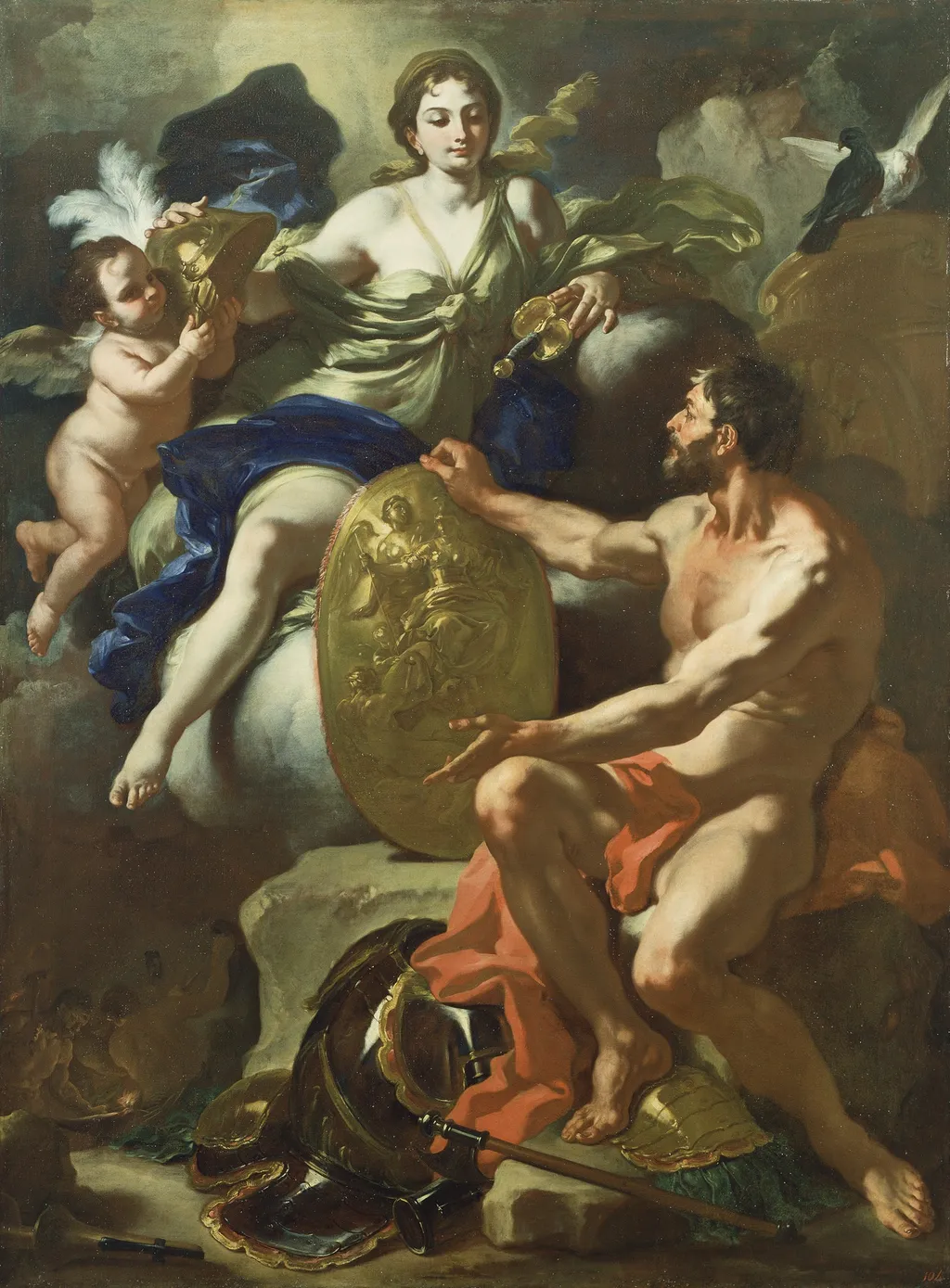
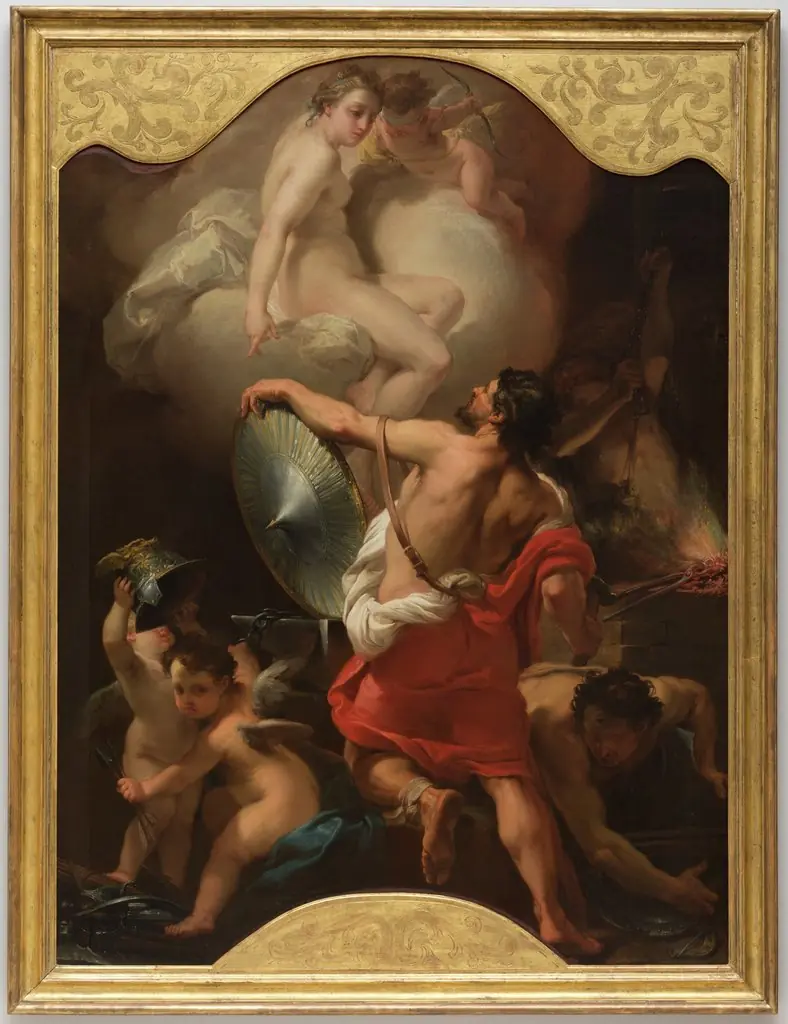
Venus at the Forge of Vulcan is an oil painting by the Early Baroque Italian artist Francesco Solimena. It dates from 1704 and is held in the collection of the J. Paul Getty Museum.
About this work
Overview
Venus at the Forge of Vulcan is a 1704 oil painting by Francesco Solimena, a prominent Neapolitan artist of the early 18th century. The work exemplifies the early Baroque Italian style, characterized by dramatic lighting and shadow play.
Subject & Meaning
The scene explores the intersection of love, beauty, and craftsmanship within Roman mythology.
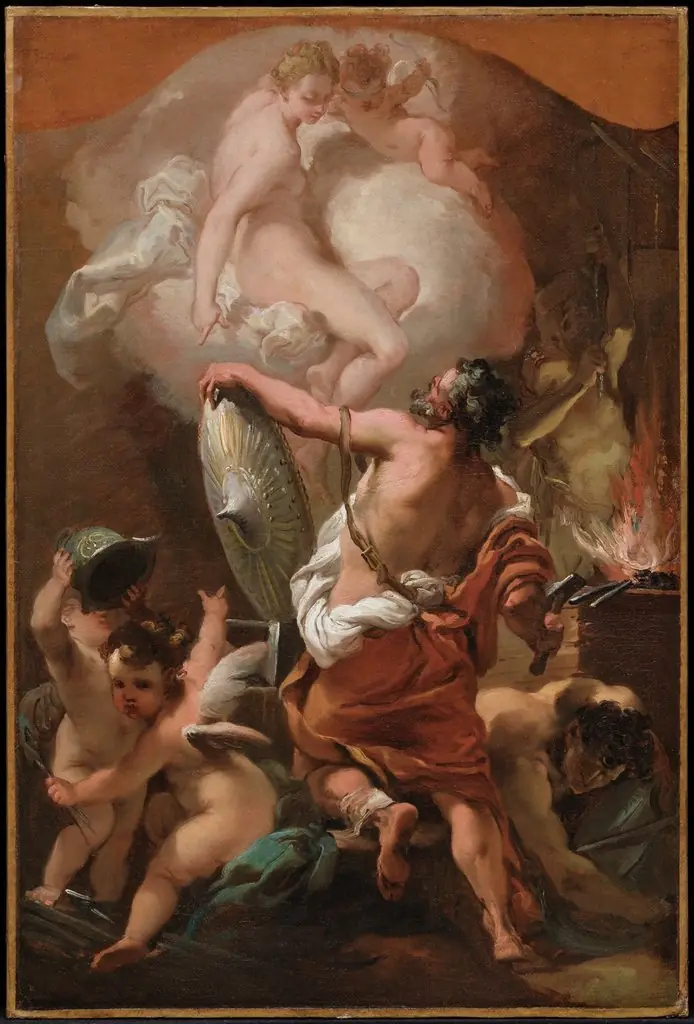
The painting depicts a mythological scene featuring Venus, the Roman goddess of love and beauty, alongside Vulcan, the god of fire, and a winged child (likely Cupid). Venus is shown seated, holding a mirror, while Vulcan interacts with a golden shield adorned with a female image, possibly referencing Aphrodite or Venus herself. The scene explores the intersection of love, beauty, and craftsmanship within Roman mythology.
Technique & Style
Solimena's early Baroque style is evident in the painting's dramatic use of chiaroscuro, emphasizing contrasts between light and dark. Figures are rendered with expressive, dynamic poses, set against a backdrop that suggests the fiery, active environment of Vulcan's forge. Solimena's technique reflects his training under Luca Giordano and Mattia Preti, though this work predates his later shift towards classicism.
History & Provenance
Created in 1704, Venus at the Forge of Vulcan is part of the J. Paul Getty Museum's collection. While the painting's history before its acquisition by the Getty is not detailed here, its creation places it within Solimena's prolific output as a leading figure in Neapolitan art.
Context
This painting reflects the 18th-century European fascination with classical mythology as a subject for art. Solimena's choice of depicting a lesser-known scene from Venus and Vulcan's mythological interactions highlights the era's depth of engagement with Roman deities and their narratives.
Legacy
As a work by Solimena, Venus at the Forge of Vulcan contributes to the understanding of early 18th-century Neapolitan Baroque painting. Its representation of mythological themes also situates it within the broader tradition of European art engaging with classical subjects, influencing subsequent generations of artists exploring similar motifs.
Own this work as a print
Artist & collection

Artist
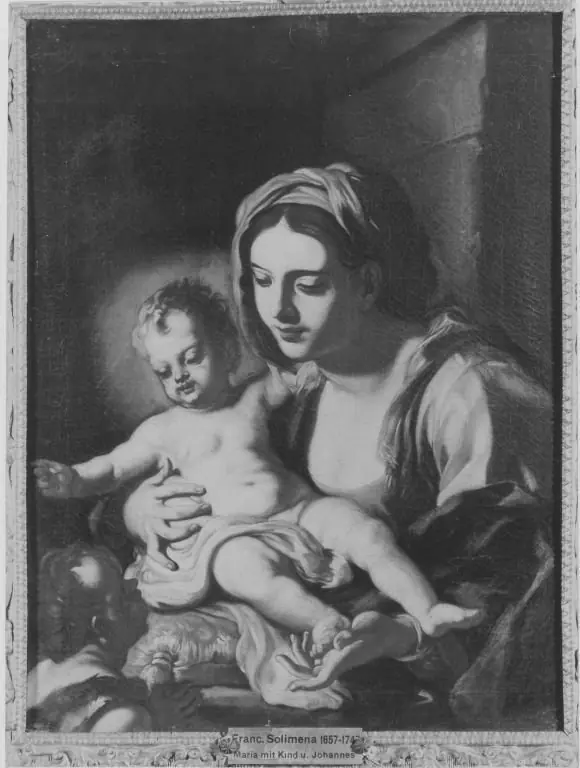
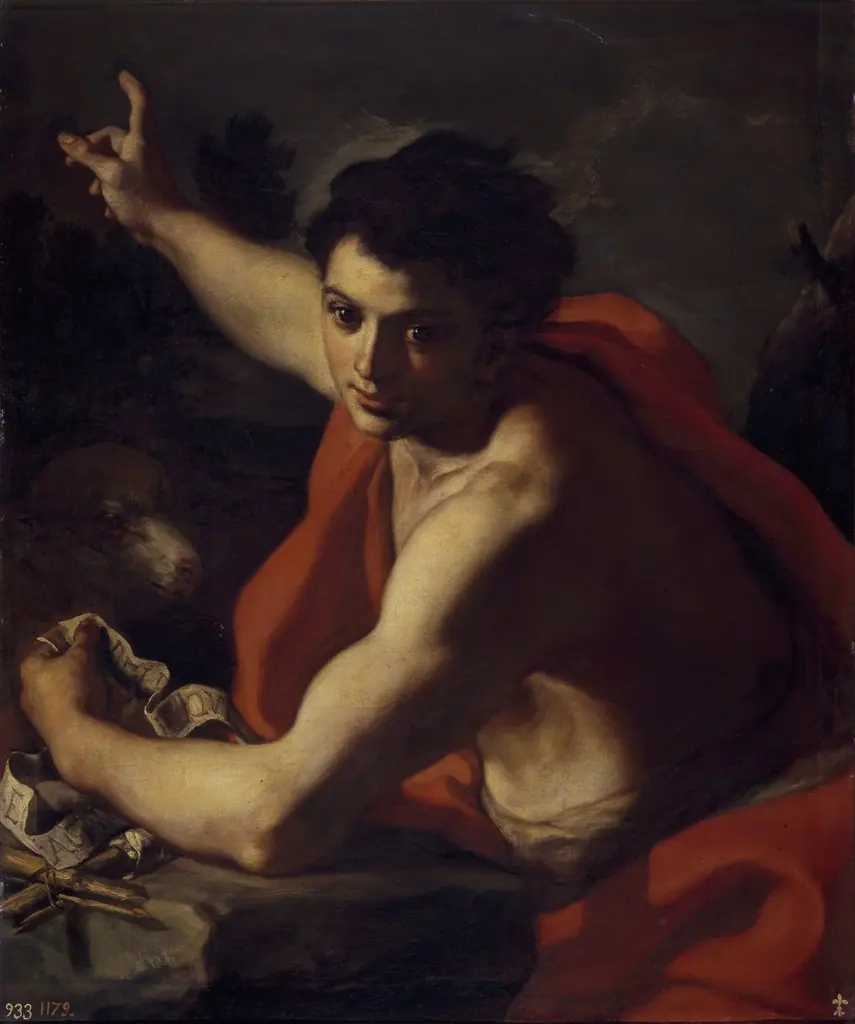
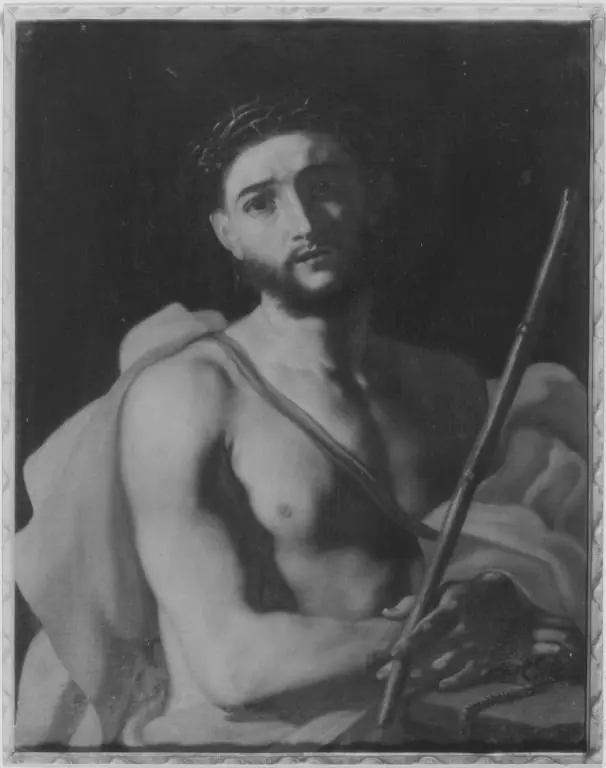
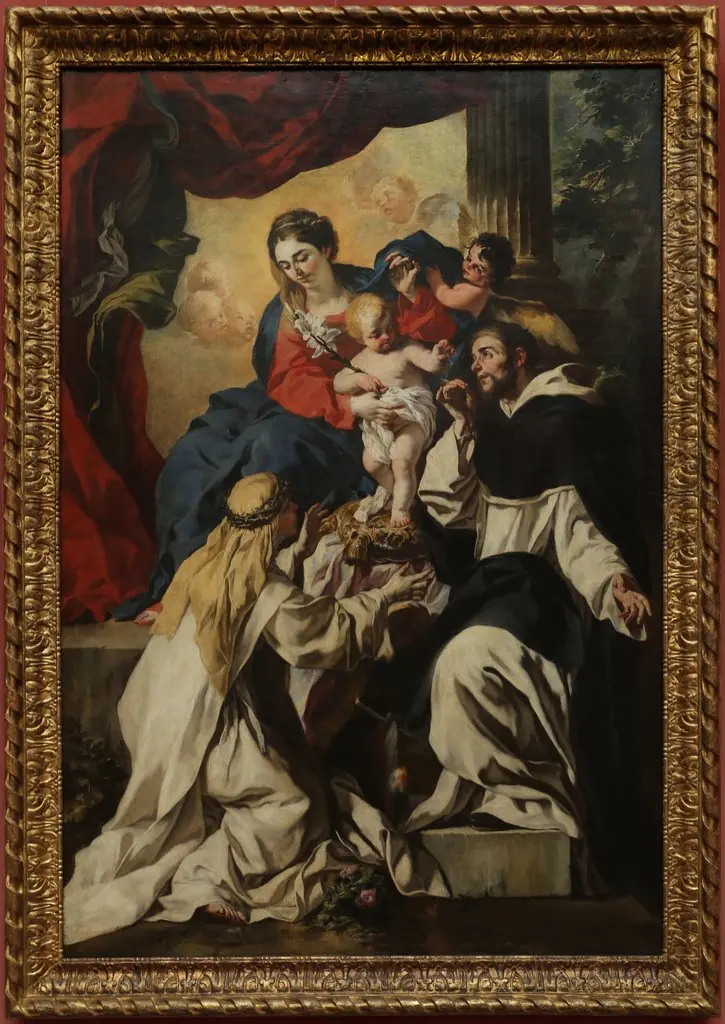
Francesco Solimena (4 October 1657 – 3 April 1747) was a prolific Italian Baroque painter, one of an established family of painters and draughtsmen.