Artwork
Venus and Cupid at the Forge of Vulcan
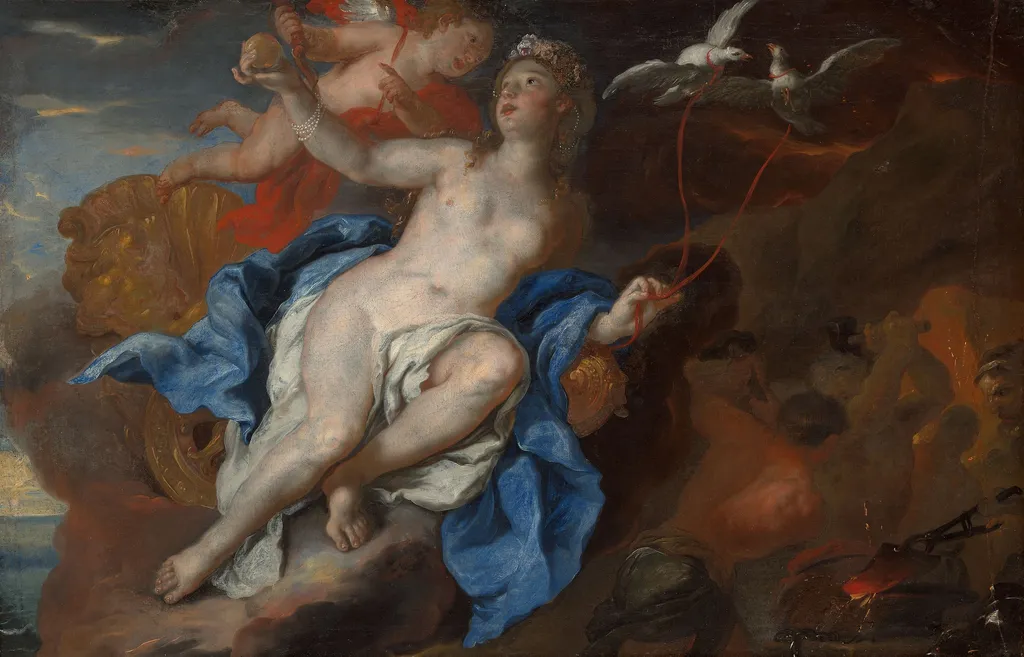
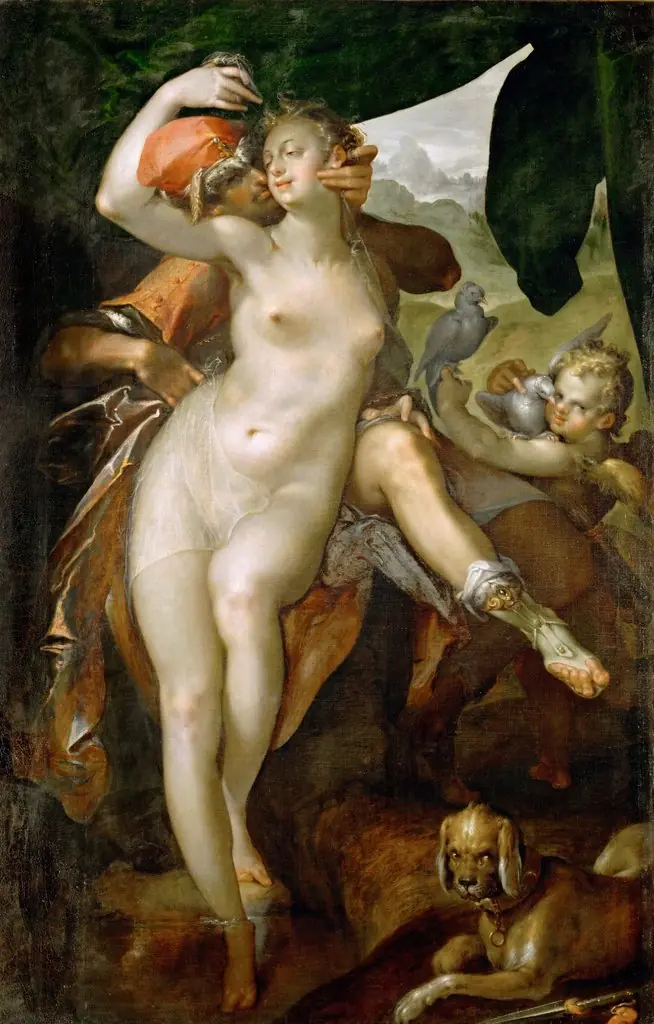
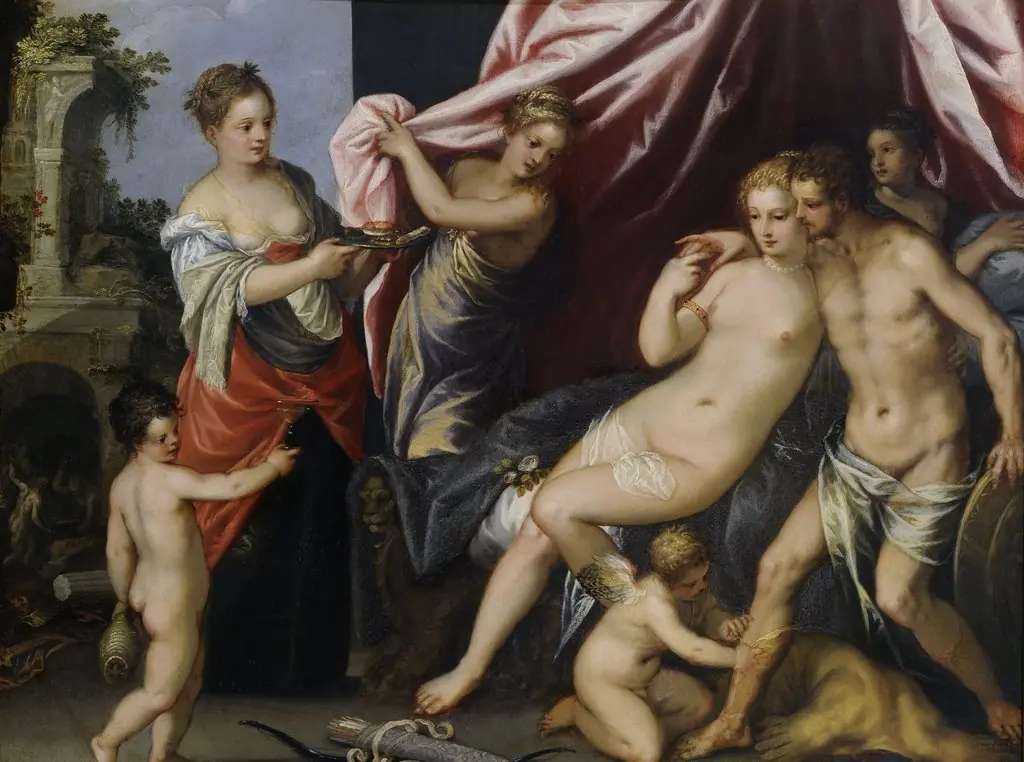
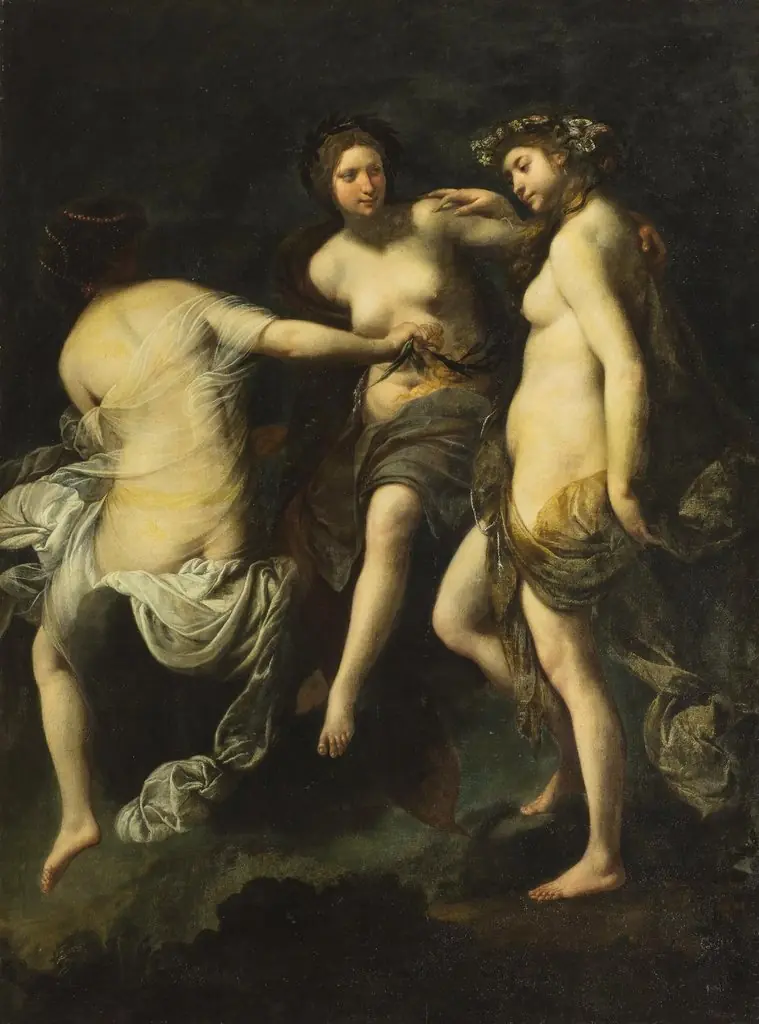
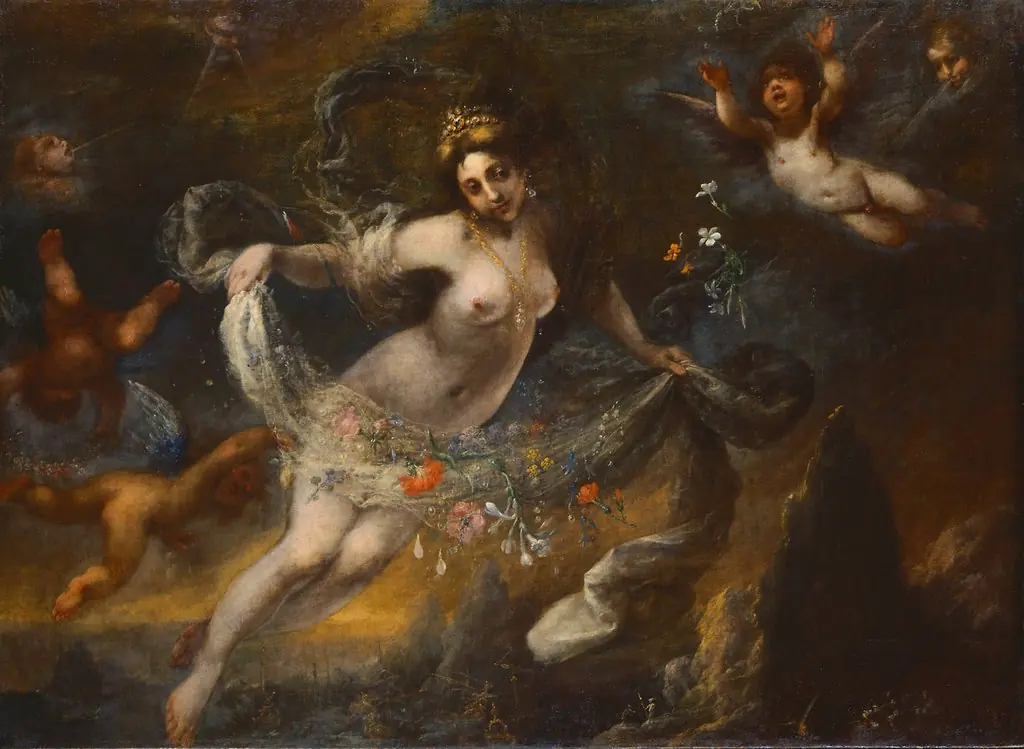
Venus and Cupid at the Forge of Vulcan is an oil painting by the Barbizon school artist Johann Michael Rottmayr. It dates from 1696 and is held in the collection of the Art Institute of Chicago.
About this work
Overview
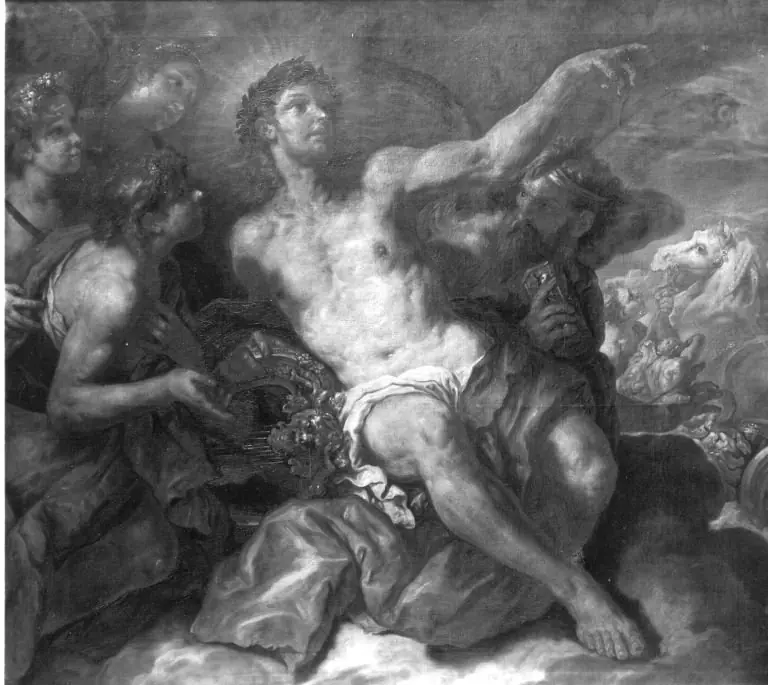
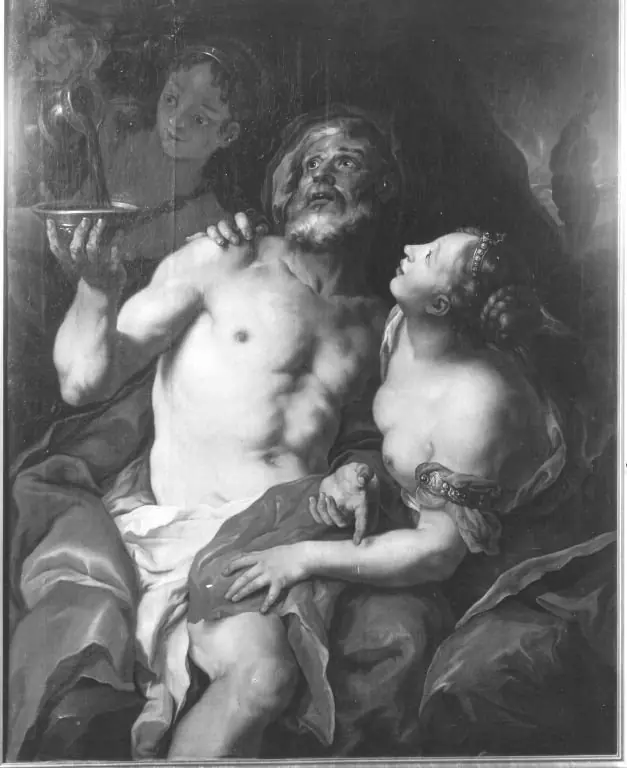
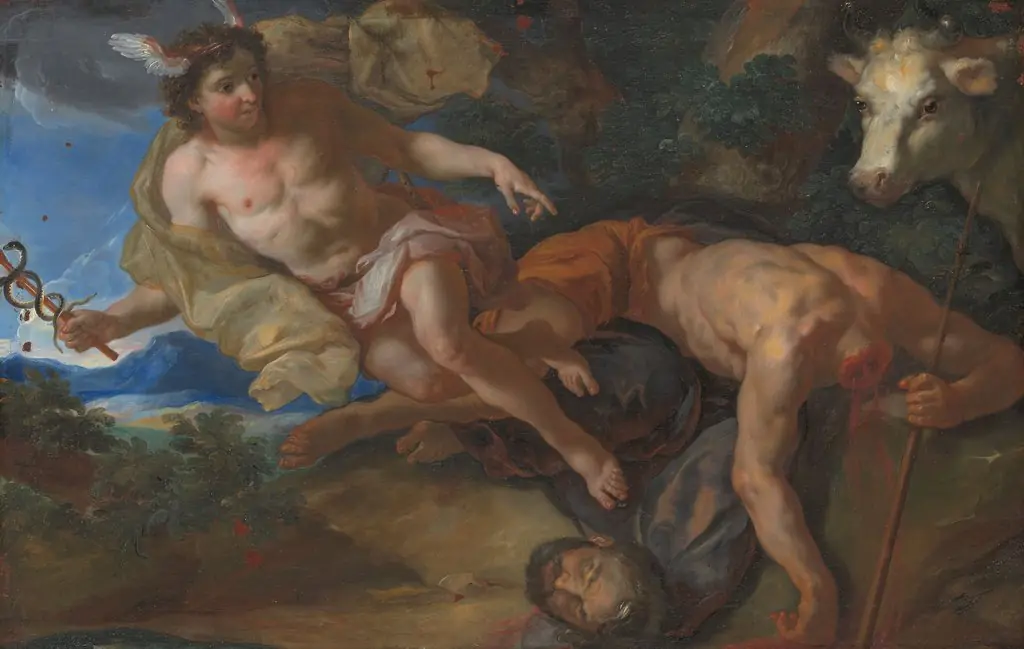
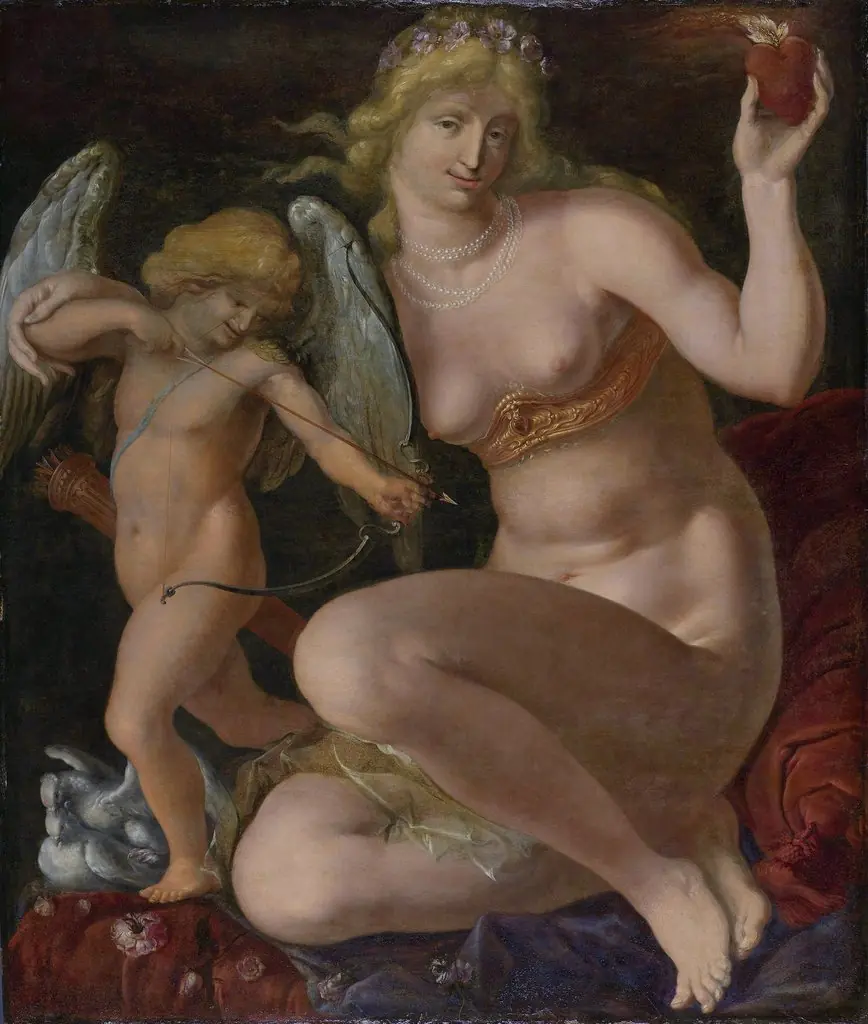
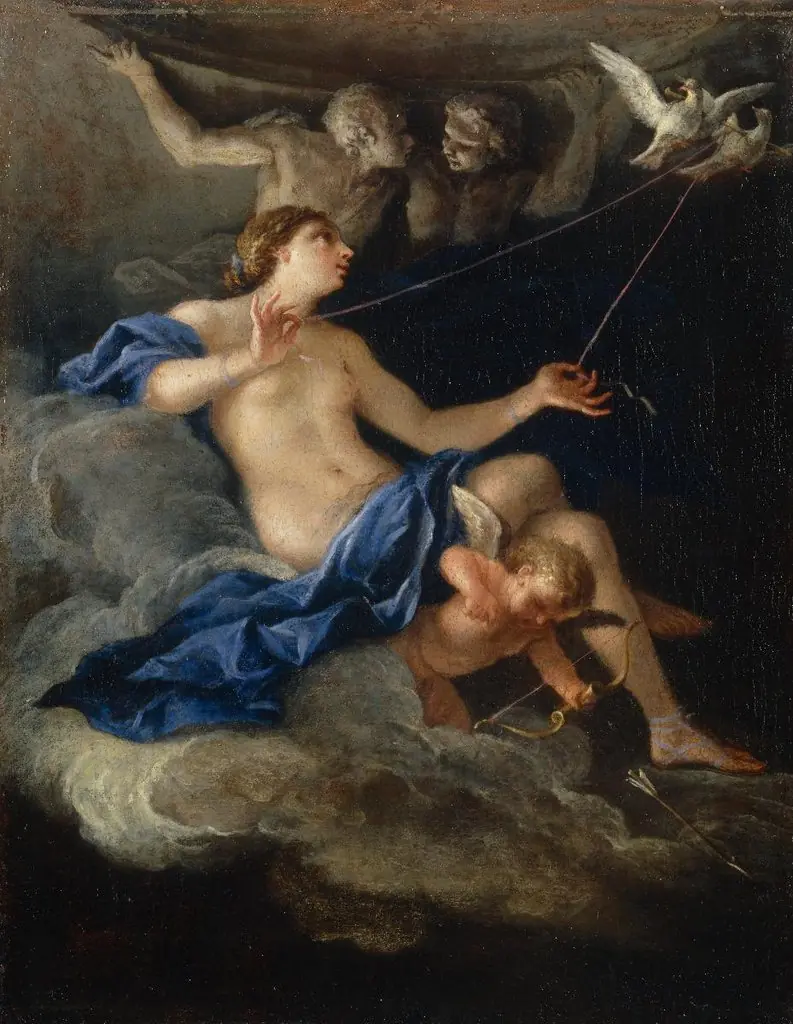
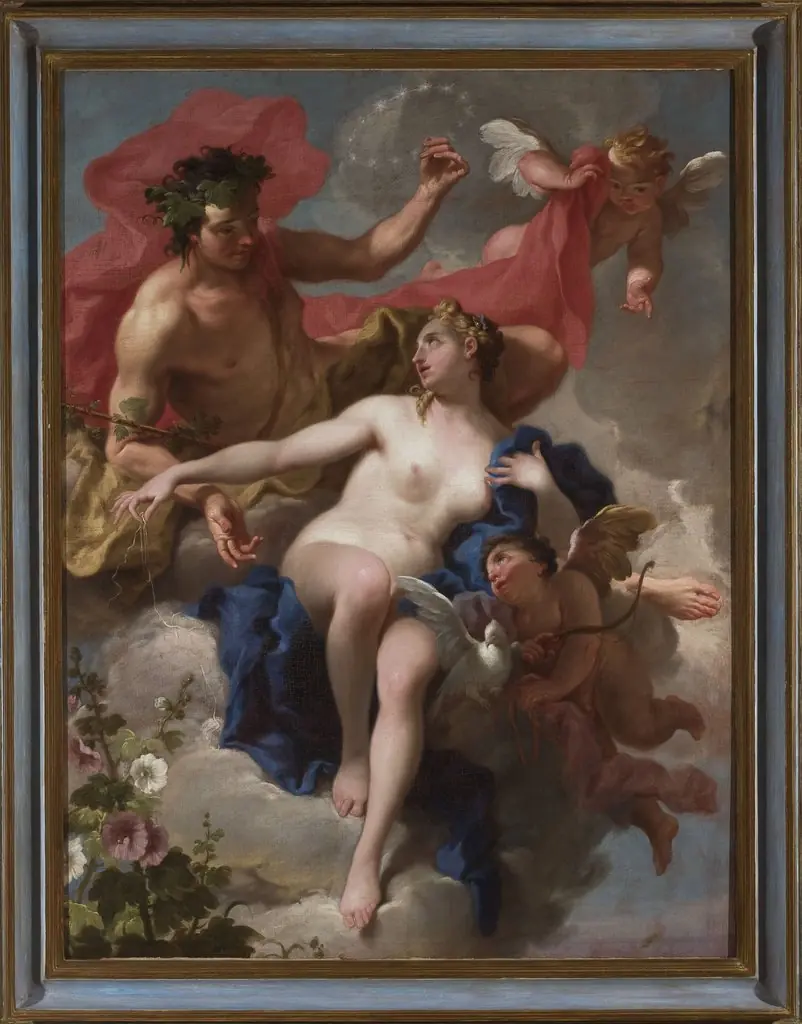
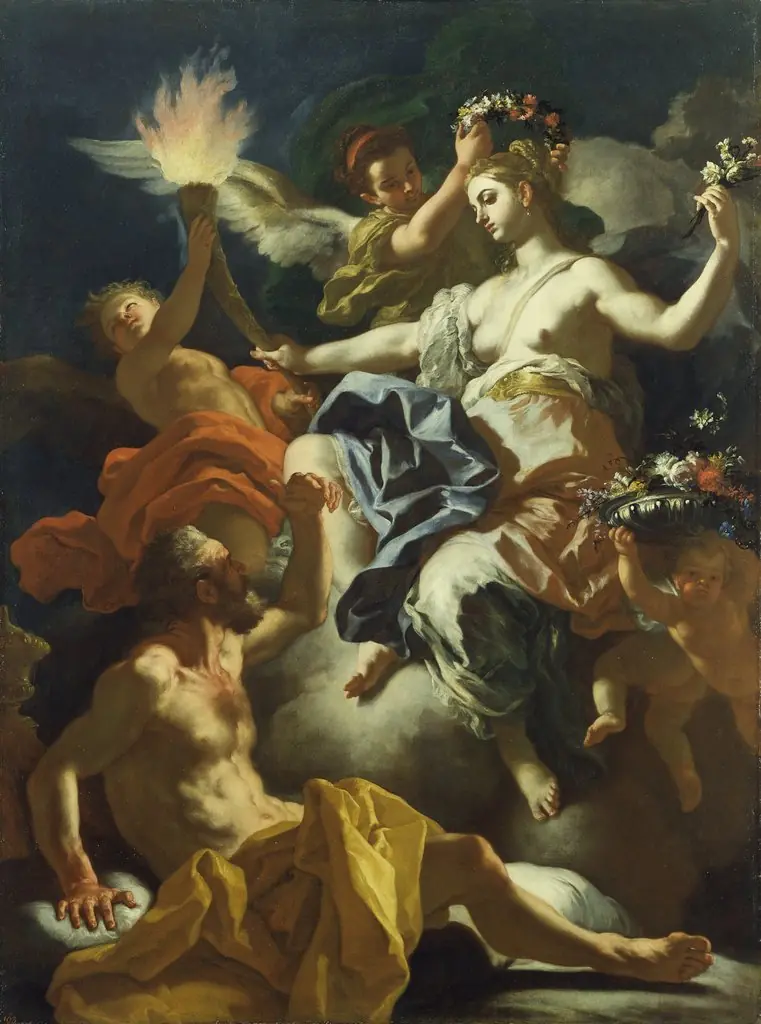
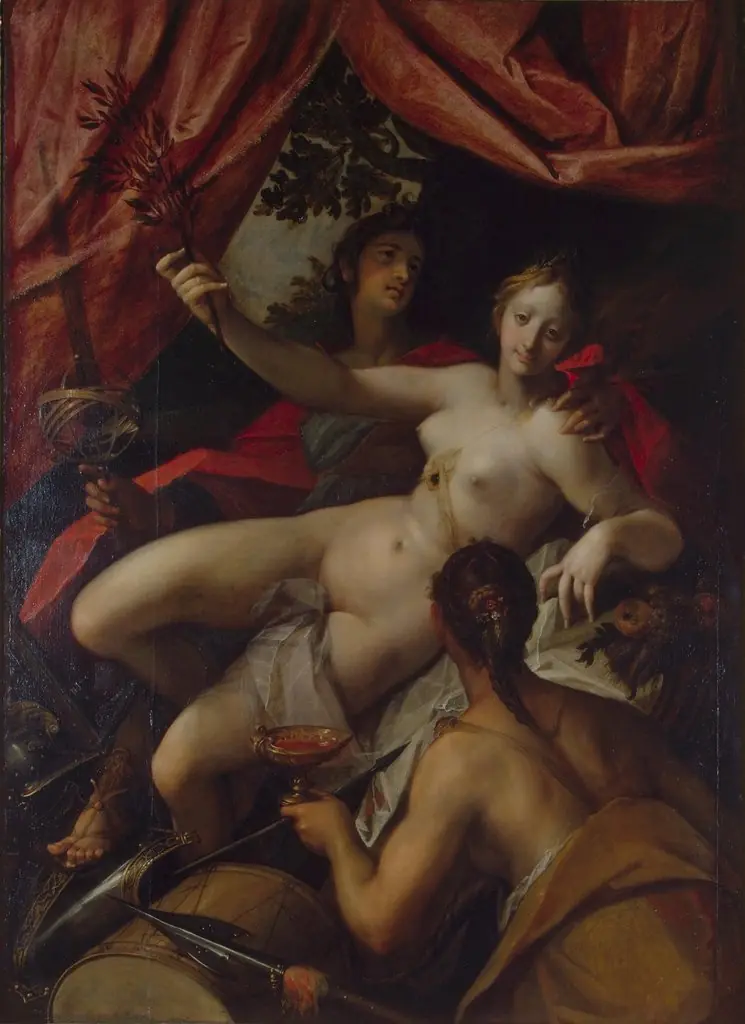
Johann Michael Rottmayr’s oil painting Venus and Cupid at the Forge of Vulcan, executed in 1696, is part of the collection of the Art Institute of Chicago. The work presents a mythological scene in which the goddess Venus and her son Cupid appear amid a dramatic, cloud‑filled landscape.
Subject & Meaning
The composition centers on a pale‑skinned Venus, draped in blue, who hovers above a rocky terrain while holding a red ribbon attached to a winged infant, identified as Cupid. The child clutches a hammer, a symbol of Vulcan’s forge, and two additional winged figures—one bearing a torch—populate the sky, suggesting the presence of other divine agents.
Technique & Style
Rottmayr employs strong chiaroscuro, contrasting the luminous flesh of the figures with a dark, swirling backdrop of smoke and fire. The smooth modeling of Venus’s skin and the soft lighting emphasize her divinity, while the rough, smoky atmosphere creates a sense of tension and movement within the mythic setting.
History & Provenance
Completed at the close of the 17th century, the painting entered the Art Institute of Chicago’s holdings in the early 20th century, though earlier ownership records are sparse. Its acquisition reflects the museum’s interest in Baroque interpretations of classical mythology.
Context
Rottmayr, a leading Austrian Baroque painter, often blended dramatic lighting with narrative content. This work aligns with contemporary trends that revived ancient myths to explore themes of love, craft, and divine interaction, situating the piece within the broader European fascination with allegorical storytelling.
Own this work as a print
Artist & collection

Artist
Johann Michael Rottmayr (1656–1730) was an Austrian artist, born in Laufen.