Artwork
Portrait of a man
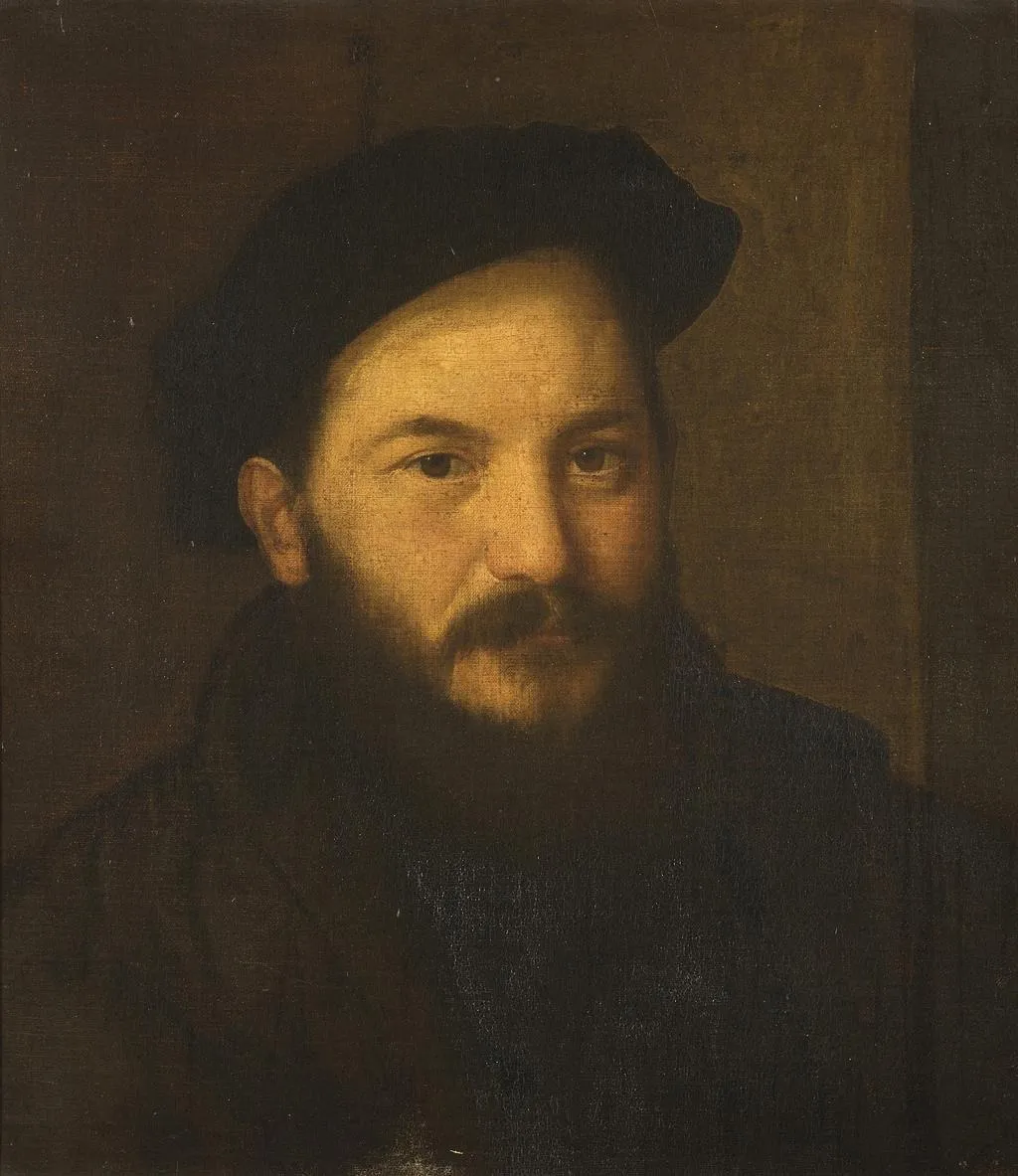
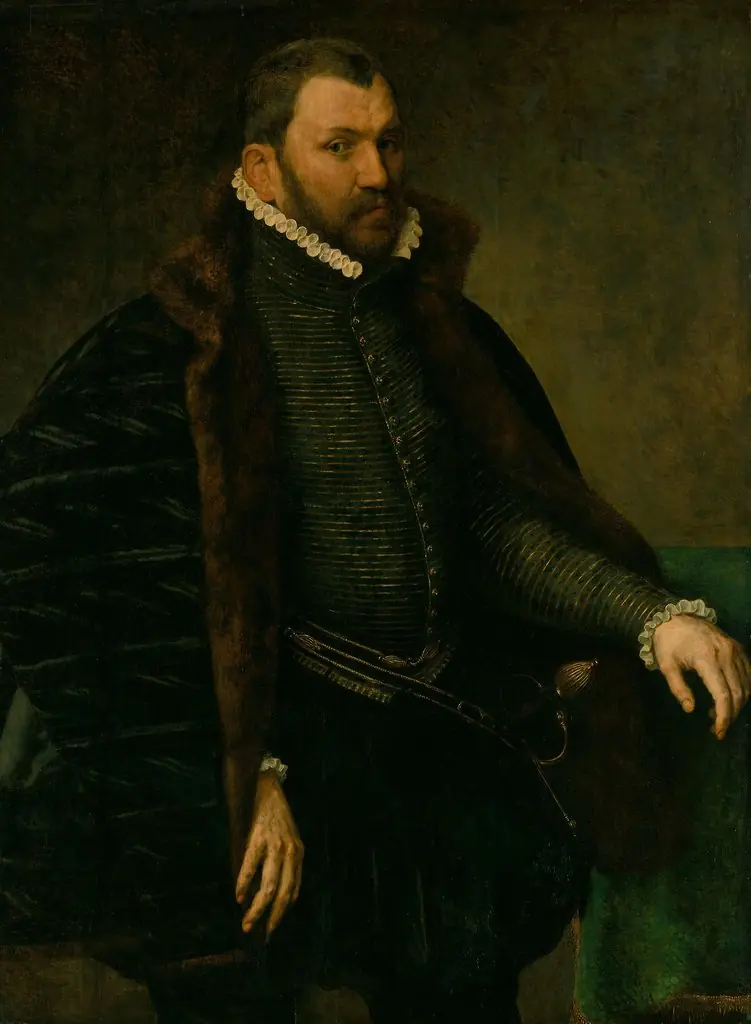
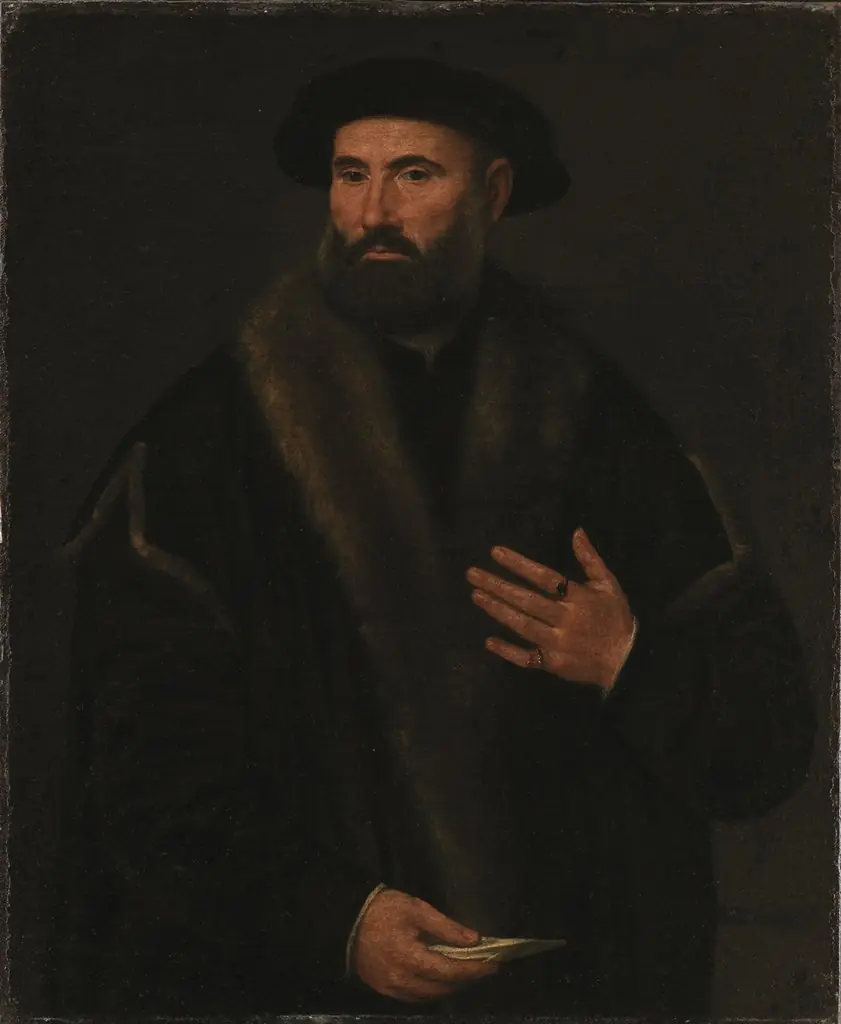
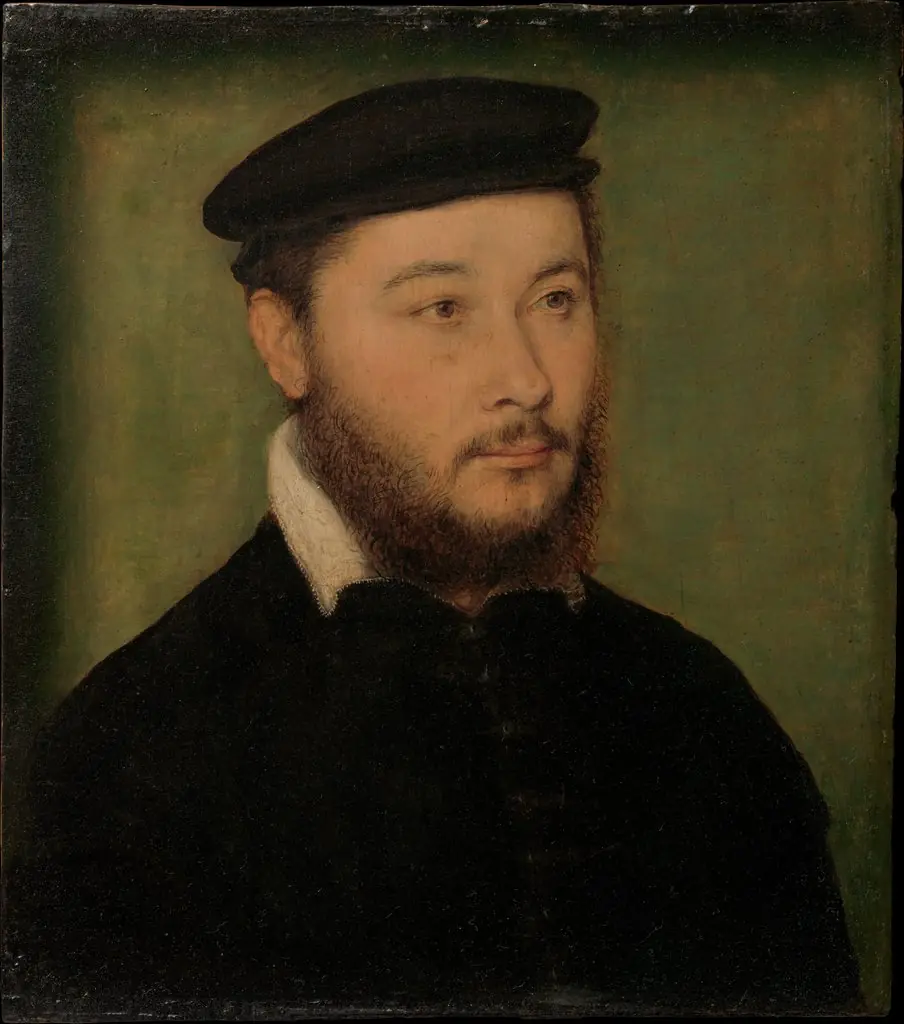
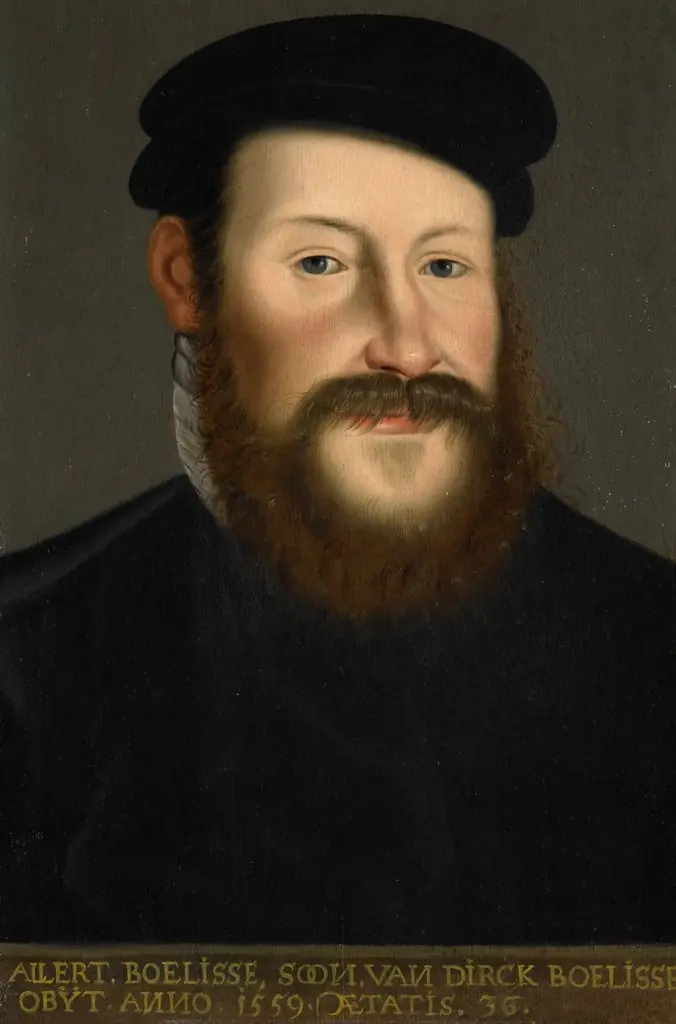
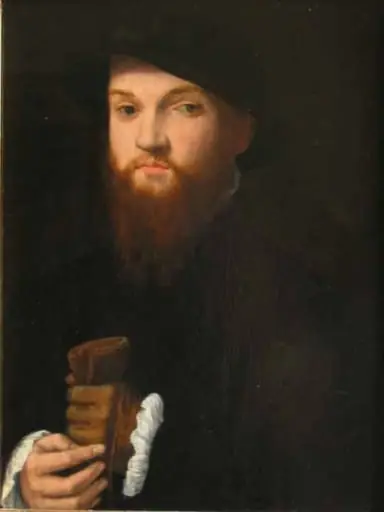
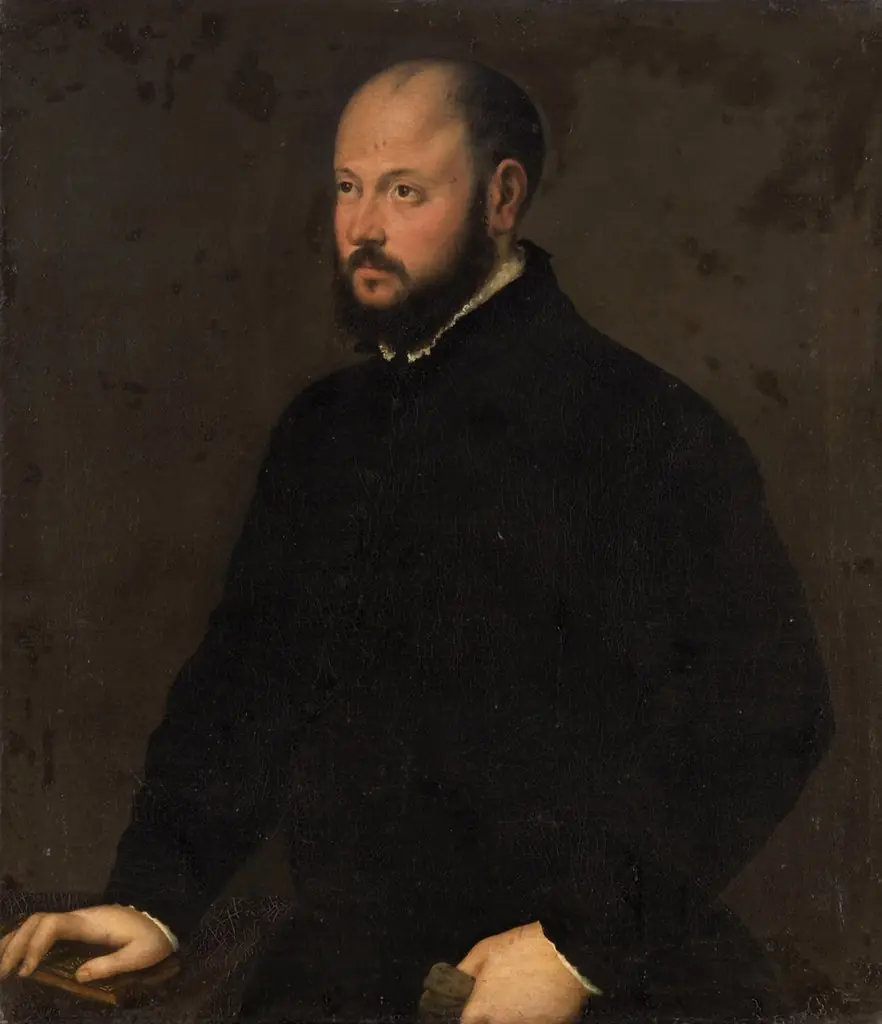
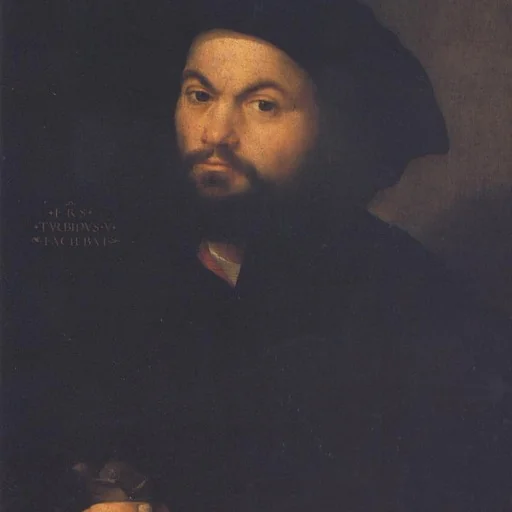
Portrait of a man is an oil painting by Francesco Torbido. It dates from 1532 and is held in the collection of the Fitzwilliam Museum.
About this work
Overview
Painted circa 1532 by Francesco Torbido, known as il Moro, this oil portrait captures a man in mid-life, rendered with restrained realism.
Painted circa 1532 by Francesco Torbido, known as il Moro, this oil portrait captures a man in mid-life, rendered with restrained realism. Torbido, active in the Venetian and Veronese artistic circles, focused on both secular and religious subjects. The work resides in the Fitzwilliam Museum, where it exemplifies his skill in capturing individual presence through subtle tonal shifts and controlled composition.
Subject & Meaning
The sitter, dressed in dark attire and a close-fitting beret, gazes directly at the viewer with an unembellished expression. His identity remains unknown, but his attire suggests a man of modest means or civic standing, not aristocratic. The stillness and lack of ornamentation convey introspection rather than status, inviting quiet engagement rather than display.
Technique & Style
Torbido employs chiaroscuro to model the face and garments, using gradual transitions from shadow to muted light to define form. The dark background recedes softly, enhancing the subject’s three-dimensionality. Brushwork is precise yet unobtrusive, avoiding theatricality; the texture of fabric and skin is suggested through layered glazes rather than overt detail.
History & Provenance
The painting entered the Fitzwilliam Museum’s collection in the 19th century, though its earlier ownership is undocumented. It has been consistently attributed to Torbido since its cataloging, based on stylistic parallels with his other portraits and the regional conventions of early 16th-century northern Italian painting.
Context
Created during the High Renaissance, this portrait reflects the growing interest in individual likeness beyond idealized types. While Venetian artists like Titian explored color and grandeur, Torbido’s approach in Verona leaned toward somber, intimate realism—aligned with local traditions that valued psychological presence over spectacle.
Legacy
Though not widely known today, Torbido’s portraits like this one contributed to the development of northern Italian portraiture by emphasizing quiet dignity over flamboyance. His work influenced regional painters who sought to capture character through restraint, leaving a subtle but discernible mark on the evolution of secular portraiture in the Cinquecento.
Artist & collection
Artist
Francesco Torbido (Venice 1486–1562) was an Italian painter of the Renaissance period, active mainly in Verona and Venice. He is also known as il Moro.