Artwork
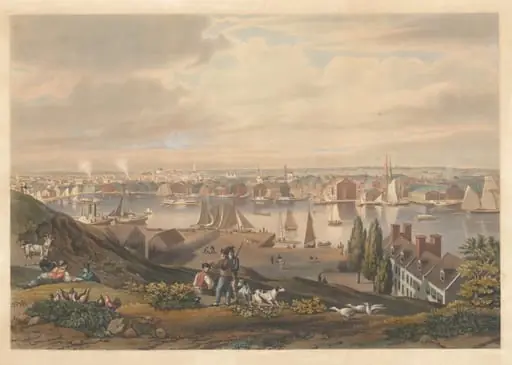
View of Baltimore from Chapel Hill
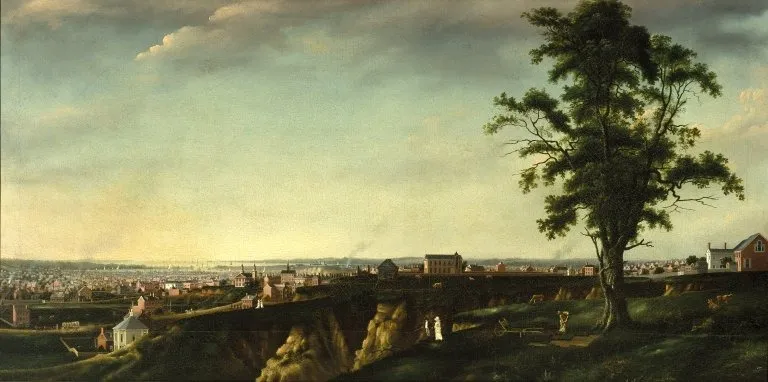
View of Baltimore from Chapel Hill is an oil painting by Francis Guy. It dates from 1802 and is held in the collection of the Brooklyn Museum.
About this work
Overview
Painted in 1802 by Francis Guy, *View of Baltimore from Chapel Hill* is an oil-on-canvas landscape depicting the city as seen from a nearby rise.
Painted in 1802 by Francis Guy, *View of Baltimore from Chapel Hill* is an oil-on-canvas landscape depicting the city as seen from a nearby rise. Guy, an English-born artist active in early American art, specialized in precise, observational scenes of urban and rural environments. This work exemplifies his commitment to recording the physical character of American towns during a period of rapid growth and change.
Subject & Meaning
The painting presents Baltimore from an elevated perspective, capturing its modest urban fabric—rows of dwellings, churches, and commercial structures—nestled against the natural terrain. In the foreground, a substantial tree anchors the composition, while a handful of figures stand quietly on the hill, suggesting contemplation rather than activity. The scene conveys a quiet dignity in everyday life, emphasizing harmony between settlement and landscape.
Technique & Style
Guy employed fine brushwork and a restrained palette to render architectural details and atmospheric depth. Clouds drift across a partially clear sky, their shifting light subtly modulating the tones of rooftops and trees. The spatial recession is carefully constructed through diminishing scale and muted hues in the distance, while the foreground retains crisp definition. His method prioritizes accuracy over romanticism, aligning with early American topographic traditions.
History & Provenance
Created shortly after Guy settled in Baltimore, the painting reflects his personal engagement with the city’s evolving form. It remained in private hands for much of the 19th century before entering the collection of the Brooklyn Museum, where it is now held. Its survival and preservation offer rare insight into how early Americans visually documented their emerging urban environments.
Context
In the early 1800s, American artists rarely focused on contemporary cities as subjects. Guy’s work stands apart by treating Baltimore not as a backdrop but as a subject worthy of careful observation. His paintings coincide with a growing civic pride and the rise of local identity, mirroring broader cultural shifts as the young republic sought to define itself through its landscapes and settlements.
Legacy
Francis Guy’s topographic approach influenced later generations of American landscape painters who sought to document the nation’s built environment with fidelity. Though not widely celebrated in his time, his body of work, including this painting, is now recognized as foundational to the development of American topographical art, offering invaluable visual records of early urban life.
Artist & collection
Artist
Francis Guy (c. 1760–1820) was an English-born American painter. Mostly remembered for his topographic views of Brooklyn, Guy is today highly regarded as one of America's earliest and most important landscape artists.

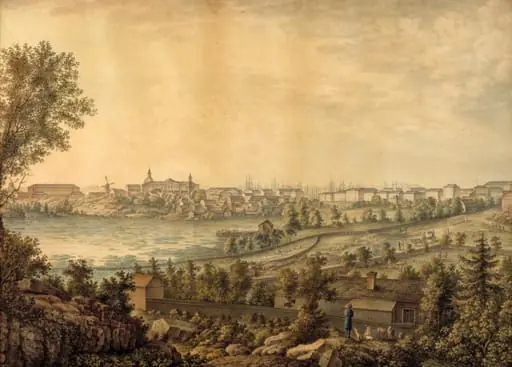 Helsinki nähtynä Kluuvinlahden yli
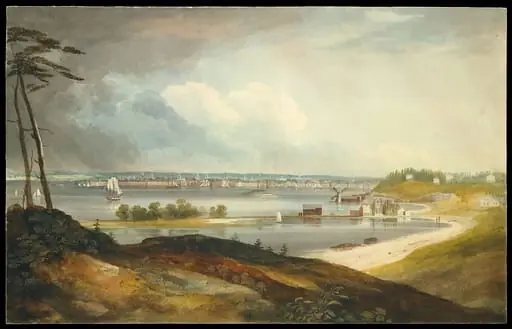 New York from the Heights near Brooklyn
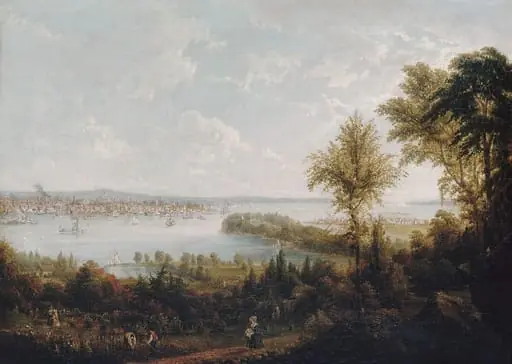 View of the Bay and City of New York from Weehawken
 Castine, Maine
 Swansea
 View of St. Louis
 Helsinki etelästä
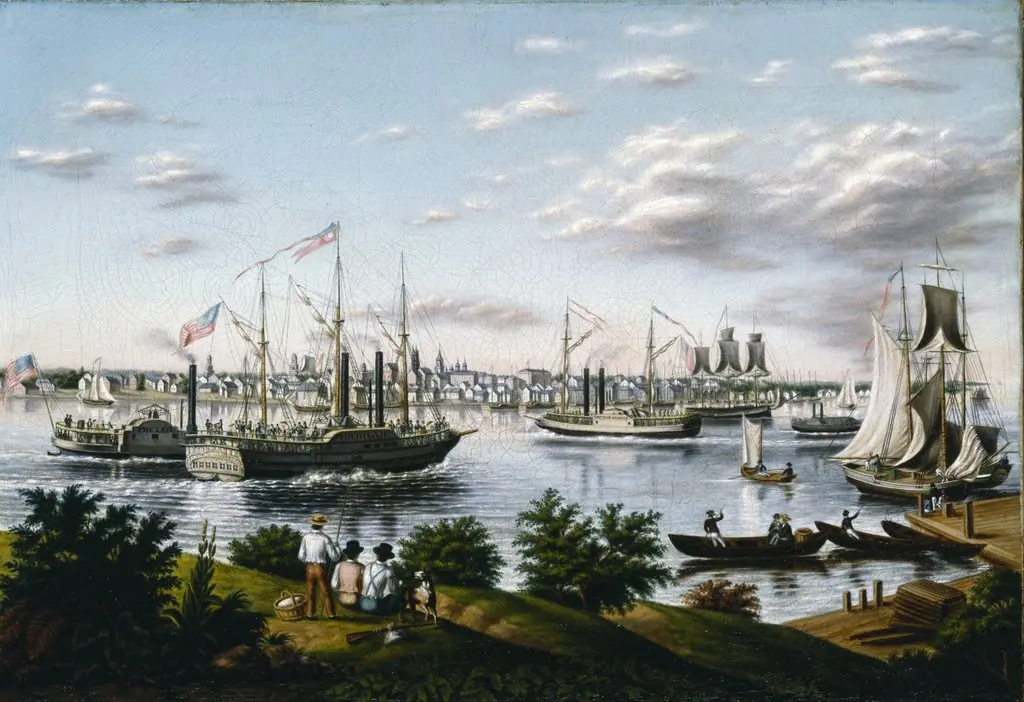 View of Detroit in 1836
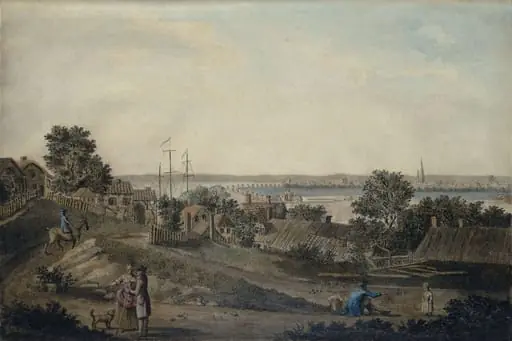 A Distant View of Southampton, taken from Pear Tree Green
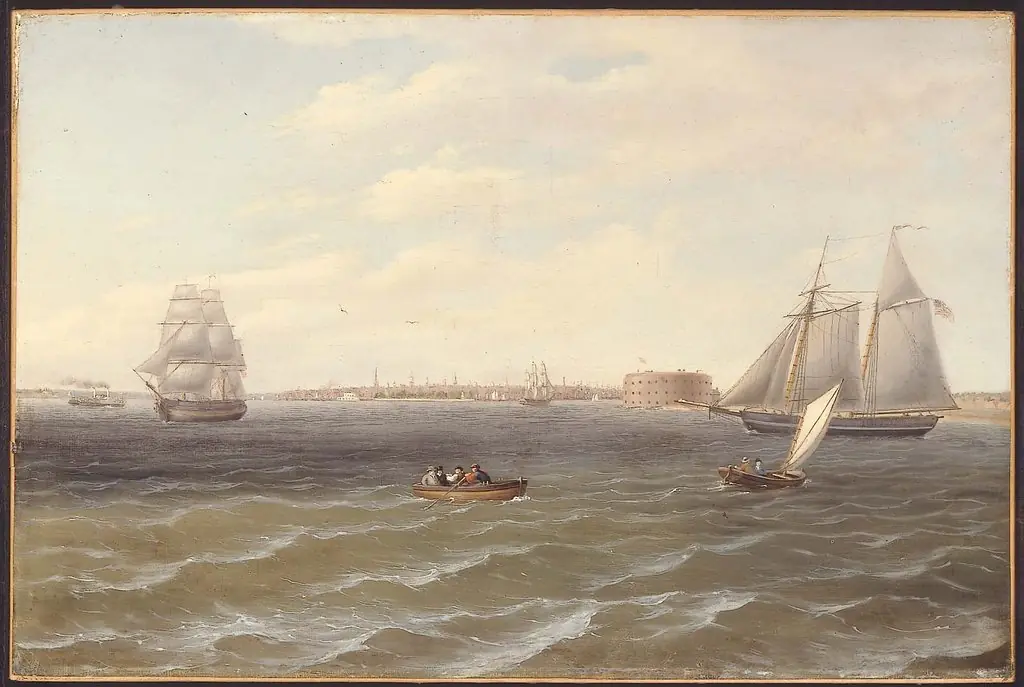 New York Harbor
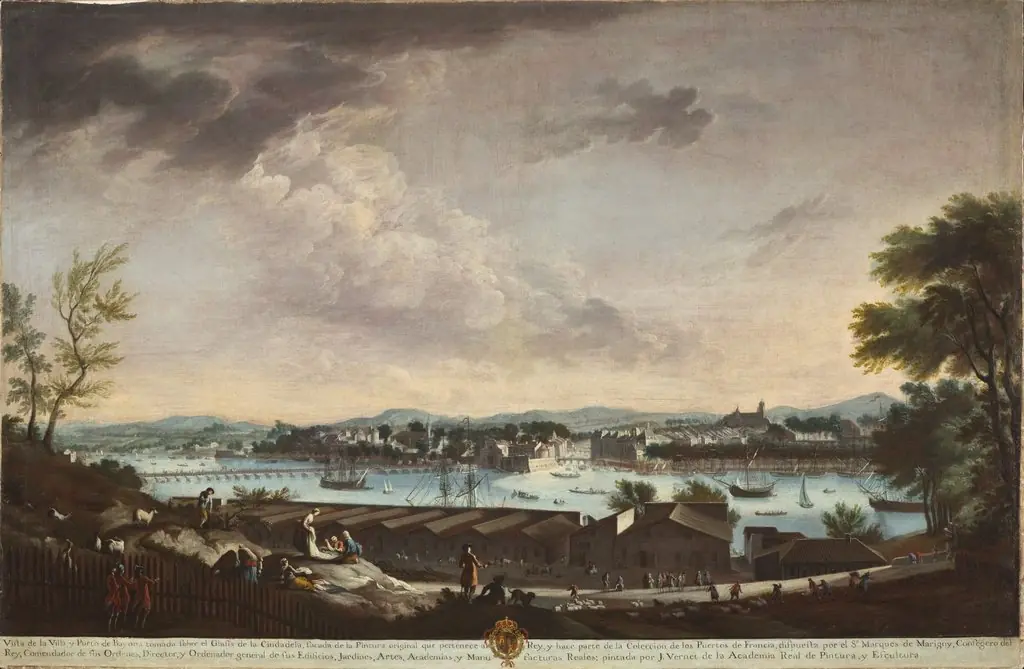 View of the Town and Port of Bayonne (La villa y puerto de Bayona)
 Baltimore from Federal Hill