Artwork
Scarborough: Shipwreck at the foot of the castle cliff
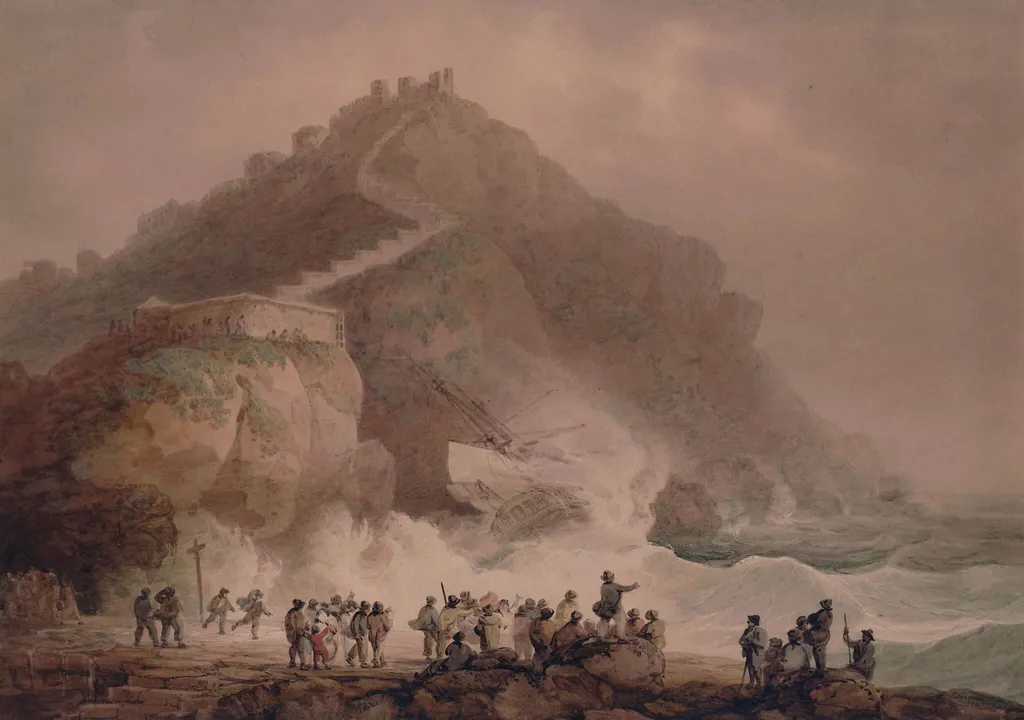
Scarborough: Shipwreck at the foot of the castle cliff is a watercolor work on paper by the British Romanticist artist Francis Nicholson. It dates from 1803 and is held in the collection of the Victoria and Albert Museum.
About this work
Overview
The scene centers on a wrecked vessel at the base of a steep cliff, with remnants of the ship and floating debris scattered across the turbulent sea.
Francis Nicholson created this watercolour in 1803, capturing a maritime disaster off the coast of Scarborough. The scene centers on a wrecked vessel at the base of a steep cliff, with remnants of the ship and floating debris scattered across the turbulent sea. The artist signed and dated the work on its reverse, a common practice for private or preparatory pieces of the period. The composition conveys a moment of crisis, framed by the imposing presence of Scarborough Castle above.
Subject & Meaning
The painting portrays a shipwreck and its immediate aftermath, with figures on the shore reacting to the disaster—some assisting survivors, others observing in distress. The presence of the castle, a historic stronghold, contrasts with the vulnerability of human life against nature’s force. The scene reflects a common 19th-century fascination with peril at sea, evoking themes of fate, human fragility, and the sublime power of the natural world.
Technique & Style
Nicholson employed transparent watercolour washes to suggest the movement of water and the weight of storm clouds. Delicate linework defines the ship’s broken hull and the figures on the shore, while the cliff’s texture is rendered with subtle tonal variations. The muted palette—dominated by greys, blues, and earth tones—enhances the somber mood. The composition directs the eye downward to the wreck, then upward to the castle, reinforcing the tension between human endeavor and natural grandeur.
History & Provenance
The work is attributed to Francis Nicholson, a lesser-known English watercolourist active in the early 1800s. Its survival with the artist’s signature and date on the reverse suggests it was kept as a personal record or study rather than a public commission. No documented exhibition history exists, and its early ownership remains unrecorded, though it likely remained within private collections in northern England.
Context
Created during the height of Romanticism, the painting aligns with contemporary interests in nature’s majesty and human vulnerability. While not by a major figure like Turner, it reflects a broader trend among regional artists to depict coastal hazards and dramatic landscapes. Scarborough’s reputation as a seaside resort and its prominent castle made it a recognizable locale, lending the scene both local resonance and universal emotional weight.
Legacy
Though Nicholson’s oeuvre is limited and largely uncelebrated in major institutions, this watercolour endures as a quiet example of early 19th-century British landscape painting. It contributes to the understanding of how ordinary artists engaged with Romantic themes, using accessible media to capture moments of crisis. Its preservation offers insight into the visual culture of coastal communities and their relationship with the sea.
Artist & collection

Artist
Lieutenant-General Francis Nicholson was a British Army officer and colonial administrator who served as the governor of South Carolina from 1721 to 1725.

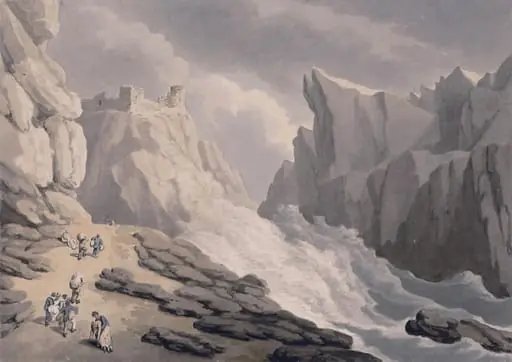 King Arthur's Castle, Tintagel, Cornwall
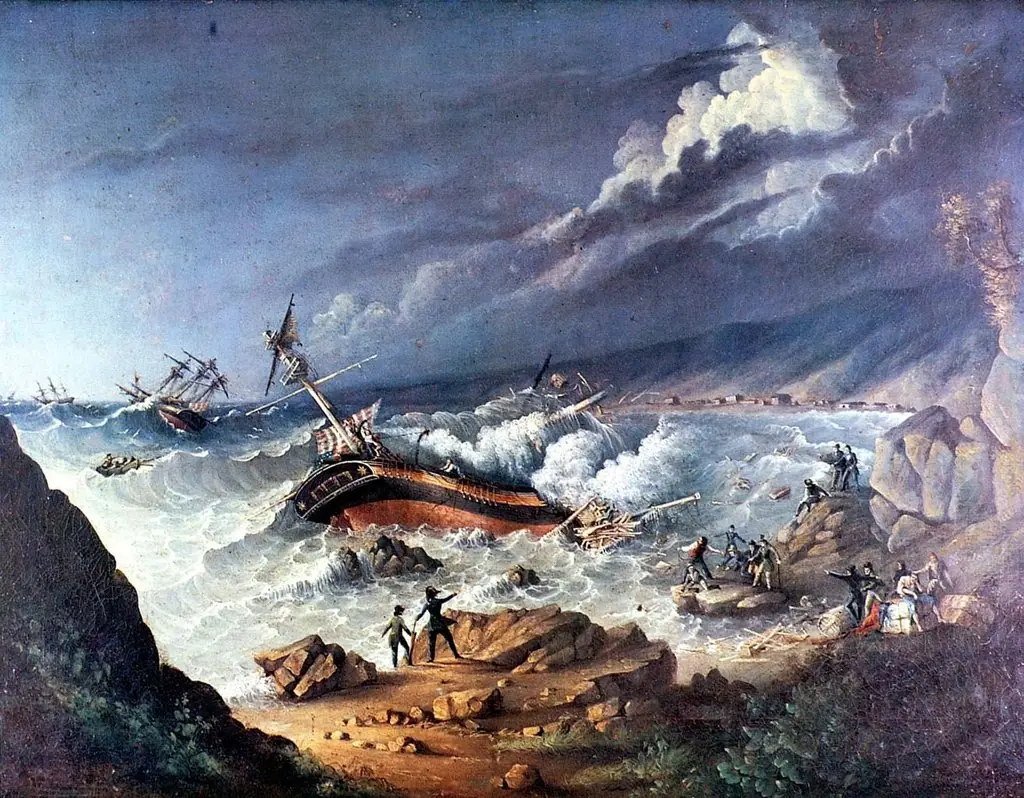 El naufragio del 'Arethusa'
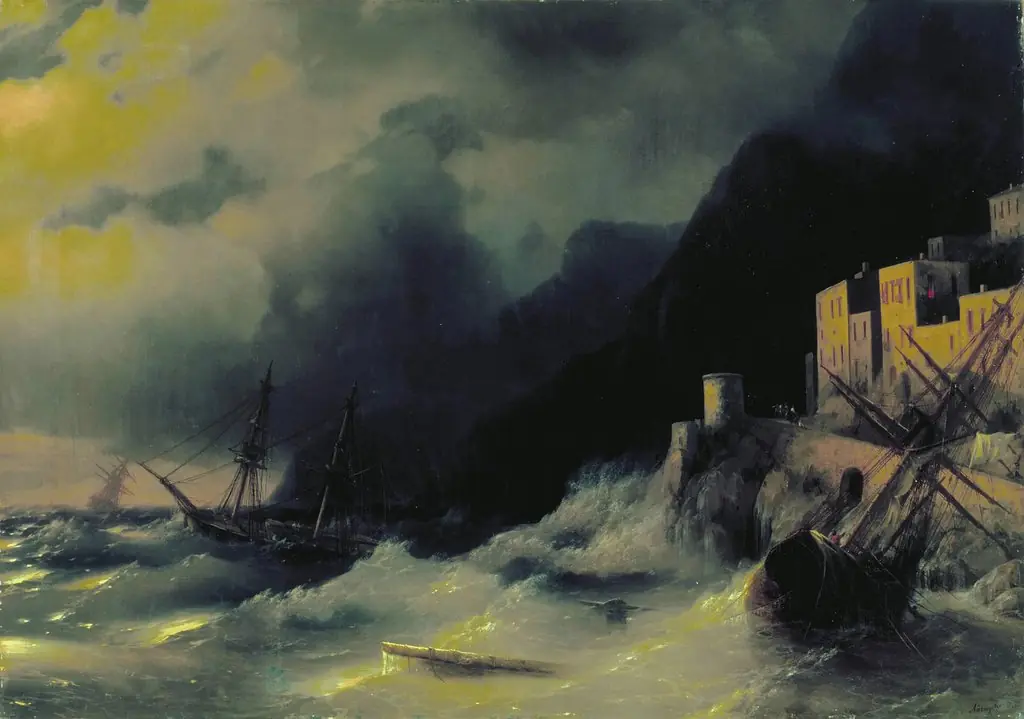 Storm at sea
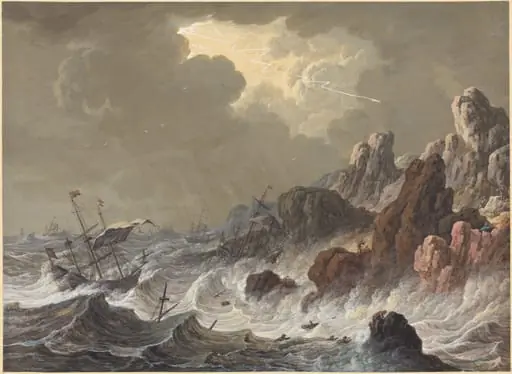 Storm-Tossed Ships Wrecked on a Rocky Coast
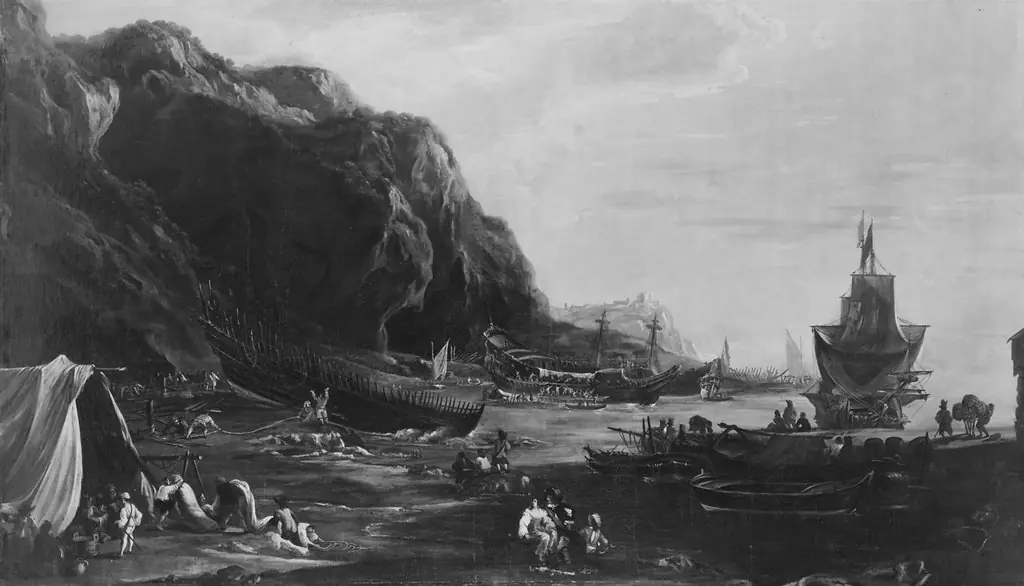 Küstenlandschaft mit Hafenplatz
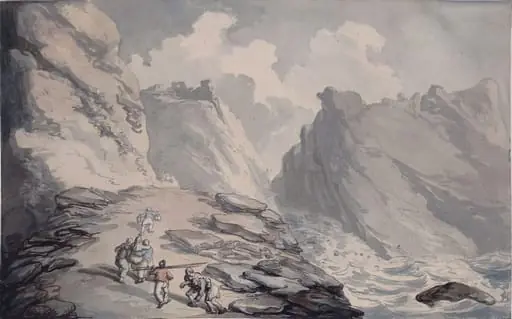 Rescue from Shipwreck
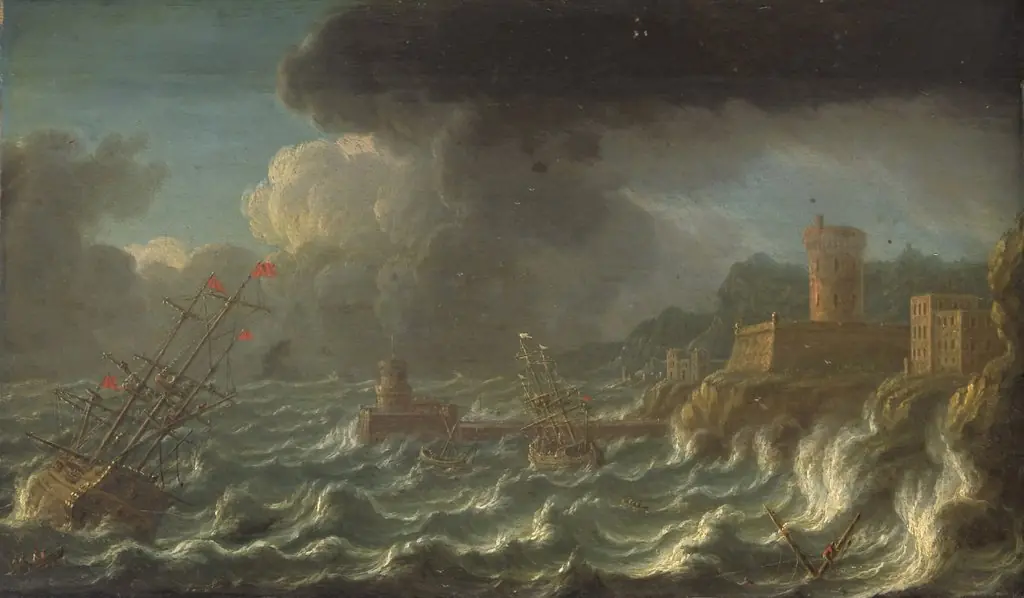 Seesturm vor der Küste
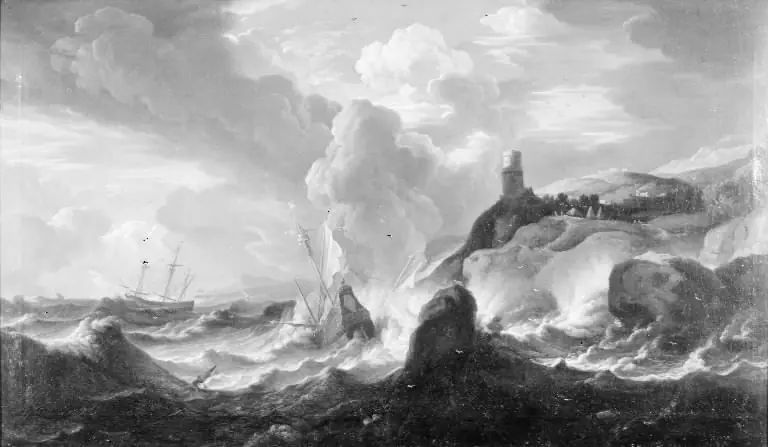 A Rocky Coast with a Atormy Sea and Ships Being Wrecked
 A Rocky Coast with a Atormy Sea and Ships Being Wrecked
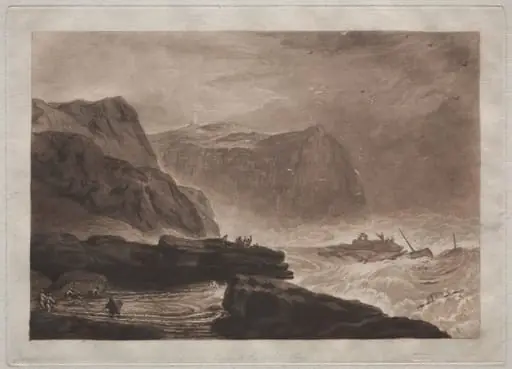 Liber Studiorum: Coast of Yorkshire, near Whitby
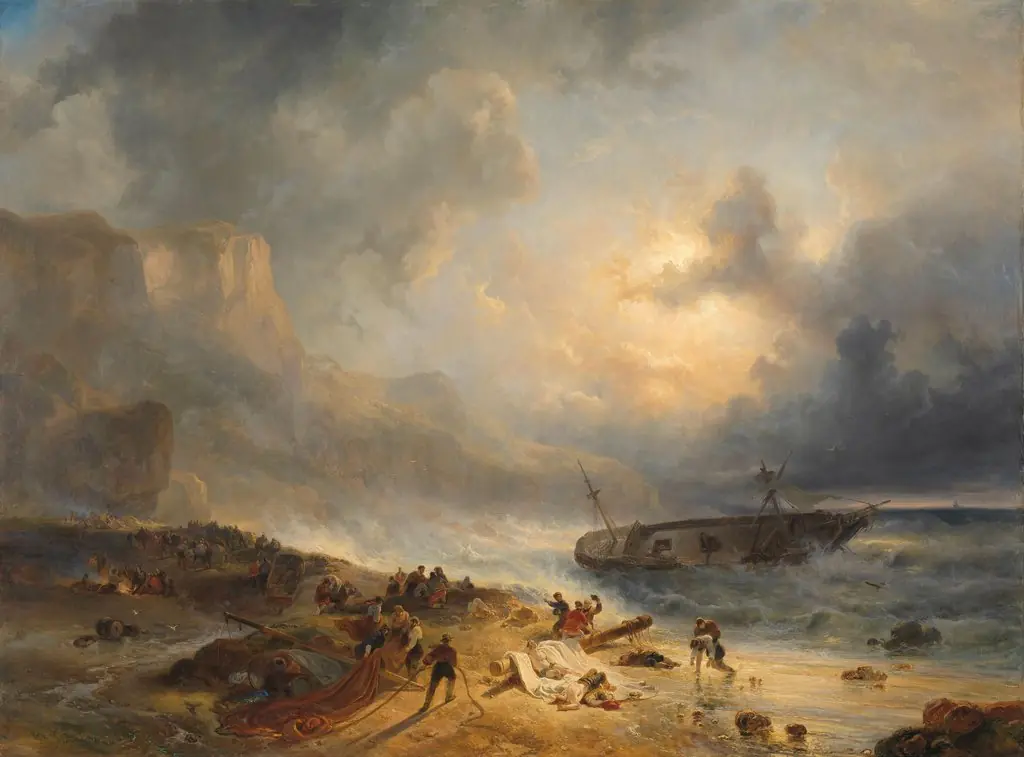 Shipwreck off a Rocky Coast