Artwork
A Rocky Coast with a Atormy Sea and Ships Being Wrecked
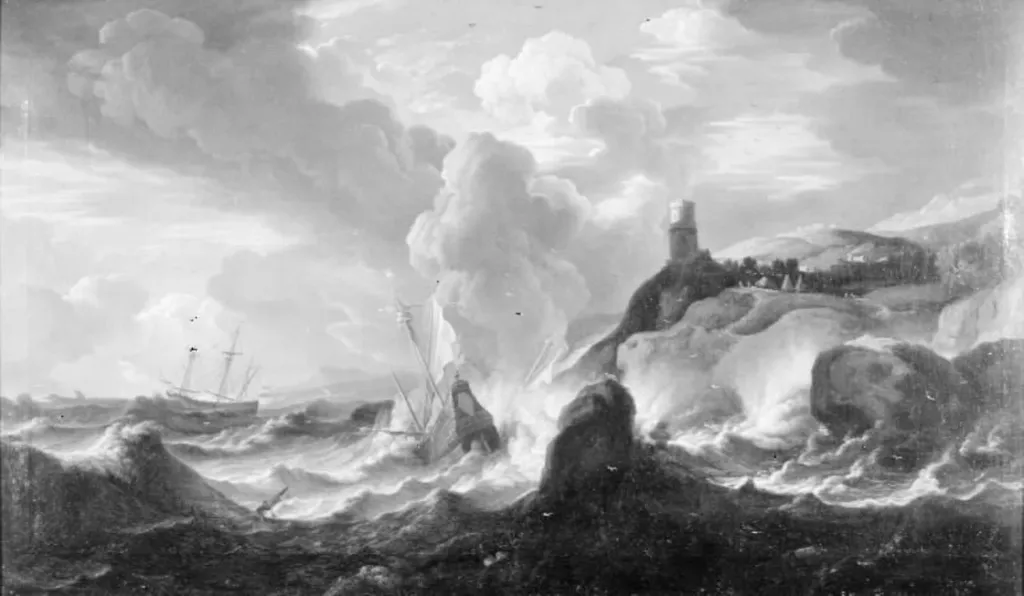
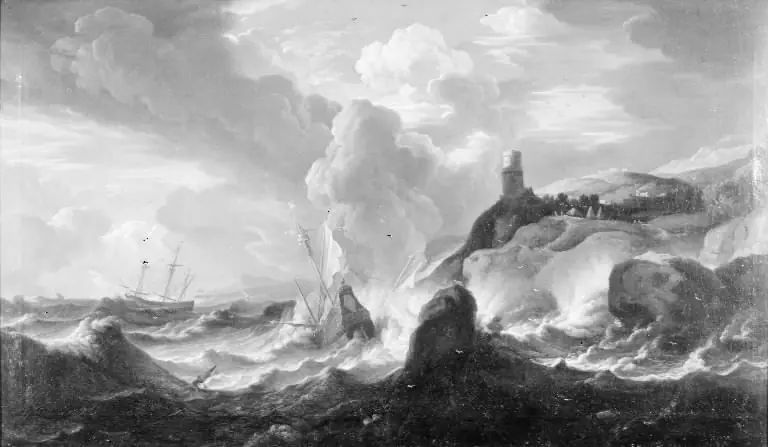
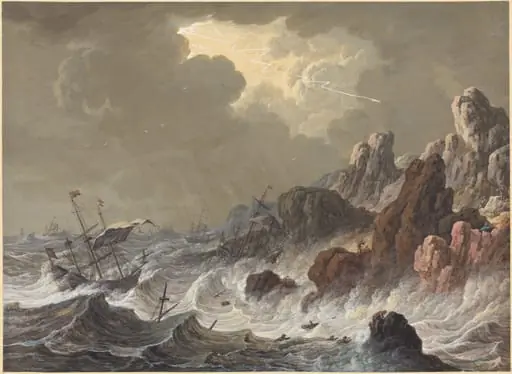
A Rocky Coast with a Atormy Sea and Ships Being Wrecked is a photography by the Baroque artist Unknown. It dates from 1704 and is held in the collection of the Statens Museum for Kunst. Painted in 1704, this marine scene depicts a violent coastal storm with ships caught in the turmoil.
About this work
Overview
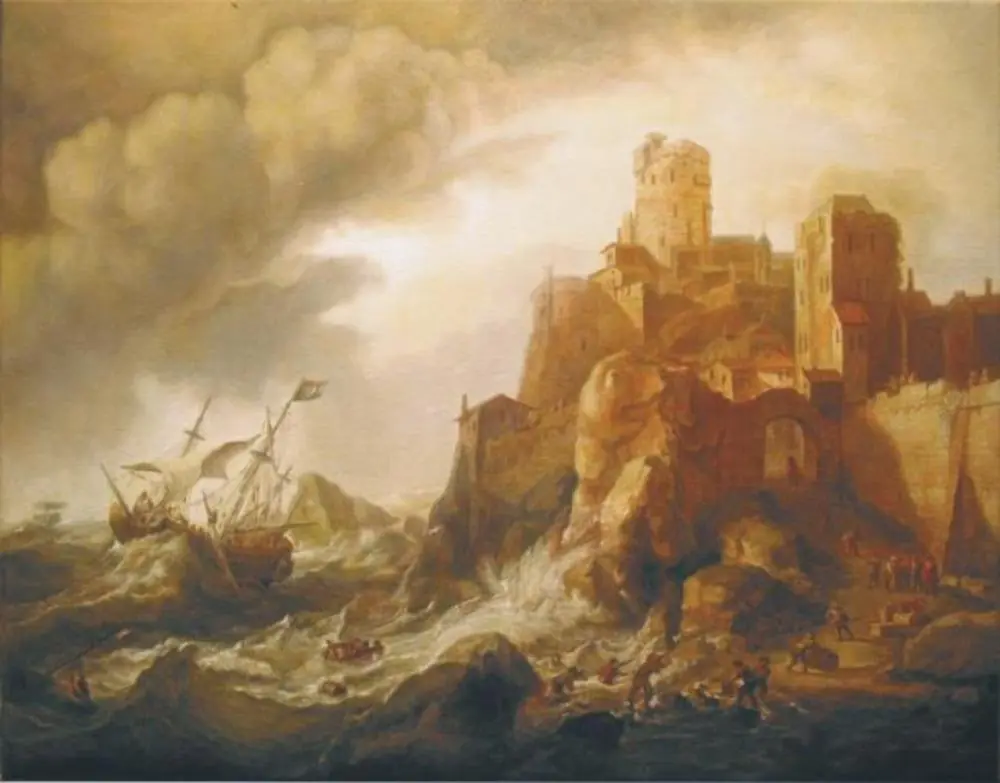
Painted in 1704, this marine scene depicts a violent coastal storm with ships caught in the turmoil. Executed in oil on canvas, the work is part of the Museum of Ethnography’s collection. Its composition centers on the destructive power of nature, rendered with energetic brushwork and a stark interplay of light and shadow to heighten emotional intensity.
Subject & Meaning
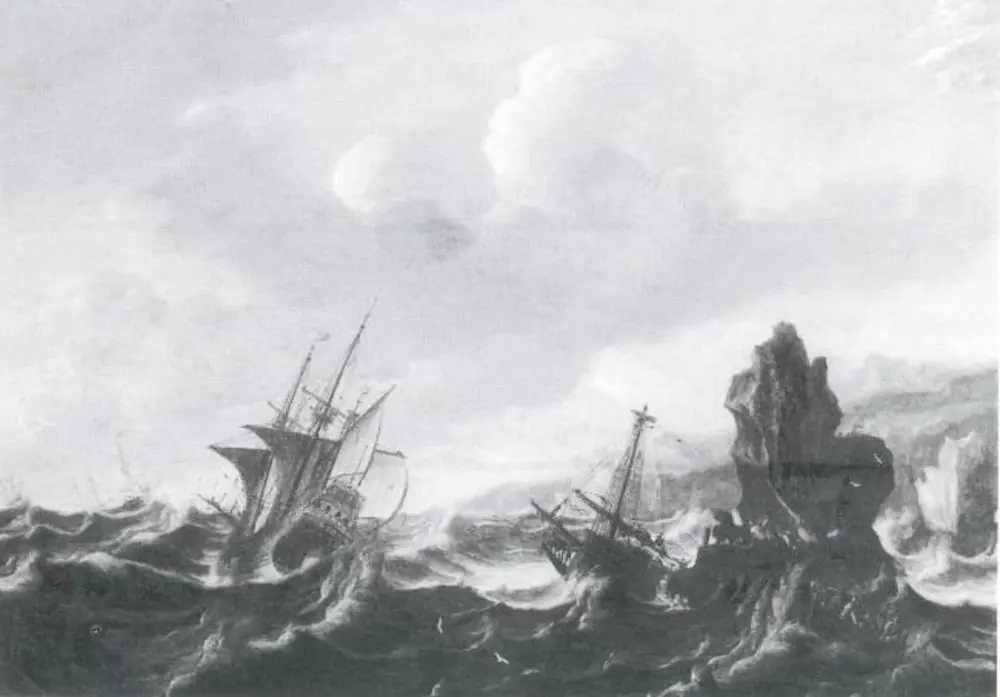
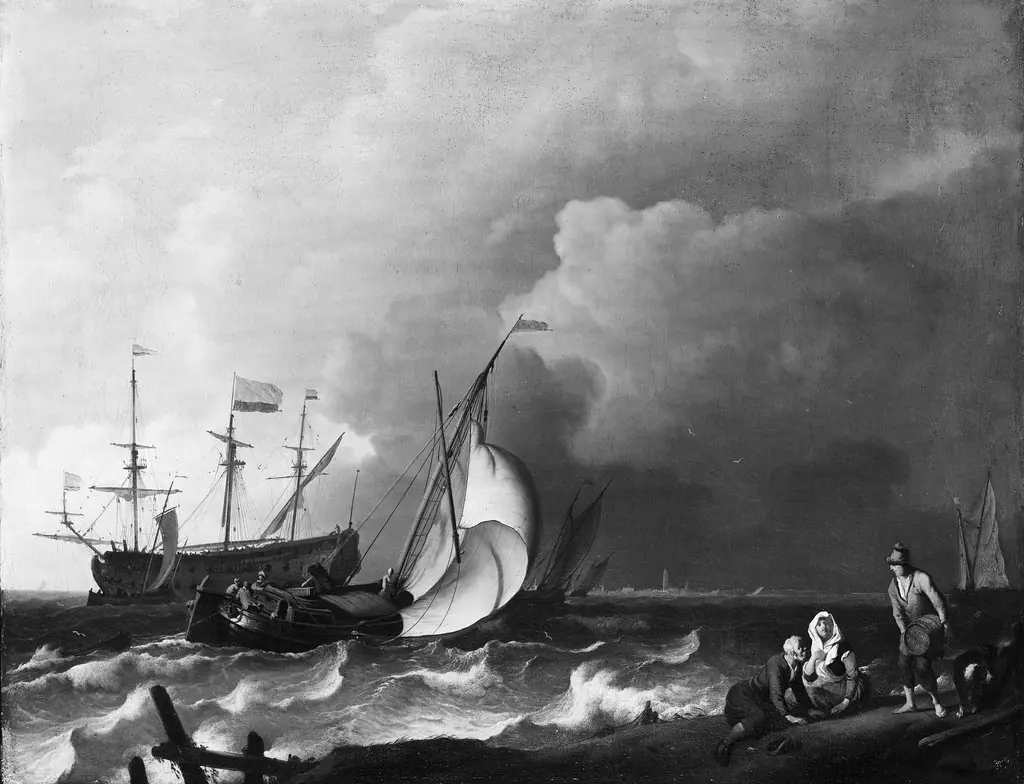
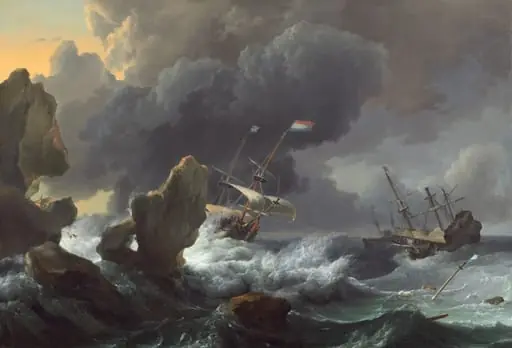
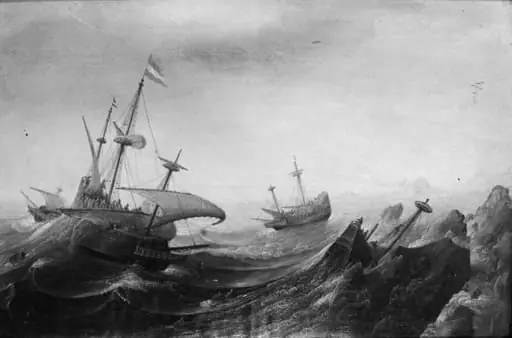
Three vessels are shown in varying states of distress: one shattered against the rocks, another sinking beneath the waves, and a third retreating into the distance. The jagged coastline and churning sea dominate the scene, suggesting nature’s indifference to human endeavor. The dark, turbulent sky reinforces a sense of inevitability, evoking themes of vulnerability and fate.
Technique & Style
The artist employed vigorous, directional brushstrokes to convey the force of wind and water. Dark, heavy clouds contrast with fleeting patches of light breaking through, enhancing the drama. Details of the ships are rendered with precision amid the abstraction of the storm, creating a tension between chaos and control that aligns with Baroque sensibilities.
History & Provenance
The painting has been in the Museum of Ethnography’s holdings since at least the early 20th century. Its origin as a work by 584_person is documented in archival records, though little is known about its early ownership or exhibition history prior to its acquisition by the museum.
Context
Created during the height of the Baroque period, the painting reflects contemporary artistic interests in emotional intensity and natural forces. Marine subjects were popular among Northern European painters, often serving as moral or religious allegories. This work fits within a broader tradition of depicting maritime peril as a reflection of human fragility.
Legacy
Though not widely reproduced, the painting remains a significant example of early 18th-century Dutch marine painting. Its emphasis on nature’s dominance over human activity influenced later Romantic depictions of the sea. It continues to be studied for its technical handling and thematic coherence within Baroque visual culture.
Artist & collection

 Domestic Scene
 Giacomo and Cardinal Marco, investing Andrea, Abbot of San Zeno, with his Benefice
 The Nymph of Fontainebleau
 Portrait of a Woman
 Madonna and Child with Saints in the Enclosed Garden
 Venus and Minerva
 Family Group of Four on Sofa
 Wall painting from Room H of the Villa of P. Fannius Synistor at Boscoreale