Artwork
Taking down the houses on old London Bridge
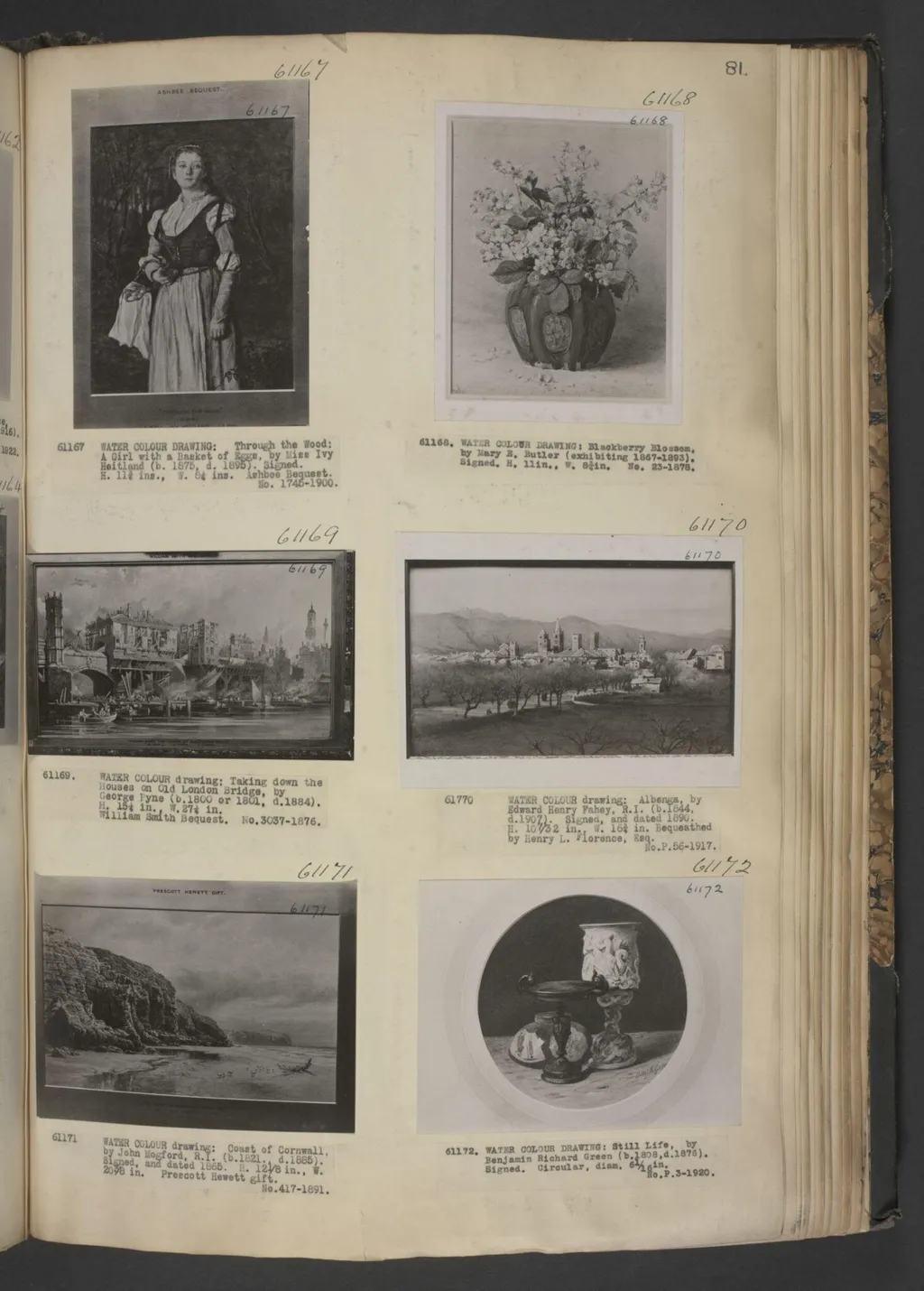
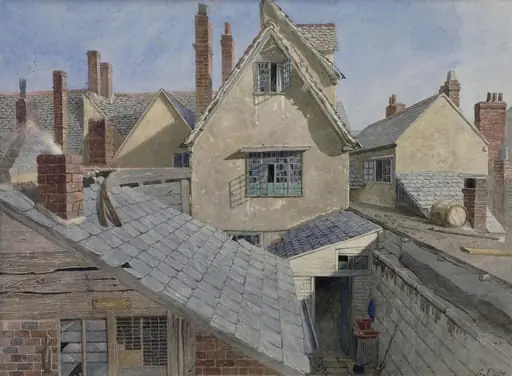
Taking down the houses on old London Bridge is a watercolor work on paper by the British Romanticist artist George Pyne. It dates from 1838 and is held in the collection of the Victoria and Albert Museum.
About this work
Overview
George Pyne’s 1838 watercolour captures the dismantling of the medieval London Bridge, a project initiated in 1824 to replace the centuries-old structure. The scene depicts the bridge in transition, with its timber-framed buildings under demolition. Pyne records the process with quiet attention to detail, avoiding idealization in favor of a candid view of urban transformation.
Subject & Meaning
The painting focuses on the physical decay and removal of the bridge’s historic buildings, once bustling with shops and residences. These structures, now being torn down, symbolize the obsolescence of medieval urban life. The calm river and hazy sky contrast with the chaos of demolition, suggesting the quiet inevitability of progress and the erasure of the past.
Technique & Style
Pyne employs transparent watercolour washes to render the watery light and weathered textures of the crumbling buildings. Delicate brushwork defines the timber frames and scaffolding, while the calm river reflects the pale sky with minimal detail. The composition avoids dramatic angles, favoring a level, observational perspective that underscores the mundane reality of the scene.
History & Provenance
Painted in 1838, the work documents the final phase of the old bridge’s removal, completed in 1831, though demolition of its structures continued. Pyne, a topographical artist known for recording London’s changing skyline, likely produced this as part of a series documenting urban renewal. Its survival suggests it was retained as a historical record rather than a commercial piece.
Context
The replacement of London Bridge reflected broader 19th-century efforts to modernize infrastructure. As trade and population grew, the narrow, overcrowded medieval bridge became untenable. Pyne’s image stands as a quiet counterpoint to grander civic narratives, preserving the visual evidence of what was lost during industrial-era urban reform.
Legacy
Pyne’s watercolour remains a valuable documentary record of London’s architectural transition. It offers insight into how ordinary people experienced change—not through spectacle, but through the slow unraveling of familiar landscapes. The work contributes to a broader visual archive of 19th-century urban renewal, valued for its unembellished realism.
Artist & collection

 Snowdon : Evening
 Town and lake of Como, Italy
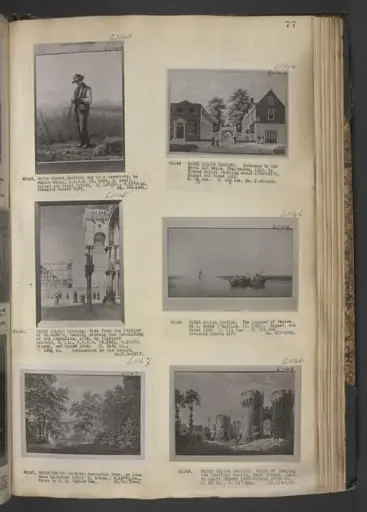 Entrance to the Royal Old Wells, Cheltenham, 1812
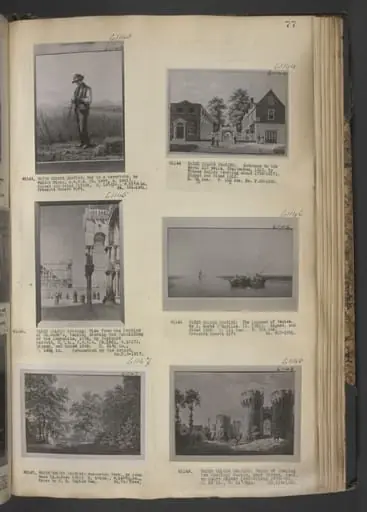 Boy in a cornfield
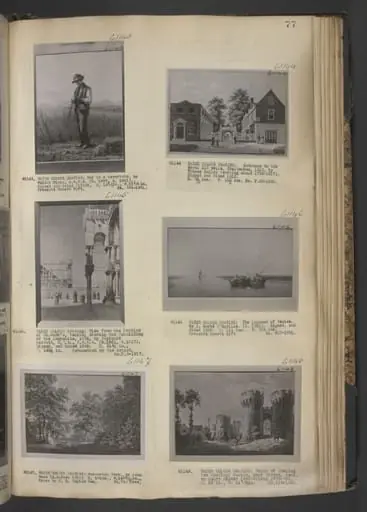 Rebuilding of the Campanile, St. Mark's, Venice : View of the portico of St. Mark's
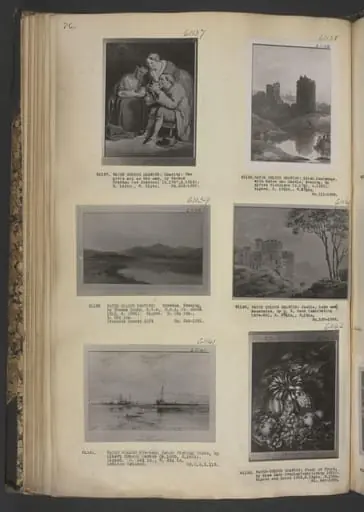 Two Girls and an Old Man
 Exterior view of the ruins of Cowling (or Cooling) Castle, Kent
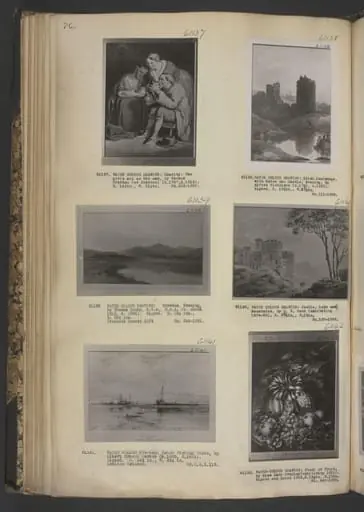 Castle, lake and mountains
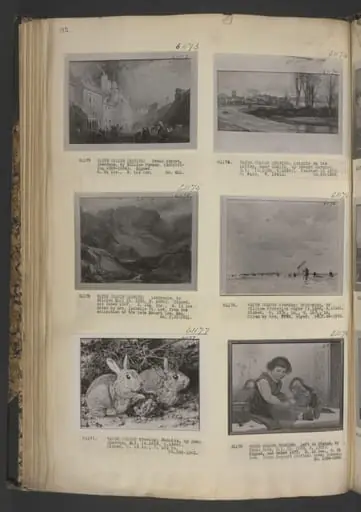 Untitled
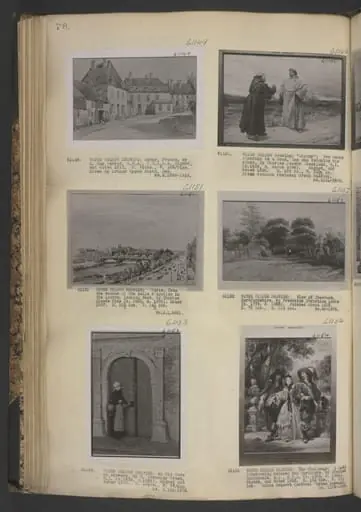 The Challenge: A Lady Interposing Between Two Cavaliers
 Stormy : Two monks standing in a road, the one rebuking the other
 Temple at Nasik, on the Godavery